

What if I told you most “training treats” are all wrong for tiny dogs?
They’re either too big, too filling, or not tempting enough when a squirrel walks by.
Small dogs need tiny, low-calorie bites that you can crumble into micro-rewards, but still smell like dinner.
This post cuts through the marketing and shows the best training treats for small dogs that actually work.
You’ll get options that fit toy mouths, protect sensitive tummies, and keep your sessions fast and focused.
Read on to find the right fit for your pup.
Top-Rated Tiny Training Treats That Meet Small-Dog Needs

The best training treats for small dogs are freeze-dried or air-dried pieces small enough to disappear in one bite, packed with flavor that makes your pup spin around when you reach for the pouch. When you’re rewarding a sit fifty times in one session, you need treats under three calories each that won’t fill up a three-pound belly before you’ve practiced recall twice.
Single-ingredient options like freeze-dried fish or liver give you the cleanest path to high-value rewards without fillers that add empty calories or trigger sensitivities. Many freeze-dried treats clock in between 80 and 160 calories per ounce, which sounds modest until you remember that a Chihuahua’s entire daily allowance might be 200 calories. Treats need to be broken into crumb-sized pieces to stay under the 10% rule.
Air-dried options strike a balance between palatability and chewability for tiny mouths, especially senior dogs or puppies still getting their bite strength. The texture’s softer than jerky but firm enough to hold together in your pocket during a walk around the block.
-
Vital Essentials Minnows Freeze-dried whole fish, 82 kcal/oz, sold in 1 oz bags. Breaks into tiny slivers perfect for rapid rewards. Single ingredient (fish) sourced in the USA. Extremely palatable, especially for picky eaters who ignore chicken. Downside: the 1 oz bag empties fast if you’re training daily.
-
Vital Essentials Bites (Duck & Beef) Freeze-dried nib-sized pieces. Duck version contains duck plus mixed tocopherols (natural preservative), beef includes beef, beef liver, and mixed tocopherols. Piece size is already toy-breed appropriate. Cons: mixed tocopherols may be a concern for pet parents seeking truly single-ingredient options.
-
Raw Paws Green Tripe Freeze-dried tripe from USA-raised free-range cattle, 155 kcal/oz. The “stinky” factor makes this irresistible to dogs who turn their nose up at everything else. Nutrient-dense and works as both a training morsel and a meal topper. Con: higher calorie density means you must break pieces very small.
-
Icelandic+ Herring Fish Treats Air-dried wild-caught herring from Iceland, 125 kcal/oz. High in Omega-3s for skin and coat. The fishy smell is strong enough to pull focus during outdoor distractions. Con: the odor lingers on your hands and in your treat pouch.
-
Ageless Paws Bison Liver (formerly Bison Bites) Freeze-dried single-ingredient bison liver, 112 kcal/oz. Packed with Vitamin A, iron, and copper. Extremely palatable. Con: liver is calorie and vitamin dense, so feed in tiny amounts and rotate with leaner proteins.
-
Wildside Kangaroo Crunchy limited-ingredient kibble-style treat with six ingredients: kangaroo, potato, vegetable glycerin, canola oil, apple, natural antioxidants. Pieces are extremely small, ideal for toy breeds. Con: includes potato and added ingredients, less ideal if you prefer single-ingredient treats.
-
Nature’s Variety Instinct Raw Boost Toppers Freeze-dried raw toppers in beef, chicken, and lamb, available in 6 oz and 14 oz packets. Label lists ½ cup as 124 calories (useful for portioning). Versatile as both topper and training morsel. Con: larger packaging may be more than occasional trainers need.
-
ZiwiPeak Air-Dried Air-dried limited-ingredient dog food that breaks easily into training-sized pieces. Calorie density ranges from 256 kcal/scoop (mackerel & lamb) to 284 kcal/scoop (chicken). Soft, highly palatable, and premium quality. Con: higher price point makes it best for small or teacup breeds where a little goes a long way.
When choosing among these, prioritize treats you can break into dust-sized rewards without crumbling into unusable powder. Freeze-dried options typically snap cleanly. Air-dried pieces tear into flexible strips.
Key Qualities That Define the Best Training Treats for Small Dogs
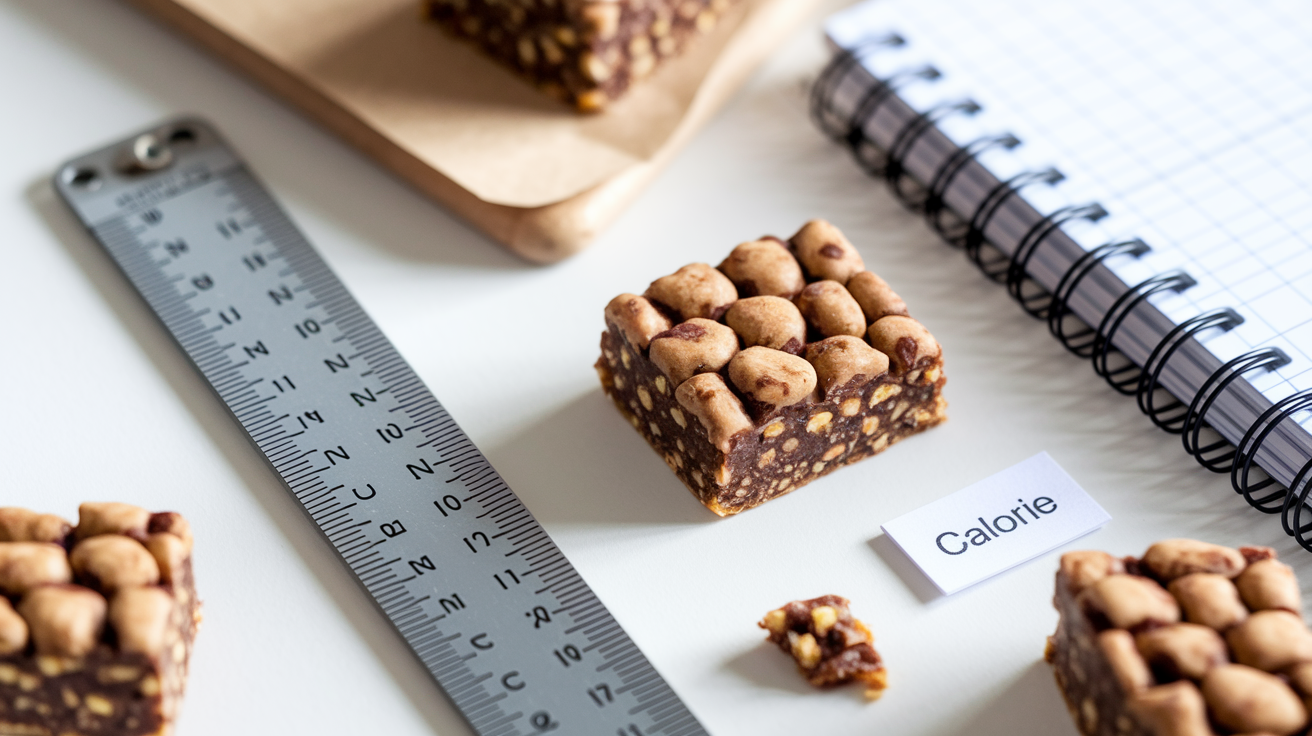
Tiny dogs need tiny treats because a “small” treat designed for a Labrador is a full meal for a Maltese. A three-pound dog burning 200 calories a day can afford only 20 calories in treats. That’s roughly ten two-calorie pieces or twenty one-calorie crumbs. Oversized rewards fill the belly before you’ve practiced three behaviors, and suddenly your dog’s too full to care about your recall cue.
Low calorie density per piece is non-negotiable. Treats marketed as “training size” can still pack five calories each, which eats up your daily allowance in four rewards. Look for options under two calories per piece, or buy freeze-dried single-ingredient treats you can shatter into micro-rewards.
Every training treat must meet these standards:
- Piece size smaller than a pea If it’s bigger, break it in half before the session starts.
- Soft or breakable texture Hard biscuits take too long to chew. Freeze-dried and air-dried pieces snap cleanly and dissolve fast.
- High-value flavor Smelly, meat-forward options (liver, fish, tripe) outperform bland kibble when you’re competing with squirrels.
- Single or limited-ingredient formula Fewer ingredients mean fewer chances to trigger sensitivities or allergies.
- No artificial colors, flavors, or preservatives Natural options like mixed tocopherols are acceptable. Synthetic additives are not.
- Held together well under pressure Squeeze a treat between your fingers. If it crumbles into dust, it’s unusable in your pocket.
| Type | Texture | Calories (approx) | Best For |
|---|---|---|---|
| Freeze-Dried | Crunchy, breaks cleanly | 80–155 kcal/oz | Rapid-fire rewards, high palatability |
| Air-Dried | Soft, chewy, flexible | 125–284 kcal/oz | Senior dogs, puppies, slower chewers |
| Crunchy Kibble-Style | Hard, tiny pieces | Variable (often low per piece) | Ultra-small portions, toy breeds |
Consistency in treat size and texture helps you build muscle memory during training sessions. When every reward feels the same in your hand and delivers the same quick crunch in your dog’s mouth, you can focus on timing instead of fumbling with uneven pieces.
How Different Treat Types Influence Training Results

The form of your treat changes how fast you can deliver the next reward, and speed matters when you’re marking the exact moment your dog’s paw touches the mat. Freeze-dried pieces snap in half with one squeeze, letting you prep micro-rewards in your pocket during the session without pausing to dig out a knife.
Air-dried treats are softer and faster to chew, which keeps the training flow smooth. A dog who has to crunch through a hard biscuit loses focus on your next cue. An air-dried sliver dissolves in two seconds and brings their eyes right back to your hand. Freeze-dried options are louder and crunchier, which some dogs love for the sensory feedback, but the texture can be too dry for senior dogs with dental issues. Rehydrating freeze-dried liver with a few drops of water turns it soft without losing palatability.
Crunchy kibble-style bites like the Wildside Kangaroo option are already so small you can use them whole for toy breeds, but ingredient lists often include fillers like potato or vegetable glycerin to hold the shape. The convenience of grab-and-go pieces trades off against the cleaner nutrition of single-ingredient freeze-dried options. High-palatability proteins (fish, tripe, liver) shift behavior-shaping outcomes because dogs work harder for rewards they don’t get at mealtime. A dog who eats chicken kibble every day won’t hustle for a chicken treat. Freeze-dried minnows are novel enough to earn a reliable recall even at the dog park.
Choosing Healthy, Safe Ingredients in Small-Dog Training Treats
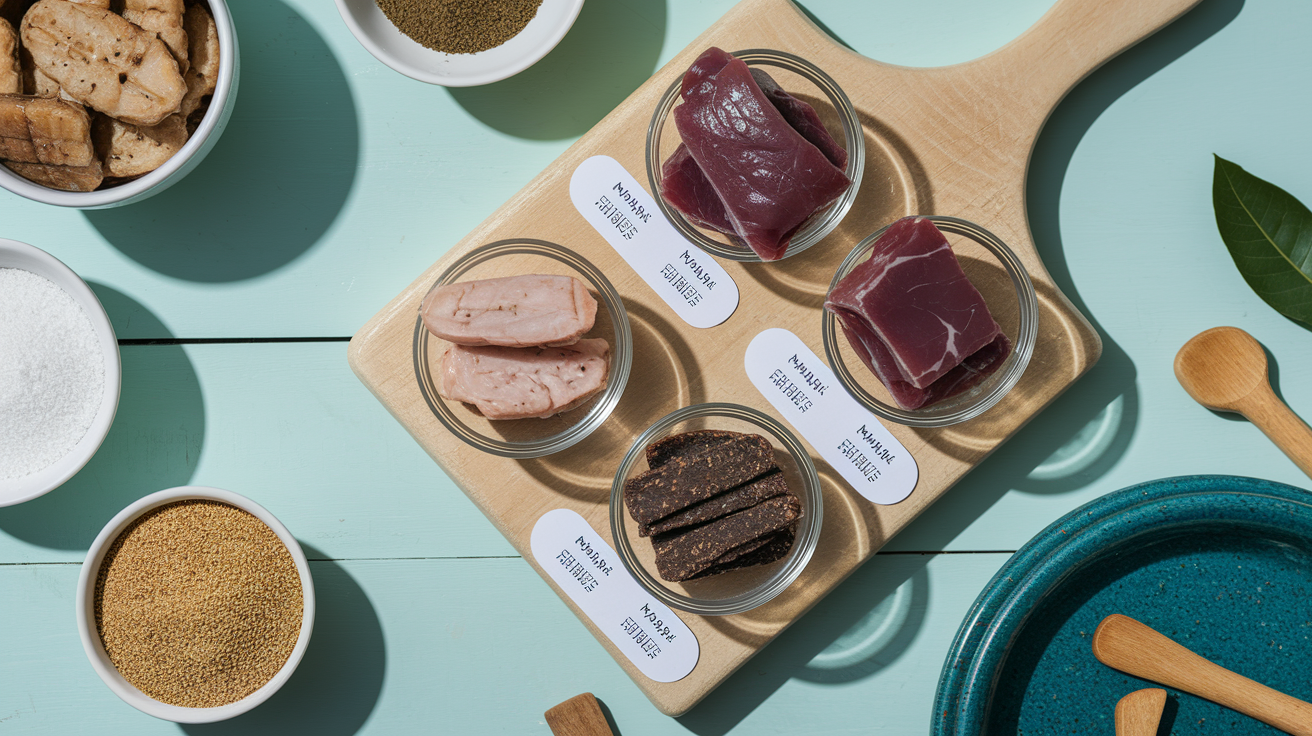
Single-ingredient treats (freeze-dried minnows, tripe, liver, or kangaroo) remove the guesswork from allergen management. If your dog reacts, you know exactly what caused it. Multi-ingredient formulas can hide sensitivities behind “natural flavors” or binders like potato or tapioca, which are common triggers for itchy skin or loose stools.
Protein sources matter for both nutrition and motivation. Novel proteins like bison, kangaroo, or fish are less likely to trigger allergies than chicken or beef, especially in dogs already eating poultry-based kibble. High-value proteins (tripe, liver, oily fish) are nutrient-dense and aromatic, making them first-choice rewards for behaviors you’re still shaping. Freeze-dried processing preserves protein and fat content without requiring refrigeration. Air-drying concentrates flavor while keeping texture soft.
Ingredients and allergens to evaluate:
- Preferred proteins: Bison, kangaroo, duck, lamb, fish (minnows, herring), green tripe, single-source liver.
- Common allergens to rotate or avoid: Chicken, beef, dairy, pork, soy, corn, wheat.
- Fillers that add empty calories: Potato, tapioca, rice flour, vegetable glycerin.
- Artificial additives to skip: Synthetic colors (Red 40, Yellow 5), artificial flavors, BHA, BHT, ethoxyquin.
- Acceptable preservatives: Mixed tocopherols (Vitamin E), rosemary extract.
- High-fat ingredients to portion carefully: Cheese, liver, tripe (all nutrient-rich but calorie-dense).
- Low-calorie whole-food options: Carrots, green beans, freeze-dried single-protein pieces.
For dogs with sensitive stomachs, start with the simplest option (freeze-dried single-ingredient treats like minnows or duck) and introduce one new protein every two weeks. Watch for signs of digestive upset: soft stools, gas, or decreased appetite. High-fiber ingredients like sweet potato can help firm stools, but they also add carbohydrate calories that compete with your protein budget. Grain-free formulas work well for many small dogs, but “grain-free” doesn’t automatically mean low-calorie or hypoallergenic. Always check the full ingredient list.
Portion Control: How Many Small-Dog Training Treats Per Day?

Treats should make up no more than 10% of your dog’s daily calorie intake, which translates to roughly 20 calories for a dog eating 200 calories a day. That’s ten two-calorie treats or twenty one-calorie crumbs. Enough for a short training session but not enough for an all-day reward fest. Many small-dog parents are told “no more than 2–3 treats per day,” but that guideline assumes each treat is five to seven calories. If you’re using freeze-dried liver broken into rice-grain pieces, you can reward fifty times and still stay under budget.
Breaking larger treats in half or into quarters lets you stretch high-value rewards across more repetitions. A freeze-dried minnow snaps into four or five slivers. A piece of air-dried ZiwiPeak tears into two or three strips. For high-calorie options like green tripe (155 kcal/oz) or bison liver (112 kcal/oz), portion carefully. One ounce of tripe could be your dog’s entire treat allowance for five days if you’re not breaking it down.
Practical portioning rules:
- Measure daily treat calories, not pieces Know the calories per ounce and weigh treats on a kitchen scale until you can eyeball portions.
- Break treats before the session starts Pre-portioning into a small container prevents over-rewarding in the moment.
- Subtract treat calories from meals If you used 30 calories in treats today, reduce dinner by 30 calories to maintain weight.
- Supervise long-lasting chews for 10–15 minutes, then remove Bully sticks and raw bones are calorie-dense. Time-limited access prevents overconsumption.
- Rotate high-calorie and low-calorie treats Use tripe or liver for new behaviors, then switch to lower-calorie options like minnows or carrots for maintenance practice.
Small-Dog Training Treat Comparison Table for Quick Decisions
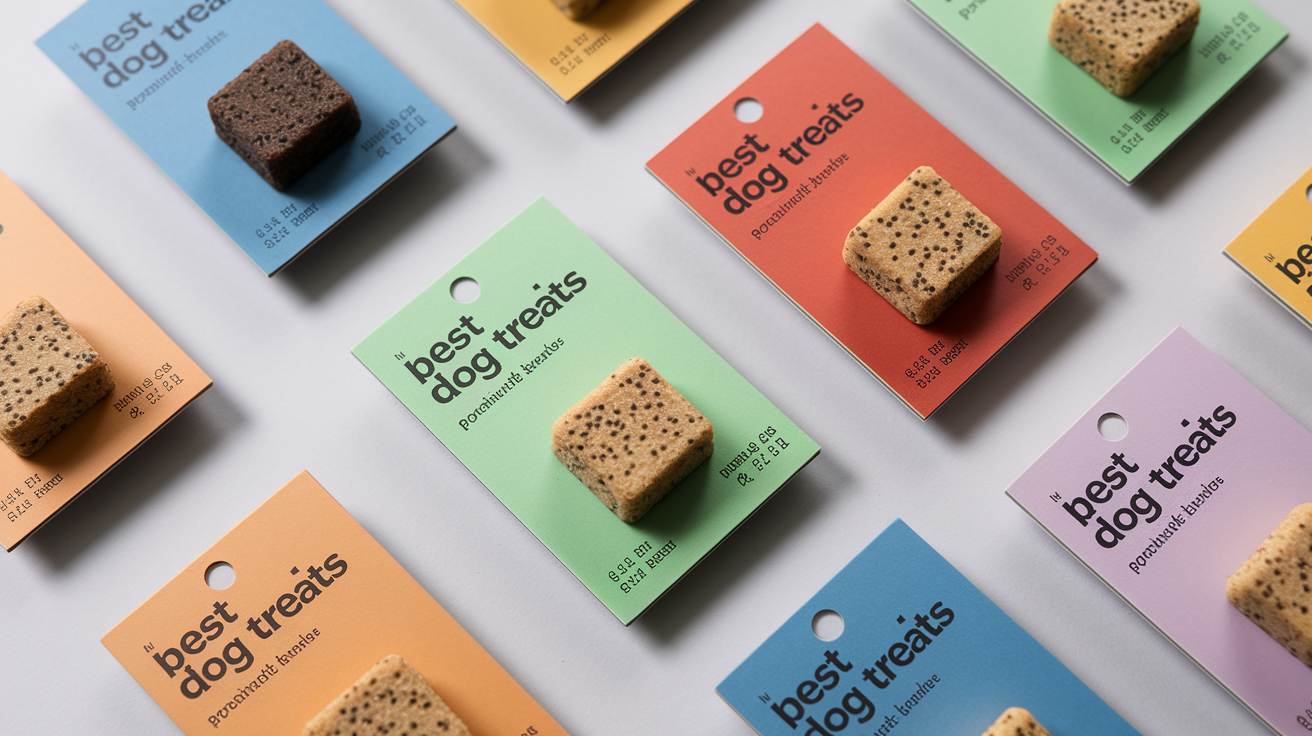
When you’re comparing options, calories per ounce and ingredient simplicity are the two numbers that matter most. A treat that looks tiny but packs 200 calories per ounce will blow through your daily budget in three pieces.
| Product | Form | Approx Calories | Key Ingredient(s) | Best Use Case |
|---|---|---|---|---|
| Vital Essentials Minnows | Freeze-Dried | 82 kcal/oz | Whole fish | Novel protein, breaks into tiny pieces |
| Raw Paws Green Tripe | Freeze-Dried | 155 kcal/oz | Grass-fed tripe | High-value reward for picky eaters |
| Icelandic+ Herring | Air-Dried | 125 kcal/oz | Wild herring, Omega-3s | Skin/coat support, outdoor distractions |
| Ageless Paws Bison Liver | Freeze-Dried | 112 kcal/oz | Bison liver | Nutrient-dense, high palatability |
| Instinct Raw Boost Toppers | Freeze-Dried | ½ cup = 124 kcal | Beef, chicken, or lamb | Dual-purpose topper and training morsel |
| ZiwiPeak Air-Dried | Air-Dried | 256–284 kcal/scoop | Limited-ingredient blends | Soft texture for seniors, teacup breeds |
Use this table to match calorie budget and ingredient needs to your dog’s training schedule. High-calorie options like ZiwiPeak and green tripe work best in tiny portions for high-stakes behaviors. Lower-calorie options like minnows stretch further for everyday practice.
Training With Tiny Treats: Practical Techniques for Small Dogs
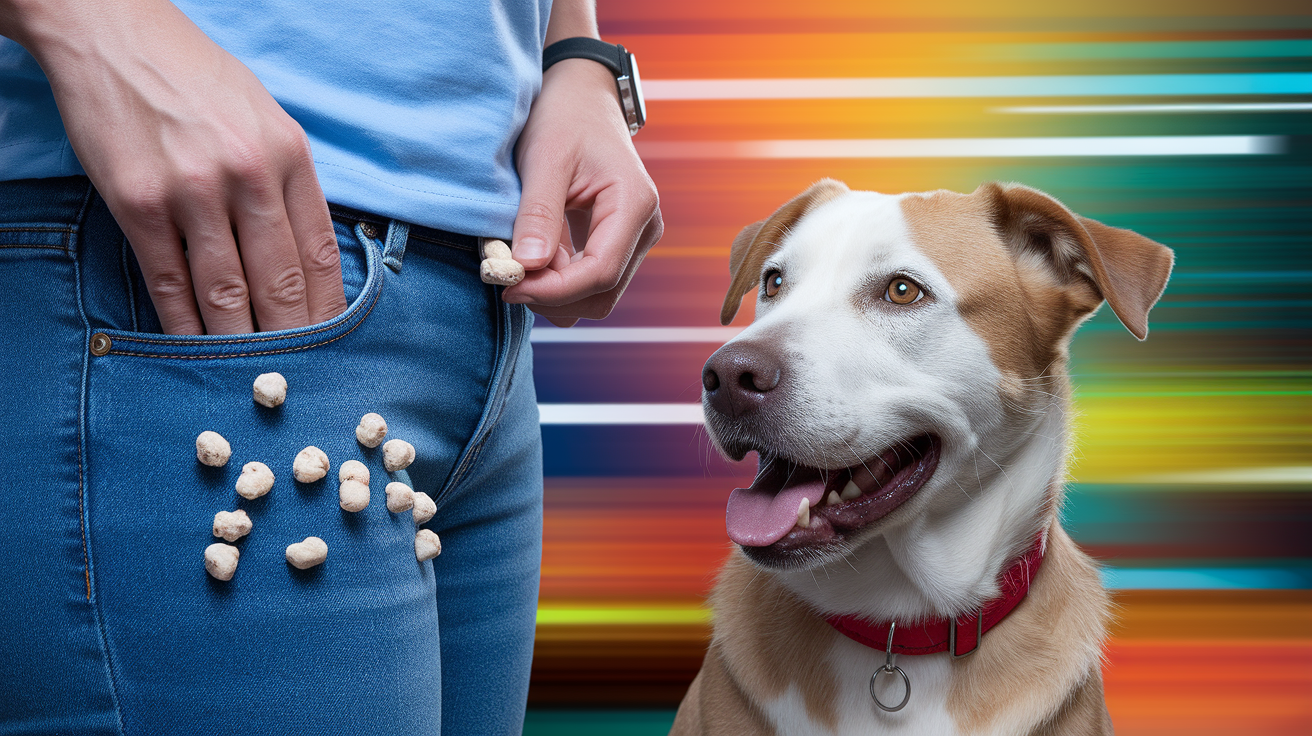
Rapid-fire rewarding (delivering a treat every two to three seconds during a behavior chain) keeps your dog’s brain locked on the game instead of wandering toward the interesting smell under the couch. The faster you can deliver the next reward, the clearer the connection between behavior and payoff. Freeze-dried treats you’ve pre-broken into crumbs let you grab and release without looking down, so your eyes stay on your dog’s body language.
Breaking treats into micro-pieces before the session starts means you’re not fumbling mid-cue. A pocket full of rice-grain-sized liver bits lets you reward fifty reps of “sit” without overfeeding. Keep treats in a pouch with fast access. Magnetic closures with a pull tab beat zippers when you’re trying to mark a behavior in real time.
Treat-handling techniques that improve timing:
- Pre-portion into crumbs Break freeze-dried treats into 1/4-size pieces before you leave the house.
- Use a treat pouch at waist level Reaching into your pocket shifts your body and breaks eye contact. A pouch keeps you stable.
- Deliver treats low, near your dog’s mouth High hand positions encourage jumping. Low delivery keeps four paws on the floor.
- Rotate proteins session to session Monday use fish, Wednesday use liver, Friday use duck. Novelty sustains motivation.
- Pair treats with a marker word or clicker Say “YES!” the instant the behavior happens, then deliver the treat. The marker bridges the gap and sharpens timing.
Treat Pouch Essentials
A good treat pouch clips to your waistband with a sturdy carabiner or belt loop, sits against your hip without bouncing, and opens with one hand. Magnetic closures with a fabric pull tab give you silent, instant access (no rattling Velcro or stuck zippers). Deep pockets prevent treats from spilling when you bend over, and a separate small pocket holds your clicker or poop bags. Water-repellent linings keep freeze-dried pieces dry during walks. Machine-washable pouches let you toss the whole thing in the laundry after a week of fishy-smelling rewards.
Safe Chews and Long-Lasting Rewards for Small Breeds
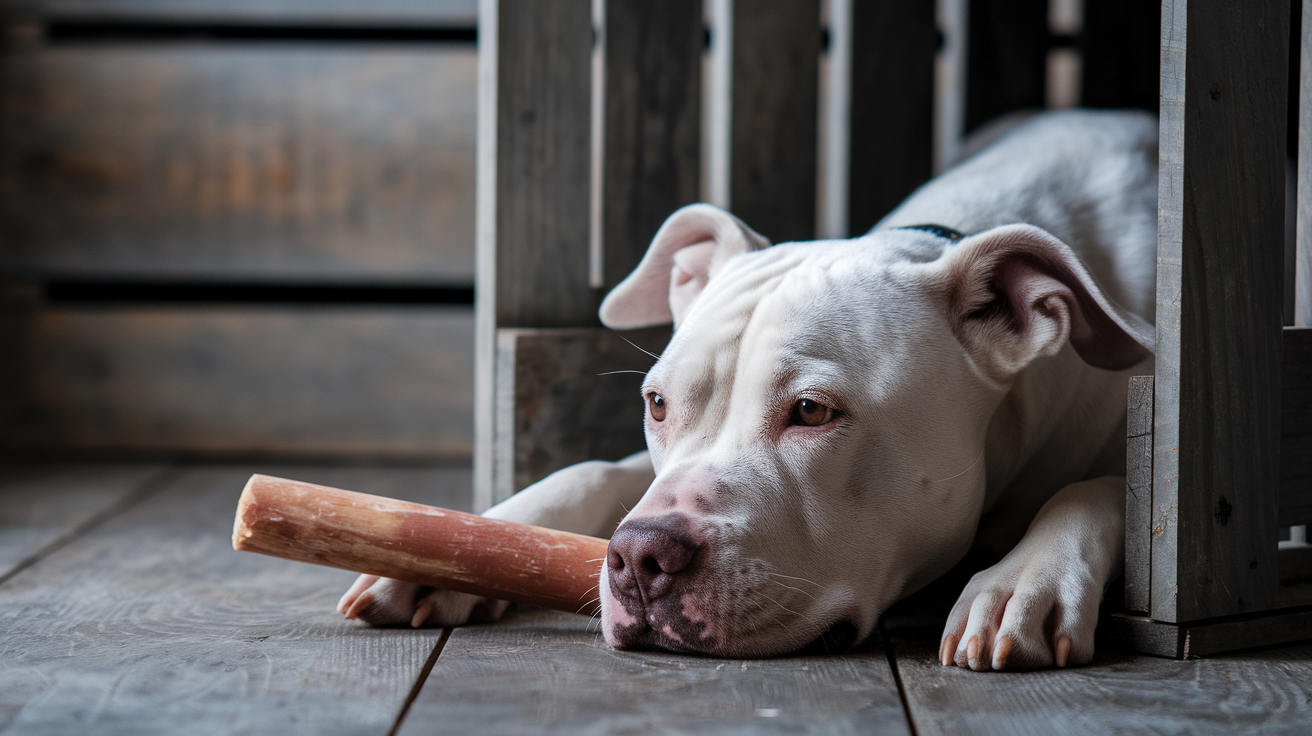
Long-lasting chews aren’t practical for rapid training rewards, but they’re essential for teaching calm behavior during crate time, nail trims, or vet visits. A thin bully stick occupies your dog’s mouth and brain for ten to fifteen minutes, long enough to settle into a down-stay or relax in a carrier. The key difference from training treats: chews are calorie-dense and meant to be consumed slowly under supervision, not handed out fifty times in a session.
Bully sticks come in multiple sizes. Thin 2–4″ Junior sticks and thin 4″ options run around 49 calories per piece, digestible and single-ingredient (beef). They’re softer than rawhide, easier on puppy teeth, and provide gentle dental scraping. Remove the chew after 10–15 minutes to limit calorie intake and prevent resource guarding. Rotate it back in later as a high-value reward for going into the crate.
Safe chew and bone options for small mouths:
- Thin bully sticks (2–4″) Single-ingredient, digestible, good for teething. Supervise to prevent choking on the last nub.
- Raw meaty bones (chicken wings, necks, feet) Soft bones safe for small jaws, provide calcium and dental cleaning. Always feed raw, never cooked (cooked bones splinter).
- Duck wings and necks (cut into halves or thirds) Larger than chicken options. Must be portioned for toy breeds to prevent choking.
- Soft dental chews Limited-ingredient options without artificial additives. Choose small-breed sizes and monitor chewing to ensure pieces are swallowed safely.
Never leave a small dog alone with a chew. Even digestible options can become choking hazards as they soften and break apart. If your dog’s a gulper, take the chew away when it’s down to a piece smaller than a grape.
Homemade and Budget-Friendly Training Treat Options for Tiny Dogs

Homemade treats let you control every ingredient, and they’re often cheaper per ounce than freeze-dried commercial options. String cheese torn into pea-sized bits is high in protein and fat, extremely motivating, and requires no prep beyond ripping and portioning. But it’s messy and higher in fat than lean proteins, so limit portions and keep a paper towel handy. Hot dogs sliced into paper-thin coins and quartered work the same way: high value, low cost, sticky fingers.
Cooked lean ground beef (93% lean or higher) crumbles into tiny, shelf-stable bits after you’ve browned and drained it. Spread the cooked crumbles on a baking sheet and freeze, then store in a ziplock bag and grab a handful for each session. Carrots diced into 1/4″ cubes are low-calorie, crunchy, and safe as long as you supervise to prevent choking. They’re better for calm rewards than rapid-fire training because the chewing takes longer.
Simple homemade and budget-friendly options:
- String cheese micro-bites Tear into pea-sized pieces. High fat, so limit to 2–3 pieces per session. Keep in a sealed container to prevent drying out.
- Hot dog coins Slice thin, then quarter each slice. Rinse briefly under water to reduce sodium if your dog’s salt-sensitive. Messy but extremely motivating.
- Cooked lean ground beef crumbles Brown, drain fat, freeze in single-layer portions. Break apart and use like freeze-dried liver.
- Carrot micro-cubes Dice into 1/4″ pieces. Low-calorie and high in fiber. Supervise chewing to prevent choking. Works best for dogs who already like vegetables.
- Baked sweet potato coins Slice sweet potato into 1/4″ rounds, bake at 250°F for 2–3 hours until chewy, cut into tiny squares. Store in the fridge for up to one week. Moderate calorie density, good for sensitive stomachs.
Homemade options are ideal when you’re on a budget or your dog has multiple allergies that make commercial treats hard to navigate. Just remember to account for the calories. Cheese and hot dogs can be as calorie-dense as freeze-dried liver.
FAQ: Common Questions About Small-Dog Training Treats
Can small dogs eat treats made for big dogs?
Yes, as long as you break them into appropriately sized pieces. A large freeze-dried chicken treat can be snapped into eight tiny rewards for a Yorkie. The key is portion size, not the product label.
Are pig ears safe for small dogs?
Pig ears are high in fat and calories, and they carry contamination risks if not properly sourced and cooked. They’re also a choking hazard for toy breeds. If you choose to use them, supervise closely and remove the last few bites before they become small enough to swallow whole.
Can I use cheese as a training treat?
Cheese works in moderation. Choose low-fat options like part-skim mozzarella, and limit portions to avoid digestive upset. Skip cheese entirely if your dog’s lactose intolerant or prone to pancreatitis.
Are carrots safe for small-dog training?
Carrots are healthy, low-calorie, and high in fiber and vitamins. Cut them into very small pieces and supervise chewing to prevent choking. They’re better for slower, calm rewards than rapid-fire training.
How do I calculate the 10% treat rule for my dog’s daily calories?
Multiply your dog’s total daily calorie intake by 0.10. For a dog eating 200 calories a day, that’s 20 calories in treats. Weigh your treats on a kitchen scale and calculate calories per ounce using the package label, then portion accordingly.
Final Words
In the middle of a quick training session, you need tiny, soft, and tasty rewards that won’t slow you down.
This post ran through top tiny treats, what to look for (size, calories, single-ingredient options), how different forms affect timing, safe chews, portion rules, and quick DIY swaps, plus a comparison table and practical handling tips.
When you pick the best training treats for small dogs, focus on bite-size pieces, palatable proteins, and calorie control. Do that and you’ll keep training sessions short, rewarding, and joyful, and your little dog will love it.
FAQ
Q: What do most dog trainers use for treats? / What training treats do vets recommend?
A: Most trainers and vets use tiny, soft, high-value, low-calorie treats—single-ingredient freeze-dried or soft bites (liver, fish, tripe, bison). They break easily into micro-rewards for fast, consistent reinforcement.
Q: What is the 3-3-3 rule for dog training?
A: The 3-3-3 rule for dog training means short, frequent sessions: three sessions per day, about three minutes each, with brief repetitions—keeps pups focused and rewards delivered quickly for better learning.
Q: What is the 7 7 7 rule for dogs?
A: The 7 7 7 rule for dogs is a gradual exposure guideline: use very brief, controlled interactions (often about seven seconds) repeated across multiple short sessions over several days to build comfort and reduce stress.