
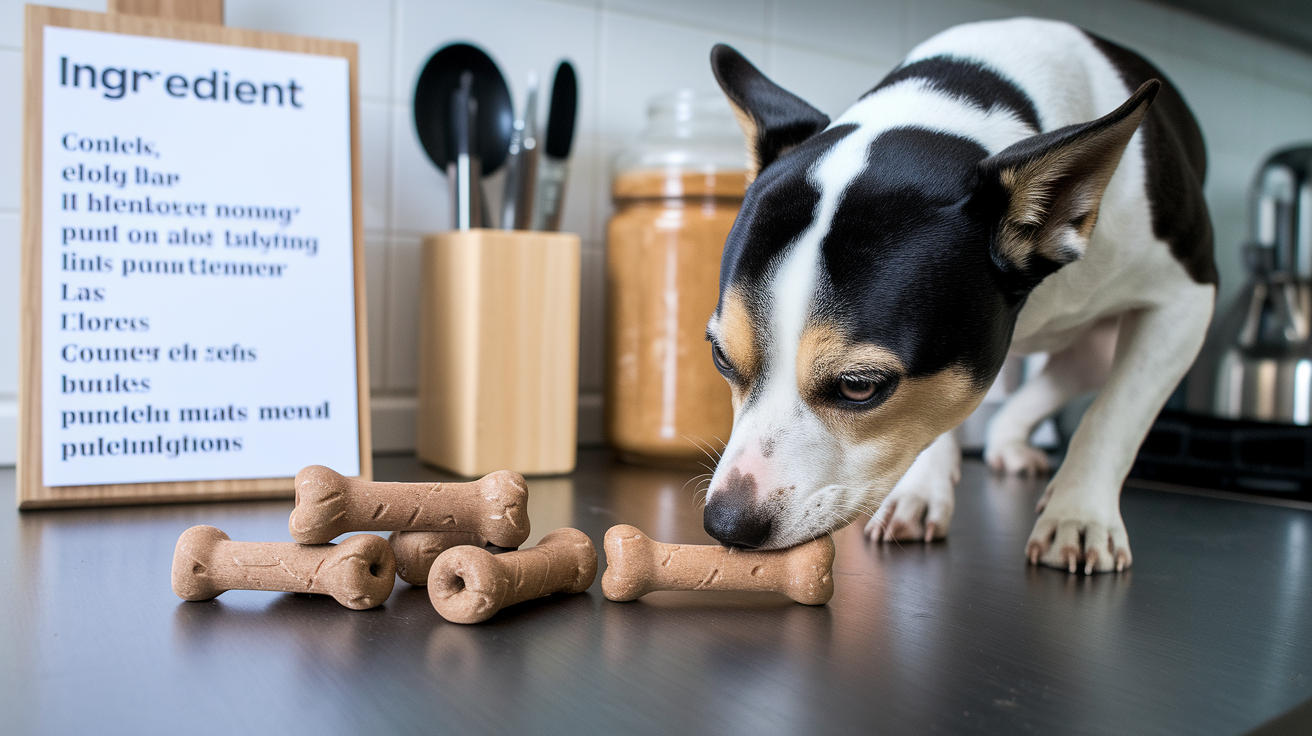
Think joint support treats are just fancy snacks?
You’re not alone.
A big 2022 review shows some ingredients, like omega-3s and certain CBD and collagen formulas, really help, while glucosamine-chondroitin usually doesn’t.
Here’s the thesis: joint treats can improve mobility when they contain evidence-backed ingredients at the right dose and formulation.
They work best for prevention, early stiffness, or as extra support alongside vet care.
But if your dog’s limping badly or losing mobility, see your vet first.
Evidence-Based Overview of Whether Joint Support Dog Treats Work

A 2022 systematic review and meta-analysis of 72 clinical studies in dogs and cats shows which joint support ingredients actually work. The findings are pretty stark. Omega-3 enriched therapeutic diets got a “high quality evidence” rating, with about 90% of trials showing positive or neutral results for pain relief. Omega-3 based nutraceutical supplements (fish oil, green-lipped mussel extracts) performed even better. Nearly every trial found measurable improvements or full pain-relieving effects compared to placebo. Glucosamine-chondroitin combinations? Failed to help in 88% of trials. They performed no better than negative controls. CBD looked promising. Six out of seven trials in dogs reported positive outcomes, though results depended heavily on dose and formulation.
Whether joint support treats work for your dog comes down to a few practical things. Ingredient quality matters more than the ingredient name on the package. Underdosing is why a lot of commercial products fail. Many brands supply far less than the weight-adjusted amounts used in clinical research. Formulation differences drive outcomes too. Bioavailability determines whether a compound actually reaches the joint tissue. Standard curcumin? Poorly absorbed. But specialized canine formulations paired with black pepper can deliver real anti-inflammatory effects. Disease severity also plays a role. A dog with mild stiffness might respond to a well-formulated treat. Moderate to severe arthritis often needs prescription medications or injections.
Evidence-backed ingredients with proven or promising results:
Omega-3 fatty acids (especially from fish oil or krill): strong, consistent anti-inflammatory effects in multiple high-quality trials
CBD: positive outcomes in roughly 86% of small-sample dog trials when dosed correctly. No feline data yet.
Undenatured Type II collagen (UC‑II): cited as approximately 59% more effective than glucosamine-chondroitin in clinical comparisons
Curcumin (in bioavailable forms): effective for reducing joint inflammation when absorption is optimized
Joint support treats can be useful for long-term mobility care when they contain the right ingredients at therapeutic doses. They work best for prevention, early joint changes, or as supportive care alongside veterinary treatment. If your dog shows moderate to severe lameness, sudden loss of mobility, or no improvement after consistent use of a high-quality product, you need veterinary care. Supplements can’t replace prescription therapies for advanced osteoarthritis.
Understanding Joint Support Treat Ingredients and Their Mechanisms
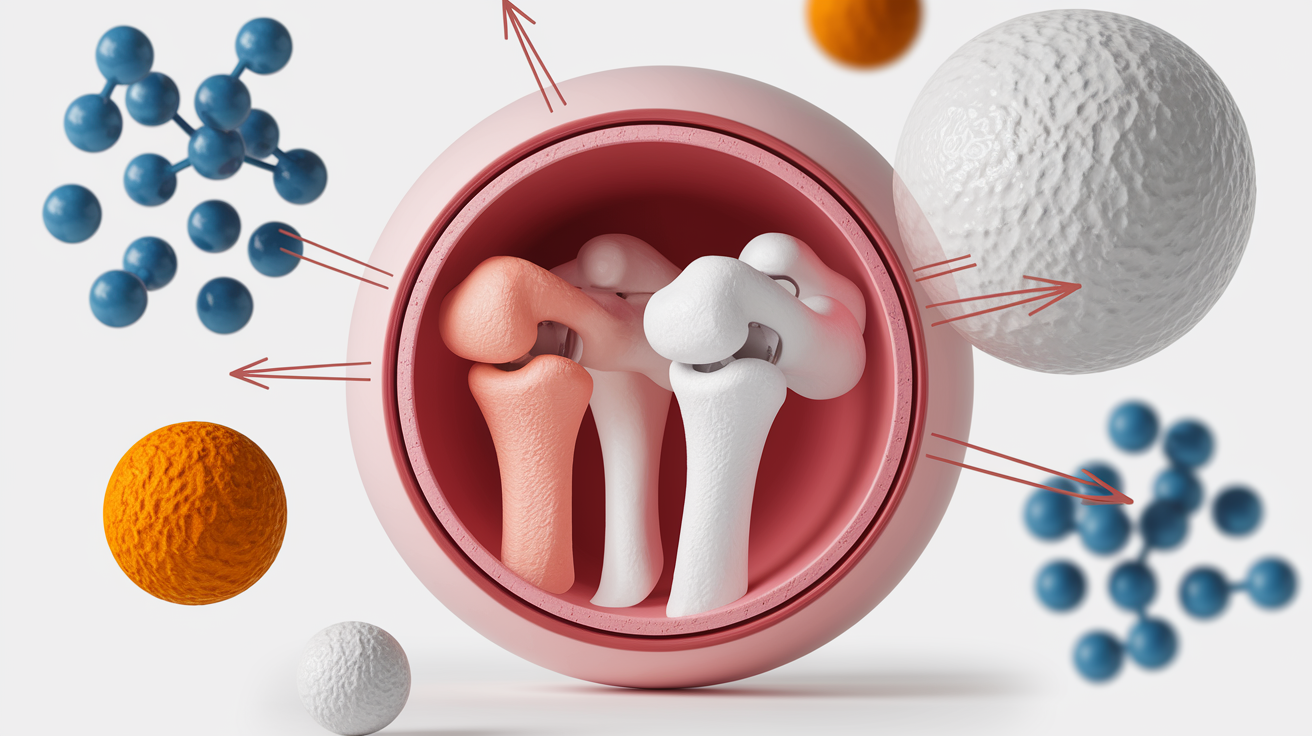
Joint support compounds aim to reduce inflammation, strengthen cartilage, improve synovial fluid quality, and supply building blocks for tissue repair. Omega-3 fatty acids block inflammatory pathways at the cellular level, lowering production of pain-triggering molecules. Collagen and gelatin provide amino acids that help maintain cartilage and connective tissue structure. Curcumin and other herbal anti-inflammatories target different biochemical routes than NSAIDs. They reduce joint swelling without the same medication risks. Hyaluronic acid can improve the viscosity and shock-absorbing properties of synovial fluid. Glucosamine and chondroitin were once thought to supply raw materials for cartilage repair. Recent evidence shows they rarely deliver clinical benefit.
The 2022 meta-analysis makes clear distinctions in evidence quality. Omega-3 supplements showed high efficacy across nearly all trials, with strong, reproducible improvements in mobility and pain scores. CBD delivered positive results in six of seven studies. But the one trial using a lower dose saw no effect. That highlights the importance of proper dosing and product formulation. Collagen-based products showed mixed results overall. Most trials were low quality, with small sample sizes and subjective assessments. Undenatured Type II collagen appears to be the most promising form. MSM (methylsulfonylmethane) showed limited benefit in standard formulations, largely due to poor bioavailability. Glucosamine-chondroitin combinations consistently failed. 88% of trials showed no benefit over placebo or negative control groups.
Bioavailability determines whether an ingredient listed on the label actually reaches your dog’s joints. Many compounds degrade in the stomach or are poorly absorbed through the intestinal wall. Curcumin absorption increases significantly when paired with black pepper (piperine). Omega-3s from krill are bound to phospholipids, which makes them more bioavailable than standard fish oil triglycerides. Lower doses can achieve stronger anti-inflammatory effects. Undenatured Type II collagen works through a different mechanism than broken-down collagen peptides. It interacts with the immune system in the gut to reduce joint inflammation. Poor formulation, excessive fillers, or degradation from heat and humidity can turn a theoretically useful ingredient into an ineffective treat.
The role of six major ingredients:
Omega-3 fatty acids: reduce inflammatory markers, slow arthritis progression, support mobility and cognitive function in older dogs
Curcumin (from turmeric): blocks inflammatory pathways. Requires bioavailability enhancement (like black pepper or special delivery systems) to be effective.
Collagen: supplies amino acids for cartilage and connective tissue. Undenatured Type II collagen shows the strongest clinical evidence.
Glucosamine: intended to support cartilage repair but consistently ineffective in controlled trials at typical supplement doses
MSM: limited benefit in standard forms due to poor absorption and lack of controlled-trial support
Hyaluronic acid: improves synovial fluid quality and joint lubrication when formulated for oral absorption. Useful for active dogs or early degeneration.
Comparing Joint Treats to Veterinary Medications and Injections
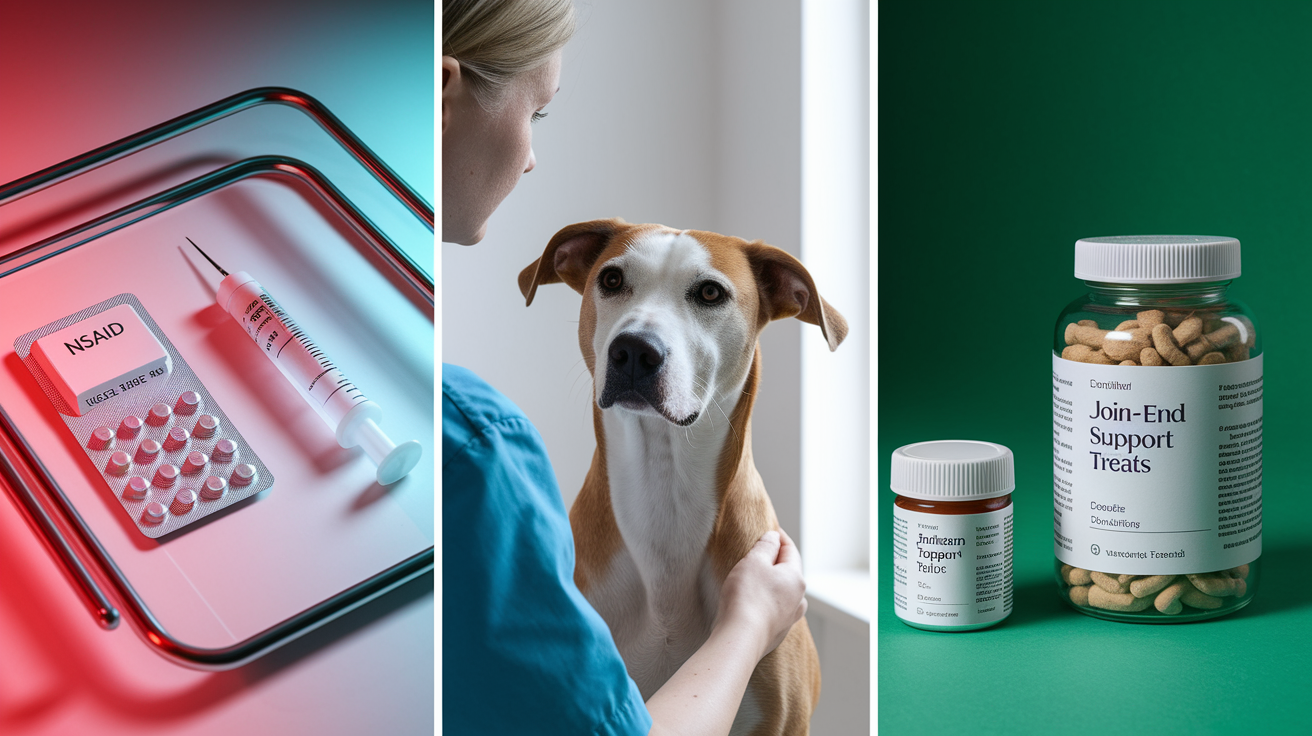
NSAIDs and prescription pain medications act faster than joint support treats. They often provide noticeable relief within hours to days. They’re more potent for acute pain control and moderate to severe osteoarthritis. But long-term NSAID use carries risks. Gastrointestinal ulcers, liver stress, and kidney damage, especially in older dogs or those with pre-existing organ conditions. Injectable therapies deliver targeted relief directly to the affected joint. They’re appropriate for dogs with advanced disease. Joint support treats work more slowly. You’re typically looking at four to eight weeks of daily use before improvements become visible. They’re better suited for long-term management, prevention, or as supportive care to reduce reliance on pharmaceuticals.
Some evidence-backed supplements can complement prescription therapies. Omega-3s and boswellia serrata, for example. Boswellia works through anti-inflammatory pathways that differ from NSAIDs. It has a favorable safety profile for extended use. When combined under veterinary guidance, supplements may allow lower NSAID doses or help manage symptoms in dogs who can’t tolerate medications due to organ disease. Treats aren’t substitutes for prescription care when disease is moderate to severe. A dog struggling to rise, refusing walks, or showing sudden lameness needs veterinary evaluation, not a supplement trial.
| Option | How Fast It Works | Best For |
|---|---|---|
| Joint support treats (omega-3, CBD, collagen, curcumin) | 4–8 weeks of daily use | Long-term management, prevention, supportive care, dogs who can’t tolerate NSAIDs |
| NSAIDs and prescription medications | Hours to days | Acute pain, moderate to severe osteoarthritis, fast relief needed |
| Injections (intra-articular therapies) | Days to weeks | Targeted treatment for specific joints, advanced disease, dogs needing stronger intervention |
Factors That Affect How Well Joint Support Dog Treats Work

Underdosing is one of the most common reasons joint support treats fail. Clinical trials use weight-adjusted dosing to achieve therapeutic effects. Many commercial products provide amounts far below those tested levels. A 70-pound dog may receive only a fraction of the omega-3 dose shown to reduce inflammation in published studies. If the label doesn’t specify milligrams per ingredient and provide weight-based serving guidelines, the product may not deliver clinical benefit. Even if the ingredients themselves are sound.
Product quality, freshness, and storage conditions directly affect ingredient potency. Poor manufacturing practices, batch-to-batch variability, exposure to heat, humidity, or oxygen, and contamination with heavy metals or pesticides can degrade active compounds before the bag is opened. High levels of fillers like corn syrup or wheat flour dilute the therapeutic ingredients and may impair absorption. Some treats marketed as “joint support” function more like regular snacks with trace amounts of glucosamine added for label appeal. Third-party testing, Certificates of Analysis (COA), and quality seals (NASC, GMP, USP) help identify products that meet manufacturing standards and contain the labeled amounts of active ingredients.
Dog-specific variables also influence results. A 10-pound terrier and a 90-pound retriever need different doses and different treat sizes. Disease severity matters. A dog with early stiffness after exercise may respond well to omega-3 supplementation. A dog with visible joint swelling and chronic lameness likely needs veterinary-prescribed medication. Treat texture and palatability affect adherence. If your dog refuses the chew or only eats it inconsistently, therapeutic buildup won’t occur. Some dogs develop digestive upset from certain oils or proteins, which interrupts the dosing schedule.
Key factors that determine success:
Weight-adjusted dosing that matches clinical trial levels, not generic “one chew per day” instructions
Formulation quality and bioavailability optimization, like phospholipid omega-3s or enhanced-absorption curcumin
Storage and freshness, including sealed packaging, cool/dry storage, and checking expiration dates
Disease severity and timing, with better outcomes for early intervention and milder cases
Consistency of use, since skipping days or switching products prevents active ingredients from building to therapeutic levels
Expected Timelines and How to Measure Improvement From Joint Treats
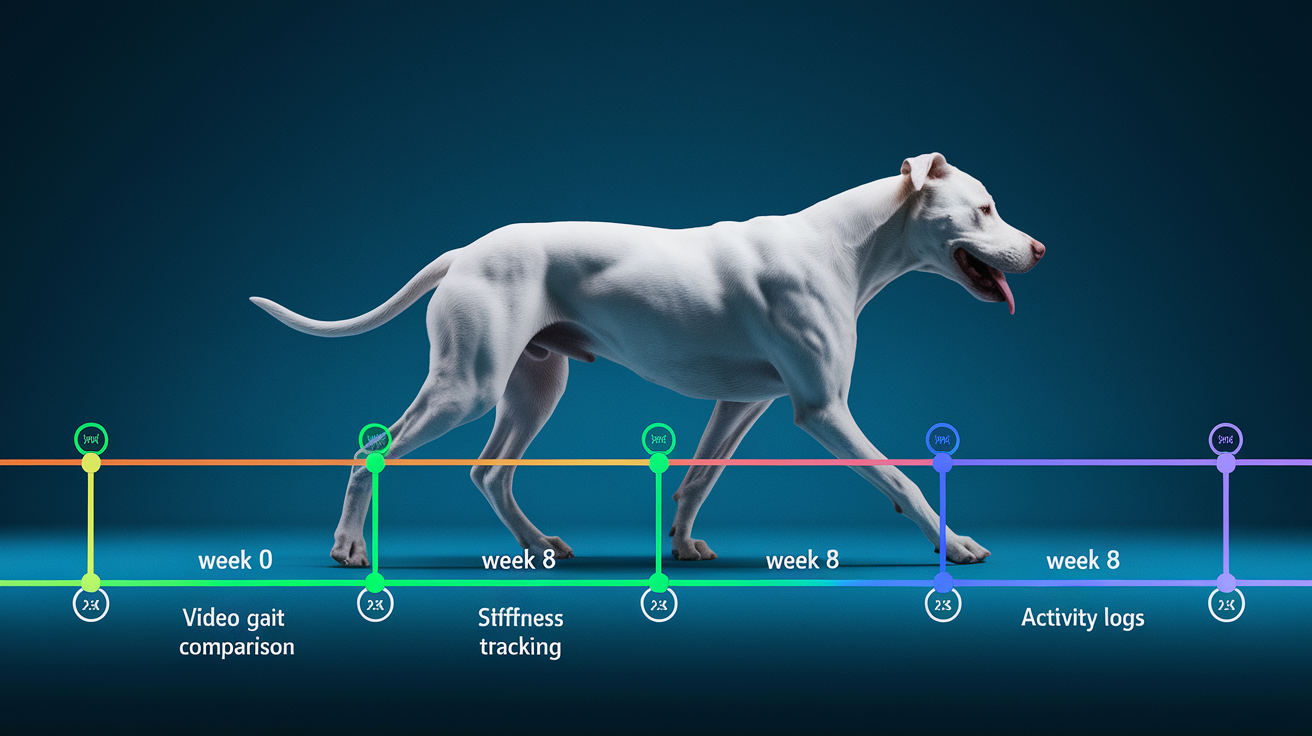
Supplements typically show effects within four to eight weeks of daily, consistent administration. Unlike NSAIDs, which work within hours, joint support ingredients need time to accumulate in tissues, reduce inflammation, and support repair processes. Improvements tend to be gradual. You may notice your dog rising from rest more easily, taking stairs with less hesitation, or showing a smoother gait during walks. Some dogs regain interest in play or show less stiffness after naps. The timeline varies by product quality, ingredient type, dosing accuracy, and the severity of joint disease.
Study variability can obscure outcomes and make it harder to judge whether a product is working. Many clinical trials use subjective owner assessments or veterinary mobility scores. These can be influenced by placebo effects or seasonal activity changes. Small sample sizes and inconsistent formulations across studies mean individual responses will vary. If you’re evaluating a joint treat, use objective measures over time rather than day-to-day feelings. Track specific behaviors or physical markers weekly. Give the product the full eight-week window before deciding it has failed.
Methods for measuring improvement:
Video gait comparison: record short clips of your dog walking or trotting at the start and again at four and eight weeks to spot changes in stride length, limping, or stiffness
Tracking stiffness episodes: note how long it takes your dog to loosen up after rest, especially first thing in the morning or after long naps
Activity logs: document daily walk duration, willingness to climb stairs, interest in fetch or play, and ease of getting in and out of the car
Observing ease of rising: count how many attempts it takes your dog to stand from a lying position, and whether they hesitate or favor one side
Safety, Side Effects, and Quality Control in Joint Support Dog Treats
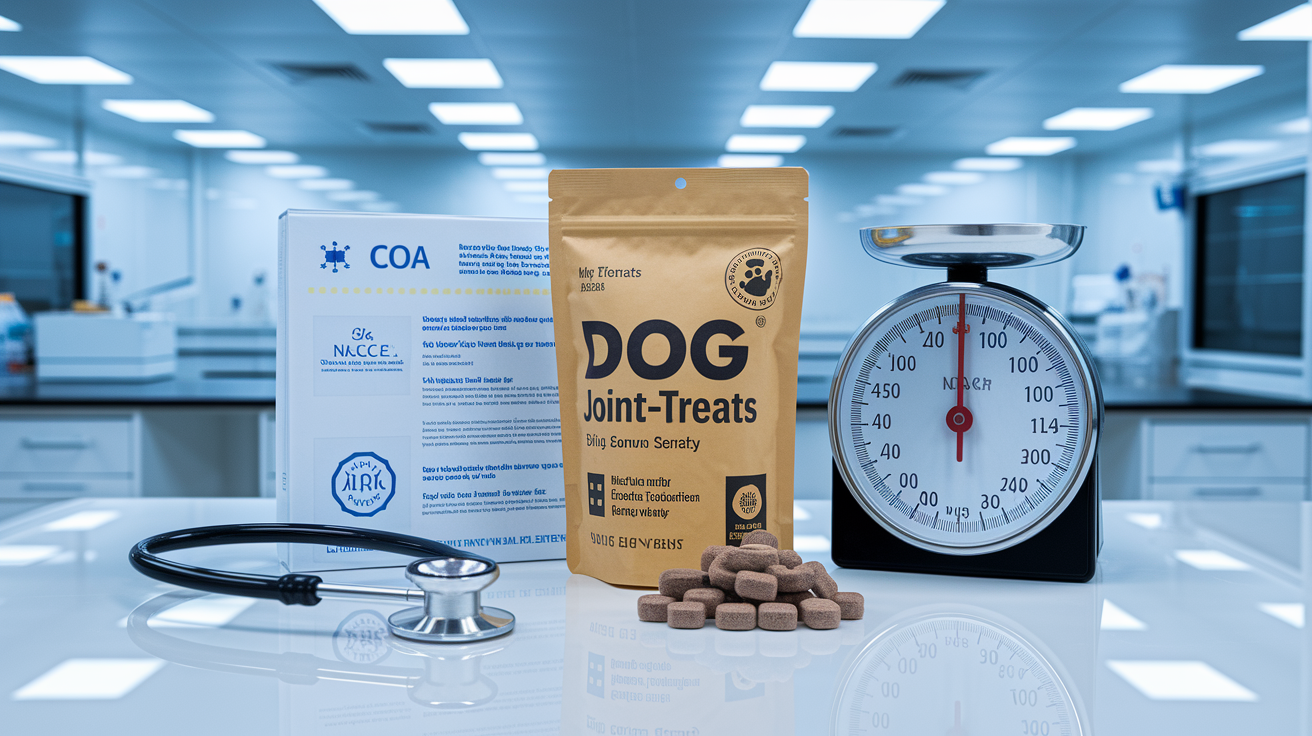
Nutraceuticals aren’t regulated like pharmaceuticals. Manufacturers generally aren’t required to prove efficacy, safety, or ingredient accuracy before products reach store shelves. Common risks include mislabeled ingredient amounts, absent ingredients listed on the label, lack of species-specific safety testing, potential contaminants like heavy metals or pesticides, and unknown interactions with existing medications or organ disease (particularly liver or kidney conditions). Supplements can’t legally claim to treat disease. That creates labeling limitations and sometimes vague marketing language. Without regulatory oversight, product quality varies widely across brands.
Quality markers help identify trustworthy products. Look for third-party testing or Certificates of Analysis (COA). These verify that the product contains the labeled ingredients at the stated potency and is free from common contaminants. Seals from the National Animal Supplement Council (NASC), Good Manufacturing Practices (GMP), or the United States Pharmacopeia (USP) indicate the company follows manufacturing and testing standards. Prefer companies with at least ten years in business and those that have conducted species-specific and condition-specific testing in dogs (or cats, if relevant). For CBD products, always verify the batch COA to confirm cannabinoid content and the absence of THC or heavy metals.
Digestive side effects are uncommon with natural-ingredient treats but can occur. Some dogs experience mild gastrointestinal upset (loose stools, gas, or reduced appetite) when starting a new supplement, especially those containing oils or unfamiliar proteins. Introduce new treats gradually. Start with half the recommended dose for a few days. Monitor for vomiting, diarrhea, or behavioral changes. Stop the product if symptoms persist. Avoid treats with known allergens for your dog, like wheat, soy, or specific animal proteins. If your dog is on prescription medications, check with your veterinarian before adding supplements to avoid drug-nutrient interactions.
| Quality Check | Why It Matters |
|---|---|
| Third-party testing and COAs | Confirms labeled ingredients and potency; detects contaminants like heavy metals, pesticides, or incorrect cannabinoid levels in CBD products |
| NASC, GMP, or USP seals | Indicates the manufacturer follows industry standards for quality control, batch consistency, and safety testing |
| Species-specific clinical trials | Shows the product has been tested in dogs (or cats) with the target condition, not just lab models or human analogs |
| Transparent dosing and ingredient amounts | Allows you to verify the dose matches clinical trial levels and adjust for your dog’s weight; vague labels often signal underdosing |
Cost-Effectiveness and Value When Choosing Joint Support Dog Treats
Many low-quality, glucosamine-centric products deliver marginal benefits and may not be cost-effective. If a product fails in 88% of trials, spending money on it month after month provides little return. Higher-cost, clinically validated formulations containing omega-3s, undenatured Type II collagen, bioavailable curcumin, or CBD can be more effective. But you must verify the dose and formulation match those used in research. A cheaper product that underdoses or uses poorly absorbed ingredients wastes money just as surely as an expensive product with unproven fillers.
Cost per dose is a more useful measure than price per bag. A $40 bag that lasts two months at the correct therapeutic dose may be more economical than a $20 bag that underdoses or contains ineffective ingredients. Subscription models can offer convenience and slight discounts, but only if the product actually works for your dog. One-time purchases allow you to trial a product through the full eight-week response window before committing to automatic shipments. Human-grade ingredients and premium sourcing can improve safety and bioavailability, but the label claim alone doesn’t guarantee effectiveness. Check for third-party testing and clinical trial involvement, not just marketing language.
Factors to evaluate before buying:
Ingredient dosing transparency: milligrams per active ingredient listed, with weight-based serving instructions that match clinical research levels
Evidence quality: preference for products containing ingredients with strong trial results (omega-3s, CBD, UC-II, boswellia) over those relying on glucosamine-chondroitin
Quality certifications: third-party COAs, NASC or GMP seals, and species-specific testing published or available on request
When Joint Support Treats Are Not Enough: Knowing When to See a Veterinarian

If your dog shows no meaningful improvement after eight weeks of a high-quality, appropriately dosed joint support treat, veterinary evaluation is required. Persistent lameness, reluctance to move, or worsening mobility suggests the disease has progressed beyond what supplements can manage. Supplements may interact with medications, particularly NSAIDs, blood thinners, or drugs metabolized by the liver. Before combining a joint treat with prescription therapies, ask your veterinarian. Severe osteoarthritis often requires pharmaceutical pain management, injectable therapies, physical rehabilitation, or surgery. Treats are supportive tools, not replacements for medical intervention.
Veterinarians can assess joint disease severity through physical exams, radiographs, and gait analysis. They may recommend prescription NSAIDs for faster pain control, disease-modifying drugs, weight management plans, controlled exercise protocols, or referrals to veterinary orthopedic specialists. In some cases, intra-articular injections or surgical options provide relief when conservative management fails. Starting joint supplements early, especially in large-breed or at-risk dogs, can help delay disease progression. But once clinical signs are moderate to severe, professional care is necessary.
Red-flag symptoms or scenarios requiring veterinary intervention:
Sudden onset of severe lameness or refusal to bear weight on a limb, which may indicate ligament injury, fracture, or acute joint trauma
Progressive loss of mobility despite consistent use of a quality supplement, suggesting advanced arthritis or another underlying condition
Visible joint swelling, heat, or pain when touched, which can signal infection, immune-mediated disease, or severe inflammation
Behavioral changes like aggression when touched, withdrawal from family activities, or significant appetite loss, often indicating chronic pain that needs medical management
Final Words
You can see the science: omega-3s and some newer options show real benefit while glucosamine-chondroitin mostly did not in trials. Quality, dosing, and formulation make the difference.
Treats can help mild cases and support comfort when they have evidence-backed ingredients. For more severe pain or no improvement, see your vet for exams and stronger options.
So, do joint support dog treats work? They can when they include proven ingredients, correct doses, and are part of a care plan. Trust the process and keep your pup comfortable.
FAQ
Q: Is there a joint supplement for dogs that actually works?
A: Yes, some joint supplements help. A 2022 review of 72 trials found omega‑3s and CBD showed consistent positive results, while glucosamine‑chondroitin failed in most trials, and quality and dosing matter.
Q: What is the one meat to never feed a dog?
A: There isn’t one single meat all dogs must never eat, but avoid raw pork because of parasite and bacterial risks, and skip processed meats with onion, garlic, or high salt that can harm dogs.
Q: What is the 90 10 rule for dogs?
A: The 90 10 rule for dogs means 90 percent of daily calories should come from a complete diet and no more than 10 percent from treats and extras to keep weight and nutrition balanced.
Q: Can dogs with pancreatitis have glucosamine?
A: Dogs with pancreatitis can have glucosamine only with a vet’s approval because some formulations contain fat or additives that may trigger flare ups, so choose low‑fat, vet‑approved options.