

Think “just one more treat” is harmless for a tiny dog? It might not be.
Small dogs run on tiny calorie budgets. A 5-pound pup needs only about 150 to 200 calories a day, so treats should stay under ten percent.
That leaves just 15 to 20 calories for rewards, and standard treats burn that in two or three bites.
Low-calorie training treats that are 1 to 3 calories, soft or easily breakable, and full of flavor let you reward dozens of times without weight gain, and keep training fast and fair.
Choosing Low-Calorie Training Treats That Fit Small Dogs’ Daily Calorie Needs
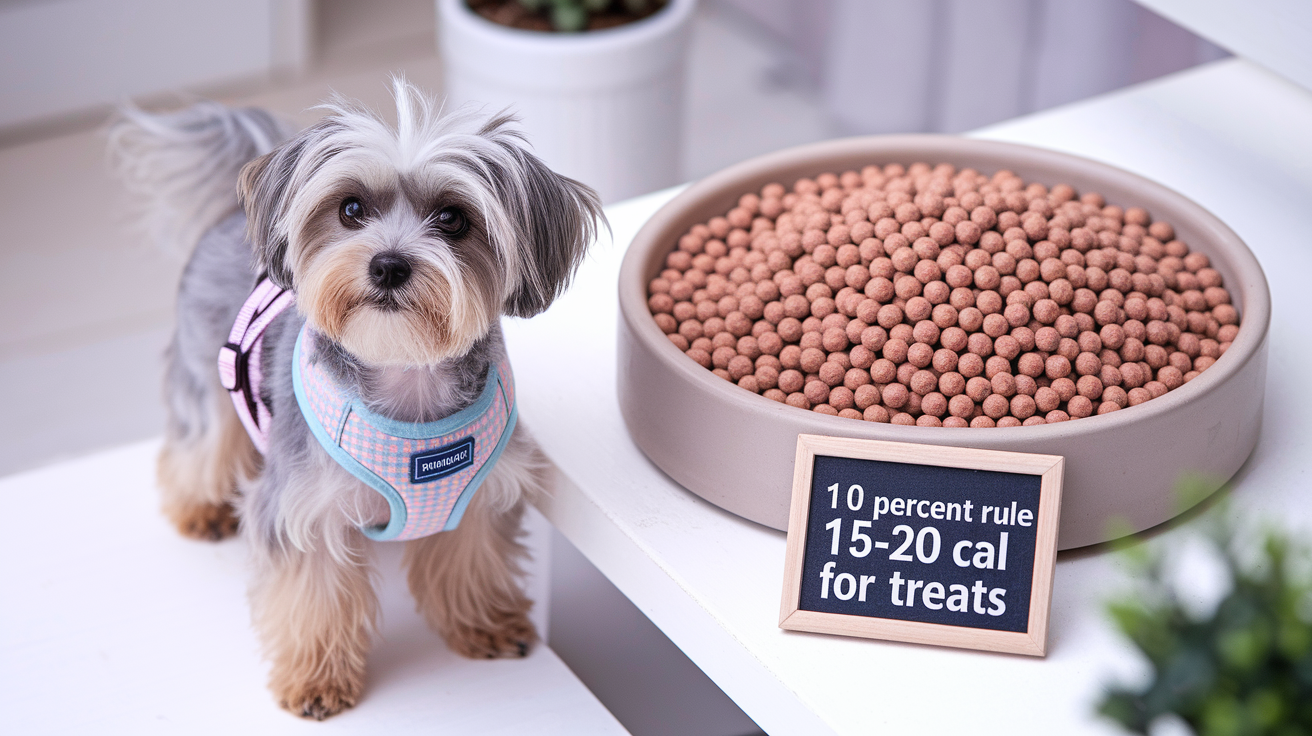
Small dogs need rewards that fit their tiny calorie budgets. A 5-pound dog only needs about 150 to 200 calories each day. A 10-pounder? Somewhere between 250 and 350. When you follow the vet guideline that treats shouldn’t go past 10 percent of daily calories, you’re left with just 15 to 20 calories for treats in a 5-pound dog. Maybe 25 to 35 in a 10-pound dog. If you’re grabbing standard treats that run 6 to 10 calories each, you’ll burn through that allowance after two or three rewards. That’s a problem when you’re trying to teach a puppy to sit, stay, or walk nicely and you need dozens of reps per session.
Low-calorie training treats fix this by dropping the calorie count to 1 to 3 per piece. At that rate, a 10-pound dog can get 8 to 25 treats in a day without blowing past the 10 percent rule. You can do high-volume training without triggering weight gain or stealing calories from meals. The best low-calorie training treats for small dogs share a few must-haves:
- 1 to 3 calories per piece so you can reward often without the guilt
- Soft or easily breakable texture that speeds up chewing and keeps focus where it belongs (on you, not the snack)
- Pea to rice-grain size (around 3 to 6 mm) or bigger treats that break cleanly into tiny portions
- High palatability because low-calorie doesn’t mean boring. Strong smell and taste keep your dog motivated
- Single-protein or short ingredient lists to dodge common allergens and tummy troubles in sensitive small breeds
Comparing the Best Low-Calorie Training Treat Types for Small Dogs

Each type of low-calorie training treat brings different perks when you’re juggling calories, motivation, and your wallet. Knowing the trade-offs helps you pick what fits your training style and your dog’s taste.
Soft Mini Meat Bites
Soft mini meat bites usually land between 2 and 4 calories per piece. They come in 3- to 6-ounce pouches with about 80 to 150 treats inside, priced anywhere from five to twelve bucks. These use real meats like chicken, turkey, or beef up front, with peas or oats holding things together and vegetable glycerin keeping them moist. The soft texture makes them quick to chew, so your dog’s back to paying attention in seconds. They’re perfect for high-rep obedience drills and puppy basics where you’re handing out 10 to 20 rewards in five minutes.
Vegetable and Fruit-Based Skinny Minis
Veggie and fruit training minis clock in at 2 to 4 calories and come in 3- to 4-ounce bags for about four to eight dollars. Sweet potato, pumpkin, apple, or blueberry lead the ingredient list, sometimes mixed with a bit of meat or oat flour. They give you solid calories-to-volume numbers for steady training, but they might not fire up highly food-driven or meat-obsessed dogs. They’re a good fit when you’re working calm behaviors like settle or place and weight control is priority one.
Low-Fat Jerky-Style Training Pieces
Low-fat jerky gives you 3 to 6 calories per piece in soft, chewy strips you can cut smaller. Expect to pay six to twelve dollars for 3 to 6 ounces. Look for bags labeled low-fat training jerky, not regular snacking jerky (which can hit 10+ calories per strip). The chewy texture appeals to dogs who like something to work on briefly, and the strong meat smell cranks up motivation in distracting spots like outdoor recall practice or doorbell drills.
Freeze-Dried Single-Protein Bits
Freeze-dried single-protein treats run 3 to 6 calories per piece but pack crazy concentrated flavor and smell, making them high-value rewards. You’ll find them in 1- to 3-ounce bags for eight to eighteen dollars, which makes them the priciest option here per treat. Since they’re light and crumbly, you can snap one piece into two or three micro-rewards to stretch the bag and cut calories. Save freeze-dried bits for tough new behaviors, high-distraction settings, or when you need max motivation in a tiny package.
| Treat Type | Avg kcal/piece | Pack Size | Price Range |
|---|---|---|---|
| Soft Mini Meat Bites | 2–4 | 3–6 oz | $5–$12 |
| Veggie/Fruit Minis | 2–4 | 3–4 oz | $4–$8 |
| Low-Fat Jerky Pieces | 3–6 | 3–6 oz | $6–$12 |
| Freeze-Dried Protein Bits | 3–6 | 1–3 oz | $8–$18 |
Ingredient and Label Guidelines for Healthy Low-Calorie Small-Dog Treats
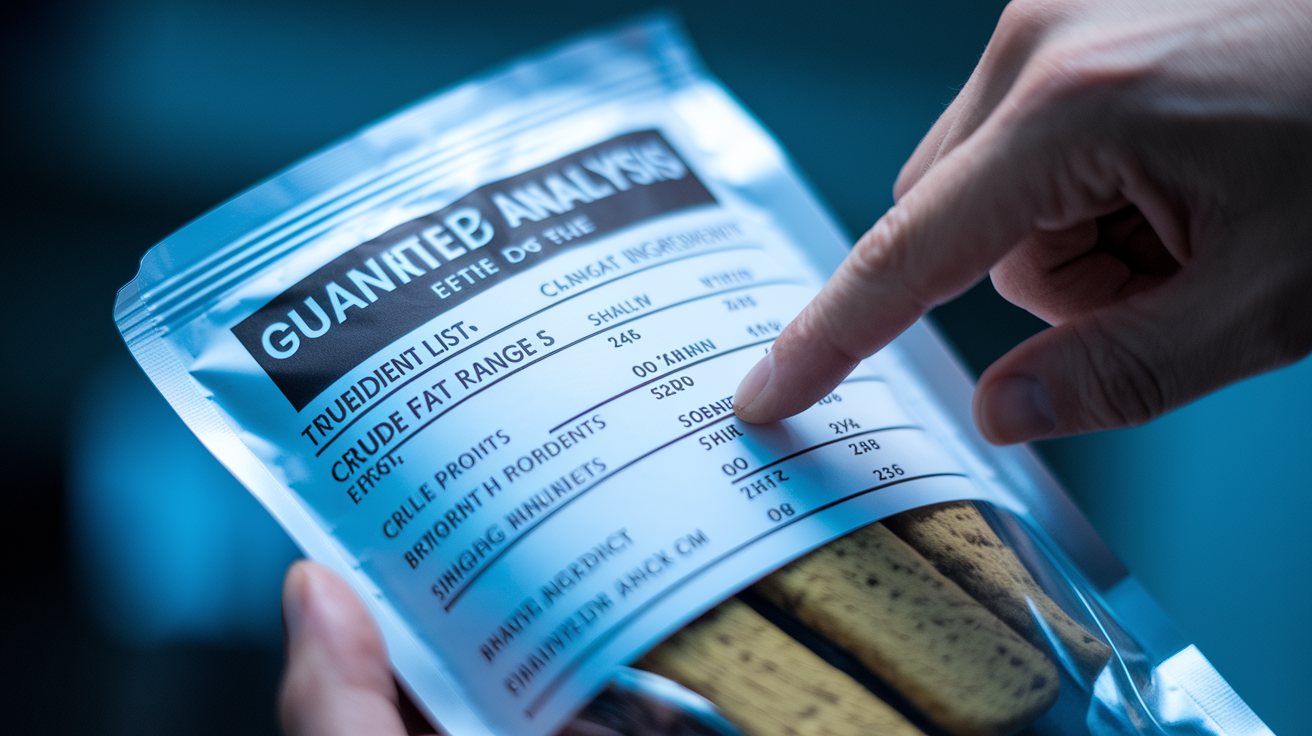
Reading the ingredient list and nutrition panel helps you dodge empty calories and potential allergens. Start by checking that a named meat protein shows up first. Chicken, turkey, salmon, or beef should beat out vague stuff like meat meal or by-product meal. Single-ingredient or limited-ingredient treats are your best bet for dogs with sensitivities since they cut out common triggers like corn, soy, wheat, and fake colors.
The guaranteed analysis panel tells you crude fat and crude protein percentages. For weight-conscious small dogs, look for treats with crude fat under 5 to 10 percent. Higher fat packs more calories per gram and can mess with pancreatitis or pile on pounds. Soft treats often include vegetable glycerin for moisture, while freeze-dried versions contain only whole protein with no binders. If your dog’s got known allergies, hunt for novel proteins like venison, rabbit, or duck and skip multi-protein formulas that make reactions hard to pin down.
Watch for these red flags that scream lower-quality treats:
- Added sugars like cane sugar, molasses, or corn syrup that dump empty calories and trash training focus
- Artificial preservatives such as BHA, BHT, or ethoxyquin with zero nutritional upside
- Filler grains like corn and wheat that bulk things up without real protein or nutrients
- High sodium that can stress kidneys in small breeds, especially seniors or dogs with heart issues
Calorie Counts and Portion Planning for Small-Breed Training Sessions

Portion planning turns fuzzy calorie numbers into actual training-session math. A 10-pound dog with a 25-calorie treat budget can handle about 25 one-calorie treats, 12 two-calorie treats, or around 8 three-calorie treats per day. If you’re working on something new and planning two five-minute sessions with 10 rewards each, you’re using 20 treats. At 1 calorie per treat, that’s 20 calories and fits easy. At 3 calories per treat, those same 20 rewards eat up 60 calories, more than double what’s safe and enough to cause weight gain over weeks of training.
High-value freeze-dried treats hitting 3 to 6 calories each should be saved for tough distractions or breakthrough moments. Use them maybe three to five times a day, then fill the rest of your reps with lower-calorie soft minis or even plain kibble from your dog’s meal. Breaking bigger treats into smaller bits stretches your budget. A 6- to 8-calorie treat quartered gives you four 1.5- to 2-calorie rewards instead of one chunk, perfect for rapid-fire puppy sit-stay drills.
Tracking treat counts across the day stops accidental overfeeding. Lots of trainers keep a small bowl with the day’s allowance measured out in the morning. Once it’s empty, switch to kibble rewards or non-food stuff like praise and play. Works great in homes where different people might double up on treats without realizing it.
| Dog Weight | Daily Calories | Treat Budget (10%) | Ideal kcal/treat | Max Treats/Day |
|---|---|---|---|---|
| 5 lb | 150–200 | 15–20 | 1–2 | 8–20 |
| 8 lb | 200–250 | 20–25 | 1–3 | 7–25 |
| 10 lb | 250–350 | 25–35 | 1–3 | 8–35 |
| 12 lb | 300–400 | 30–40 | 2–4 | 8–20 |
| 15 lb | 350–450 | 35–45 | 2–5 | 7–22 |
| 20 lb | 400–550 | 40–55 | 3–5 | 8–18 |
Product Recommendations: Low-Calorie Training Treat Options That Meet Small-Dog Needs

Picking the right low-calorie treat starts with matching format to your routine and your dog’s preferences. Each category here represents real products you can find at major pet stores and online. For independent comparisons of specific brands and palatability testing, check out third-party lists like Best Low-Calorie Dog Treats, which test treats across multiple small-breed homes.
-
Soft chicken or turkey training minis in resealable pouches deliver 2 to 4 calories per piece, come in 4- to 7-ounce bags for about six to twelve bucks, and have soft, moist textures puppies and seniors chew easy. These shine for daily obedience practice, leash training, and puppy socialization where you’ll burn through 15 to 25 treats in one go. Look for chicken or turkey first on the ingredient list with minimal junk added.
-
Freeze-dried single-protein cubes or nibs give you 3 to 6 calories per piece in 2- to 3-ounce bags priced eight to twenty dollars. The concentrated smell and crumbly texture make them crazy motivating for recall, off-leash work, and distraction-heavy spots like dog parks or busy sidewalks. Break each cube into two or three micro-rewards to stretch the bag and drop per-piece calories to around 1 to 2.
-
Vegetable and fruit training bites offer 2 to 4 calories per treat in 3- to 4-ounce bags for four to eight dollars. Perfect for weight-loss plans or dogs with pancreatitis who need ultra-low-fat options. They’re less exciting for high-drive behaviors but great for calm settle exercises, mat work, and cooperative care like nail trims or toothbrushing where you need frequent, low-value reinforcement.
-
Low-fat jerky strips cut into small training pieces clock 3 to 6 calories per piece when portioned right, sold in 3- to 6-ounce bags for six to twelve dollars. The chewy texture and strong meat smell appeal to dogs who want something to bite. Use these for intermediate stuff like stay with distractions, door manners, or polite greeting drills where motivation needs to stay up but calorie control matters.
Homemade Low-Calorie Training Treat Ideas for Tiny Breeds
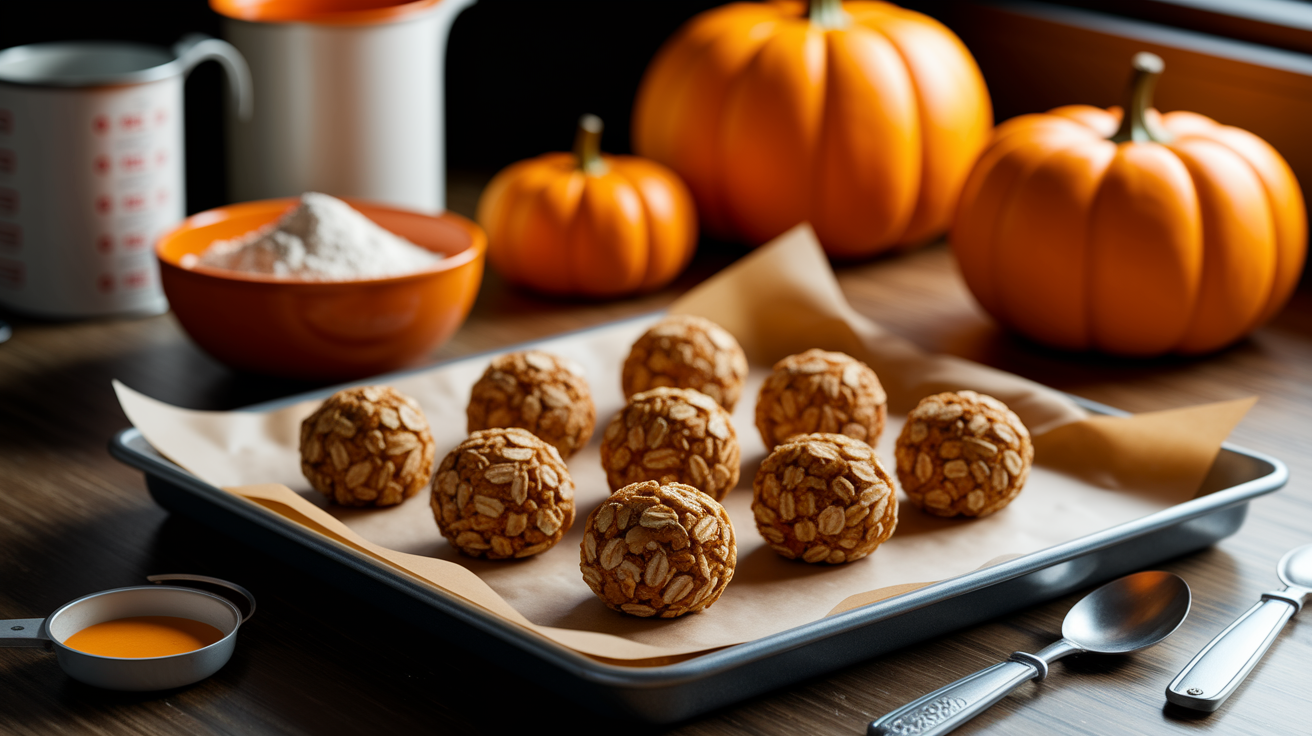
Making your own training treats gives you total control over ingredients and portion size, and it’s often cheaper per treat than fancy commercial stuff. These two recipes yield calorie counts low enough for frequent small-breed training.
Pumpkin Oat Mini Bites
Mix one cup of canned plain pumpkin, one large egg, and half a cup of oat flour in a bowl. Stir until smooth. The whole batch has about 353 calories. Spoon the mixture into a piping bag or plastic bag with one corner snipped, then pipe tiny half-teaspoon dollops onto a parchment-lined baking sheet. Bake at 300 degrees for 20 to 25 minutes until the edges firm up and the centers set. You’ll get about 40 mini bites at roughly 8.8 calories each. Want even smaller training rewards? Pipe quarter-teaspoon dollops to make 70 micro bites at about 5 calories each. Store in the fridge in an airtight container for up to four days or freeze in single-session portions for up to two months.
Chicken Little Cubes
Cook four ounces of skinless chicken breast by boiling or baking until done, then let it cool completely. The cooked chicken has about 187 calories total. Dice the chicken into pea-sized pieces with a sharp knife or kitchen scissors. Four ounces gives you roughly 30 pieces at about 6.2 calories each. For micro training rewards, cut each piece in half again to make 60 tiny cubes at roughly 3.1 calories per piece. These work beautifully for recall training or teaching complex tricks. Keep the cubes in the fridge for three to four days or freeze measured portions in small silicone ice-cube trays. Thaw one cube’s worth at a time for same-day training.
Safety, Texture, and Choking-Risk Considerations for Small Dogs

Small dogs face higher choking risk when treats are too big or too hard. Toy breeds and puppies do best with treats sized like a grain of rice or small pea, roughly 3 to 6 millimeters across. Soft or moist textures cut choking hazards because the dog chews and swallows fast without needing to gnaw or break things apart. Quick chewing also keeps training momentum going since your dog refocuses on you within a second or two instead of spending ten seconds working on a crunchy biscuit.
Freeze-dried treats bring strong motivation but can be brittle and sharp when snapped. If you’re training a puppy or a dog with dental issues, rehydrate freeze-dried pieces briefly by dipping them in water or low-sodium broth for a few seconds before offering. Crunchy treats provide dental benefits by scraping plaque while chewing, but they’re slower to eat and riskier for small mouths. Save crunchy stuff for calm snack time, not rapid-fire training.
Follow these safety tips to cut choking and tummy troubles:
- Break bigger treats into quarters or smaller before training to match your dog’s mouth size
- Choose soft, moist, or easily crumbled textures for puppies, seniors, and dogs with missing teeth
- Skip rock-hard treats and large rawhide pieces that can lodge in the throat or cause intestinal blockages
- Watch your dog’s chewing style during the first few sessions with a new treat to confirm safe swallowing before using it during distraction-heavy training
Weight Management & Vet Tips When Training With Low-Calorie Treats

Regular weight checks catch problems before they get serious. Weigh your dog weekly on a digital scale and track the numbers in a notebook or phone app. If you see a steady climb over two to three weeks, cut treat calories by 25 percent and recheck in another two weeks. Body condition scoring, a hands-on check of rib visibility and waist definition, gives you another useful checkpoint. Your vet can show you how to score your dog’s body condition on a one-to-nine scale and help you set a target.
Treats should always come out of daily meal calories, not stack on top. If your 10-pound dog eats 250 calories per day and you use 25 in training treats, drop the kibble portion to only 225 calories at meals. This keeps total daily intake steady and stops gradual weight creep. For overweight dogs already on restricted diets, pick treats with fat under 5 percent and lean toward single-ingredient or veggie options that deliver volume without dense calories.
Vets recommend these practices for treat-based training in small breeds:
- Confirm your dog’s individual daily calorie needs with your vet instead of relying on generic estimates, especially for spayed or neutered dogs with slower metabolisms
- Use high-value treats sparingly and save them for the hardest behaviors, filling most reps with lower-calorie kibble or veggie pieces
- Swap treats for raw green beans or baby carrots during long training sessions to keep motivation steady without blowing the calorie budget
- Adjust meal portions right away when treat use goes up, like during intensive puppy training weeks or when learning a new trick
- Watch for digestive upset or stool changes when introducing a new treat type, and stop if diarrhea or vomiting shows up
Frequently Asked Questions About Low-Calorie Training Treats for Small Dogs

How many calories per treat is ideal for small-breed training?
Shoot for 1 to 3 calories per piece when you’re doing high-rep training like teaching sit, down, or loose-leash walking. At that level, a 10-pound dog can get 8 to 25 rewards per day without exceeding the 10 percent guideline. If you’re only working on one tough behavior and just need three to five rewards per session, you can bump up to slightly higher-calorie treats in the 3- to 5-calorie range. Always count those calories against your dog’s total daily intake and trim meal portions to prevent weight gain.
Can human foods or vegetables be used as low-calorie training rewards?
Raw green beans, baby carrots, and small cucumber slices work great as ultra-low-calorie training treats. A single raw green bean has about 1 to 2 calories, and a thin carrot slice runs 1 to 3. They’re especially useful during weight-loss plans or when you’re doing long sessions and need dozens of reps without calorie overload. Plain cooked chicken breast diced into pea-sized pieces also makes a solid high-value reward at roughly 3 calories per tiny cube. Skip grapes, raisins, onions, garlic, and anything seasoned with salt or spices, since those can be toxic or irritating.
Can non-food rewards supplement treat-based training?
Toys, praise, and play can absolutely replace some food rewards, especially once your dog understands a behavior well. A quick tug game or favorite squeaky toy works as a high-value reward for toy-motivated dogs. Enthusiastic verbal praise and a few seconds of petting reinforce calm behaviors like settle or place without adding calories. Mixing food and non-food rewards throughout a session keeps motivation high while controlling calories. For example, use a 2-calorie treat for the first successful sit, then praise and a quick chest scratch for the next two reps, then another treat for a particularly fast or distraction-resistant sit. This pattern cuts total treat consumption by about half while keeping your dog engaged and focused.
Final Words
Stick to tiny rewards – 1-3 kcal per piece – and keep treats under 10% of daily calories. Pick soft, breakable bits or veggie minis so you can hand out 10-20 in a short session without blowing the daily budget.
Check labels for named proteins, low fat, and no added sugars. Rehydrate freeze-dried treats for pups, quarter larger pieces, and subtract treat calories from meals. Weigh and body-score weekly.
With the right low calorie training treats for small dogs, you’ll train more, keep weight steady, and enjoy those tiny wins together.
FAQ
Q: What are the best low calorie training treats for dogs? What are the best treats for dogs who need to lose weight? Which dog treats are low in calories?
A: The best low calorie training treats for dogs are soft, highly palatable minis or vegetable bits that keep treats under 10% of daily calories—aim for about 1–3 kcal per piece for tiny breeds.
Q: What is the 3 3 3 rule for dog training?
A: The 3 3 3 rule for dog training means give a new dog time: 3 days to decompress, 3 weeks to learn routines, and 3 months to fully settle, using short, consistent training sessions and patience.