
What if most joint treats on the shelf don’t actually help your dog?
You’re holding two tubs and the ingredient list feels like a puzzle.
But a few ingredients have real science and real results: glucosamine, chondroitin, MSM, omega-3s, hyaluronic acid, turmeric, and green-lipped mussel.
This post shows what each one does, how much actually matters, and the label clues that let you pick a treat that helps your dog move easier and feel more comfortable.
The Most Effective Ingredients for Dog Joint Health (Quick Answer)
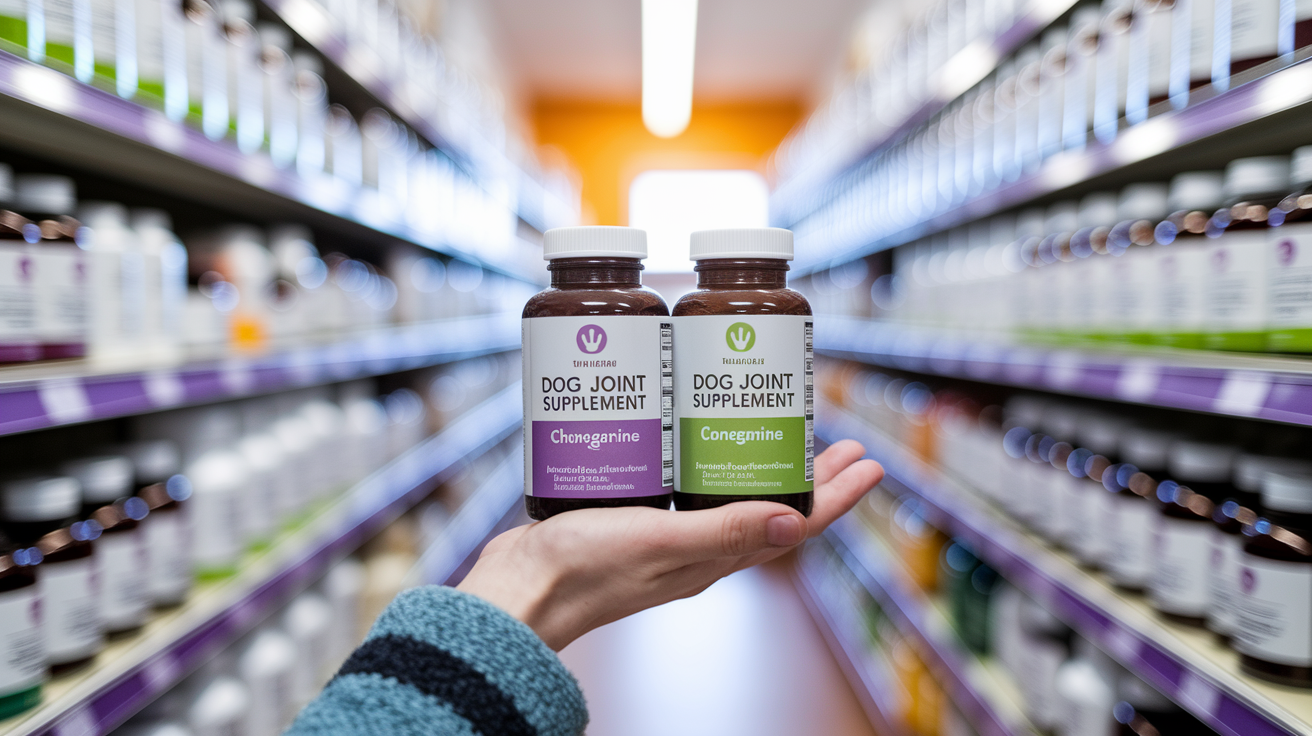
When you’re standing in the pet store holding two different joint supplement containers, the ingredient list on the back matters more than anything on the front. The most effective joint support ingredients for dogs work by rebuilding cartilage, reducing inflammation, or improving the cushioning fluid inside the joint.
Veterinarians and nutritionists consistently recommend a small group of active ingredients that have clinical support and real world results. These aren’t proprietary blends or marketing terms. They’re specific compounds with measurable benefits for cartilage health, mobility, and joint comfort.
Here’s the shortlist of ingredients that actually help:
- Glucosamine – supports cartilage structure and lubrication
- Chondroitin sulfate – helps cartilage retain water and resist compression
- MSM (methylsulfonylmethane) – reduces inflammation and supports connective tissue
- Omega-3 fatty acids (EPA and DHA) – powerful anti-inflammatory effect throughout the body
- Hyaluronic acid – improves joint fluid lubrication and shock absorption
- Turmeric/curcumin – natural anti-inflammatory and antioxidant
- Green-lipped mussel – whole food source of omega-3s and unique glycolipids
The best products combine several of these into one formula. A structural ingredient like glucosamine paired with an anti-inflammatory like omega-3s tends to work better than either one alone.
Glucosamine and Chondroitin Explained

Glucosamine is one of the most widely used joint support ingredients because it’s a natural building block of cartilage. Dogs produce glucosamine on their own, but production slows as they age. Supplementing it helps support the repair and maintenance of cartilage, which acts as the cushion between bones inside the joint. Glucosamine also plays a role in joint lubrication by contributing to the synovial fluid that keeps everything moving smoothly.
Chondroitin sulfate works alongside glucosamine but does something slightly different. It helps cartilage hold water, which keeps it elastic and able to absorb shock. Chondroitin may also slow the activity of enzymes that break down cartilage over time. That’s why these two are almost always combined on product labels. They support joint health in complementary ways.
You’ll see glucosamine listed in two main forms: hydrochloride and sulfate. Both work, but the amounts and absorption can vary slightly depending on the product.
| Type | Main Benefit | Common Dosage Range |
|---|---|---|
| Glucosamine HCl | Cartilage support, high purity | 250–1,500 mg/day (size based) |
| Glucosamine sulfate | Cartilage support, includes sulfur | 250–1,500 mg/day (size based) |
| Chondroitin sulfate | Shock absorption, slows cartilage breakdown | 200–800 mg/day |
MSM and Anti-Inflammatory Ingredients
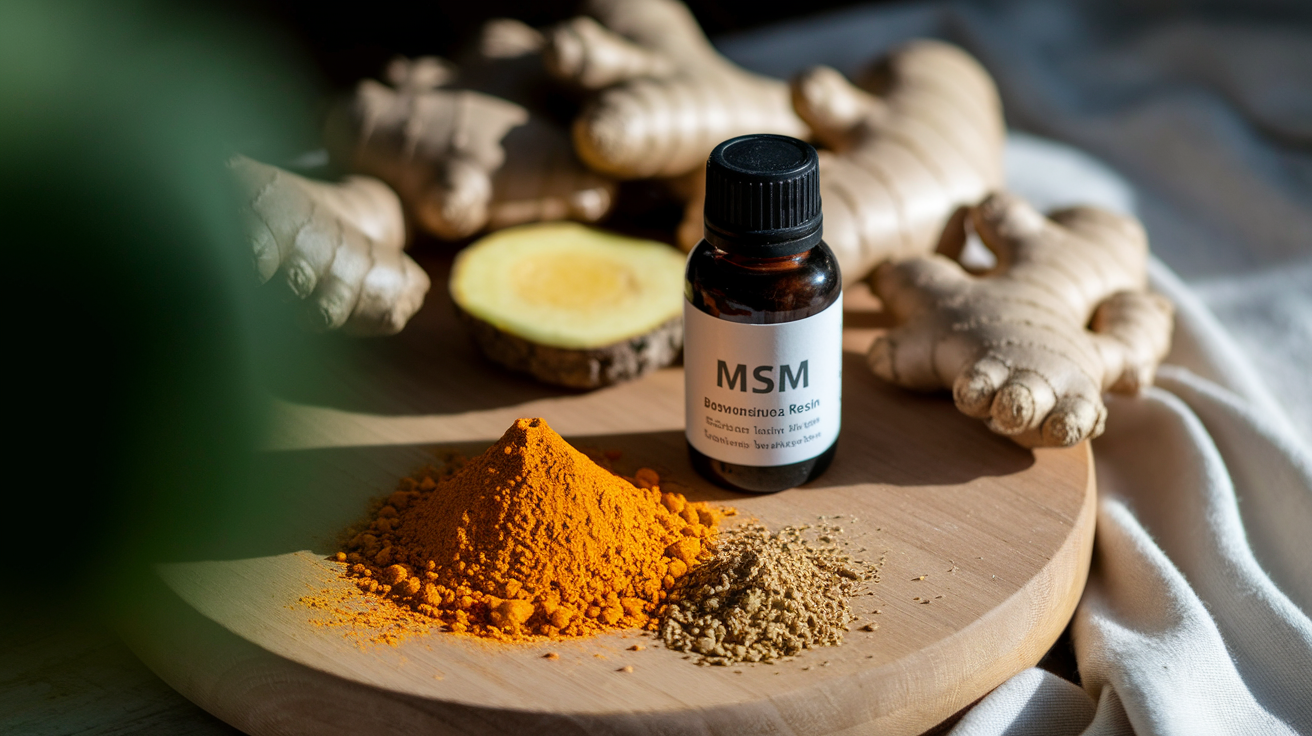
MSM stands for methylsulfonylmethane, an organic sulfur compound that supports connective tissue and reduces inflammation. Sulfur is necessary for collagen production, which makes MSM helpful for joints, tendons, and ligaments. Dogs dealing with stiffness or soreness often see improvements when MSM is added to their routine.
Inflammation is a major driver of joint pain, so adding ingredients that target it directly can make a real difference. Turmeric, specifically the compound curcumin inside it, acts as both an antioxidant and an anti-inflammatory. Boswellia serrata works similarly, helping to reduce inflammatory breakdown inside the joint. These plant based options are gentle and widely used in natural joint formulas.
Common anti-inflammatory ingredients you’ll find in joint treats include:
- MSM, a sulfur donor that reduces swelling and supports tissue repair
- Turmeric/curcumin, a plant based anti-inflammatory with antioxidant effects
- Boswellia serrata, which helps maintain cartilage integrity and reduce enzyme activity
- Ginger, a mild anti-inflammatory sometimes added for digestive and joint support
Omega-3 Fatty Acids and Hyaluronic Acid

Omega-3 fatty acids, particularly EPA and DHA from fish oil or algae, are some of the most effective natural anti-inflammatories available. Unlike ingredients that work only inside the joint, omega-3s reduce systemic inflammation throughout the body. That makes them helpful for dogs with arthritis, hip dysplasia, or general stiffness. Many vets recommend omega-3s as a baseline supplement even before adding joint specific compounds.
Hyaluronic acid is a different kind of support. It’s a component of the synovial fluid that lubricates joints, acting like oil in a hinge. As dogs age, hyaluronic acid levels drop, which can lead to less cushioning and more friction. Oral hyaluronic acid supplements help maintain that protective fluid layer and improve mobility over time.
Together, omega-3s and hyaluronic acid address two key issues. Inflammation and lubrication. A treat or supplement that includes both, along with glucosamine and chondroitin, covers more ground than a single ingredient product. You’re supporting cartilage structure, reducing swelling, and keeping the joint moving smoothly all at once.
Green-Lipped Mussel and Natural Whole Food Sources

Green-lipped mussel is a shellfish native to New Zealand, and it’s become a go-to ingredient in natural joint formulas. It contains omega-3 fatty acids, glucosamine precursors, and unique anti-inflammatory glycolipids that aren’t found in most other foods. Some studies suggest green-lipped mussel may reduce stiffness and improve mobility in dogs with joint discomfort.
What makes it appealing is that it’s a whole food source rather than an isolated compound. That means it delivers multiple active ingredients in one package. Omega-3s, minerals like magnesium and calcium, amino acids, and natural anti-inflammatories. Products that use green-lipped mussel often market themselves as more natural or holistic, which resonates with pet parents looking for less processed options.
The trade off is that whole food ingredients can vary in potency depending on sourcing and processing. Look for products that specify Perna canaliculus (the species name) and list the amount per serving. Common supplemental doses range from 300 to 600 mg per day, but that depends on the extract concentration and your dog’s size.
Understanding Dosage and Quality Indicators
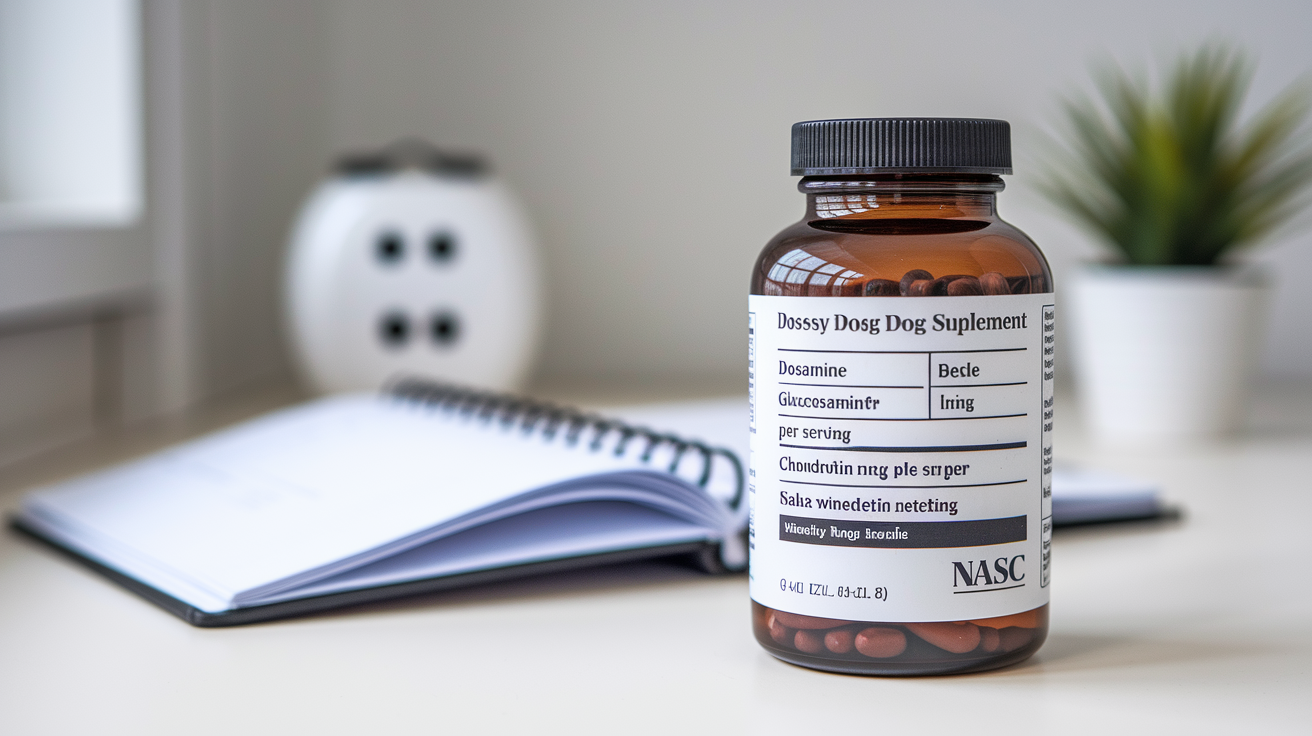
Dosage matters just as much as the ingredient itself. A product can list glucosamine on the label but include too little to make a difference. Veterinarians often recommend around 20 to 30 mg of glucosamine per kilogram of body weight per day, which translates to roughly 500 to 1,000 mg daily for a medium sized dog. Chondroitin is typically dosed lower, around 200 to 800 mg per day depending on size.
Quality indicators help you figure out which products are worth the price. Third party testing, NASC (National Animal Supplement Council) certification, and transparent sourcing are all good signs. If a label doesn’t tell you where the glucosamine comes from or how much is in each serving, that’s a red flag.
Here’s what to check on every label:
- Milligrams per serving for each active ingredient, not just “contains glucosamine.”
- Third party testing or NASC seal to confirm purity and potency.
- Ingredient source (e.g., shellfish derived glucosamine, fish oil for omega-3s).
- Clear dosing instructions based on your dog’s weight.
Possible Side Effects and Safety Considerations

Most joint support ingredients are gentle and well tolerated, but side effects can happen. The most common issue is mild digestive upset. Loose stools, gas, or temporary changes in appetite. This usually happens when you start a new supplement or give too much at once. Gradually introducing the treat and following the recommended serving size can help avoid stomach trouble.
Dogs with seafood or shellfish allergies need to be careful with glucosamine, chondroitin, and green-lipped mussel, since many of these ingredients are sourced from marine animals. If your dog has shown sensitivity to fish or shellfish in the past, check the ingredient source or ask your vet about plant based or synthetic alternatives.
High doses of turmeric or omega-3s can increase bleeding risk, especially if your dog is on anticoagulant medications or scheduled for surgery. Always talk to your vet before adding supplements if your dog takes prescription drugs, has a chronic condition like diabetes or kidney disease, or is recovering from an injury. What works for one dog might interact with another dog’s treatment plan.
How to Read Ingredient Labels Effectively
Ingredients on a dog treat or supplement label are listed in descending order by weight, so the first few items make up the bulk of the product. If glucosamine is listed tenth, after multiple fillers and starches, there’s probably not enough to be effective. Active joint support ingredients should appear near the top, with milligram amounts clearly stated per serving.
The guaranteed analysis and supplement facts panel are where you’ll find the actual numbers. Look for specific amounts. “500 mg glucosamine HCl per chew” is useful. “Contains glucosamine” is not. If the label lists a proprietary blend without breaking down individual ingredient amounts, you have no way to compare potency or calculate whether your dog is getting a therapeutic dose.
Watch out for these common label red flags:
- No milligram amounts listed for active ingredients
- “Proprietary blend” that hides individual quantities
- Glucosamine or chondroitin listed far down the ingredient list
- Excessive artificial flavors, colors, or unnamed “natural flavors”
- No third party testing or quality certifications mentioned
Final Words
Reach for joint-support basics first: glucosamine and chondroitin for cartilage, MSM and curcumin for inflammation, plus omega-3s and hyaluronic acid for lubrication. Green-lipped mussel and whole-food sources add extra nutrients.
Check dosages, third-party testing, and clear mg amounts on labels so you’ll pick a safe, effective product. Watch for mild tummy upset and avoid seafood-based options if your dog has allergies.
Use this guide to choose ingredients to look for in dog joint support treats and feel confident helping your dog move better.
FAQ
Q: What ingredients should be in joint supplements for dogs?
A: Joint supplements for dogs should contain glucosamine, chondroitin, MSM, omega-3s, hyaluronic acid, turmeric/curcumin, and green-lipped mussel to support cartilage, reduce inflammation, and improve mobility.
Q: What ingredients should I look out for in dog treats?
A: In dog treats you should look for joint-support ingredients like glucosamine, chondroitin, omega-3s, or green-lipped mussel, plus a short ingredient list, limited fillers, and no artificial preservatives.
Q: What to look for in dog food for joint health?
A: For joint health, dog food should include omega-3 fatty acids, added glucosamine or precursors, antioxidants like turmeric, quality protein, and proper calories to help maintain healthy weight and joint support.
Q: What to avoid in dog joint supplements?
A: You should avoid dog joint supplements with vague ingredient amounts, unnecessary fillers, artificial preservatives, unproven proprietary blends, and be cautious with seafood-based ingredients if your dog has allergies.