
Think all training treats work the same for tiny dogs? Think again.
Small breeds need pea-sized, soft treats that crumble easily, smell great, and don’t add pounds, so what you hand out every two minutes actually helps learning.
This post picks the top low-cal, high-flavor options, including freeze-dried, air-dried, and soft jerky, and shows how to portion and use them so your small dog stays focused, not full.
You’ll also get quick tips on calories, safe sizes, and real use cases.
Top Options for the Best Training Treats for Small Dog Breeds That Actually Work
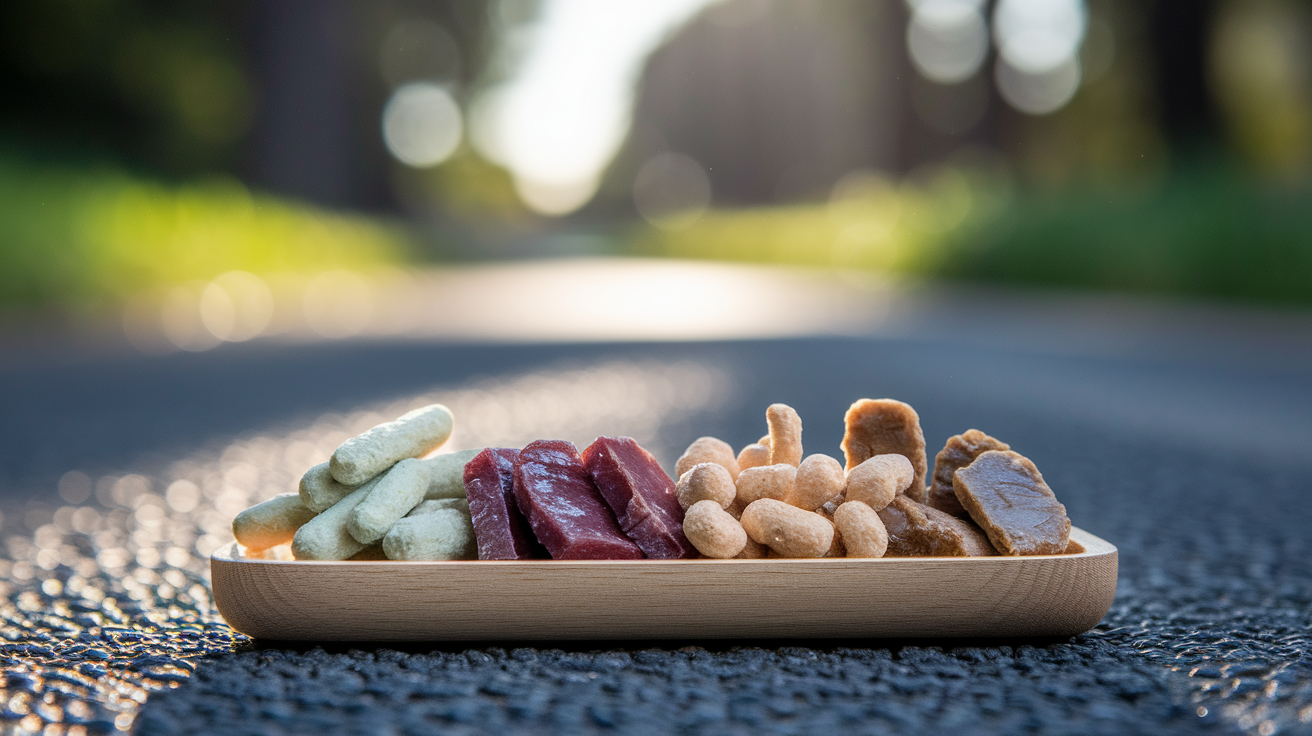
You need a training treat that’s small, soft or crumbles easily, smells amazing, and won’t pack on pounds when you’re handing them out every two minutes. For tiny mouths, think pea-sized pieces or treats that break apart without effort. Soft or freeze-dried textures mean your dog swallows fast and you’re back to training. High palatability keeps their attention locked on you instead of that squirrel across the park. And here’s the rule: treats should be 10% or less of daily calories so you don’t accidentally create a chubby Chihuahua.
Here’s a fun fact. A single ounce of freeze-dried fish can deliver more flavor punch than a whole handful of boring kibble. That’s the kind of tiny, powerful reward that keeps training sessions moving without filling them up.
The best treat categories for small breeds are freeze-dried single-ingredient bites, air-dried meaty pieces, soft jerky you can tear into bits, and very small crunchy morsels when you want variety. Freeze-dried options like Vital Essentials Minnows (single ingredient, 82 kcal/oz) and Vital Essentials Bites in duck or beef (minimal ingredients, mixed tocopherols as a natural preservative) crumble into micro-rewards. Raw Paws Green Tripe (single ingredient, 155 kcal/oz) and Ageless Paws Bison Liver (112 kcal/oz) are intense and perfect for picky eaters. Icelandic+ Herring (125 kcal/oz) brings Omega-3s to the table. Wildside Kangaroo supplies tiny crunchy pieces but comes with six ingredients including potato and glycerin. Instinct Raw Boost Toppers (½ cup equals 124 calories) and ZiwiPeak air-dried (256 to 284 kcal per scoop depending on flavor) are nutrient-dense and breakable for small dogs.
- Vital Essentials Minnows: 82 kcal/oz, freeze-dried, single ingredient
- Vital Essentials Bites (Duck/Beef): simple ingredients, mixed tocopherols
- Raw Paws Green Tripe: 155 kcal/oz, freeze-dried, super palatable
- Icelandic+ Herring: 125 kcal/oz, air-dried, Omega-3 rich
- Ageless Paws Bison Liver: 112 kcal/oz, nutrient-dense liver
- Wildside Kangaroo: tiny crunchy pieces, 6 ingredient list (potato, glycerin present)
- Instinct Raw Boost Toppers: ½ cup equals 124 kcal, sold in 6 to 14 oz bags
- ZiwiPeak air-dried: 256 to 284 kcal/scoop, soft pieces that break easily
When you’re portioning for training, use pea-sized bits for rapid rewards. For higher calorie items like liver or tripe, break them into many micro-pieces so one recall or sit uses only a fraction of a calorie. Track total treat calories against your dog’s daily needs and stick to that 10% guideline.
Key Qualities That Define the Best Training Treats for Small Dog Breeds
Size, scent, and texture beat fancy packaging every time. For toy breeds, treats should be tiny or crumble when you need them to. A strong aroma helps a dog lock in faster than any bland biscuit. Soft textures let dogs chew and swallow quickly, keeping training sessions snappy. Freeze-dried and dehydrated treats crumble easily, perfect for micro-rewards. Air-dried foods are breakable too, just denser.
If your dog has a sensitive stomach or known allergies, ingredient simplicity is your best friend. Single-ingredient treats reduce the chance of a reaction and make it easier to spot a culprit if something goes wrong. Mixed-ingredient snacks sometimes include potato, glycerin, or canola oil. Use caution if you avoid fillers or certain carbs. Mixed tocopherols show up as a natural vitamin E preservative and they’re generally fine, but fewer components still means simpler troubleshooting.
Calorie density shifts by format. Freeze-dried fish like Vital Essentials Minnows run around 82 kcal/oz. Air-dried options like Icelandic+ Herring sit at about 125 kcal/oz. Liver and tripe are higher: Ageless Paws Bison Liver is 112 kcal/oz and Raw Paws Green Tripe is 155 kcal/oz. That means one small piece of tripe can equal several freeze-dried crumbs. For training, favor low-calorie, high-flavor choices or break denser ones into lots of micro-bits.
Comparing High-Value Training Treats for Small Dog Breeds
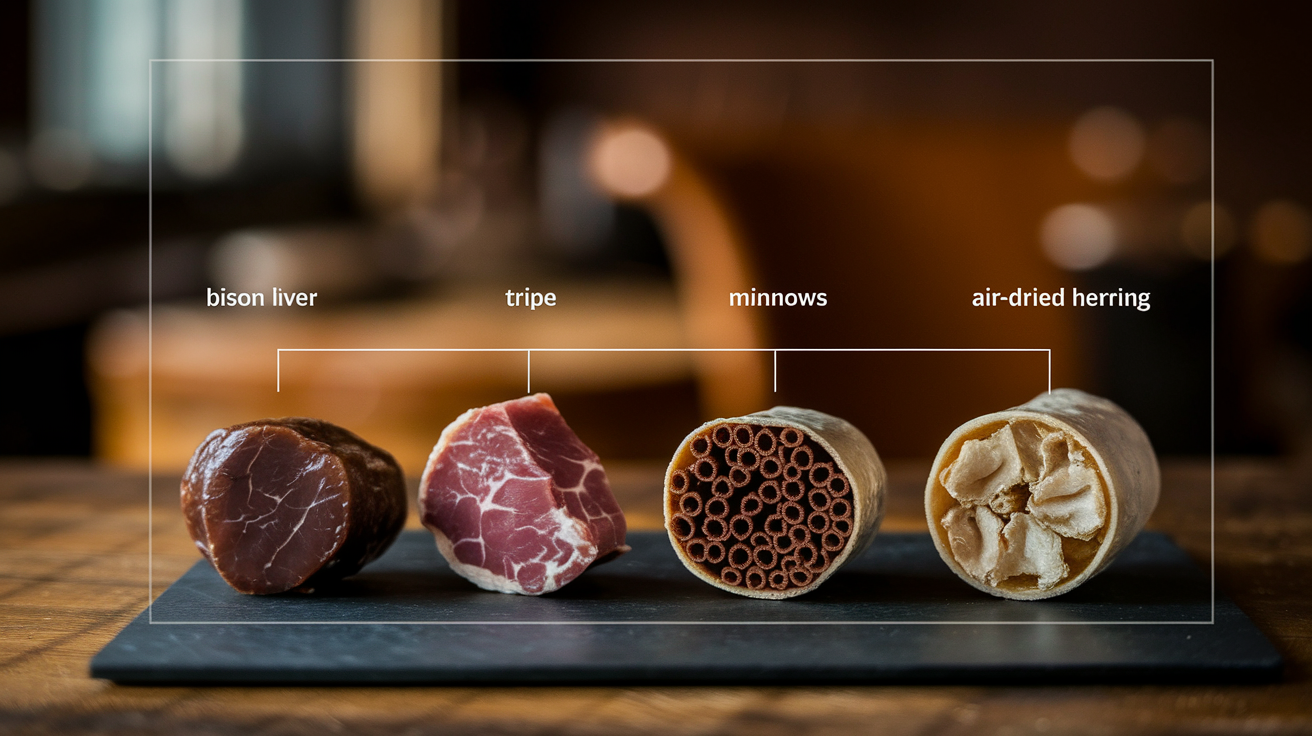
High-value treats are your secret weapon for tough training moments. Recall in a park, focused work around distractions, or shaping new behaviors. These treats should be small but irresistible: liver, tripe, and strong-flavored fish are classic options. Use them sparingly when the behavior is hard or the environment is noisy. For daily drills at home, rotate to lower-calorie options so you don’t blow your calorie budget.
High-value treats tend to be calorie-dense, so there’s a tradeoff between motivation and weight control. Bison liver (112 kcal/oz) and tripe (155 kcal/oz) are powerfully motivating and great for a handful of high-distraction rewards. Minnows (82 kcal/oz) give strong flavor for fewer calories and work well when you need frequent reinforcement. Break dense treats into micro-pieces and use only when the payoff (focus and learning) is worth the calories.
| Treat Type | Calorie Density | Ideal Use Case |
|---|---|---|
| Bison Liver | 112 kcal/oz | High-value for recall or stubborn behaviors |
| Tripe | 155 kcal/oz | Top motivator for picky dogs or peak distraction |
| Minnows (freeze-dried) | 82 kcal/oz | Low-calorie, fish-flavored micro-rewards |
| Air-dried Fish | ~125 kcal/oz | Omega-3 boost, strong flavor for focused work |
Ingredient and Allergen Considerations in the Best Training Treats for Small Dog Breeds
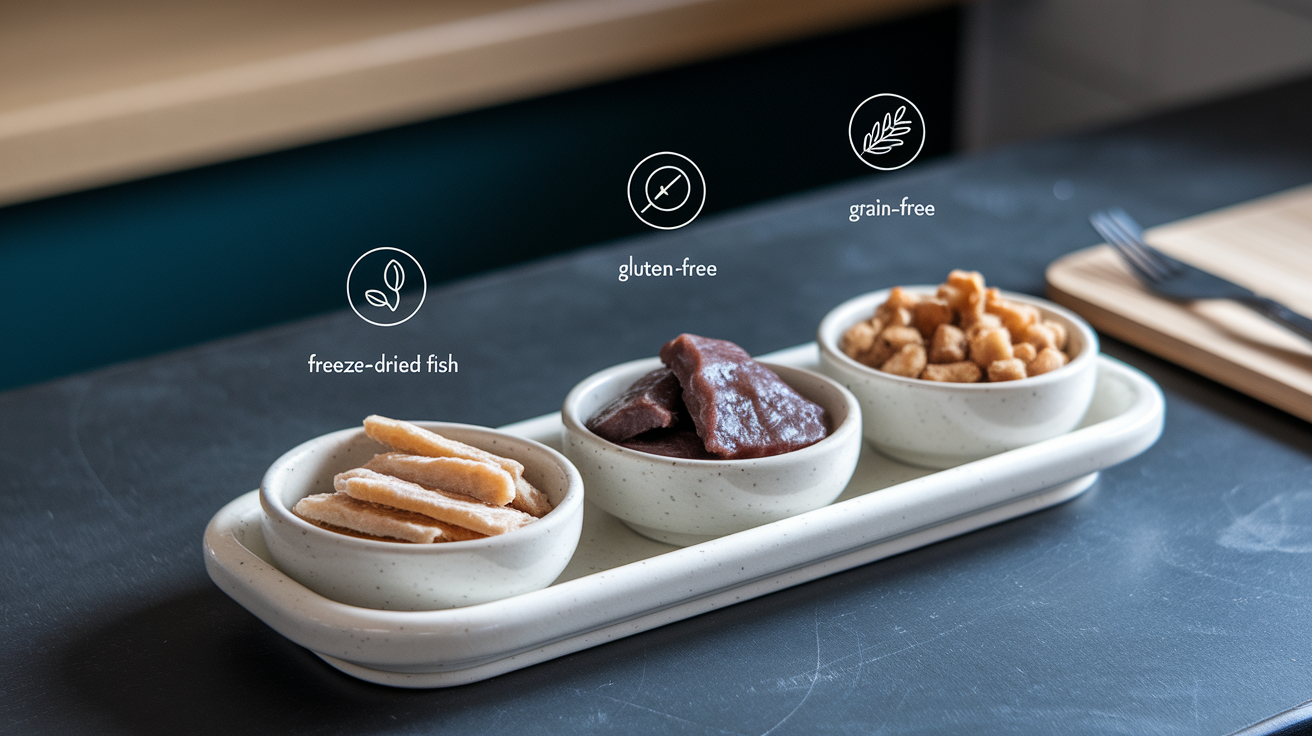
Common trigger ingredients include grains, certain starches like potato, glycerin, and some vegetable oils. Many small-breed owners prefer grain-free or single-protein treats to reduce stomach upset. Wildside Kangaroo offers a novel protein but also lists potato and vegetable glycerin, which could bother sensitive pups. Take note of any added oils or sweeteners.
Single-ingredient treats (freeze-dried fish, liver, tripe, or single-animal proteins) make it easy to pinpoint reactions and keep the gut calm. Single-ingredient options from Vital Essentials, Raw Paws, and Ageless Paws let you test one protein at a time. Mixed tocopherols often show up as a natural preservative. That’s usually acceptable and not the same as artificial preservatives.
Novel proteins like kangaroo or venison can help dogs with common allergies to chicken or beef, but always introduce them slowly and watch stools for a week. If your dog has multiple food allergies, work with your vet to pick a safe single-ingredient treat and avoid anything with unnamed “natural flavors” or long ingredient lists.
- Avoid wheat, corn, and soy if your dog is reactive
- Avoid potato or excessive starches if you’re watching carbs
- Skip treats with glycerin if sensitive to sweeteners
- Watch for canola or vegetable oils if fat intolerance exists
- Avoid unspecified “natural flavors” or long multi-ingredient lists
Treat Size, Texture, and Safety for Small Dog Breeds
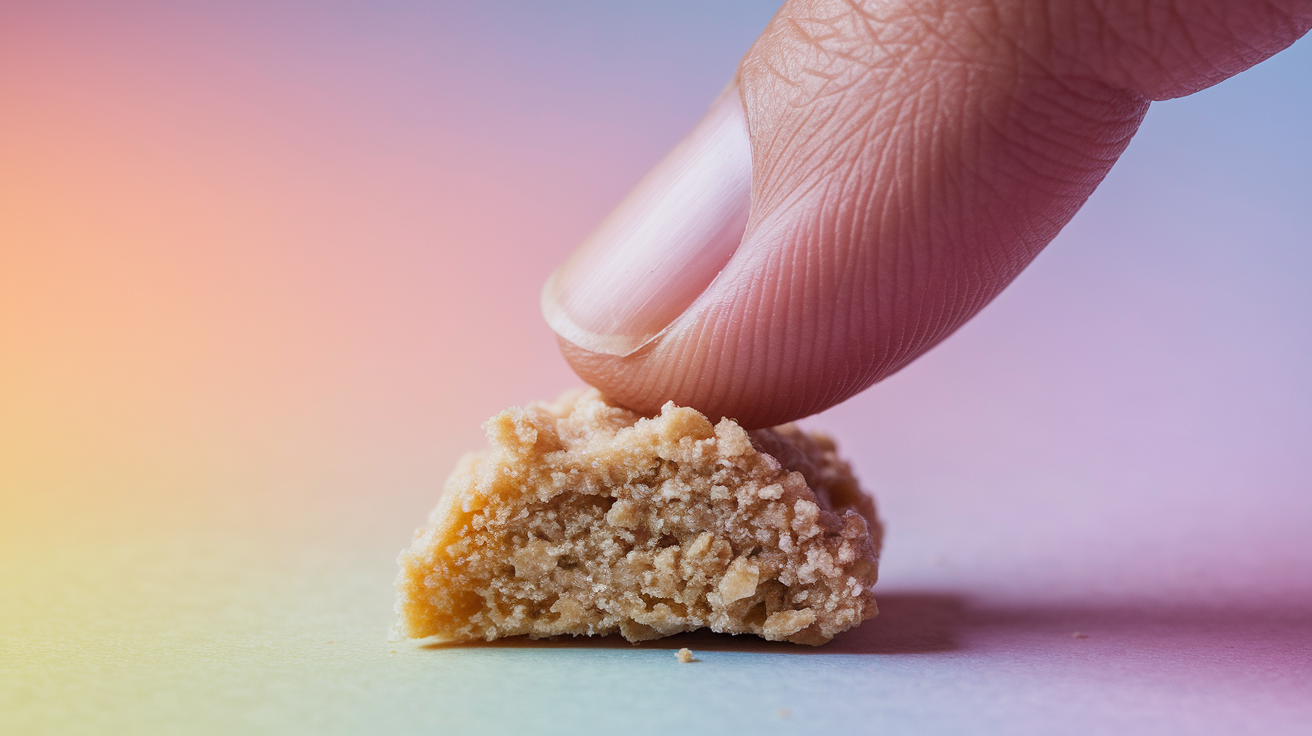
For safety and training flow, treats should be pea-sized or able to break that small. A one-bite reward that takes longer to chew breaks the training rhythm and wastes calories. Freeze-dried treats and many dehydrated pieces crumble easily. Air-dried foods break with a gentle twist. Avoid hard, dense bites for rapid training use.
Choking risk rises with oversized or unbreakable chews. Bully sticks and raw meaty bones are great for supervised chew sessions, not for repetitive training rewards. For tiny breeds, save those for solo chew time and choose the thinnest or shortest versions. Keep an eye on dental sensitivity. Softer options are kinder for older or small-toothed dogs.
- Use pea-sized pieces for routine training
- Break jerky into micro-bits before a session
- Reserve bully sticks and bones for supervised chew time only
- Remove any hard edges or large fragments before offering
- Always supervise new treat types until you’re sure they’re safe
Using the Best Training Treats for Small Dog Breeds in Real Training Scenarios
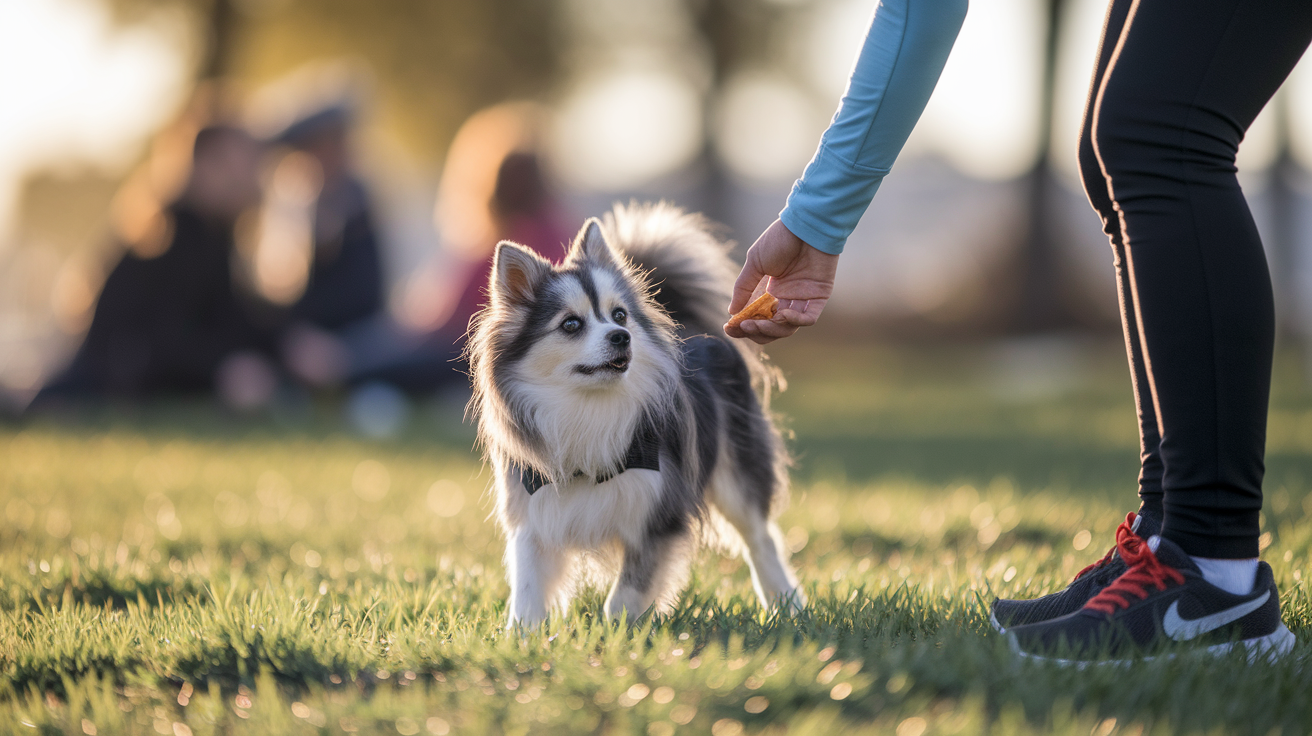
Freeze-dried crumbs are ideal for clicker training, leash focus, crate training, and teaching stops or sits because they allow rapid repetitions without long chew times. In distracting places like dog parks or vet clinics, pull out high-value bites like liver, tripe, or strong fish to re-focus attention. For repetitive skills at home, lean on low-calorie, crumble-able options.
Break larger treats into tiny pieces before you start. Keep a treat pouch with an assortment: a stack of low-calorie crumbs for general practice, plus one or two high-value bites for tough moments. Change flavors occasionally to prevent treat fatigue. Dogs notice variety and stay engaged longer.
When you’re timing rewards, the goal is immediate feedback. The faster they get the bite after the cue, the stronger the learning.
- Mark the correct behavior immediately (click or say “Yes”) within a half-second.
- Deliver a pea-sized low-calorie crumb for routine repetitions.
- Use a high-value micro-piece for difficult or distracting trials.
- Pause after 3 to 5 repeated successes to reset focus and avoid boredom.
- End a session on a calm note with a soothing chew or meal topper if you use one.
Low-Calorie and Weight-Safe Options Among the Best Training Treats for Small Dog Breeds
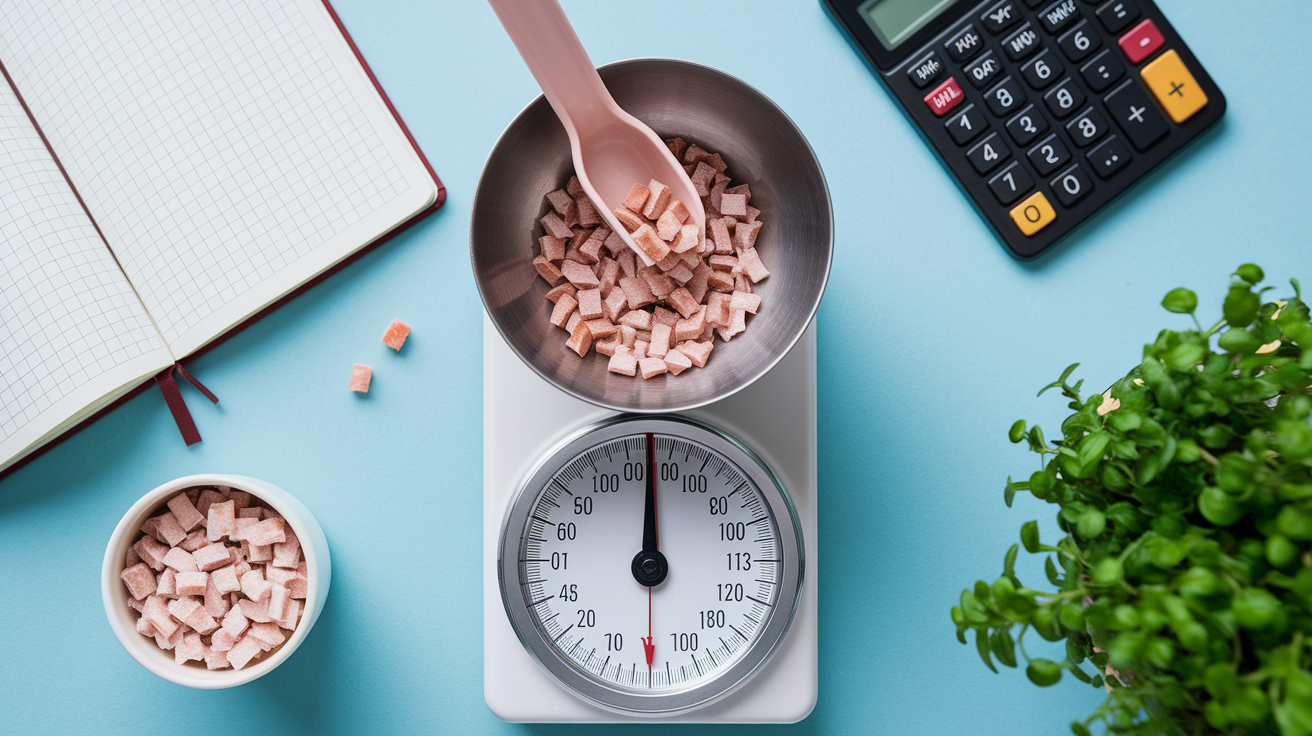
Keep treats at or below 10% of daily calories. If a tiny dog needs 300 kcal/day, treats should total no more than about 30 kcal. Freeze-dried minnows or other low-cal items let you reward many times. Dense toppers like Instinct Raw Boost and ZiwiPeak are nutrient-rich but calorie-dense. Measure carefully if you use them as training bits.
When offering chews like bully sticks or raw meaty bones, limit sessions to 10 to 15 minutes and count them as part of the daily treat allotment. Those chews add calories fast and are meant for occasional enrichment, not continuous training rewards. If you use a high-calorie treat for training, cut back on meal portions that day to balance total intake.
For practical tracking, weigh or estimate micro-pieces at first. If bison liver is 112 kcal/oz, a 0.1 oz piece is roughly 11 kcal, so use even smaller slices for frequent rewards. Use your vet or a calorie calculator to set a daily treat budget and stick to it.
Multi-Use Treats: When Training Treats Double as Meal Toppers for Small Breeds
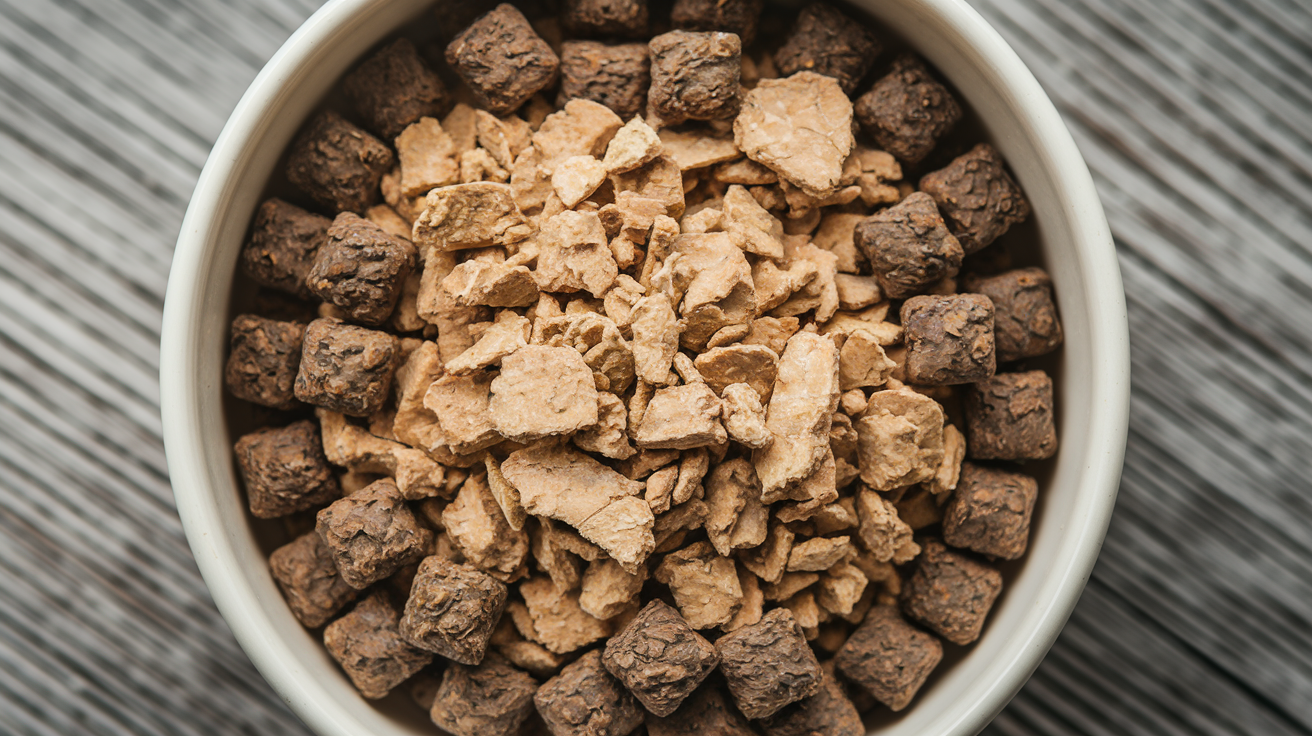
Toppers like Instinct Raw Boost and air-dried ZiwiPeak can pull double duty as both meal enhancers and training rewards. They’re nutrient-packed and super tasty, but that density means you must portion them precisely. Measure scoops or crumble a small portion into many micro-bits so you don’t accidentally turn a training session into a full extra meal.
When using topper-style treats in training, treat them like a supplement: account for their calories in the daily total and use them mainly for short sessions or special rewards. They’re great for picky pups who ignore bland kibble and for quick reinforcers during focused work.
- Use measured scoops, not loose handfuls
- Break topper chunks into pea-sized bits for training
- Reserve topper rewards for high-focus or meal-time pairing
- Store toppers airtight to keep aroma and texture fresh
Comparing Commercial Options: The Best Small-Bite Brands for Training Small Dog Breeds
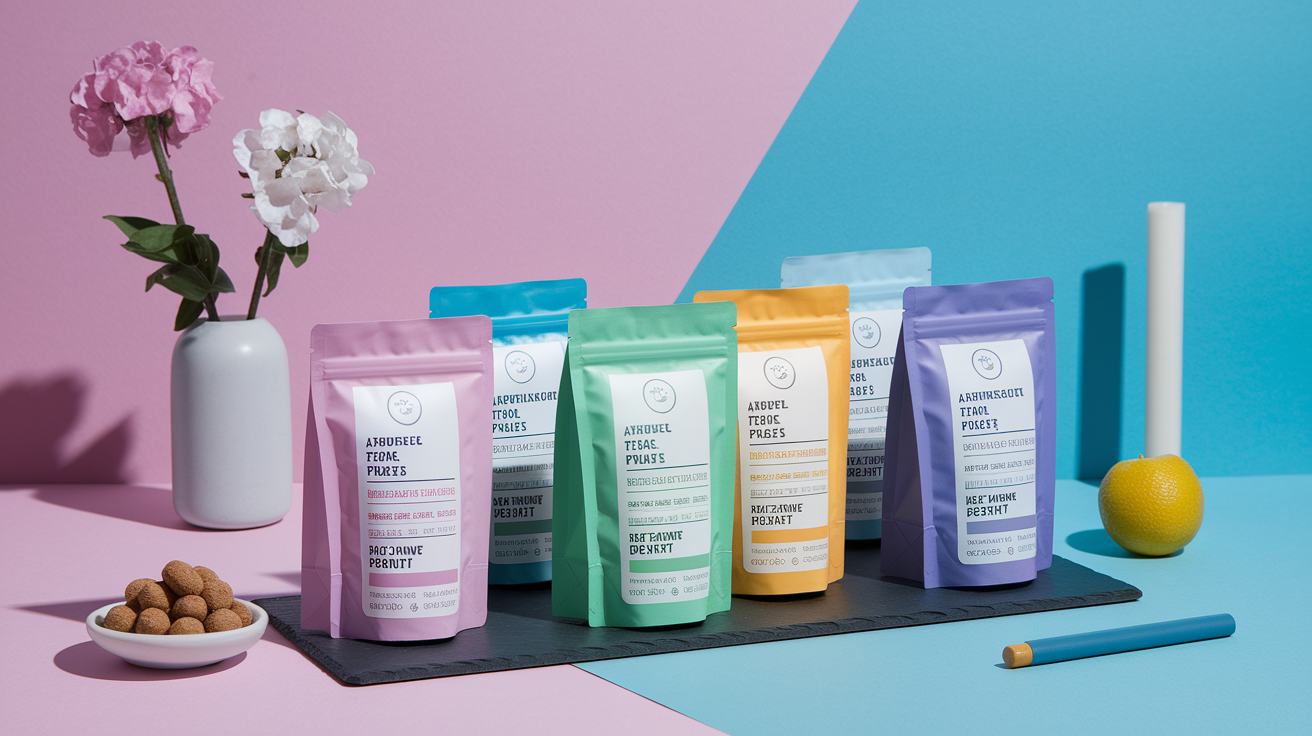
For picky owners comparing brands, look at format, calorie density, breakability, and intended use. Vital Essentials and Raw Paws offer freeze-dried single-ingredient bites that crumble for micro-rewards and have clear kcal/oz data. Icelandic+ air-dried fish adds Omega-3s with moderate calories. Ageless Paws Bison Liver and Raw Paws Green Tripe are dense, highly motivating options. ZiwiPeak and Instinct toppers are premium, nutrient-dense, and work well as both toppers and training rewards if you measure carefully. Real Dog Treat Box is a subscription option for rotating air-dried single-ingredient treats. Good if you want variety and allergy-safe customization. No dollar prices were included in the available product notes, so compare price per oz when you shop.
Below is a quick buyer-style comparison to help you match format to training need and how easily each breaks into micro-pieces.
| Brand | Format | Calorie Density | Ideal Use | Breakability |
|---|---|---|---|---|
| Vital Essentials | Freeze-dried fish & bites | 82 kcal/oz (Minnows) | Everyday micro-rewards | High (crumbles easily) |
| Raw Paws | Freeze-dried tripe | 155 kcal/oz | High-value rewards, toppers | Medium (dense but breakable) |
| Icelandic+ | Air-dried herring | 125 kcal/oz | Omega-3 boost, motivating | High (breakable) |
| Ageless Paws | Freeze-dried bison liver | 112 kcal/oz | High-value training | Medium (can be portioned small) |
| Wildside | Crunchy kangaroo pieces | Not provided | Novel protein, tiny bites | High (tiny pieces) |
| ZiwiPeak / Instinct | Air-dried / toppers | 256–284 kcal/scoop (ZiwiPeak), 124 kcal/½ cup (Instinct) | Toppers and high-value training | High (breakable but dense) |
DIY and Homemade Alternatives to the Best Training Treats for Small Dog Breeds
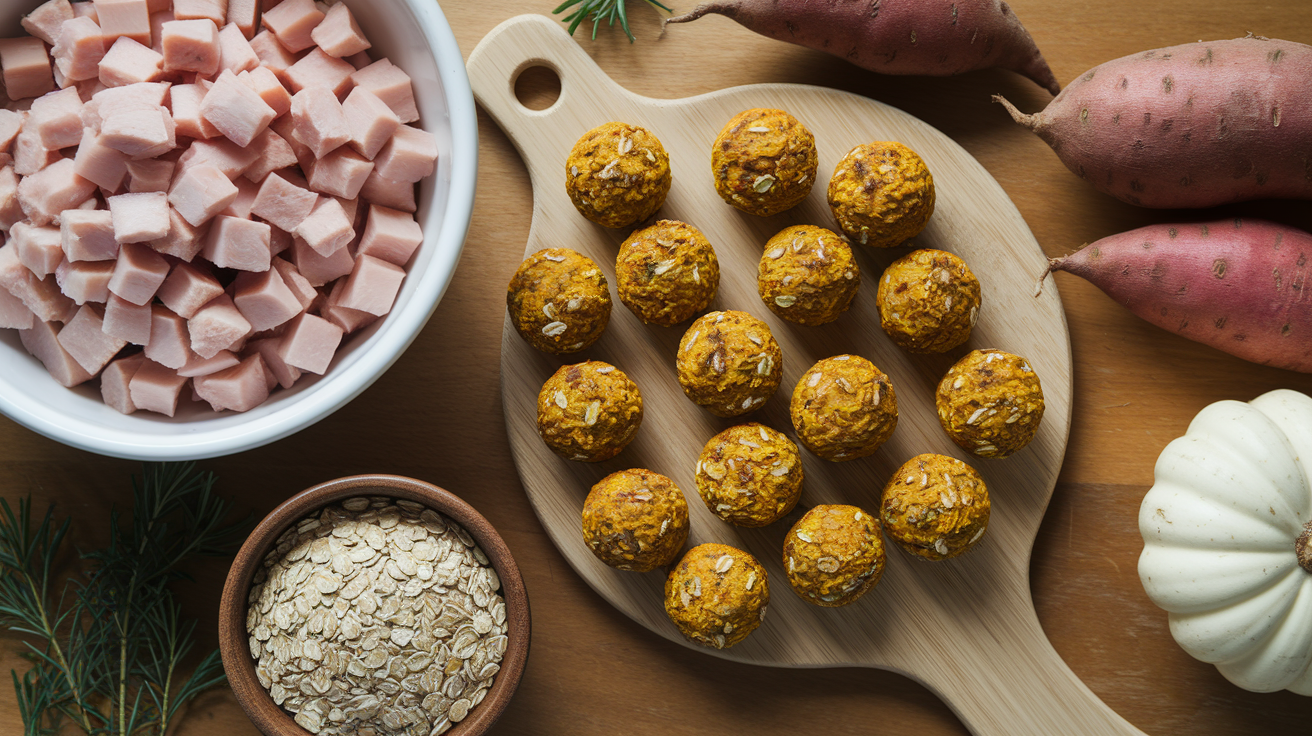
Homemade treats can be a great way to control ingredients and size. Use single-ingredient bases like small cubes of cooked chicken, tiny bits of baked sweet potato, or freeze-dried fish crumbs to match store-bought single-ingredient simplicity. Keep pieces pea-sized and avoid heavy fats or salt. Vegetables like pumpkin and carrot are gentle on tummies and can be cooked and cut into tiny bits.
When you make treats at home, test a small batch first to check stool quality and appetite response. Homemade options cost less and let you tailor texture. Soft baked mini-bites for dental sensitivity, dehydrated slices for crunchy rewards. Always store homemade treats airtight and use within a few days if fresh, or freeze portions for longer storage.
- Baked mini chicken cubes: bake diced skinless chicken, cool, cut into pea-size bits.
- Dehydrated sweet potato rounds: thin-slice, dehydrate, then break into crumbs.
- Pumpkin and oat no-bake bites: mix canned pumpkin with a little oat flour, form tiny balls, cool.
- Freeze-dried fish crumbs: buy freeze-dried fish and crush into micro-pieces for quick rewards.
Final Words
Right in the middle of a training session, reach for pea-sized, soft, low-calorie bites that dogs love. This post walked through what makes a treat work, and showed practical categories like freeze-dried, air-dried, single-ingredient options, and meal toppers so you can pick what fits your dog.
Keep portioning simple: break treats into micro pieces, follow the treats ≤10% daily calories rule, and swap high-value treats for tough moments.
Use this guide to find the best training treats for small dog breeds and make training feel easy and joyful.
FAQ
Q: What are the best treats for training small dogs?
A: The best treats for training small dogs are tiny, soft, low-calorie, and highly tasty—freeze-dried meats, small air-dried pieces, or single-ingredient bites you can break into pea-sized rewards.
Q: What is the 7 7 7 rule for dogs?
A: The 7 7 7 rule for dogs is not a single, universal rule; some trainers use different 7-7-7 guidelines, so check with your trainer or behaviorist for the exact steps they mean.
Q: What do professional dog trainers use for treats?
A: Professional dog trainers use tiny, highly motivating treats—soft freeze-dried meats or small fresh pieces—so they can reward quickly and repeatedly without overfeeding during short training sessions.
Q: What training treats do vets recommend?
A: Vets recommend training treats that are low-calorie, limited-ingredient, and easy to portion—single-ingredient options or small soft bites to avoid weight gain and tummy upset.