

Think treats are harmless? For dogs with sensitive tummies, they can be the problem.
Digestive care dog treats are different.
They’re made with fewer ingredients and include probiotics, prebiotics, and gentle fibers that calm and steady digestion.
In practice that means firmer stool, less gas, and fewer upset nights.
If your dog gets belly troubles after snacks, this post will show how these treats actually soothe the stomach, what to look for on the label, and how to introduce them safely.
Core Ways Digestive Care Dog Treats Support Sensitive Stomachs
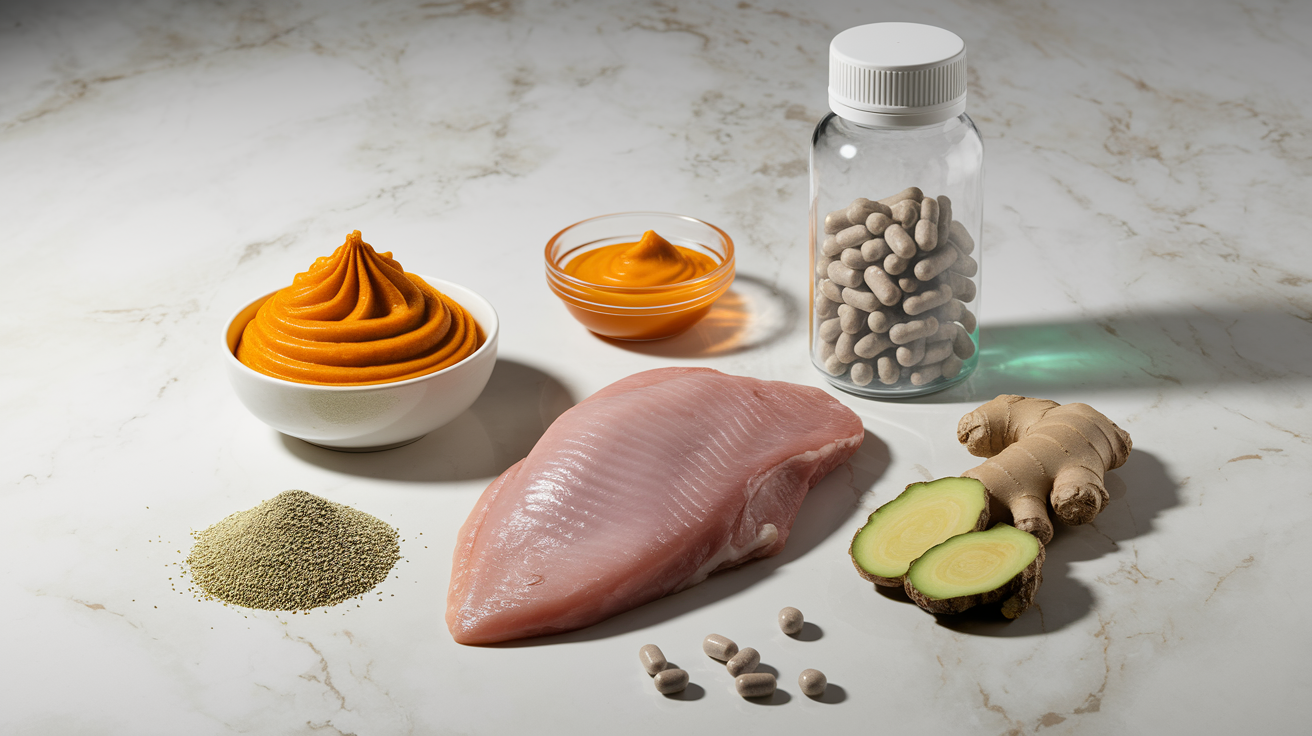
Digestive care treats are formulated to do more than just taste good. They’re built around gut health instead of just palatability. Regular treats pile on multiple proteins, fats, fillers, and additives to make dogs excited. Digestive options strip that back. Minimal ingredients, chosen carefully. Probiotics, prebiotics, soluble fiber, a single lean protein. All working to soothe the stomach and stabilize digestion. If your dog’s tummy gets upset easily, these treats work like a gentle reset.
The way they work comes down to targeted ingredients. Probiotics flood the intestines with beneficial bacteria that crowd out harmful strains and help regulate immune response. Prebiotics feed those good bacteria, supporting longer stability over weeks. Soluble fiber absorbs water in the digestive tract. It firms up loose stool and supports production of short-chain fatty acids that keep the colon healthy. Limited ingredient or single protein formulas cut down the chance of triggering an allergic reaction or intolerance. Low fat recipes lower the risk of fat triggered nausea or pancreatitis. Together, these elements create a treat that actively supports digestive function.
Your dog might benefit from digestive care treats if you’re seeing:
- Recurring soft or loose stool, especially multiple times a day
- Occasional vomiting without other serious symptoms like lethargy or fever
- Excessive gas or loud stomach gurgling after meals or treat time
- Bloating or visible abdominal discomfort, like reluctance to lie down or stretch
- Sudden loss of appetite or picky eating that wasn’t there before
Most dogs show improvement within three to fourteen days when digestive care treats are used consistently. Firmer stool, less gas, more stable appetite. But treats are a support tool, not a cure. If your dog’s still vomiting repeatedly, has diarrhea lasting more than a day or two, or shows signs like blood in stool or extreme lethargy, stop the treats and call your vet right away.
Key Ingredients in Digestive Dog Treats That Improve Gut Function
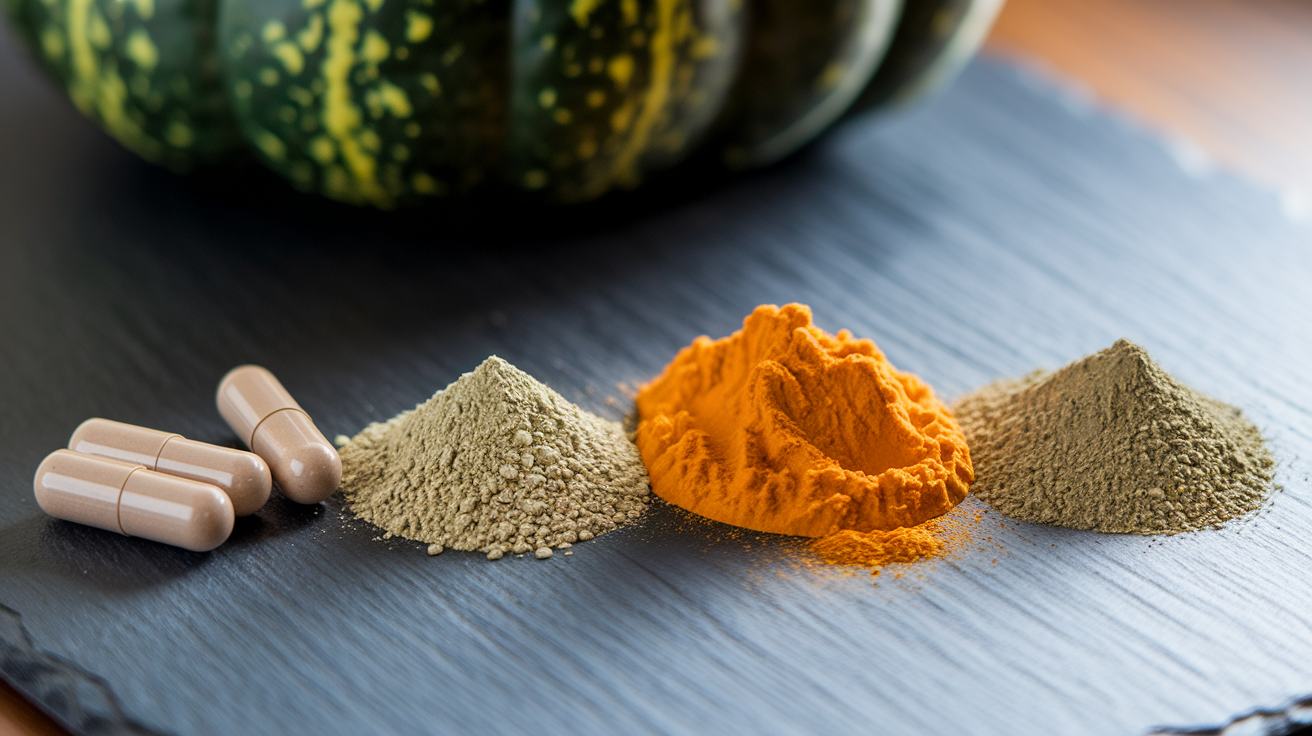
Digestive dog treats rely on a handful of research backed ingredients. Each targets a specific part of gut health. Probiotics are live beneficial bacteria that restore balance in the intestinal microbiome, especially after stress, diet changes, or illness. Prebiotics are non-digestible fibers that feed those good bacteria, keeping them thriving long term. Soluble fiber firms up loose stool by absorbing water and adding bulk. Digestive enzymes break down proteins, fats, and carbohydrates more completely so your dog’s system doesn’t have to work as hard. Ingredients like pumpkin and ginger bring natural soothing properties. Pumpkin provides gentle fiber. Ginger calms nausea and reduces inflammation in the stomach lining.
When you’re reading labels, look for specific strains and guaranteed colony forming units (CFU) for probiotics. Products listing exact strains like Enterococcus faecium or Lactobacillus acidophilus tend to be more reliable than generic “probiotic blend” claims. For prebiotics, you’ll often see ingredients like fructooligosaccharides (FOS), mannanoligosaccharides (MOS), or inulin. Typical amounts range from one hundred to five hundred milligrams. Soluble fiber sources should be clearly named, like pumpkin puree or psyllium husk. The label should show how much fiber’s in each serving. Digestive enzymes might appear as protease, amylase, or lipase. Even small amounts (often a few hundred milligrams per serving) can make a difference. Transparency matters. If the label’s vague about ingredient quantities or strains, keep looking.
| Ingredient | Function | Typical Amount/Notes |
|---|---|---|
| Probiotics (e.g., Enterococcus faecium, Lactobacillus spp.) | Rebalance gut flora, reduce harmful bacteria, support immune function | 1–5 billion CFU per serving for most dogs; some vet formulas offer 5–20+ billion |
| Prebiotics (FOS, MOS, inulin) | Feed beneficial bacteria, promote long term microbiome stability | 100–500 mg per serving |
| Soluble fiber (pumpkin, psyllium, beet pulp) | Absorb water, firm stool, support colon health via short chain fatty acids | 1–4 g per serving |
| Digestive enzymes (protease, amylase, lipase) | Break down proteins, carbs, and fats for easier absorption | Often a few hundred mg per serving; amounts vary by product |
| Pumpkin/ginger | Natural fiber source (pumpkin) and stomach calming properties (ginger) | 1–2 tablespoons pumpkin or small amounts of ginger per serving |
The key to effective label reading is matching ingredient claims to your dog’s specific needs. If loose stool’s the main issue, prioritize treats with higher soluble fiber and guaranteed probiotic CFU. If nausea or vomiting’s more common, look for ginger or digestive enzymes. And always check the expiration date. Probiotics lose potency over time. A product guaranteeing CFU “at time of manufacture” may not deliver the same benefit months later. Choose options that guarantee their counts through the expiration date, and store them as directed to keep those beneficial bacteria alive and active.
Choosing Digestive Treats for Dogs with Food Sensitivities
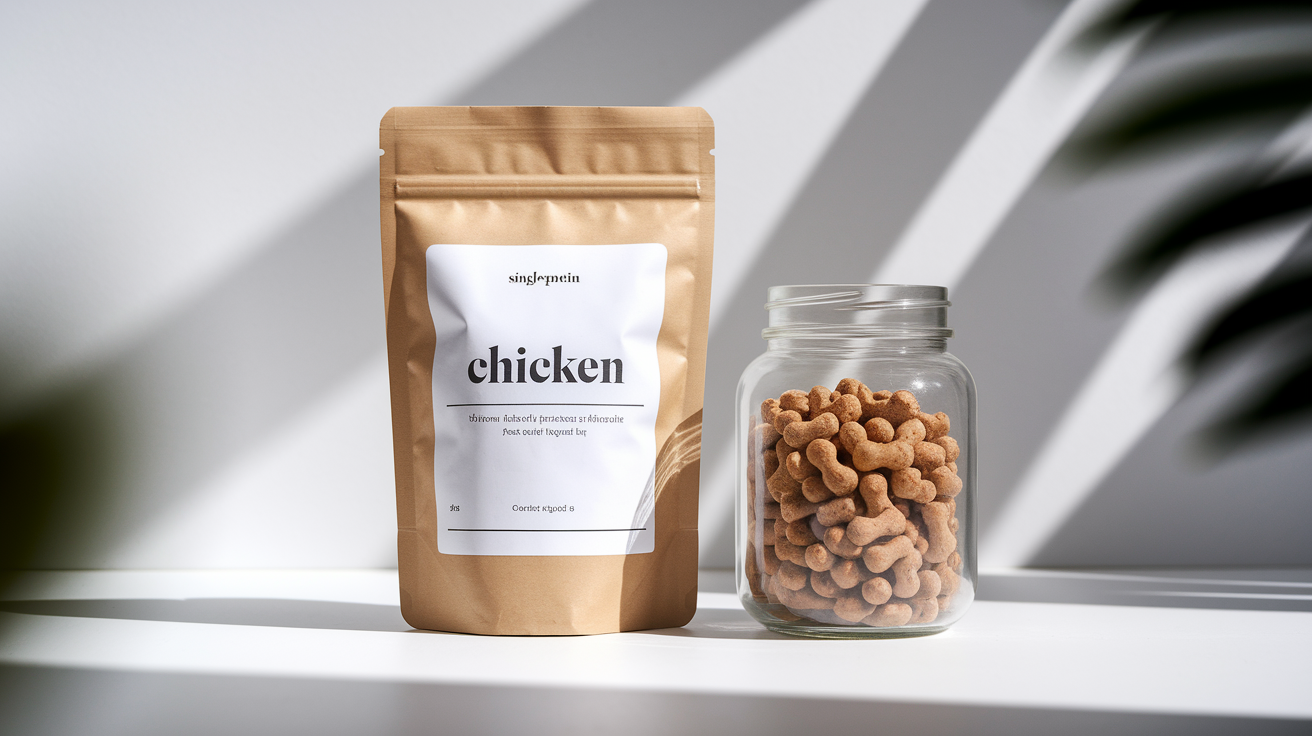
When your dog has food sensitivities on top of a sensitive stomach, every ingredient matters. Limited ingredient formulas are built around one or two primary components. Usually a single animal protein and one carbohydrate source. This makes it much easier to identify and avoid whatever triggers your dog’s reaction. Novel protein sources like duck, venison, or rabbit are especially helpful during elimination diets because they’re less likely to have been part of your dog’s diet before, reducing the chance of an immune response. Grain free treats can be a good fit if your dog struggles with wheat, corn, or barley. But watch out for formulas that rely heavily on peas, lentils, or chickpeas. Some grain free products went overboard on legumes in the past, which raised concerns about potential links to heart issues in certain dogs.
The simplest way to protect a sensitive dog is to look for transparency and brevity on the ingredient panel. A treat with five recognizable ingredients is almost always safer than one with twenty, half of which you can’t pronounce. Avoid anything listing “animal fat,” “meat meal,” or “poultry by-product” without specifying the source. That vagueness can hide allergens or low quality fillers. Artificial colors, flavors, and preservatives (like BHA or BHT) are red flags, too. They add no nutritional value and can irritate a sensitive gut. And never choose a treat containing xylitol, onion, or garlic. Those are toxic or inflammatory to dogs, no matter how gentle the rest of the formula claims to be.
Key selection criteria for sensitive stomach dogs with food sensitivities:
- Single animal protein source clearly named (e.g., “chicken” not “poultry”)
- No artificial colors, flavors, or synthetic preservatives
- Fat content under ten percent to reduce nausea and pancreatitis risk
- Grain free if grain intolerance is suspected, but avoid legume heavy formulas
- Novel proteins (duck, venison, rabbit) for dogs on elimination diets or with known allergies
- Transparent ingredient lists with recognizable whole foods and no vague terms
How to Introduce Digestive Care Treats Safely and Monitor Results

Introducing any new treat to a dog with a sensitive stomach requires patience. Even a well formulated digestive treat can cause an upset if you introduce it too quickly or give too much at once. Starting slow is the safest path forward.
Step-by-Step Introduction Plan
-
Choose one new digestive treat and stick with it for the trial period. Don’t mix multiple new products at the same time or you won’t know which one caused a reaction if something goes wrong.
-
Start with a small portion: one treat per day for small dogs (under ten pounds), one to two for medium dogs (ten to twenty-five pounds), and two to three for large dogs (over twenty-five pounds), adjusting based on the product’s serving instructions.
-
Maintain your dog’s regular feeding schedule and avoid changing food or introducing other new items during the trial. Consistency helps you isolate the treat’s effects.
-
Give the treat at the same time each day, ideally after a meal when the stomach’s less empty, to reduce the chance of nausea or irritation.
-
Continue the trial for at least seven to fourteen days before deciding if the treat’s helping. Acute improvements may show up in a few days, but chronic issues often need a full two weeks to stabilize.
What to Track During the Trial Period
- Stool consistency and frequency: note whether it’s firmer, looser, more frequent, or less frequent than usual
- Vomiting episodes: record how many times and when they happen, plus what the vomit looked like (food, bile, foam)
- Gas and bloating: keep track of excessive flatulence, loud stomach gurgling, or visible abdominal swelling
- Appetite changes: watch for increased interest in food, pickiness, or refusal to eat
- Energy and behavior: sudden lethargy, restlessness, or signs of discomfort like whining or pacing
If your dog’s symptoms worsen at any point, especially if you see bloody diarrhea, repeated vomiting (more than two episodes in twenty-four hours), refusal to eat for more than a day, or signs of dehydration like dry gums or sunken eyes, stop the treats immediately and contact your vet. Digestive care treats are designed to support mild to moderate sensitivity, not to manage serious gastrointestinal disease. When improvement doesn’t appear within forty-eight to seventy-two hours for acute symptoms, or if chronic issues show no change after two weeks, your dog likely needs diagnostic testing or prescription intervention instead of over the counter support.
Ingredients and Treat Types to Avoid for Sensitive Stomach Dogs
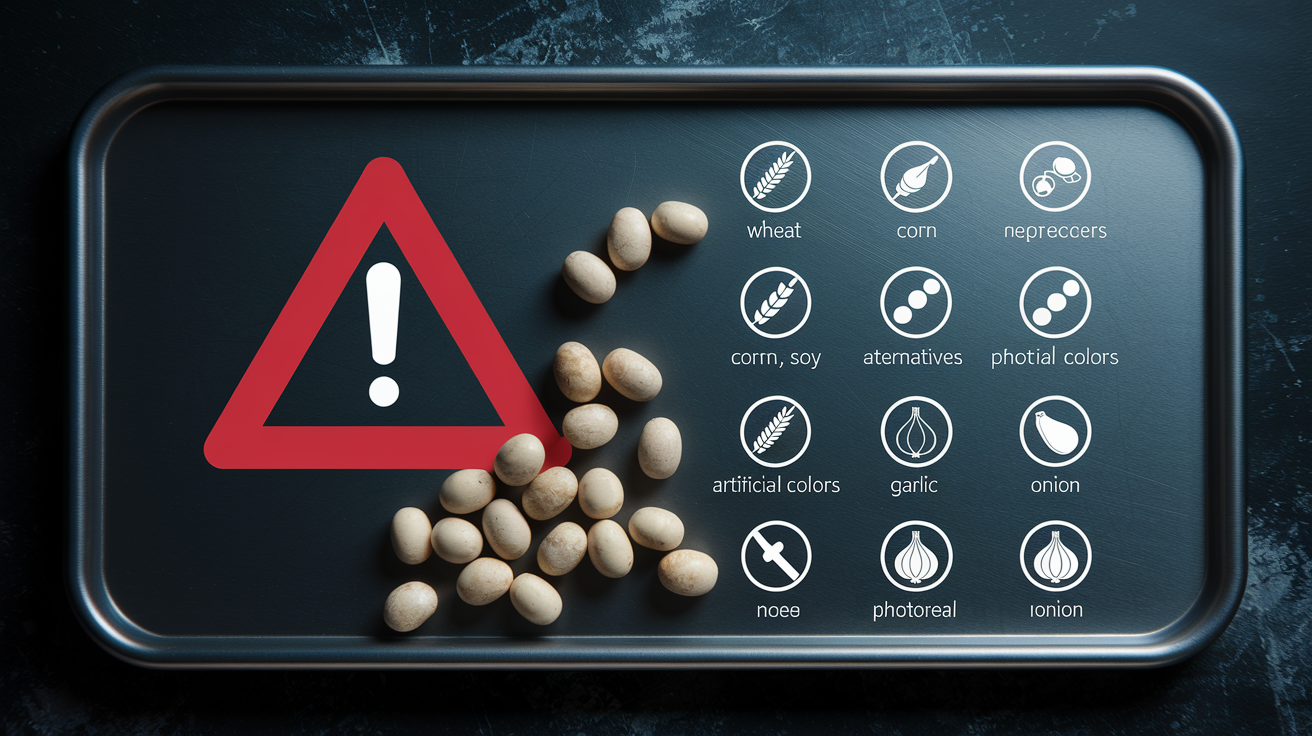
Certain ingredients and treat formats can make digestive issues worse, even if the packaging looks appealing or claims to be “natural.” Dogs with sensitive stomachs often react poorly to common fillers like wheat, corn, and soy, which can trigger inflammation or allergies in some animals. Artificial colors and flavors serve no nutritional purpose and may irritate the gut lining. Added sugars can feed harmful bacteria and destabilize blood sugar. High fat snacks (think greasy jerky or fatty meat scraps) are notorious for causing vomiting and diarrhea in sensitive dogs. Spicy or heavily seasoned foods, especially anything with garlic or onion, can damage red blood cells and inflame the digestive tract. Ambiguous ingredient terms like “animal fat” or “meat meal” often signal low quality by-products that are harder to digest and more likely to contain allergens.
Rawhide deserves special mention because it’s still popular but particularly risky for dogs with sensitive stomachs. Rawhide chews are often treated with chemicals during processing, which can leave residues that irritate the gut. They also pose choking hazards and can cause blockages if large pieces are swallowed. Because rawhide’s tough and slow to break down, it sits in the stomach longer than more digestible chews, increasing the chance of nausea or vomiting. If your dog already struggles with digestion, rawhide’s one of the first things to cut from the treat rotation.
Specific ingredients and treat types to avoid:
- Wheat, corn, and soy (common allergens and fillers)
- Artificial colors, flavors, and synthetic preservatives like BHA or BHT
- Added sugars or syrups that destabilize gut flora
- High fat treats (over fifteen percent fat) or fatty table scraps
- Spicy seasonings, garlic, and onion (toxic or inflammatory)
- Vague ingredient labels such as “animal fat,” “meat meal,” or “poultry by-product”
- Rawhide chews (chemical residues, choking risk, difficult to digest)
Veterinary Guidance on Digestive Care Treats and When to Seek Help

Veterinarians generally view digestive care treats as a helpful adjunct for dogs with mild, recurring stomach sensitivity. But they’re quick to point out that treats aren’t a substitute for medical care when symptoms are severe or persistent. If your dog’s vomiting, diarrhea, or bloating doesn’t improve within a couple of days, or if it gets worse, your vet will likely recommend diagnostic tests like fecal exams, blood panels, or imaging to rule out infections, parasites, inflammatory bowel disease, or other underlying conditions. For chronic or serious cases, vets often prescribe therapeutic gastrointestinal diets that are more carefully balanced and clinically tested than over the counter treats. They may also suggest higher potency probiotic formulations (five to twenty-plus billion CFU) or medications to manage inflammation or bacterial overgrowth.
Emergency signs require immediate veterinary attention, not a wait and see approach with treats. Bloody stool, especially if it’s bright red or looks like tar, signals potential bleeding in the digestive tract. Repeated vomiting (more than two episodes in twenty-four hours) can lead to dehydration and electrolyte imbalances fast, particularly in small or young dogs. Lethargy, fever, refusal to eat or drink for more than twelve hours, visible abdominal pain (whining, hunched posture, reluctance to move), and signs of dehydration like tacky gums or sunken eyes all indicate that something more serious than simple sensitivity is going on. In those situations, digestive treats won’t help and may even delay the care your dog needs.
| Symptom | Severity | Recommended Action | Timeframe |
|---|---|---|---|
| Occasional soft stool, mild gas | Mild | Try digestive treats, monitor for 7–14 days | Improvement expected within 3–14 days |
| Repeated vomiting (>2 in 24 hrs), persistent diarrhea | Moderate to severe | Stop treats, contact vet within 24 hours | Same day or next day |
| Bloody stool, black tarry stool, extreme lethargy | Severe/emergency | Seek emergency veterinary care immediately | Immediate (within hours) |
| No improvement after 2 weeks on digestive treats | Chronic/unresponsive | Schedule vet exam for diagnostic testing | Within a few days to a week |
Final Words
We covered what digestive care treats do, the key ingredients that help, how to pick low-irritant formulas, safe ways to introduce them, what to avoid, and when to call the vet.
Quick takeaways: pick treats with probiotics, prebiotics, and soluble fiber; favor single proteins and clear labels; expect changes in 3–14 days and watch stool, vomiting, appetite, and energy.
If you’re wondering how digestive care dog treats help dogs with sensitive stomachs, start slow, track results, and stop if things worsen. Many dogs improve in a week or two. You’ll feel good rewarding better digestion.
FAQ
Q: What are the best dog treats for dogs with sensitive stomachs?
A: The best dog treats for dogs with sensitive stomachs are limited-ingredient, low-fat options with probiotics, prebiotics, or soluble fiber (pumpkin/psyllium), single novel proteins, and no wheat, corn, soy, artificial colors, or added sugars.
Q: What is the 15 minute rule for dog food?
A: The 15 minute rule for dog food means offer a meal for 15 minutes; if your dog doesn’t eat, remove the bowl and try again at the next scheduled meal to encourage regular eating and reduce picky grazing.
Q: What do vets recommend for dogs with sensitive stomachs?
A: Vets recommend diagnosing causes first, then using limited-ingredient or prescription GI diets, low-fat meals, and probiotics/prebiotics. They may suggest tests, short-term bland diets, hydration, and follow-up if symptoms persist.
Q: What are the 7 most common dog digestive issues?
A: The seven most common dog digestive issues are vomiting, diarrhea, gas, bloating, reduced appetite, constipation, and food intolerances or allergies.