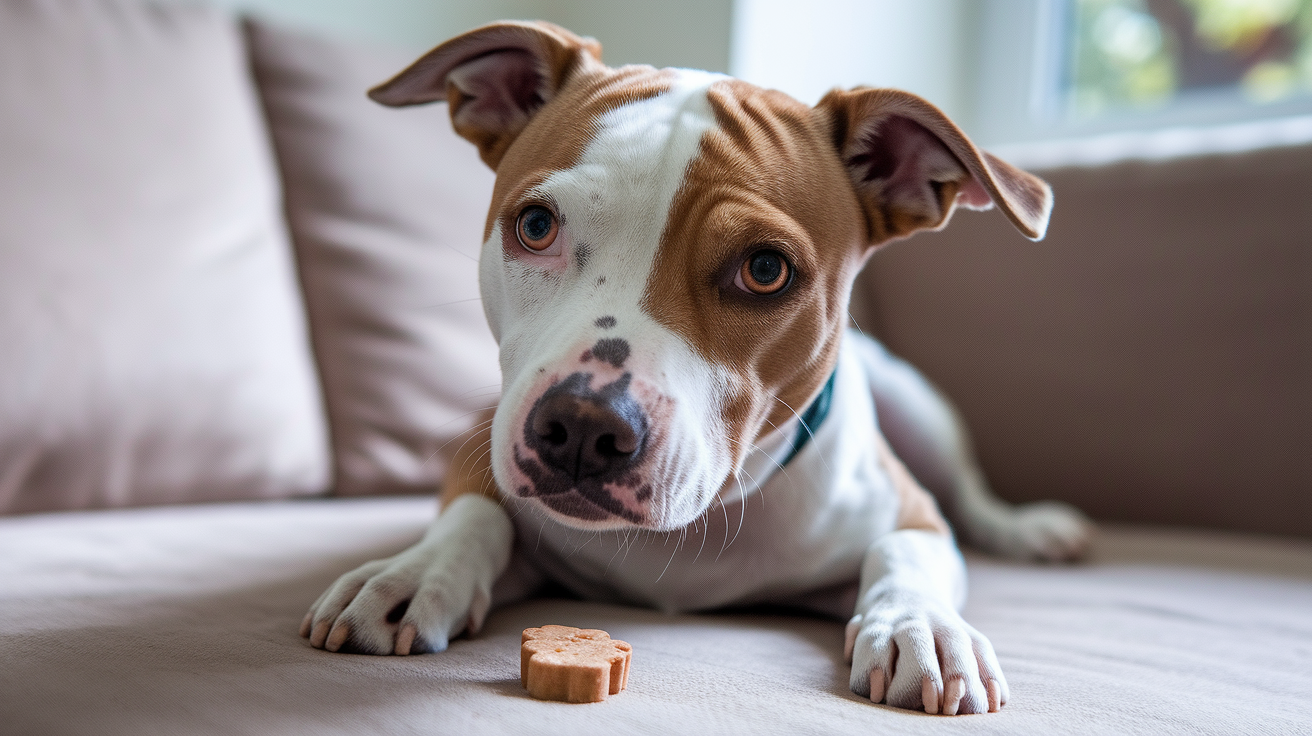
Think your flat-faced pup can chew like a labrador? Think again.
Pugs, Frenchies, and bulldogs have shorter muzzles and narrower airways, so a dense chew can block airflow in seconds.
The right treats are soft and break down with saliva, like freeze-dried chicken or thin cow ear strips, and they come in flat or bite-sized shapes so your dog can finish them quickly without wearing out.
You’ll learn which treat types and textures actually keep brachycephalic dogs safe and how to use them for training, snacking, and calm chew time.
Safe Treat Guidelines for Flat-Faced Dogs Based on Anatomy and Choking Risk
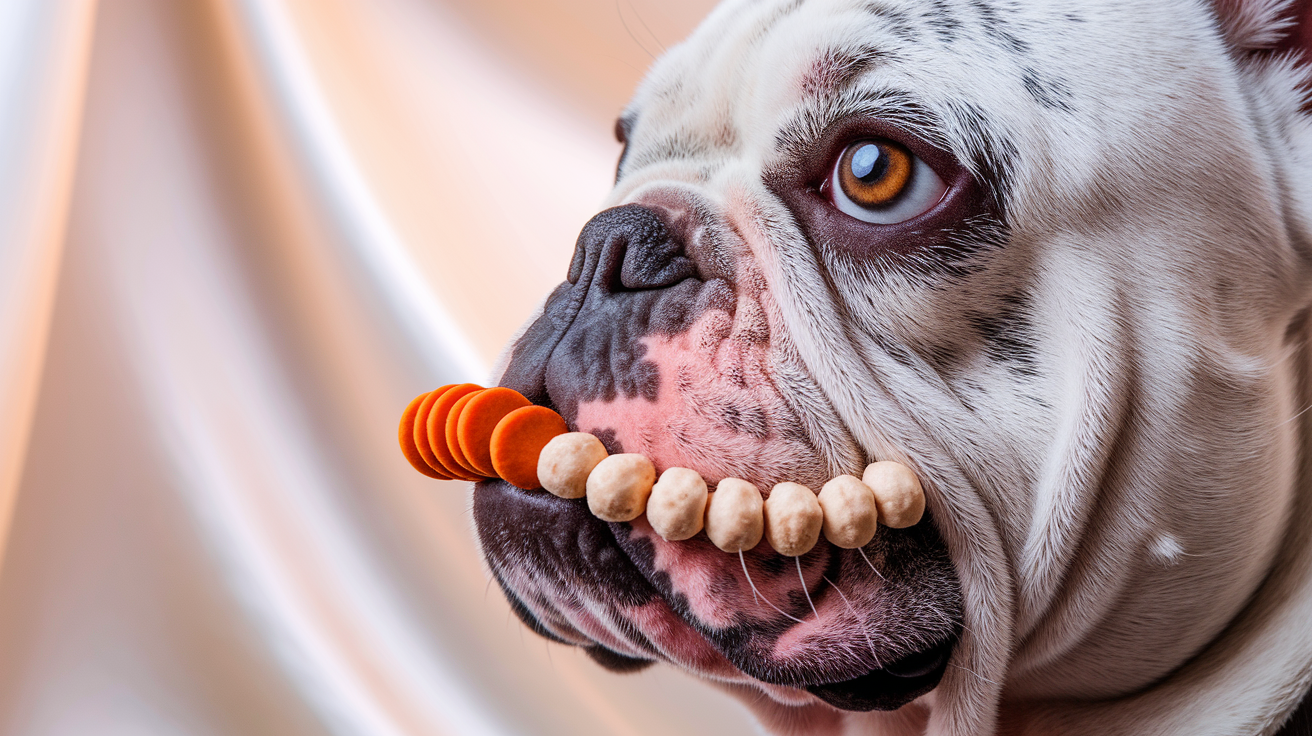
Pugs, French Bulldogs, and Bulldogs don’t chew the way other dogs do. Their airways are narrower, their muzzles are compressed, and their jaw mechanics are just different. Chewing tires them out faster. A treat that gets lodged in the throat can block airflow in seconds. Their shorter muzzles also mean less leverage when biting down, so anything that needs serious gnawing can frustrate them or wear them out before they even finish.
The safest treats for flat-faced dogs share a few things in common. They’re soft or they break down with saliva. They’re small enough to handle easily. And they’re shaped in a way that fits how short-nosed dogs actually grip food. Flat profiles beat thick cubes. Airy textures that compress won’t block an airway the way a solid chunk can. Bite-sized pieces let your dog swallow quickly instead of struggling through a chewing marathon that taxes their breathing.
What makes a treat airway-friendly for these breeds:
- Soft or saliva-responsive texture that breaks down fast
- Flat, thin, or flexible shape that won’t wedge in a short throat
- Bite-sized portions that don’t demand heavy chewing effort
- Single-ingredient or limited-ingredient formulas to avoid digestive upset that worsens breathing
- No hard edges or brittle fragments that could splinter
Training with small, soft rewards keeps sessions quick. A pea-sized freeze-dried chicken bite or a thin strip of cow ear gets delivered in seconds. Your dog stays focused on the lesson instead of wrestling with a chewy lump.
Chewing Mechanics in Short-Nosed Dogs and How They Influence Treat Choice
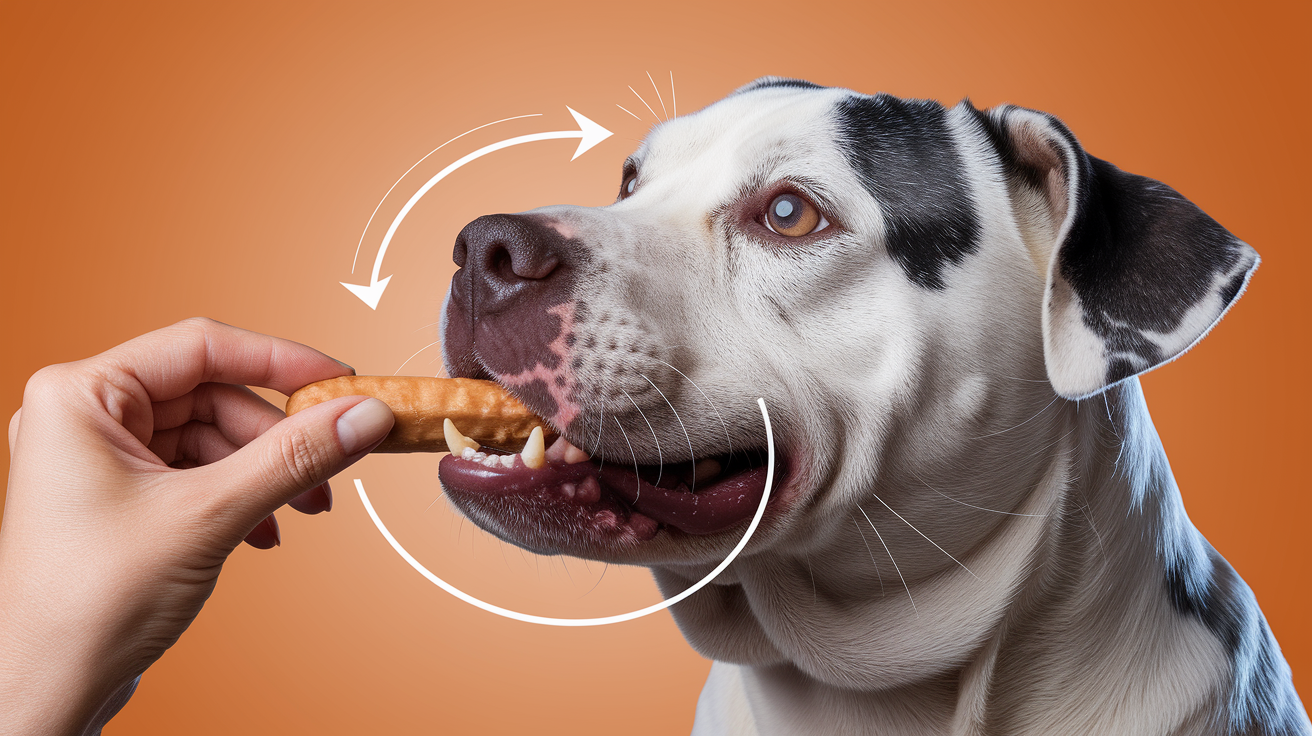
Short-nosed breeds chew with a more vertical bite instead of the side-to-side grinding motion you see in longer-muzzled dogs. That vertical motion limits how well they can work down something hard or thick. They’ve got less jaw leverage too, so treats that need sustained pressure can be exhausting or downright impossible to break apart. Their chewing sessions are shorter, which means treats need to either dissolve quickly or be small enough to finish in a few bites.
These mechanics explain why flat, flexible chews work better than cube-shaped biscuits. A cow ear lies flat against the tongue and roof of the mouth. Easy to compress, easy to swallow. A thick bully stick chunk? That requires repositioning and repeated biting, which tires a flat-faced dog and increases the chance of an awkward swallow. Soft, breakable formats let the dog finish before breathing gets labored.
Core mechanical factors that influence safe treat selection:
- Reduced side-to-side grinding ability makes soft or saliva-softening textures essential
- Limited jaw leverage rules out hard, dense chews that need sustained pressure
- Shorter chewing sessions mean treats should be sized to finish quickly or break apart easily
Best Treat Types for Brachycephalic Breeds (Soft, Breakable, and Airway-Friendly)
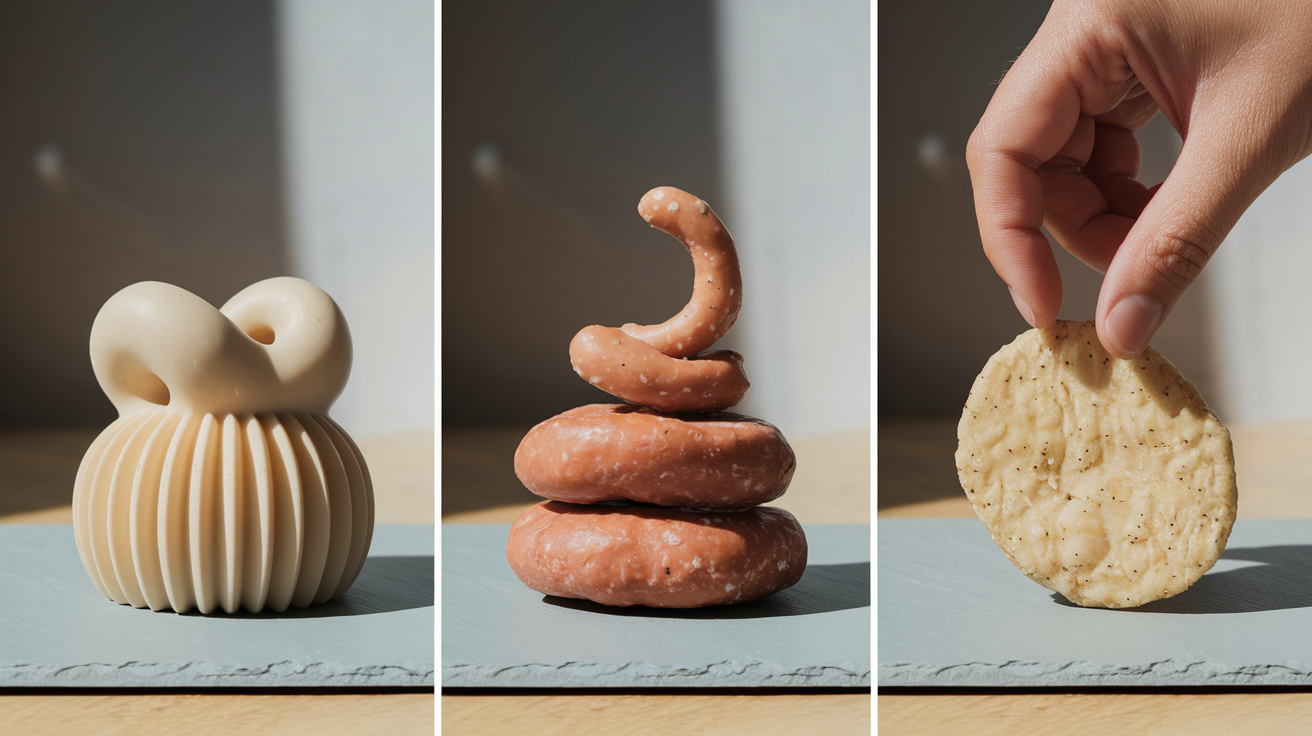
Soft chews are your safest bet. Dehydrated sweet potato slices, puffed pig snouts, flexible cow ears. These compress under light pressure and don’t need heavy grinding. They’re also way less likely to splinter into sharp pieces that could scratch or lodge in a narrow throat.
Saliva-softening chews offer a middle ground between soft and long-lasting. Yak chews start firm but soften as your dog works them, which cuts down on choking risk over time. The key is choosing a medium or small size. Large yak chews take too long to soften and can frustrate a dog with limited jaw power.
Freeze-dried single-ingredient meats break cleanly into tiny training pieces. A freeze-dried chicken breast snaps into rice-grain-sized rewards, perfect for rapid-fire training sessions. High-value, lightweight, and they dissolve quickly on the tongue. Ideal for dogs who need frequent small rewards without extended chewing.
Airy or puffed textures are naturally easy to crunch and digest. Puffy pig snouts have air pockets that collapse under gentle bite pressure, so your dog doesn’t wrestle with a dense lump. These work well for dogs who love the sensation of chewing but can’t handle traditional rawhide or hard jerky.
| Treat Type | Why It’s Safe | Best Use Case |
|---|---|---|
| Soft chews (dehydrated sweet potato, cow ears) | Flexible, compressible, no sharp edges | Everyday chewing, dental-friendly snacking |
| Saliva-softening chews (medium yak chews) | Firm at first but soften over time, reducing choking risk | Longer calm sessions, supervised chewing |
| Freeze-dried meats (chicken, fish) | Break cleanly into tiny pieces, dissolve quickly | High-value training rewards, rapid reinforcement |
| Airy puffed snacks (puffy pig snouts) | Air pockets collapse easily, lightweight texture | Light chewing satisfaction without jaw strain |
Product Examples Shown to Work Well for Flat-Faced Dogs
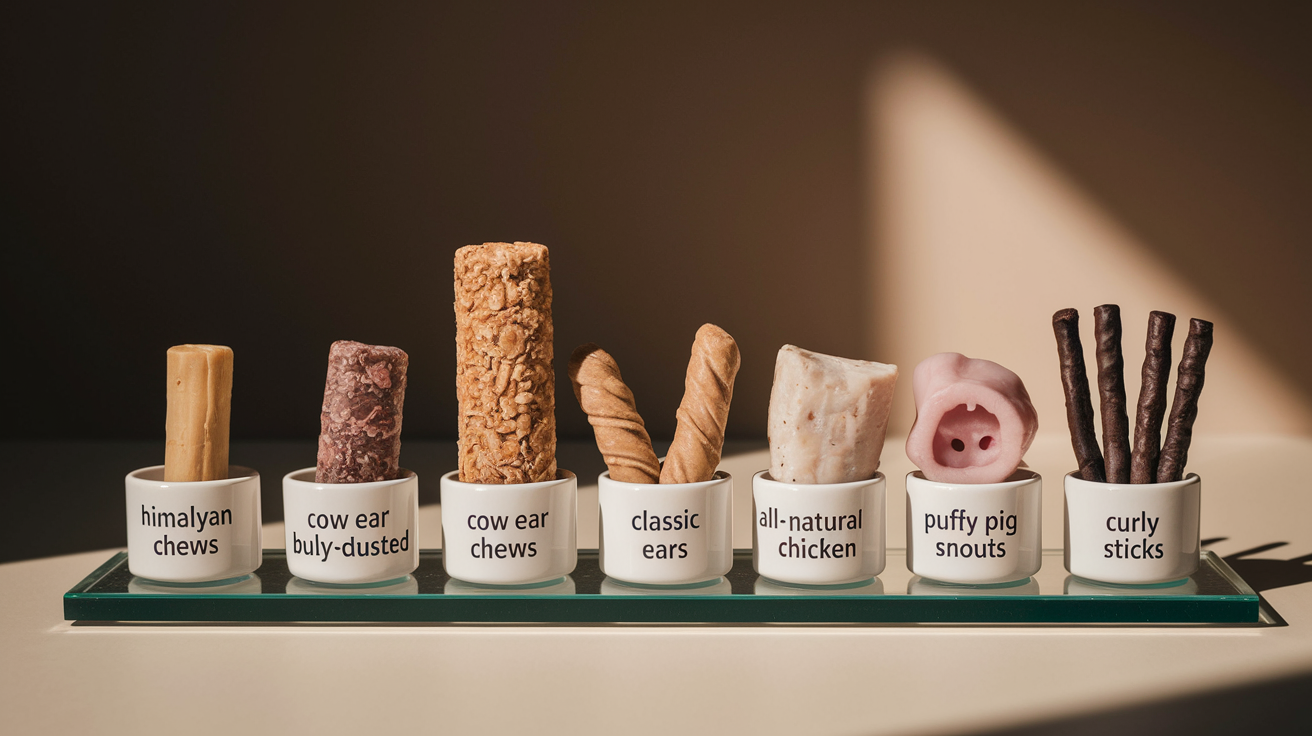
Himalayan Yak Chews in medium size are lactose-free, fully digestible, and soften with saliva. The medium size is manageable for shorter snouts and doesn’t need the same jaw leverage as a large yak chew. As the surface softens, your dog can work it down without prolonged effort. A safer long-lasting option for supervised sessions.
Cow Ear Bully-Dusted Chews in jumbo size sound like the wrong call, but the “jumbo” refers to surface area, not thickness. These chews are naturally flat and thin, easy to grip at any angle. The added bully dust coating adds flavor without changing the flexible, low-fat base. They’re soft enough to bend and tear without heavy chewing, making them ideal for dogs with dental crowding or reduced bite strength.
Classic Cow Ears are the simplest safe chew for flat-faced breeds. Soft, flexible, and non-greasy, with a texture that’s gentle on crowded teeth and easy to swallow in small torn pieces. You can cut them into smaller strips if your dog tends to gulp. A reliable everyday option that won’t tax breathing or jaw muscles.
All-Natural Chicken Bites in a 1 lb bag are single-ingredient dehydrated chicken, broken into bite-sized chunks that crunch lightly but don’t require sustained chewing. Protein-rich and small enough to use dozens of times during a training session without overfeeding. The texture is crunchy but not brittle, so pieces dissolve quickly once chewed, reducing the chance of a chunk getting stuck.
Puffy Pig Snouts are dehydrated into an airy, crunchy texture that collapses under light bite pressure. Sized for smaller mouths and easy to digest once chewed. The puffed structure means there’s less dense material to work through, so your dog finishes quickly and safely. They satisfy the urge to chew without the sustained effort that can stress a flat-faced dog’s breathing.
Curly Bully Sticks have a spiral shape that makes them easier to grip for dogs with short snouts. The curl gives your dog multiple angles to bite from, and the texture is softer than a straight bully stick. The chewing action supports gentle dental abrasion to reduce tartar, but the shape and softer bite mean your dog doesn’t have to wrestle with a rigid stick. These work well for supervised chew sessions where you want a little dental benefit without the risks of a hard chew.
Treats to Avoid for Short-Nosed Breeds
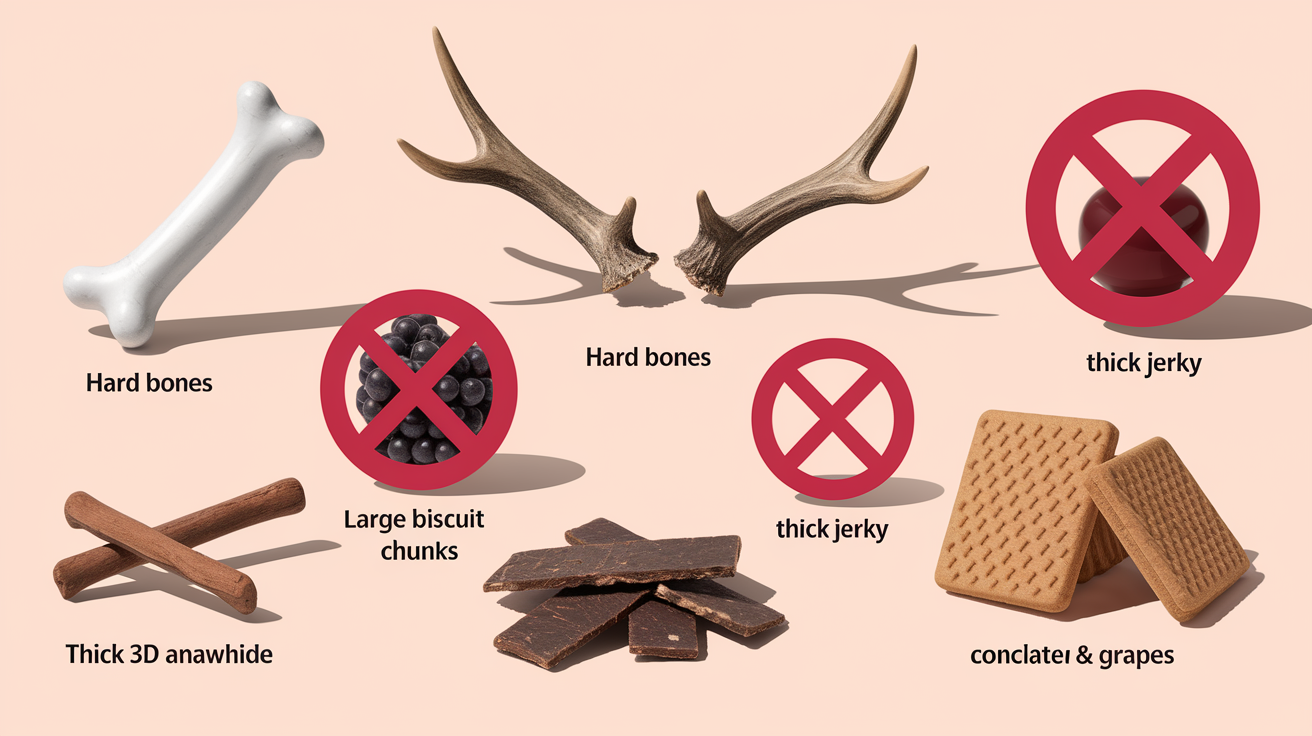
Hard bones, antlers, and hooves are too dense for these breeds. They require sustained jaw pressure and can crack teeth, especially in dogs with crowded dental arches. They also don’t soften or break down, so your dog may try to swallow a too-large piece out of frustration. Choking risk goes up.
Rawhide poses multiple problems. It softens into a slippery, gummy mass that can lodge in the throat, and many flat-faced dogs don’t have the jaw strength to work it down safely. Tough jerky can be similarly problematic if it’s leathery and hard to tear. Both require extended chewing sessions that can tire a dog with compromised breathing, and both can form sticky clumps that are difficult to swallow.
Unsafe treat formats and ingredients to skip:
- Antlers and hooves (too hard, risk of dental fractures and choking)
- Rawhide (gummy when wet, easily lodges in short airways)
- Thick or hard jerky (requires sustained tearing, can form difficult-to-swallow lumps)
- Large biscuit chunks (cubic shapes hard to grip, risk of gulping whole)
- High-fat treats (can trigger pancreatitis, especially in prone breeds like Bulldogs)
- Human foods like chocolate, grapes, raisins, onions, garlic (toxic to all dogs)
Choking and toxicity risks are higher in these breeds because of their anatomy and tendency to gulp when breathing becomes strained. Stick to treats designed for easy chewing and quick swallowing. Always check ingredient lists for hidden sweeteners or allergens.
Ingredient Guide for Safe Treats for Flat-Faced Dogs
Common allergens like chicken, dairy, wheat, and corn can trigger skin issues, ear infections, and digestive upset in flat-faced breeds. Digestive stress often leads to gulping or rapid eating, which increases choking risk. Limited-ingredient treats make it easier to identify triggers and keep your dog comfortable.
Artificial preservatives like BHA, BHT, ethoxyquin and sweeteners like xylitol must be avoided. Xylitol is toxic to dogs and can cause rapid insulin release and liver failure. Artificial colors and fillers offer no nutritional benefit and can irritate sensitive stomachs, leading to gas and bloating that worsens breathing effort in these dogs.
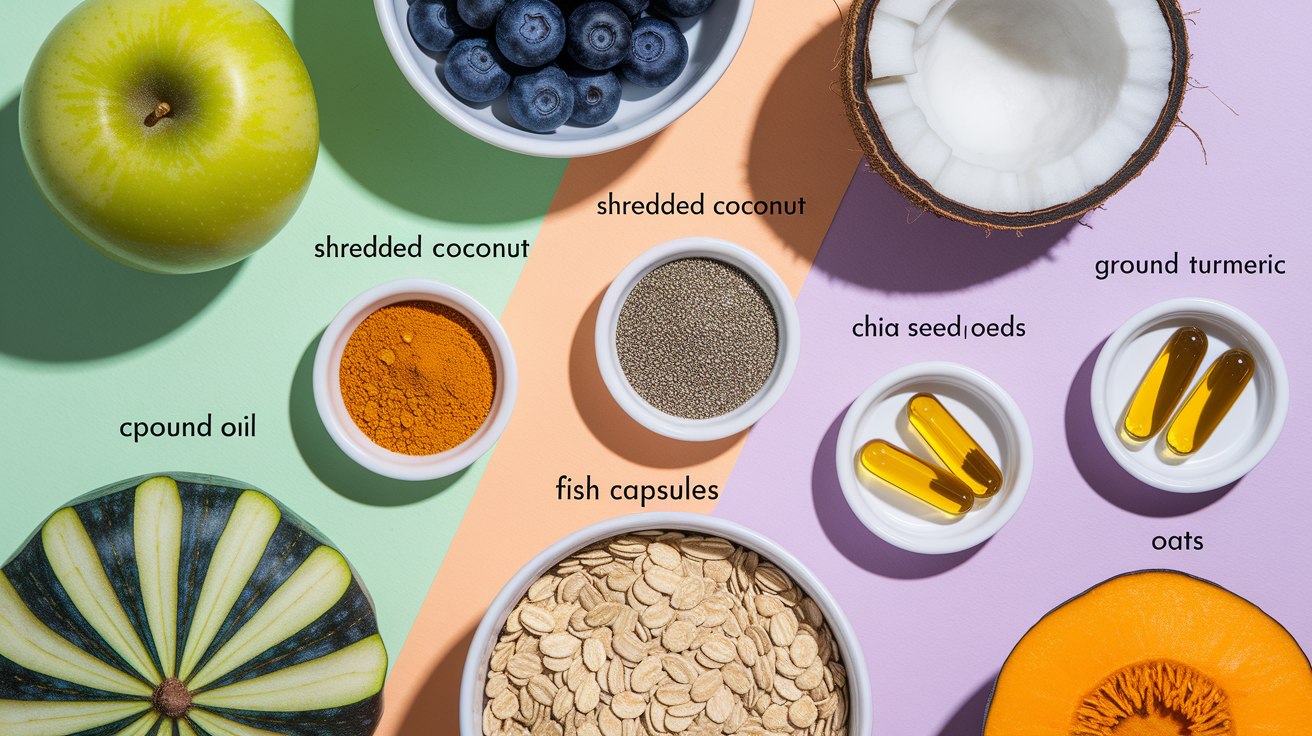
Look for whole-food options that support digestion and overall health. Apples and blueberries provide natural antioxidants. Coconut and chia seeds offer healthy fats for skin and coat. Sweet potato is a gentle carbohydrate that’s easy to digest. Turmeric has anti-inflammatory properties that can help dogs with joint stress from carrying extra weight, common in flat-faced breeds. Omega-rich fish supports skin health and reduces inflammation.
Safe ingredient types for treats:
- Single-source proteins like fish, duck, or lamb (easier to monitor for allergies)
- Whole fruits and vegetables (blueberries, sweet potato, carrots, spinach)
- Healthy fats (coconut, chia seeds, flax seeds, fish oil)
- Natural anti-inflammatories (turmeric, dandelion, cranberry)
- Digestive supports (probiotics, pumpkin, oats)
Portioning, Treat Size, and Feeding Techniques for Short-Nosed Dogs
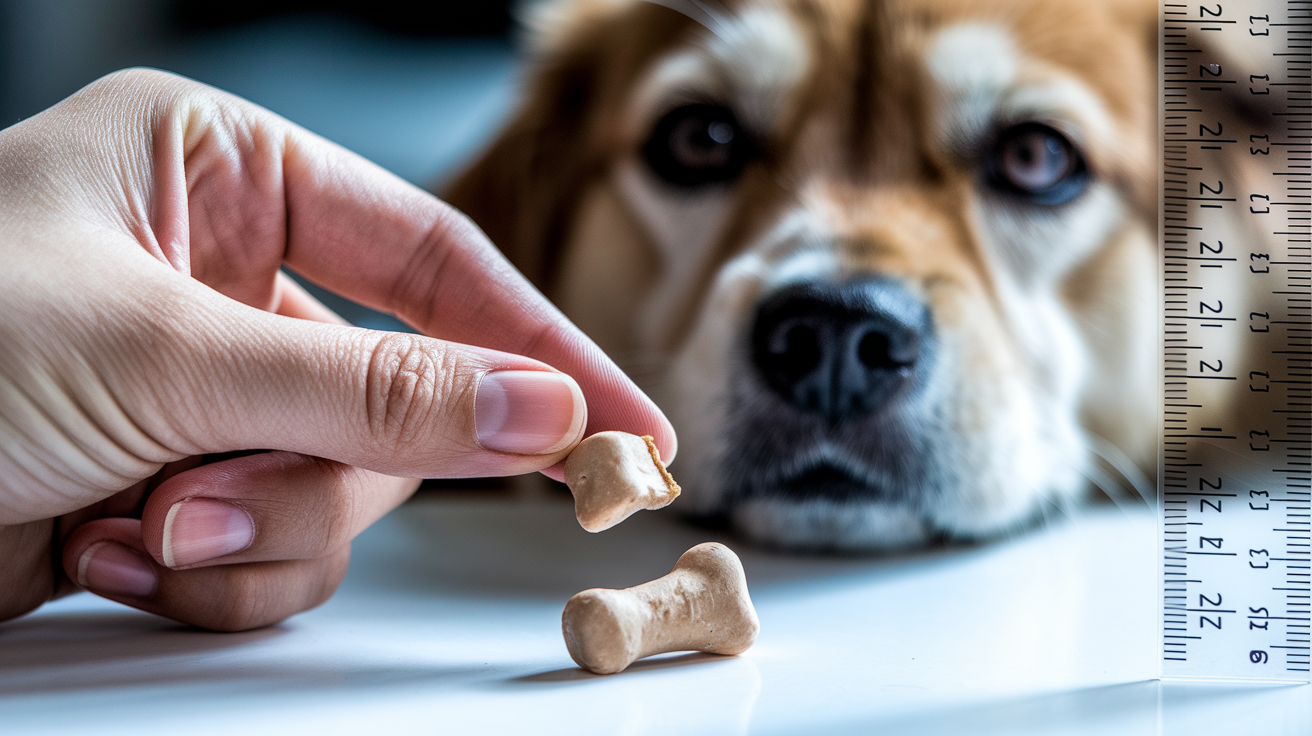
Training treats should be pea-sized or smaller. Many freeze-dried or dehydrated treats can be broken into three or four pieces even if they arrive as small chunks. A rice-grain-sized reward is enough to reinforce behavior without adding unnecessary calories or requiring extended chewing. For a typical adult French Bulldog, treats should stay under 10 percent of daily calories, roughly 50 to 100 calories per day depending on activity level and weight.
Feeding posture can reduce aspiration risk. Hold treats at chest height or slightly below so your dog doesn’t have to crane their neck upward, which can narrow the airway further. Let your dog take the treat gently from your hand instead of tossing it in the air. Flat-faced dogs often misjudge catches and can inhale a piece instead of catching it cleanly.
Pre-portion treats into daily containers so you’re not tempted to over-treat during training. If you’re using a 2.4-calorie training puff and your dog’s treat budget is 60 calories, that’s about 25 pieces for the day. Breaking them smaller stretches that number further and keeps training sessions engaging without risking weight gain.
Three steps for ideal treat-size reduction:
- Start with the smallest commercial size available, then assess if it’s still too large for one bite.
- Break or cut treats into halves or quarters using kitchen shears or your fingers for soft chews.
- Test the size by offering one piece. If your dog has to chew more than twice, it’s too big for rapid training rewards.
Choking Prevention, Supervision, and Emergency Protocols
Always supervise treat time, especially with new textures or sizes. Flat-faced dogs can go from happily chewing to distress in seconds if a piece shifts into the airway. Keep sessions short and watch for signs of labored breathing or frustration with a chew that’s too hard.
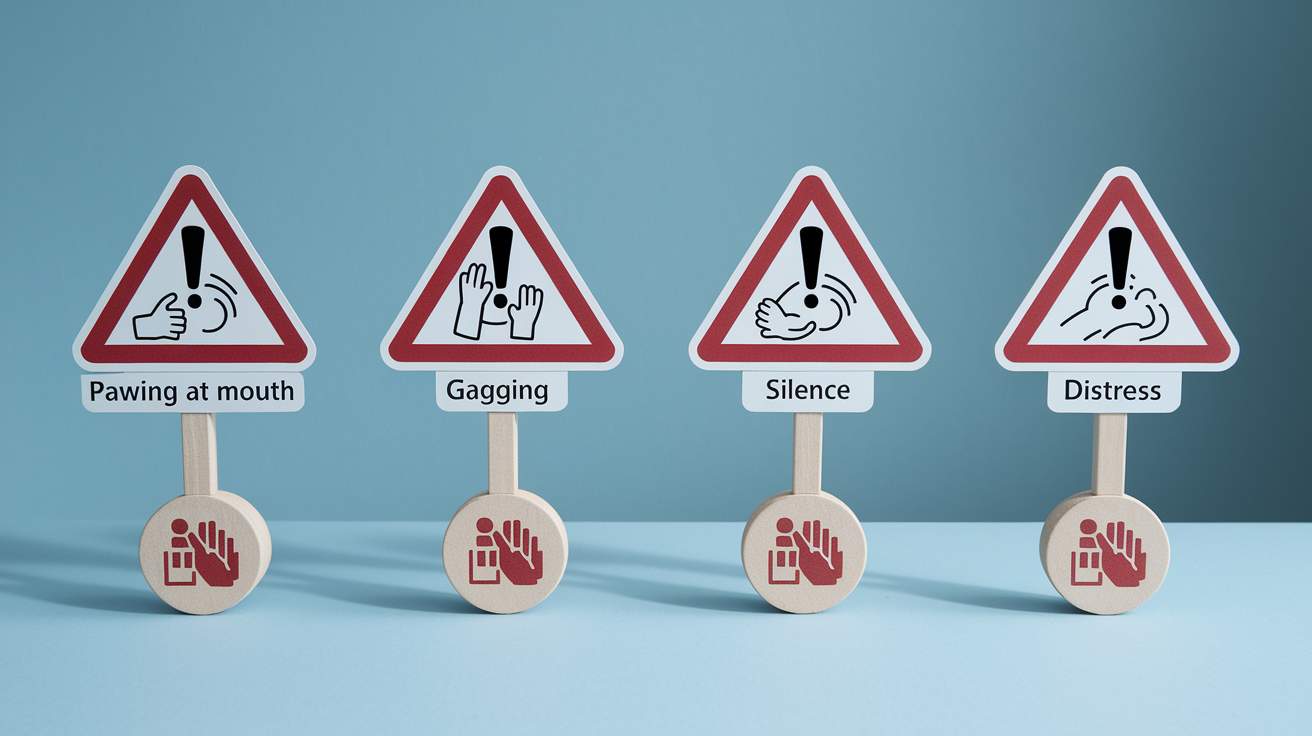
Choking signs to watch for:
- Pawing at the mouth or face (trying to dislodge an obstruction)
- Gagging, retching, or exaggerated swallowing motions without successfully clearing the throat
- Silence or inability to bark (a lodged object can block sound and airflow)
- Collapse, blue-tinged gums, or loss of consciousness (immediate emergency)
If you see choking signs, stay calm and act quickly. For a conscious dog, open the mouth and look for a visible obstruction. Remove it only if you can grasp it easily without pushing it deeper. If the object is lodged, perform a modified Heimlich. Hold your dog upright against your chest, place a fist just below the ribcage, and give five firm upward thrusts. For an unconscious dog, lay them on their side, open the mouth, and attempt to clear the airway, then begin CPR if needed and get to a vet immediately. Always call your vet or an emergency clinic as soon as choking occurs, even if you manage to clear the object, to check for throat or airway damage.
Dental-Friendly Treat Choices for Flat-Faced Breeds
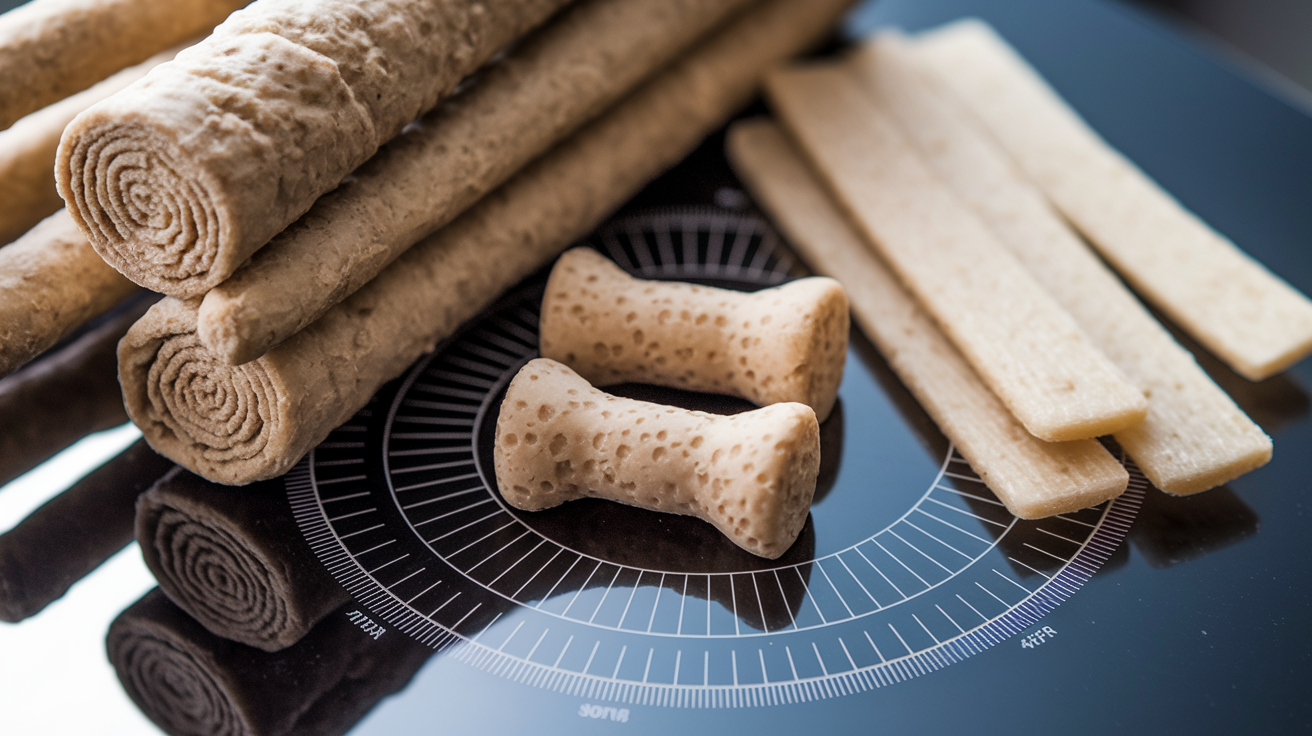
Curly bully sticks support gentle tartar abrasion while remaining manageable for short-nosed dogs. The spiral shape and softer texture mean your dog can chew without heavy jaw strain, and the chewing motion helps scrape plaque from crowded teeth. Always supervise and remove the last two inches to prevent gulping a softened end piece.
Soft dental treats designed for small dogs, often labeled for breeds under 25 pounds, use enzymatic formulas to reduce tartar without requiring sustained chewing. These treats dissolve more quickly than hard dental sticks, making them safer for these breeds who may struggle with rigid chews. Look for options that are flexible and can be broken in half if needed.
Three dental-safe treat types for flat-faced dogs:
- Enzymatic soft dental chews (formulated for small breeds, dissolve quickly)
- Curly or spiral bully sticks (easier grip, softer texture, supports gentle abrasion)
- Thin cow ear strips (natural chewing action cleans teeth without hard edges)
Enrichment Treat Ideas That Reduce Breathing Stress
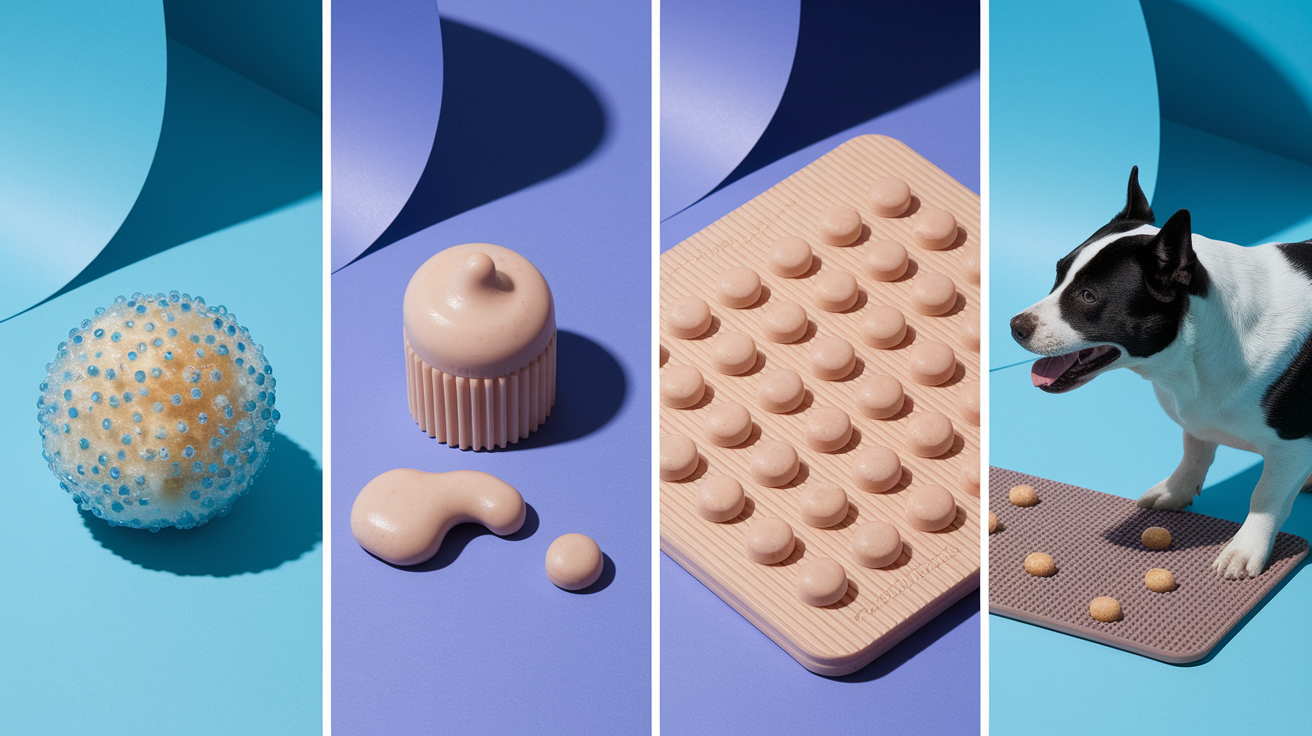
Frozen Kongs stuffed with soft ingredients slow down treat consumption and reduce the gulping that can stress a flat-faced dog’s airway. Freeze a mix of plain yogurt (if tolerated), mashed sweet potato, or soft training treats blended with a little water. The cold also soothes gums and keeps your dog occupied without vigorous chewing.
Lick mats spread with peanut butter (xylitol-free), pureed pumpkin, or wet food turn treat time into a calm, repetitive activity. Licking is less physically demanding than chewing and keeps your dog’s head in a neutral position, reducing airway strain. Clean the mat between uses to prevent bacterial buildup.
Puzzle feeders designed for small pieces work well with bite-sized freeze-dried treats or broken training puffs. Choose puzzles with wide openings and simple mechanics. Complex puzzles can frustrate a dog who’s already working harder to breathe. The goal is mental engagement without physical stress.
Four enrichment ideas safe for these breeds:
- Frozen Kong with soft, blended ingredients (slows eating, soothes gums, low physical effort)
- Lick mats with spreadable toppings (calm activity, neutral head position)
- Puzzle feeders with wide openings and bite-sized treats (mental stimulation without frustration)
- Snuffle mats with small, soft treats hidden in fabric (engages scent work, low-impact foraging)
Age-Specific Snack Guidance for Puppies and Senior Short-Nosed Dogs
Puppies need soft, easy-swallow training pieces that won’t stress developing teeth or a still-narrow airway. Freeze-dried chicken or fish broken into tiny bits works well for early socialization and basic cue training. Avoid anything hard or chewy until adult teeth are fully in and your puppy has demonstrated safe chewing habits. Puppies are also more likely to gulp out of excitement, so keep pieces especially small and supervise closely.
Senior flat-faced dogs often have weakened or missing teeth, making soft textures essential. Dental disease is common in older dogs of these breeds, and hard chews can cause pain or fractures. Soft chews, puffy snacks, and saliva-softening options let seniors enjoy treat time without discomfort. Seniors also tire more easily, so shorter chew sessions and smaller portions help prevent overexertion and labored breathing.
Key differences between puppy and senior treat needs:
- Puppies require extra-small, soft pieces to prevent choking during excitable gulping. Seniors need soft textures to accommodate dental weakness and pain.
- Puppies benefit from high-value freeze-dried rewards for rapid training reinforcement. Seniors do better with longer-lasting soft chews that don’t require sustained effort.
- Puppies should avoid hard chews entirely until adult teeth are established. Seniors should avoid hard chews permanently due to fracture and pain risk.
- Both age groups are at higher choking risk than healthy adults and require closer supervision and smaller treat sizes.
Final Words
When treat time comes, pick soft, flat, and bite-sized options that are easy to chew and low risk for breathing problems. Think airy or saliva-softening textures and shapes your dog can grip without forcing a big bite.
This post walked through airway risks, chewing mechanics, safe treat types and sizes, product examples, and what to avoid. We also covered portioning, dental picks, enrichment ideas, and age tweaks.
If you’re wondering what treats are safe for brachycephalic breeds, choose small, soft pieces and always watch while they eat. Treat time can still be fun and worry-free.
FAQ
Q: What dog treats and chews are safe for French bulldogs?
A: Safe treats for French bulldogs are soft, flat, breakable, and bite-sized, such as saliva-soft yak chews, thin cow ears, small chicken bites, airy pig snouts, or spiral bully sticks. Avoid hard antlers and rawhide.
Q: What is the life expectancy of a brachycephalic dog?
A: The life expectancy of a brachycephalic dog typically ranges from about eight to twelve years, depending on breed, overall health, weight, and quality of veterinary care and management.
Q: How to help brachycephalic dogs breathe better?
A: Helping brachycephalic dogs breathe better means keeping them lean, avoiding heat and heavy exercise, using a harness not a collar, managing allergies, offering cool rest, and consulting your vet about medical or surgical options.