

Think every “digestive” dog treat helps your pup? Think again.
About 70% of a dog’s immune system lives in the gut, so digestive health is more than just stool.
The right treats can soothe nausea, reduce gas, firm loose stool, and support good bacteria.
In this post we’ll show the ingredients that actually work, like probiotics with named strains and live bacteria counts (CFU), prebiotic fibers, pumpkin and sweet potato, ginger, and digestive enzymes, plus how to read labels so you pick treats that help, not just snack.
Key Digestive Ingredients That Support Gut Health in Dog Treats

About 70% of a dog’s immune system lives in the gut. Which means digestive health isn’t just about stool quality.
The right ingredients help manage sensitivity, reduce gas and bloating, firm loose stool, and keep beneficial bacteria thriving. When treats contain functional digestive ingredients, they offer proactive support during routine training or reactive help for dogs prone to upset stomachs, diarrhea, or irregular bowel movements.
Functional ingredients deliver health benefits beyond basic nutrition. In digestive treats, that means probiotics that colonize the gut, fibers that regulate transit time, and soothing botanicals that calm inflammation and nausea. These components work together to create an environment where digestion runs smoothly and the immune system stays strong.
The most effective digestive support ingredients include:
- Probiotics – live beneficial bacteria that balance gut flora and improve stool consistency
- Prebiotics – fibers like inulin, FOS, and MOS that feed probiotics and support their growth
- Pumpkin – a fiber rich superfood packed with vitamins A, C, and E that gently regulates digestion
- Sweet potato – another nutrient dense carbohydrate providing soluble fiber, potassium, and iron
- Soluble fiber sources – ingredients that absorb water, slow transit, and firm loose stool
- Ginger – a botanical that soothes nausea, reduces gas, and provides iron and vitamin C
- Digestive enzymes – proteins that help break down food and reduce digestive workload
For treats to actually deliver these benefits, labels should name specific strains for probiotics, disclose CFU counts, and provide a guaranteed analysis showing fiber and fat percentages. Vague wording or missing data usually means the ingredient is present in token amounts that won’t move the needle on gut health.
Probiotic Ingredients in Digestive Dog Treats
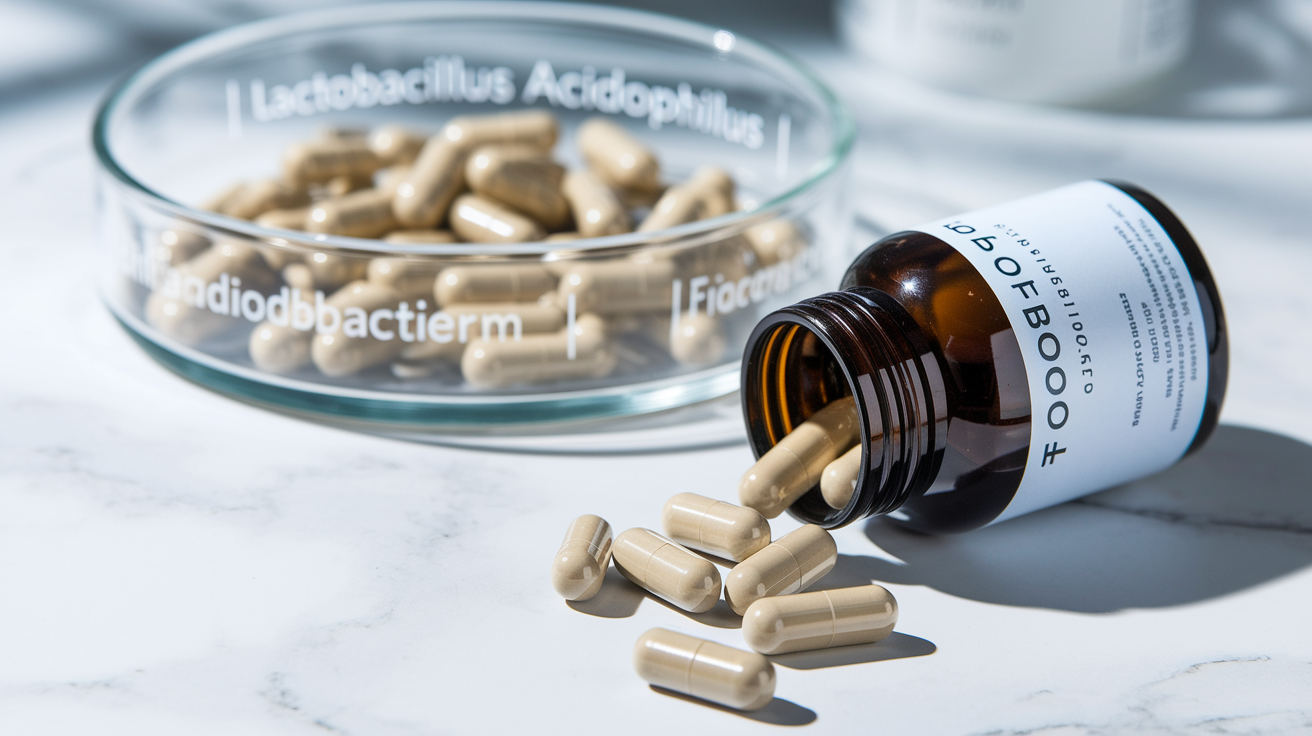
Probiotics are live microorganisms that colonize the intestinal tract, crowd out harmful bacteria, and help regulate bowel movements. They’re especially useful during transitions. New food, boarding, travel, antibiotic treatment. Or for dogs with chronic soft stool.
The most common genera you’ll see on treat labels are Lactobacillus, Bifidobacterium, and Enterococcus. Each genus contains multiple species and strains, and effectiveness often depends on which specific strain is used and how many live organisms survive manufacturing, packaging, and shelf storage.
Not all probiotic treats are created equal. A product that lists “probiotics” without naming strains or disclosing colony forming units (CFU) gives no guarantee of potency or benefit. The best formulations call out strains like Lactobacillus acidophilus or Bifidobacterium animalis and include a total CFU count in the range of 1 to 10 billion per daily serving, depending on dog size and formula design.
Identifying High Quality Probiotic Treats
When you’re reading a treat label, look for transparency around strain identity, dosage, and stability. Some manufacturers list CFU “at time of manufacture,” which means potency may decline during storage. Better products guarantee CFU through the expiration date, confirming that the probiotics remain viable when your dog actually eats them.
Use this checklist to vet probiotic treats:
- Named strains (e.g., Lactobacillus plantarum, not just “Lactobacillus species”)
- Disclosed total CFU count per treat or per daily serving
- Stability language: guaranteed through shelf life, not just at manufacturing
- Packaging that protects live bacteria (opaque, moisture barrier materials)
- Clear feeding instructions tied to dog weight
Probiotic dose matters. Small dogs may do well with 1 to 2 billion CFU per day, while larger breeds often benefit from 5 to 10 billion. Over time, these live bacteria help normalize stool consistency, reduce flatulence, and support the immune cells clustered in the gut lining.
If your dog’s symptoms don’t improve within two to three weeks, the strain mix may not be the right fit. Or an underlying condition may need veterinary attention.
Prebiotic Fibers and Digestive Carbohydrates to Look For
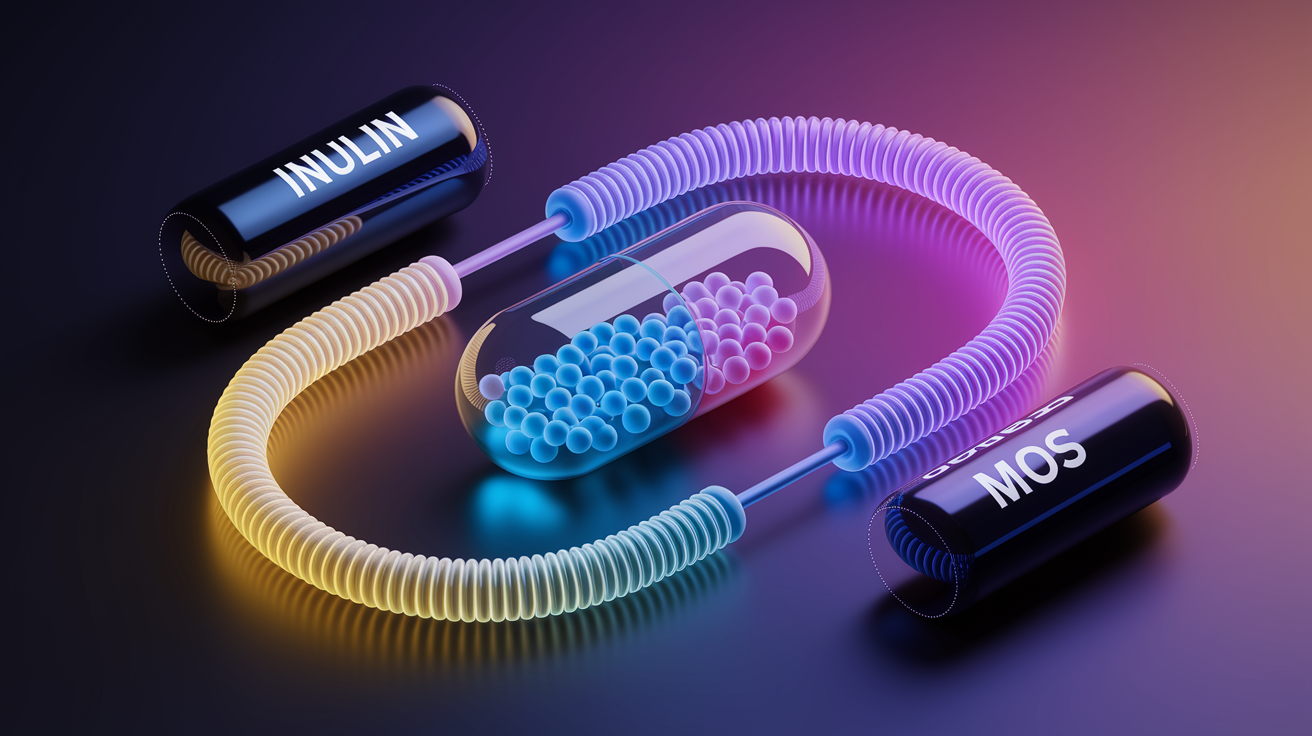
Prebiotics are non-digestible fibers that feed the beneficial bacteria already living in your dog’s gut. Think of them as fertilizer for probiotics.
Common prebiotic ingredients include inulin (often derived from chicory root), fructooligosaccharides (FOS), and mannan oligosaccharides (MOS). When treats contain both prebiotics and probiotics, you get a synergistic effect. The live bacteria have a ready food source, which helps them establish and thrive faster.
Soluble fiber plays a dual role: it absorbs water in the intestines to firm loose stool, and it ferments slowly to produce short chain fatty acids that nourish the gut lining. This fermentation process also helps reduce gas and bloating by creating a more balanced microbial environment. Dogs with intermittent diarrhea or irregular bowel movements often respond well to treats that emphasize soluble fiber over insoluble roughage.
Gentle carbohydrate sources like sweet potato and oats provide digestible energy without triggering sensitivity. Sweet potato is recognized as a superfood for its fiber, vitamins A and C, and minerals like potassium and iron. Oats offer a mild grain option that’s easier on digestion than corn or wheat, especially for dogs with known grain sensitivities. Both ingredients help maintain steady energy and regular transit time without overwhelming the digestive system.
| Ingredient | Digestive Benefit |
|---|---|
| Inulin (Chicory Root) | Feeds beneficial bacteria; supports probiotic colonization |
| FOS (Fructooligosaccharides) | Promotes growth of Bifidobacterium species; reduces harmful bacteria |
| Sweet Potato | Soluble fiber for stool consistency; vitamins A, C, potassium |
| Oats | Gentle grain source; beta-glucan fiber for gut lining support |
| MOS (Mannan Oligosaccharides) | Binds harmful bacteria; supports immune function in the gut |
Fiber Sources for Regularity in Digestive Dog Treats
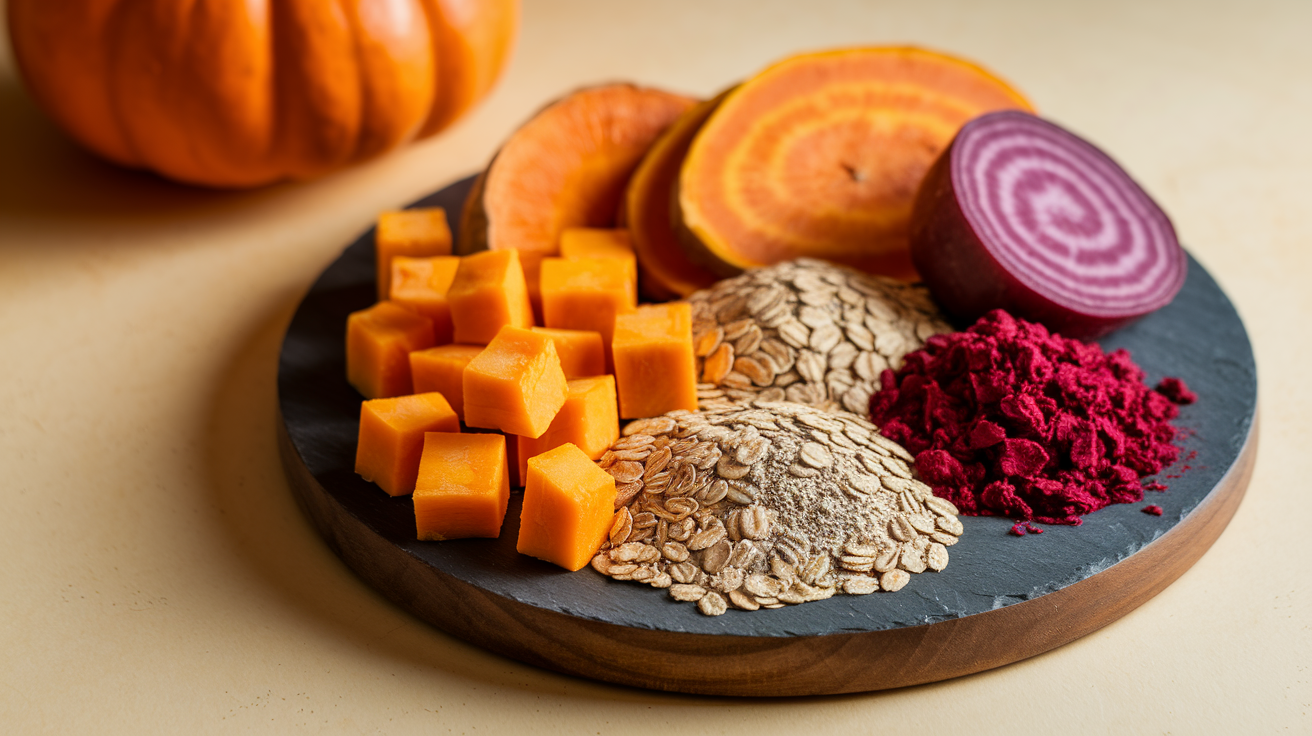
Fiber comes in two main types: soluble and insoluble. Soluble fiber dissolves in water to form a gel that slows digestion, absorbs excess moisture, and helps firm loose stool. Insoluble fiber adds bulk and stimulates intestinal contractions, speeding up transit time and preventing constipation. The best digestive treats balance both types to support regular, well formed bowel movements.
Beet pulp is a fermentable fiber that feeds gut microbes and produces short chain fatty acids, which fuel the cells lining the colon. Psyllium husk is a soluble fiber powerhouse. It absorbs many times its weight in water, making it especially effective for dogs with chronic diarrhea or irregular stool.
Pumpkin, often called a digestive superfood, delivers both soluble and insoluble fiber along with vitamins and minerals that support overall gut health.
Top fiber ingredients to look for in digestive treats:
- Pumpkin – dual action fiber plus vitamins A, C, E, and iron
- Sweet potato – soluble fiber with potassium and beta carotene
- Beet pulp – fermentable fiber that nourishes beneficial bacteria
- Psyllium husk – high solubility fiber for firming loose stool
- Flaxseed – omega 3s and mucilage fiber for gentle transit support
- Oats – beta glucan soluble fiber with prebiotic effects
Most high quality digestive treats aim for a crude fiber content between 3% and 8% on a dry matter basis. That range provides enough fiber to regulate digestion without causing excessive bulk or gas. If a guaranteed analysis shows fiber below 2%, the treat likely won’t deliver meaningful digestive support.
Above 10%, some dogs may experience bloating or increased stool volume, so check the label and adjust portion size as needed.
Soothing Botanicals and Enzymes That Aid Digestion

Ginger is one of the most effective natural remedies for nausea and upset stomach. It contains potassium, iron, and vitamin C, and it helps calm intestinal spasms that lead to vomiting or discomfort. A small amount of ginger in a treat can settle a dog’s stomach during car rides, vet visits, or dietary transitions.
It also has mild anti inflammatory properties that reduce irritation in the gut lining, making it useful for dogs prone to gastritis or sensitivity flare ups.
Digestive enzymes like papain (from papaya) and bromelain (from pineapple) help break down proteins, fats, and carbohydrates before they reach the lower intestine. This pre digestion reduces the workload on the pancreas and can ease symptoms in dogs with enzyme insufficiency or chronic digestive stress.
Enzymes are especially helpful for senior dogs or breeds predisposed to pancreatitis, though they should always be introduced gradually and with veterinary guidance if there’s an existing medical condition.
Supportive Ingredients That Indirectly Improve Digestive Health

Omega 3 fatty acids from salmon oil or fish meal provide EPA and DHA, which reduce inflammation throughout the body, including the gut lining. Chronic low grade inflammation can interfere with nutrient absorption and contribute to irregular bowel movements, so anti inflammatory oils help create a healthier internal environment. Omega 3s also support immune function, which matters because so much immune activity happens in the digestive tract.
B vitamins and antioxidants like vitamin E support the cells that line the intestines, helping them repair damage and maintain a strong barrier against pathogens. Ingredients like blueberries, flaxseed, and spinach deliver these nutrients naturally, along with polyphenols that act as gentle anti inflammatories.
Collagen, gelatin, and bone broth supply amino acids (especially glycine and proline) that help rebuild and protect the gut lining. These ingredients are often found in soft chews or broths used as treat toppers. Bovine colostrum, which contains immunoglobulins and growth factors, supports both immune and digestive function by strengthening the mucosal barrier and promoting beneficial bacteria growth.
Supportive ingredient categories that enhance digestive health:
- Anti inflammatory oils – salmon oil, flaxseed oil, olive oil
- Antioxidant rich fruits – blueberries, cranberries, apples
- Gut lining support – collagen, gelatin, bone broth, bovine colostrum
- Vitamins and minerals – B complex, vitamin E, zinc, iron
Ingredients to Avoid in Digestive Dog Treats

Some additives and fillers actively worsen digestion or trigger sensitivities in dogs with delicate stomachs. Artificial preservatives like BHA, BHT, and ethoxyquin have been linked to digestive upset and long term health concerns. Artificial colors such as Red 40 serve no nutritional purpose and can irritate the gut lining, especially in dogs already prone to inflammation or allergic reactions.
Ingredients to avoid in treats for dogs with digestive sensitivities:
- Artificial preservatives – BHA, BHT, ethoxyquin
- Artificial colors – Red 40, Yellow 5, Blue 2
- Added sugars – corn syrup, rice syrup, fructose, cane sugar
- Toxic sweeteners – xylitol (extremely dangerous, causes liver failure)
- High fat oils – safflower oil, canola oil, peanut oil in large amounts
- Onion and garlic derivatives – even in powder form; toxic to dogs
- Unnamed by-products – “meat by-product,” “animal meal” without species identification
- Common allergens – soy, corn, wheat (for dogs with known sensitivities)
- Excess salt – can cause dehydration and digestive irritation
- Vague “natural flavors” – often code for low quality additives
Dogs with pancreatitis or fat sensitive digestion should stick to treats with less than 10% fat on a dry matter basis. High fat treats can trigger vomiting, diarrhea, and abdominal pain in these dogs.
Limited ingredient formulations (those with five or fewer main components) reduce the risk of triggering unknown sensitivities and make it easier to identify the cause if a reaction does occur.
How to Read Treat Labels for High Quality Digestive Ingredients
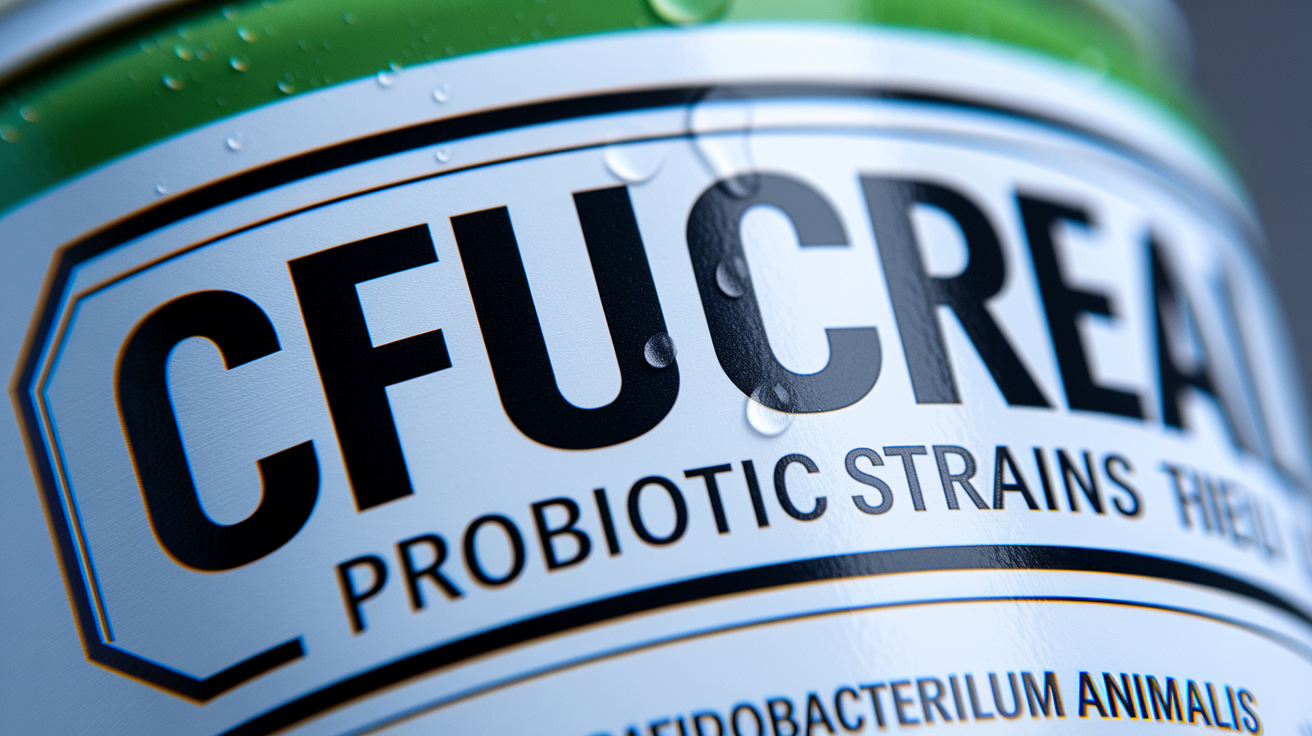
Start by scanning the ingredient list. The first five ingredients make up the bulk of the product, so you want to see whole, named proteins (chicken breast, beef liver, salmon) and recognizable digestive support ingredients (pumpkin, sweet potato, probiotics) up front. If the list opens with vague terms like “meat meal” or “animal by-product,” quality and digestibility are questionable.
For probiotic treats, confirm that strains are named. Lactobacillus acidophilus or Bifidobacterium animalis, not just “probiotics.” Check for a disclosed CFU count and stability guarantee. Without these details, there’s no way to know if the product contains enough live bacteria to be effective.
The guaranteed analysis should show crude fiber between 3% and 8% for digestive support, crude fat below 10% for sensitive dogs, and moisture content that indicates freshness and palatability.
Six step label reading checklist:
- Verify named ingredients – whole proteins, named carbohydrates, specific probiotic strains
- Check probiotic details – strain names, total CFU, stability through expiration
- Review guaranteed analysis – crude fiber 3 to 8%, crude fat less than 10% for sensitive digestion
- Look for AAFCO statements – feeding trial or formulation compliance for balanced nutrition
- Identify third party testing or certifications – independent verification of quality and safety
- Avoid red flags – artificial preservatives, unnamed by-products, vague ingredient terms
Certifications and third party testing aren’t required, but they add a layer of trust. Products tested by independent labs or carrying certifications for quality manufacturing give you more confidence that what’s on the label matches what’s in the bag.
Serving Guidelines and Monitoring Digestive Response
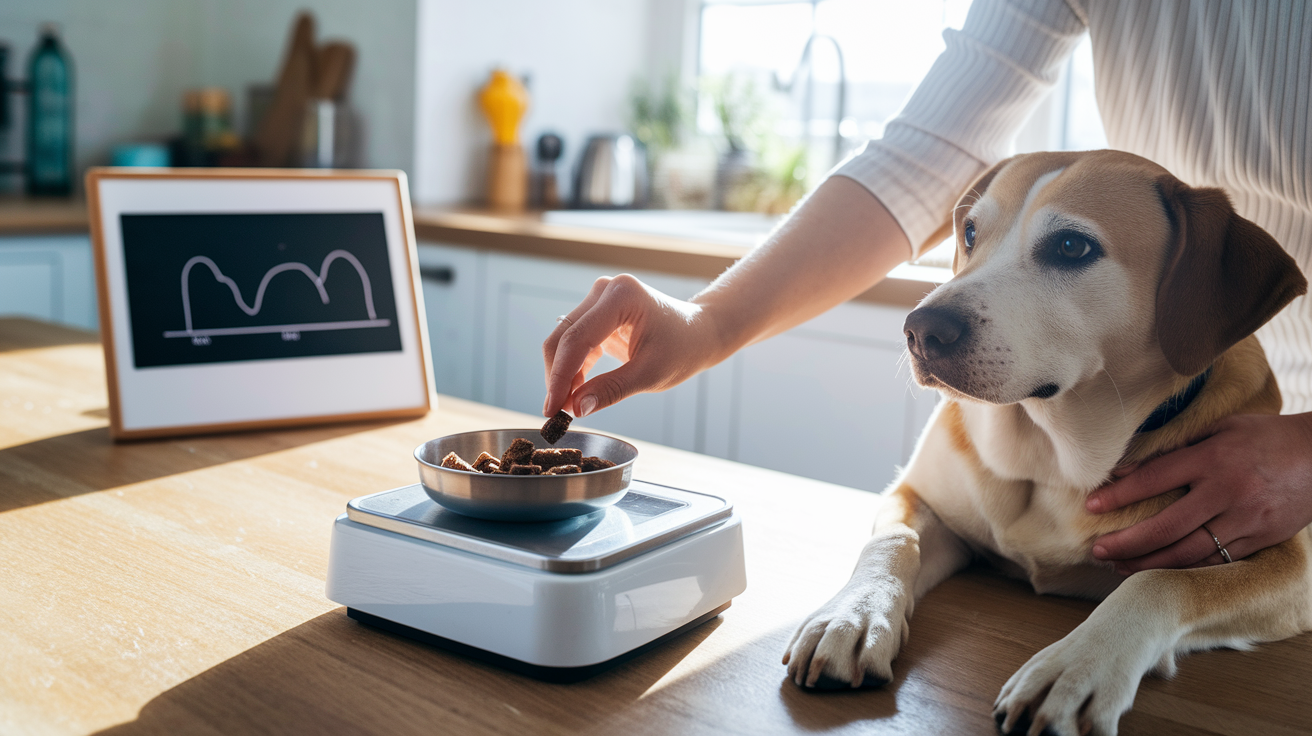
Even the healthiest digestive treats should make up no more than 10% of your dog’s daily calorie intake. The other 90% should come from a complete, balanced diet that meets all nutritional needs. Overfeeding treats (no matter how high quality) can lead to nutrient imbalances, weight gain, and ironically, digestive upset from too much of a good thing.
Introduce new functional ingredients gradually. Start with a quarter of the recommended serving for the first few days, then increase to half, then to the full dose over the course of a week or two. This slow transition gives your dog’s gut time to adjust to new probiotics, fibers, or botanicals without triggering diarrhea or gas.
Mixing treats into meals or offering them immediately after feeding can also reduce the chance of stomach upset.
Monitor stool consistency, frequency, and your dog’s overall behavior. Improvements usually show up within one to two weeks. Firmer stool, less gas, more regular bowel movements, better energy. If symptoms persist or worsen after three weeks, consult your veterinarian. Chronic vomiting, diarrhea, weight loss, or visible pain are signs that a treat alone won’t solve the problem, and a deeper medical issue may need attention.
Best Treat Formats for Dogs With Sensitive Digestion

Soft treats are often easier on sensitive stomachs than hard biscuits. They require less chewing, break down faster in the digestive tract, and can be portioned into smaller pieces for training without overloading calorie intake. Pumpkin based soft chews and probiotic chews are popular formats because they deliver fiber and live bacteria in a gentle, palatable form that even picky eaters accept.
Crunchy treats can support dental health by scraping plaque and stimulating gums, but they need to match your dog’s size and chewing ability. A large, hard biscuit can be difficult for a small dog with a sensitive stomach to digest, and it may cause gas or discomfort.
Multi ingredient functional blends (treats that combine prebiotics, probiotics, fiber, and soothing botanicals) offer comprehensive digestive support in one product, simplifying your routine and reducing the need to juggle multiple supplements.
| Treat Format | Digestive Benefit |
|---|---|
| Soft chews with pumpkin or sweet potato | Gentle on stomach; high soluble fiber for stool consistency |
| Probiotic chews with named strains | Delivers live bacteria in controlled dose; easy to portion |
| Low fat biscuits with ginger or oats | Supports sensitive digestion; reduces risk of pancreatitis flare ups |
When Digestive Dog Treats Are Not Enough
Functional treats are helpful for mild, intermittent digestive issues. Occasional loose stool, minor gas, sensitivity during diet transitions. They’re not a replacement for veterinary diagnostics or treatment.
Chronic vomiting, persistent diarrhea lasting more than 48 hours, visible blood in stool, unexplained weight loss, or signs of abdominal pain all require a vet visit. These symptoms can signal infections, parasites, inflammatory bowel disease, pancreatitis, or food allergies that won’t resolve with probiotics or fiber alone.
Some dogs need long term dietary management that goes beyond treats. For example, a dog with diagnosed pancreatitis needs a strictly controlled low fat diet, and even treats must stay below 10% fat to avoid triggering an episode. Dogs with severe allergies may require hypoallergenic or prescription diets, and treats must be limited to single protein, limited ingredient options that don’t introduce new allergens.
In these cases, digestive treats can be part of the plan, but they’re tools that support a larger, vet guided strategy, not standalone solutions.
Final Words
Right in the action, we walked through the must-have gut-support ingredients: probiotics, prebiotics, pumpkin, soluble fiber, gentle carbs, enzymes, and soothing botanicals, and how they help stool quality and immunity.
We covered label reading, fiber and fat targets, serving tips, treat formats, and what to avoid so you’ll pick treats that actually help.
Introduce new treats slowly, watch stool and energy, and look for named strains and clear CFU counts.
Keep ingredients to look for in digestive dog treats as your quick checklist — small changes, big relief, and more happy walks ahead.
FAQ
Q: What ingredients to stay away from in dog treats?
A: The ingredients to stay away from in dog treats are artificial colors and flavors, preservatives like BHA/BHT/ethoxyquin, xylitol and other toxic sweeteners, onion and garlic, high‑sugar syrups, unnamed meat by‑products, and excess fats.
Q: What is the 90/10 rule for dogs?
A: The 90/10 rule for dogs means treats should be no more than 10% of daily calories, leaving 90% for complete meals to help prevent weight gain and keep nutrition balanced.
Q: What ingredients should I look for in dog probiotics?
A: The ingredients to look for in dog probiotics include named strains like Lactobacillus, Bifidobacterium, or Enterococcus, a guaranteed CFU count (often 1–10 billion/day by size), and clear shelf‑stability labeling.
Q: What should the first 5 ingredient be in dog food?
A: The first five ingredients in dog food should be a named animal protein (chicken, beef, salmon), a second protein or meat meal, a digestible carbohydrate (sweet potato or oats), a healthy oil, and a fiber source.