Think treats are harmless?
Not when your dog is on a restricted diet. Every bite can change the plan.
When a vet prescribes strict limits for weight loss, pancreatitis, renal disease, allergies, or diabetes, you get a very small calorie margin and treats usually must stay at or below 10% of the day.
This simple guide shows how to calculate your dog’s treat budget, measure treats by weight, and pick low-calorie swaps so you can train, reward, and comfort without undoing the diet.
Core Portioning Rules for Restricted‑Diet Dog Treats
When your vet prescribes a restricted diet, you’re playing with a very tight calorie margin. Whether it’s weight loss, pancreatitis, kidney disease, allergies, or diabetes, every treat counts. Veterinary nutritionists usually say to keep treats at or below 10% of total daily calories. That’s not much wiggle room.
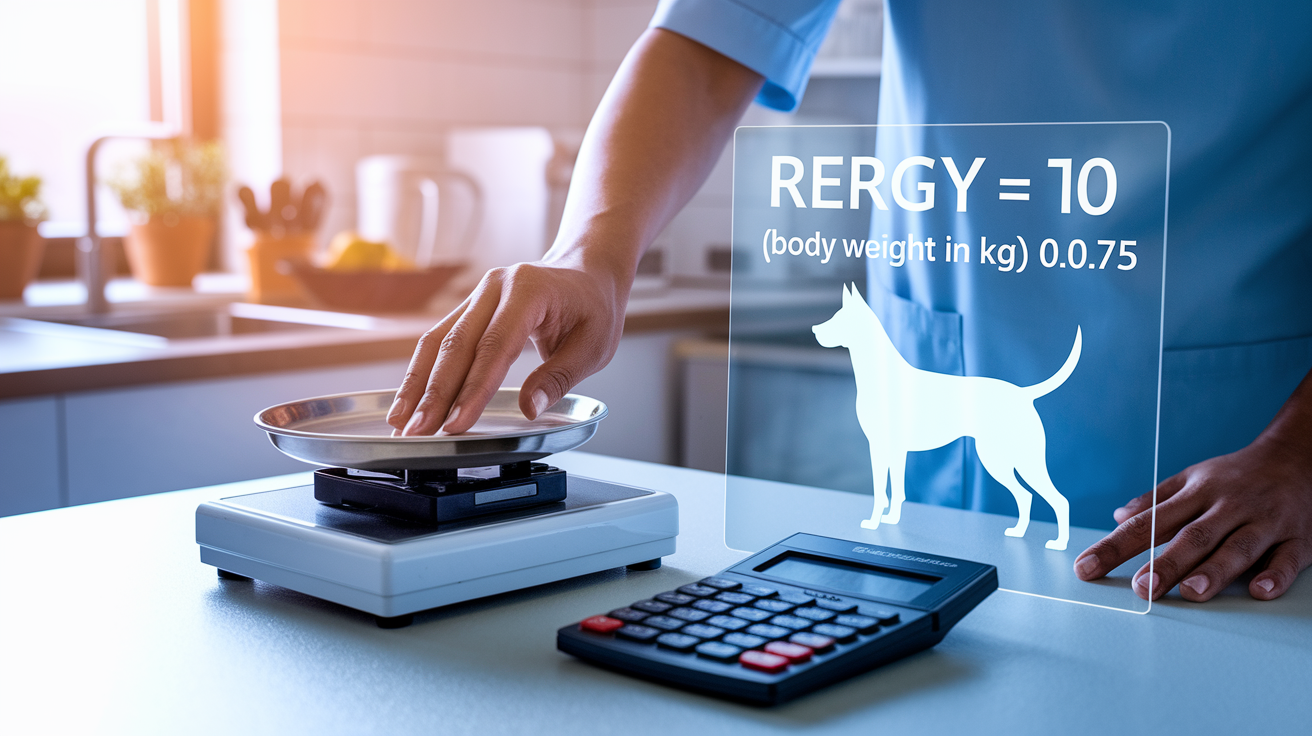
You start by calculating Resting Energy Requirement (RER), the baseline calories your dog burns just existing. The formula: RER = 70 × (body weight in kilograms)^0.75. So a 15 kg dog? About 533 kcal at rest.
Next you multiply RER by an activity factor to get Maintenance Energy Requirement (MER), what your dog actually burns each day. Neutered couch potatoes might be 1.2, active dogs closer to 1.6 or 1.8. If you’re working on weight loss, your vet will probably drop MER by 20 to 25% to create a safe deficit. Using that 15 kg dog again: MER at 1.2 comes out around 640 kcal. Cut 20% and you’re down to roughly 512 kcal per day. Ten percent of that? About 51 kcal. That’s your entire treat budget.
Here’s the quick version:
- Convert pounds to kilograms (divide by 2.2).
- Run the RER formula.
- Multiply by the right activity factor for MER.
- Apply any vet prescribed reduction.
- Multiply the result by 0.10 for your daily treat cap.
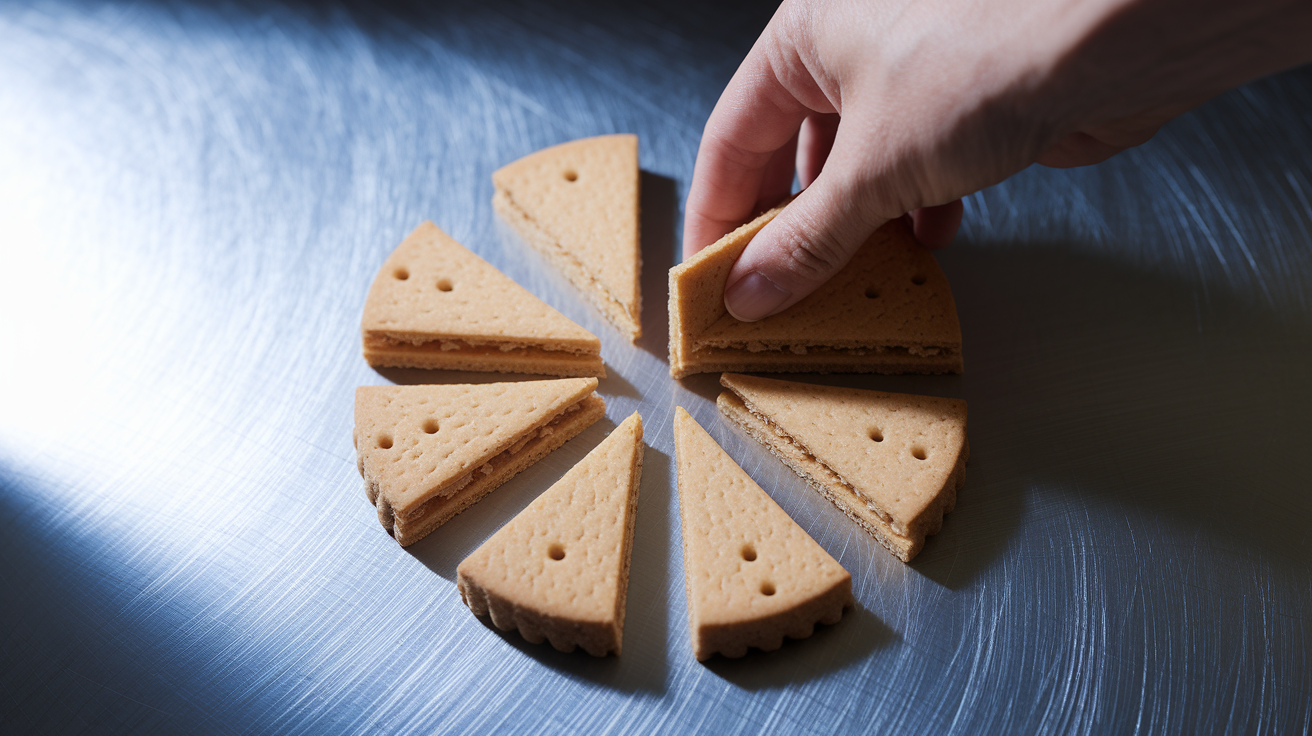
That final number can be as low as 20 kcal for a tiny dog or over 100 kcal for a big active one. Every training session, every chew, every carrot stick has to fit inside it. One standard training biscuit? You can break it into ten eraser sized pieces and stretch it across ten reps without blowing the budget.
Measuring Restricted‑Diet Dog Treats Accurately

Volume measurements are a disaster waiting to happen. Cups, scoops, handfuls, they’re all unreliable. Fill a measuring cup with different kibble shapes and the actual weight can swing 20% or more. Pack treats loosely versus tightly and you’ve just doubled the calories in the same scoop. When your dog’s on a prescribed target, that kind of error erases everything your vet planned.
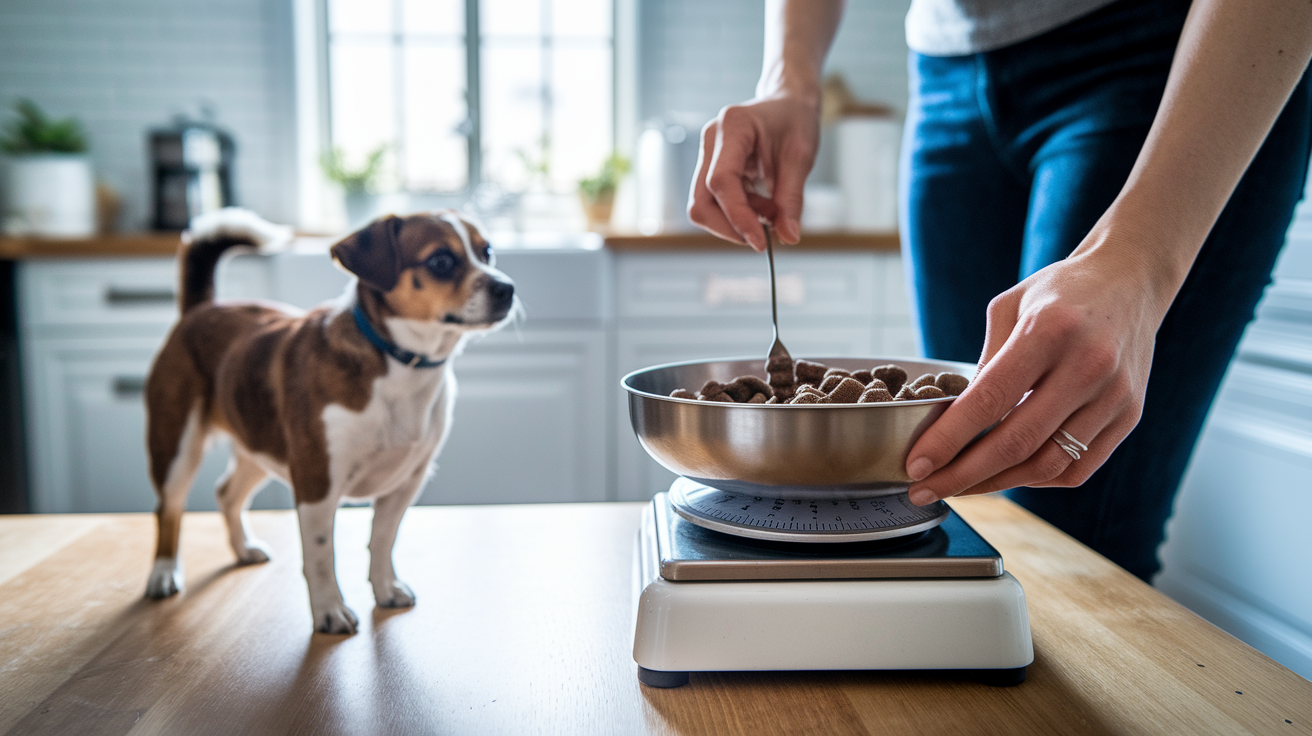
A digital kitchen scale fixes it. Weigh in grams, check the package for kcal per 100 g or per cup, do the math. Most dry kibble runs 3.5 to 4 kcal per gram. If you know your treat allowance in kcal, divide by your food’s kcal per gram and you’ve got the exact weight. Say you’ve got 51 kcal to work with and your kibble is 3.5 kcal/g. That’s 51 ÷ 3.5, about 14.5 grams. Roughly two tablespoons depending on density, but grams don’t lie.
What you need:
- Digital scale (0.1 g or 1 g precision)
- Small containers or bags for daily portions
- Food diary or app to log everything
- Package conversion: kcal per cup ÷ grams per cup = kcal per gram
If the label says 400 kcal per cup and one cup weighs 120 g, you’re looking at 400 ÷ 120 = 3.33 kcal/g. Your 51 kcal allowance becomes 51 ÷ 3.33, about 15 g of kibble. Measure 15 g into a pouch in the morning. When it’s gone, treat time’s over.
Portioning Treats for Training Without Exceeding Diet Limits
Training means repetition. Lots of it. Sometimes dozens of reinforcements in one session. Hand out full biscuits or big jerky strips and you’ll burn through the day’s calories in minutes. The fix? Make every reward as tiny as possible while still being worth your dog’s effort. Pencil eraser sized micro treats deliver the taste and timing cue without the calorie hit.
Most commercial training treats can be torn or cut into eight to ten fragments. One medium soft bake treat at 10 kcal becomes ten 1 kcal pieces. Enough to reward an entire heel session or a round of recall drills. A jerky strip snaps into four or five segments for high value moments like nail trims or vet exams. Breaking treats this way stretches your budget and keeps training frequent.
Whole foods work just as well. A baby carrot is about 4 kcal, slice it thin and it feels like multiple treats. Green beans run around 1 kcal each, so you can hand out a dozen for less than the cost of two biscuits. These options shine for dogs with sensitive stomachs or ingredient restrictions, because you control exactly what goes in.
Meal‑as‑Training Method
Instead of adding treats on top of prescribed food, pull from the daily kibble ration. Weigh out the full day’s allowance in the morning, set aside 10 to 20% in a treat pouch, feed the rest at mealtimes. Every sit, down, or stay earns a piece from the pouch. Total daily calories stay flat. This works beautifully during intensive training periods like puppy socialization, reactivity work, or pre competition practice when you need hundreds of reps without risking weight gain.
Adjusting Treat Portions for Different Restricted Diet Types
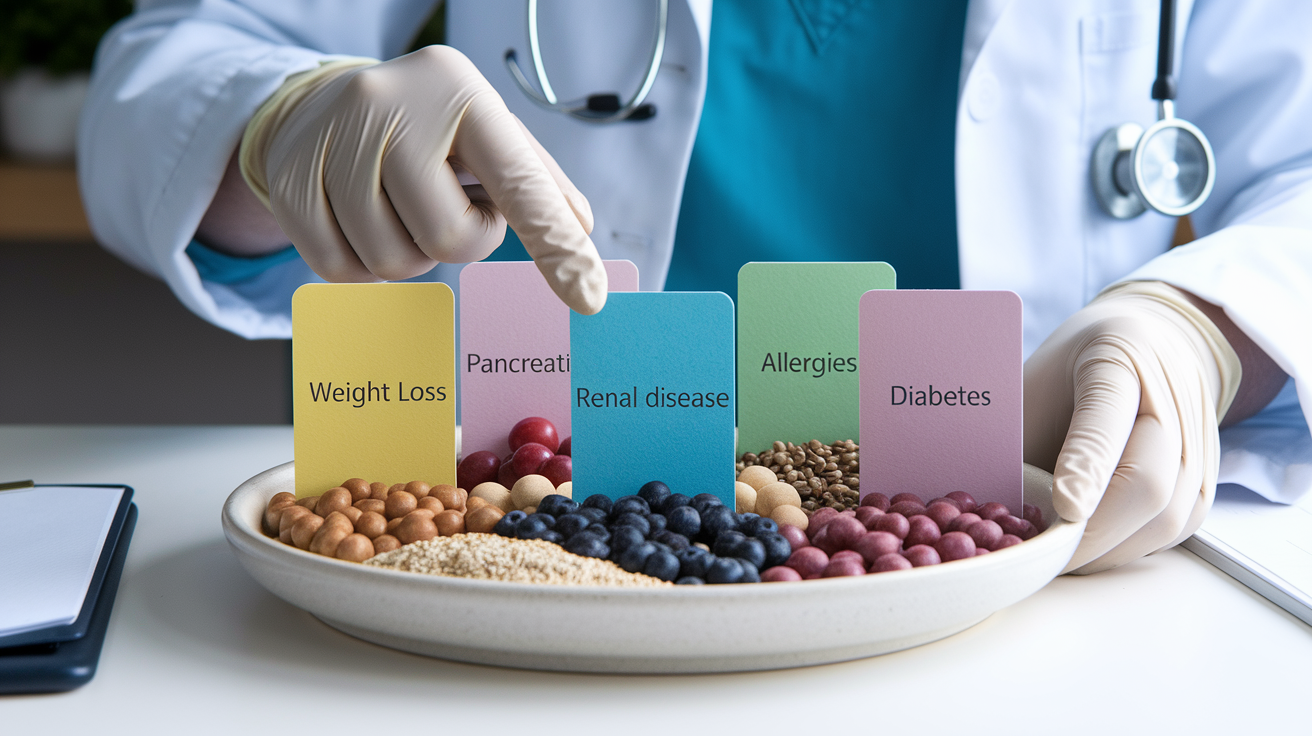
Weight loss plans are the strictest. Vets typically cut total daily intake 20 to 25% below maintenance and monitor body condition every two to four weeks. Even a few extra treat calories per day can stall progress or reverse a hard won loss. Use the formula above to find the reduced daily target, allocate 10% to treats, track every single piece. Swap high calorie chews for air puffed or freeze dried options. Reserve your daily gram weight exclusively for training or enrichment, not casual snacking.
Dogs recovering from pancreatitis or managing chronic pancreatic issues need treats under 10% fat by weight when possible. Fat triggers enzyme release that inflames the pancreas. Even a small fatty treat like bacon, cheese, or too much peanut butter can spark a flare. Lean boiled chicken (skinless), plain steamed vegetables, specially formulated low fat prescription treats are safer. Always check the guaranteed analysis and talk to your vet before you introduce anything new.
Renal disease demands careful phosphorus and sometimes protein restriction. Prescription renal diets slow disease progression, and high phosphorus treats like many meat chews, rawhide, bully sticks undermine that work. Stick to treats labeled for renal support or offer tiny portions of low phosphorus vegetables like cucumber and green beans. Count every kcal and ask your vet or a board certified veterinary nutritionist to review your choices. Small phosphorus loads accumulate over weeks.
Food allergies and diabetes both need strict ingredient control. Allergic dogs need single ingredient or novel protein treats that exclude known triggers, often chicken, beef, dairy, or grains. Diabetic dogs benefit from low sugar, low starch options and consistent treat timing aligned with insulin injections. Skip fruit treats with natural sugars unless your vet approves the portion. Never give table scraps hiding carbohydrates or sweeteners like xylitol, which is toxic.
Quick reference:
- Weight loss: no high calorie chews, track every gram
- Pancreatitis: avoid bacon, cheese, fatty meats, high fat biscuits
- Renal disease: skip high phosphorus chews like rawhide and bully sticks
- Allergies: eliminate known allergens, use hydrolyzed or novel proteins only
- Diabetes: avoid sugary fruits, starchy vegetables, anything with added sweeteners
Low‑Calorie and Single‑Ingredient Treat Options for Restricted Diets
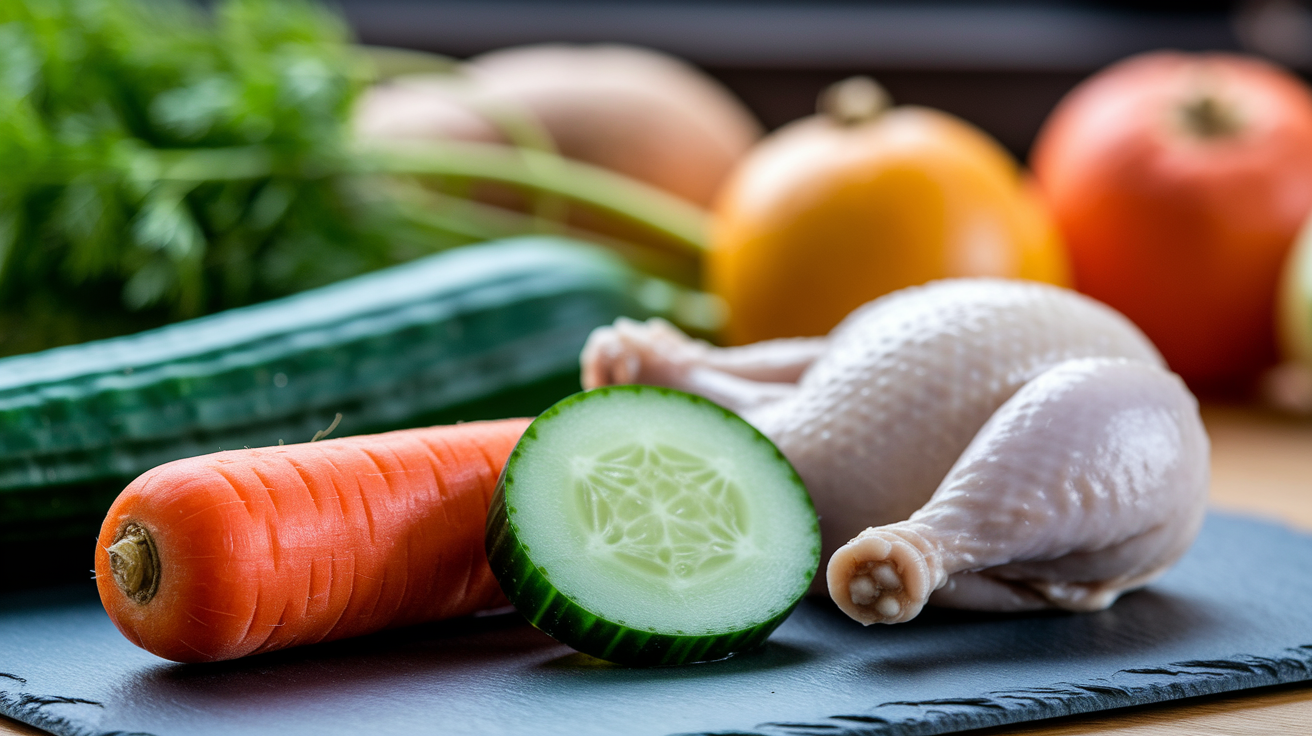
Low calorie treats let you reward more often without overshooting the budget. Plain vegetables and small portions of lean protein deliver flavor and crunch at a fraction of the kcal found in commercial biscuits. A lot of dogs love the snap of a fresh carrot or the cold bite of a cucumber slice, especially when those treats show up during training instead of from a bowl.
Single ingredient options simplify allergen management too. A bag of freeze dried chicken breast contains only chicken. No fillers, no preservatives, no hidden grains. You portion by weight, knowing exactly what your dog’s eating and how many kcal you’ve allocated.
| Item | Approx Calories |
|---|---|
| Baby carrot (1 medium) | 4 kcal |
| Green bean (1 medium) | 1 kcal |
| Apple slice (no core, ~10 g) | 4 kcal |
| Cucumber slice (~5 g) | 1–2 kcal |
| Cooked chicken (1 tsp, skinless) | 5–10 kcal |
| Blueberry (1 berry) | 1 kcal |
Vegetables are especially useful for dogs with sensitive stomachs or inflammatory bowel conditions. The fiber supports digestion and water content helps satiety. Single ingredient proteins like plain boiled turkey, poached white fish, or air dried venison work well for novel protein elimination diets, as long as you verify source and prep with your vet. Always remove apple cores and seeds, avoid grapes and onions entirely, introduce new foods one at a time to watch for reactions.
Using Meal Adjustments and Treat Swaps to Stay Within Calorie Limits

The simplest way to fit treats into a restricted diet is to subtract their calorie value from the daily meal allowance instead of piling on top. If your dog’s morning training uses 50 kcal of treats, reduce breakfast kibble by 50 kcal. Usually 12 to 15 grams depending on the food’s density. Total daily intake stays exactly where your vet prescribed.
The treat jar method enforces that limit across everyone in the house. Each morning, measure the full day’s treat allowance into a small container. Grams of kibble, carrot slices, whatever mix you’re using. Family members, dog walkers, visitors take treats only from that jar. When it’s empty, nobody gives anything else. No matter how cute the begging. This stops the problem of multiple people sneaking “just one” treat that together double or triple the intended amount.
When a special occasion or high value behavior needs a richer reward (recall off a squirrel, calm behavior at the vet), swap part of the regular budget for a smaller piece of something more exciting. A thumbnail bit of freeze dried liver might be 15 kcal, but if it replaces fifteen 1 kcal green beans your total stays the same and your dog experiences a jackpot.
Quick workflow:
- Calculate daily calorie target and 10% treat allowance.
- Weigh and set aside that allowance each morning in a labeled container.
- Log every treat given (type, weight, approximate kcal) in a notebook or app.
- Subtract the day’s treat total from the evening meal so daily calories stay constant.
Treat Portioning Tools, Charts and Calculators
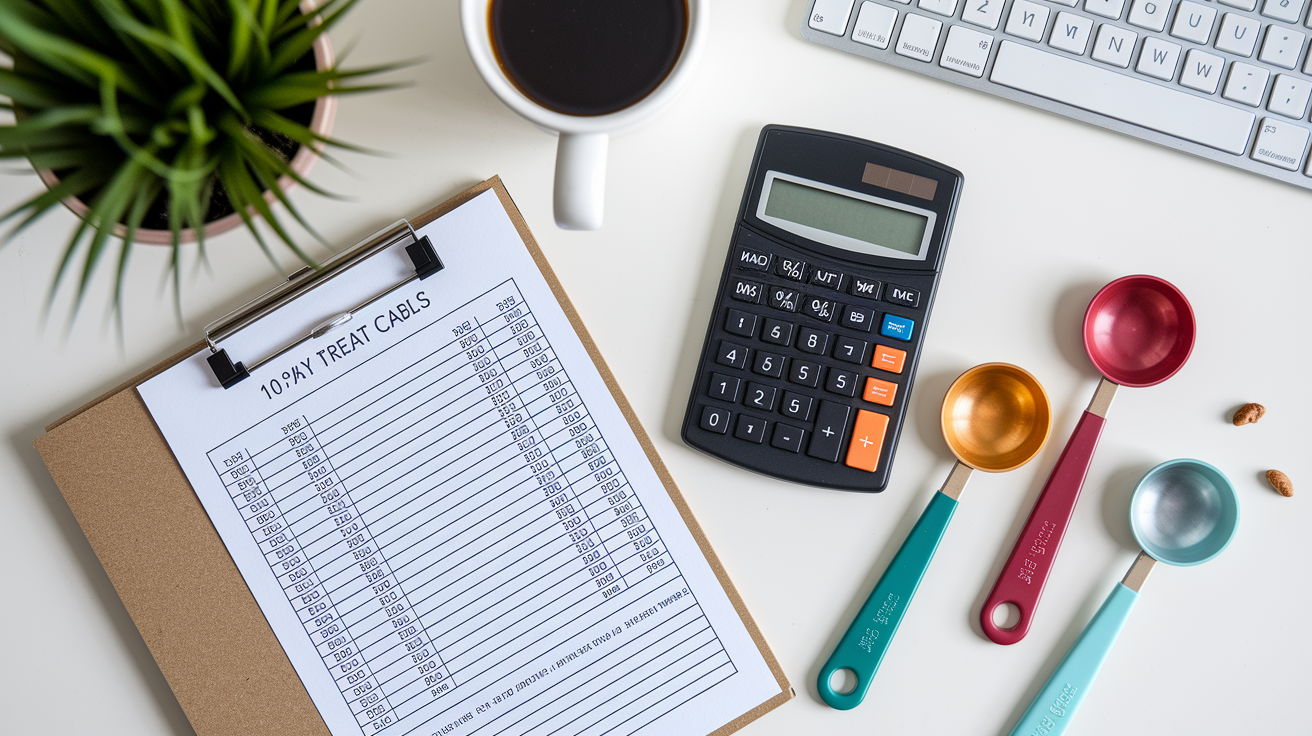
Quick reference charts remove guesswork when portioning for different sized dogs. The table below shows approximate daily calorie targets for weight loss diets (20% reduction from typical neutered adult MER) and the corresponding 10% treat caps. Treat grams assume 3.5 kcal per gram. Check your own label and adjust.
| Dog Weight | Daily Kcal (weight‑loss target) | 10% Treat Kcal | Approx Grams (3.5 kcal/g) |
|---|---|---|---|
| 5 kg (11 lb) | ~225 kcal | ~22 kcal | ~6 g |
| 15 kg (33 lb) | ~512 kcal | ~51 kcal | ~15 g |
| 30 kg (66 lb) | ~862 kcal | ~86 kcal | ~25 g |
| 45 kg (99 lb) | ~1,170 kcal | ~117 kcal | ~33 g |
Print this and tape it inside a cupboard or on the fridge so everyone who feeds your dog can see the limit at a glance. Online treat portion calculators refine these estimates by asking for exact weight, activity level, body condition score, then generating a personalized plan. Some vet practices and pet nutrition sites offer free calculators that apply the RER and MER formulas automatically. Bookmark one and update your inputs when your dog’s weight or activity changes. Keeping a printed chart at home and a calculator link on your phone means you always have the numbers, whether you’re measuring breakfast kibble or choosing a new bag of training treats.
Monitoring Body Condition and Adjusting Treat Portions

Scale numbers tell part of the story. Body condition scoring (BCS) reveals whether your dog’s carrying too much fat or losing muscle. Stand over your dog and look down, you should see a visible waist behind the ribs. Run your hands along the ribcage with light pressure. You should feel individual ribs without pressing hard, with a thin layer of fat over them. Not prominent bones, not a thick pad. Most vet BCS charts use a 1 to 9 scale, 4 or 5 is ideal. A dog scoring 6 or higher is overweight, and even one point above ideal increases risk of arthritis, diabetes, shortened lifespan.
Weigh your dog monthly during a restricted diet, or every two weeks if your vet set an aggressive weight loss goal. Research shows a 6% reduction in body weight can measurably improve osteoarthritis symptoms. Controlled studies found calorie restricted dogs live roughly two years longer than overweight peers. Track the trend, not day to day swings. A dog losing 0.5 kg over four weeks is on a safe sustainable path. A dog gaining 0.2 kg suggests treat portions or meal sizes need trimming.
If weight stalls or body condition worsens despite careful measuring, schedule a recheck. Slower than expected loss can signal underlying metabolic issues like hypothyroidism or Cushing’s disease, or simply that the calculated target is still too high for your individual dog. Your vet may reduce the daily allowance another 10%, switch to a therapeutic weight loss food with higher protein and fiber, or refer you to a board certified veterinary nutritionist for a custom plan.
Watch for these situations:
- Senior dogs: metabolism slows with age, reduce treat and meal portions if body condition drifts up
- Puppies: growth requires more calories but obesity during development strains joints, keep treats minimal and portion controlled
- Medical flare ups: pancreatitis, diabetes instability, or kidney value changes may require temporary treat elimination
- Post surgery or reduced activity: a dog on crate rest burns far fewer calories, cut treat allowance 20 to 30% until normal activity resumes
Enrichment‑Based Alternatives to High‑Calorie Treats
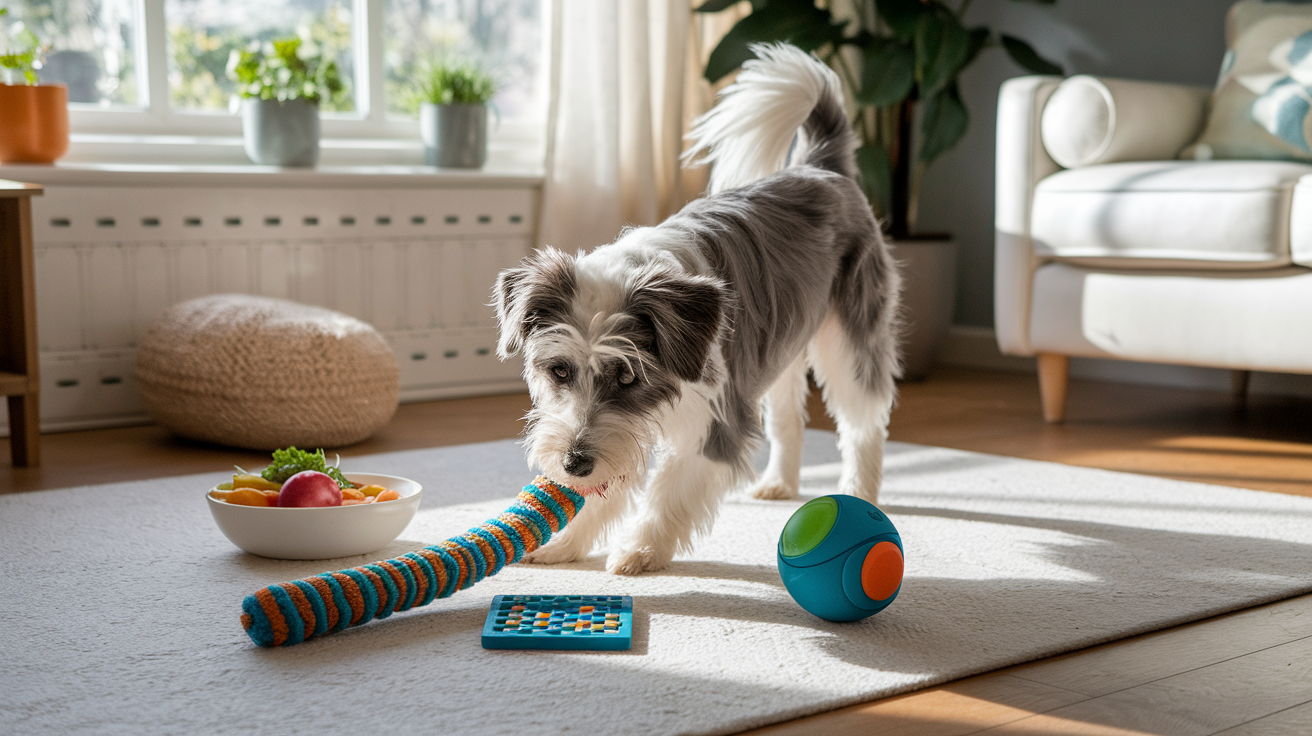
Not every reward has to be food. A lot of dogs work just as hard for a quick tug game, a thrown ball, enthusiastic verbal praise. If your daily treat budget’s tight (especially during weight loss or managing multiple medical restrictions), save food treats for behaviors that really matter. Emergency recall, calm handling during medical care, new skill acquisition. Use play or affection for routine cues like sit or down.
Puzzle feeders and slow feed bowls turn mealtime into mental exercise without adding calories. Scatter your dog’s measured kibble ration across a snuffle mat, hide it in a Kong Wobbler, freeze it inside a lick mat with a thin smear of plain pumpkin. Your dog spends ten or fifteen minutes working for the same food that would vanish in sixty seconds from a bowl. The cognitive effort provides satisfaction that cuts down on begging and food seeking between meals.
Quick enrichment routine:
- Rotate two or three puzzle feeders so your dog stays engaged, novelty maintains interest.
- Set up scent games. Hide a few pieces of the daily kibble ration around the house and let your dog search.
- Use structured play sessions (fetch, tug, trick training) as rewards after calm behavior or successful cues, preserving treat calories for higher priority moments.
Final Words
Start with the core rules: figure RER and MER, stick to the 10% treat cap, and use the example calculations to set a daily treat allowance. We covered scale-based measuring and micro‑treat tactics so treats don’t blow the budget.
Use meal swaps, a pre‑portioned treat jar, monthly weigh-ins, and enrichment to keep calories down without losing progress.
This treat portioning guide for dogs on restricted diets helps you train, bond, and stay on target — positive and practical.
FAQ
Q: How many treats can a dog on a restricted diet have?
A: A dog on a restricted diet should have treats that total no more than 10% of the dog’s daily calories; calculate daily calories first, then cap treats at that 10% number.
Q: How do I calculate RER and MER for treat portioning?
A: The RER equals 70 × (kg^0.75). The MER is RER times an activity factor (typically 1.2–1.8). For weight loss reduce MER by 20–25% before applying the 10% treat rule.
Q: What exact steps should I follow to calculate a treat cap?
A: The exact steps are: convert pounds to kg, compute RER (70 × kg^0.75), multiply by activity factor for MER, reduce MER for weight loss if needed, allocate 10% of final calories to treats.
Q: How do I measure treats accurately at home?
A: Measuring treats accurately at home means using a digital kitchen scale, weighing treats in grams, and converting kcal to grams using kcal-per-gram (kibble averages about 3.5–4 kcal per gram).
Q: How do I convert calories to grams for treats?
A: Converting kcal to grams means dividing kcal by the kcal-per-gram value; example: if kibble ≈ 3.5 kcal/g, then 35 kcal ÷ 3.5 = 10 g. Always confirm with a scale.
Q: How can I train often without exceeding diet limits?
A: Training often without extra calories means use micro-treats (pencil-eraser size), cut treats into tenths, or use kibble from the daily ration; save high-value treats for big wins.
Q: What is the meal-as-training method?
A: The meal-as-training method replaces extra treats with kibble taken from the dog’s daily food ration, delivered during training so overall calories stay the same; track portions and adjust meals.
Q: How should I adjust treats for pancreatitis, diabetes, renal disease, or allergies?
A: Adjusting treats for those conditions means tailoring choices: pancreatitis <10% fat, diabetes avoid sugars/starches, renal low phosphorus/protein or prescription treats, allergies single-ingredient novel proteins, and ask your vet.
Q: What low-calorie, single-ingredient treats are safe and their approximate calories?
A: Low-calorie single-ingredient treats include baby carrot (~4 kcal), green bean (~1 kcal), apple slice (~4 kcal), cucumber (~1–2 kcal), cooked chicken teaspoon (~5–10 kcal), and blueberry (~1 kcal).
Q: How do I integrate treat calories into meal plans and prevent overfeeding?
A: Integrating treat calories into meal plans means subtract treat kcal from meals (50 kcal treat → remove 50 kcal from breakfast), use a pre-portioned treat jar, and track daily totals.
Q: How do I monitor my dog’s body condition and when should I change treat portions?
A: Monitoring body condition means monthly weigh-ins and simple BCS checks (feel ribs with light pressure, visible waist); reduce treats for weight gain, senior slowing, or medical flare-ups and consult your vet.
Q: What non-food alternatives help reduce treat calories but still reward my dog?
A: Non-food alternatives that reduce treat calories include play, praise, short training sessions, puzzle feeders with kibble, scent games, and structured toy play to reward without many extra calories.