
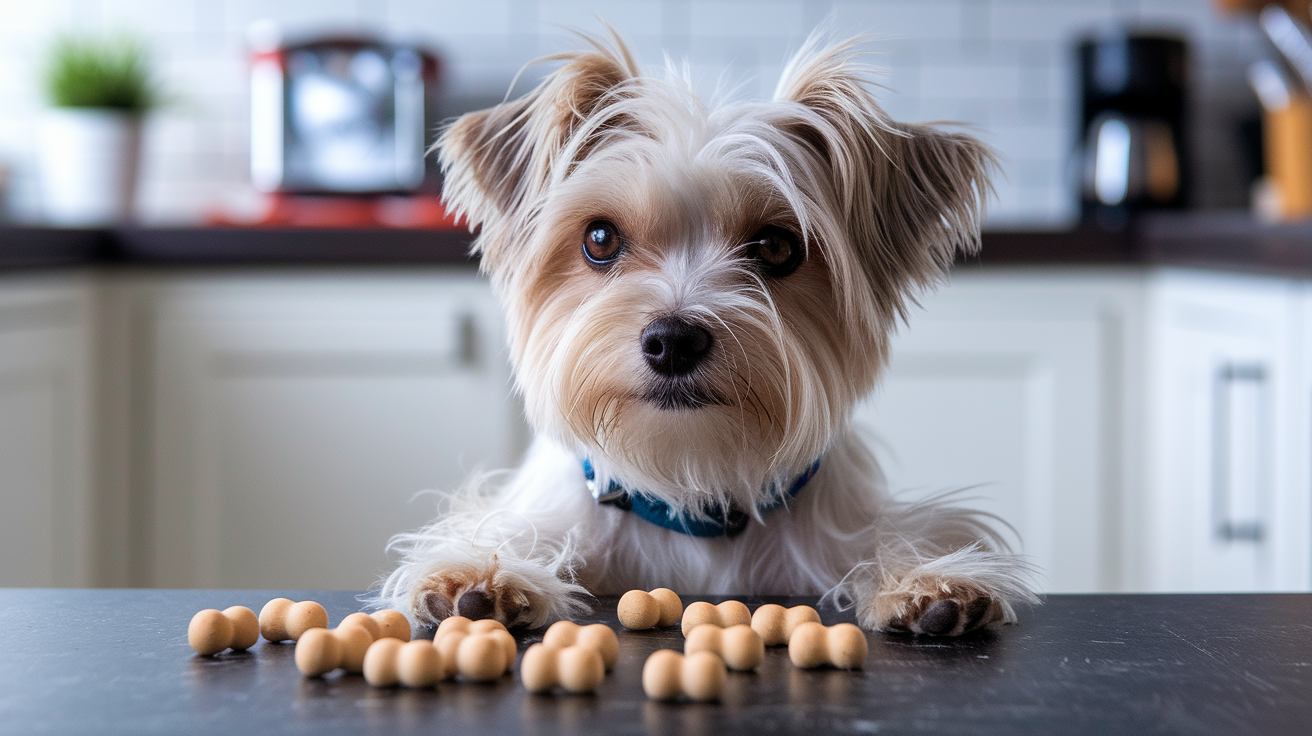
Think you can’t train your small dog without upsetting their stomach?
Training often means 20 to 40 quick rewards, and the wrong treat turns praise into clean-up duty.
Here you’ll find low-calorie, single-ingredient, easily breakable options for small dogs with sensitive stomachs, like freeze-dried meats, tiny crunchy bites, and plant-based pieces you can portion into pea-sized rewards.
By choosing treats with simple ingredients and tiny portions, you get better focus, fewer upset tummies, and training that actually sticks.
Best Options for Easily Digestible Training Treats for Small Dogs
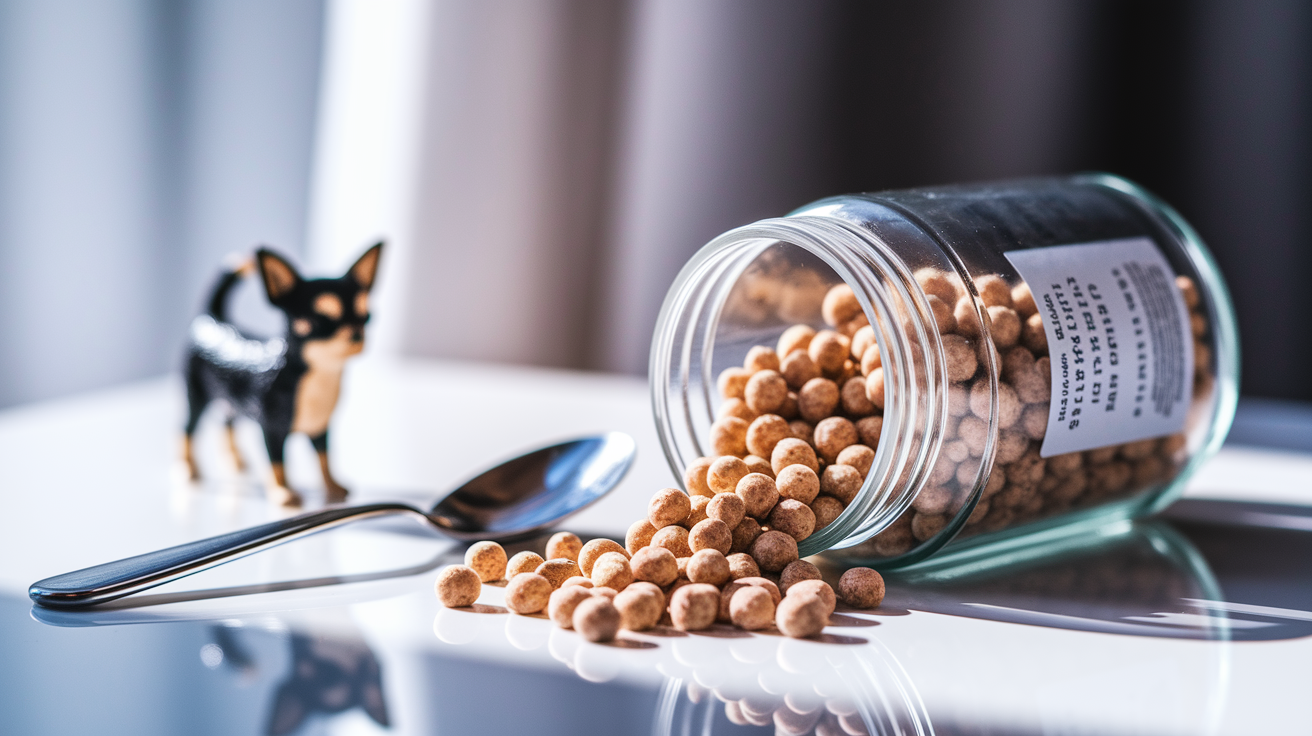
When your small dog’s stomach is touchy, training turns into a real puzzle. You need quick responses and lots of enthusiasm, but feed the wrong thing and you’re cleaning up loose stools by bedtime. The treats that actually work share a few basics: they’re low in calories (think 2 to 6 per piece), they stick to single or very limited ingredients, and you can break them down to bits the size of a pea. Freeze-dried and dehydrated formats are your best bet because they skip the heavy processing and all those fillers that can trigger an upset stomach.
Tiny portions matter way more than most people realize. One PureBites freeze-dried chicken piece is about 3 calories, and you can snap it into three or four smaller bits for rapid rewards during a sit-stay session. Cloud Star Crunchy Tricky Trainers come in at 2.1 calories each. Liver-based freeze-dried treats offer high-value motivation at around 6 calories per piece. Small-breed dogs have faster metabolisms and smaller stomach capacity, so keeping treat size minimal reduces digestive load and keeps training fun instead of stressful.
Here are five treat categories that work well for sensitive stomachs during training:
- Freeze-dried single-ingredient meats (chicken, turkey, beef)
- Limited-ingredient grain-free biscuits with single protein sources
- Low-calorie training bites under 3 calories per piece
- Probiotic-enriched dental sticks for digestive support
- Plant-based single-ingredient options like sweet potato or apple
Soft or easily breakable treats let you control portion size on the spot. During a typical 20-minute training walk, you might hand out 15 to 20 rewards. If each one is pea-sized and low in fat, your dog’s stomach stays settled and focus stays sharp.
Ingredient Qualities That Make Training Treats Work for Sensitive Stomachs

Ingredient simplicity is the quiet hero of sensitive-stomach training. Dogs with delicate digestion do best when treats mirror the protein already in their regular kibble. If your pup eats a chicken-based diet, start with chicken-only treats. Introducing a new protein mid-training session can backfire fast, especially in high-excitement environments like puppy class or the dog park. Limited-ingredient formulas with short, readable ingredient lists give you transparency and reduce the chance of accidentally feeding a trigger.
What you leave out matters just as much as what you include. You’ll want to avoid treats that list flavor enhancers (liquid smoke, molasses, honey), certain preservatives (carrageenan, glycerin), high-fat additions (cheese, peanut butter if pancreatitis is a concern), and excessive fiber ingredients. Large amounts of beet pulp or pumpkin are helpful in moderation but can cause diarrhea when overused. Plant-based single-ingredient treats, like dehydrated sweet potato or banana slices, work well during elimination-diet phases when you’re narrowing down protein triggers.
Here are four ingredient types to skip for sensitive-stomach training:
- Flavor enhancers and sugars – sugar, molasses, honey, liquid smoke add palatability but can irritate delicate systems.
- Problematic preservatives – carrageenan and glycerin appear in many soft treats and may upset sensitive tummies.
- High-fat additions – peanut butter, cheese, marrow bones are rich and risky for dogs with pancreatitis history.
- Excessive fiber ingredients – beet pulp and pumpkin are beneficial in small amounts but can trigger loose stools when overloaded.
Why Small Breed Dogs Need Special Digestive Considerations During Training

Small-breed dogs pack big personalities into tiny frames. Their stomachs work just as fast as their legs. A Chihuahua or Maltese has a fraction of the stomach capacity of a Labrador, so even a handful of standard-sized treats can overwhelm their system. Their faster metabolisms mean calories burn quickly, but it also means rich or unfamiliar ingredients move through faster and hit harder. Loose stools, sudden refusal to eat, or that post-training tummy rumble are all signs that treat volume or richness crossed a line.
Training small breeds often means rapid-fire repetition. Teaching a reliable recall or polishing a down-stay can involve 30 or 40 rewards in a single session. If each treat is the size of a nickel, you’ve just fed a meal’s worth of calories and ingredients your dog’s stomach wasn’t expecting. That’s why pea-sized portions and gentle proteins become essential. A high-value lickable treat dispensed from a squeeze tube can fuel an entire 45-minute class using just 2 tablespoons, giving you the motivation you need without the digestive fallout. When training pace and stomach capacity align, both behavior and trust improve.
Comparing Popular Sensitive‑Stomach Training Treat Formats

Different treat formats offer different advantages depending on your dog’s preferences, your training goals, and how sensitive their stomach really is. Freeze-dried meats stay shelf-stable for years and deliver pure protein without fillers. Probiotic dental sticks add digestive support alongside the reward. Understanding the calorie load and digestive benefit of each format helps you pick the right tool for the job.
| Format | Typical Calories | Digestive Benefits | Notes |
|---|---|---|---|
| Freeze-dried chicken | 3 per piece | Single ingredient, minimal processing, high protein | Easily breakable into smaller bits |
| Freeze-dried liver | 6 per piece | High-value for tough training moments | Richer than chicken; use sparingly |
| Grain-free biscuit | 20 per piece | Sweet potato and pumpkin aid digestion | Better for occasional rewards, not rapid repetition |
| Probiotic dental stick | 25 per piece | Live probiotics and prebiotic fiber support gut health | Use as a post-training chew, not during active training |
| Plant-based sweet potato chew | 39 per piece | Single ingredient, high fiber, good for elimination diets | Lower protein; best for non-protein-sensitive dogs |
| Dehydrated fish skin | 24 per small chew | 93% protein, wild-caught, single ingredient | Novel protein option; introduce slowly |
Protein Choices That Support Sensitive Digestion in Training Treats
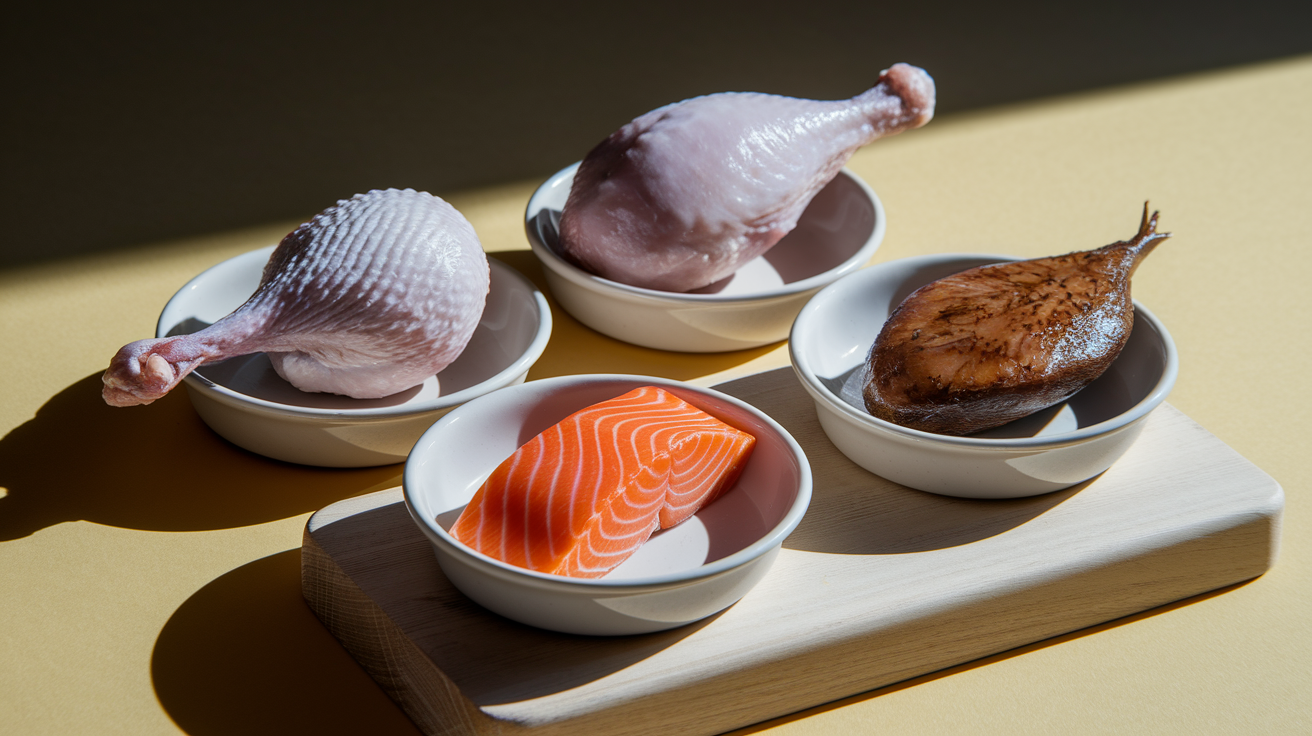
Not all proteins hit a sensitive stomach the same way. Lamb, duck, and salmon are often gentler on dogs prone to upset because they’re less commonly used in everyday kibble. Fewer prior exposures mean lower risk of sensitivity buildup. Single-protein freeze-dried chicken breast is a workhorse for training because it’s lean, familiar, and easy to portion. Salmon or duck limited-ingredient biscuits bring variety without throwing in mystery fillers. For dogs with chronic digestive issues, hydrolyzed chicken liver treats (found in prescription options at 17 calories per piece) break proteins down so small that the immune system doesn’t recognize them as a trigger.
When you’re choosing a protein, think about what your dog already eats. If their kibble is turkey-based, start training treats with turkey. If you need to rotate proteins to keep sensitivities at bay, introduce one new option at a time and wait a few days to confirm solid stools before adding another. Gentle proteins give you flexibility without the guesswork.
Here are four proteins that work well for sensitive-stomach training:
- Chicken – lean, widely available, easy to digest when freeze-dried or boiled
- Turkey – similar to chicken but slightly lower in fat
- Salmon – omega-3 rich, novel for many dogs, supports skin and coat alongside digestion
- Duck – less common protein, good rotation option, typically well tolerated
Portion Control and Calorie Management for Sensitive-Stomach Training
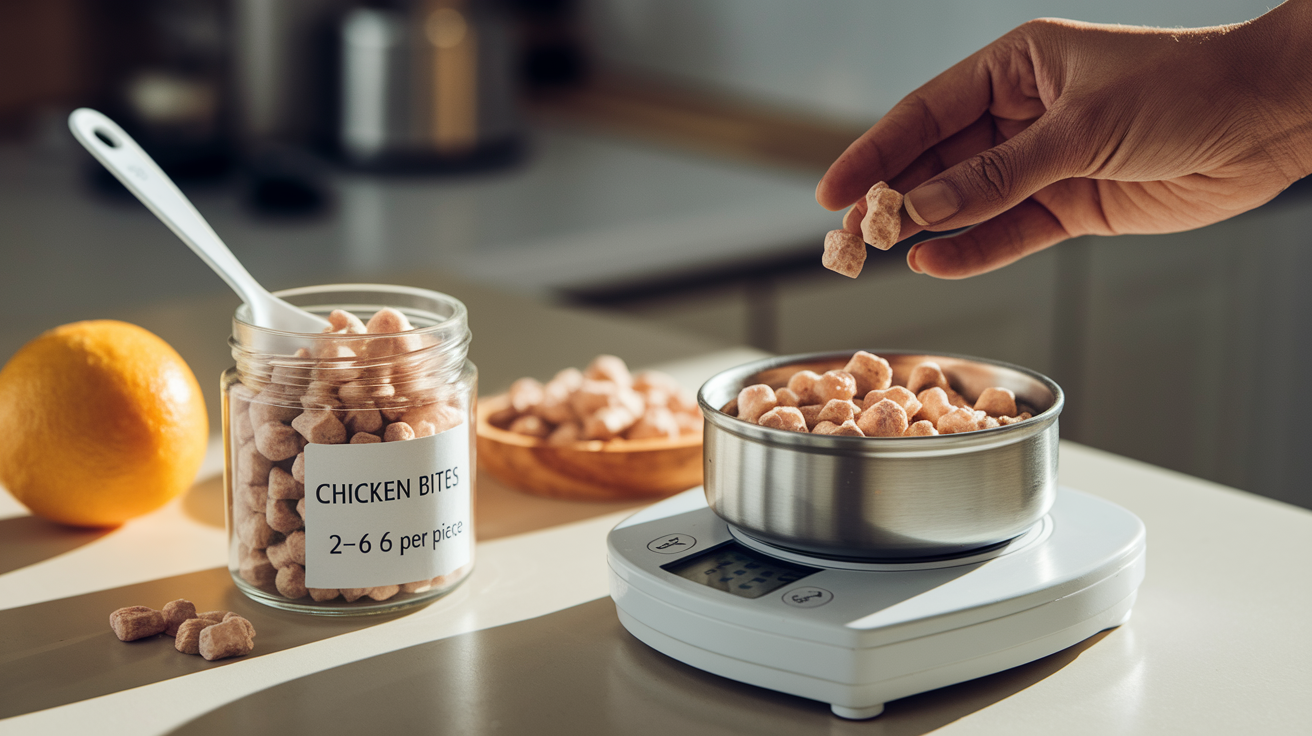
Training treats should feel like a taste, not a snack. For sensitive-stomach dogs, keeping each reward between 2 and 6 calories lets you deliver dozens of positive moments without tipping into digestive trouble. A freeze-dried chicken piece at 3 calories can be snapped into three smaller bits, stretching one treat into three rapid-fire rewards during a heel-work session. Crunchy trainers at 2.1 calories each are already sized for quick repetition. Even liver treats at 6 calories work fine if you break them in half for toy breeds.
Pea-sized portioning is the gold standard. Hold a treat between your thumb and forefinger and ask yourself, “Could my dog swallow this in one second and immediately focus back on me?” If the answer is yes, the size is right. If your dog has to chew, pause, or look away to finish it, go smaller. Avoid dark meats and organ meats like liver, lung, and kidney during everyday training because their richness and fat content make them more likely to cause loose stools, especially when you’re handing out 20 or 30 pieces in a single outing.
Fat content plays a bigger role than most people realize. Treats with 2.4% to 5.4% fat are safe for frequent use. Anything above 10% fat should be saved for special occasions or skipped entirely if your dog has had pancreatitis. Low-fat, high-protein formats keep energy steady and stomachs calm, so training becomes a daily joy instead of a digestive gamble.
When Veterinary‑Approved Sensitive Stomach Treats Are Necessary

Some dogs need more than just gentle ingredients. Chronic conditions like inflammatory bowel disease, food allergies, or a history of pancreatitis mean training treats have to meet medical-grade standards. Prescription hypoallergenic treats use hydrolyzed proteins, which are broken into pieces so tiny that the immune system can’t mount a reaction. At 17 calories per piece, these treats are safe for dogs whose regular diet is already a prescription formula. They often include omega-3 fatty acids to support gut lining health.
Elimination diets require extra care. If you’re working with a veterinarian to identify a protein trigger, stick to single-ingredient plant-based treats like sweet potato or a hydrolyzed option that matches your dog’s medical food. Once your dog has stable stools for several weeks, you can slowly reintroduce other proteins, one at a time, watching for any sign of upset. Probiotic and prebiotic treats support gut microbiome balance and can help during the recovery phase, but always confirm with your vet before adding supplements to a medical diet.
Here are three scenarios where vet-approved treats become essential:
- Chronic GI conditions – inflammatory bowel disease, colitis, or frequent diarrhea episodes require hydrolyzed or prescription-only treats.
- Pancreatitis history – any dog who’s had pancreatitis must avoid high-fat treats permanently; stick to lean, low-fat, vet-recommended options.
- Active elimination diet – when identifying food triggers, only single-ingredient or prescription hypoallergenic treats should be used until the culprit is confirmed.
Homemade and DIY Sensitive-Stomach Training Treat Alternatives
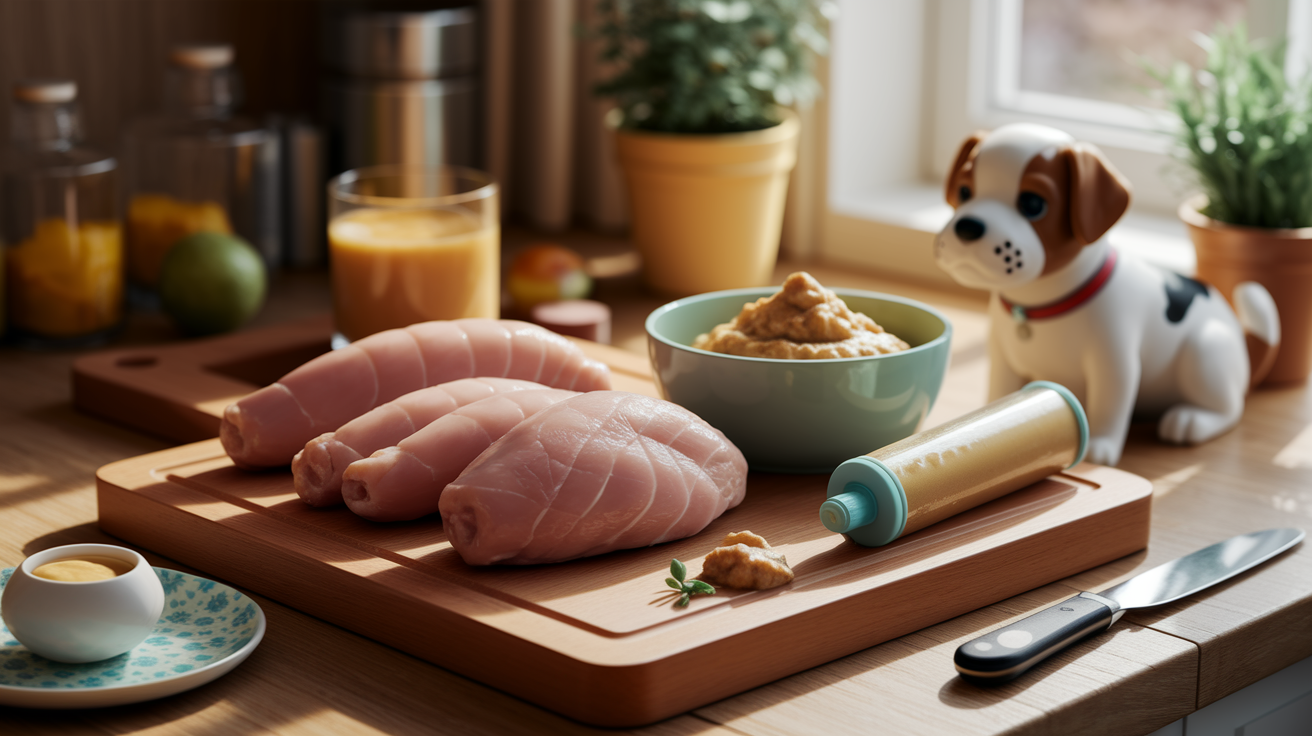
Sometimes the safest treat is the one you make yourself. Homemade single-ingredient cooked meats give you total control over what goes into your dog’s mouth, and they’re often cheaper than commercial freeze-dried options. Chicken breast, turkey breast, lean steak, or extra-lean hamburger all work well. Avoid dark meats and organ meats because their higher fat and richer nutrient profile can upset sensitive stomachs, especially during training when you’re handing out frequent rewards.
Here’s how to prepare simple DIY training treats:
- Boil the meat – place chicken breast or turkey breast in a pot of water and boil until fully cooked, no pink remaining.
- Dry thoroughly – remove the meat and pat it dry with paper towels to reduce moisture and prevent spoilage.
- Cut into tiny cubes – slice the cooked meat into pea-sized pieces or smaller, depending on your dog’s size.
- Store properly – refrigerate for up to three days or freeze in single-session portions for longer storage.
Single-ingredient baby food offers another gentle option. Look for jars labeled only chicken, turkey, or beef with no onion, garlic, or added seasonings. Squeeze a small dab onto your finger or load it into a reusable squeeze tube for training. It’s especially useful for toy breeds and puppies who need tiny, lickable rewards. If convenience matters more than cost, freeze-dried chicken or turkey breast delivers the same single-ingredient simplicity without the prep work and stays shelf-stable for years.
Choosing the Right Training Treat Texture for Sensitive Small Breeds
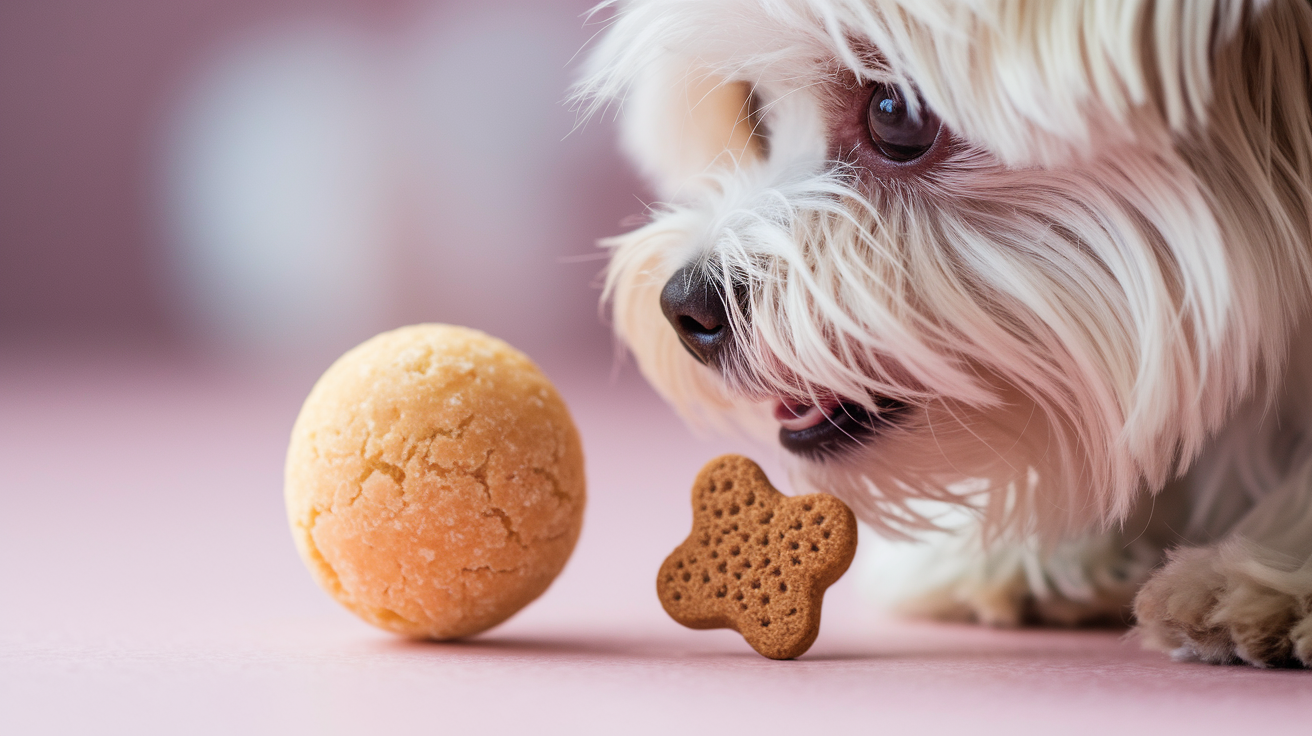
Texture shapes how quickly your dog can take a reward and refocus on you. Soft or air-dried treats work best for small breeds because they require almost no chewing. Your Yorkie or Pomeranian can swallow a soft bite in under a second and immediately look back for the next cue, keeping training rhythm smooth and digestive stress low. Crunchy trainers at 2.1 calories each are small enough to work, but softer treats let you split pieces even further without crumbling into dust in your treat pouch.
Small jaws and delicate teeth benefit from gentler textures too. A rock-hard biscuit might be fine for a German Shepherd, but a five-pound Maltese can struggle to bite through it quickly, and the delay breaks focus. Soft, breakable formats reduce jaw strain and make rapid behavioral reinforcement possible. That’s the difference between nailing ten perfect sits in two minutes and spending half your session waiting for your dog to finish chewing. When texture, size, and digestibility all line up, training becomes the confidence-building, bond-strengthening tool it’s supposed to be.
Final Words
Choose soft, low-calorie, single-ingredient rewards and split them into pea-sized bites. They make training faster and easier on tiny tummies.
Match protein to your dog’s regular diet, favor freeze-dried or gentle plant options, and watch portion counts. Use vet-approved or homemade options if your dog needs extra care.
With sensible ingredient choices, portion control, and the right texture, training treats for small dogs with sensitive stomachs can boost learning without upset, and make treat time something you’ll both look forward to.
FAQ
Q: What treats can you give a dog with a sensitive stomach?
A: Treats you can give a dog with a sensitive stomach include single-ingredient freeze-dried meats, limited-ingredient soft bites, plain boiled white meat, plant-based snacks, probiotic blends, and prescription hydrolyzed treats when your vet advises.
Q: What do professional dog trainers use for treats?
A: Professional dog trainers use high-value, low-calorie, easily portioned treats like tiny soft bites, freeze-dried meat pieces, and splittable crunchy trainers, so small dogs stay motivated without extra calories.