
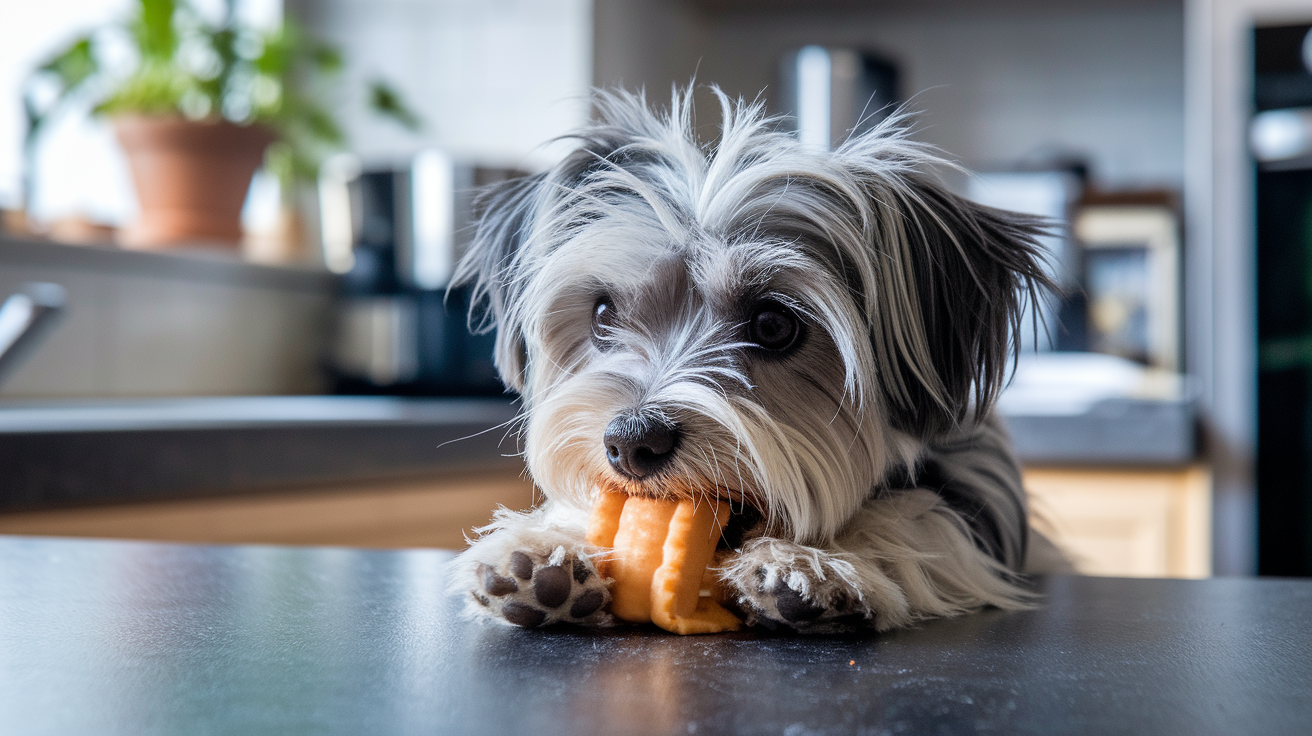
Think crunchy treats are harmless? For a senior toy dog, they can be painful.
If your pup is under 10 pounds and their mouth’s getting fragile, the right soft chew makes treat time gentle, tasty, and safe.
Moist, airy, or melt-in-mouth options cut chewing effort and lower choking risk while limited-ingredient recipes help sensitive tummies.
This post lays out the best textures, ingredient priorities, portion tips, and smart supplement-style choices so you can reward your little senior without pain or extra pounds.
Choosing Soft Chew Treats That Work for Senior Toy Breeds’ Sensitive Teeth
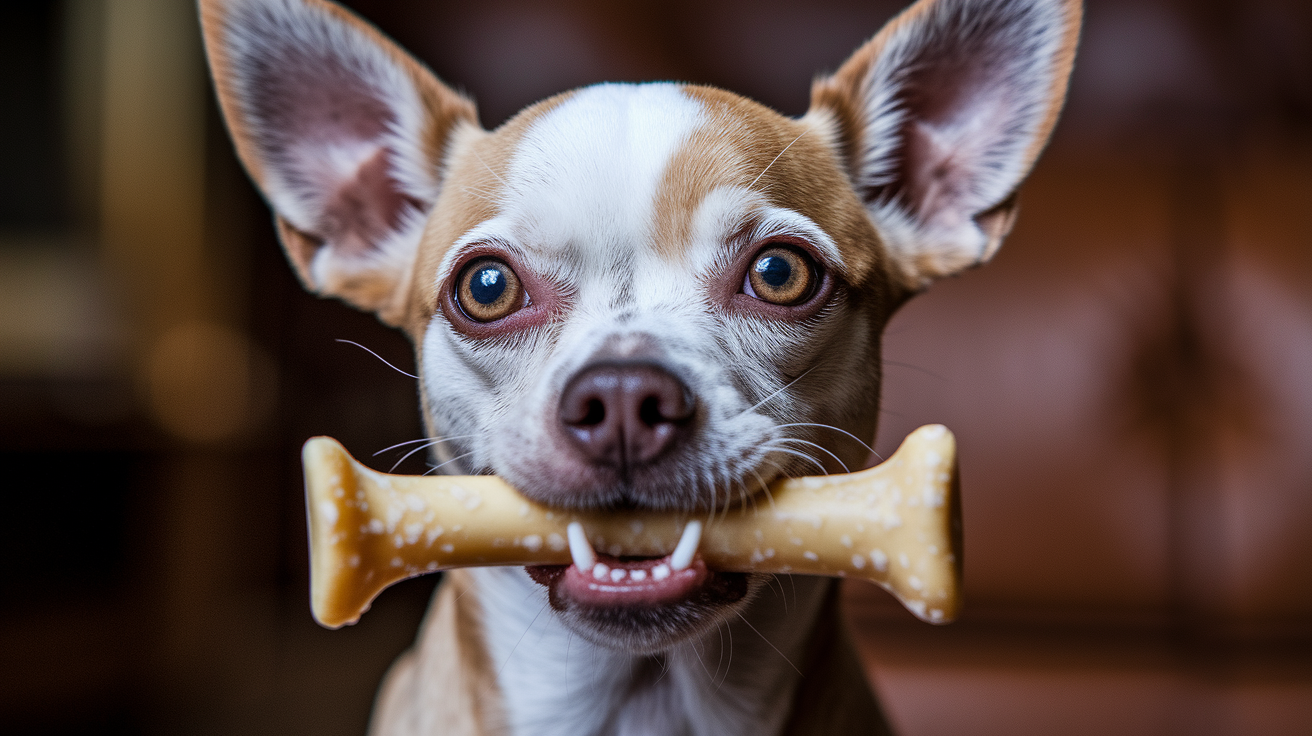
Senior toy breeds under 10 pounds deal with some tough dental stuff as they get older. Sensitive gums, loose teeth, tartar piling up. What used to be a favorite crunchy snack can become genuinely painful. These tiny dogs can’t handle treats that need serious jaw power anymore. Their mouths are fragile now.
The right soft chew shouldn’t feel like work. It should be easy on aging gums, gentle on whatever teeth are left, and simple to break down without any struggle.
Moisture-rich or airy treats work way better than traditional hard biscuits. Puffed lung or liver chews dissolve fast in the mouth. Perfect for dogs who’ve only got a few teeth left. Collagen sticks get gummy as they’re chewed, scraping plaque without the risk of breaking a tooth like rawhide can. Dehydrated sweet potato slices give a little texture and fiber support. And for dogs who can’t chew at all? Meal toppers mixed with water into a paste on a LickiMat stimulate saliva and add flavor without needing any chewing force.
Safe soft treats don’t demand forceful chewing. They soften or dissolve while your dog’s eating them. They reduce fracture risk. They don’t create swallowing hazards. If you can break a treat with your fingers, it’s probably gentle enough for a senior toy breed’s mouth. For dogs under 10 pounds, tiny bite-sized pieces work best. Pea-sized or roughly 1/4 inch cuts down choking risk and makes portion control easier.
When you’re choosing soft chews for your senior toy breed, look for:
- Texture that yields easily: breakable by hand, pliable when chewed, or dissolves in the mouth without hard edges.
- Size suitable for tiny mouths: pea-sized or 1/4-inch pieces that don’t require wide jaw opening or prolonged gnawing.
- Digestibility and simplicity: single-ingredient or limited-ingredient formulas, low in fat and free of fillers that can upset sensitive stomachs.
- Senior-focused nutrition: ingredients like omega-3 for skin and coat, glucosamine for joint support, or turmeric for inflammation.
- Safety during use: always supervise chewing, remove small fragments as they detach, and stop the session if pieces become swallowable.
Soft Chew Texture Types That Benefit Aging Tiny Dogs
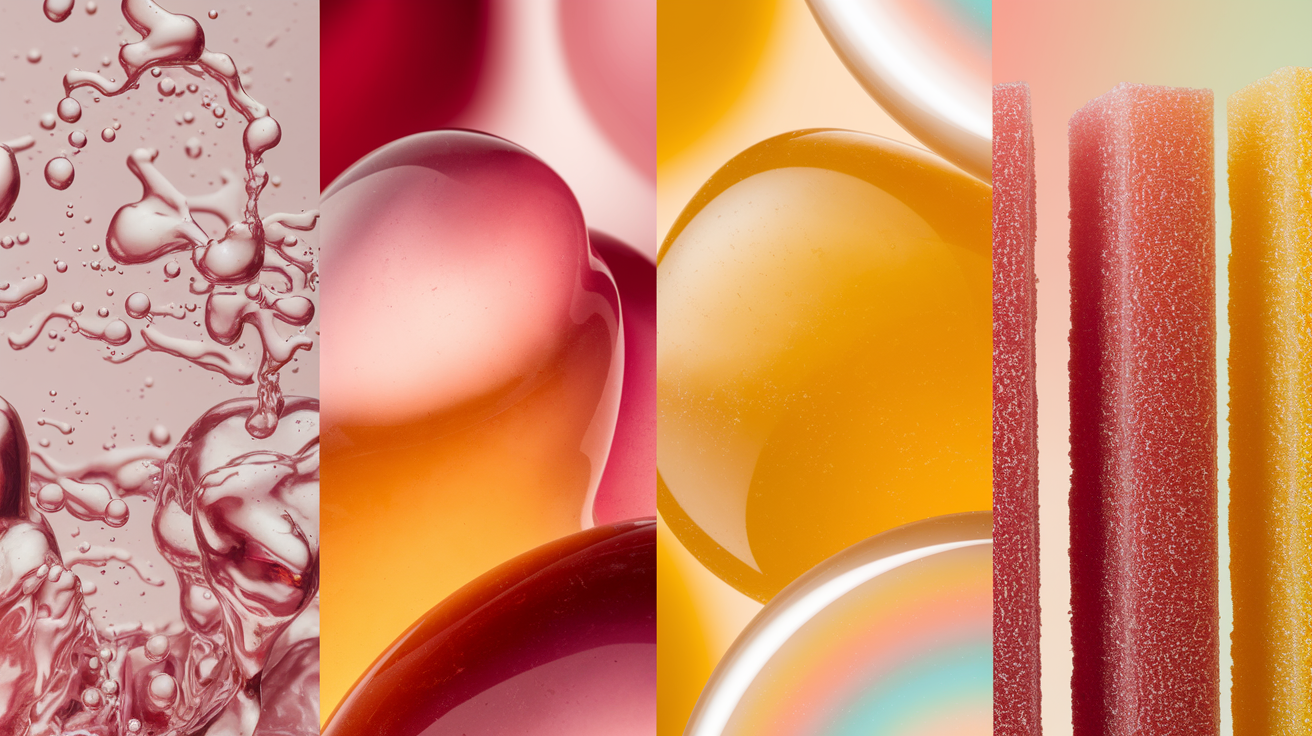
Not all soft chews feel the same in your dog’s mouth. The texture you pick should match your senior’s current dental condition. Spongy, airy chews like puffed lung or liver dissolve quickly with saliva and gentle tongue pressure. Perfect for dogs with very few remaining teeth or really sore gums. Gelatinous or gummy textures (collagen sticks that soften as they’re chewed) offer a bit more resistance and help scrape plaque without demanding hard bites. Moist or paste-like toppers can be licked from a mat or mixed into kibble. Good for dogs who can’t handle any chewing at all.
When you’re deciding which texture to offer, think about your dog’s comfort level and eating behavior. If your senior toy breed hesitates, drops treats, or walks away frustrated, the texture’s probably too firm. If gums are irritated or bleeding, switch to melt-in-mouth options. Picky eaters often respond well to moisture-rich treats that release aroma right away. Dogs with partial tooth loss do best with textures that collapse under light pressure.
| Texture Type | Chew Behavior | Best For |
|---|---|---|
| Airy / Puffed | Dissolves with saliva and tongue pressure | Dogs with few teeth or very sensitive gums |
| Gummy / Gelatinous | Softens as chewed; provides mild plaque scraping | Dogs with some teeth and moderate jaw strength |
| Moist / Paste | Lickable; no chewing required | Dogs unable to chew or with painful mouths |
| Chewy / Fibrous | Requires light gnawing; mild resistance | Dogs with intact teeth but sensitive gums |
Ingredient Priorities in Soft Chew Treats for Senior Toy Breeds
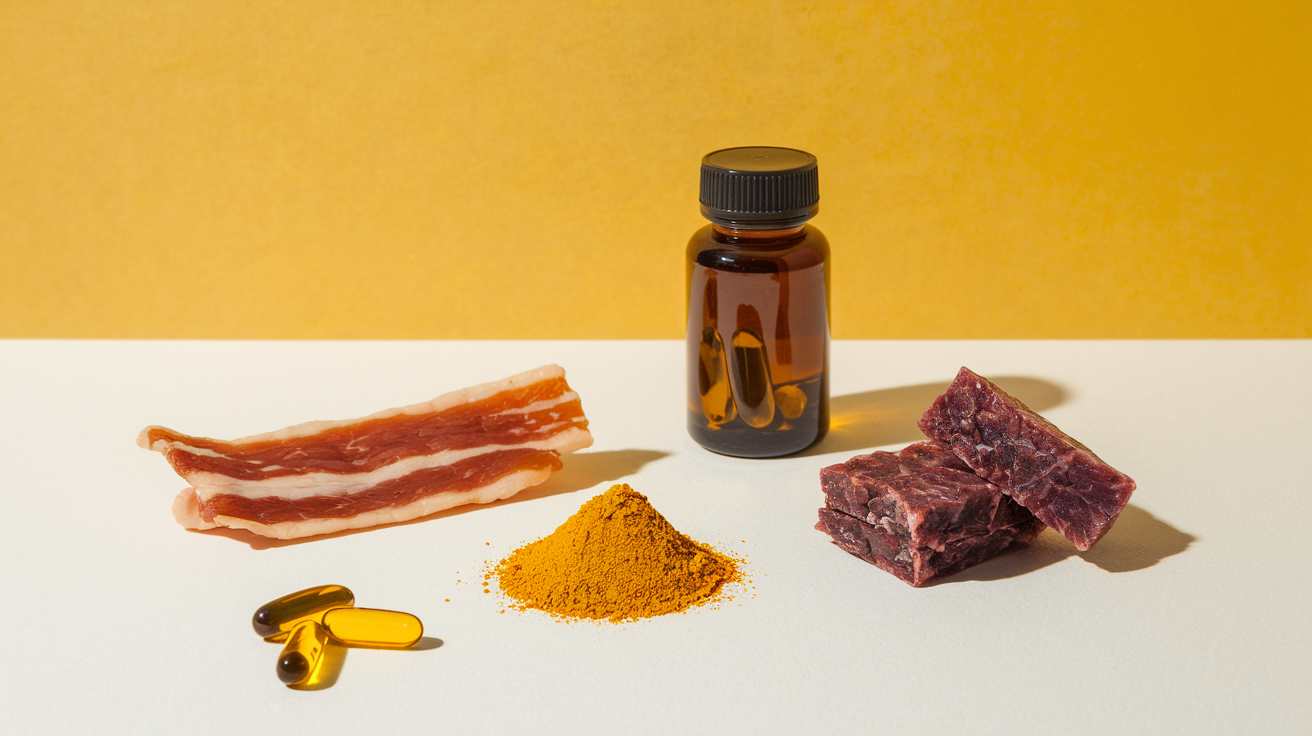
Sensitive senior digestion usually responds best to simple, recognizable ingredients. Single-ingredient treats (plain chicken jerky or freeze-dried beef liver) eliminate guesswork and cut down the chance of stomach upset or allergic reactions. Grain-free soft snacks avoid common fillers like corn, wheat, and soy, which can irritate dogs prone to food sensitivities. Natural formulations free of artificial colors, flavors, and preservatives help keep treats gentle on aging digestive systems while staying fresh through real-food ingredients.
Functional ingredients add extra value for senior toy breeds dealing with joint stiffness, inflammation, or cognitive decline. Omega-3 fatty acids from fish oil support skin, coat, and brain health. Glucosamine, chondroitin, and MSM help maintain cartilage and ease joint discomfort. Turmeric offers natural anti-inflammatory properties. High-fiber ingredients like sweet potato or pumpkin support regularity and digestive comfort, which gets more important as metabolism slows with age.
Moisture content and natural preservatives matter in soft chews. Treats with higher moisture levels are easier to chew and add hydration, especially helpful for seniors who don’t drink enough water. Natural preservatives like mixed tocopherols (vitamin E) or rosemary extract keep soft chews fresh without harsh chemicals. Though they may shorten shelf life compared to artificial additives. Always check ingredient panels for xylitol (a sweetener toxic to dogs) and avoid any treats listing it.
Low-Calorie and Portion-Control Soft Treats for Small Senior Dogs
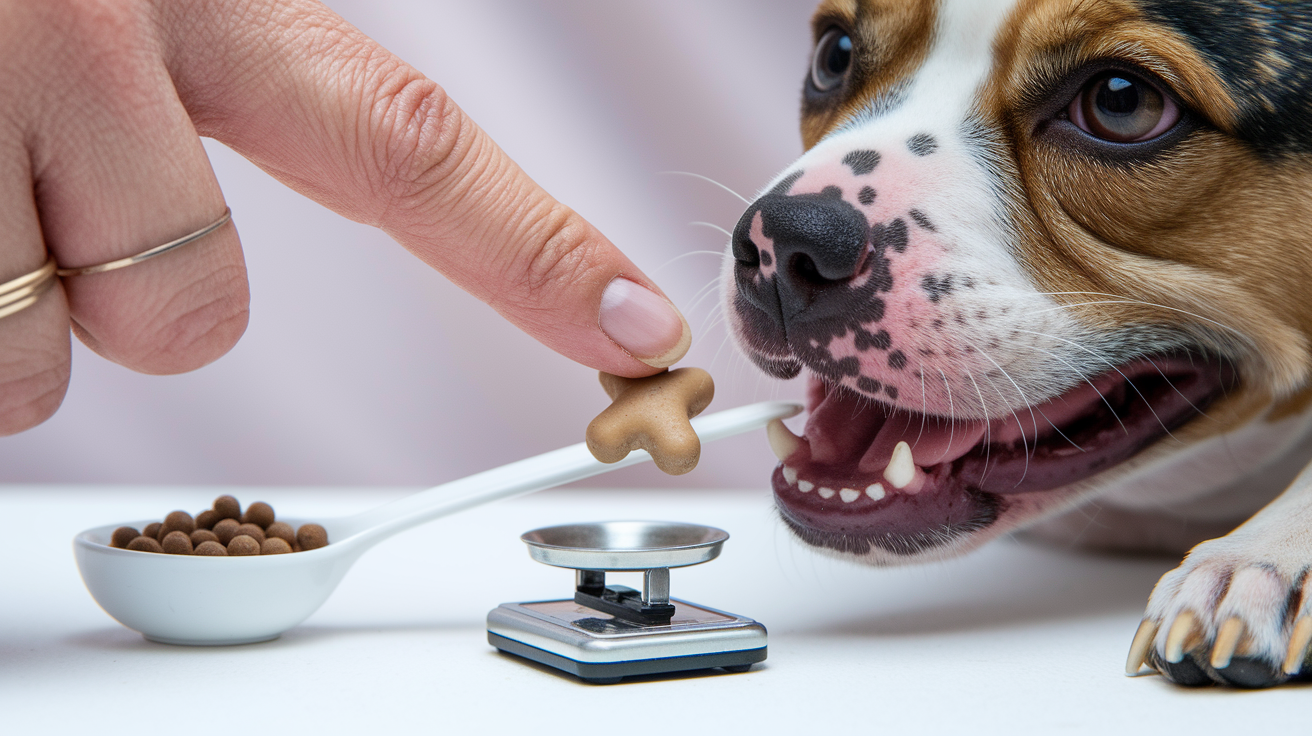
Toy breeds under 10 pounds have very small daily calorie needs. Often just 150 to 300 calories depending on age, activity, and metabolism. Treats should generally stay within 10 percent of that total, leaving roughly 15 to 30 calories per day for snacks and training rewards. That’s why ultra-low-calorie soft treats are essential. Many senior-friendly options clock in at 2.9 to 7 calories per piece. Examples include certain soft cognitive treats at around 3 calories, heart-support treats at 6 calories, and digestive treats at 4.5 calories per piece. These tiny calorie counts let you reward your dog multiple times a day without tipping the scale.
Breaking soft treats into micro-rewards extends their usefulness and reduces chewing effort. A single 6-calorie treat can become three or four training rewards when broken into pea-sized bits. This works especially well for dogs with minimal chewing stamina or those learning new behaviors through positive reinforcement. Soft textures make breaking easy. No need for a knife or cutting board, just gentle finger pressure.
Practical portion-control tips for senior toy breeds:
- Follow the 10 percent rule: keep daily treat calories under 10 percent of your dog’s total daily intake to prevent weight gain and maintain balanced nutrition.
- Choose treats under 5 calories per piece for frequent training sessions or multiple daily rewards.
- Use pea-sized or 1/4-inch bites to match tiny mouths and reduce chewing strain.
- Monitor weight weekly: senior metabolism slows, so even small calorie creep can lead to unhealthy weight gain over time.
- Keep a treat pouch with pre-portioned pieces to avoid overfeeding during walks or training sessions.
- Decide your strategy: use many micro-rewards throughout the day for engagement, or save one or two slightly larger treats for special moments like after a vet visit or nail trim.
Soft Chews That Support Joints, Cognitive Health, and Mobility in Tiny Seniors

Joint stiffness and mobility challenges often show up in senior toy breeds, even those under 10 pounds. Soft chews formulated with glucosamine, chondroitin, and MSM can help maintain cartilage health and ease discomfort during movement. Some joint-support treats deliver substantial doses. Examples include 1,200 mg of glucosamine, 300 mg of chondroitin, and 300 mg of MSM per soft chew, along with omega-3 fatty acids, hyaluronic acid, and vitamins C and E. These treats function more as daily supplements than casual snacks, offering targeted nutritional support in a palatable, easy-to-chew format. Owners often report high palatability with bacon-flavored soft bites, making daily dosing simple for picky seniors.
Cognitive-support treats address the brain health needs of aging dogs. Ingredients like omega-3 fish oil, acetyl-L-carnitine, resveratrol, L-theanine, phosphatidylserine, vitamin B6, and ginkgo biloba work together to support mental sharpness and reduce age-related cognitive decline. Some cognitive treats are remarkably low in calories (around 3 calories per piece) making them ideal for frequent use in toy breeds without disrupting calorie balance. Proprietary blends typically combine 320 mg of active ingredients per treat, delivering brain support in a small, soft package.
When you’re offering supplement-style soft chews, consider the potency and your dog’s overall health. High-dose joint or cognitive treats should align with your veterinarian’s guidance, especially if your dog takes other medications or has underlying conditions. Start with the recommended serving size and monitor for any changes in stool, appetite, or energy. For toy breeds, these functional treats can replace one meal portion or regular snack to keep total daily calories in check while adding meaningful health benefits.
Comparing Soft Chew Options for Senior Toy Breeds
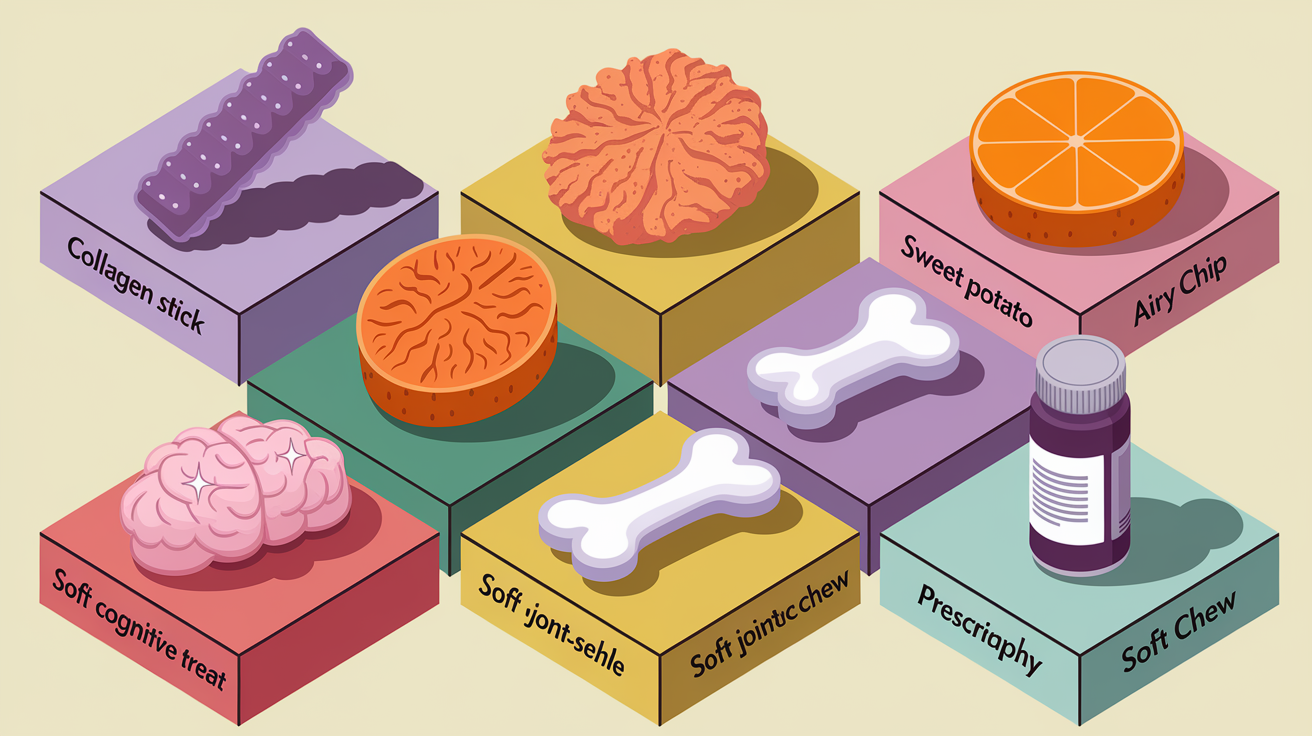
Understanding the range of soft chew options helps you match the right treat to your senior toy breed’s needs. Each format offers distinct benefits in texture, calories, protein source, and purpose.
| Treat Type | Texture | Calories per Piece | Best For | Protein Source |
|---|---|---|---|---|
| Collagen stick | Gummy when chewed | Varies; moderate | Plaque scraping with digestibility; dogs with some teeth | Beef collagen |
| Puffed lung/liver | Airy; dissolves quickly | Very low | Dogs with few teeth or very sensitive gums | Beef or pork organ meat |
| Sweet potato slice | Chewy; fibrous | Low to moderate | Digestive support; dogs needing gentle chewing | Vegetable (no animal protein) |
| Soft cognitive treat | Soft; easy bite | ~3 kcal | Brain health; frequent training rewards | Fish oil blend; minimal meat |
| Soft joint-support chew | Soft; palatable | Not listed; treat as supplement | Joint mobility; daily supplement use | Bacon flavor; minimal meat base |
| Prescription soft chew | Soft-baked; waffle-shaped | ~35 kcal | Medical needs (kidney, heart); veterinary guidance | Fish oil; low protein |
Introducing New Soft Chews to Senior Toy Breeds with Sensitive Digestion
Senior toy breeds with sensitive stomachs need a careful, gradual approach when trying new treats. A sudden switch can trigger diarrhea, vomiting, or appetite loss, especially in dogs prone to digestive upset or food sensitivities. Single-ingredient treats and highly digestible options (plain chicken jerky or collagen sticks) are the safest starting points. Avoid high-fat treats during the introduction period. Some soft chews contain up to 23.9 percent fat, which can overwhelm delicate digestive systems or trigger pancreatitis in susceptible dogs.
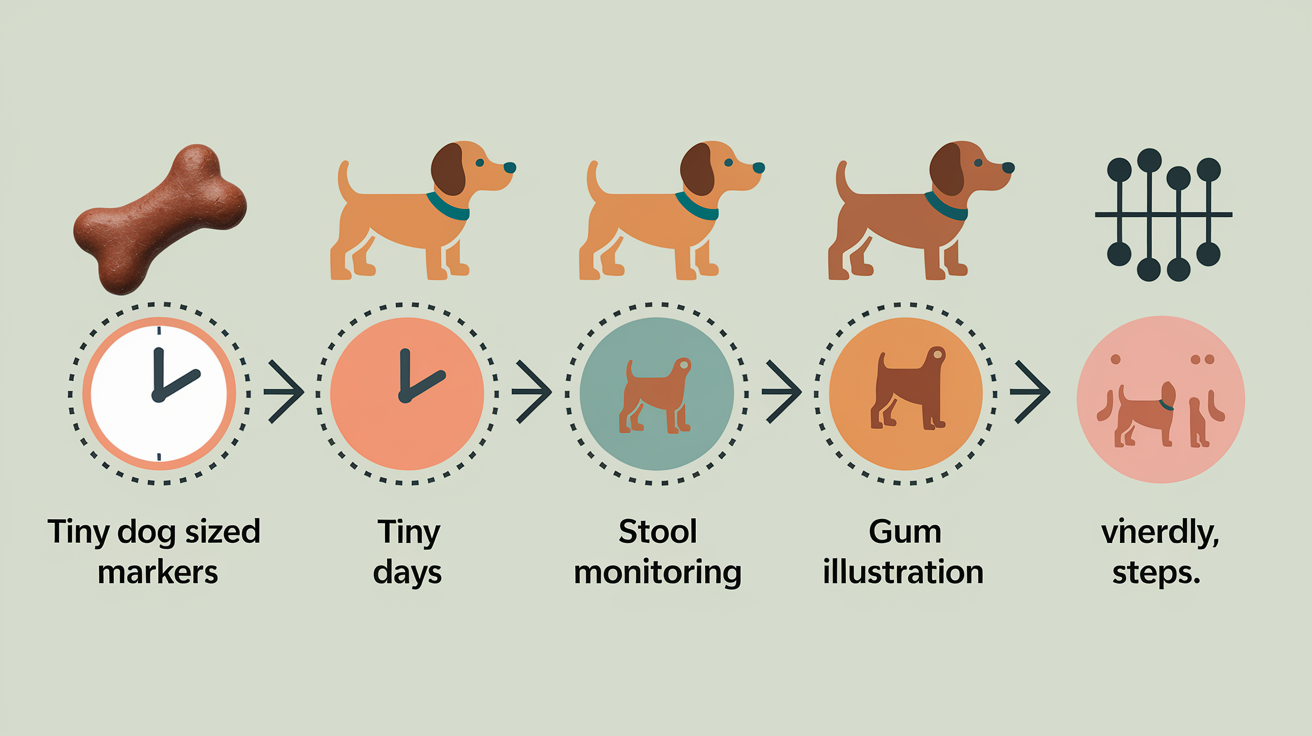
Start with micro-portions and build slowly. One or two tiny pieces on the first day lets you observe how your dog’s body responds. Watch stool consistency, appetite at mealtime, energy levels, and any signs of gum discomfort or reluctance to chew. If everything looks normal after three to five days, you can increase the frequency or size of the treat. For dogs with known digestive sensitivity, extend the introduction period to a full week and keep portions very small.
Follow this step-by-step introduction protocol:
- Start with micro-portions: offer just one or two pea-sized pieces on day one.
- Increase gradually over 3 to 7 days: add one additional small piece every couple of days if no issues appear.
- Monitor stool shape, appetite, and energy: normal stool, consistent eating, and typical activity indicate tolerance.
- Watch for gum discomfort indicators: hesitation, dropping treats, or avoiding chewing suggests the texture may still be too firm.
- Pause if GI upset occurs: stop the new treat immediately and return to familiar foods until symptoms resolve, then consult your veterinarian if issues persist.
Safety Guidelines for Soft Chews for Frail or Very Small (<10 lb) Seniors
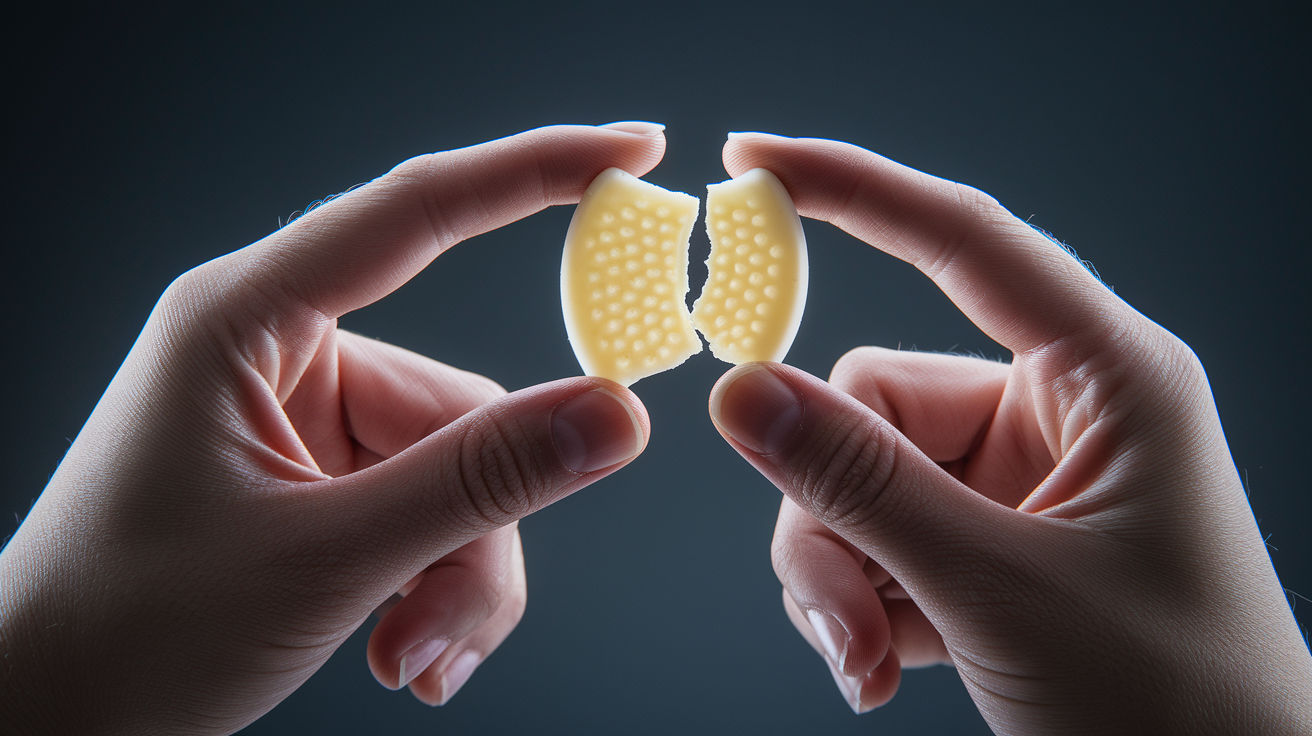
Even soft chews require supervision and common-sense safety practices when given to frail or very small senior dogs. The finger-break test is a simple at-home assessment. If you can snap or crumble a treat with moderate finger pressure, it’s likely gentle enough for a senior toy breed’s mouth. If the treat feels hard, dense, or resists breaking, it may pose a fracture or choking risk and should be avoided or replaced with a softer option.
As your dog chews, pieces will detach or soften. Remove the chew once it becomes small enough to swallow whole or when large fragments break off. Puffed lung and liver chews dissolve quickly and reduce this risk, but even these should be monitored. Collagen sticks, sweet potato slices, and other longer-lasting chews should be taken away when they reach a size that fits entirely in your dog’s mouth. This prevents accidental swallowing and potential airway obstruction.
Signs that a treat is too tough or too large include hesitation before biting, dropping the treat repeatedly, walking away without interest, or visible discomfort while chewing. If your senior toy breed’s gums bleed, or if you notice cracked or loose teeth after offering a chew, the texture was too hard. Switch to an airier, softer, or lickable option immediately and consult your veterinarian about your dog’s dental health.
Storage, Freshness, and Packaging Tips for Moist Soft Chews
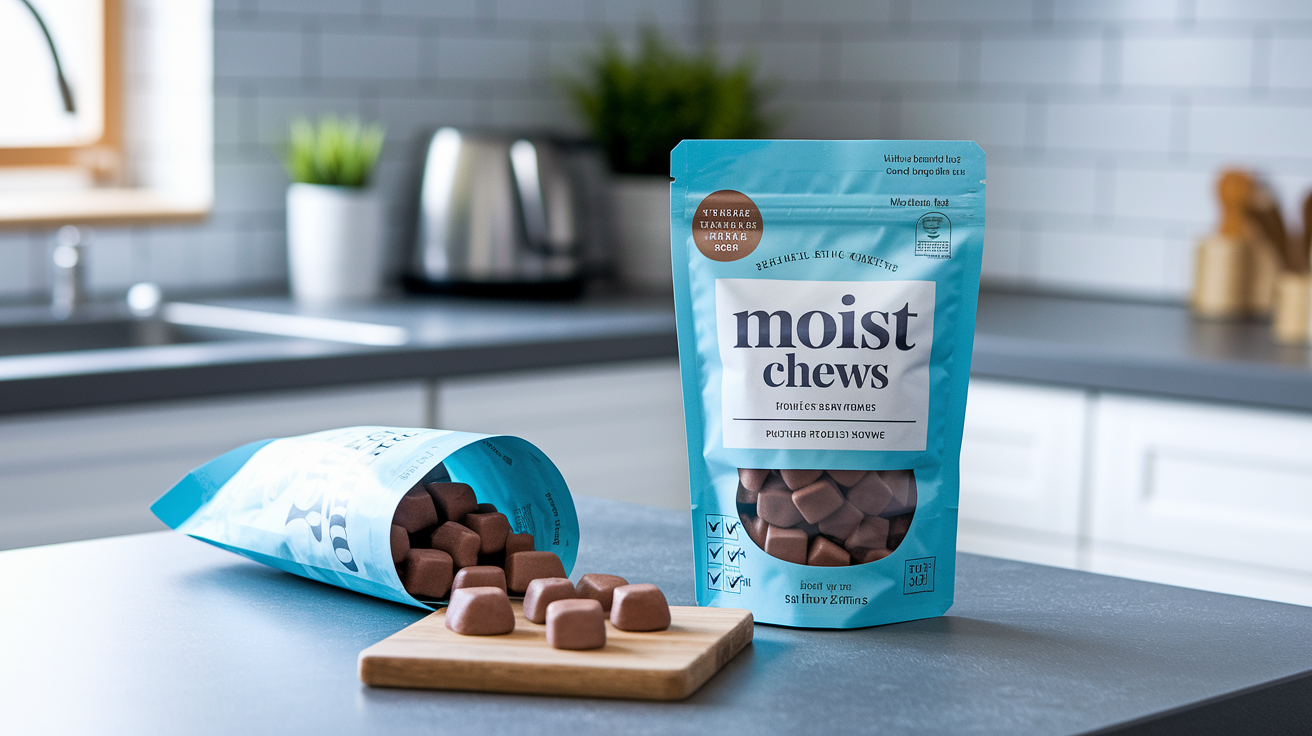
Soft chews with higher moisture content or natural preservatives need more careful storage than shelf-stable hard biscuits. Reseal pouches tightly after every use to prevent air exposure, which can dry out soft treats or introduce mold. Many natural chews lack artificial preservatives, relying instead on mixed tocopherols or rosemary extract. While these natural options are safer for sensitive seniors, they shorten shelf life and demand vigilant freshness checks.
Inspect treats regularly for mold, discoloration, off smells, or texture changes. Soft chews that feel slimy, sticky, or unusually hard have likely spoiled and should be discarded. Store opened packages in a cool, dry location away from direct sunlight and humidity. A sealed container inside a pantry works well. Refrigeration can extend freshness for particularly moist treats, but always return them to room temperature before serving to preserve palatability and texture.
Freshness tips for moist soft chews:
- Reseal pouches after each use with clips or built-in zippers to lock out air and moisture.
- Check for mold or spoilage before every feeding, especially in warm or humid environments.
- Store in a cool, dry location away from heat sources and sunlight.
- Use treats by the expiration date printed on the package; natural preservatives don’t extend shelf life as long as synthetic ones.
Final Words
Pick ultra-soft, tiny treats that dissolve quickly and give joint and brain support. Choose moisture-rich, breakable textures, low calories, and clear ingredient lists.
Introduce new treats slowly. Start tiny, watch stool and gum comfort, and keep portions small for training. Supervise chewing and store treats in sealed pouches.
Go with joint-support or single-ingredient options when needed. soft chew treats suitable for senior toy breeds keep your little dog safe and happy, and they make reward time feel like care.
FAQ
Q: What dog treats are good for senior dogs / What can senior dogs chew on / What soft foods are good for elderly dogs?
A: Treats and soft foods good for senior dogs are ultra-soft, moisture-rich, single-ingredient options, tiny bite-size pieces like puffed lung or liver, soft collagen that softens, steamed sweet potato, or moist toppers for sensitive tummies.
Q: Why is my old dog waking up in the middle of the night?
A: An old dog waking up in the middle of the night is often due to pain, arthritis, needing to urinate, cognitive changes, anxiety, or medication side effects. Check with your vet and tweak the nighttime routine.