
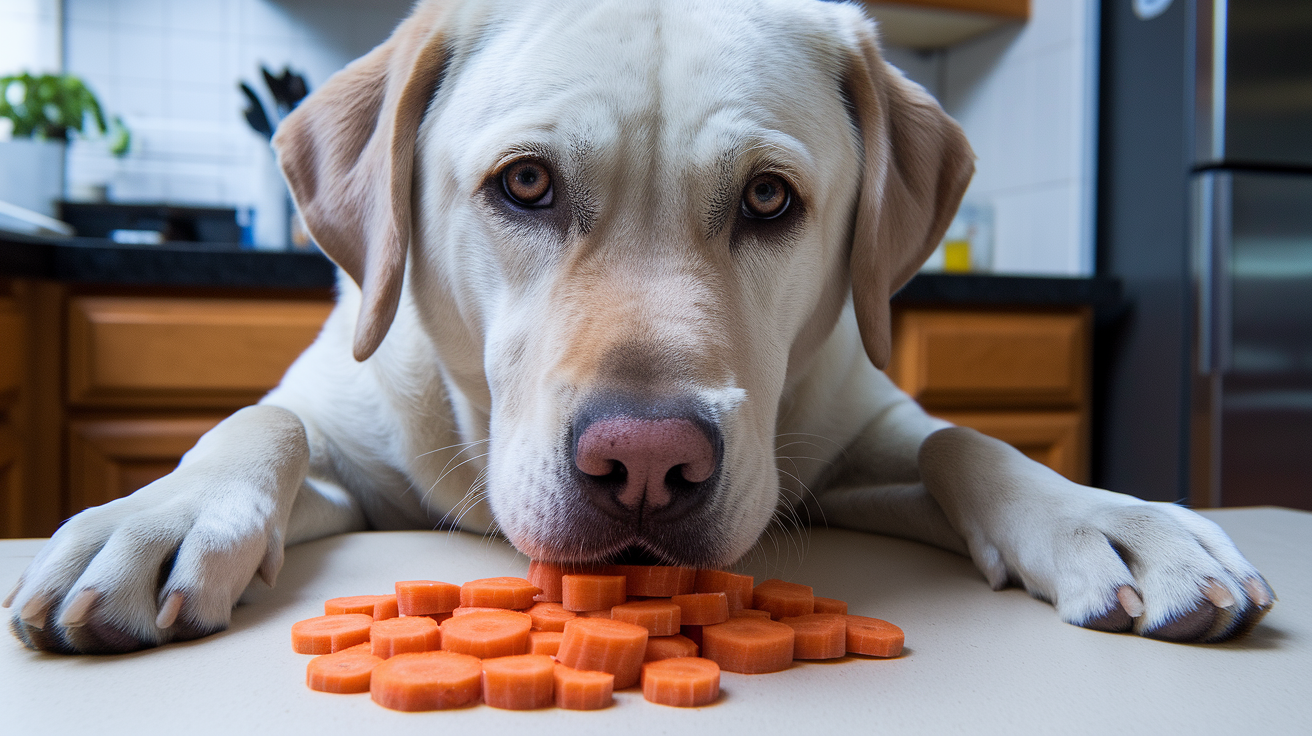
Think treats are the enemy of weight loss? Think again. For overweight Labrador retrievers, tiny whole foods and portion-controlled bites let you reward great behavior without wrecking a vet-approved feeding plan. This post shares easy low-calorie options, simple homemade recipes, and vet-friendly rules so you can train, soothe post-walk zoomies, and celebrate small wins. Stick to these choices and your Lab will get plenty of praise and still lose the extra pounds.
Top Low‑Calorie Treat Options for Overweight Labrador Retrievers
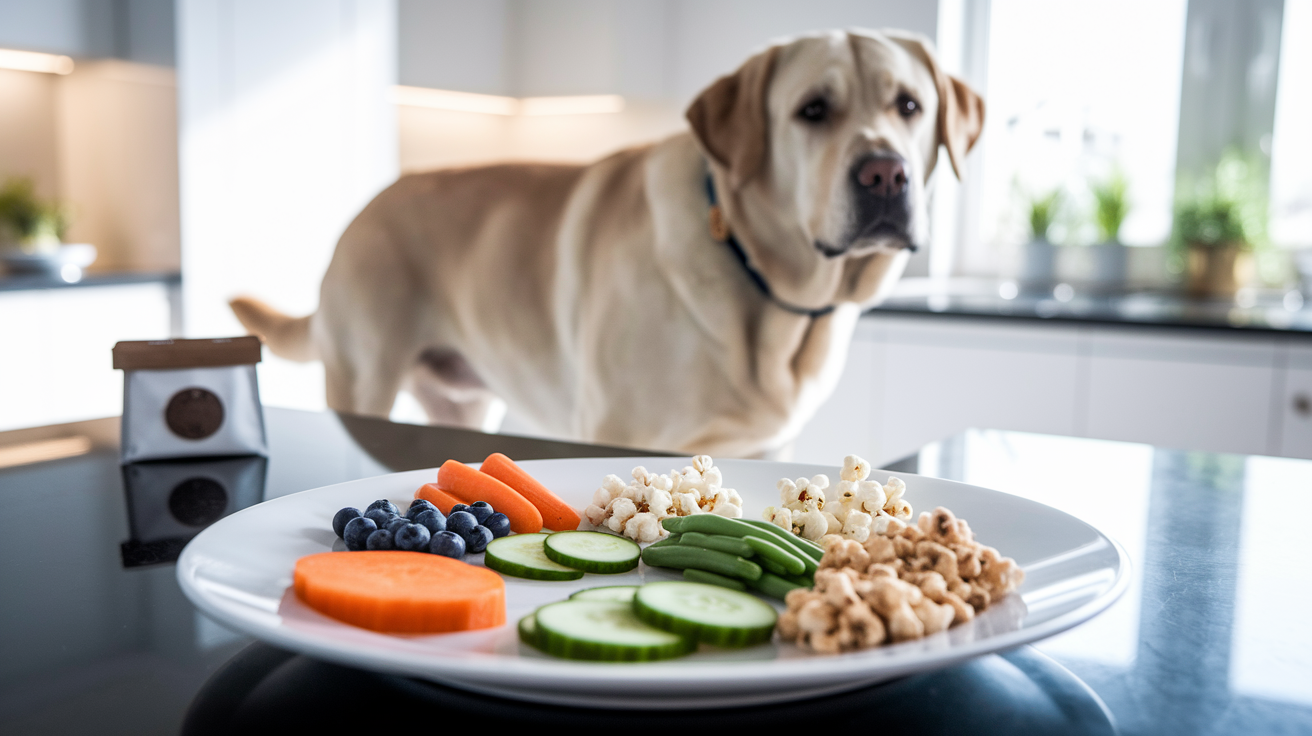
When your Lab’s carrying extra pounds, every calorie actually matters. One high-calorie biscuit can undo all that careful meal portioning you’ve been doing. But here’s the good part: tons of whole-food treats pack serious flavor for just 1–10 calories per piece. You can reward your dog all day without wrecking the weight loss plan.
For a 60–80 lb overweight Labrador, you’ll want to keep total daily treat calories somewhere under 50–100 calories. Your vet’s feeding plan should nail down the exact number. That means grabbing treats that come in at 5 calories or less per piece so you can use them during training walks, doorbell practice, or that happy moment when your dog sits patiently by the door. Small stuff, crunchy stuff, or frozen stuff works best because it takes time to chew. Makes a low-calorie reward feel more satisfying.
Here are eight proven low-calorie treats that fit into a weight management routine:
- Baby carrots – About 4 calories each. Crunchy, naturally sweet, easy to stash in a treat pouch.
- Raw green beans – Roughly 1 calorie per bean. Crisp texture, high water content, perfect for frequent rewards.
- Blueberries – Just 1 calorie per berry. Antioxidant rich and naturally bite sized for training.
- Apple slices (seeds removed) – About 5–7 calories per thin slice. Crisp and refreshing.
- Cucumber rounds – Around 1–2 calories per slice. Hydrating and mild in flavor.
- Air-popped popcorn (plain, no salt or butter) – 1–2 calories per piece. Light and fun for scatter games.
- Plain cooked chicken breast cubes (1/4 oz pieces) – Approximately 7–8 calories per tiny cube. High protein and highly motivating.
- Freeze-dried single ingredient fish or chicken bits – Typically 3–5 calories per small piece. Strong aroma, easy to break into smaller rewards.
These options let you celebrate every small win, whether it’s a calm sit before the leash goes on or a perfect recall at the park, without adding the calorie load of traditional biscuits.
Homemade Low‑Calorie Treat Recipes for Labs
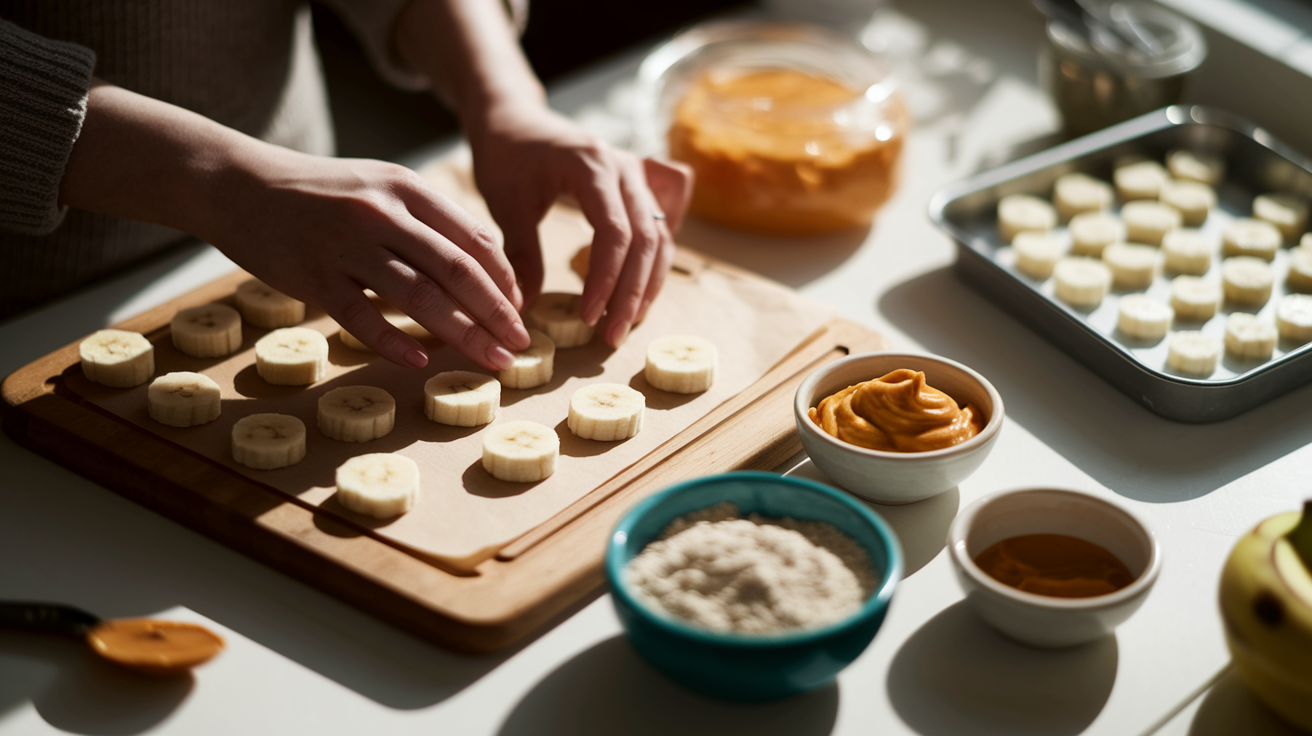
Making treats at home gives you full control over ingredients and portion size. These three recipes use pantry staples, require minimal prep, and deliver rewards that come in well under 20 calories per piece. Freeze extras in a single layer on parchment, then store in a sealed container for up to two weeks in the freezer.
Frozen Banana Bites are simple, naturally sweet, and perfect for hot weather rewards. Slice one medium banana into 1/4 inch rounds, arrange on a parchment lined tray, and freeze for at least two hours. Each round is about 10 calories. Use half rounds for smaller Labs or break into quarters during high repetition training sessions. The creamy texture keeps dogs engaged. The chill adds extra appeal on warm days.
Baked Pumpkin Cubes deliver fiber and a mild, earthy flavor. Mix 1 cup plain unsweetened canned pumpkin with 1/4 cup oat flour until you have a thick dough. Spread the mixture 1/4 inch thick on a parchment lined baking sheet, score into small squares, and bake at 350°F for 20–25 minutes until firm. Let cool completely, then break along the score lines. Each cube is roughly 5–7 calories. Store in the fridge for up to one week or freeze for longer.
Low Fat Chicken Broth Ice Treats turn hydration into a reward. Pour low sodium chicken broth (check the label for added onion or garlic and avoid those) into an ice cube tray, freeze until solid, then pop out cubes as needed. Each standard cube is about 5–10 calories depending on broth strength. Offer one cube during crate time or after a walk. The slow melt keeps your dog occupied, and the savory taste feels like a special treat without the calorie cost of a biscuit.
Vet‑Approved Commercial Low‑Calorie Treat Options

Plenty of commercial treats are designed for weight management, but not all “light” or “low fat” labels deliver truly low calories per piece. Fat contributes more than twice the calories per gram compared to protein or carbohydrates. But a treat can still be high in total calories if portion sizes are large or if fillers add extra carbohydrate density. Always check the package for calories per treat, not just per cup or per 100 grams.
Here are five vet endorsed options that consistently come in under 5 calories per piece:
- Zuke’s Mini Naturals – About 3 calories per soft training bite. Small size, strong aroma, easy to break into halves.
- Fruitables Skinny Minis – Around 2 calories each. Crunchy, portion controlled, available in multiple flavors.
- PureBites Freeze Dried Chicken – Roughly 3–5 calories per small piece. Single ingredient, no fillers, easy to crumble.
- Blue Buffalo BLUE Bits – Approximately 2–3 calories per soft mini. Made with real meat, no corn or soy.
- Wellness Soft WellBites (Minis) – About 3–5 calories each. Grain free options available, gentle on sensitive stomachs.
When evaluating any commercial treat, divide the total calories per package by the number of pieces to confirm the per treat count. A bag labeled “low fat” might still deliver 15–20 calories per biscuit if the pieces are large. Choose treats you can hold between your thumb and forefinger. The smaller the better. That way you can reward often without quickly hitting your daily treat budget.
Safe Low‑Calorie Fruits and Vegetables for Labrador Retrievers
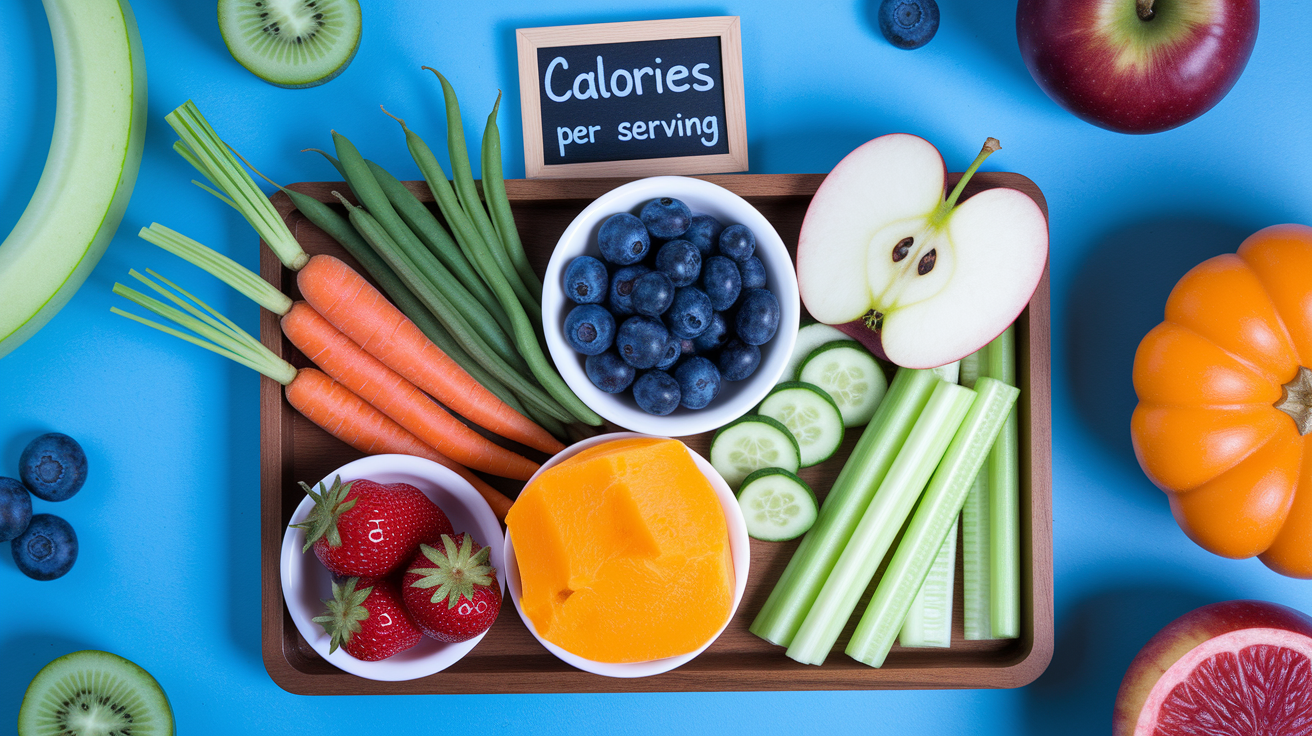
Whole fruits and vegetables make excellent low-calorie rewards because they deliver vitamins, fiber, and water with minimal calories. Most options clock in at fewer than 10 calories per serving. Their natural crunch or sweetness keeps things interesting during training. Always wash produce thoroughly, remove seeds or pits, and introduce one new food at a time to watch for any digestive sensitivity.
| Food | Calories per Serving | Portion Suggestion |
|---|---|---|
| Baby carrot | 4 calories | 1–2 whole carrots |
| Green beans (raw) | 1 calorie per bean | 3–5 beans |
| Blueberries | 1 calorie per berry | 5–10 berries |
| Apple slice (no seeds) | 5–7 calories per thin slice | 1–2 slices |
| Cucumber round | 1–2 calories per 1/4 inch slice | 3–4 slices |
| Celery stick | 6 calories per 4 inch stick | 1 stick, cut into bite sized pieces |
| Strawberry (hulled, halved) | 2 calories per half | 2–3 halves |
| Plain canned pumpkin (1 tbsp) | 7–8 calories | 1 tablespoon as a meal topper or frozen in cubes |
These whole food options let you reward generously without worry. A handful of green beans during a training walk costs fewer than 5 calories total. Leaves plenty of room in your dog’s daily budget for meal portions and the occasional higher value reward when you really need focus.
Ingredients and Treat Types to Avoid
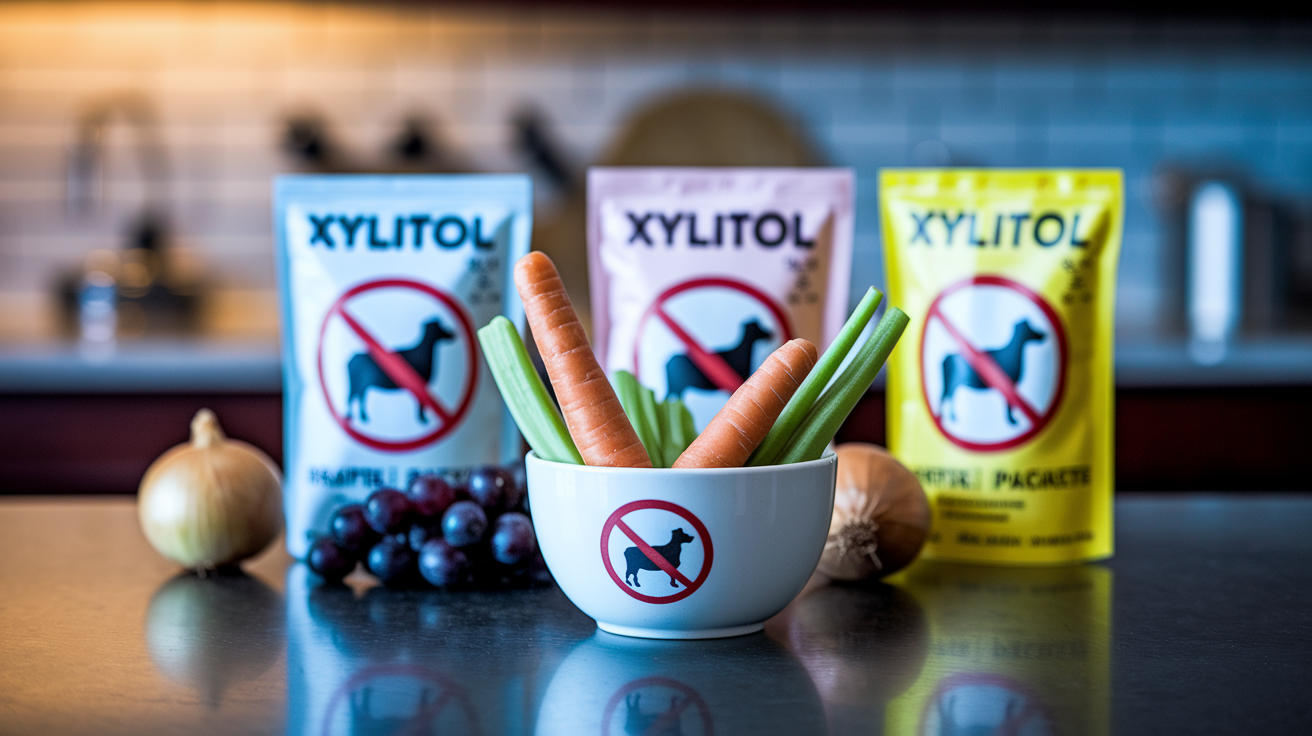
Certain ingredients and treat formats can sabotage weight loss efforts even when portion sizes look small. High fat additions, hidden sugars, and calorie dense fillers add up quickly. Some ingredients pose direct health risks. Avoiding these keeps treat time safe and keeps your Labrador on track.
Steer clear of any treat containing xylitol. It’s a sugar substitute that’s toxic to dogs even in tiny amounts. Check labels on peanut butter, baked goods, and “sugar free” products. Added sugars including honey, molasses, cane sugar, and corn syrup contribute empty calories. They can encourage picky eating when dogs start holding out for sweeter rewards. High fat cheese and processed meats like salami or bacon deliver big flavor but pack 50–100 calories per small piece. That makes them a poor fit for weight management.
Other ingredients to avoid include:
- Peanut butter with added oils or sugars – Plain peanut butter alone is about 95 calories per tablespoon. Versions with palm oil or sweeteners push that higher.
- Baked biscuits and cookies – Most commercial or homemade dog cookies deliver 20–50 calories per piece due to flour, fat, and sugar.
- Calorie dense jerky treats – Thick, chewy jerky strips often contain 30–60 calories per piece.
- Table scraps with butter, oil, or sauces – Even a small spoonful of leftovers can add 50+ hidden calories.
- Fruit with pits or seeds – Cherries, peaches, and apples with seeds pose choking and toxicity risks.
- Grapes and raisins – Toxic to dogs. Avoid entirely.
- Onions, garlic, and chives – Found in many seasoned human foods. Can damage red blood cells over time.
Reading ingredient lists and nutrition panels takes an extra minute. But it prevents accidental overfeeding and keeps your dog safe from harmful additives.
Practical Treat‑Feeding Guidelines for Weight Management
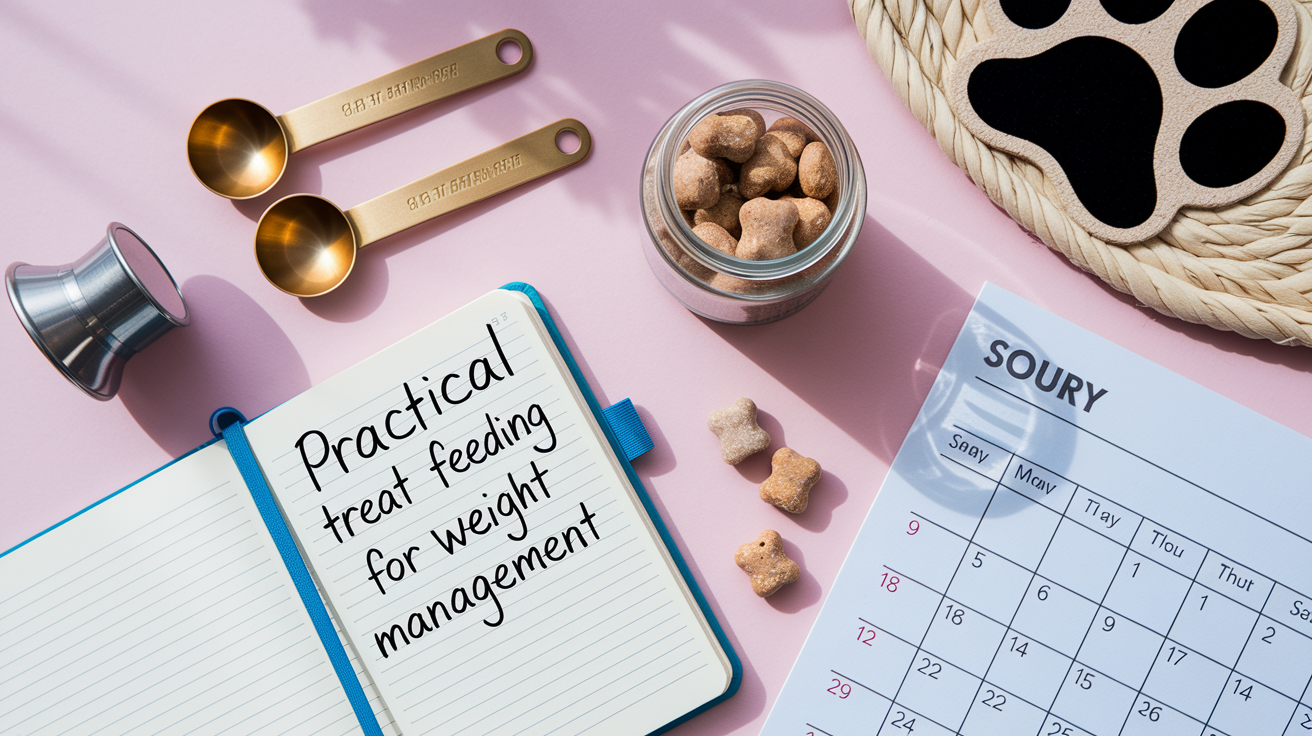
Treats should make up no more than 10 percent of your dog’s total daily calories. For focused weight loss many vets recommend aiming closer to 5 percent. An overweight Labrador typically needs between 900 and 1,200 calories per day depending on current weight, activity level, and weight loss goals. Your vet will calculate the exact target. If your dog is on a 1,000 calorie per day plan, that leaves just 50–100 calories for treats when you follow the 5–10 percent guideline.
Strategic use of treats during training sessions helps reinforce good behavior while keeping calorie intake in check. Use the smallest effective reward. One baby carrot or a thumbnail sized piece of chicken. Deliver it immediately after the desired behavior. Frequent small rewards build stronger habits than fewer large treats. They let you stretch your daily treat budget across multiple training moments: morning sit-stays, afternoon recall practice, evening settle cues.
Here are five practical guidelines to make treat feeding work within a weight management plan:
- Measure and pre-portion daily treats each morning. Put your dog’s entire treat allowance, whether it’s 10 baby carrots or 15 Zuke’s Minis, into a small container so you can see exactly how much remains as the day goes on.
- Use part of the daily kibble ration as training rewards. Set aside a handful of kibble from breakfast and use those pieces during walks or practice sessions. Then reduce the meal portion by the same amount.
- Choose high value, low calorie options for challenging behaviors. Save freeze dried chicken or tiny cubes of cooked meat for recall training or vet visit calm. Use green beans or carrots for easier tasks like sit or down.
- Break larger treats into multiple pieces. A single soft training bite can become two or three rewards. Triples your reinforcement opportunities without adding calories.
- Track treat calories for two weeks. Write down every treat your dog receives, calculate the daily total, and compare it to your target. This quick audit reveals hidden extras, like that piece of cheese someone gave at the door, and helps the whole household stay consistent.
Consistency matters more than perfection. Small daily choices, swapping a biscuit for a carrot, breaking one treat into three pieces, using kibble during a training walk, add up to meaningful progress when repeated over weeks and months.
Final Words
in the action we covered top low-calorie options with exact calorie ranges and portion tips, three simple homemade recipes with per-piece counts, vet-approved commercial picks, safe fruits and veggies, ingredients to avoid, and clear feeding guidelines.
Use tiny rewards during training, swap in carrot slices or green beans, and keep treats under 10% of daily calories for overweight Labs. Portion examples for a 60–80 lb Labrador were included so you can start today.
With low calorie treats for overweight labrador retrievers and a steady routine, you’ll help your Lab slim down and keep treat time joyful.
FAQ
Q: What treats can you give an overweight dog and which are the lowest calorie options?
A: The treats you can give an overweight dog are low-calorie, single-ingredient snacks. Try carrot slices, green beans, apple bits, air-popped popcorn, or single-ingredient freeze-dried proteins. These are about 1 to 10 calories per piece.
Q: What should you feed a Labrador to lose weight and what treats are good for Labradors?
A: To help a Labrador lose weight, feed portion-controlled meals and use low-calorie treats like carrot slices, green beans, apple bits, or freeze-dried protein. Keep treats under 10% of daily calories (about 90–120 calories).