
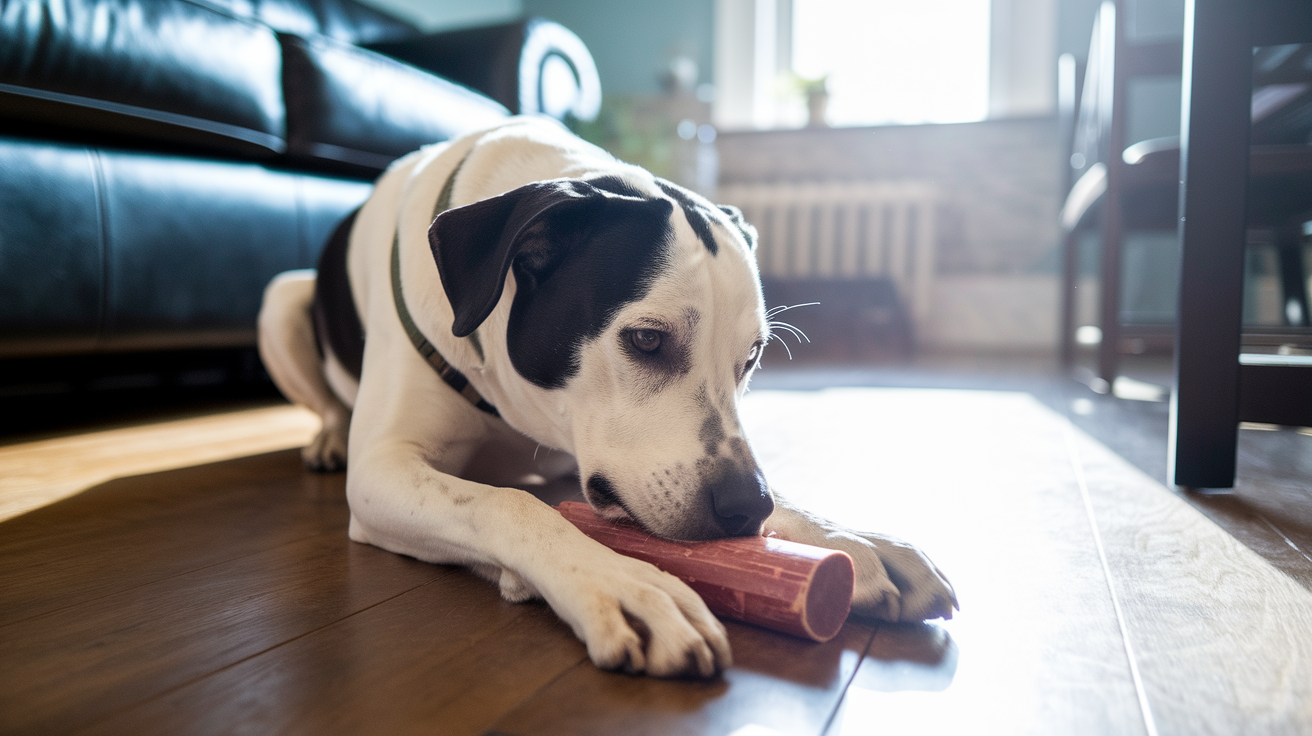
Think your power chewer has to pick between a chew that lasts and a tummy that stays calm?
Too many owners watch a bully stick disappear in minutes and then deal with gurgling, gas, or soft stool, so you’re not alone and we dug into chews that survive serious gnawing but are easy on digestion.
This post shows the best long-lasting, single-ingredient chews, like bully sticks, braided bully sticks, beef paddywack, certain antlers, and sweet potato options, plus sizing and safety tips so your dog enjoys solid chew time without upsetting their stomach.
Choosing Durable, Gentle-on-Stomach Chews for Power Chewers
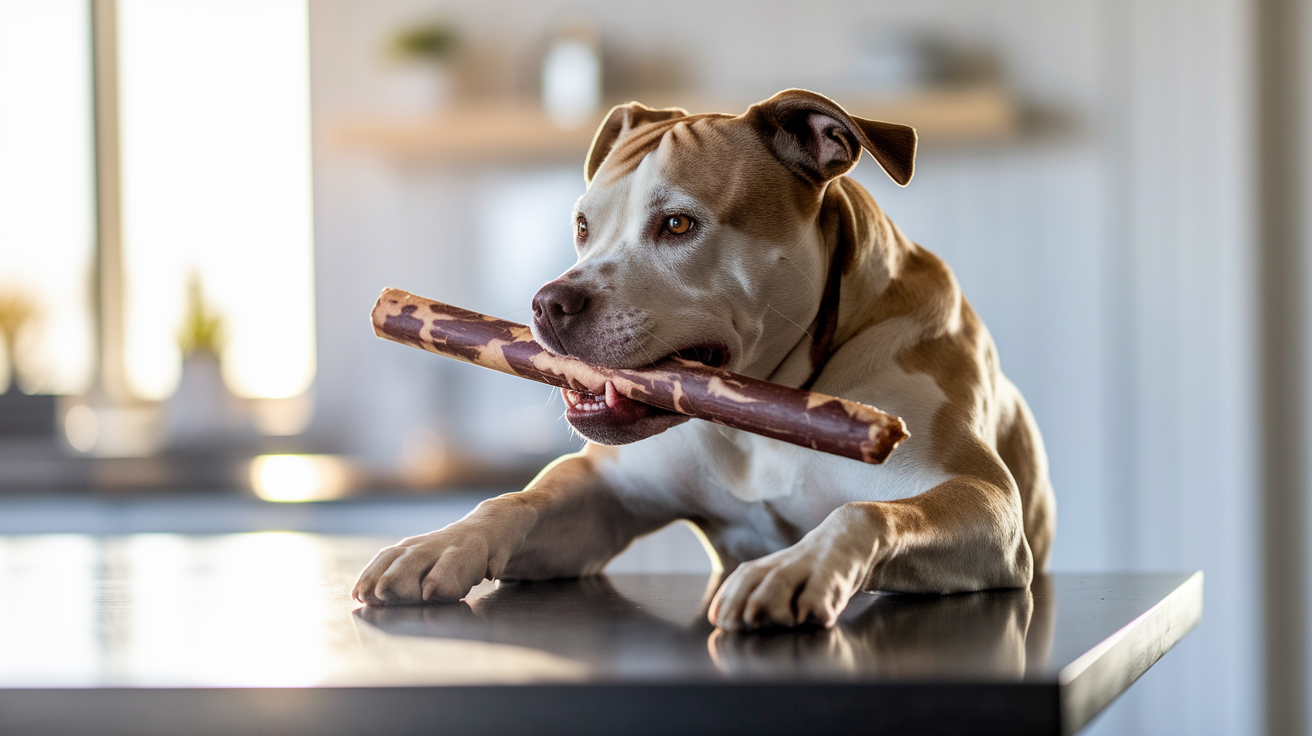
Your dog demolishes a rawhide in ten minutes flat, then spends the next few hours with a gurgling stomach. Sound familiar? Power chewers with sensitive digestion don’t have to pick between something that lasts and something that won’t wreck their gut.
The best long-lasting chews for aggressive chewers with sensitive stomachs do three things well. They survive serious gnawing. They’re made from single-ingredient proteins or naturally digestible stuff. And they break down without causing gas, vomiting, or soft stool. Bully sticks, braided bully sticks, beef paddywack, and certain antlers check those boxes because they meet the 10-minute durability test while staying gentle on digestion. Rawhide might last, cooked bones too, but they splinter or sit like concrete in your dog’s stomach. Two deal-breakers.
When you’re shopping, you want durable dog chews for power chewers that also fit the gentle-on-stomach category. That means:
Bully sticks. 100% beef, highly digestible, moderate to long-lasting depending on thickness.
Braided bully sticks. Three beef pizzle strands twisted together for extra durability without adding ingredients.
Beef paddywack. Pure tendon, chewy and lasting, no artificial additives.
Antlers. Elk or deer, extremely hard and mineral-rich. Monitor closely for tooth safety.
Sweet potato slices. Fibrous and gentle, shorter lifespan but stomach-soothing.
Beef gullet sticks. Dehydrated trachea, less dense than bully sticks, easier on mild sensitivities.
Size matters as much as ingredient quality. A 6-inch bully stick works for a medium power chewer. Large breeds do better with 11 to 12 inch options to prevent accidental swallowing. Always supervise the first session with any new chew, and plan for 20 to 30 minutes of gnaw time, a few times per week, to avoid overuse.
Ingredient Qualities That Make Long-Lasting Chews Stomach-Friendly
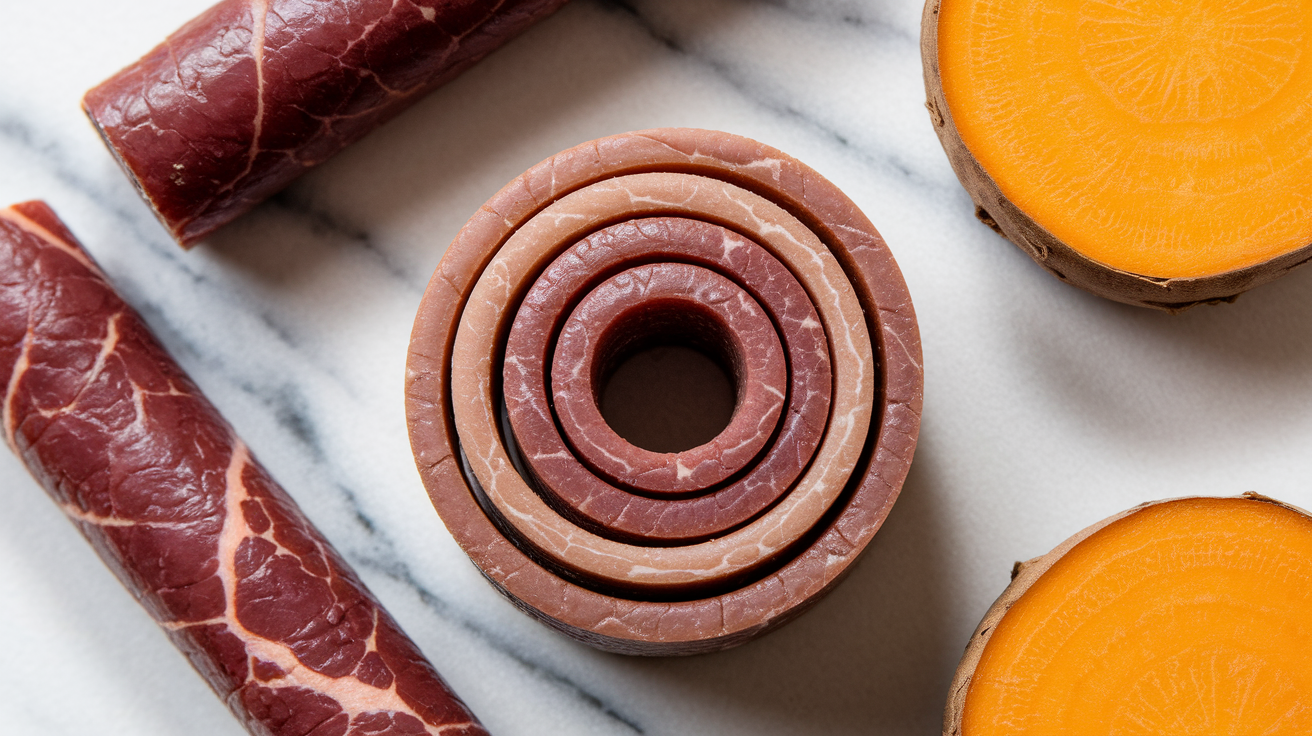
Your dog’s stomach doesn’t care how tough a chew is if the ingredient list reads like a chemistry experiment. Limited-ingredient tough chews win because they remove the guesswork and the common triggers. Fillers, fat coatings, artificial flavors, and preservatives that cause upset even in dogs without diagnosed sensitivities.
Single-ingredient chews like 100% beef bully sticks, beef tendon paddywack, and plain sweet potato offer the cleanest path to safe chewing. They’re naturally low in fat, free from grain or soy, and they digest predictably. When you’re decoding a chew ingredient label, here’s what to prioritize:
One ingredient only. Beef pizzle, beef tendon, sweet potato, or a single protein source.
No added fat or grease. Coatings can trigger pancreatic irritation and loose stool.
Free from artificial flavoring. Dogs don’t need it, and sensitive stomachs reject it.
No preservatives or chemical treatments. Especially important if your dog reacts to additives.
Grain-free if your dog is intolerant. Hypoallergenic long-lasting chews skip wheat, corn, and soy entirely.
If the package lists more than two or three ingredients, or if words like “digest,” “flavor,” or “smoke” appear without a natural qualifier, put it back. Your power chewer needs fuel for their jaw, not a recipe for an upset night.
Comparing the Most Durable, Sensitive-Stomach-Friendly Chew Types
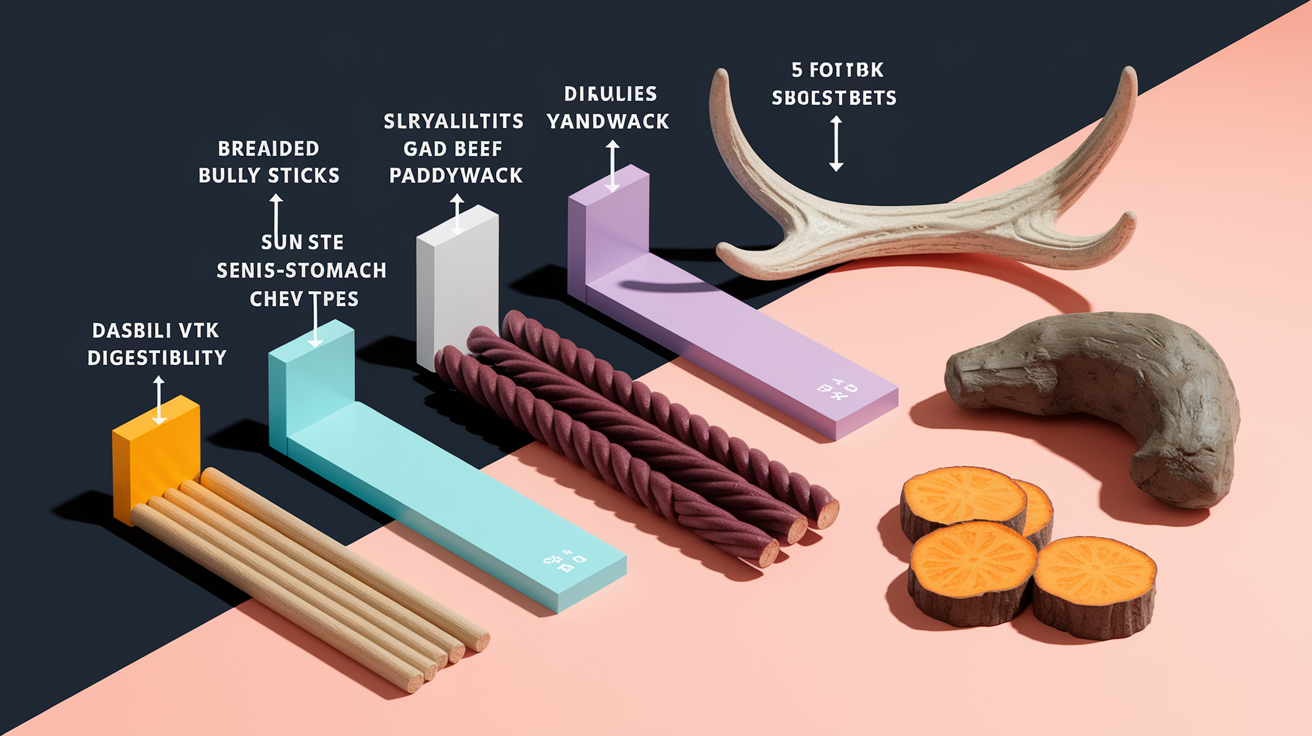
Not all tough chews treat digestion the same way. Here’s how the top options stack up when you need both strength and stomach safety.
| Type | Durability Level | Digestibility Level | Stomach Suitability Notes | Safety Considerations |
|---|---|---|---|---|
| Bully Sticks | Medium to High | High | Single-ingredient beef; easy on sensitive stomachs; higher in calories so portion carefully. | Odor can be strong; supervise to avoid choking on small end pieces. |
| Braided Bully Sticks | High | High | Three beef pizzle strands braided; same digestibility as regular bully sticks with longer chew time. | Monitor as braid loosens; replace when pieces start separating. |
| Beef Paddywack | High | High | Pure tendon; low-fat, collagen-rich, naturally gentle; good for dogs with fat sensitivities. | Can be tough for very young puppies; supervise and size appropriately. |
| Antlers (Elk/Deer) | Very High | Low (indigestible) | Mineral-rich, odorless, extremely long-lasting; hardness can be too much for sensitive teeth or jaws. | Risk of tooth fractures; not for puppies, seniors, or dogs with dental issues; always full, not split. |
| Yak Milk Chews | High | Medium | Low-fat, high-protein, easier than rawhide; very dense and can upset some dogs if eaten too fast. | Too hard for puppies and seniors; supervise for large chunks breaking off. |
| Sweet Potato Slices | Low to Medium | Very High | High fiber, soothing; gentle scraping action for teeth; shorter lifespan for aggressive chewers. | Safe for most dogs; monitor for choking if pieces break into small bits. |
Bully sticks and paddywack are your best all-around picks for aggressive chewers with truly sensitive stomachs. Antlers work if your dog has an iron jaw and zero digestive issues, but they’re risky for teeth. Yak chews and sweet potato fill different niches. Yak for the dog who can handle density, sweet potato for the dog who needs maximum gentleness even if it means replacing chews more often.
Safety Guidelines for Tough Yet Digestible Dog Chews

A chew is only as safe as the time you spend watching your dog use it. Supervision isn’t optional when you’re balancing power-chewer strength with stomach sensitivity.
Plan for 20 to 30 minutes per chew session, a few times per week. Longer sessions increase the risk of overuse. Jaw fatigue, stomach overload from too much protein at once, or accidental swallowing of a piece that’s shrunk below safe size. When the chew becomes small enough to fit entirely in your dog’s mouth, it’s time to toss it and start fresh.
Inspect every chew before you hand it over and again halfway through the session. Look for cracks, sharp edges, or pieces starting to splinter. Damage doesn’t always mean the chew was bad. It means your dog’s doing their job and you need to rotate in a new one.
Safe chew supervision best practices include:
Match chew length and thickness to your dog’s breed and jaw size. 6-inch chews for medium dogs, 11 to 12 inch for large breeds.
Replace damaged or undersized chews immediately to prevent choking hazard.
Keep sessions short and predictable so your dog doesn’t guard or gulp.
Avoid extremely hard chews (like antlers or weight-bearing bones) for puppies, seniors, or any dog with a history of dental fractures.
Rotate chew types every few days to maintain interest and reduce wear on teeth and gums.
If your dog has sensitive digestion, add one more step. Watch their stool and energy for 24 hours after introducing any new chew. A gentle chew for one dog can still trigger gas or soft stool in another.
Sizing Durable Chews for Power Chewers With Sensitive Stomachs
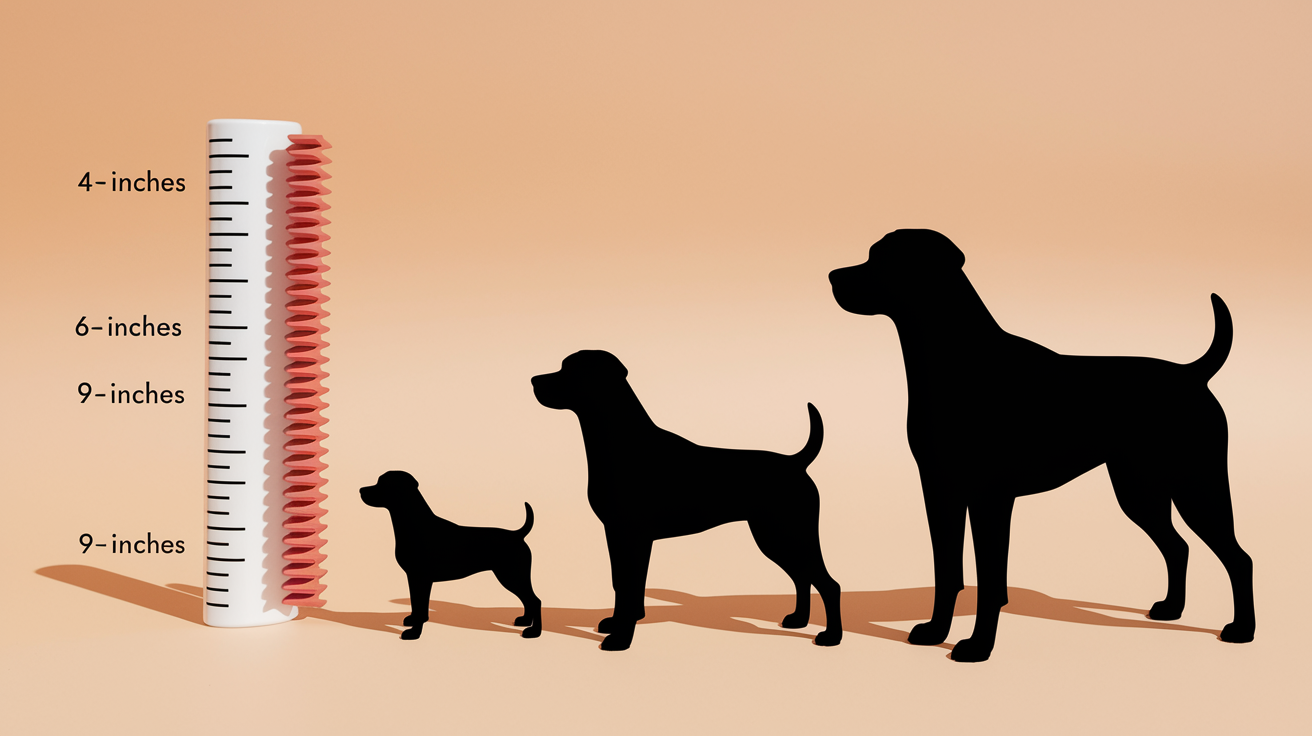
The wrong size turns a safe chew into a choking risk or a digestive upset waiting to happen. Your best chew size for large breeds isn’t the same as what works for a compact power chewer, even if both dogs destroy toys at the same speed.
Start with this rule. The chew should be longer than your dog’s muzzle and thick enough that they can’t fit the whole thing in their mouth at once. A 6-inch bully stick suits a beagle or cocker spaniel who chews hard. A mastiff or German shepherd needs an 11 to 12 inch option. If your dog can swallow it whole or break off chunks bigger than a marble, go up a size.
Breed-weight chew selection principles:
Small power chewers (under 25 lbs). 4 to 6 inch chews. Opt for thinner bully sticks or small paddywack pieces to avoid jaw strain.
Medium aggressive chewers (25 to 50 lbs). 6 to 9 inch chews. Standard-thickness bully sticks and braided options work well.
Large power chewers (50 to 80 lbs). 9 to 12 inch chews. Choose braided bully sticks, thick paddywack, or full-size antlers if teeth are healthy.
Giant breeds (80+ lbs). 12 inch-plus chews. Jumbo braided bully sticks and whole antlers provide the durability and size needed to keep sessions safe.
When in doubt, buy one size up. A chew that’s slightly too large is safer and lasts longer than one your dog can finish, or swallow, in five minutes.
Products and Materials to Avoid When Selecting Tough Chews
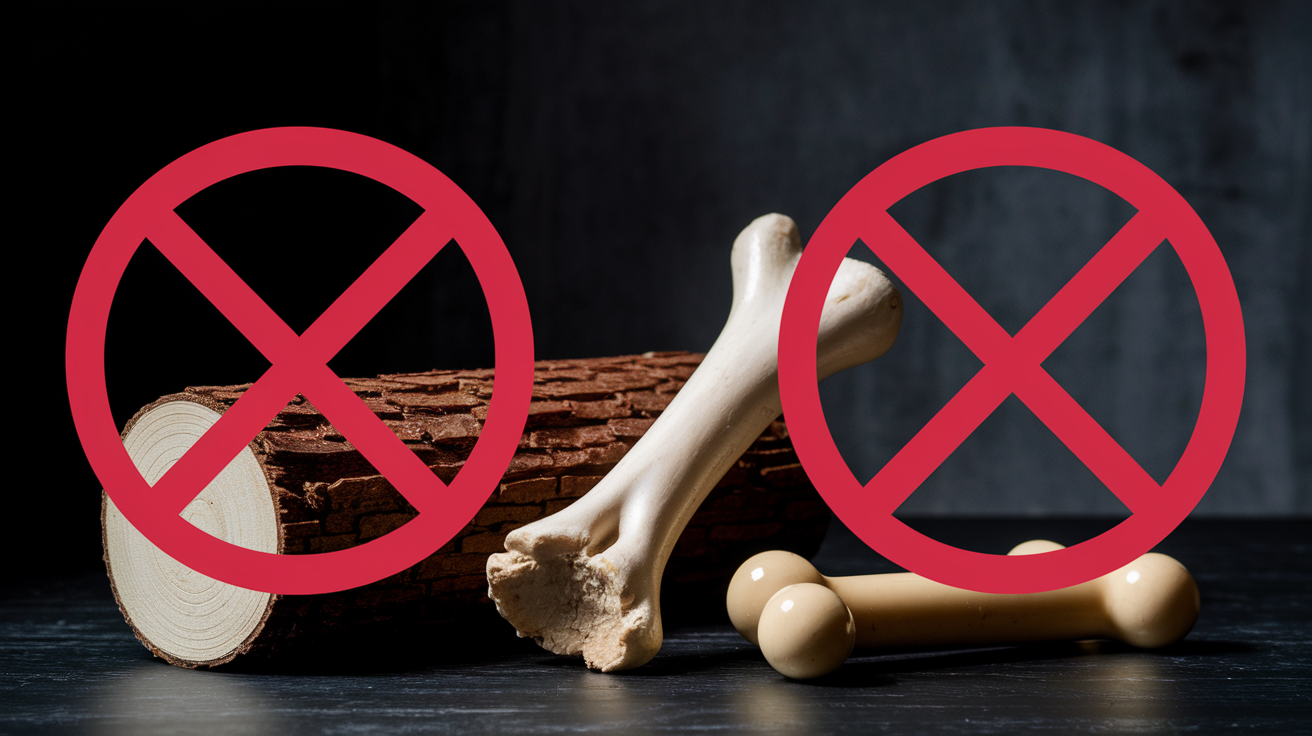
Some chews look durable on the shelf but wreak havoc in your dog’s gut or pose serious safety risks. Knowing what to skip saves you vet bills and late-night stomach trouble.
Rawhide tops the avoid list for sensitive stomachs. It’s chemically treated, hard to digest, and can swell or block the intestines if your dog swallows a large piece. Even “digestible” rawhide alternatives often contain binders or flavorings that upset sensitive dogs. Cooked bones, chicken, beef, pork, any kind, splinter into sharp fragments that can puncture the digestive tract. They might seem natural, but cooking changes the bone structure in dangerous ways.
Cheap plastic or nylon “indestructible” chews can break into hard, sharp shards. Some dogs tolerate high-quality rubber toys, but low-grade synthetics and brightly dyed products often contain chemicals that trigger allergic reactions or gastrointestinal upset.
Materials to avoid and why:
Rawhide. Chemically processed, low digestibility, high obstruction risk, not suitable for sensitive stomachs.
Cooked bones. Splinter easily, can cause internal injury, zero digestibility advantage over safer options.
Cheap plastic or low-grade nylon chews. Break into sharp pieces, may contain toxins, can cause choking or blockages.
Extremely fatty chews. Marrow bones, pork skin twists, and fat-coated treats often trigger vomiting, diarrhea, or pancreatitis in sensitive dogs.
Chews with artificial flavoring or preservatives. Common culprits for gas, loose stool, and allergic reactions.
Stick with single-ingredient, naturally processed chews. If the label doesn’t clearly state what the chew is made from, or if it lists smoke flavor, digest, or chemical preservatives, put it back.
How to Introduce New Long-Lasting Chews to Sensitive Dogs
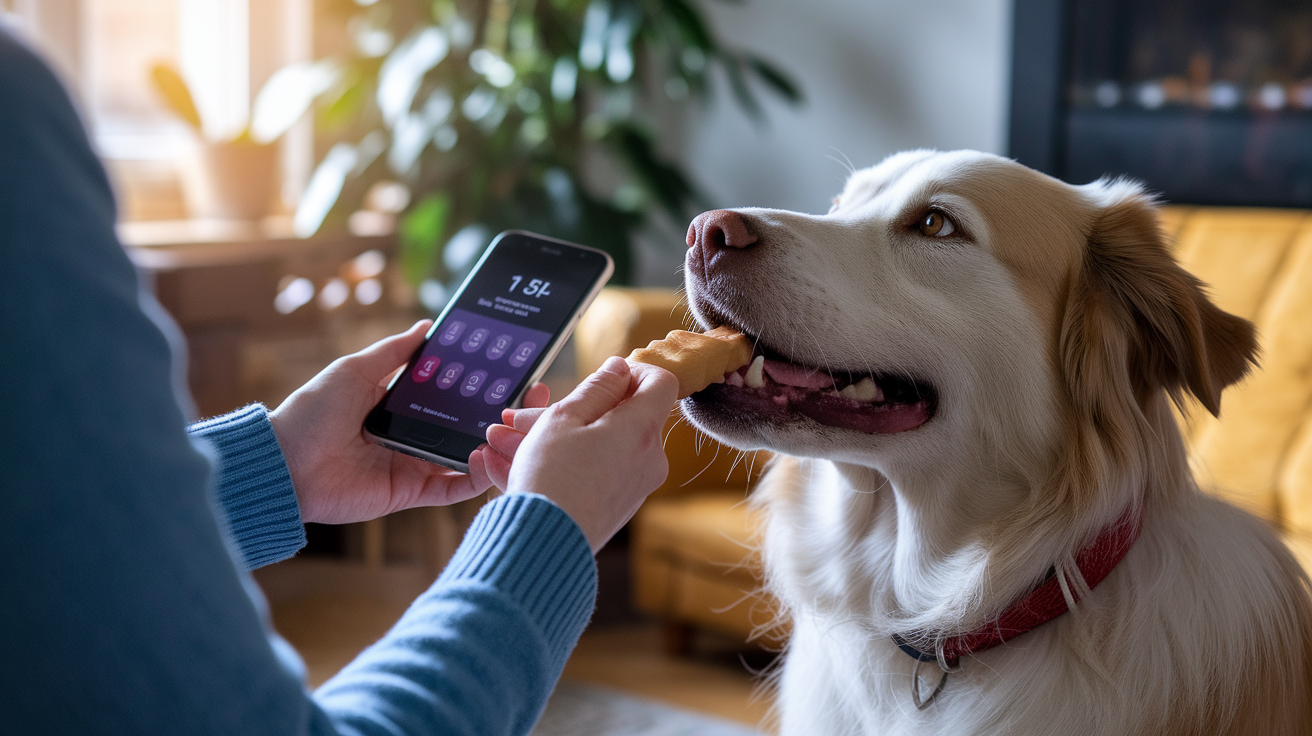
Your dog’s stomach needs time to adjust to any new protein or texture, even if the chew is gentle by design. A slow, supervised introduction prevents upset and helps you spot intolerance early.
Start with a short session, 10 to 15 minutes, and watch for signs of food intolerance from chews over the next 24 hours. Vomiting, soft stool, excessive gas, or sudden lethargy all signal that this chew isn’t a good fit. If everything stays normal, you can extend sessions to the full 20 to 30 minutes and add the chew to your regular rotation.
Safe transition steps:
Offer the new chew after a light meal. A partly full stomach reduces the chance of gulping or overloading on protein.
Supervise the entire first session. Watch for aggressive biting, chunk-breaking, or any sign your dog is struggling with the texture or hardness.
Monitor stool for 24 hours. Firm, normal stool means the chew is digesting well. Soft or loose stool means scale back or try a different option.
Limit the first chew to 10 to 15 minutes. Even highly digestible chews can overwhelm a sensitive stomach if introduced in a long session.
Wait 48 hours before repeating. This gap lets you confirm the chew didn’t cause delayed upset and gives your dog’s system time to process it fully.
If your dog has a history of food allergies or gastrointestinal issues, check with your vet before introducing chews made from a new protein source. A beef-based bully stick is safe for most dogs, but a dog with a beef intolerance needs an alternative like sweet potato or a novel protein option.
Chew Options That Balance Longevity and Gentleness
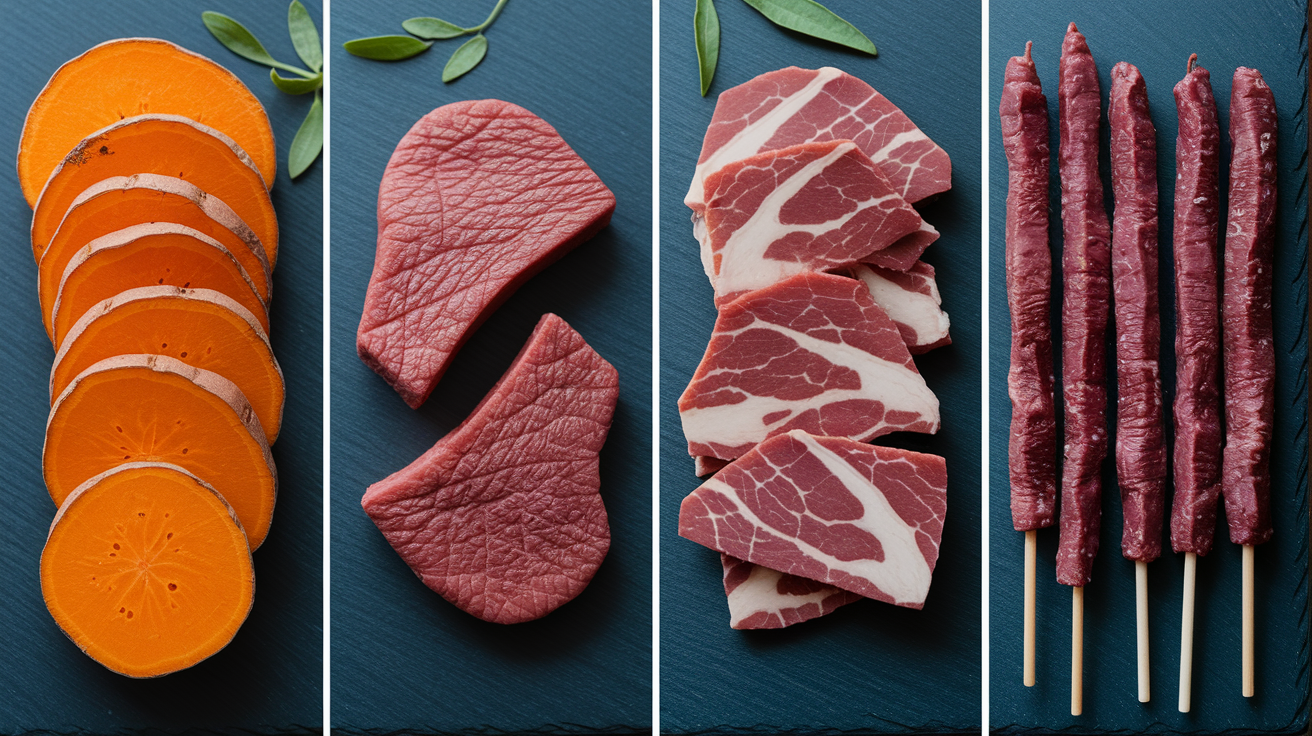
When maximum digestibility matters more than marathon chew time, a few excellent options keep aggressive chewers satisfied without triggering stomach trouble. These aren’t the longest-lasting chews on the market, but they’re the safest bets for dogs whose digestion comes first.
Sweet potato slices offer high fiber and a naturally soothing effect on the gut. They provide gentle scraping action for teeth and gums, and most dogs find them aromatic enough to stay engaged for 15 to 20 minutes. Beef lung bites are another top choice. They’re lean, airy, low in fat, and digest almost as easily as plain chicken. Cow ear slivers give your dog a chewy texture without the heavy fat content of full ears, and they’re light enough that even dogs prone to pancreatitis tolerate them well.
Beef gullet sticks, made from dehydrated trachea, land somewhere between bully sticks and the ultra-gentle options. They’re less dense than a standard bully stick, so they won’t last as long for a true power chewer, but they’re still tough enough to provide satisfying resistance and collagen for joint support. Freeze-dried meat chews, pure chicken, turkey, or fish with no additives, work as high-value rewards or shorter chew sessions when you need maximum digestibility and minimum risk.
Top gentle-chew alternatives for moderate aggressive chewers:
Sweet potato slices. High fiber, stomach-soothing, mild abrasive benefit for teeth, shorter lifespan.
Beef lung bites. Lean protein, airy texture, low-fat, highly digestible, aromatic enough for engagement.
Cow ear slivers. Light, chewy, minimally fatty, good texture without heavy digestion load.
Beef gullet sticks. Dehydrated trachea, less dense than bully sticks, collagen-rich, moderate longevity.
These options won’t outlast a braided bully stick or an antler, but they’ll keep your dog’s tail wagging and their stomach calm. Rotate them into your chew routine on days when gentleness is the priority.
FAQ on Durable Chews for Aggressive Chewers With Sensitive Stomachs

What chews do vets recommend for aggressive chewers with sensitive stomachs?
Vets often recommend bully sticks, beef lung, cow ears, trachea, and sweet potato because they’re single-ingredient, naturally digestible, and free from chemical processing. Moderate-density chews are safer than extremely hard options like antlers or weight-bearing bones.
How often should I give my power chewer a long-lasting chew?
A few times per week is the standard guideline. Each session should last about 20 to 30 minutes to prevent jaw fatigue, stomach overload, or accidental swallowing of undersized pieces.
Can puppies with aggressive chewing habits have these chews?
Soft, highly digestible options like sweet potato slices, beef lung bites, and thin bully sticks work for puppies. Avoid extremely hard chews, antlers, yak chews, and thick paddywack, until adult teeth are fully set and jaw strength is established.
Are antlers safe for dogs with sensitive stomachs?
Antlers are digestible in theory because dogs gnaw rather than swallow them, but their extreme hardness can cause tooth fractures. If your dog has a sensitive stomach but healthy teeth, supervise closely and choose full antlers, not split, to reduce splintering risk.
What are the signs my dog’s chew is upsetting their stomach?
Vomiting, soft or loose stool, excessive gas, lethargy, or loss of appetite within 24 hours of a chew session all signal intolerance. Stop the chew immediately and consult your vet if symptoms persist.
Do grain-free durable chews really make a difference for sensitive dogs?
For dogs with grain intolerance or allergies, yes. Grain-free durable chews eliminate common triggers like wheat and corn. For dogs without grain sensitivities, the bigger factor is ingredient simplicity. Single-protein, low-fat, no additives.
Final Words
Start by picking a chew that stands up to heavy chewing but won’t upset the tummy—options like bully sticks, paddywack, and sweet potato work well.
Match size, check for single-ingredient labels, and supervise 20–30 minute sessions while you watch for wear.
long-lasting chews suitable for aggressive chewers with sensitive stomachs often combine digestible animal chews and softer veggie picks; with proper sizing and supervision, chew time stays safe and satisfying.
FAQ
Q: What is the long-lasting dog chew for a sensitive stomach?
A: The long-lasting dog chew for a sensitive stomach is usually single-ingredient and low-fat, like bully sticks, braided bully sticks, or paddywack, but antlers are very hard, so size and supervise.
Q: What are the best digestible dog chews for aggressive chewers?
A: The best digestible dog chews for aggressive chewers are durable single-ingredient options like braided bully sticks, paddywack, and long beef gullet sticks, so pick the right size, limit sessions, and watch for breakage.
Q: What are the best chew toys for dogs with sensitive stomachs?
A: The best chew toys for dogs with sensitive stomachs are nonedible, durable rubber or nylon toys that won’t shed or dissolve, so choose moderate hardness, replace when worn, and supervise to prevent swallowing.
Q: What do vets recommend for dogs with sensitive stomachs?
A: Vets recommend single-ingredient, low-fat chews for dogs with sensitive stomachs, like bully sticks, paddywack, and sweet potato, and they advise slow introduction, stool monitoring, portion control, and vet follow-up for problems.