

What if your Golden’s favorite treat is the thing making their tummy grumble or ears itchy?
Golden Retrievers love food, so spotting a sensitive dog can feel like a mystery detective job.
Limited-ingredient treats with a single protein and a few simple extras make it easy to find what’s causing trouble, keep training on track, and still give your dog something they actually enjoy.
You’ll find vet-friendly picks, label tips, and easy homemade recipes so you can treat with confidence.
Safe Limited-Ingredient Treat Options for Golden Retrievers with Sensitivities
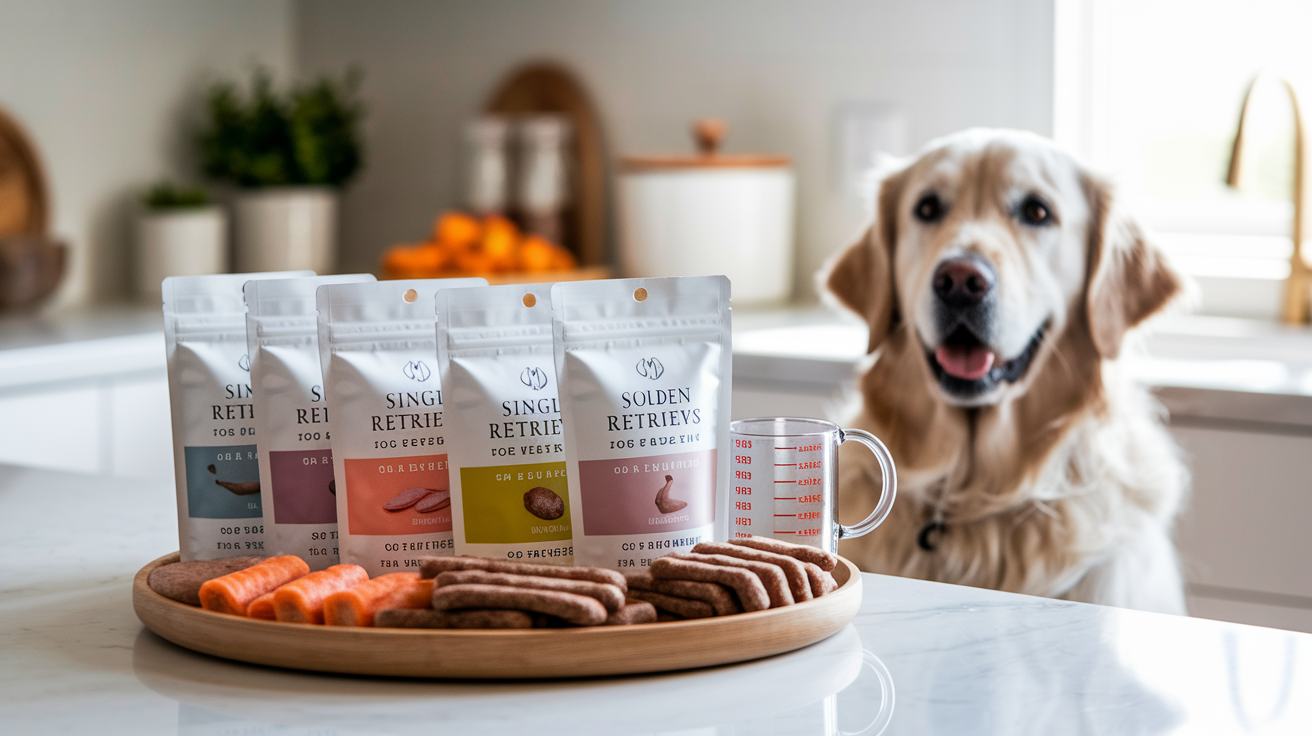
Golden Retrievers love food. That makes them fantastic training partners, but it also means they’re more likely to run into trouble when sensitivities pop up. Limited-ingredient treats give you just one protein and a few carefully chosen extras, so you can see exactly what your dog’s eating and figure out what’s causing problems. When your Golden’s ears finally stay pink, their coat stops looking flat, or the paw licking lets up, it’s usually because you cut out the thing that’s been quietly bothering them for weeks.
Single-protein treats built around salmon, duck, or lamb work well for a lot of sensitive Goldens. These proteins don’t show up as often in everyday kibble. If your dog’s been eating chicken-based food since they were a puppy, switching to a salmon treat means you’re offering something their system hasn’t seen much of. And that novelty can reduce flare-ups. Duck and lamb follow the same idea: they’re less common, so there’s less chance your dog’s already developed a reaction over time.
The beauty of keeping things simple is that when a reaction does happen, you know where to look. A treat with one protein, one starch, and nothing else gives you a short list to review with your vet instead of a paragraph-long ingredient panel. That clarity speeds up elimination diets and makes it way easier to swap out one ingredient at a time.
Common allergens to avoid in treats for Golden Retrievers:
- Chicken (the most frequent protein trigger)
- Beef (second most common protein trigger)
- Dairy (milk, cheese, whey)
- Wheat (often used as a filler or binder)
- Soy (another common filler)
- Artificial colors, flavors, and preservatives
Key Ingredients to Look for in Limited-Ingredient Treats
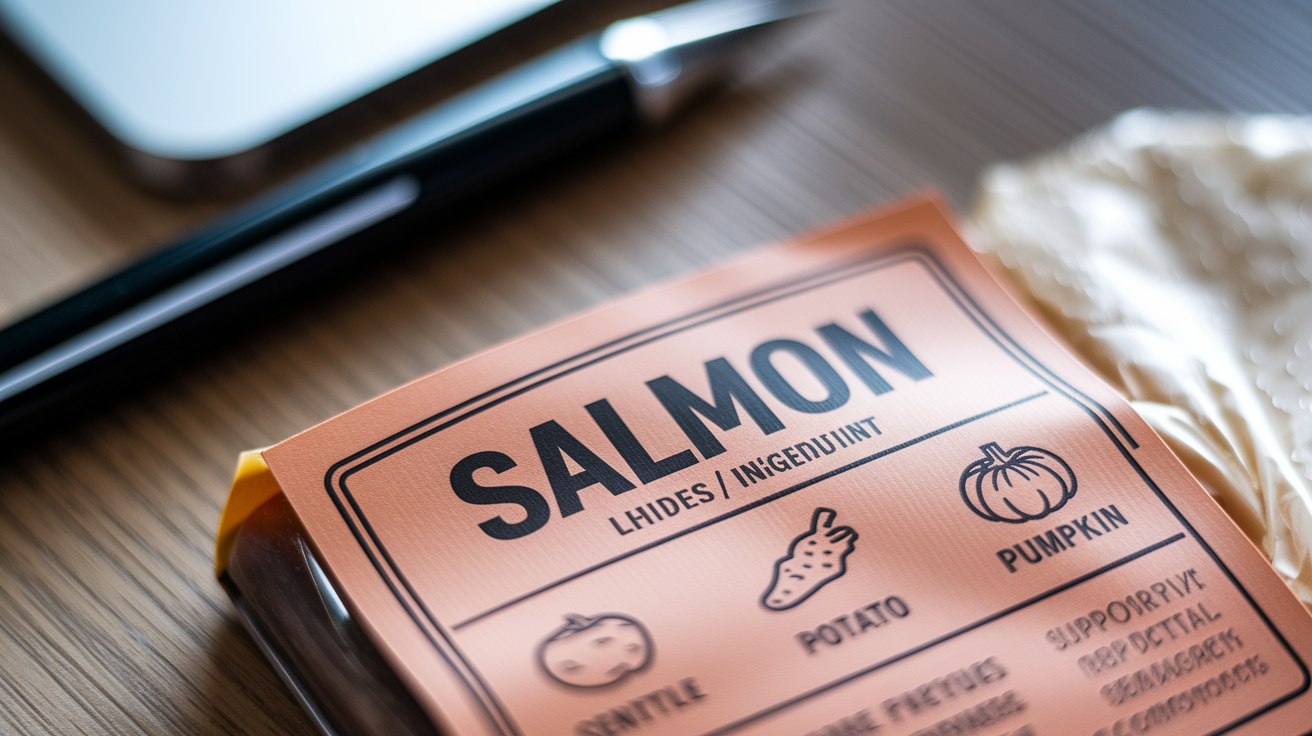
When you’re scanning a treat label for a sensitive Golden, the first ingredient should be a named protein. Salmon, duck, lamb, or another single source you can actually identify. That protein does the heavy lifting: it delivers flavor and keeps your dog interested while you work through training sessions or puzzle time. The fewer ingredients after that protein, the better.
Sweet potato, pumpkin, and pea flour often appear as binders in limited-ingredient treats because they’re gentle on digestion and less likely to cause reactions than wheat or corn. These ingredients hold the treat together during baking or dehydration and add a touch of natural sweetness dogs enjoy.
| Ingredient | Purpose | Benefit to Sensitive Dogs |
|---|---|---|
| Single-source protein (salmon, duck, lamb) | Primary flavor and nutrition | Reduces cross-reactivity, easier to track reactions |
| Sweet potato | Binder and natural sweetness | Low-reactivity carbohydrate, supports steady digestion |
| Pumpkin | Moisture and fiber | Soothes GI upset, gentle on sensitive stomachs |
| Pea flour | Structure and protein boost | Grain-free option that typically avoids common triggers |
Common Allergens in Dog Treats and How to Avoid Them

Chicken and beef dominate dog food and treat recipes. Golden Retrievers see these proteins constantly, from kibble to training snacks to that one treat a neighbor hands over at the park. Repeated exposure over months or years can prime the immune system to react, so when sensitivities develop, these two proteins are often the culprits. That’s not because chicken or beef are bad ingredients. It’s because they’re everywhere, and familiarity can sometimes breed trouble.
Reading labels carefully helps you catch hidden allergens that sneak in as “natural flavoring” or appear midway down the ingredient list. If a treat says “duck flavor” but lists chicken fat or beef broth, your Golden is still getting the protein you’re trying to avoid. Look for treats where the first ingredient is the only animal protein and nothing else shows up later to complicate things. Check for dairy derivatives like whey or casein, and watch for wheat listed as flour, bran, or gluten.
When a Golden reacts to a treat, you might see scratching within a few hours or loose stool the next morning. Some dogs lick their paws more after a new snack. Others develop red, irritated skin on their belly or between their toes. Ear infections that keep coming back, even after treatment, can also point to a food issue. If you notice any of these signs after introducing a treat, pull it out of rotation and give your dog’s system a few days to settle before trying something new.
Vet-Approved Limited-Ingredient Treat Recommendations

Veterinarians often suggest treats that mirror the protein in a prescription or limited-ingredient kibble. So if your Golden is on a salmon-based diet for sensitivities, a salmon treat keeps the ingredient theme consistent. That alignment reduces the chance of accidental exposure and makes it easier to track what’s working. Vets also look for treats with moderate fat content, especially if your dog has shown signs of pancreatitis or struggles with rich foods. Leaner proteins like fish or turkey tend to sit better than fatty beef or pork.
Hydrolyzed-protein treats break down proteins into smaller pieces that the immune system is less likely to recognize and react to. Some vets recommend them for dogs with severe or multiple sensitivities. These treats aren’t the most exciting option flavor-wise, but they’re a safe fallback when you’re troubleshooting and need something that won’t add new variables. For everyday training and enrichment, vets generally favor treats with short ingredient lists, transparent sourcing, and no synthetic preservatives. Those qualities make reactions easier to pinpoint and reduce unnecessary chemical load on a sensitive system.
What vets look for in limited-ingredient treats:
- Single, identifiable animal protein listed first
- Short ingredient list (typically five or fewer components)
- No artificial colors, flavors, or chemical preservatives
- Moderate fat content (especially for dogs prone to digestive upset)
- Consistency with the dog’s main diet protein to avoid cross-contamination
Homemade Limited-Ingredient Treat Recipes for Sensitive Golden Retrievers

Making treats at home gives you complete control over what goes into your Golden’s mouth, and it’s simpler than it sounds. You can bake a batch in under an hour, store them in the fridge or freezer, and pull out a few pieces whenever you need a training reward or a post-walk snack. Homemade treats also let you test one new ingredient at a time. If your vet suspects sweet potato might be fine but you’re not sure, you can bake a small test batch and watch for reactions over a few days.
Baking dehydrates the treats enough to extend their shelf life and creates that satisfying crunch dogs enjoy. Keep portions small, about the size of a pencil eraser for training treats, so you’re not overloading your Golden’s daily calorie count or overwhelming their stomach with too much new food at once.
1. Simple Salmon Bites
- Preheat your oven to 350°F and line a baking sheet with parchment paper.
- Mash one 6-ounce can of plain, boneless salmon (drained) with ½ cup oat flour until it forms a stiff dough.
- Roll the dough into small balls or press flat and cut into squares, then bake for 15 minutes until firm and lightly browned.
2. Pumpkin Coconut Chews
- Preheat your oven to 325°F.
- Mix ½ cup pure pumpkin puree (not pie filling) with ¾ cup coconut flour until you have a thick, moldable dough.
- Roll out the dough to about ¼ inch thick, cut into small squares, and bake for 20 minutes until the edges are crisp.
3. Sweet Potato Slices
- Preheat your oven to 250°F and line a baking sheet with parchment.
- Slice one large sweet potato into ¼-inch rounds (no need to peel).
- Arrange the slices in a single layer and bake for 2 to 3 hours, flipping halfway, until chewy or crispy depending on your preference.
Final Words
You learned which single proteins to try, which ingredients to skip, and how to read labels to spot hidden triggers.
Simple recipes and vet-approved options give safer choices, and tracking reactions makes it easier to find what fits your dog.
When you pick limited ingredient treats for golden retrievers with food sensitivities, start with tiny portions, introduce one new treat at a time, and check with your vet if anything looks off. Small swaps can make treat time safe and joyful.
FAQ
Q: What is the number one killer of Golden Retrievers?
A: The number one killer of Golden Retrievers is cancer, which causes many deaths in the breed, especially hemangiosarcoma and lymphoma. Regular vet exams, early screening, and prompt care help improve outcomes.
Q: What treats are good for Golden Retrievers, especially with food allergies?
A: Treats good for Golden Retrievers with allergies are limited-ingredient, single-protein options like salmon, duck, or lamb, paired with simple carbs such as sweet potato or pumpkin to reduce flare-ups and ease tracking.
Q: Can I use Cheerios to train my dog?
A: You can use Cheerios to train your dog in tiny amounts as low-value, low-calorie rewards; choose plain ones, limit quantity, and prefer single-ingredient treats for frequent or long training sessions.