

Think a joint treat that helps hips but makes your dog sick is still “helpful”? It’s not.
Senior dogs need joint support that actually helps movement and also sits easy in the tummy.
Soft, limited-ingredient treats with clear amounts of glucosamine, chondroitin, and gentle proteins do both.
They’re easy to chew, low in fillers, and use single or novel proteins so sensitive stomachs don’t flare.
Here’s a practical guide to finding treats that boost mobility without the digestive drama.
Best Joint‑Support Treats for Senior Dogs With Sensitive Stomachs
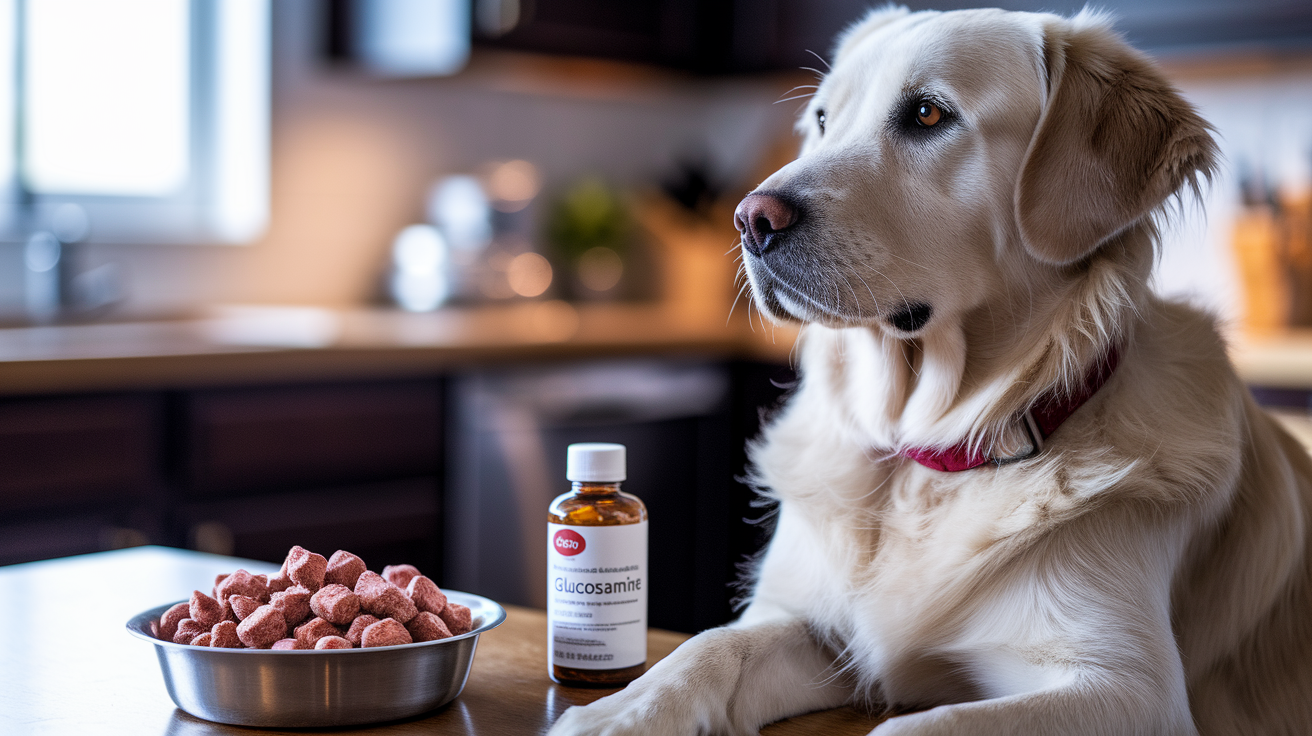
Dogs over seven start showing wear in their joints. Stiffness sets in. Osteoarthritis becomes common. And at the same time, their stomachs get pickier. They produce fewer digestive enzymes, react badly to rich proteins, and can’t handle the artificial stuff or common allergens like beef and wheat the way they used to.
A treat that helps with mobility but makes your dog throw up? That’s not helping anyone.
Soft, limited‑ingredient treats fix both problems. They’re easy to chew without straining an older jaw, and they skip the long ingredient lists full of fillers and preservatives that upset senior stomachs. The best ones give you real doses of glucosamine and chondroitin while sticking to one protein source and maybe one or two whole food carbs.
- Freeze‑dried salmon bites with added glucosamine – single protein, no grains, breaks into smaller pieces for training or portioning.
- Duck and sweet potato soft chews – novel protein plus fiber‑rich sweet potato, 300 mg glucosamine and 150 mg chondroitin per chew.
- Turkey jerky sticks fortified with MSM – chewy, minimal ingredients, supports connective tissue and joint lubrication.
- Limited‑ingredient beef liver freeze‑dried treats – pure protein with natural omega‑3, no joint actives but works well with a separate supplement.
- Venison and pumpkin joint chews – hypoallergenic protein, pumpkin soothes digestion, 250 mg glucosamine per soft chew.
Ingredient Breakdown for Joint and Digestive Support

Glucosamine is an amino sugar that feeds cartilage cells and slows down joint tissue breakdown. Senior dogs make less of it over time, so adding it back through treats or supplements helps keep that cushioning between bones. Chondroitin works alongside it by pulling fluid into cartilage and blocking enzymes that speed up wear. Together, they’re the clinical foundation of most vet joint protocols.
MSM gets added to reduce inflammation and improve flexibility in connective tissue. Omega‑3s from salmon or fish oil calm inflammation throughout the body and support brain, eye, and coat health while easing joint discomfort.
On the digestive side, limited‑ingredient formulas cut down on potential allergens or irritants moving through an already sensitive gut. Common triggers you want to avoid: beef (frequent allergen), dairy (hard to digest for many dogs), wheat and corn (bloating and gas), soy (known allergen), and artificial colors or flavors (digestive irritants with zero nutritional value).
Novel proteins like duck, rabbit, venison, turkey, or salmon are less likely to cause an immune response if your dog’s been eating chicken or beef for years. Gentle whole food carbs like sweet potato, pumpkin, and applesauce add soluble fiber that calms the GI tract without spiking blood sugar.
When you’re reading labels, look for the primary protein listed first. Check for a short total ingredient count, ideally under six. Scan for preservatives like BHA, BHT, or propylene glycol. Those are red flags. The active joint support ingredients should appear with their amounts per serving clearly stated, usually in milligrams.
| Ingredient | Benefit for Senior Dogs |
|---|---|
| Glucosamine | Rebuilds cartilage and slows joint tissue breakdown |
| Chondroitin | Draws fluid into joints and blocks degrading enzymes |
| Omega‑3 (EPA/DHA) | Reduces inflammation, supports brain and immune health |
Comparison of Leading Treat Options
You’ve got freeze‑dried single‑protein bites, soft chews made specifically for joint support, and jerky‑style pieces fortified with therapeutic actives. Prices, active ingredient concentrations, textures, and digestibility all vary. A quick side‑by‑side helps you match your dog’s specific needs, whether that’s maximum glucosamine per treat, lowest allergen risk, or the easiest chew for a dog with dental issues.
| Brand | Joint‑Support Strength | Digestibility | Texture | Price Range |
|---|---|---|---|---|
| Duck & Sweet Potato Soft Chews | 300 mg glucosamine, 150 mg chondroitin per chew | Limited‑ingredient, novel protein, no grains | Soft, easy to bite | $18–$25 for 60 count |
| Freeze‑Dried Salmon Bites | No added joint actives (use with separate supplement) | Single ingredient, hypoallergenic | Crunchy, breaks easily | $14–$18 for 4 oz |
| Venison & Pumpkin Joint Chews | 250 mg glucosamine per chew | Novel protein, fiber‑rich pumpkin | Soft, chewy | $20–$30 for 90 count |
| Turkey Jerky with MSM | 100 mg MSM per stick | Single protein, minimal ingredients | Chewy, moderately firm | $12 for 4 sticks |
| Beef Liver Freeze‑Dried | High protein, natural omega‑3, no joint actives | Single ingredient, highly digestible | Crunchy, easy to portion | $14–$18 per 3 oz |
Veterinary Insights on Supporting Aging Joints and Digestion

Vets usually recommend starting joint support around age seven, before symptoms become obvious. Early supplementation with glucosamine and chondroitin can slow cartilage degradation and delay stiffness or limping. Clinically studied ingredients matter more than marketing claims, so vets look for products that list milligram amounts of actives per serving. They also emphasize that treats alone rarely deliver the full therapeutic dose. Pairing a daily joint chew with a veterinary‑grade supplement often produces better mobility outcomes than treats by themselves.
When evaluating digestive tolerance in older dogs, vets watch for chronic soft stools, intermittent vomiting, gas, or reluctance to eat. These signs suggest that enzyme production has dropped or that specific proteins or fillers are triggering low‑grade inflammation in the gut. A slow introduction of new treats (starting with one small piece per day for three to five days) helps isolate any ingredient causing trouble. Vets often recommend novel‑protein or hydrolyzed‑protein formulas for dogs with documented food sensitivities.
Professional evaluation becomes necessary when a senior dog stops bearing weight on a limb, cries out during movement, or shows sudden lameness. Those symptoms can point to a torn ligament, fracture, or severe arthritis flare that needs imaging and prescription pain management. On the digestive side, persistent vomiting, bloody or black stools, or sudden weight loss warrant immediate veterinary workup to rule out pancreatitis, inflammatory bowel disease, or other serious conditions that won’t resolve with diet changes alone.
Digestibility and Stomach Sensitivity Considerations
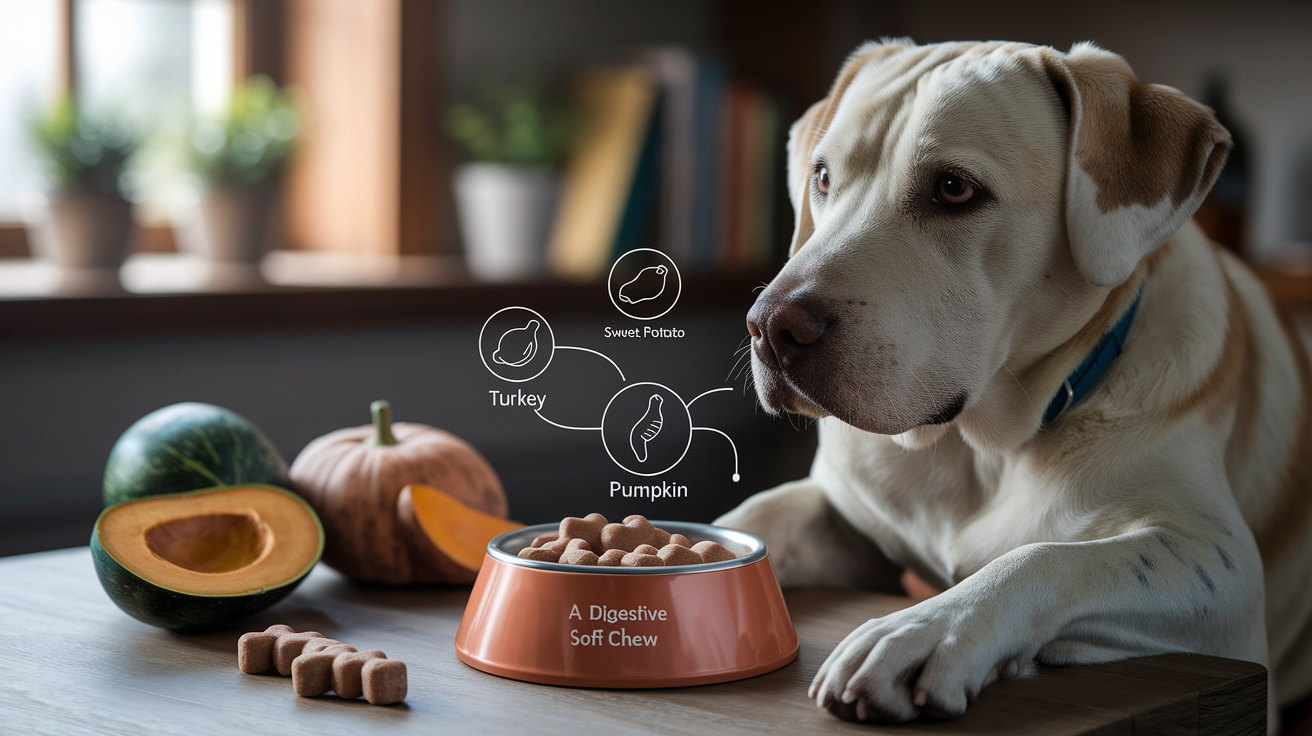
Older dogs produce fewer digestive enzymes, particularly pancreatic lipase and pepsin. That means they struggle to break down high‑fat foods and complex proteins. At the same time, the gut lining becomes more permeable with age, allowing partially digested proteins to cross into the bloodstream and trigger immune reactions. Those show up as vomiting, diarrhea, or skin irritation.
Treats formulated with single, easily digestible proteins and low fat content pass through the system more smoothly. They reduce the workload on an already taxed digestive tract.
Limited‑ingredient formulas also cut out the common fillers and flavor enhancers that irritate sensitive stomachs without adding nutritional value. A treat with three ingredients (turkey, sweet potato, and glucosamine) is far less likely to cause trouble than one listing twelve items including corn syrup, artificial bacon flavor, and multiple meat by‑products.
Common digestive irritants to avoid in senior dog treats:
- Artificial colors (Red 40, Yellow 5, Blue 2) and artificial flavors that provide zero nutrition and can trigger GI inflammation.
- High‑fat meat by‑products or rendered fats that increase pancreatitis risk and slow digestion.
- Wheat, corn, and soy, which are frequent allergens and harder to digest for dogs with reduced enzyme output.
- Preservatives like BHA, BHT, and propylene glycol, linked to gastric upset and long‑term health concerns.
Pricing, Value, and Real Customer Feedback

Prices for joint support treats range from about twelve dollars for a small pack of single‑ingredient freeze‑dried pieces to thirty‑five dollars for a ninety‑count jar of soft chews fortified with clinical doses of glucosamine and chondroitin. Value depends on how many treats your dog needs per day to hit the recommended total dose of joint actives. If a product delivers 300 mg glucosamine per chew and your senior needs 1,000 mg daily, you’ll use three or four chews. A sixty‑count jar lasts only two weeks.
Single‑ingredient freeze‑dried treats cost less per ounce but provide no built‑in joint support, so you’ll need a separate supplement. That shifts the total monthly spend.
Customer reviews consistently highlight mobility improvements within four to eight weeks when dogs receive consistent therapeutic doses of glucosamine and chondroitin. Owners report easier stair climbing, longer walks, and less morning stiffness. On the digestive front, freeze‑dried single‑protein treats score highest for tolerance. Reviewers note firm stools, no vomiting, and strong appetite even in dogs with histories of food sensitivity. Soft chews with added flavoring occasionally trigger loose stools or gas in the first few days, though most dogs adjust within a week.
- Pro: Noticeable improvement in mobility and willingness to play after six to twelve weeks of daily use.
- Pro: Soft texture makes chewing easy for dogs with dental issues or missing teeth.
- Con: Some formulas cause temporary loose stools or increased gas during the first week of introduction.
- Con: Higher quality joint chews with therapeutic doses cost significantly more than basic training treats.
- Pro: Limited ingredient and novel protein options reduce allergic reactions and stomach upset in sensitive seniors.
Alternative Support Options Beyond Treats
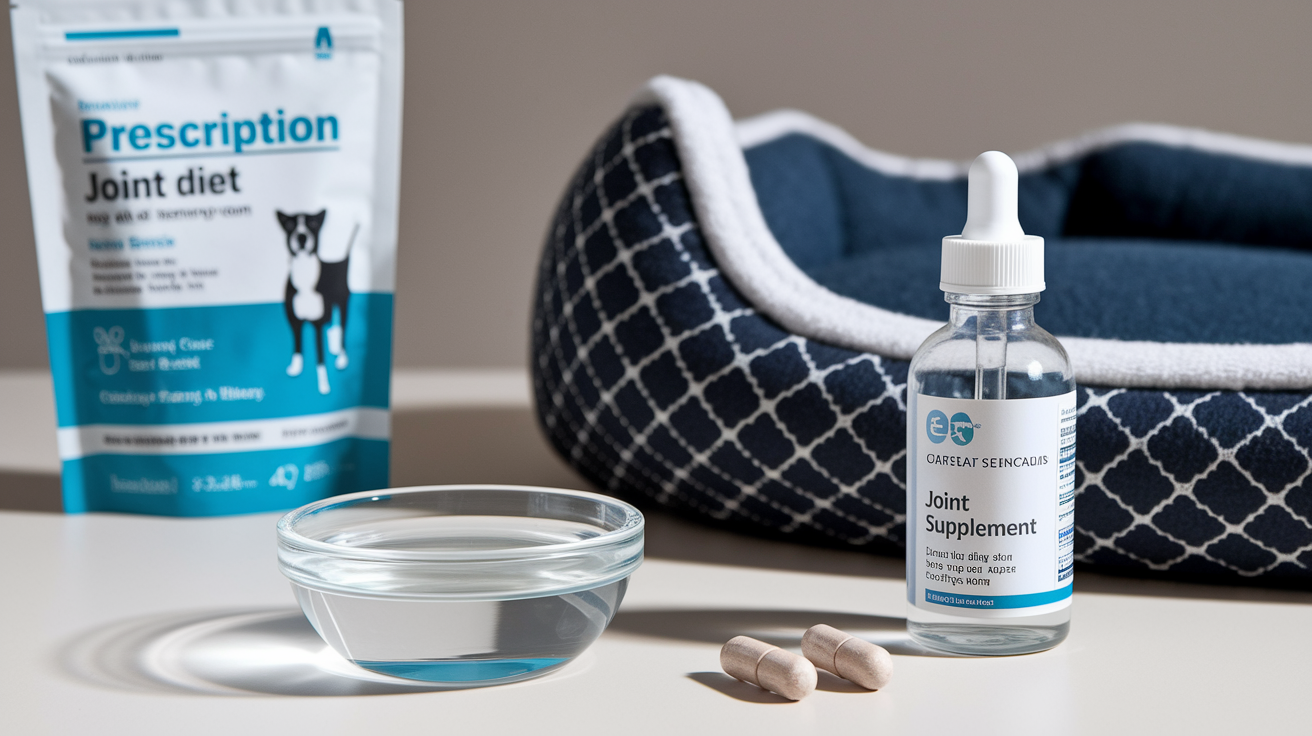
Liquid joint supplements deliver concentrated glucosamine, chondroitin, and MSM in a pumpable or dropper format that you add to food. This works well for dogs who won’t chew treats or who need precise dosing control. Liquids absorb quickly and bypass chewing entirely, which helps seniors with severe dental pain.
Prescription joint diets combine therapeutic levels of omega‑3 fatty acids, controlled protein and fat ratios, and added glucosamine in every meal, so you don’t rely on treats to deliver the actives. These diets also support weight management, which directly reduces joint strain.
Lifestyle adjustments often produce results equal to or better than supplementation alone. Controlled low‑impact exercise (short, frequent walks and swimming) maintains muscle mass around aging joints without the pounding of long runs or jumping. Orthopedic bedding with memory foam reduces pressure points overnight, and non‑slip rugs prevent falls that can worsen existing joint damage or trigger new injuries.
- Veterinary‑grade oral supplements in tablet or capsule form for guaranteed potency and dosing precision.
- Prescription joint diets formulated with enhanced EPA/DHA and joint‑building nutrients in every serving.
- Physical therapy modalities including underwater treadmill, therapeutic exercises, and laser therapy to improve range of motion.
- Weight loss programs and portion control to reduce mechanical stress on hips, knees, and spine.
Final Words
We jumped right into the best soft, limited-ingredient picks to help older pups move easier without upsetting their tummies. You got quick product picks, an ingredient breakdown, and a clear comparison to speed up decisions.
We also covered vet tips, how to spot digestive trouble, and simple alternatives like liquid supplements and lifestyle changes — all framed for real-life use, like short walks and gentle play.
Small portions and slow swaps work best — joint support treats for senior dogs with sensitive stomachs can help keep those walks and snuggles happening.
FAQ
Q: What is good for dogs with a delicate stomach for joint problems?
A: Dogs with a delicate stomach and joint problems do best with soft, limited‑ingredient treats containing glucosamine and chondroitin, single protein sources, low fat, and a slow introduction to avoid tummy upset.
Q: Can joint supplements upset dogs’ stomachs?
A: Joint supplements can upset a dog’s stomach; give them with food, start at a low dose, pick vet‑recommended or limited‑ingredient formulas, and stop and call your vet if vomiting or diarrhea appear.