

Think a bacon-flavored chew can fix your dog’s arthritis? Think again.
Treats are tasty, easy to carry, and brilliant for training or early prevention.
But most treats give lower, uneven milligrams of glucosamine, chondroitin, and MSM, so a dog with real stiffness often needs a concentrated daily supplement to hit therapeutic levels.
If your dog is cruising around fine, a treat can double as reward plus gentle joint care.
If mobility is the issue, go with the targeted supplement.
Key Differences Between Joint Support Dog Treats and Daily Joint Supplements
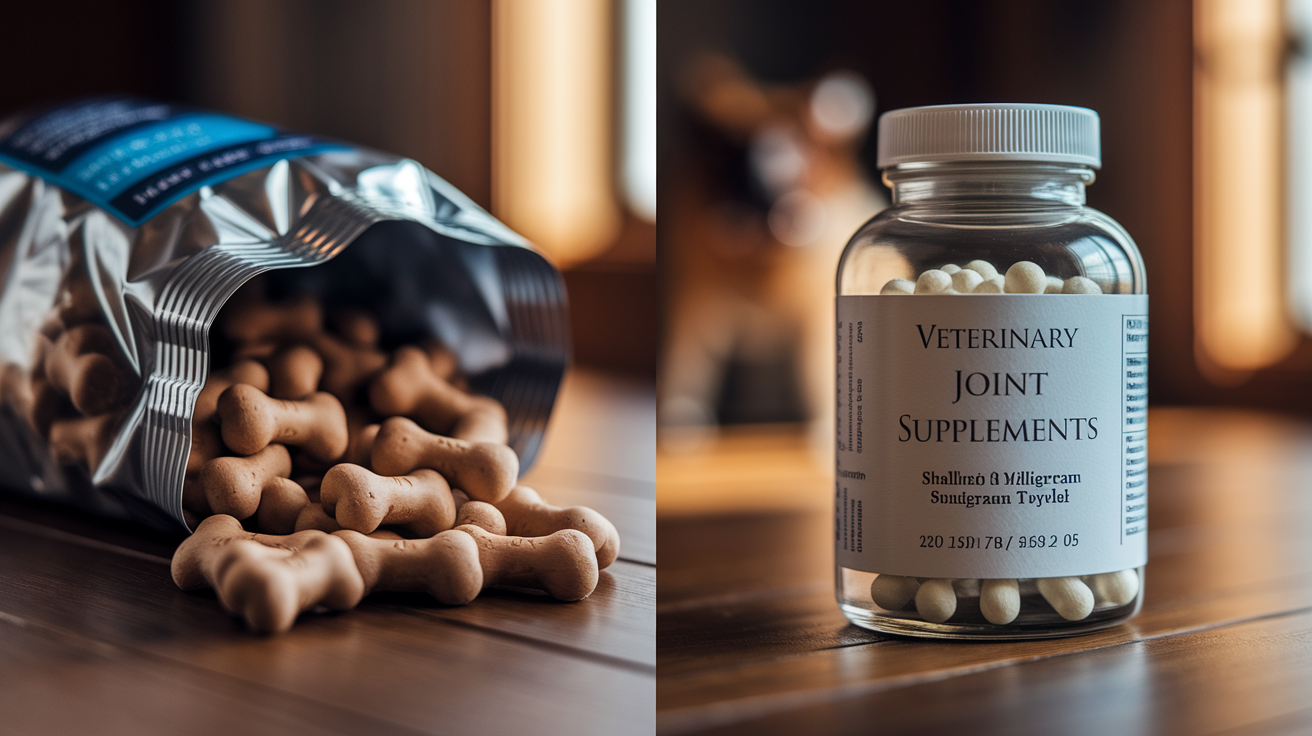
Joint support treats and daily supplements both carry the same core ingredients (glucosamine, chondroitin, MSM, omega-3s), but what your dog actually gets per serving? That’s where things split.
Treats are built around taste and convenience. Dogs think they’re getting a reward, which means you won’t have to fight them every morning. But keeping that flavor appeal means mixing lower concentrations of the active stuff with meats, sweeteners, and whatever else makes dogs drool. Daily supplements skip the flavor theater and pack higher milligram counts into tablets, soft chews, or powders. Each serving is formulated to hit a target dose pulled from clinical research or vet dosing charts.
You’ll notice the gap fastest when you’re dealing with a dog who’s actually struggling. A senior Lab with hip dysplasia might need 1,500 mg of glucosamine and 1,200 mg of chondroitin every day. Treats usually deliver 100 to 300 mg per piece, so you’d be feeding five or six just to get close to therapeutic levels. That’s a lot of extra calories, fat, and potential stomach upset. A concentrated supplement gets the full dose done in one or two chews or tablets, making it way easier to track what’s going in.
Treats work great when you’re thinking prevention for a young dog or adding light joint care into a routine that’s already solid. If your two-year-old retriever lives for training sessions and you want to build cartilage health early, a tasty joint treat does double duty as reward and supplement. Supplements win when precision, potency, and consistent therapeutic effect actually matter.
Effectiveness: Supplements usually offer clinical-dose levels. Treats provide lower, less-standardized amounts suited to maintenance or light support.
Dosage accuracy: Supplements list exact milligrams per serving. Treats vary batch to batch and flavor to flavor.
Palatability: Treats are flavored for high acceptance. Some supplement formats (especially tablets) can be harder to get picky dogs to take.
Convenience: Treats double as training rewards and fit into treat pouch routines. Supplements require scheduled dosing but streamline multi-dog or high-dose needs.
Pros and Cons of Joint Support Dog Treats

Treats make joint care feel effortless. You toss one after a walk, use another during a nail trim, and your dog thinks it’s all part of the fun. That built-in reward structure is the biggest advantage. Compliance is nearly 100 percent when your dog’s excited to eat the supplement. For picky eaters or dogs who spit out tablets, a bacon-flavored chew solves the battle before it starts.
But that flavor engineering comes with trade-offs. Many treats use fillers like potato starch, tapioca, or rice flour to bind ingredients and create the right texture. Those fillers dilute the active compounds, so a 5-gram treat might carry only 150 mg of glucosamine instead of the 500 mg you’d find in a dedicated soft chew supplement. Quality also swings wider in the treat category. Some brands add synthetic flavors, preservatives, or color agents that dogs with sensitive stomachs don’t tolerate well.
Pros:
High palatability. Most dogs accept them eagerly, making daily dosing simple.
Dual purpose as training reward and joint supplement, fitting into existing routines.
Portable and easy to carry in a treat pouch during walks or outings.
Cons:
Lower and inconsistent active ingredient levels. Dosing precision is difficult.
Often contain fillers, binders, or flavor enhancers that add calories and may trigger sensitivities.
Risk of overfeeding if used freely as snacks, leading to weight gain that stresses joints further.
Pros and Cons of Daily Joint Supplements
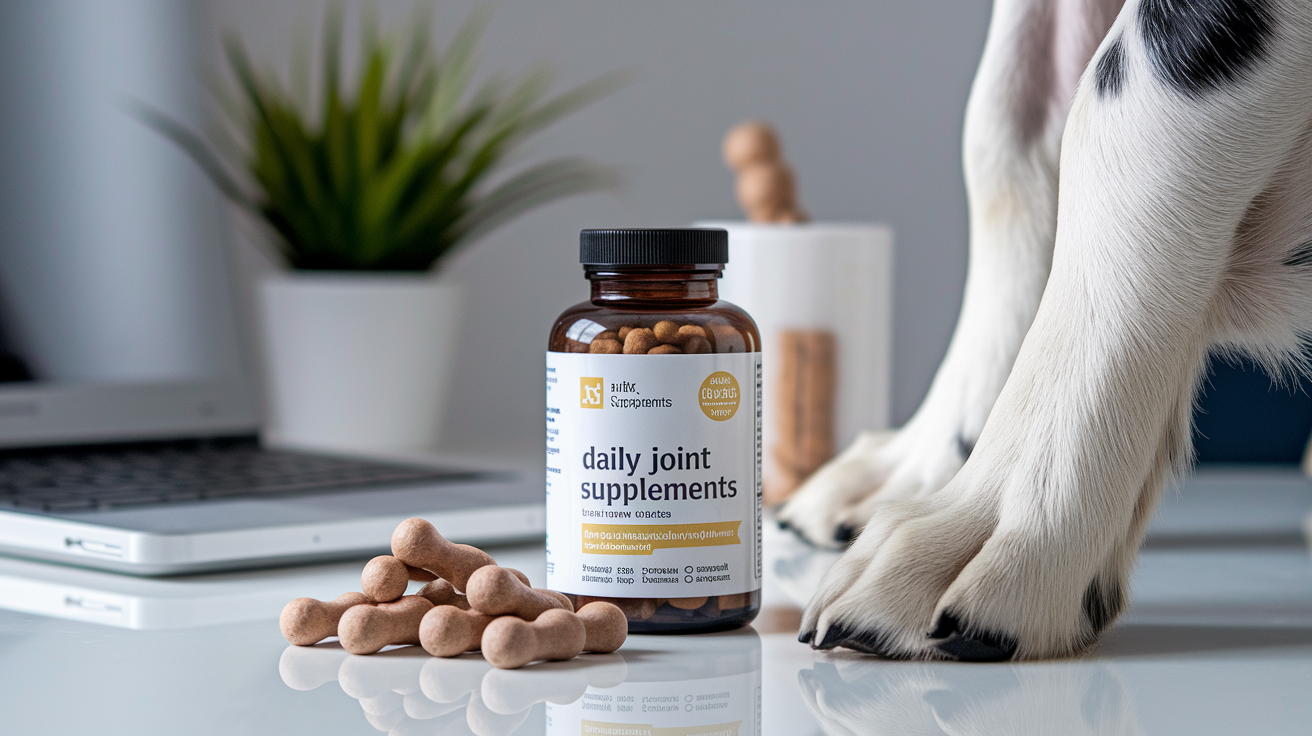
Daily joint supplements are built around ingredient potency and reliable delivery. Each soft chew, tablet, or powder scoop is formulated to match veterinary dosing charts, so a 60-pound dog gets the same milligrams of glucosamine whether you’re on day one or day ninety. That consistency matters when you’re tracking progress through a mobility journal or working with your vet to dial in a loading dose. Supplements also tend to include synergistic ingredients (hyaluronic acid, curcumin, antioxidants) at levels shown to work in clinical trials, not just sprinkled in for label appeal.
The downside is administration. Some dogs treat tablets like foreign objects and spit them across the kitchen. Powders can be mixed into food, but picky dogs notice the texture or smell and walk away. Even palatable soft chew supplements don’t always win over a dog that’s used to high-value training treats, so you may need to hide the chew in a spoonful of pumpkin or wrap it in deli meat for the first few weeks.
Pros:
High concentrations of active ingredients. Therapeutic doses in fewer pieces.
Standardized formulations with transparent labeling, making it easy to compare potency.
Often backed by clinical studies or third-party testing, offering confidence in ingredient quality.
Cons:
Lower palatability for some formats (tablets, powders). Compliance can drop if the dog refuses.
Requires scheduled dosing rather than spontaneous treat moments, adding a step to your routine.
Higher upfront cost per bottle, though cost per milligram of active ingredient is usually better.
Ingredient Potency and Active Compound Differences
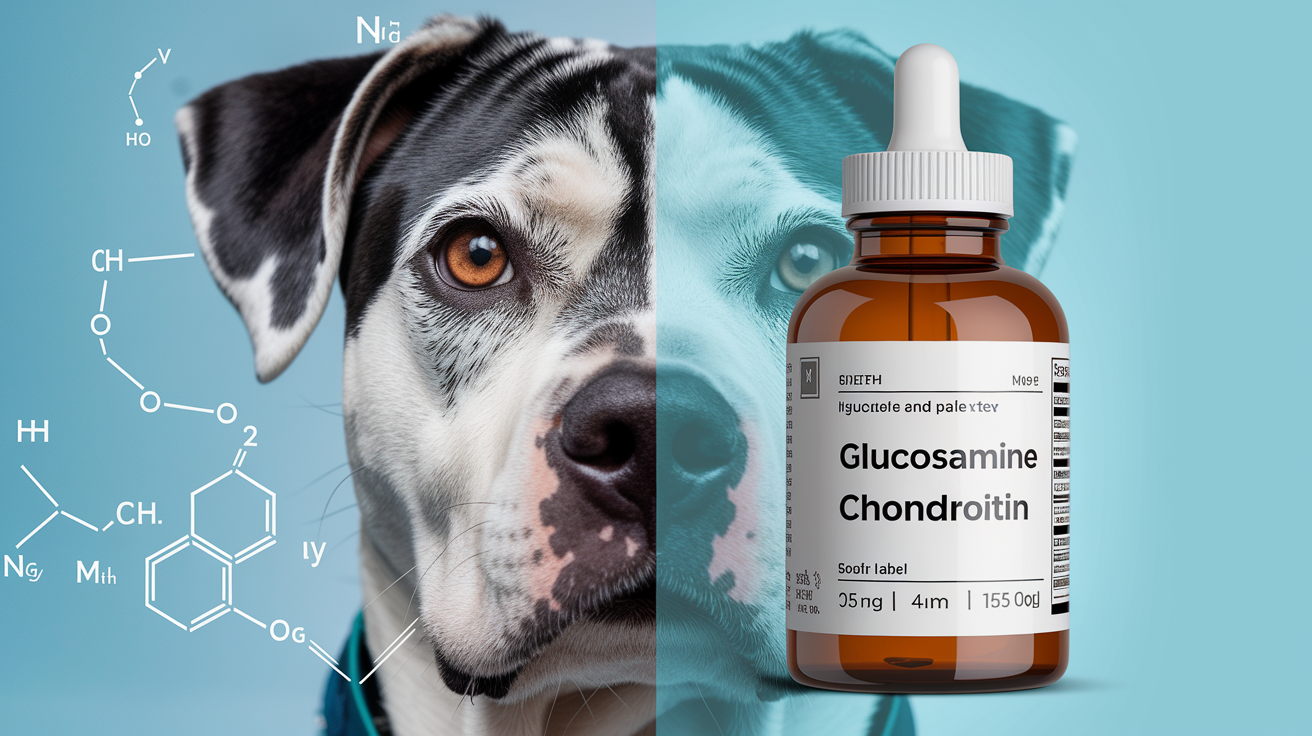
The milligrams printed on the label tell only part of the story. Treats often list “glucosamine” without specifying the salt form. Glucosamine hydrochloride delivers about 83 percent pure glucosamine, while glucosamine sulfate is closer to 65 percent. Supplements designed for therapeutic use tend to favor glucosamine HCl and state the exact elemental amount, so you know what’s bioavailable. Chondroitin sulfate follows a similar pattern. Treat formulations may use lower-purity grades blended with flavor carriers, while targeted supplements source pharmaceutical-grade chondroitin and guarantee potency through expiration.
MSM and omega-3 levels swing even wider. A joint treat might include 50 mg of MSM as a label booster, well below the 500 to 1,500 mg range that studies associate with anti-inflammatory benefit. Omega-3s degrade with heat and light, so treats that sit on warm retail shelves for months can lose EPA and DHA content. Supplements in opaque bottles with nitrogen flushing or individual blister packs protect those fragile fats and deliver the stated dose reliably. When you’re counting on anti-inflammatory action to slow arthritis progression, that stability difference is real.
Green-lipped mussel, hyaluronic acid, and curcumin also vary in concentration and form. Treats may add a pinch for marketing appeal (“contains turmeric!”) without the co-ingredient (like black pepper extract) needed for absorption. Supplements formulated by veterinary nutritionists pair curcumin with piperine and include enough milligrams to reach plasma levels shown to reduce joint inflammation. If the goal is gentle, long-term prevention in a healthy young dog, treat-level doses can be enough. If you’re managing visible stiffness or post-surgical recovery, supplement-grade potency is the smarter play.
| Format | Typical Active Ingredient Range (per daily dose) | Notes on Potency Consistency |
|---|---|---|
| Joint Support Treats | 100–400 mg glucosamine; 50–200 mg chondroitin; 25–100 mg MSM | Wide variance between brands and batches; flavor and texture prioritized over clinical dose |
| Daily Joint Supplements (Soft Chews) | 500–1,500 mg glucosamine; 400–1,200 mg chondroitin; 200–800 mg MSM | Standardized formulation; third-party testing common; batch-to-batch consistency high |
| Daily Joint Supplements (Tablets/Powders) | 600–2,000 mg glucosamine; 500–1,500 mg chondroitin; 500–1,500 mg MSM | Highest potency options; pharmaceutical-grade sourcing; precise dosing by weight |
Absorption and Bioavailability Considerations

Ingredient absorption starts the moment a chew or tablet hits your dog’s stomach. Powders and liquids dissolve quickly, releasing glucosamine and chondroitin into the gut where they can be absorbed within 30 to 60 minutes. That fast release can be an advantage during a loading-dose phase, when you want to saturate joint tissues as quickly as possible. Tablets and hard chews take longer to break down (especially if they’re designed to survive chewing and pass into the stomach intact), so the active ingredients trickle into the bloodstream over a couple of hours. For maintenance dosing that’s fine. But if you’re aiming for rapid cartilage support after an injury, format matters.
Treats add another variable: binders and fillers. Starches, gums, and glycerin hold the treat together and create that chewy texture dogs love, but they also slow disintegration. A soft-baked treat might sit in the stomach for 90 minutes before glucosamine starts to release, and some of the dose can bind to fiber or fat in the treat matrix and pass through unabsorbed. High-fat treat recipes (those rich, meaty chews) can further delay gastric emptying, pushing absorption into the small intestine where uptake is less efficient for certain compounds like hyaluronic acid.
Bioavailability also hinges on co-ingredients. Curcumin, famously, has low natural absorption. Most of it gets metabolized in the liver before reaching joints. Treats rarely pair curcumin with piperine (black pepper extract), which boosts bioavailability by up to 2,000 percent. Supplements formulated for clinical effect almost always include that pairing. The same principle applies to fat-soluble omega-3s: a powder mixed into a meal with healthy fats (like a spoonful of fish oil or coconut oil) absorbs better than a dry biscuit treat eaten alone. If your dog’s on a low-fat diet for pancreatitis or weight loss, a standalone treat may deliver even less of the omega-3 dose than the label suggests.
Cost Comparison: Treats vs Daily Supplements

When you calculate cost per milligram of active ingredient, treats almost always lose. A 30-count bag of joint support treats might run around $18 to $25 and deliver roughly 200 mg of glucosamine per treat. If your dog needs three treats a day to approach a therapeutic dose, that’s $0.60 to $0.83 per day for 600 mg total. About $18 to $25 per month for sub-clinical levels. A bottle of daily joint supplements (60 soft chews at 500 mg glucosamine each, one chew per day for a 50-pound dog) costs $22 to $35 and delivers 500 mg every day for two months, working out to $11 to $17.50 per month at a much higher potency.
The upfront sticker shock on supplements can scare off budget shoppers. A 120-count jar of high-strength tablets with added chondroitin, MSM, and hyaluronic acid may hit $50 to $70. But when you break it down by cost per gram of glucosamine or cost per month of consistent dosing, that same bottle often beats treats by 40 to 60 percent. Treats also tempt over-use. It’s easy to toss an extra one during training or as an apology for a vet visit, and those bonus treats add dollars without adding joint benefit.
Still, treats aren’t always the expensive choice. If you’re using them for a young, healthy dog as light preventive care (say, one treat every other day), the monthly outlay stays low and you’re not committing to a full therapeutic regimen. For that scenario, treats can be the more economical pick because you’re not paying for potency you don’t need yet.
| Option | Approx. Cost Per Month | Cost Per 1000mg Active Ingredients |
|---|---|---|
| Joint Support Treats (200 mg/treat, 3/day) | $18–$25 | $1.00–$1.39 |
| Daily Soft Chew Supplement (500 mg/chew, 1/day) | $11–$17.50 | $0.73–$1.17 |
| Daily Tablet/Powder Supplement (1000 mg/dose, 1/day) | $12–$20 | $0.40–$0.67 |
Veterinary Insights and Safety Considerations

Veterinarians who specialize in orthopedics or rehabilitation consistently favor supplements with transparent, third-party-verified ingredient lists and dosing aligned to published research. When a vet writes “glucosamine 1,000 mg daily,” they mean elemental glucosamine that matches the studies showing cartilage benefit. Not a flavored biscuit with 150 mg buried under chicken meal and molasses. That precision becomes critical for dogs on prescription NSAIDs or other medications where nutrient interactions need to be tracked. A treat’s vague “joint support blend” makes it nearly impossible to counsel a client on safe co-administration.
Safety flags pop up more often with treats because ingredient sourcing is less regulated. Shellfish-derived glucosamine and chondroitin can trigger reactions in dogs with seafood allergies, and treats don’t always disclose the specific marine source. Green-lipped mussel is generally safe, but low-quality mussel powders sometimes carry heavy-metal contamination from industrial coastal waters. Supplements that invest in third-party testing (NSF, USP verification) or publish certificates of analysis give veterinarians confidence that what’s on the label matches what’s in the bottle and that it’s free from contaminants like lead or mercury.
Dosing precision also touches safety. Large-breed puppies and dogs with certain kidney conditions need carefully titrated glucosamine to avoid overloading developing joints or taxing renal function. A treat-based approach makes it tough to hit that narrow window. One extra treat at a puppy party or a well-meaning family member tossing a few during the day can double the intended dose without anyone noticing. Supplements with clear per-weight dosing charts and tamper-evident packaging let you control exactly what goes in, which is why most veterinary rehab protocols specify a supplement rather than leaving it to treat guesswork.
Choosing the Right Option Based on Your Dog’s Needs

A two-year-old border collie training for agility and a twelve-year-old Great Dane with visible hip stiffness need very different joint care strategies. The collie benefits from proactive cartilage support, something to protect joints during thousands of repetitive jumps and turns, but doesn’t need clinical-grade doses yet. A palatable joint treat given after training sessions covers that base, doubles as a reward, and keeps costs reasonable while the dog is still healthy. For the Dane, every day of under-dosed glucosamine means more cartilage wear, so a high-potency supplement with a loading dose and guaranteed milligrams is the only responsible choice.
Picky eaters and food-motivated dogs fall on opposite ends of the compliance spectrum. If your dog turns their nose up at anything that smells like a vitamin, a treat format saves you the daily wrestling match. You can even use joint treats as high-value rewards during nose work or recall drills, turning supplementation into something your dog looks forward to. But if your dog hoovers everything and you’re managing weight or a sensitive stomach, the calorie load and varied ingredient list in treats becomes a problem. A single low-calorie tablet or a measured powder scoop keeps joint support on track without adding fat, sugar, or mystery binders.
Dogs under veterinary care for diagnosed arthritis, hip dysplasia, or post-surgical recovery need the dosing accuracy and ingredient transparency that only purpose-built supplements provide. Your vet may prescribe a specific milligram target based on bloodwork, body condition, or imaging results, and hitting that target with treats is nearly impossible. In those cases, the supplement isn’t optional. It’s part of a medical plan that likely also includes weight management, controlled exercise, and possibly prescription medications. Treats can stay in the picture as training rewards, but they shouldn’t carry the therapeutic load.
Senior dogs or those with diagnosed joint disease: Choose a high-potency daily supplement with clinical-dose glucosamine, chondroitin, and anti-inflammatory compounds. Follow a loading protocol and monitor with your vet.
Large-breed puppies and young adults: Use lower-dose treats for preventive care and to build a supplement habit early. Avoid over-supplementing growing joints.
Picky eaters or treat-motivated dogs: Opt for highly palatable joint treats that double as training rewards, ensuring consistent daily intake without a compliance struggle.
Dogs on prescription joint medications or with complex health needs: Stick with vet-recommended supplements that allow precise dosing and have verified ingredient profiles. Avoid treat formulations with undisclosed blends.
Final Words
Compare taste, dosing, and real-use trade offs to pick what works now. Treats are great for picky pups and training. Supplements give steady, clinical dosing for serious issues.
We covered potency, absorption, cost, safety, and vet advice so you can match the option to your dog’s age, size, and needs.
Use this guide on joint support dog treats vs daily joint supplements pros and cons to decide with confidence. Either path can help your dog move more comfortably and you’ll see more good days.
FAQ
Q: Do vets recommend joint supplements for dogs?
A: Vets recommend joint supplements for dogs when there’s joint pain, arthritis, or high risk due to age or breed; they prefer evidence-based products and dosing matched to your dog’s weight.
Q: Can dogs with pancreatitis have glucosamine?
A: Dogs with pancreatitis can have glucosamine if the product is low in fat and calories and your vet approves; avoid rich, treat-style formulas and follow your vet’s feeding guidance.
Q: What to avoid in dog joint supplements?
A: Avoid in dog joint supplements high fillers, excess calories, artificial flavors, unclear ingredient amounts, and unproven herbal claims; choose products with transparent labels and third-party testing when possible.
Q: What is the healthiest joint supplement for dogs?
A: The healthiest joint supplement for dogs combines clinically supported doses of glucosamine, chondroitin, and omega-3s, with clear labeling and vet backing; pick the form your dog will reliably take.