
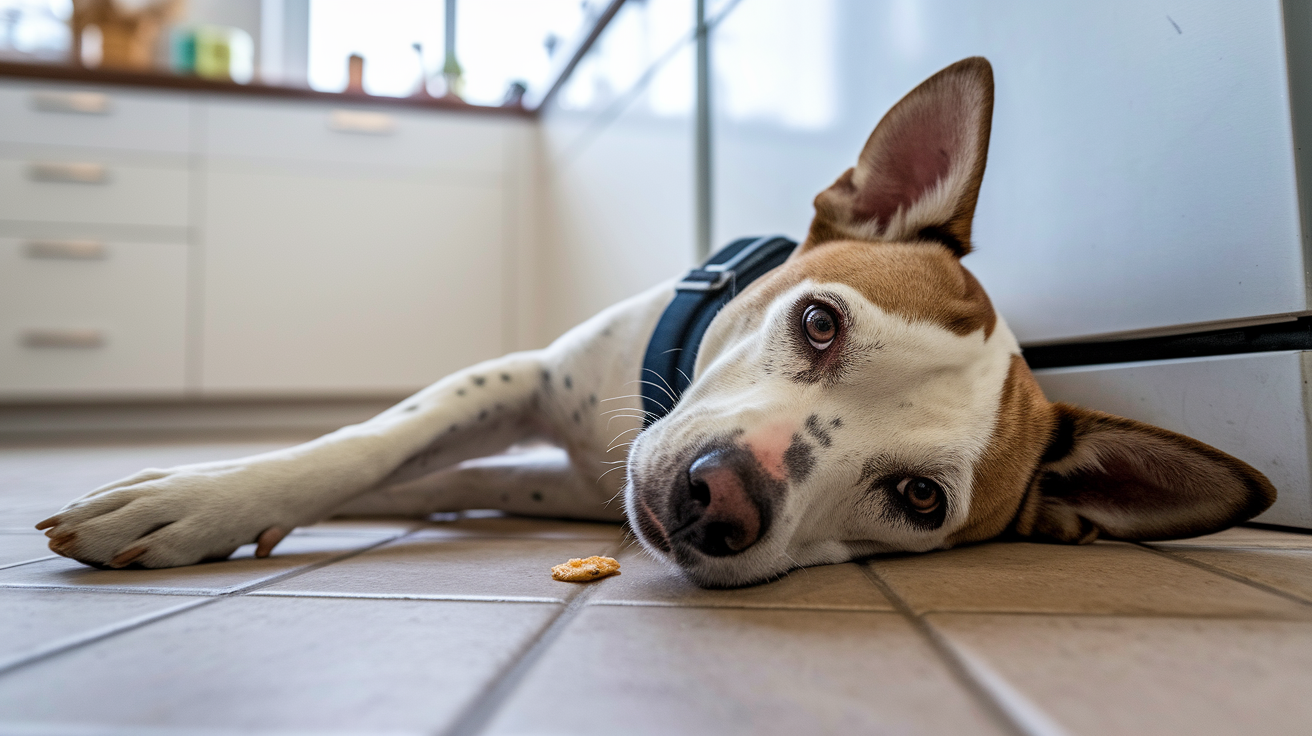
What if your dog’s favorite treat is quietly upsetting their stomach?
You might not notice at first, just crumbs in the treat pouch and a quieter dog after a walk.
Treat-related tummy trouble usually shows up fast: soft or watery stool, vomiting, extra gas, or refusing a meal within hours.
This post walks you through the key symptoms, how to track patterns with a simple diary, and easy tests like an elimination trial so you can find the problem and get your dog back to normal quickly.
Identifying Immediate Signs a Dog Treat Is Causing Digestive Upset
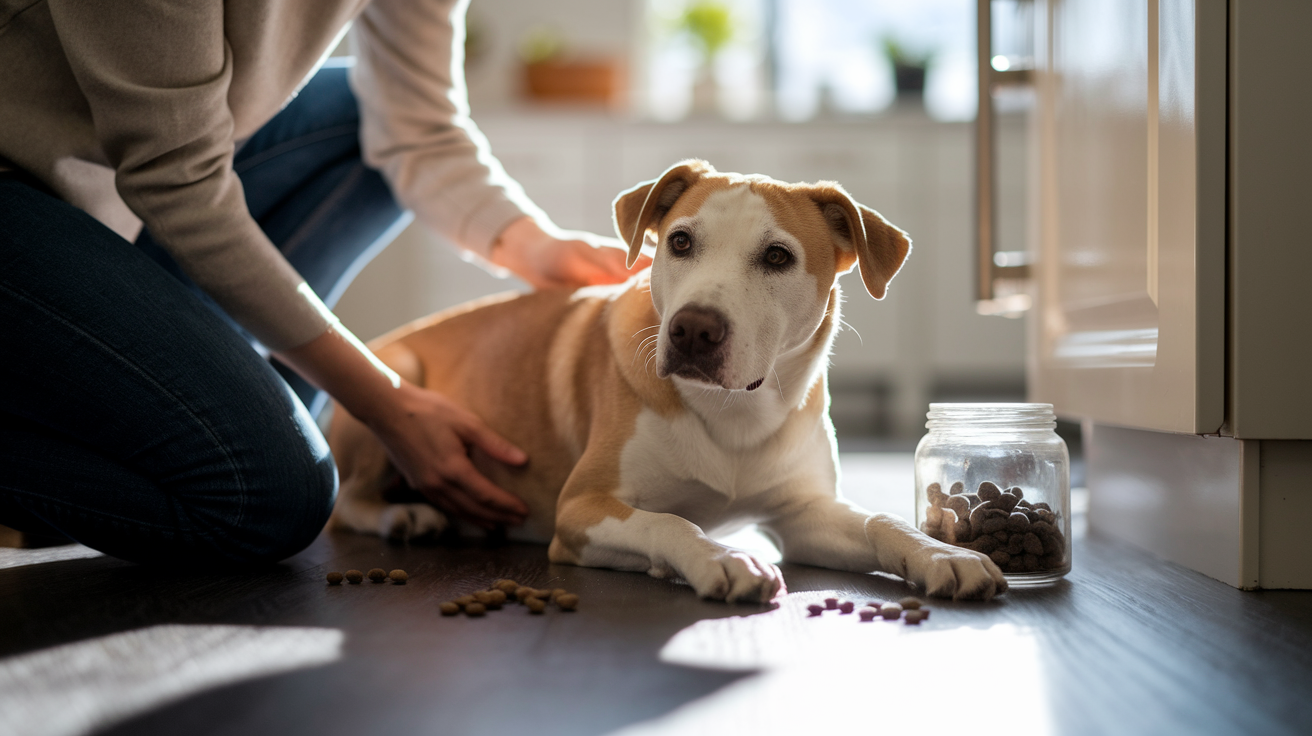
The first clue usually shows up fast. Within minutes to a couple of hours after your dog eats a treat, you might see changes. Most treat-related stomach problems appear in the first 48 hours, and you’ll notice shifts in behavior, appetite, or bathroom habits.
Timing tells you a lot. If your dog eats a new treat at 10 a.m. and has soft stool or skips dinner by early afternoon, that treat’s probably the problem.
Mild upsets tend to be short-lived. Once you stop giving the treat, things improve on their own, usually within 24 to 48 hours. If symptoms drag on past a couple of days or suddenly get worse, you’re dealing with something more serious. Call your vet. But in those first hours after a treat, you’re watching for early, visible changes that connect directly to what your dog just ate.
Pay attention to how severe the symptoms are and how they combine. One soft stool? Maybe not a big deal. But if your dog has multiple loose stools, refuses their next meal, and seems quieter than usual, all within a few hours, that’s a pattern. Here’s what to watch for:
- Soft or watery stool, sometimes with urgency or straining
- Vomiting or retching shortly after eating the treat
- Loss of appetite or refusing their next meal
- Increased gas or audible gurgling from the belly
- Mild bloating or visible discomfort when you touch their stomach
- Lower energy, like skipping playtime or resting more than usual
Understanding Digestive Upset Versus Other Reactions From Dog Treats
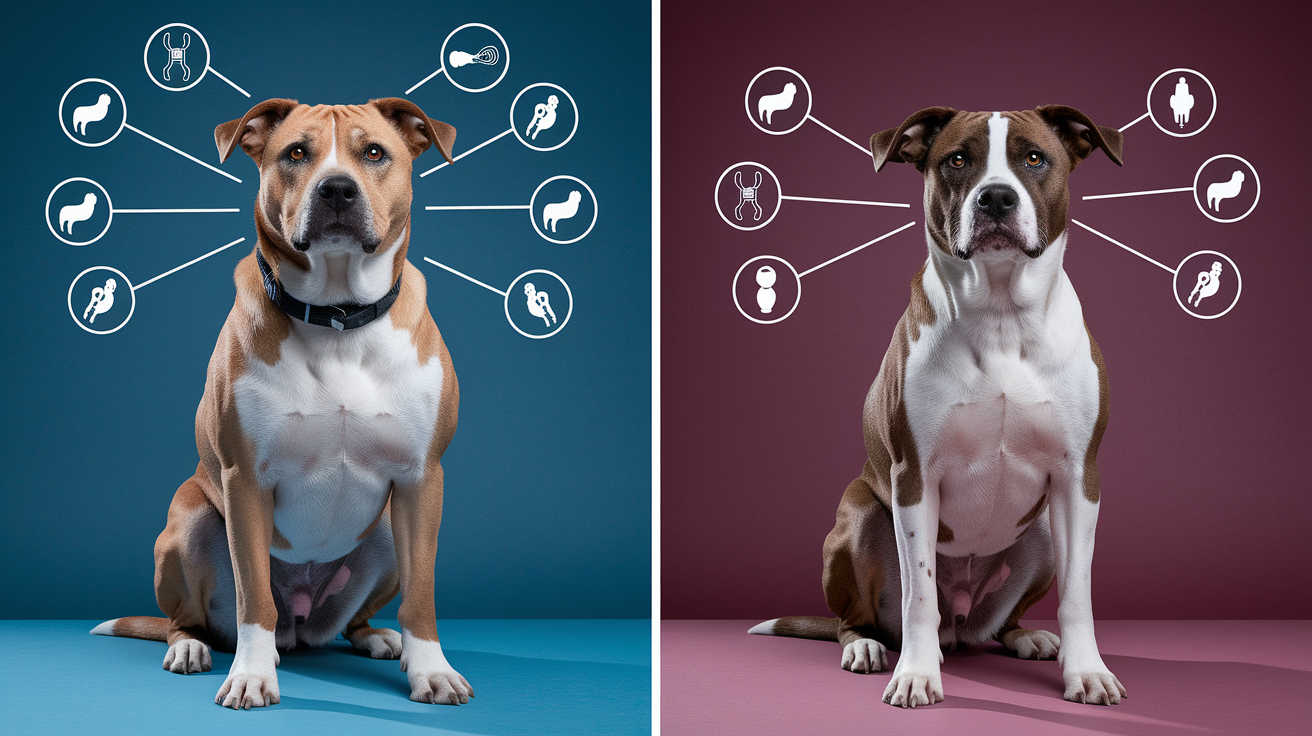
Not every bad reaction is simple digestive upset. Some dogs have immune-mediated allergic reactions that look and behave very differently.
Digestive upset tends to be short. It involves only the stomach and intestines. Vomiting, diarrhea, gas, bloating. Usually improves within 24 to 48 hours once you stop the treat. The symptoms stay in the digestive system, and your dog otherwise acts relatively normal once the upset passes.
Allergic reactions can involve the skin, respiratory system, or show up as chronic symptoms that don’t resolve quickly. You might see excessive itching, red or inflamed skin patches, hives, swelling around the face or paws, chronic ear infections, or breathing difficulty. The vomiting and diarrhea in an allergic reaction often don’t improve when you remove the treat for a day or two. They persist or even worsen.
Timing patterns differ too. Simple digestive upset commonly appears within a few hours of eating and fades fast. Allergic reactions can be immediate, like swelling within minutes, or they develop gradually after your dog’s been exposed to the same ingredient multiple times over days or weeks.
Key differences to watch for:
- Digestive upset: short duration, digestive-only symptoms, resolves within 24 to 48 hours after stopping the treat.
- Allergic reaction: systemic signs like itching or swelling, symptoms persist beyond a couple of days, often requires repeated exposure to develop.
- Mixed presentation: some dogs show both digestive and skin symptoms together, which usually signals an allergy rather than simple intolerance.
Ingredient Triggers in Dog Treats That Commonly Cause Digestive Upset
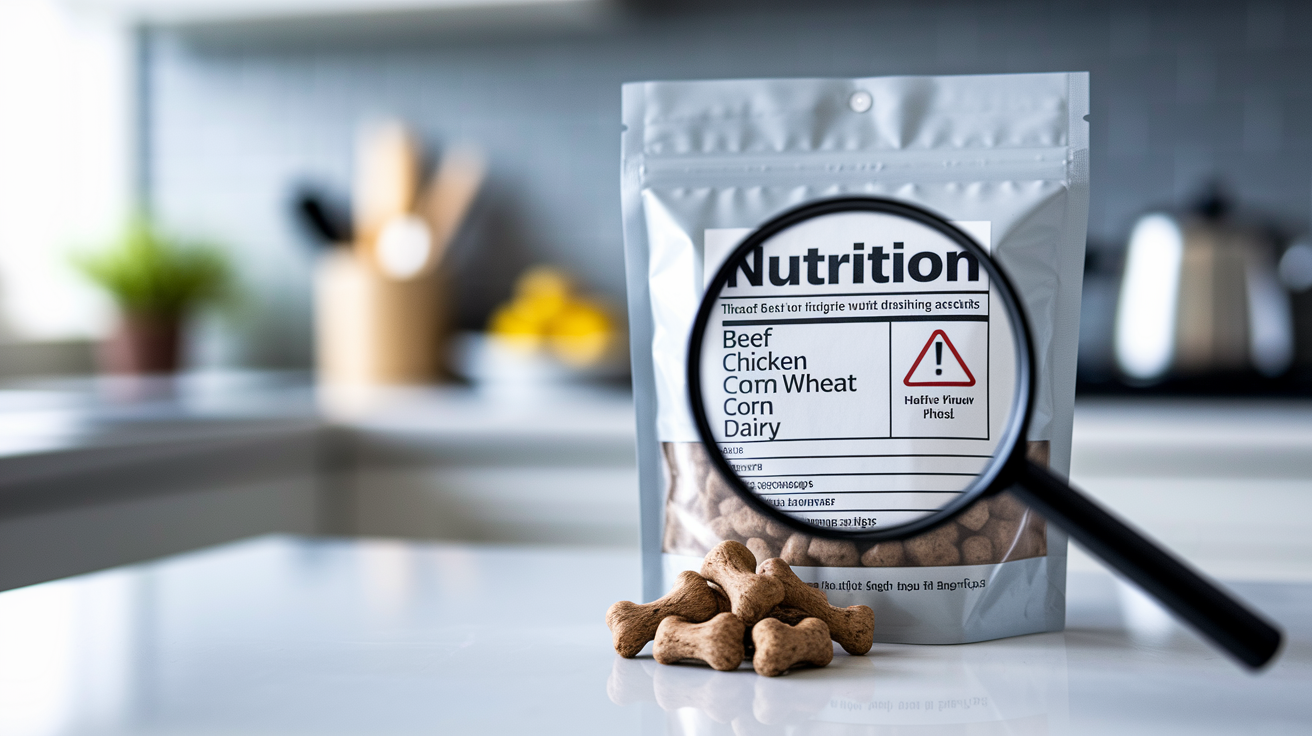
Certain ingredients keep showing up as culprits in treat-related stomach problems. Common triggers include specific proteins like beef or chicken, grains such as wheat or corn, dairy products, and soy. High-fat treats, especially those made with rendered fats or mystery meat meals, can overload a sensitive digestive system and even raise the risk of pancreatitis.
Artificial preservatives (BHA, BHT, ethoxyquin) and artificial colors or flavorings can irritate the GI lining in some dogs. Multi-ingredient treats make it harder to pinpoint the exact problem because you’re testing several variables at once.
Lower-quality treats often hide triggers behind vague ingredient labels. Terms like “meat meal,” “animal digest,” or “poultry by-products” don’t tell you which specific protein your dog’s reacting to. Fillers like corn gluten or wheat middlings add bulk without much nutrition while potentially causing sensitivity. Moldy, expired, or contaminated treats, especially jerky products that have been recalled in the past, can cause acute GI distress that looks similar to ingredient intolerance but is actually toxin or bacteria related.
Reading the ingredient list carefully helps you spot red flags before your dog eats the treat. Look for named protein sources, like “chicken” or “salmon.” Avoid treats with a long list of additives, and skip anything with unnamed fats or vague meal descriptions. If your dog has a known sensitivity, cross-check every ingredient. Even minor ones like flavoring agents or binders.
| Ingredient | Why It Causes Issues | Common Symptoms |
|---|---|---|
| Wheat, corn, soy | Grains and fillers can trigger intolerance or sensitivities in some dogs; harder to digest for sensitive stomachs | Soft stool, gas, bloating, occasional vomiting |
| Dairy (cheese, milk powder) | Many dogs lack sufficient lactase enzyme to digest lactose | Diarrhea, gas, abdominal discomfort |
| High-fat treats or rendered fats | Overloads digestive enzymes; increases pancreatitis risk | Vomiting, diarrhea, severe abdominal pain, lethargy |
| Beef or chicken protein | Common allergens; some dogs develop protein-specific sensitivities | Chronic diarrhea, vomiting, skin itching, ear infections |
| Artificial preservatives (BHA, BHT, ethoxyquin) | Can irritate GI lining; some dogs react to chemical additives | Vomiting, diarrhea, occasional drooling |
| Moldy or expired ingredients | Mycotoxins or bacterial contamination cause acute toxicity | Sudden severe vomiting, diarrhea, tremors, lethargy |
Tracking Patterns: Using a Treat and Symptom Diary to Confirm the Cause

A simple food diary turns guesswork into evidence. When you track every treat your dog eats alongside any symptoms that follow, patterns emerge fast. You might notice that soft stool always shows up about six hours after a certain brand, or that vomiting happens only on days when you give a specific flavor.
Timing is everything. Record the exact time your dog eats the treat and the exact time symptoms start. Even a few entries can reveal a clear link.
Taking photos of your dog’s stool might feel a little odd, but it’s one of the most helpful tools for spotting subtle changes in consistency, color, or the presence of mucus or blood. Photos also help you explain what’s happening to your vet without relying on memory.
Keep the diary for at least two weeks during normal routines, and extend it through any elimination or reintroduction phases so you have a complete record.
Your diary should include these details for every treat:
- Date and exact time the treat was given
- Treat brand, name, and full ingredient list from the package
- Amount given (number of pieces or grams) and your dog’s current weight
- Time to symptom onset (for example, “soft stool 4 hours after treat”)
- Description of symptoms: stool consistency (normal, soft, watery, bloody, mucus present), vomiting episodes (count and appearance), appetite changes, energy level, any skin or behavior changes
Using an Elimination Trial to Determine if a Treat Is the Culprit
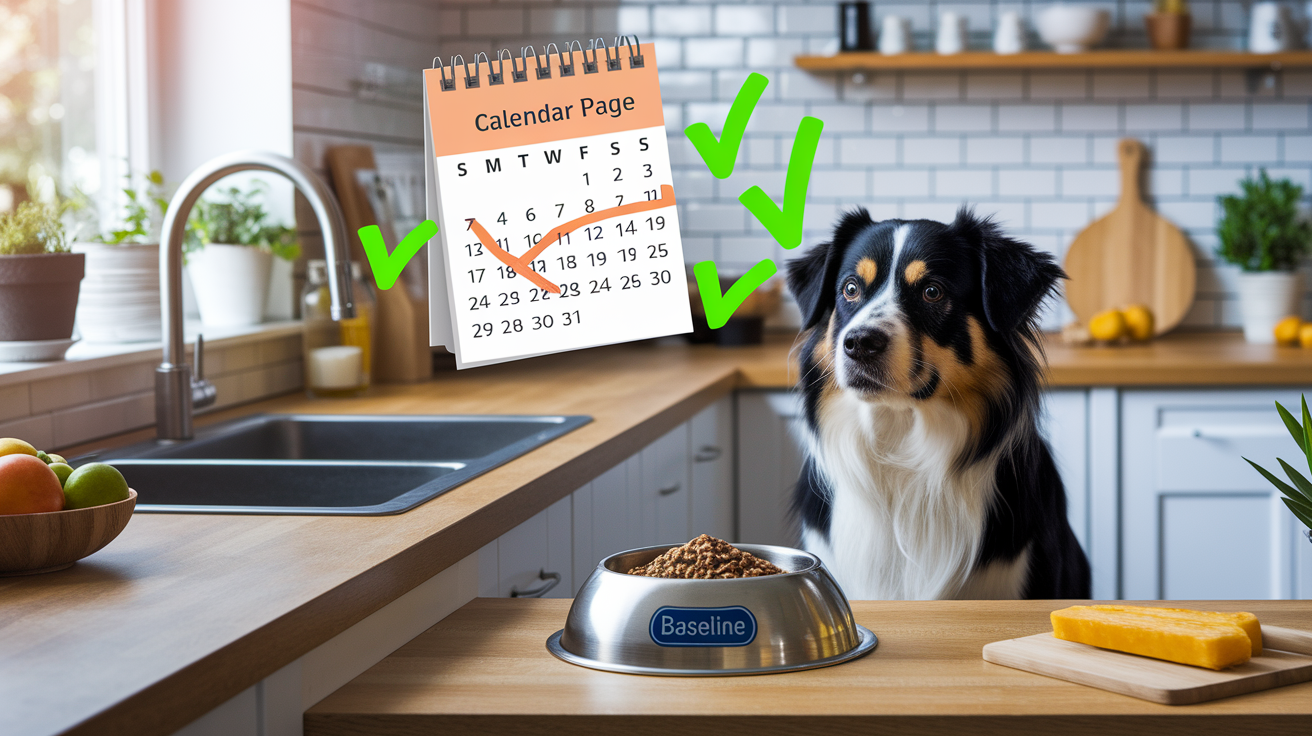
An elimination trial is the most reliable way to confirm that a specific treat’s causing digestive upset. The process is simple. Stop giving the suspect treat and any other recent dietary changes, then monitor your dog closely for improvement.
Most dogs with treat-related stomach issues start feeling better within 24 to 72 hours once the trigger’s removed. For a full, confident confirmation, especially if you suspect a delayed or cumulative reaction, plan to keep the elimination phase going for two to four weeks.
During the trial, feed only your dog’s baseline diet. The food they’ve been eating without problems for a while. Don’t introduce any new treats, table scraps, flavored medications, or chews. Consistency is key.
If you need to reward your dog during training, use a tiny portion of their regular kibble or a single-ingredient option you’ve confirmed safe in the past. Or skip treats entirely for the trial period. Track everything in your diary: stool quality, appetite, energy, and any vomiting or discomfort. If symptoms fully resolve and stay gone throughout the trial, the treat you removed is very likely the cause.
Sometimes symptoms improve within the first few days but then creep back. Or they don’t improve at all. If that happens, the treat might not be the only problem. Your dog could be reacting to something else in their diet, or there might be an underlying health issue like inflammatory bowel disease, parasites, or pancreatitis. In that case, it’s time to consult your vet before moving forward with reintroduction.
Here’s how to run a complete elimination trial step by step:
- Stop the suspect treat immediately, along with any other snacks, chews, or dietary extras introduced in the past few weeks.
- Continue feeding only the baseline dog food your dog has tolerated well, with no additions.
- Monitor and record symptoms daily for at least 7 to 14 days. Extend to 4 weeks if improvement is slow or inconsistent.
- Watch for full resolution of vomiting, diarrhea, gas, bloating, appetite loss, or lethargy. Normal stools should return and stay normal.
- If symptoms resolve completely and remain stable, the eliminated treat is confirmed as a likely trigger.
- If symptoms persist beyond two weeks or worsen, schedule a veterinary exam to rule out other causes.
Reintroducing Treats Safely to Confirm Digestive Sensitivity
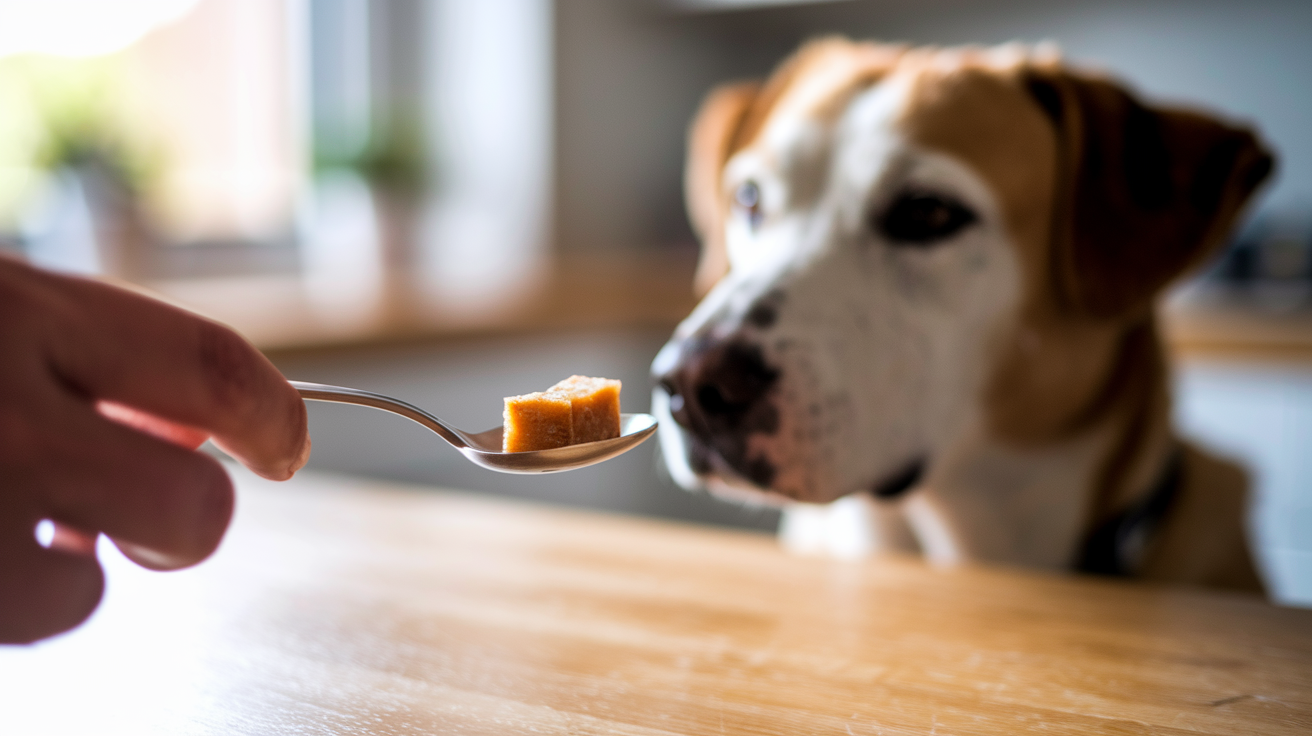
Reintroduction is the final test. Once your dog’s been symptom-free for at least 48 to 72 hours, you can carefully reintroduce the suspect treat to see if symptoms come back. This step confirms causation.
Give only one suspect treat at a time, in a very small amount. Maybe a single piece or less than 10% of a normal portion. Then watch closely for the next 24 to 72 hours. If vomiting, diarrhea, gas, or any other digestive signs return, you’ve confirmed the treat is the problem. Stop it immediately and go back to the baseline diet.
If your dog stays symptom-free after the first small test dose, you can repeat the same small amount once daily for up to three days. If symptoms still don’t appear, the treat might be safe in small portions, or the original upset could have been caused by something else. Like portion size, spoilage, or a one-time ingredient variation.
Either way, always reintroduce only one treat or ingredient at a time. Testing multiple new items together will leave you guessing again if symptoms return.
Keep these reintroduction rules in mind:
- Wait until your dog is completely symptom-free for at least 48 to 72 hours before reintroducing anything.
- Test only one treat or ingredient at a time. Never mix new items during a challenge.
- Start with a very small portion, much smaller than a normal serving.
- Observe for 24 to 72 hours after each test dose. If symptoms recur, stop the treat permanently and consult your vet if needed.
When Digestive Upset After Treats Requires Veterinary Attention
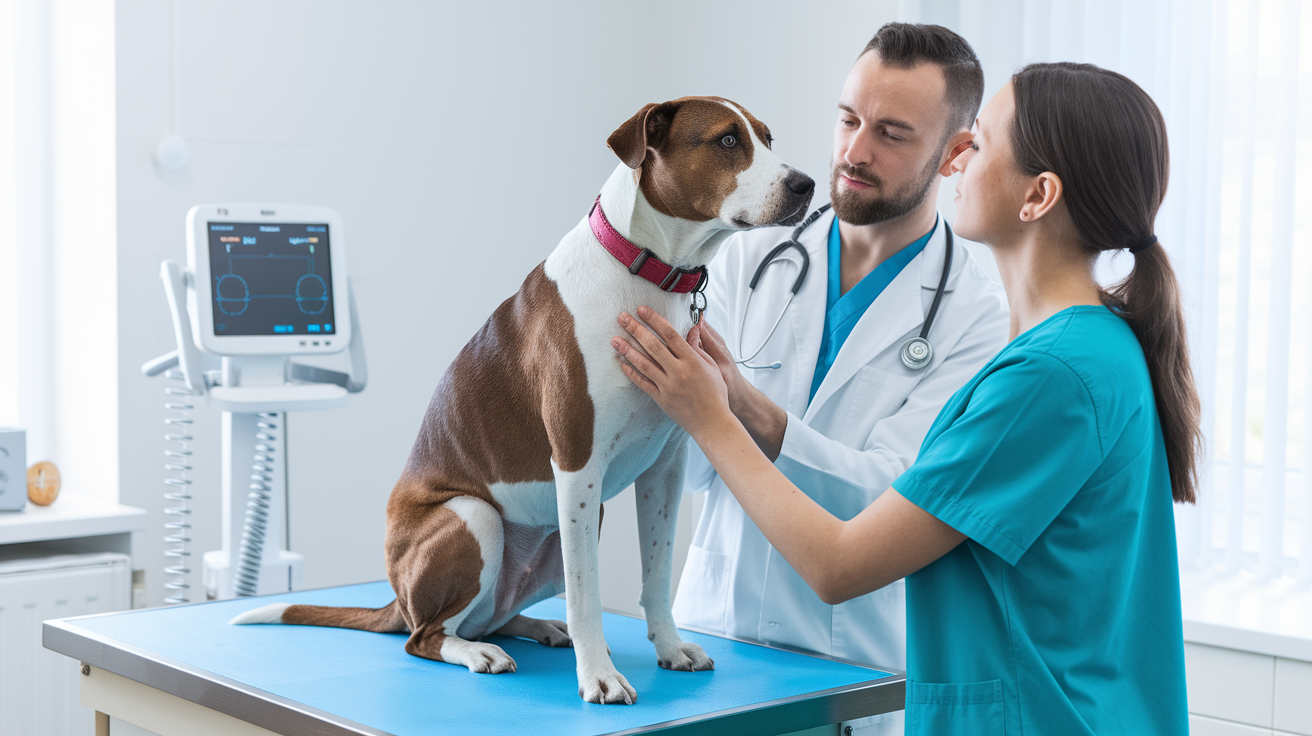
Most mild digestive upsets resolve on their own within a day or two once you remove the treat. But some symptoms are red flags that need immediate veterinary care.
If your dog vomits repeatedly, more than two or three times in a few hours, or if vomiting continues for more than 24 hours, call your vet. The same goes for diarrhea that lasts beyond 24 to 48 hours, especially if it’s watery, contains blood, or looks black and tarry (melena). These signs can indicate serious issues like infection, toxicity, or pancreatitis.
Watch for signs of dehydration, which can develop quickly with vomiting and diarrhea. Check your dog’s gums. They should be moist and pink. Dry, tacky gums are a warning sign. Do a simple skin-tent test by gently pinching the skin between your dog’s shoulder blades and letting go. The skin should snap back immediately. If it stays tented or returns slowly, your dog’s likely dehydrated and needs fluids.
Other urgent signs include extreme lethargy, collapse, severe abdominal pain (hunched posture, whining when you touch the belly), difficulty breathing, swelling around the face or throat, high fever (above 104°F or 40°C), or any symptom that seems to be getting worse instead of better.
Your vet can run diagnostic tests to figure out what’s happening. Common procedures include a physical exam, fecal tests to check for parasites or bacterial infections, bloodwork (complete blood count and serum chemistry) to assess organ function and hydration, and pancreatic-specific tests like cPLI if pancreatitis is suspected. In severe cases, abdominal imaging (X-rays or ultrasound) may be needed.
If you’ve kept a detailed treat and symptom diary, bring it to your appointment. It helps your vet identify patterns and speeds up diagnosis.
Seek emergency veterinary attention if your dog shows any of these symptoms:
- Repeated or continuous vomiting lasting more than a few hours, or any vomiting beyond 24 hours
- Diarrhea persisting beyond 24 to 48 hours, or diarrhea containing blood or appearing black
- Signs of dehydration: dry or tacky gums, skin tenting, sunken eyes, marked lethargy
- Severe abdominal pain, hunched posture, or extreme reluctance to move
- Difficulty breathing, excessive panting, or swelling around the face, throat, or paws
- Collapse, seizures, tremors, high fever, or any rapidly worsening condition
Selecting Digestive-Friendly Treat Alternatives for Sensitive Dogs
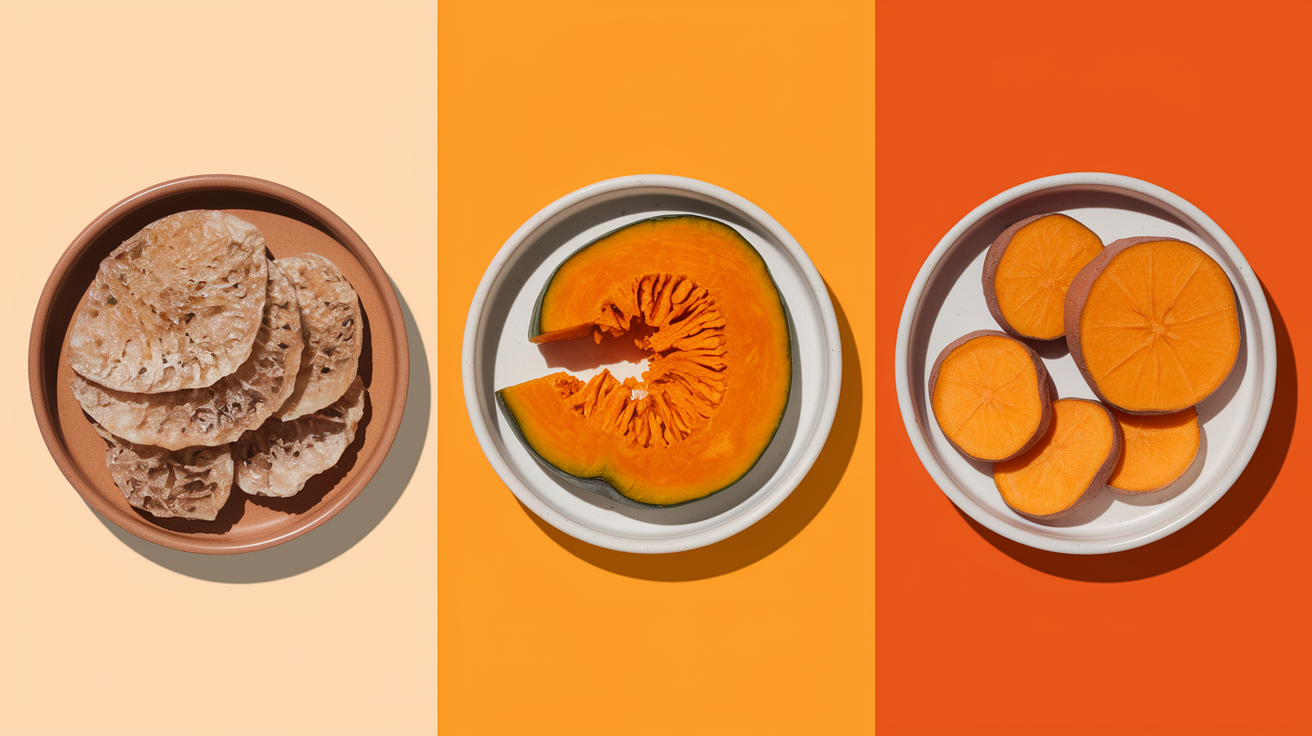
Once you’ve identified that certain treats upset your dog’s stomach, the next step is choosing gentler alternatives. Single-ingredient treats are the safest starting point because they eliminate guesswork. Think 100% freeze-dried chicken breast, pure pumpkin, or plain sweet potato.
Limited-ingredient treats, those with three to five simple, named ingredients, are also a good choice. Low-fat options reduce the risk of triggering pancreatitis or overwhelming your dog’s digestive enzymes. Especially important for breeds like Labradors and Bulldogs that tend to be more sensitive.
Freeze-dried and gently processed treats preserve more natural enzymes and nutrients compared to high-heat, heavily processed snacks. Homemade treat recipes give you total control over ingredients. Simple baked sweet potato slices, plain boiled chicken pieces, or frozen pumpkin cubes work well for training and rewarding without adding mystery ingredients.
When you do buy commercial treats, read ingredient labels carefully. Avoid vague terms like “meat meal” or “animal digest.” Skip treats with artificial preservatives (BHA, BHT, ethoxyquin), and look for named protein sources and minimal fillers.
Grain-free versus grain-inclusive is a personal choice that depends on your dog’s specific sensitivities. Some dogs do better without grains, while others tolerate oats or rice just fine. If grains were part of the problem during your elimination trial, stick with grain-free options. If grains weren’t an issue, you don’t need to avoid them. The goal is to match the treat to your dog’s individual digestive needs, not follow a trend.
| Treat Type | Benefits | Best Use Case |
|---|---|---|
| Single-ingredient freeze-dried (chicken, beef liver, fish) | No fillers, easy to digest, minimal processing, clear protein source | Training rewards, dogs with known sensitivities, elimination trials |
| Low-fat, limited-ingredient treats | Gentle on the stomach, reduces pancreatitis risk, fewer potential triggers | Sensitive stomachs, older dogs, breeds prone to GI upset |
| Homemade options (sweet potato, pumpkin, plain boiled chicken) | Total ingredient control, no preservatives, cost-effective, customizable | Dogs with multiple sensitivities, budget-friendly alternative, post-upset recovery |
| Probiotic-infused or digestive-support treats | May help maintain gut flora balance, support overall digestive health | Dogs recovering from upset, ongoing digestive maintenance, stress-related GI issues |
Final Words
If your dog has soft stool, vomiting, extra gas, or a temporary loss of appetite within hours of a treat, that’s your cue to act. We covered timing and severity clues, signs to watch, and how to tell digestive upset from an allergic reaction.
Keep a treat-and-symptom diary, try a short elimination trial, and reintroduce treats one at a time. Know when to call the vet, and choose simple low-fat alternatives when needed.
These steps show how to tell if a dog treat is causing digestive upset, so your pup can get back to happy walks and calm tummies.
FAQ
Q: Can dog treats upset a dog’s stomach?
A: Dog treats can upset a dog’s stomach when they contain new ingredients, high fat, preservatives, or are spoiled; signs include vomiting, soft stool, gas, and appetite loss, often within hours.
Q: What is the 7 7 7 rule for dogs?
A: The 7 7 7 rule for dogs is a simple training pace: seven repetitions, about seven seconds each, and roughly seven-minute sessions to keep lessons short, consistent, and rewarding for learners.
Q: What is the 10 minute rule for dogs?
A: The 10 minute rule for dogs is to limit focused training or intense play to about ten minutes to avoid fatigue, overstimulation, and excess treat intake that can upset digestion.
Q: How long does it take for a dog to digest a treat?
A: A dog typically takes 24 to 48 hours to fully digest a treat, though early signs like vomiting or loose stool can appear within hours, especially after high-fat or large treats.