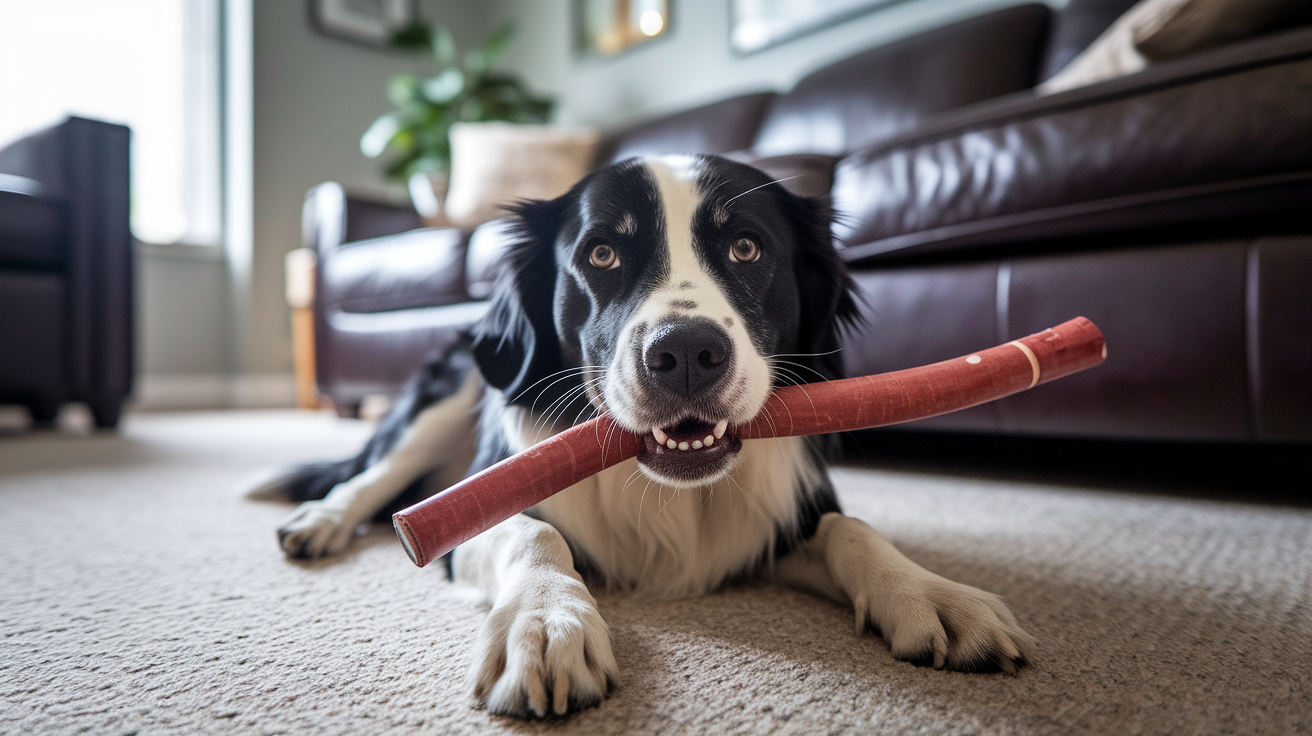
Think long-lasting chews are always safe for power chewers?
Not always.
Aggressive chewers can shred even tough treats into jagged chunks that can block the airway in under 30 seconds.
I’ve seen a calm chewer turn frantic after one gulp.
The good news is you don’t have to give up durable chews.
With the right size, the right material, and smart supervision, you can cut choking risk way down.
This post lays out easy steps on choosing chews, using holders, timing sessions, and spotting early warning signs so chew time stays fun and safe.
Essential Safety Steps to Prevent Choking with Long‑Lasting Chews for Aggressive Chewers
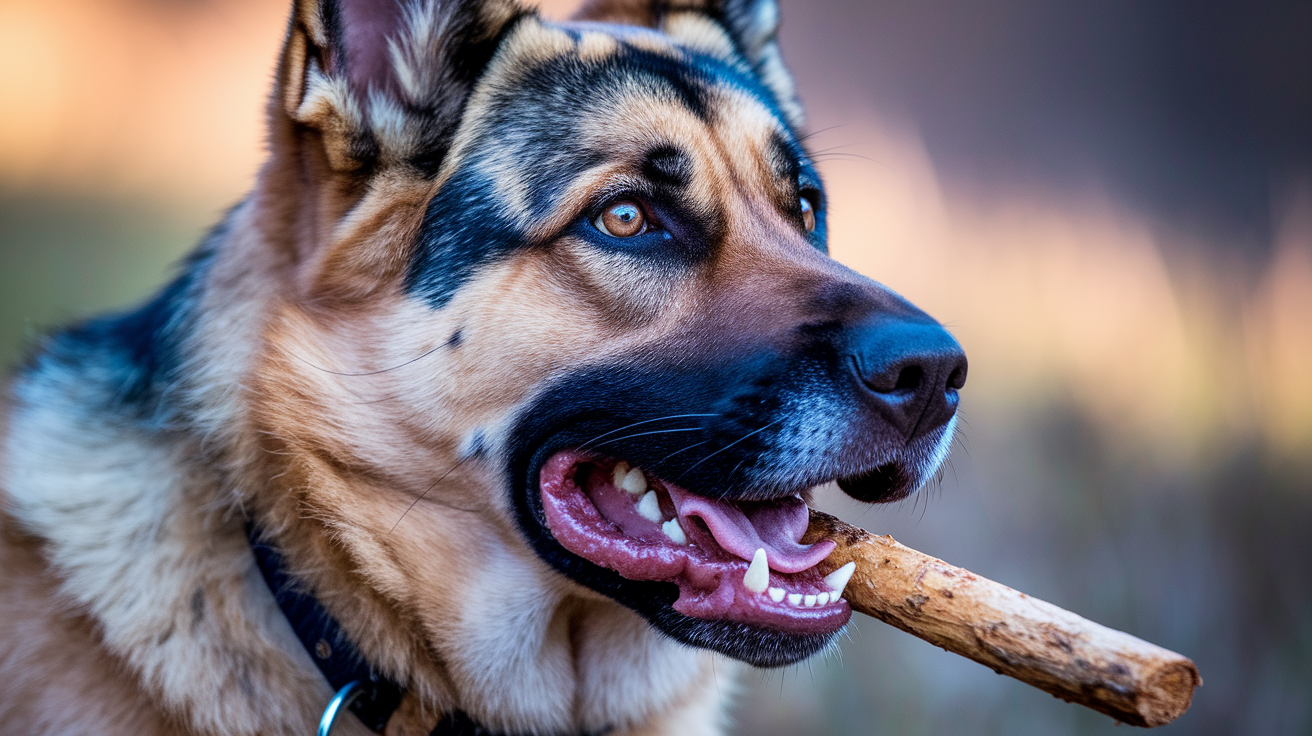
Aggressive chewers run a higher choking risk. They break treats down faster, create bigger fragments, and swallow pieces before they’re safe to pass. Dogs who shake or rip at chews can turn them into jagged chunks that lodge in the throat. Even digestible stuff like bully sticks becomes dangerous when an excited dog gulps a piece too big for their airway.
The best prevention? Watch them. Always. Put your dog somewhere stable where you can see their mouth and body language clearly. Grab a non-metal clamp or holder to lock down the last few inches of edible chews so they can’t swallow the end bit. Pull the chew the second your dog starts gulping, thrashing, or trying to force large chunks backward.
Know the warning signs before you need them. Gagging, pawing at the mouth, persistent coughing, labored breathing, bluish gums. All of those mean airway obstruction and you need to act right now. Keep your vet’s emergency number close every time your dog chews.
Six Core Safety Steps for Aggressive Chewers:
- Supervise every chew session from start to finish. No multitasking.
- Create a quiet space for chewing to cut down on excitement and gulping.
- Use a secure holder to prevent swallowing the last 1.5 to 2 inches.
- Watch how they’re chewing and step in if they shift from gnawing to swallowing.
- Stop immediately if your dog starts shaking aggressively, biting fast, or trying to force big pieces down.
- Learn the early choking signs and have a response plan ready before you hand over any new chew.
Choosing Safer Chew Sizes and Shapes to Reduce Choking Risk

Simple rule: pick a chew at least 1.5 times the length of your dog’s muzzle. A chew longer than their head can’t be swallowed whole, and it forces them to gnaw slowly instead of gulp. For medium to large dogs, that usually means starting at 6 inches or longer. Very large or power chewing breeds? Go for 11 to 12 inch braided or jumbo options for both safety and longer chew time.
Toss any piece that shrinks below 1.5 to 2 inches or gets small enough to fit behind their molars. At that size, even digestible chews can block airways or cause intestinal problems. Braided or thick designs add chew time and slow down how fast a treat becomes swallowable.
Size and Shape Selection Guidelines:
Dogs under 20 pounds: thin bully sticks, 4 to 6 inches.
Dogs 20 to 50 pounds: standard thickness bully sticks or tendon, 6 to 8 inches.
Dogs over 50 pounds: thick, braided, or jumbo bully sticks, 8 to 12 inches.
Diameter matters too. Choose chews wider than the space between your dog’s canines to stop sideways swallowing.
End piece threshold: remove and toss when any chew shrinks to about 1.5 to 2 inches, adjusting for your dog’s mouth size.
Comparing Chew Materials for Aggressive Chewers and How They Affect Choking Risk
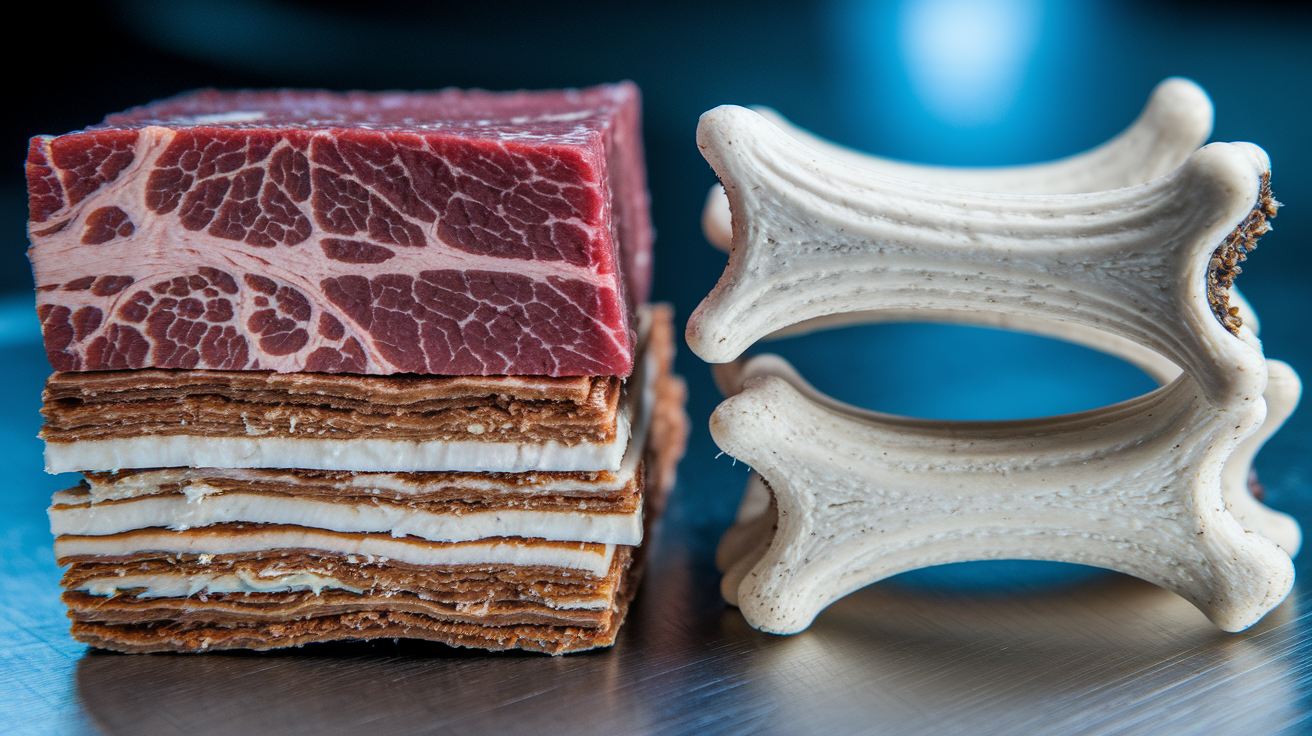
Not all chews are the same. Bully sticks are 100% beef muscle. Single ingredient, won’t splinter, fully digestible. That makes them safer for aggressive chewers. Beef tendon and paddywack give you similar toughness with natural protein and minimal processing. Antlers are incredibly durable but extremely hard. They rarely splinter, but they can fracture teeth and might be too rigid for some dogs.
Rawhide’s a double problem. It’s hard to digest and often processed with chemicals that weaken it, which leads to splintering or choking sized fragments. Cooked bones from leftovers? T-bones, chicken wings, rib bones? They splinter into sharp shards that can puncture the throat or digestive tract. Cheap plastic toys and low quality rubber break into jagged pieces under pressure. Tennis balls are a common mistake. Dogs pull off the fuzzy coating, swallow it, and it doesn’t digest. It can accumulate or obstruct.
For power chewers, stick with natural, single ingredient options that wear down gradually instead of fracturing. Braided bully sticks and solid tendon chews combine durability with digestibility. Extended chew time, no splinter risk from processed or composite materials.
| Material | Durability | Choking Risk | Notes |
|---|---|---|---|
| Bully Sticks (100% beef) | Medium to High | Low (if supervised and sized correctly) | Digestible, non-splintering; use holder for end pieces |
| Rawhide | Medium | High | Hard to digest, can splinter; avoid for aggressive chewers |
| Antlers | Very High | Medium | Extremely hard; risk of tooth fracture; monitor closely |
| Cooked Bones | Low | Very High | Splinter easily; can puncture throat or intestines—never offer |
Supervised Chew Sessions: Techniques to Reduce Choking with Long Lasting Treats

Supervision means more than being in the same room. Position yourself where you can clearly see your dog’s mouth, jaw movement, and body language throughout the session. Limit each one to about 20 to 30 minutes to prevent fatigue, overexcitement, or the frantic chewing that leads to gulping. A calm environment cuts down on competition anxiety and the urge to swallow large pieces quickly. Don’t offer chews during active play, around other dogs, or in high traffic areas where your dog might feel rushed.
Rotate between a couple different chew types every few days to keep interest high and prevent fixation on one product. Boredom can lead to destructive chewing or attempts to finish too fast. Use a non-metal clamp or bully stick holder to secure the last 1.5 to 2 inches and protect your dog’s teeth while preventing end piece swallowing. For more detailed guidance on safe chew selection and supervision practices, see Safe Treats and Chew Toys for Dogs.
Safe Positioning and Handling Techniques
Place the chew on a flat, stable surface. Never toss it or let your dog catch it mid-air. Sit or lie your dog down in a relaxed posture before handing it over. Watch for changes in chewing rhythm. Steady gnawing is safe. Rapid, jerky bites or attempts to reposition the chew toward the back of the throat signal trouble. If your dog starts shaking aggressively or trying to break off large chunks, calmly take it away, let them settle, and offer it again only when they’re calm. Remove the chew immediately if you see gulping motions or if pieces are breaking off faster than your dog can safely manage.
When and How to Replace or Discard Long Lasting Chews Before They Become a Choking Hazard

Inspect every chew after each session. Look for cracks, splinters, soft spots, or areas where the material’s fraying or peeling. Any chew that can be torn apart easily, pulled into strips, shredded, or broken with light pressure should be tossed immediately. Structural breakdown accelerates choking risk because fragments detach unpredictably and your dog may swallow pieces before you can step in.
Odor and color changes also signal danger. A bully stick or tendon chew that develops a sour smell, dark discoloration, or slimy texture has begun to spoil and may harbor bacteria or weaken structurally. Progressive shredding’s common in softer chews. Once you see loose threads, chunks, or a chew that no longer holds its shape, it’s time to replace it. Even durable chews like antlers can develop hairline fractures that lead to sharp edged breaks.
Daily Inspection Checklist:
Check for visible cracks, splits, or splintering along the surface.
Feel for soft or spongy areas that indicate material breakdown.
Sniff for sour, rancid, or unusual odors.
Look for color changes like darkening, mold, or uneven discoloration.
Test structural integrity by applying light pressure. Discard if the chew bends too much or crumbles.
Monitor for loose threads, fuzz, or fragments that have separated from the main chew.
Recognizing the Early Signs of Choking or Airway Obstruction in Aggressive Chewers
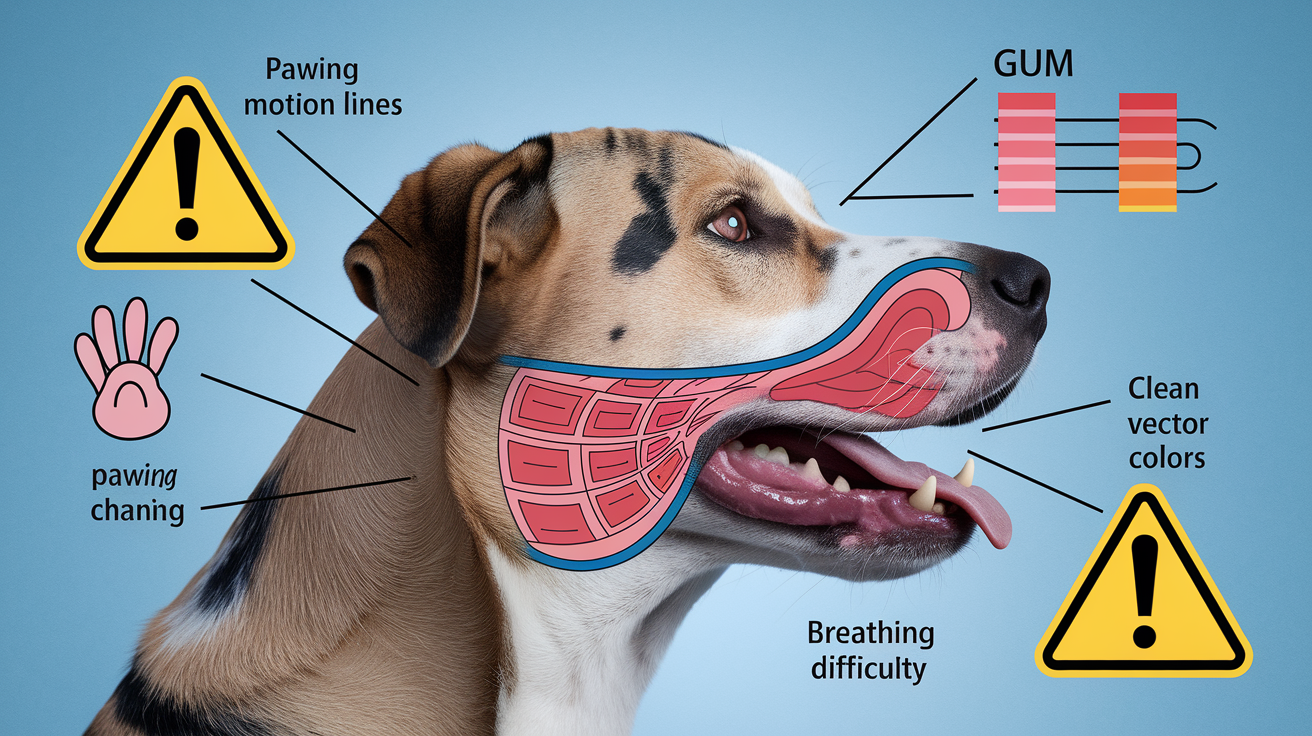
Choking often starts with subtle signs that escalate fast. Gagging, repeated coughing, or a high pitched squeak when your dog tries to breathe all indicate a partial airway obstruction. Your dog may paw at their mouth, shake their head violently, or drool excessively as they try to dislodge the fragment. These early signs give you a narrow window to assess and act before the airway closes completely.
As obstruction worsens, breathing becomes labored or silent. Bluish or pale gums and tongue signal oxygen deprivation and require immediate emergency response. Panic, wild eye movement, or sudden collapse are late stage indicators that the airway’s fully blocked. Even partial obstructions can shift and become complete within seconds, especially if your dog continues to struggle or tries to swallow.
Any combination of these signs during or immediately after a chew session means stop everything and check your dog’s mouth. Stay calm, move deliberately, and prepare to intervene or transport to emergency care if the obstruction doesn’t clear on the first attempt.
Emergency Choking Response for Dogs: What to Do When a Long Lasting Chew Becomes Dangerous

If you see visible obstruction at the front of your dog’s mouth, carefully open their jaws and remove the object with your fingers or pliers. Only attempt removal if you can see and safely grasp the fragment. Never sweep blindly down the throat, which can push the obstruction deeper or cause injury. If the object’s not visible or your dog resists, move immediately to the next step.
Seven Step Emergency Choking Protocol:
- Keep your dog as calm as possible. Panic increases oxygen demand and worsens the obstruction.
- Open the mouth gently and look for a visible object you can safely remove.
- If the object’s out of reach or the dog’s struggling, prepare to perform abdominal thrusts (canine Heimlich maneuver).
- For a conscious dog: place your fist just below the rib cage and deliver short, firm upward thrusts. Repeat until the object dislodges or the dog loses consciousness.
- If the dog becomes unconscious: lay them on their side, check the airway again, and begin CPR if you’re trained.
- Call your emergency veterinarian or nearest animal ER immediately, even if the obstruction clears. Internal trauma or fragment migration may still require treatment.
- Transport your dog for evaluation. Veterinary interventions may include endoscopy or surgery to locate and remove lodged pieces safely.
Never induce vomiting unless explicitly instructed by a veterinarian. Vomiting can shift the obstruction or cause aspiration. For detailed safety guidance on bully stick choking risks and emergency protocols, see Do Dogs Choke on Bully Sticks?.
Professional training in canine Heimlich and CPR’s invaluable. Many local veterinary clinics and pet organizations offer short courses. Even a single session can prepare you to respond confidently and correctly when seconds matter.
Safer Alternatives to High Risk Long Lasting Chews for Aggressive Chewers

Rawhide should be replaced with fully digestible, single ingredient options. Braided bully sticks (three strands twisted together) offer the durability of rawhide without the digestion problems or chemical processing. Beef paddywack and tendon are naturally tough, high protein chews that satisfy aggressive chewers and break down more predictably than composite or processed products.
Cooked bones are never safe. Their brittle structure splinters under pressure. Choose raw, appropriately sized recreational bones only if your veterinarian approves them for your dog’s bite strength and chewing style, and always supervise. Avoid tennis balls as chew toys. Dogs strip the fuzz and swallow it, leading to blockages. Durable rubber toys designed for power chewers (look for solid construction without removable parts) are safer alternatives for unsupervised play.
Rotate chews to prevent overuse and boredom. Offering the same chew daily increases the chance your dog will try to finish it quickly out of routine rather than enjoyment. Alternating between edible and durable non-edible toys on different days keeps chewing interesting and reduces the risk of fast consumption.
Five Safer Long Lasting Chew Alternatives:
Braided bully sticks (6 inch and 11 to 12 inch options): extended durability, single ingredient, digestible.
Beef tendon or paddywack: natural toughness, high protein, breaks down gradually.
Solid rubber toys designed for aggressive chewers: no removable parts, long lasting, safe for independent play.
Vegetable based durable chews: plant fiber options that satisfy gnawing instincts without animal protein.
Antler pieces (with caution): best for experienced chewers. Monitor for tooth damage and replace if sharp edges develop.
Veterinary and Behavioral Strategies to Reduce Fast Chewing and Prevent Choking

Chewing satisfies instinct, reduces stress, and strengthens jaw muscles. But fast chewing often signals anxiety, competition, or overstimulation. Dogs who gulp treats in multi-pet households may be guarding resources. Dogs left alone for long periods may chew frantically out of boredom or separation anxiety. Addressing the behavioral root cause can slow chewing and reduce choking risk as much as choosing the right product.
Consult your veterinarian or a veterinary dental specialist to assess your dog’s bite strength, jaw alignment, and dental health. Some dogs have dental issues that make certain chews painful or unsafe. Others have jaw strength that exceeds the durability of standard products, requiring jumbo or specialty options. Puppies should limit bully stick consumption to less than 10% of their daily calorie intake and chew for only 5 to 10 minutes per session to prevent overfeeding and digestive upset.
Positive reinforcement helps teach slower, more controlled chewing. Reward your dog when they pause, gnaw gently, or look up during a chew session. Use a calm cue like “easy” or “slow” and immediately reward calm behavior with praise or a small, separate treat. Redirect aggressive shaking or gulping by calmly removing the chew, waiting for your dog to settle, and offering it again only when they’re relaxed. For expert recommended chew guidance tailored to aggressive chewers, see Best Dog Chews for Aggressive Chewers.
Reinforcement Techniques to Encourage Slower Chewing
Introduce a chew in a low energy moment. After a walk or play session when your dog’s naturally calmer. Sit nearby and praise quiet gnawing every 30 to 60 seconds. If your dog speeds up or starts gulping, pause the session entirely and resume only after a break. Over time, your dog will associate calm chewing with continued access and praise. Pair chew time with a designated mat or bed to create a predictable, low stress routine. Consistency builds habits. Calmer habits reduce the urgency that leads to choking.
Final Words
In the action, we covered why aggressive chewers need close watch, how to pick safer sizes and materials, and simple supervision and replacement rules that cut choking risk.
We walked through early signs, emergency steps, and behavior and vet strategies to slow fast chewing, all practical stuff you can use during chew time.
Follow these steps and keep treats working for training and bonding. Knowing how to prevent choking with long-lasting chews for aggressive chewers helps you keep your dog safe and happy.
FAQ
Q: How do I stop my dog from choking on chews? / Are dog chews a choking hazard?
A: Stopping a dog from choking on chews begins with knowing chews can be a choking hazard. Supervise every session, choose proper size and shape, use holders, and remove small or broken pieces right away.
Q: What do vets recommend for aggressive chewers?
A: Vets recommend durable, digestible chews, continuous supervision, chew holders, and consulting your veterinarian about jaw strength, dental health, and safe options tailored to your dog.
Q: Why don’t vets like bully sticks?
A: Vets often dislike bully sticks because, although 100% beef and non-splintering, small fragments can be swallowed and cause choking or blockage; they also can be calorie-dense, so supervision and size matching matter.