
Think “gentle” on the bag means gentle for your dog? Not always.
If your dog’s tummy is touchy, the wrong new digestive treat can cause loose stools, gas, and a frustrating setback, so go slow and watch closely.
This post gives a simple, pet-first seven- to ten-day plan, shows which ingredients and textures are easiest on sensitive stomachs, and explains exactly what to watch for so you can introduce a new digestive treat safely and with confidence.
A Safe Step-by-Step Digestive Treat Introduction Plan for Sensitive Dogs

Most dogs handle new treats just fine, but if your dog’s stomach is touchy, you can’t rush it. Going straight to a full portion forces their digestive system to adapt all at once, and for a sensitive dog, that usually means loose stools, gas, and a setback that takes days to sort out. Think of it like turning up the volume one notch at a time so you can catch the crackling before it gets worse.
The basic plan runs seven days. You’ll start with a tiny test piece for the first two days, bump up to about half the intended portion by days three and four, and then give the full serving by day five if everything looks good. For dogs with a history of GI issues or known intolerances, stretching it to ten days or longer gives you space to catch reactions early. Smaller, slower steps mean you can link any upset directly to the new treat instead of playing guessing games. If your dog’s stool gets runny or you see vomiting, stop the new treat right away and go back to what was working.
This whole thing works best when you’re checking stools daily and watching behavior. Mild loose stools in the first couple days can be normal transition stuff, especially if your dog tends to react to change. But anything that lasts past 48 hours, includes blood, or comes with low energy or repeated vomiting needs a vet’s attention. The plan below assumes you’re adding one new digestive treat to a stable diet. Don’t introduce anything else new, food or treat, until you’re done with this trial.
-
Day 1–2: Give a single small piece, about one quarter of a full treat or roughly 10 to 20% of the serving you’d eventually offer. Watch closely for the next 48 to 72 hours. Check for soft stool, gas, any whining after eating, or low energy.
-
Day 3–4: If nothing bad happened, bump up to half your intended treat portion. Keep checking stool and appetite daily.
-
Day 5–7: Move to the full serving size. If your dog’s energy, appetite, and stool all stay normal through day seven, you’re done.
-
Extended option (10+ days): For really sensitive dogs, slow the pace down. Advance by smaller steps every three days, or hold steady at each level for four to five days before stepping up. Increases of less than 10% each time can help.
-
Pause or revert: The second you see concerning symptoms (soft repeated stools, vomiting more than once, bloating, or appetite loss), stop the new treat entirely. Go back to the previous safe baseline and wait until everything settles before you think about a slower retry or a different option.
-
One variable at a time: Don’t add a second new treat, a new food, or even a different flavor until this one has cleared the full trial window. If something goes wrong, you need to know exactly what caused it.
-
Track daily: Write down the date, portion size, stool quality, and any behavior change. A simple note on your phone works. You’re building a map of what your dog can handle, and memory isn’t enough when symptoms are subtle or delayed.
Ingredient-Focused Guidance for Choosing Digestive Treats for Sensitive Dogs
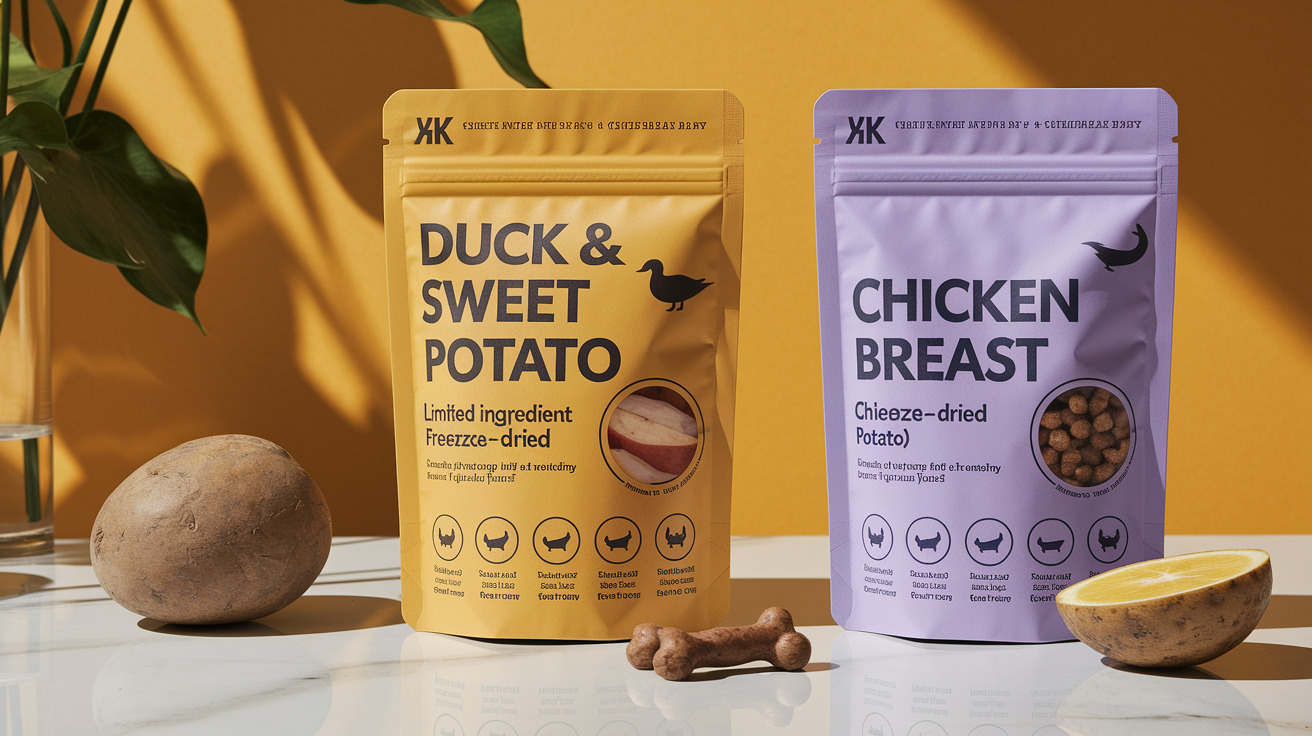
Shorter ingredient lists mean fewer variables your dog’s gut has to process, and it’s easier to spot a trigger if something goes sideways. When you’re shopping for treats for a sensitive stomach, look for one to three recognizable ingredients. Ideally a single protein or a single vegetable. Limited ingredient treats aren’t just marketing speak, they’re a troubleshooting tool. If a treat contains only duck and sweet potato, and your dog reacts, you know to avoid one of those two. If the bag lists fifteen ingredients including multiple grains, by-products, and a string of preservatives, you have no idea which one caused the problem.
Processing matters almost as much as the ingredient itself. Freeze dried single ingredient options, like plain chicken breast or salmon, keep nutrients intact without adding fillers, dyes, or chemical preservatives. Gently cooked or baked whole ingredient treats are another safe bet, especially if they skip artificial colors, BHA, BHT, ethoxyquin, and mystery “flavoring.” Highly processed kibble style treats often pack in cereal fillers like corn, wheat, soy, or rice bran, which can spike blood sugar and irritate already sensitive digestion. Meat meals and by-products sound protein rich, but their quality varies wildly batch to batch, and they’re harder for dogs to break down. If you can’t picture the ingredient in its whole form, your dog’s stomach probably won’t love it either.
Ingredients to avoid or screen carefully for sensitive dogs:
- High cereal content: corn, wheat, soy, and rice bran, especially near the top of the ingredient panel
- Meat meals and by-products: inconsistent quality, tougher to digest, and often sourced from multiple animals
- Artificial preservatives: BHA, BHT, and ethoxyquin
- Artificial flavors and dyes: no nutritional benefit and can trigger reactions in sensitive dogs
- Excess fats or greasy trimmings: risk overwhelming digestion and linked to pancreatitis flare ups
- Multiple protein sources in one treat: harder to isolate the trigger if a reaction occurs
Identifying Signs of Intolerance When Introducing Digestive Treats
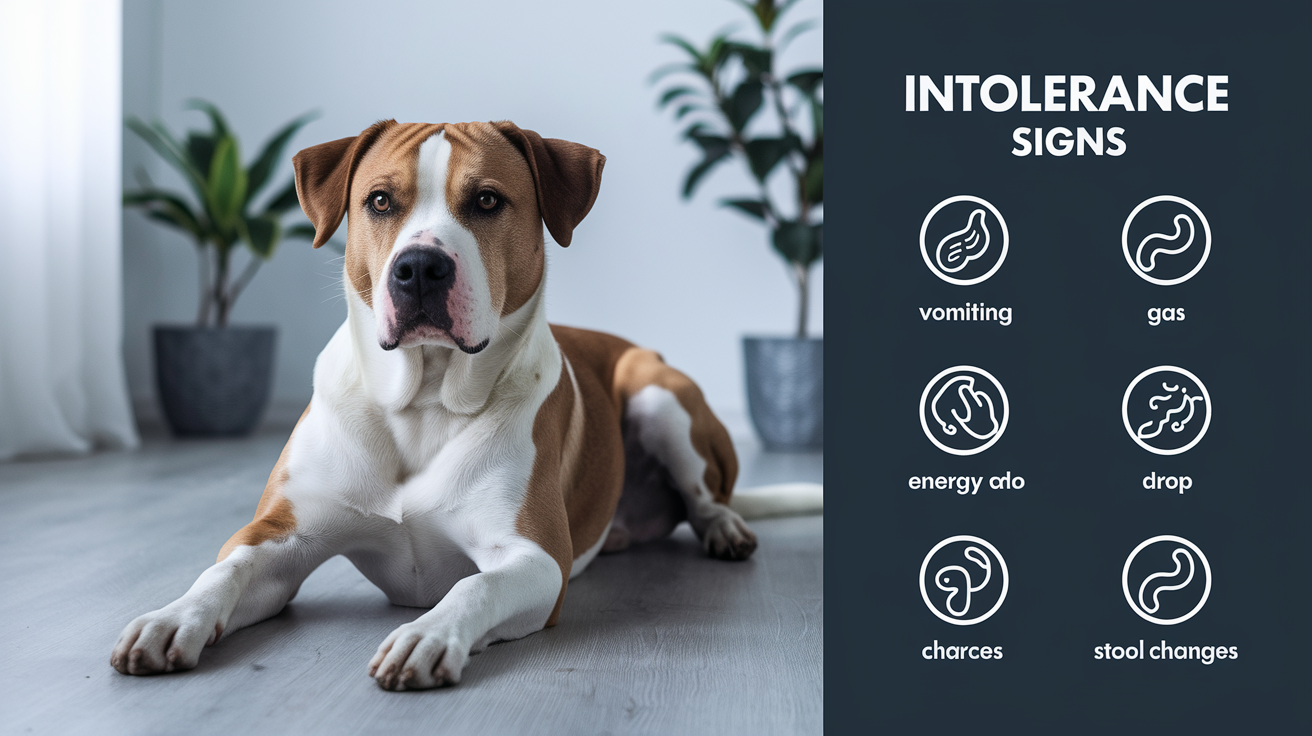
You’re looking for two kinds of signs: immediate distress and slower developing GI changes. Immediate reactions (vomiting within hours, facial swelling, hives, or difficulty breathing) are rare but serious and usually indicate an allergic response rather than simple intolerance. Stop the treat, contact your vet, and don’t bring it back. The more common pattern is gradual. Your dog’s stool softens over a day or two, gas increases, appetite dips, or energy drops slightly. These signals tell you the new ingredient is irritating the gut lining or messing with the microbiome, and they tend to show up within 48 to 72 hours of the first dose.
Minor transition fuzziness (one slightly soft stool or a bit of extra gas on day one or two) can be normal, especially for dogs who’ve had limited treat variety. But persistent symptoms (loose stools for more than two days, repeated vomiting, visible bloating, blood in the stool, or signs of dehydration like sticky gums or lethargy) cross into “call the vet” territory. If you’re unsure whether a symptom is mild or moderate, go ahead and do a quick phone check in with your veterinarian. You know your dog’s normal baseline better than anyone.
| Sign | Severity Level | Required Action |
|---|---|---|
| One soft stool, mild extra gas | Mild | Pause new treat; monitor for 24 hours; slow introduction if symptom clears |
| Repeated loose stools >48 hours, vomiting 2+ times, appetite loss, lethargy | Moderate | Stop new treat immediately; revert to safe baseline; contact veterinarian within 24 hours |
| Blood in stool, persistent vomiting, facial swelling, breathing difficulty, collapse | Severe | Stop treat; seek emergency veterinary care immediately |
| Chronic low-grade upset (ongoing soft stool, intermittent vomiting over weeks) | Chronic / Pattern | Discontinue treat; schedule veterinary exam and discuss elimination diet or allergy testing |
Monitoring Digestive Changes While Introducing New Treats
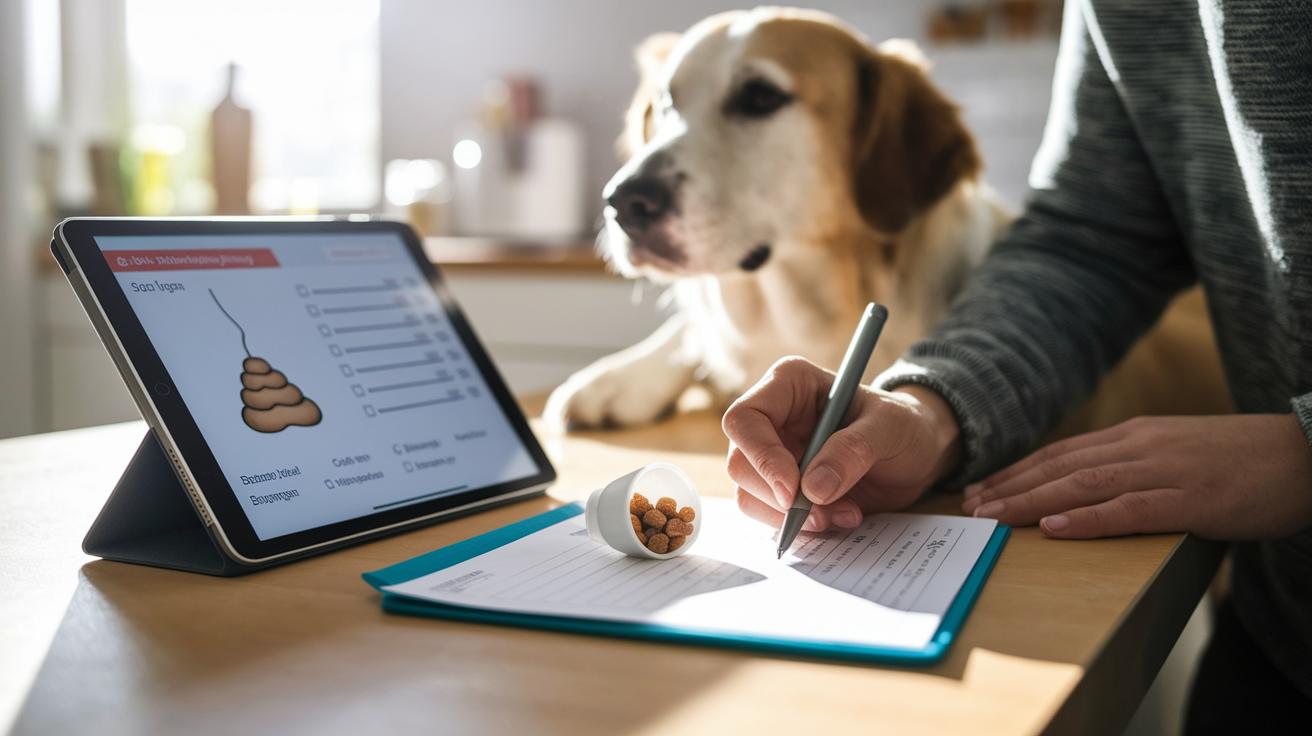
Daily stool checks sound tedious until you realize they’re the clearest real time feedback your dog can give you. Ideal dog stool is log shaped, firm but not rock hard, holds its shape when you pick it up (with a bag, obviously), and leaves minimal residue on the grass. Anything mushier, formless, or watery tells you something’s off. During a treat introduction, you’re watching for changes from your dog’s normal pattern, not comparing to a textbook ideal. If your dog usually has slightly softer stool and it stays that way, you’re fine. If firm stool suddenly turns soupy on day two of a new treat, that’s your signal.
Track portion size and timing alongside stool quality. Write down how much of the new treat you gave and when, then note the next stool’s appearance, firmness, and any unusual color or mucus. Also log appetite at the next meal, energy level during the day, and whether you heard more gas or stomach gurgling than usual. Sensitive dogs can show subtle behavior shifts before GI signs become obvious. A little less interest in breakfast, lying down instead of playing, or pacing after eating. Catching those early cues lets you pause the introduction before full blown diarrhea or vomiting kicks in.
Introduce only one new treat at a time and give it a minimum observation window of three to seven days before adding anything else novel. If you layer on a second new ingredient too soon and your dog reacts, you won’t know which one caused it. That turns troubleshooting into guesswork and can stretch the trial and error phase for weeks. Patience here saves time later.
Daily monitoring checklist:
- Portion size and time of treat given
- Stool firmness, shape, color, and consistency at next bowel movement
- Frequency of bowel movements compared to baseline
- Appetite level at the following meal
- Gas, gurgling, or visible abdominal discomfort
- Energy, behavior, and any signs of restlessness or lethargy
Digestive Friendly Treat Formats and Textures for Sensitive Dogs
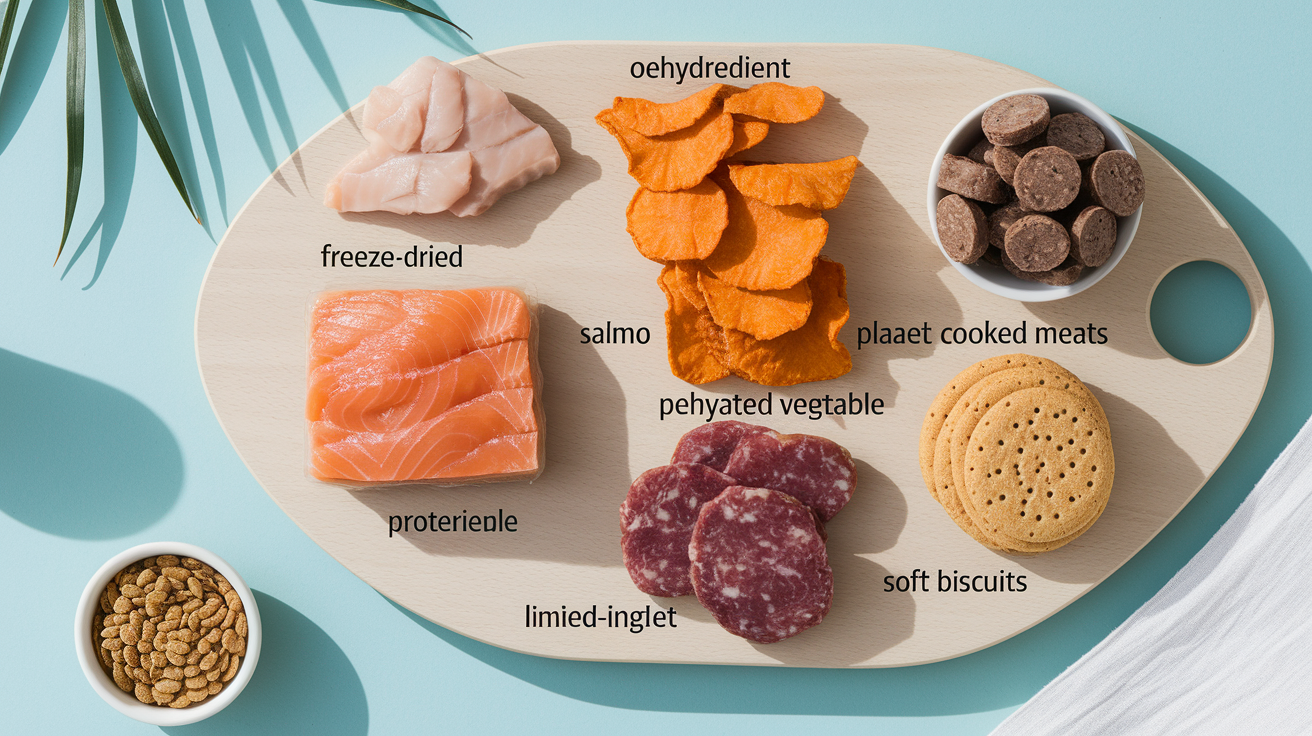
Texture and moisture content change how quickly a treat breaks down in the stomach and how much work the digestive enzymes have to do. For sensitive dogs, gentler formats often mean fewer flare ups. Freeze dried treats (usually single ingredient options like pure chicken breast, salmon, or liver) pull out water without high heat, so nutrients and protein structure stay intact and digestion stays straightforward. They’re light, shelf stable, and easy to crumble into tiny training portions, which matters when you’re testing tolerance with small doses.
Soft baked or gently dehydrated treats made from whole ingredients like sweet potato, pumpkin, oats, or plain cooked meat also tend to sit well. Avoid anything described as “semi-moist” unless you’ve checked the ingredient list for humectants, sugar alcohols, and preservatives that keep that texture stable. Those additives can irritate a sensitive gut. Crunchy kibble style treats aren’t automatically bad, but if they’re packed with cereal fillers and fat, they’re harder to digest than a simple freeze dried option. High fat or greasy treats, even natural ones like fatty meat trimmings, can overwhelm digestion and increase the risk of pancreatitis, especially in dogs with a history of GI sensitivity.
Treat formats that digest most easily for sensitive dogs:
- Freeze dried single ingredient proteins: chicken, turkey, salmon, duck. Minimal processing and easy to portion
- Dehydrated or gently baked vegetables: sweet potato slices, pumpkin chips. Plain and fiber rich
- Plain cooked meats: boiled skinless chicken or turkey with no seasoning. Works as both treat and bland diet support
- Limited ingredient soft baked biscuits: made with oats, pumpkin, or rice flour. Low in fat and gentle on digestion
Safe Homemade Digestive Treat Options for Sensitive Dogs
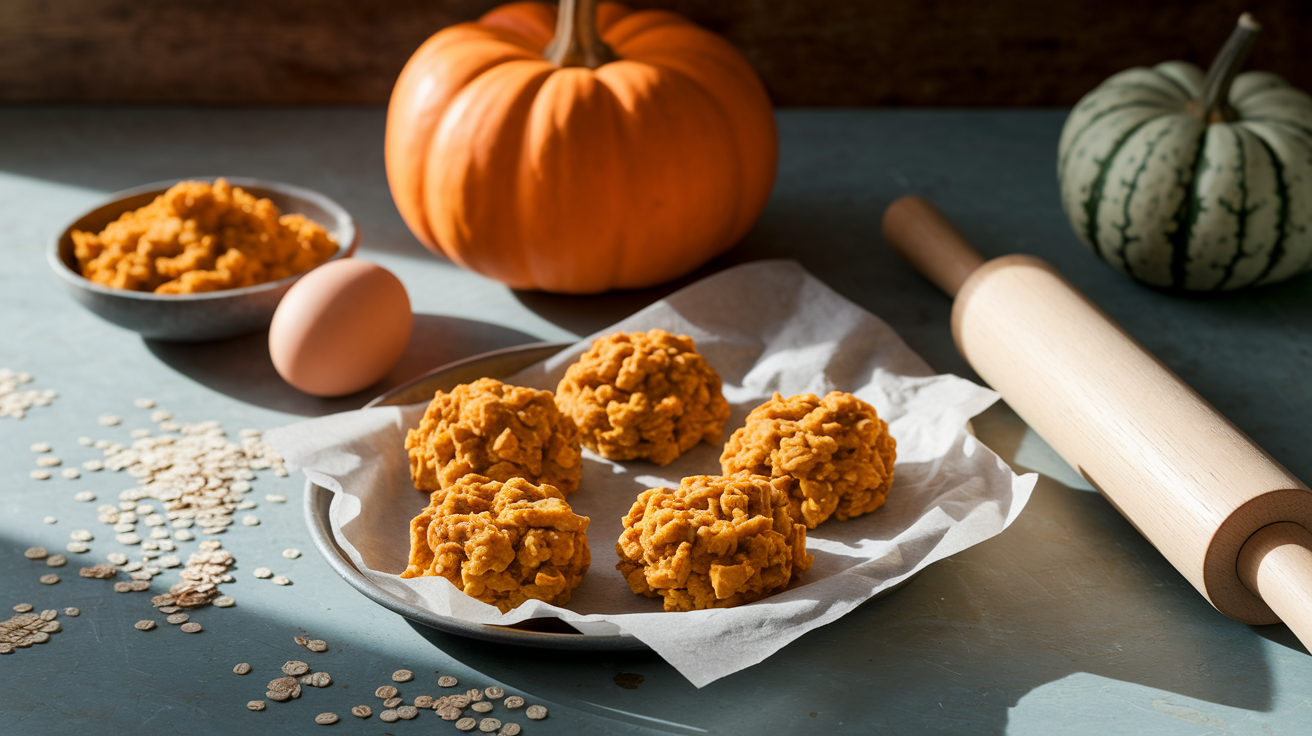
Homemade treats give you total control over every ingredient, which is exactly what you need when you’re troubleshooting sensitivities. You can skip the preservatives, the mystery meals, and the filler grains that show up in even “premium” commercial options, and you can introduce one new food at a time with precision. Pumpkin is a solid base because it’s rich in soluble fiber that helps firm loose stools and regulate digestion without adding common allergens. Plain oats work the same way: gentle, bland, and stabilizing. Sweet potato brings fiber, potassium, and a natural sweetness dogs love, and it pairs well with a single lean protein like chicken.
When you bake treats at home, standard oven temperature is around 350°F, and bake times run 20 to 30 minutes depending on thickness and moisture. Roll dough to about a quarter inch thick for even cooking, and always let treats cool completely before you offer one. Hot treats can burn a dog’s mouth and also seem to cause more stomach upset. Store finished treats in an airtight container and watch for any off smell or mold. Homemade options lack commercial preservatives, so they won’t last as long. If you’re batch cooking, freeze extras and thaw small amounts as needed.
Start every homemade recipe with ingredients your dog has already tolerated in meals. If sweet potato is new, test it as a plain side dish first, then put it into a treat once you know it’s safe. Same logic applies to proteins. Don’t debut a novel protein like duck in a treat if your dog has never eaten duck before.
-
Pumpkin and oat bites: Mix 1 cup pure pumpkin puree with 2 cups rolled oats and 1 egg. Add a pinch of cinnamon if tolerated. Shape into small rounds, bake at 350°F for 20 to 25 minutes, cool, and store airtight.
-
Sweet potato slices: Slice a sweet potato into quarter inch rounds, lay on parchment, and bake at 350°F for 25 to 30 minutes until edges curl slightly. No seasoning needed.
-
Chicken and sweet potato mini bites: Combine 1 cup cooked shredded skinless chicken, 1 cup mashed sweet potato, 1 cup gluten free or whole wheat flour, and 1 egg. Roll to 1/4 inch, cut into small squares, bake at 350°F for 25 to 30 minutes.
-
Boiled chicken cubes: Boil skinless, boneless chicken breast in plain water with no salt or seasoning. Cut into pea sized pieces for training or thumbnail sized for rewards.
-
Baked apple bits: Core and slice an apple (remove seeds), cut into thin pieces, and bake at 200°F for 1 to 2 hours until chewy. Apples provide fiber and vitamin C. Keep portions small.
When to Seek Veterinary Guidance During Treat Introduction
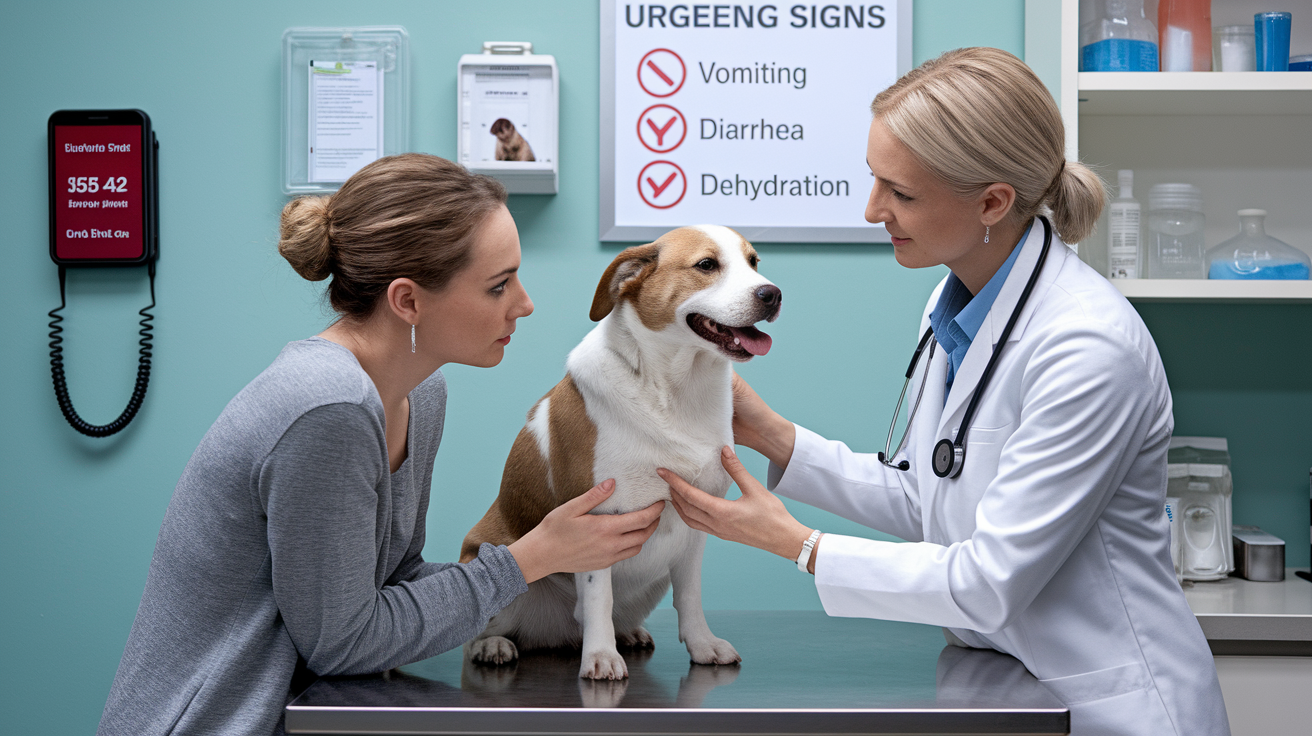
Some GI hiccups clear up on their own within a day, but persistent or severe symptoms need professional input. If vomiting happens more than twice in 24 hours, diarrhea continues past 48 hours, you see blood in stool or vomit, or your dog shows signs of dehydration (sticky gums, sunken eyes, lethargy), contact your veterinarian the same day. Dehydration can get worse quickly in smaller dogs or in any dog with ongoing fluid loss, and it’s not something you can safely manage at home without guidance. Marked behavior changes (sudden aggression, confusion, or a dog who won’t stand or move) also need an immediate call or emergency visit.
Even if symptoms stay mild, bring your vet in whenever you’re introducing treats to a dog with a documented sensitivity or a history of chronic GI issues. They may recommend baseline bloodwork, especially if you’re planning a longer elimination trial, or suggest a veterinary formulated hypoallergenic treat to use as a control. Formal elimination diets (the kind used to diagnose food allergies) typically run eight to twelve weeks and require feeding a single novel protein and carbohydrate source with zero other foods or treats. That’s a different process than casually introducing a new treat, and it needs veterinary oversight to avoid nutritional gaps and to read results correctly.
Wait time between new treats matters, too. After a negative reaction, give your dog’s gut at least two weeks on a stable, known safe diet before you try another new ingredient. Rushing the timeline can trigger a cumulative inflammatory response that makes every new food look like a problem, even when the real issue is simply that the system never got a chance to reset.
Immediate red flags that require same day veterinary contact:
- Persistent vomiting or diarrhea lasting more than 48 hours
- Blood in stool or vomit, visible mucus, or black tarry stool
- Signs of dehydration: lethargy, refusal to drink, sticky gums, or extreme weakness
Final Words
Start slow: use the 7- or 10-day ramp-up, check stool daily, and stop if you see worrying signs.
Pick limited-ingredient, single-protein options and gentle textures like freeze-dried or boiled chicken. Use tiny portions for training and mix crumbs into meals if your dog is picky.
Follow the plan, track changes, and call your vet if symptoms persist. You’ll know how to introduce digestive treats to a dog with food sensitivities safely, and treat time will stay calm and rewarding.
FAQ
Q: What is the 7 7 7 rule for dogs?
A: The 7 7 7 rule for dogs is a 7-day gradual treat introduction: give about 10–20% serving days 1–2, ~50% days 3–4, then a full serving days 5–7 while watching stool and behavior.
Q: What treats are easiest on a dog’s stomach?
A: Treats easiest on a dog’s stomach are single-ingredient, limited-ingredient, low-fat options like freeze-dried meat, plain pumpkin, boiled chicken, cooked sweet potato, or simple oat-based bites.
Q: What are signs my dog needs digestive enzymes?
A: Signs your dog needs digestive enzymes include chronic soft or greasy stool, excess gas, undigested food in stool, poor weight gain or loss, and ongoing tummy upset — check with your vet first.
Q: What are the 7 most common dog digestive issues?
A: The 7 most common dog digestive issues are dietary indiscretion (garbage gut), food intolerance or allergy, pancreatitis, gastroenteritis, intestinal parasites, bacterial/viral infections, and inflammatory bowel disease.