
Think your small dog needs the same-sized training treats as a big dog? Think again.
Tiny treats keep training safe, fast, and calorie-friendly.
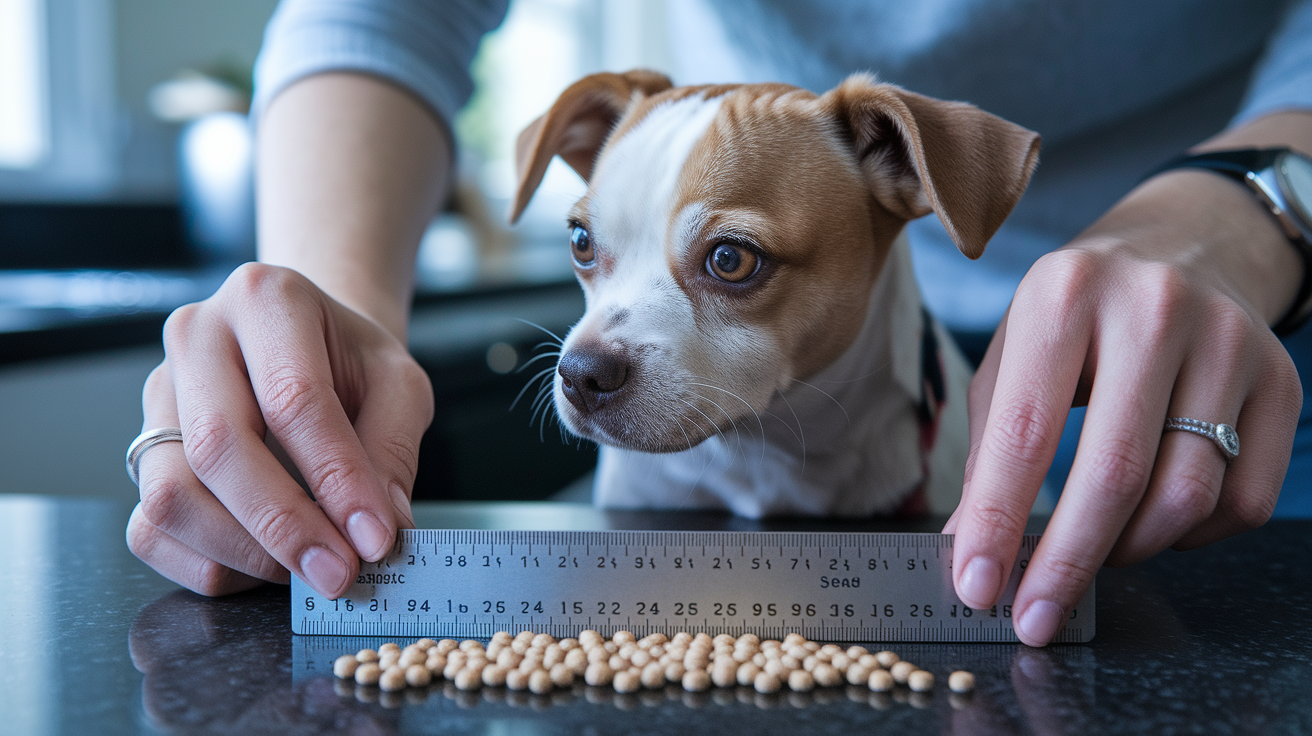
For most small dogs you want pea-sized pieces—smaller still for toy breeds—so your pup swallows quickly and stays focused.
In this post we’ll show you how to choose the right size by weight and mouth shape, track treat calories, pick the best texture, and cut or crumble treats down safely.
By the end you’ll know exactly how to portion treats for effective, low-calorie training.
Key Rules for Selecting the Correct Training Treat Size for Small Dogs

The right treat size keeps training sessions safe, calorie-controlled, and efficient. For small dogs, you’re going much smaller than what comes pre-packaged in most bags. Treats should be consumed quickly, in one or two bites, so your dog refocuses on you instead of chewing. The standard target is pea-sized, roughly 1/4 inch or about 6 millimeters across. Got a toy breed under 10 pounds? Go even smaller, between 1/8 and 1/4 inch (3 to 6 millimeters). That might feel tiny in your hand, but it’s just right for a tiny mouth.
Treats should fit your dog’s daily calorie budget. Quick reference: keep all training treats below 10 percent of your dog’s total daily calories. If your small dog needs 250 calories a day, that’s 25 calories or less from treats. Most pea-sized pieces range from 1 to 5 calories, depending on the ingredient. You’ll cover the calorie math in more depth later, but this ceiling prevents overfeeding during heavy training weeks.
Portion size also affects motivation. Tiny, frequent rewards work better than fewer big ones, especially when you’re teaching new skills or working through distractions. Mouth size and bite mechanics matter as much as weight. A five-pound Chihuahua and a five-pound Yorkshire Terrier can have different jaw shapes, so always watch how your dog handles the first few pieces. If you see hesitation, extra chewing, or any sign of difficulty swallowing, cut smaller. Safety factors like choking risk, dental health, and age-specific needs will be addressed in the sections ahead. But the starting rule is simple: if it takes more than two bites, it’s too big.
Quick rules for small dog treat sizing:
- Target pea-sized pieces, approximately 1/4 inch (6 mm), as your baseline for most small dogs.
- Scale down to 1/8 to 1/4 inch (3 to 6 mm) for toy breeds under 10 pounds.
- Treats should be consumed in one to two bites to keep training momentum.
- Keep total treat calories at or below 10 percent of your dog’s daily intake.
- Watch how your dog chews the first few pieces and adjust size immediately if needed.
Factors That Influence Training Treat Size for Small Dogs
Dog weight gives you a starting point, but mouth size and jaw shape refine the choice. A stocky 12-pound French Bulldog has a wider bite than a slender 12-pound Italian Greyhound. Start with the weight-based guideline from the section above, then observe. If your dog struggles to pick up a piece or takes three or four chews, go smaller. If treats disappear so fast your dog barely tastes them, you can stay at the lower end of the range without upsizing.
Training frequency changes your sizing strategy. Short, high-repetition sessions, like teaching a puppy to sit ten times in two minutes, demand micro treats or even single pieces of kibble. You’ll burn through your calorie budget fast if each reward is a full pea-sized piece. On the other hand, if you’re rewarding a single successful recall at the end of a walk, a slightly larger piece works fine.
Age and dental health also shift the ideal size and texture. Puppies often do better with soft, tiny pieces that don’t require much chewing. Senior dogs with missing teeth or gum sensitivity need softer options and sometimes smaller portions to avoid discomfort. Safety considerations, including choking risk, are covered fully in a later section.
When to reduce treat size below your baseline:
- Your dog is under six months old and still learning to chew efficiently.
- You’re running back to back training sessions and need to stretch your calorie budget.
- Your dog has dental issues, missing teeth, or a history of gulping without chewing.
- You’re introducing a new, high-calorie treat and want to test tolerance without overfeeding.
Comparing Soft, Crunchy, and Freeze-Dried Treat Textures for Small Dogs
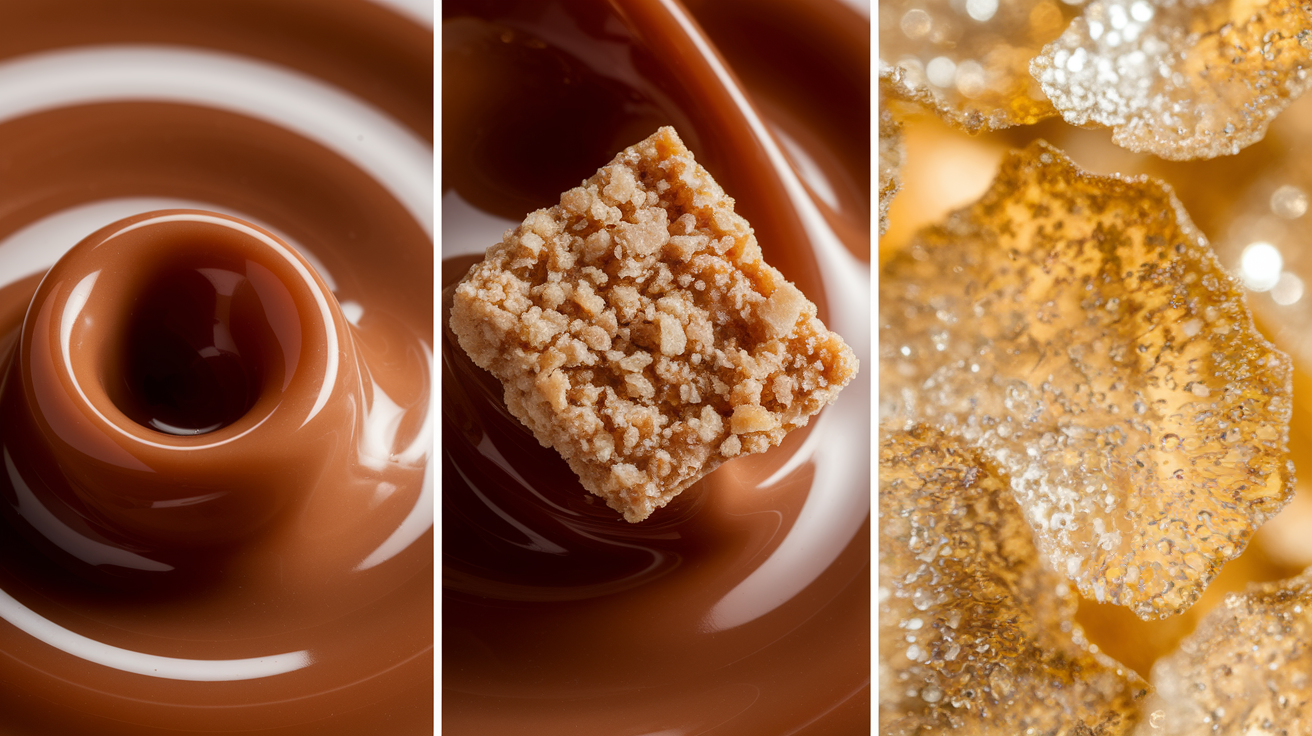
Soft treats are the go-to for most training because they’re fast. Your dog bites once, swallows, and looks back at you. That speed keeps the reward tightly linked to the behavior, which is especially helpful when you’re marking good choices in real time. Soft treats are also easier to break or cut into uniform tiny pieces. They work well for puppies still developing chewing skills and for older dogs with sensitive gums.
The downside is mess. Soft treats can stick to your fingers or treat pouch, and some dogs find them so tasty they get distracted by leftover crumbs.
Crunchy treats can support dental hygiene by scraping plaque as your dog chews, but they take longer to eat. That delay weakens the training connection unless you’re using them as a jackpot reward at the end of a session. Crunchy pieces also tend to splinter or crumble, which makes consistent sizing harder. If you do use crunchy options, break them into small, uniform bits ahead of time and test one piece to make sure it dissolves or softens quickly in your dog’s mouth. Avoid anything so hard it could chip a tooth.
Freeze-dried treats pack high protein and strong aroma into a lightweight form, which makes them excellent high-value rewards. The texture is brittle, so you can crumble a single piece into several tiny flakes. That’s useful when you want maximum scent and flavor in the smallest calorie package. Freeze-dried liver, chicken, or fish can be broken by hand into specks smaller than a pea. Just store them in an airtight container so they don’t absorb moisture and lose that crisp texture. A brief note on safety: any texture can present risk if sized incorrectly, and full guidance on choking prevention is in Section 7.
| Texture | Recommended Size | Notes |
|---|---|---|
| Soft / Chewy | Pea-sized or smaller (1/4 inch / 6 mm) | Fast consumption; easy to cut; best for rapid training and dogs with dental issues. |
| Crunchy / Hard | Break into 1/4 inch pieces or smaller | Slower to eat; can help clean teeth but may splinter; avoid very hard pieces for small mouths. |
| Freeze-Dried | Crumble into flakes or tiny bits | High aroma and protein; brittle texture makes portioning easy; store airtight to prevent moisture. |
Techniques for Cutting, Splitting, and Measuring Tiny Training Treats
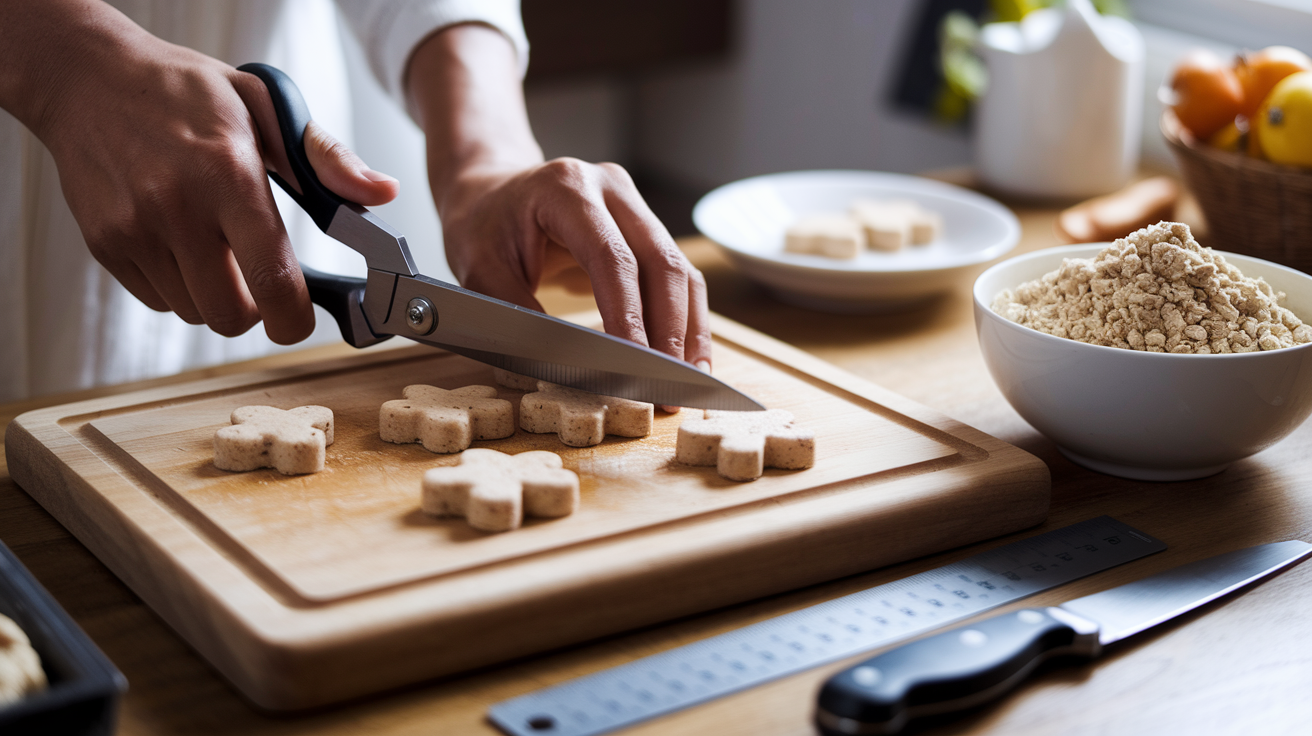
Kitchen scissors are the simplest tool for portioning soft or semi-moist treats. Lay the treat on a cutting board and snip it into strips, then cut across to make cubes. For very small dogs, cut each cube in half again. A sharp paring knife works the same way and gives you clean edges, which helps when you’re trying to make uniform pieces for consistent rewards. If you’re working with freeze-dried jerky or meat strips, crumble them by hand into flakes. The brittle texture breaks easily, and you can aim for pieces about the size of a lentil or smaller.
Homemade treats are easiest to size if you bake them thin. Roll dough to about 1/8 inch thick, bake until firm, and then cut the sheet into tiny squares with a pizza cutter or knife. You can also use small cookie cutters and then halve or quarter each shape.
Weighing a few finished pieces on a kitchen scale helps you estimate calories when the recipe doesn’t list them. A typical pea-sized piece of cooked chicken or soft cheese weighs around half a gram and carries roughly 1 to 2 calories. A small commercial training treat might be 3 to 5 calories. If you don’t have packaging information, assume 3 calories per pea-sized piece as a conservative estimate and adjust portion counts from there.
Practical cutting and portioning techniques:
- Use kitchen scissors or a paring knife to cut soft treats into 1/4-inch cubes or smaller.
- Crumble freeze-dried treats by hand into flakes. Aim for lentil-sized or smaller pieces.
- Bake homemade dough in thin sheets (1/8 inch) and cut into tiny squares with a pizza cutter.
- Slice cooked chicken, cheese, or sweet potato into matchsticks, then dice into cubes.
- Weigh a sample of 10 pieces on a gram scale to estimate average calories per treat.
- Store pre-cut portions in small airtight containers or snack bags for grab and go training sessions.
Calorie Budgeting and Daily Treat Limits for Small Dogs
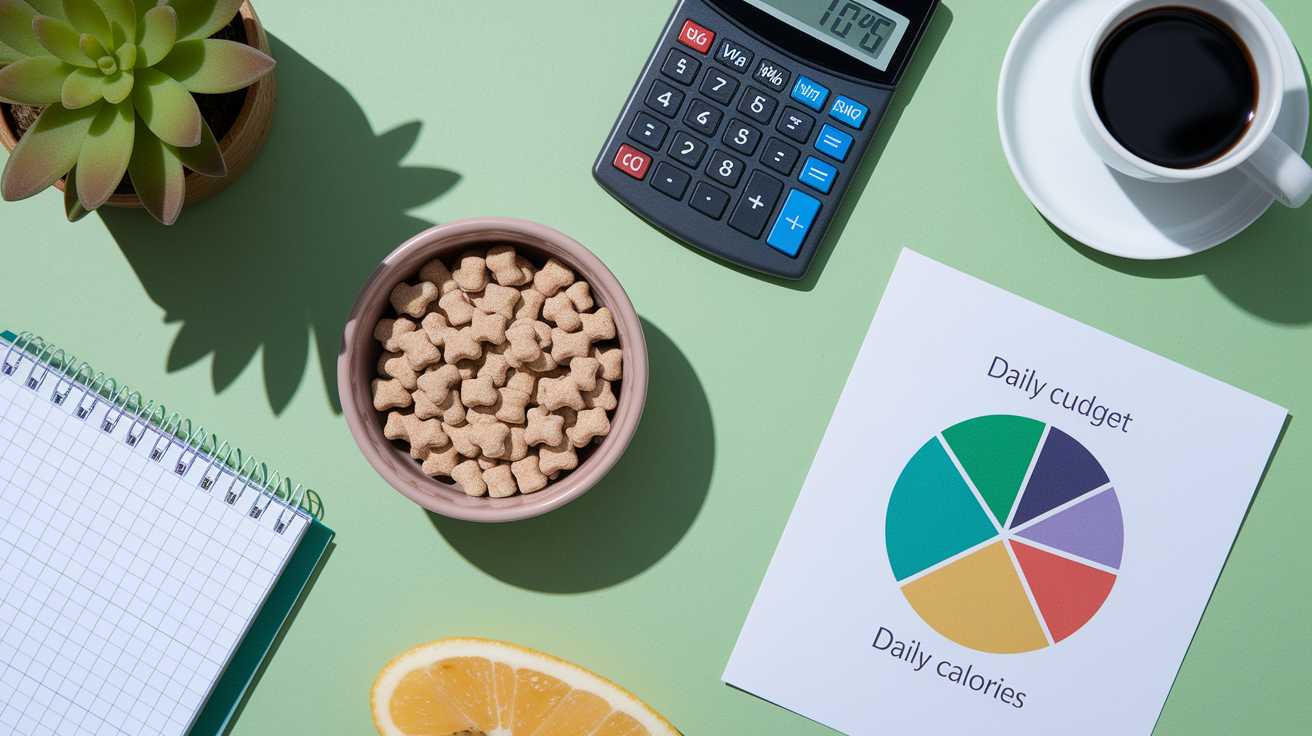
The 10 percent rule is your calorie ceiling. Add up your dog’s total daily calorie requirement, then set aside no more than 10 percent for treats. The rest comes from meals. If your small dog needs 250 calories a day, treats should stay at or below 25 calories. A dog requiring 400 calories can have up to 40 calories in treats.
Staying within that limit prevents weight gain and keeps your dog’s core nutrition balanced. On heavy training days, you can reduce the portion size of breakfast or dinner slightly to make room, but it’s often easier to use smaller, lower-calorie treats and avoid meal adjustments altogether.
Treat size directly affects how many rewards you can give. A single pea-sized piece of cooked chicken is about 1 to 2 calories. A small commercial training treat averages 3 to 5 calories, though some brands go higher. If you have a 250-calorie-per-day dog and a 25-calorie treat budget, and each treat is 3 calories, you can hand out roughly 8 pieces across the entire day. That might sound low, but it’s enough for a couple of short training sessions if you use kibble or tiny vegetable pieces for the rest.
If you switch to freeze-dried liver crumbles at about 3 calories per small flake, you might get 8 to 10 rewards. The math is simple: lower calories per piece means more repetitions.
Portion control also means pre-counting. Before a session, measure out your training treats and put them in a separate pouch or bowl. That way you know exactly how many you’ve used and how many calories you’ve spent. If you run a second session later in the day, pull from a fresh pre-counted batch and keep a mental tally. Some owners find it helpful to log treats in a notes app or on a small card, especially during the first few weeks of a new training plan. Once you get a feel for your dog’s daily rhythm, portioning becomes automatic.
| Dog Weight | Estimated Daily Calories | Max Treat Calories (10%) |
|---|---|---|
| 5 lb (2.3 kg) | ~200 kcal | ≤20 kcal |
| 10 lb (4.5 kg) | ~250 kcal | ≤25 kcal |
| 20 lb (9 kg) | ~400 kcal | ≤40 kcal |
Commercial vs Homemade Tiny Treat Options for Small Dogs
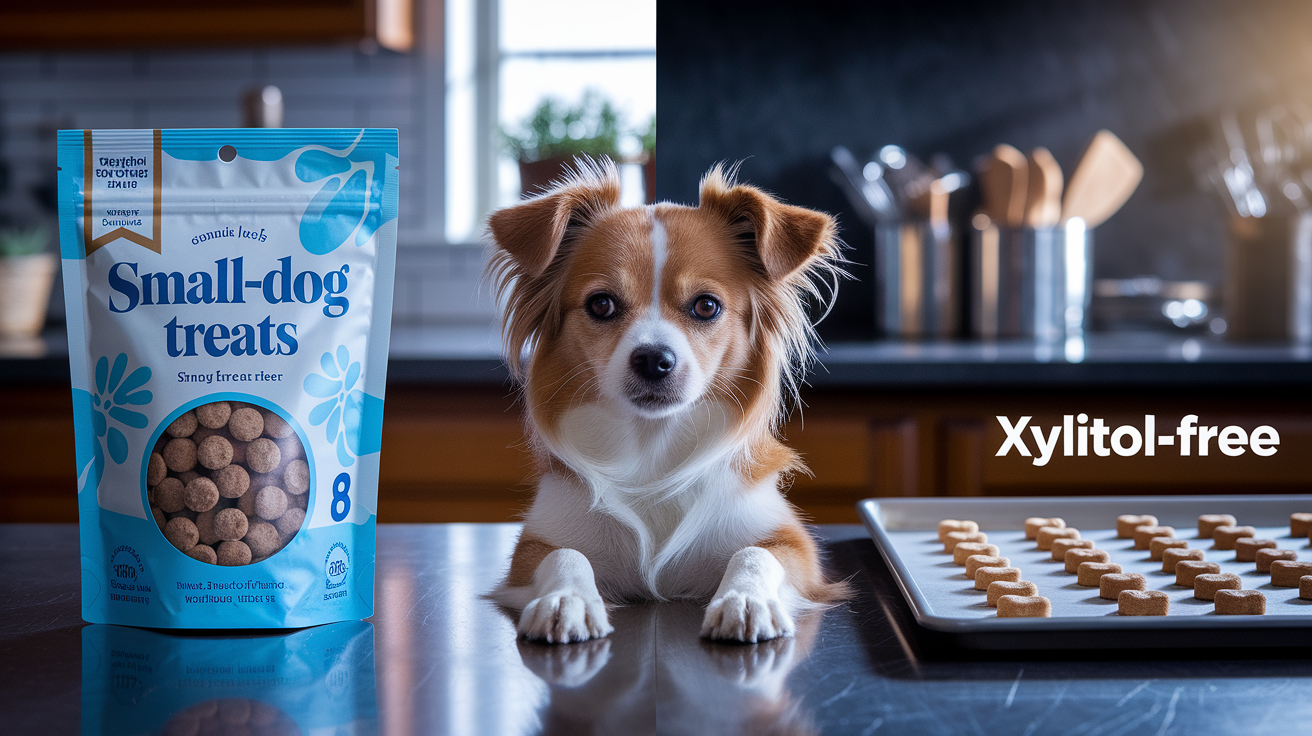
Commercial training treats designed for small dogs often list calorie content per piece on the package, which makes budgeting straightforward. Look for soft, bite-sized formulas labeled as training treats rather than general snacks. These products are usually lower in fat and portioned small enough that you can use them straight from the bag or break them in half for toy breeds.
Freeze-dried single-ingredient treats, like pure chicken breast or liver, are another commercial option. They’re calorie-dense by weight but easy to crumble into tiny, high-value flakes. The downside of commercial treats is cost and ingredient transparency. Some brands add fillers, artificial colors, or extra salt, so read labels carefully and choose options with short, recognizable ingredient lists.
Homemade treats give you full control over ingredients and portion size. You can bake thin sheets of peanut butter, pumpkin, oats, or sweet potato, then cut them into uniform micro pieces. Always use xylitol-free peanut butter and double-check any nut butter or protein powder for that ingredient. It’s toxic to dogs even in tiny amounts.
Cooked chicken breast, low-fat cheese, and plain cooked sweet potato can be diced into pea-sized cubes and stored in the fridge for a few days or frozen in single-session portions. Homemade options are often lower in calories per piece and let you tailor recipes to your dog’s sensitivities or preferences. The trade-off is prep time and the need to store perishable treats properly.
Both paths work. Commercial treats are convenient and travel-friendly. Homemade treats are economical and customizable. Many owners keep a mix: a small bag of commercial freeze-dried treats for high-value moments and a batch of homemade chicken or sweet potato cubes for everyday repetitions. The key is consistent sizing and calorie awareness, whether you’re opening a package or pulling a tray from the oven.
Safe homemade treat ingredients for small dogs:
- Xylitol-free peanut butter (always verify the label. Xylitol is extremely toxic).
- Plain canned or cooked pumpkin (not pie filling, which contains sugar and spices).
- Cooked sweet potato, diced into tiny cubes or mashed and baked into thin sheets.
- Rolled oats, plain, mixed with egg or pumpkin and baked until firm.
- Cooked chicken breast, turkey, or lean beef, cut into 1/4-inch pieces or smaller.
Safety Practices to Prevent Choking and Dental Injury in Small Dogs
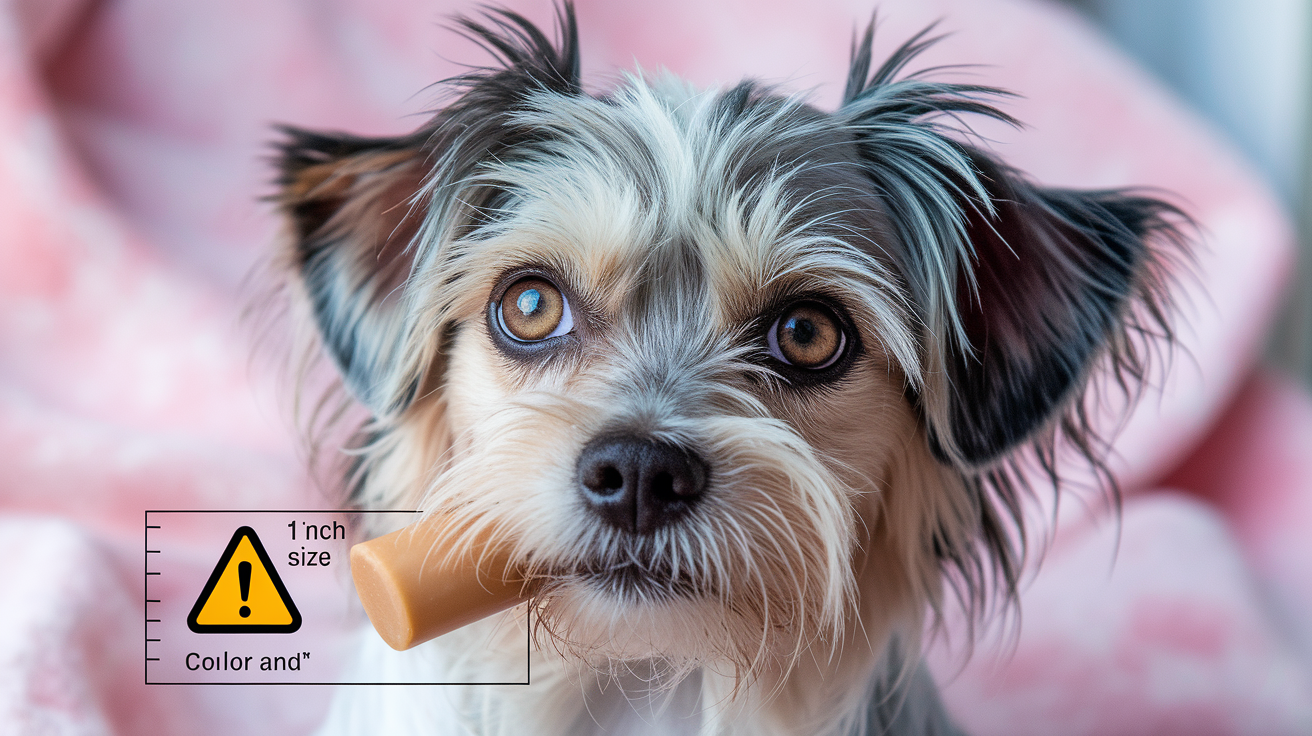
Choking risk scales with mouth size, so small dogs need smaller, softer pieces. Hard, rigid treats can lodge in a narrow throat or break into sharp splinters that scratch the esophagus. If you’re using a commercial chew or biscuit, break it into pieces no larger than 1/4 inch for toy breeds and test one piece before handing out more.
Watch how your dog handles it. Gulping without chewing is a red flag. Try a softer texture or a smaller size. Never leave your dog unattended with any treat, especially long-lasting chews or anything larger than a pea.
Dental health affects safety, too. Hard, brittle treats can fracture teeth, particularly in older dogs or breeds prone to dental problems. If your dog has missing teeth, gum disease, or a history of broken teeth, stick to soft or semi-moist options and avoid anything that requires heavy chewing. You can soften a crunchy treat by soaking it in warm water for a minute, though that changes the texture and may make it less appealing. For dogs with fragile teeth, the safest path is soft, easily dissolvable pieces.
Essential choking and dental injury precautions:
- Match treat size to your dog’s mouth. Toy breeds need pieces no larger than 1/4 inch.
- Avoid hard, rigid, or brittle treats for small dogs. Choose soft or semi-moist textures instead.
- Supervise all treat time, especially when introducing a new type or size.
- Cut or moisten hard treats if your dog has dental issues or a history of tooth fractures.
- Never give oversized chews unsupervised. Remove any treat that becomes small enough to swallow whole.
Using Treat Size Effectively During Training Sessions for Small Dogs
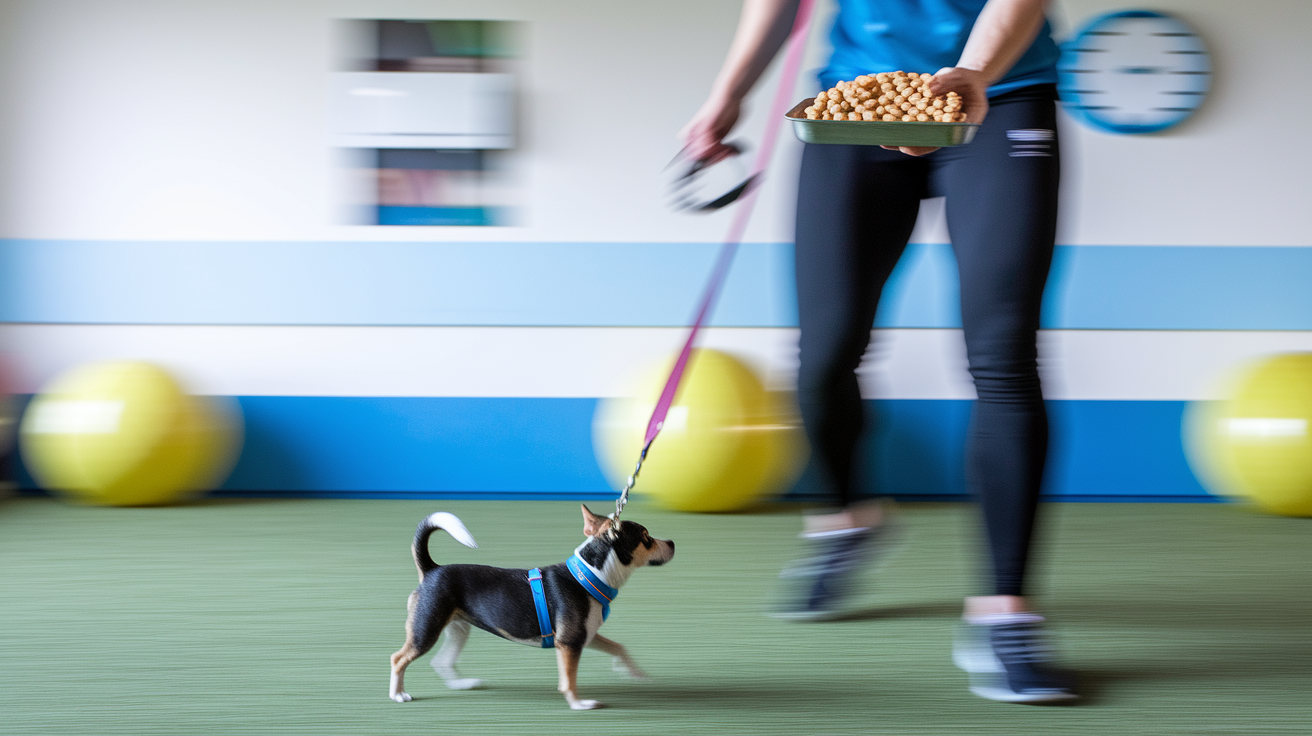
Timing and treat size work together to reinforce behavior. The ideal delivery window is one to three seconds after your dog performs the desired action. Tiny treats make that timing easy because your dog swallows quickly and refocuses on you. If a treat takes ten seconds to chew, the connection between the behavior and the reward weakens.
That’s why pea-sized or smaller pieces outperform larger chunks during active training. You can mark the exact moment with a clicker or a word like “yes,” then immediately follow with the treat. The marker tells your dog what earned the reward, and the fast-eating treat keeps the session flowing.
High-value treats, like freeze-dried liver or cheese, help when you’re working through distractions or teaching something challenging. Use them sparingly and in tiny portions so you don’t blow your calorie budget in one session. For maintenance behaviors your dog already knows, lower-value options like plain kibble or a small piece of carrot work fine and let you practice more repetitions.
Jackpot rewards, where you give several tiny treats in quick succession, signal exceptional performance and boost motivation. The key is keeping each individual piece small so the jackpot stays within your daily calorie limit.
Small dogs often need only one to ten micro treats per training session, depending on the skill and the calorie content of each piece. If you’re running multiple short sessions throughout the day, plan your total treat count in the morning and divide the portions into separate containers. That prevents accidental overfeeding and keeps training efficient.
When your dog masters a behavior, you can start using intermittent reinforcement, rewarding every second or third correct response instead of every time, which stretches your treat supply and builds stronger habits.
Using Smaller Treats for Longer Training Sessions
Micro-sizing your treats is the easiest way to extend a session without exceeding calorie limits. If each piece is half the size you’d normally use, you can double the number of repetitions. That’s especially useful for puppies and high-energy dogs who benefit from frequent, short bursts of practice.
You’ll stay within the 10 percent calorie ceiling while giving your dog more chances to succeed and earn reinforcement. Over time, smaller treats also help your dog focus on the behavior itself rather than the size of the reward, which builds intrinsic motivation and makes training feel like a game instead of a transaction.
Sample Treat-Sizing Plan for Toy and Small Breeds
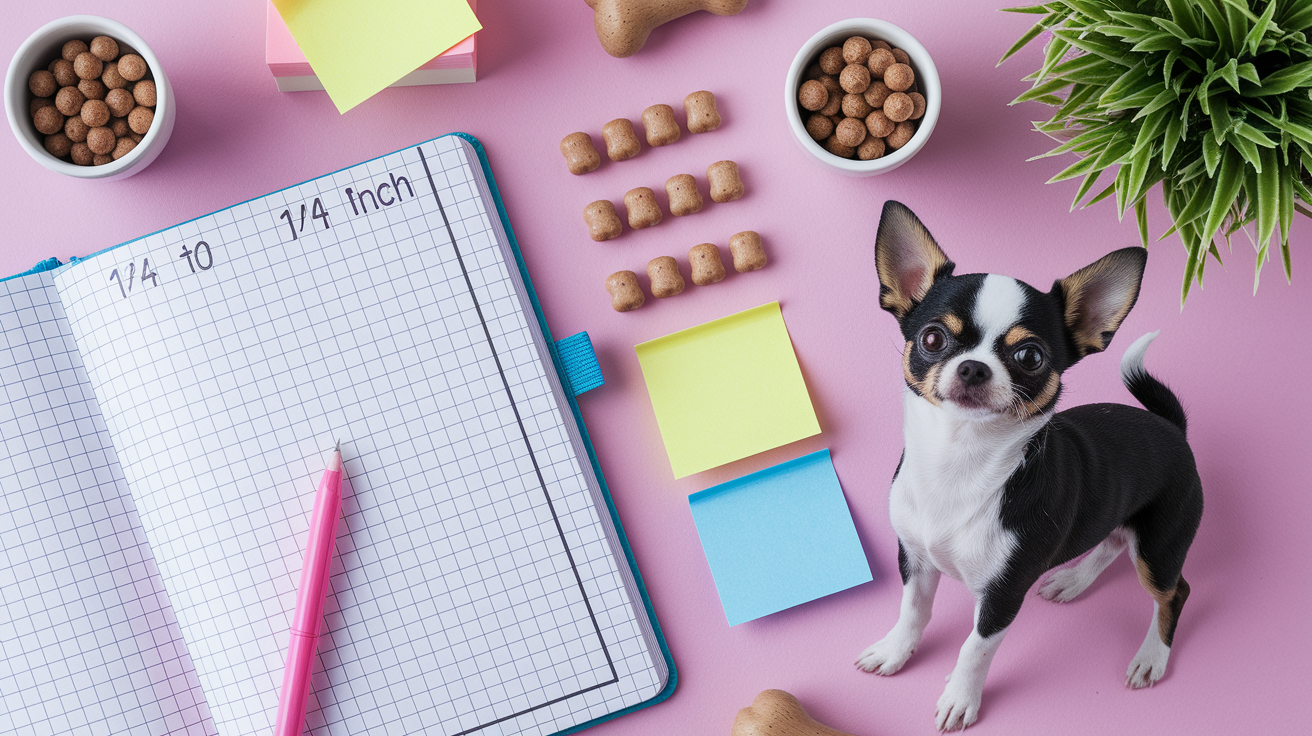
Toy breeds under 10 pounds, like Chihuahuas, Yorkshire Terriers, and teacup Pomeranians, need treats between 1/8 and 1/4 inch. At that size, a single piece might weigh a quarter of a gram and carry about 1 calorie. If your toy dog requires 200 calories a day, your treat ceiling is 20 calories, which means roughly 20 micro pieces if you’re using plain cooked chicken or a similar low-calorie option.
In practice, you might use 10 pieces across two training sessions and save the rest of your budget for incidental rewards, like a calm settle on the mat or a polite wait at the door. Pre-portion those 10 pieces into a small container before each session so you know exactly when you’ve hit your limit.
Small breeds between 10 and 25 pounds, such as Miniature Schnauzers, Shih Tzus, and Cocker Spaniels, can handle slightly larger pieces, typically 1/4 to 1/2 inch. A 20-pound dog might need around 400 calories daily, so treats can go up to 40 calories. If you’re using freeze-dried liver crumbles at about 3 calories per small flake, that’s roughly 13 pieces. If you switch to a soft commercial training treat at 5 calories each, you’ll have about 8 pieces.
The sizing plan stays flexible: smaller pieces for high-repetition work, slightly larger ones for end-of-session jackpots or single high-value rewards like a successful recall in a distracting environment.
Portion-controlled dispensers or small snack bags help keep your plan on track. Fill one bag with the exact number of treats you’ve budgeted for the day, then draw from it as needed. If you run out before bedtime, you know you’ve used your full allowance and should switch to praise, petting, or play for any additional rewards. Consistency in sizing and counting builds better habits for you and healthier weight management for your dog.
| Breed Category | Recommended Size | Notes |
|---|---|---|
| Toy breeds (under 10 lb) | 1/8 to 1/4 inch (3–6 mm) | Requires very small pieces; 1–2 calories each; pre-portion into 10–20 micro treats per day depending on calorie budget. |
| Small breeds (10–25 lb) | 1/4 to 1/2 inch (6–12 mm) | Slightly larger mouth; 3–5 calories per piece typical; budget allows 8–13 treats depending on total daily calories. |
| Teacup / extra-small (under 5 lb) | 1/8 inch (3 mm) or smaller | Extremely small mouth; use crumbled freeze-dried or finely diced soft treats; limit to 5–10 micro pieces per day. |
Final Words
in the action we ran through core rules: pea-sized targets, mouth-size and texture choices, simple cutting tricks, calorie budgeting, and safety pointers. We compared soft, crunchy, and freeze-dried treats and gave a sample plan for toy and small breeds.
Use the quick rules and measuring tips to make training smooth. This guide on how to choose the right training treat size for small dogs makes it easy to treat more while keeping calories in check.
You’ve got this, and treat time just got smarter.
FAQ
Q: How big should dog training treats be?
A: The ideal dog training treat should be pea-sized—about 1/8–1/4 inch (3–6 mm) for toy breeds, up to 1/4 inch (~6 mm) for small dogs, eaten in 1–2 quick bites.
Q: What is the 7 7 7 rule for dogs?
A: The 7 7 7 rule for dogs is a flexible training heuristic meaning short, repeated practice—commonly seven quick reps per exercise across sessions for several days; adapt timing and treats to your dog’s needs.
Q: What is the 3-3-3 rule for dog training?
A: The 3-3-3 rule for dog training is a simple repetition plan: three quick reps, three short sessions a day, for three days, helping build consistency without overworking your dog.
Q: What is the 10 10 10 rule for puppies?
A: The 10 10 10 rule for puppies usually means ten-minute sessions, about ten tiny rewards per session, and roughly ten repetitions—keeps practice brief, frequent, and easier to manage calorie totals.