
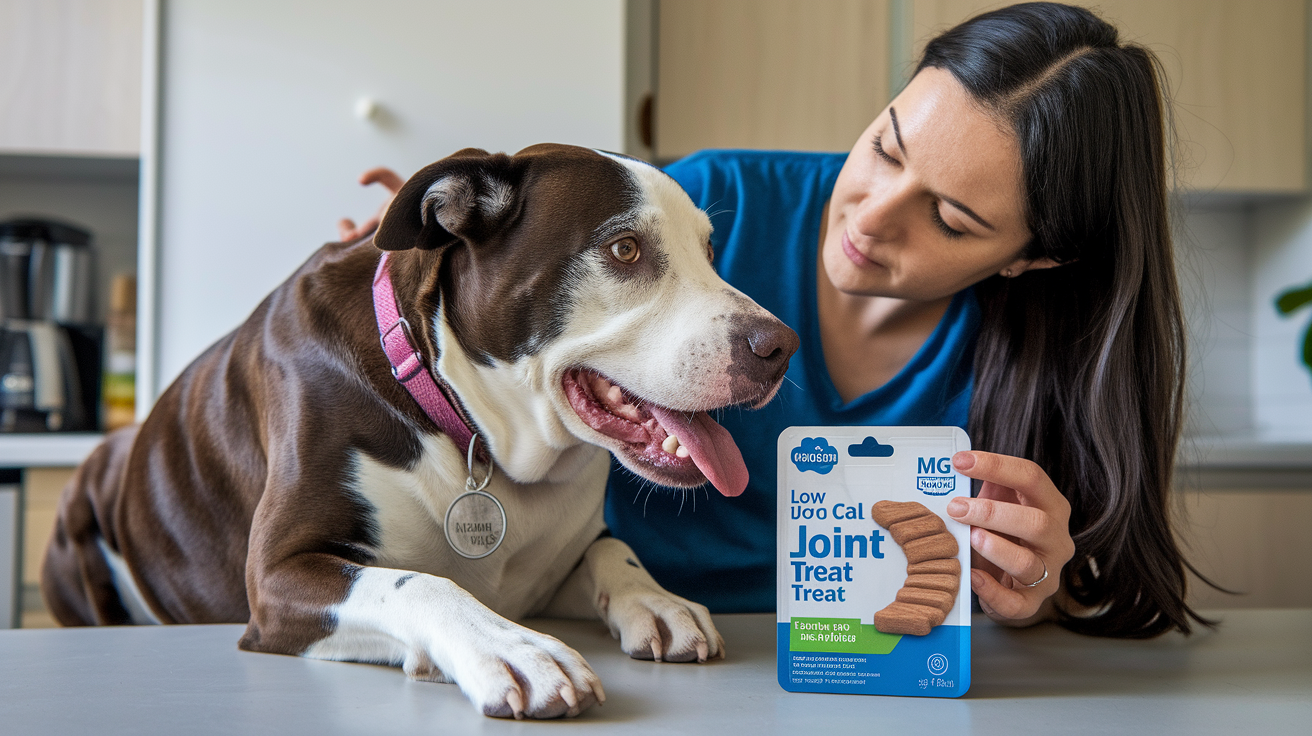
Think joint treats have to be big, fatty chews to help your dog?
They don’t.
Every extra pound makes hips and knees take more punishment, so for an overweight dog you need treats that pack active ingredients like glucosamine, chondroitin, MSM, and omega-3 without wasting calories.
In this post you’ll learn how to check milligrams per piece, calories and fat per treat, and how to split bites so your dog gets therapeutic doses while staying on a weight-loss plan.
Core Criteria for Selecting Joint Support Treats That Fit Overweight Dogs’ Needs

Every extra pound on an overweight dog multiplies the pressure on already stressed joints. The math is brutal: carrying just two extra pounds can feel like ten on a dog’s hips, knees, and elbows. That’s why treats built for joint support need to deliver real, active ingredients (glucosamine, chondroitin, MSM, omega-3 EPA/DHA) without piling on the same calories that worsen the problem in the first place.
The first thing to check on any joint support treat label is how many milligrams of active ingredients you’re actually getting per piece. Glucosamine targets typically run from 250 mg daily for small dogs up to 3,000 mg for giant breeds. Chondroitin falls between 200 and 1,200 mg, and MSM ranges from 250 to 1,500 mg. If a treat delivers 500 mg of glucosamine but clocks in at 80 calories each, you’ll blow your dog’s daily treat budget before you hit a therapeutic dose. Look for formulas that pack joint active mg into low calorie bites, ideally under 10 to 25 kcal per piece.
Calorie control is non negotiable for overweight dogs. Treats should stay at or below 10 percent of your dog’s total daily calories, and for active weight loss plans, 5 percent is safer. That means if your weight loss calorie target is 800 kcal per day, you have 40 to 80 kcal to spend on treats total. The joint support treat you choose has to fit inside that budget and deliver enough glucosamine, chondroitin, or MSM to actually make a difference, not just add flavor to your treat pouch.
When evaluating joint support treats for an overweight dog, prioritize these traits:
Active ingredient amounts per treat: look for clearly labeled mg of glucosamine, chondroitin, MSM, and EPA/DHA so you know each piece contributes to therapeutic levels
Calories per piece: target treats under 25 kcal each to allow multiple daily doses without exceeding your dog’s calorie cap
Fat content: choose low fat formulas to minimize excess energy; lean protein sources like grass fed beef or fish keep calories in check
Ingredient quality: natural, whole food bases (sweet potato, turmeric, fish oil) and no artificial colors, flavors, or preservatives reduce empty calorie filler
Portion control feasibility: soft chews or breakable bites let you split doses and adjust intake to match your dog’s exact needs
Compatibility with weight loss goals: treats should deduct cleanly from daily calorie allowance and work inside a veterinarian approved weight management plan
Understanding Joint Support Ingredients and Their Role in Mobility for Overweight Dogs
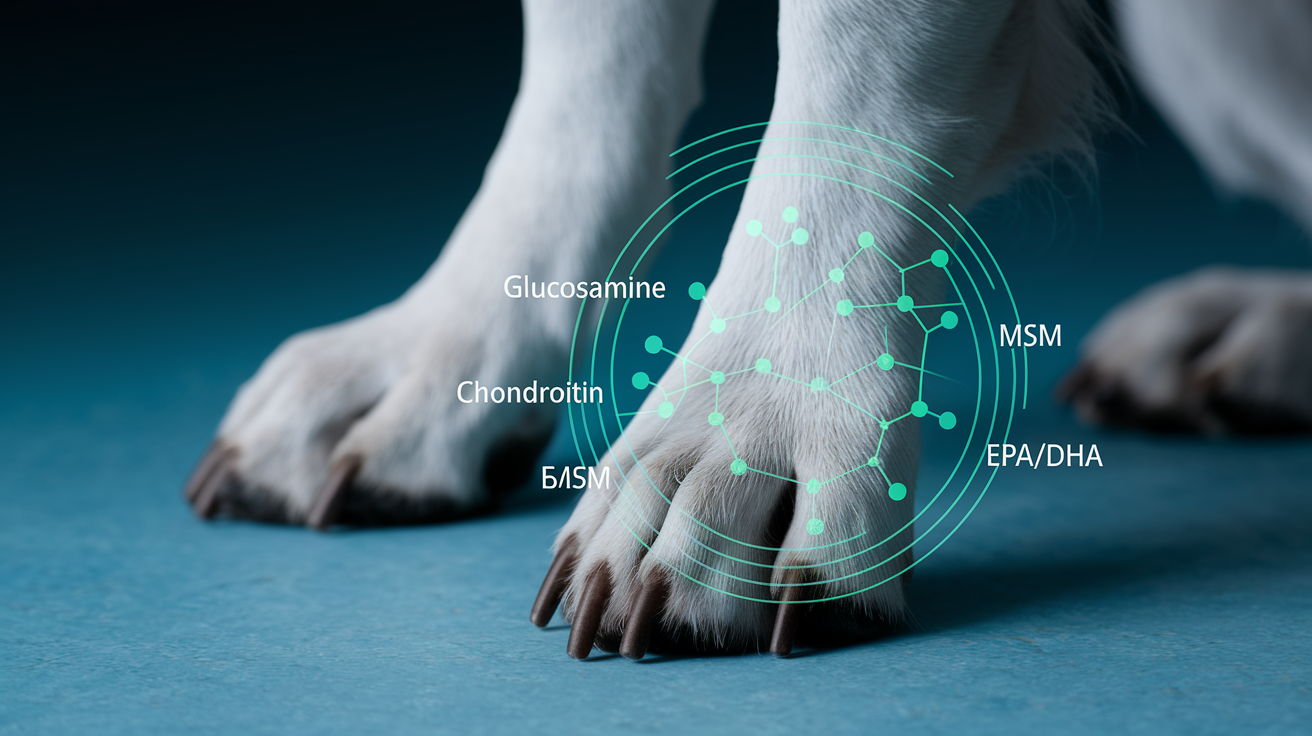
Glucosamine supports cartilage repair and cushioning, essentially helping the body maintain the slippery, shock absorbing tissue between bones. Chondroitin complements it by retaining the structure and function of that cartilage, while MSM adds anti inflammatory and connective tissue support. Think of it as the ingredient that helps reduce swelling and oxidative damage in stressed joints. Omega-3 fatty acids, especially EPA and DHA, dial down inflammation across the body, and that’s critical for overweight dogs whose excess weight triggers chronic low grade inflammation that accelerates joint breakdown.
Overweight dogs face a double burden: mechanical strain from carrying extra pounds plus inflammation driven by fat tissue hormones. That’s why joint support ingredients aren’t just helpful, they’re essential. A small dog might need 250 to 500 mg of glucosamine daily, a medium dog 500 to 1,000 mg, a large dog 1,000 to 2,000 mg, and a giant breed can require 2,000 to 3,000 mg. Matching your dog’s weight to the right dose range ensures the ingredients can do their job without wasting calories on underdosed treats.
Ingredient Synergy and Bioavailability
Pairing glucosamine with chondroitin or MSM often increases effectiveness because each compound works on a different part of joint health. One rebuilds, one maintains structure, one calms inflammation. Adding EPA and DHA from fish oil amplifies the anti inflammatory benefit and improves absorption of fat soluble nutrients, meaning your dog gets more mileage out of each milligram. Look for treats that combine two or more active ingredients rather than relying on glucosamine alone, especially if your dog’s joints are already showing wear.
Calorie and Weight Management Essentials When Choosing Joint Support Treats

Safe, sustainable weight loss for dogs runs about 1 to 2 percent of body weight per week, and the foundation is calorie math. Start with your dog’s resting energy requirement: RER equals 70 times body weight in kilograms raised to the 0.75 power. From there, reduce total daily intake by 10 to 20 percent (or follow your veterinarian’s prescribed weight loss ration) and then subtract treat calories from that reduced allowance before you portion out meals. If your dog’s weight loss target is 800 kcal per day and you reserve 10 percent for treats, you have 80 kcal to spend. That might be three 25 calorie treats or one larger chew plus a couple of tiny training bites.
For dogs on aggressive weight loss plans, tighten the treat cap to 5 percent of daily calories. In the same 800 kcal example, 5 percent leaves you just 40 kcal, barely enough for two small soft chews. That’s where choosing treats with high concentrations of joint actives per calorie becomes mission critical. You need maximum glucosamine and chondroitin in minimum calories, and you need to break or split treats to stretch your budget across the day.
| Dog Weight Range | Daily Calorie Target (Example) | Max Treat Calories (10%) | Max Treat Calories (5%) |
|---|---|---|---|
| Small (10–25 lb) | 400 kcal | 40 kcal | 20 kcal |
| Medium (25–50 lb) | 800 kcal | 80 kcal | 40 kcal |
| Large (50–100 lb) | 1,400 kcal | 140 kcal | 70 kcal |
| Giant (>100 lb) | 2,200 kcal | 220 kcal | 110 kcal |
Always deduct treat calories before you fill the food bowl. It’s the only way to ensure weight loss stays on track and joint support doesn’t turn into weight gain.
Ingredient Label and Nutritional Criteria for Joint Support Treats
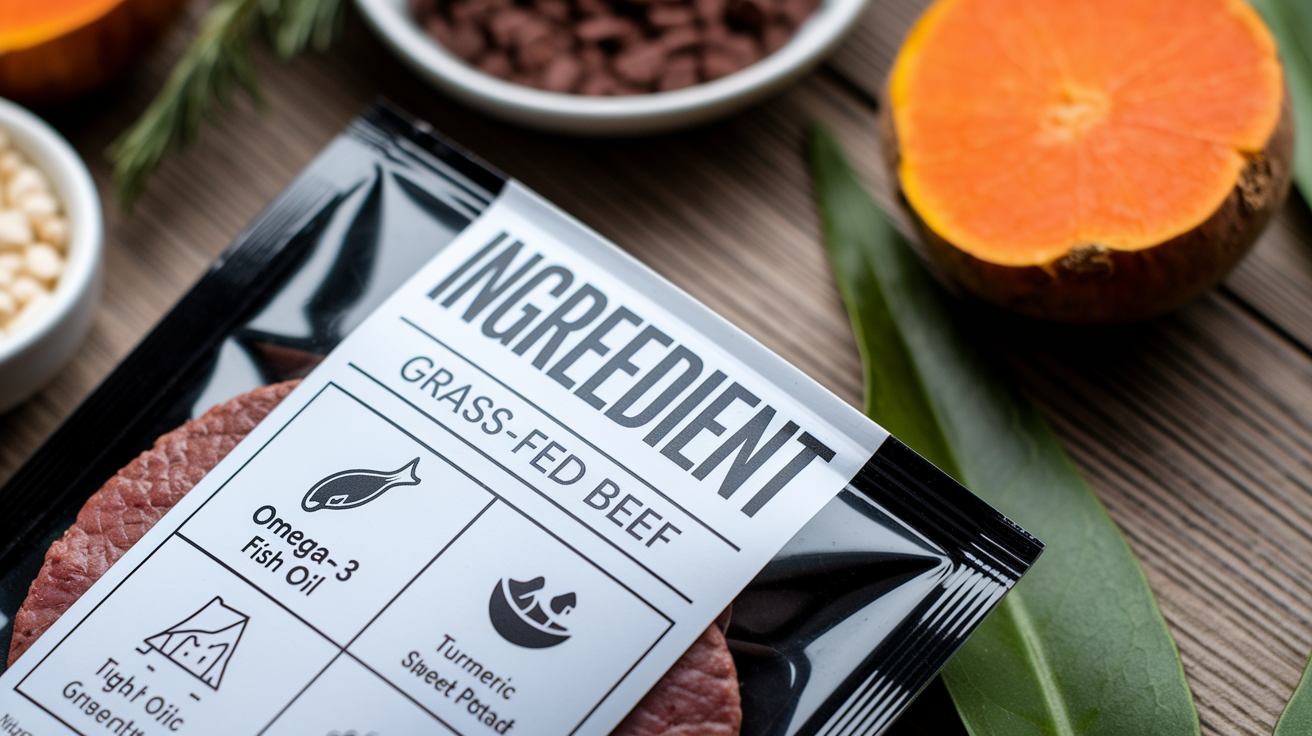
The ingredient list tells you what’s inside, but the nutritional panel tells you what it costs your dog’s calorie budget. Start at the top of the ingredient list: you want a named protein (grass fed beef, chicken, salmon) as the first ingredient, not a generic meal or a carbohydrate filler. Next, scan for functional ingredients like sweet potato (fiber and vitamins), fish oil or salmon (omega-3s), and turmeric or other antioxidants that add anti inflammatory punch without heavy calorie loads.
Fat content matters for overweight dogs. High fat treats deliver concentrated calories (nine per gram versus four for protein or carbs) so even a small chew can blow your treat budget. Look for formulas that keep fat grams low and protein high to preserve muscle mass while your dog loses weight. Skip treats with excessive honey, molasses, or added sugars; natural sweetness is fine in tiny amounts, but sugar adds empty calories that work against weight loss goals. Grain free options can help dogs with specific allergies or sensitivities, but prioritize joint active ingredients and calorie count over grain free marketing alone.
When you flip to the guaranteed analysis or nutritional facts, check these five details:
Active ingredient milligrams: glucosamine, chondroitin, MSM, EPA, DHA listed clearly so you know each treat contributes to therapeutic dosing
Calories per treat: should be printed plainly; if it’s missing, contact the manufacturer before you buy
Fat percentage: aim for formulas with fat content below 10 percent on a dry matter basis for overweight dogs
First ingredient: a whole, named protein source (beef, chicken, fish) signals quality and supports lean muscle retention
Absence of artificial additives: no artificial colors, flavors, or chemical preservatives; choose natural preservation methods like mixed tocopherols or celery extract
Comparing Joint Support Treat Types and Textures for Overweight Dogs

Soft chews are usually the easiest way to control portion size and deliver precise milligram doses of glucosamine, chondroitin, and MSM. They’re palatable, easy to split, and gentle on senior mouths or dogs with dental issues. Crunchy treats tend to be higher in calories per piece but some dogs prefer the texture, and the chewing action can support dental health as a bonus. Just watch the calorie tag closely.
Long lasting chews, like dense sticks or hard bones, often pack 100 or more calories into a single piece, which can wipe out your entire treat budget for the day. They’re fine for occasional use or for dogs at maintenance weight, but for overweight dogs on calorie restriction they’re rarely the best choice. Breakable bites (treats you can snap in half or quarters) give you the flexibility to reward frequently without doubling or tripling calorie intake, which is ideal during training sessions or when dosing joint actives across multiple servings.
Here’s a quick breakdown of formats:
Soft chews: easy to dose, measure joint actives precisely, gentle on teeth; watch for added sweeteners that raise calories
Crunchy treats: satisfying texture, may support dental health; often higher in fat and calories per piece
Long lasting chews: occupy time and satisfy chewing instinct but usually exceed calorie budgets for weight loss plans
Breakable bites: let you split portions and stretch treat budget; ideal for training and frequent small rewards without calorie overload
Dosing and Serving Guidelines for Joint Support Treats

Glucosamine daily targets range from 250 mg for a small dog up to 3,000 mg for a giant breed, chondroitin typically falls between 200 and 1,200 mg, and MSM can run 250 to 1,500 mg depending on your dog’s size and the product formulation. The trick for overweight dogs is hitting those therapeutic levels while staying inside the calorie cap. If a single treat delivers 500 mg of glucosamine and 20 calories, you can give three treats per day to reach 1,500 mg for a large dog and still stay under a 70 calorie budget, well within the 10 percent guideline for an 800 calorie weight loss plan.
Some owners report visible improvements in mobility or energy within a couple of weeks, but most veterinarians recommend consistent daily dosing for four to eight weeks to see meaningful change. Splitting the daily dose into two or three smaller servings (morning, midday, evening) can improve tolerance and absorption, especially if your dog has a sensitive stomach or is new to joint supplements. Always introduce joint support treats gradually and watch for any digestive upset or allergic signs.
Sample Daily Plans
For a 60 pound dog on a 1,000 calorie weight loss diet with a 10 percent treat cap (100 kcal), you might choose a soft chew that delivers 500 mg glucosamine and 300 mg chondroitin per 25 calorie piece. Give two treats in the morning (50 kcal, 1,000 mg glucosamine, 600 mg chondroitin) and two in the evening (50 kcal, another 1,000 mg glucosamine, 600 mg chondroitin) to reach 2,000 mg glucosamine and 1,200 mg chondroitin daily, right in the therapeutic range for a large dog, without exceeding your calorie allowance. For a smaller dog or tighter calorie budget, break each chew in half and adjust the schedule accordingly.
How to Compare Joint Support Treat Brands for Overweight Dogs

Brand reputation and manufacturing standards matter, especially when you’re relying on treats to deliver therapeutic doses every single day. Look for companies that make treats in the U.S. or Canada under strict quality controls, and prioritize brands that publish third party testing results or hold certifications like non GMO or B Corporation status. Customer reviews that mention mobility improvements within weeks (or, like one owner reported, stopping emergency vet trips after starting a joint support treat routine) signal real world effectiveness, not just marketing claims.
Cost per serving should be weighed against calorie per active milligram efficiency. A cheaper treat that delivers 200 mg glucosamine and 50 calories is less efficient than a premium treat offering 500 mg glucosamine in 20 calories, even if the price per bag is higher. Calculate what you’re paying per milligram of joint actives and per usable calorie to find the best value for your dog’s specific weight loss and joint support goals.
When you’re comparing brands, evaluate these six points:
Milligrams of active ingredients per treat: the clearer the label, the easier it is to dose accurately and hit therapeutic levels
Calories per treat and per serving: low calorie formulas stretch your daily budget and let you dose more frequently
Fat grams and protein quality: lean, named proteins (beef, chicken, fish) support muscle while minimizing excess energy
Certifications and origin: U.S. or Canada made, non GMO, B Corp, or similar signals tell you the company prioritizes quality and transparency
Customer reviews focused on mobility: look for mentions of improved energy, less stiffness, or fewer vet visits within weeks of starting the treats
Cost per milligram efficiency: divide package price by total mg of glucosamine (or other actives) and by total calories to compare true value across brands
Evaluating Example Joint Support Treat Features

One joint support treat formulation uses 100 percent grass fed beef as the base protein, combined with organic sweet potatoes for fiber and vitamins, honey for natural sweetness and antibacterial properties, and turmeric for its well documented anti inflammatory effects. The treats are slowly smoked to develop flavor without adding synthetic smoke flavors or preservatives, and they’re fortified with glucosamine to support cartilage health. The manufacturer holds B Corporation certification, signaling a commitment to sustainability and ethical sourcing alongside product quality.
Customer feedback on this style of treat includes reports of dogs becoming noticeably more perky and mobile within a couple of weeks of daily use, and one owner noted that starting the treats helped avoid four emergency veterinarian visits related to anal gland issues. A secondary benefit that underscores how joint and digestive health can overlap in overweight dogs. The soft chew texture makes it easy to break pieces in half or quarters for calorie control, and the ingredient list is short enough to read in one glance, which matters when you’re managing food sensitivities or tracking every calorie during a weight loss program.
Veterinary and Safety Considerations for Overweight Dogs Using Joint Treats

Before you add any joint support supplement or treat to your dog’s routine, check with your veterinarian, especially if your dog is on NSAIDs, managing diabetes, dealing with kidney or thyroid issues, or following a potassium restricted diet. Glucosamine, chondroitin, and MSM are generally well tolerated, but interactions can happen, and dosing needs to be tailored to your dog’s medical history and current medications. Some dogs experience mild gastrointestinal upset when starting joint supplements; if that happens, cut the dose in half for a few days and gradually increase, or discontinue and consult your vet if symptoms persist.
Joint support treats are a complementary tool, not a replacement for veterinarian recommended therapies. If your dog has moderate to severe arthritis, hip dysplasia, or structural joint disease, treats can help maintain cartilage and reduce inflammation, but they won’t substitute for prescription pain management, physical therapy, or surgical intervention when those are needed. Think of joint treats as part of a broader plan that includes weight loss, controlled exercise, veterinary monitoring, and, when necessary, medical treatment, all working together to give your dog the best shot at comfortable, active mobility for years to come.
Final Words
Pick treats that pack joint actives without the extra calories. Look for glucosamine, chondroitin, MSM, and EPA/DHA in clear mg amounts, plus low kcal and low fat per bite.
Split doses, deduct treat calories from your dog’s daily allowance, and choose soft chews or breakable bites for easy portion control. Compare brands for mg-per-calorie value and check with your vet about meds or health concerns.
This simple plan makes how to choose joint support treats for overweight dogs practical, safe, and something you can stick with.
FAQ
Q: How to help an overweight dog with arthritis lose weight?
A: Helping an overweight dog with arthritis lose weight means working with your vet, cutting calories safely, using low-impact exercise, and choosing low-calorie joint treats with proven actives while tracking weekly progress.
Q: What is the 90 10 rule for dogs?
A: The 90 10 rule means about 90% of a dog’s daily calories come from complete food, and 10% from treats; for weight-loss plans aim for 5% or less and deduct treat calories from totals.
Q: What joint supplements do vets recommend for big dogs?
A: Vets often recommend glucosamine, chondroitin, MSM, and omega-3 EPA/DHA for big dogs; dosing scales with size, so confirm therapeutic milligrams per day with your veterinarian.
Q: How to choose joint supplements for dogs?
A: Choosing joint supplements means checking active mg per serving, calories and fat per treat, ingredient quality, dosing flexibility, vet approval, and how easily you can meet therapeutic totals without extra calories.