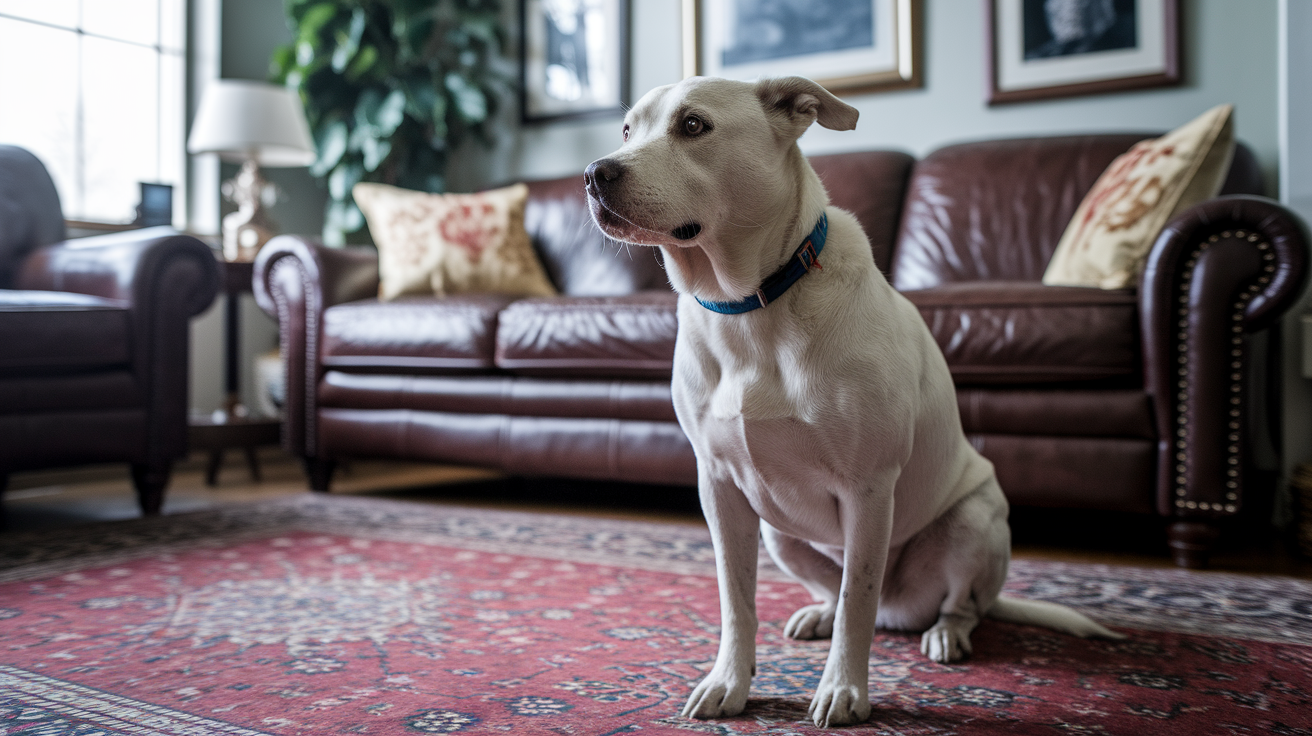
Think a treat will fix your dog’s joints overnight?
It’s tempting to expect a fast miracle, but joint support treats usually need time to build up.
Most dogs show real improvement in about 4 to 6 weeks, some as soon as 2 weeks, and older or severe cases often take 8 to 12 weeks.
This post walks you through the typical timeline, what ingredients speed results, and the small everyday signs, like quicker rising, longer walks, or easier stairs, that tell you the treats are working.
Expected Timeline for Joint Support Treats to Work

Most dogs show real improvement within 4 to 6 weeks of daily use. Some respond faster, especially if the stiffness is mild and you’ve caught it early. In those cases, you might see changes in as little as 2 weeks. But dogs dealing with moderate to severe arthritis, older age, or advanced cartilage wear? They usually need 8 to 12 weeks to reach their best response.
The timeline depends on what’s actually in the treat and how your dog’s body processes it.
Glucosamine and chondroitin work on cartilage repair pathways. They need time to build up before you’ll notice anything different. MSM and turmeric target inflammation, so you might see anti-inflammatory effects a bit sooner, sometimes within 2 to 3 weeks. But they still work best when paired with cartilage support ingredients. Green-lipped mussel extract, collagen peptides, omega‑3 fatty acids? Each one has its own accumulation curve. None of them deliver overnight results because they’re feeding repair and maintenance processes, not blocking pain like a medication would.
Because joint treats rely on gradual nutrient buildup, immediate relief is rare. You’re giving your dog’s body the raw materials to reduce inflammation, support cartilage health, and improve joint fluid quality. All of that takes weeks, not days.
Typical improvement windows:
- 2 to 3 weeks: Some dogs (especially those with mild stiffness) start moving a little easier.
- 4 to 6 weeks: Most owners notice clearer changes. Smoother rising, more willingness to walk.
- 6 to 8 weeks: Real functional gains for many dogs, including reduced limping and increased playtime.
- 8 to 12 weeks: Dogs with severe arthritis or older age often reach their peak response here.
Factors That Influence How Quickly Joint Treats Work
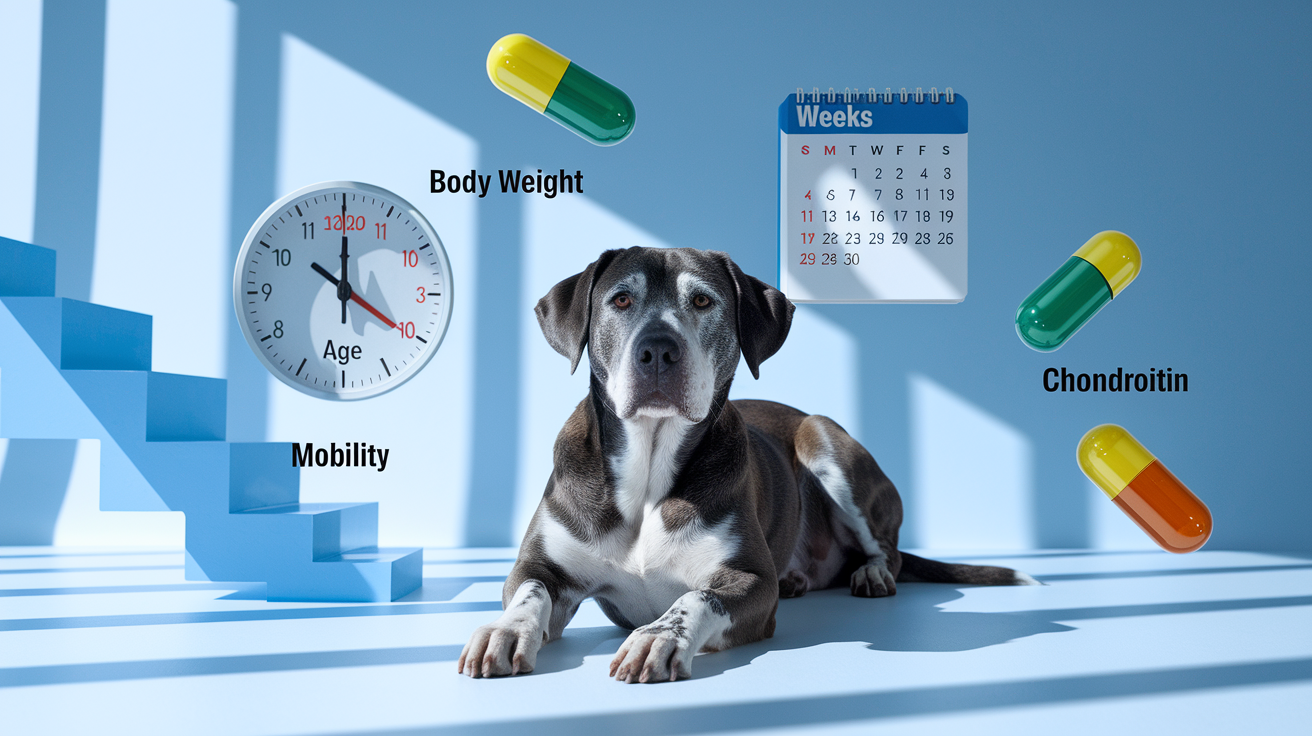
How fast your dog responds depends on several overlapping factors.
Age plays a big role. Younger dogs with early-stage joint wear tend to improve faster because their cartilage and joint fluid are still relatively healthy. Older dogs, especially those over 10 years, often need the full 8 to 12 weeks to show clear changes. Degeneration has progressed further and repair processes slow with age. Breed and size matter, too. Large and giant breeds carry more joint load, so even when inflammation decreases, functional improvements like easier stair climbing take longer to become visible.
Severity of the underlying joint condition is one of the strongest predictors. Mild seasonal stiffness responds faster than diagnosed hip dysplasia or advanced osteoarthritis with bone-on-bone contact. Activity level and body weight also change the timeline. An overweight, sedentary dog will see slower progress than a lean, gently active dog, even on the same treat and dose.
Product quality and ingredient strength directly affect results. Treats with clinically studied doses of bioavailable glucosamine and high-quality omega‑3s work faster than under-dosed or poorly absorbed formulations.
Key variables that affect timeline:
- Age: Younger dogs respond faster. Senior dogs need 8 to 12 weeks.
- Severity: Mild stiffness improves in 2 to 4 weeks. Moderate arthritis takes 6 to 8 weeks or more.
- Body weight: Excess weight slows functional recovery even if inflammation drops.
- Activity level: Gentle daily movement speeds results. Inactivity delays them.
- Ingredient quality: Bioavailable, correctly dosed compounds produce faster, more noticeable changes.
Immediate vs. Long‑Term Benefits

Joint support treats don’t provide instant relief. They’re not designed to interrupt pain pathways the way a prescription anti-inflammatory does. Instead, they supply building blocks. Glucosamine for cartilage matrix, omega‑3s to reduce inflammatory signaling, hyaluronic acid precursors for joint fluid. These compounds accumulate over days and weeks.
During the first 1 to 2 weeks, most dogs show little to no visible change because these compounds are just beginning to reach therapeutic levels in the bloodstream and joint tissues.
Short-term effects, when they appear, are subtle. Between weeks 2 and 4, some owners notice their dog stands up a bit faster in the morning or seems slightly less stiff after a nap. That’s early anti-inflammatory action starting to take hold, not structural repair. True cartilage support and joint fluid improvement happen on a slower timeline, usually becoming noticeable around weeks 4 to 6 and continuing to build through week 12.
Long-term benefits are where joint treats deliver their real value. After 8 to 12 weeks of consistent daily use, many dogs show sustained improvements in flexibility, endurance, and willingness to move. Cartilage has had time to respond to glycosaminoglycan support, chronic low-level inflammation has decreased, and joint mechanics have improved. Stopping the treats at this point often leads to a gradual return of stiffness, which is why maintenance dosing (continuing the treat daily) is recommended once improvement is achieved.
Signs That Joint Support Treats Are Working
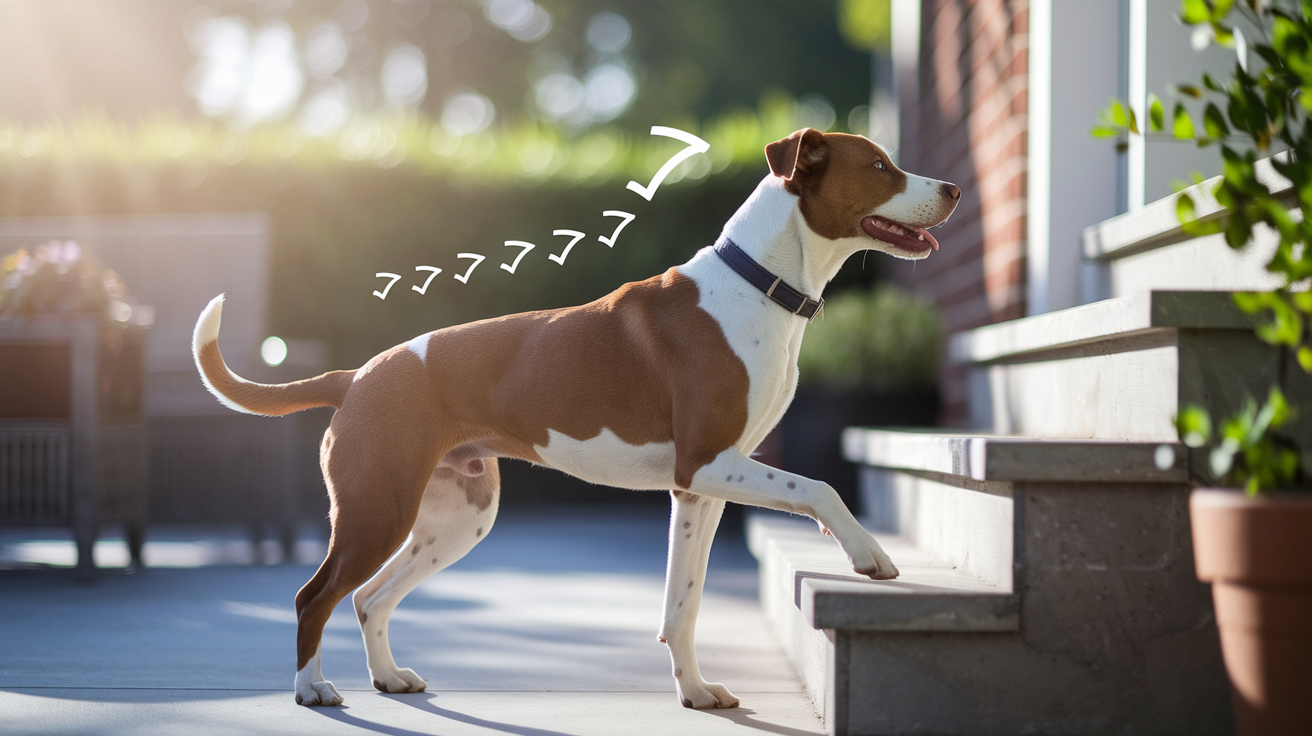
Improvements from joint treats show up in everyday moments, not lab tests. The changes are functional and behavioral, and they usually start appearing between weeks 2 and 6 depending on your dog’s age and joint condition.
Early signs are often small. Your dog might get up from their bed without that familiar hesitation, or they pull a little harder on the leash during morning walks. Over the next few weeks, those small shifts become more obvious.
Watch for patterns over time rather than single events. A dog who used to limp after a long walk might still limp occasionally, but the limp fades faster or happens less often. Morning stiffness that used to last 20 to 30 minutes might now disappear within 5 to 10 minutes. These are real improvements, even if your dog isn’t suddenly running like a puppy again.
Observable signs of progress:
- Easier and faster rising from a lying or sitting position.
- Reduced or less frequent limping, especially after rest or exercise.
- Increased willingness to walk farther or engage in light play.
- Smoother movement when climbing stairs or jumping into the car.
- Less licking, chewing, or favoring of stiff joints.
- More energy and engagement with family, toys, or other pets.
How to Use Joint Support Treats for Best Results
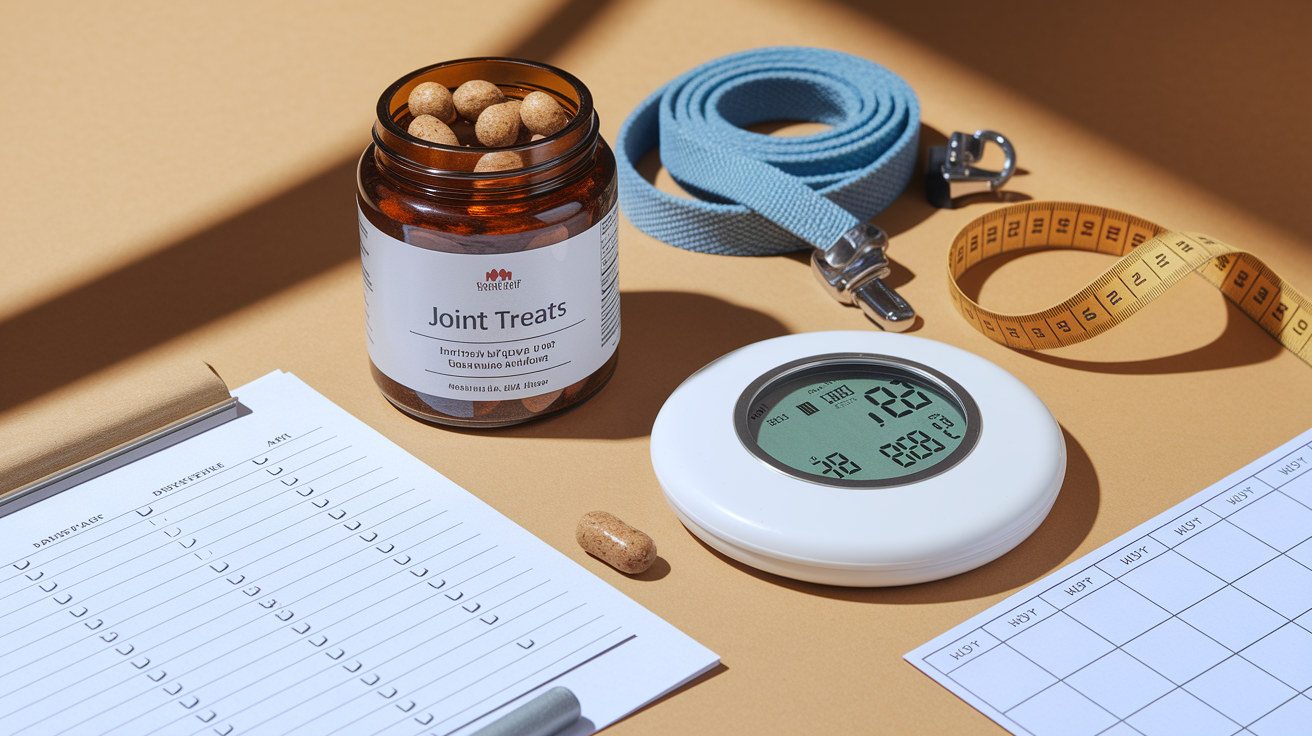
Consistency is everything.
Joint support treats only work when the active ingredients stay at steady levels in your dog’s system, which means giving the treat every single day at the recommended dose. Missing even a few doses each week can slow or stall the buildup process, pushing your timeline from 4 to 6 weeks out to 8 to 10 weeks or beyond. Treats aren’t like pain medicine you give “as needed.” They’re a daily maintenance tool, similar to a vitamin or supplement routine for people.
Some products recommend a loading dose for the first 4 to 6 weeks, usually 1.5 to 2 times the standard maintenance amount, to speed up the accumulation phase. Always follow the dosing instructions on the package or from your veterinarian, and make sure the dose matches your dog’s current weight. Large dogs need higher doses to see results, and under-dosing is one of the most common reasons owners report “no improvement” at the 6-week mark.
Best-practice habits for faster, better results:
- Give the treat at the same time each day to build a routine and avoid missed doses.
- Pair supplementation with weight management. Even losing 5 to 10% of body weight can speed joint improvement.
- Combine treats with gentle, low-impact exercise like short leash walks or controlled swimming.
- Keep a simple log (rising speed, walk distance, stiffness duration) to track subtle week-over-week changes you might otherwise miss.
When to Consult a Veterinarian

If you’ve given joint support treats daily for 8 to 12 weeks at the correct dose and you see no meaningful change in your dog’s movement, stiffness, or activity level, it’s time to check in with your veterinarian.
Lack of response can mean the joint damage is too advanced for over-the-counter supplementation alone, or there may be another underlying condition (like a ligament injury, nerve issue, or infection) that treats can’t address. Your vet can assess whether your dog needs imaging, prescription anti-inflammatories, physical therapy, or a different management approach.
You should also contact your vet sooner (before the 8-week mark) if your dog’s mobility worsens, if sudden severe limping appears, or if you notice swelling, heat, or obvious pain when touching a joint. Joint treats support gradual improvement and maintenance. They’re not equipped to handle acute flare-ups or progressive disease without veterinary backup.
Red-flag symptoms that need prompt veterinary attention:
- Sudden, severe limping or complete refusal to bear weight on a leg.
- Visible joint swelling, heat, or signs of pain when the area is touched.
- No improvement or worsening mobility after 8 to 12 weeks of consistent, correctly dosed supplementation.
Final Words
Most dogs show changes in 4–6 weeks; some in about 2 weeks, while tougher cases may need 8–12 weeks.
We covered the expected timeline, how ingredients matter, the main factors like age and size, and the signs to watch—easier rising, less limping, longer play.
Use treats daily, follow any loading dose, and pair with weight control and gentle activity. If there’s no improvement by 8–12 weeks, check with your vet.
If you’re wondering how long do joint support treats take to help dogs, expect early wins in weeks and fuller benefits over months. You’ve got this.
FAQ
Q: How quickly do joint supplements work for dogs?
A: Joint supplements for dogs typically start helping within 4–6 weeks; some dogs improve in 2 weeks, while severe cases may take 8–12 weeks. Results depend on ingredients like glucosamine, MSM, and omega‑3s.
Q: What is the 7 7 7 rule for dogs?
A: The 7 7 7 rule for dogs is a pause-and-observe training guideline: give seven seconds to settle, then repeat short pauses three times before interacting, which helps prevent overstimulation and builds calm.
Q: How do you say “I love you” in dog speak?
A: You say “I love you” in dog speak with a calm, friendly tone, gentle petting, soft eye contact, small treats, and consistent care—actions that build trust and make your dog feel safe.
Q: What is the 10 minute rule for dogs?
A: The 10 minute rule for dogs recommends short, focused sessions—limit new introductions, play, or training to about 10 minutes to avoid fatigue and overstimulation, especially for puppies or shy dogs.