
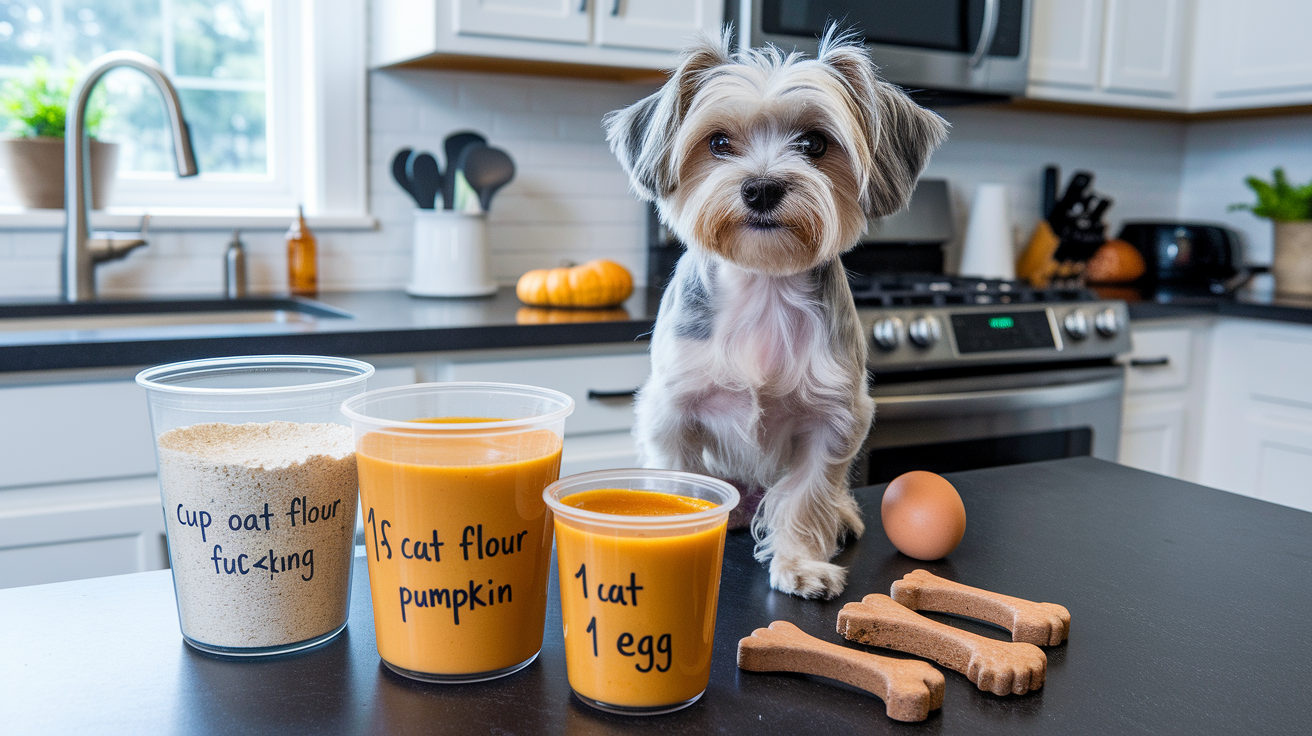
Ever reach into your treat pouch and wonder what’s actually in those store bags?
Homemade soft training treats give you tiny, blueberry-sized rewards that stay soft, taste great, and are safe for small dogs with sensitive tummies.
In this post you’ll get quick, easy recipes you can make in under 20 minutes, plus swaps for picky eaters, portion tips, and storage and safety notes so you don’t overfeed or risk something harmful.
Ready to make treats your dog will work for?
Quick Soft Training Treat Recipe for Small Dogs
This recipe gets you soft, bite-sized treats in under 20 minutes. You’ll need 1 cup oat flour, 1/2 cup pure pumpkin puree (not pie filling), 1 large egg, and 2 tablespoons xylitol-free peanut butter. Small dogs need tons of tiny rewards during training, and this makes enough for a week without wondering what’s actually in those store-bought bags.
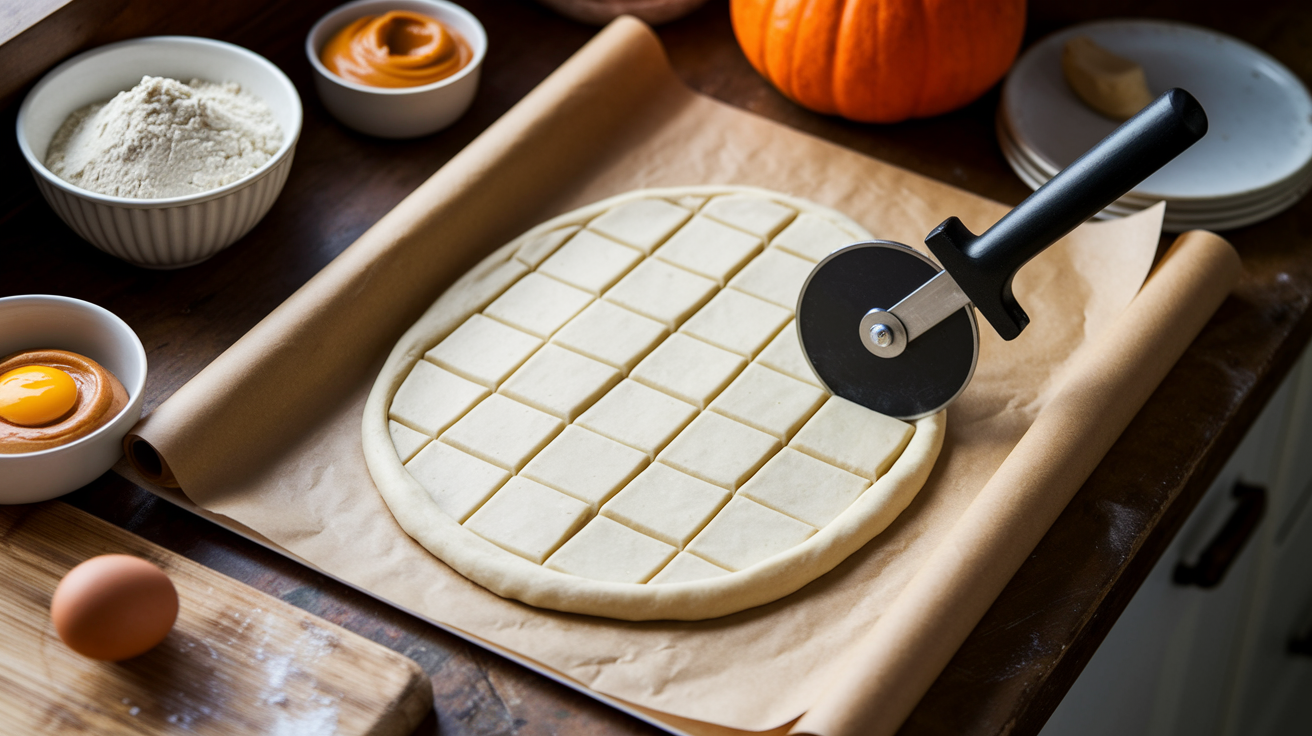
Preheat your oven to 325°F. Mix the oat flour, pumpkin puree, egg, and peanut butter in a medium bowl until you’ve got thick, sticky dough. Too wet to handle? Add oat flour one tablespoon at a time. Roll the dough between two sheets of parchment paper to about 1/4 inch thick, then use a pizza cutter or sharp knife to slice it into 1/4-inch squares. Spread the pieces on a parchment-lined baking sheet with a little space between each one. Bake for 12 minutes, then let everything cool completely on the pan before you break them apart. The cooled treats should feel soft and slightly springy when you press them. Perfect for rapid-fire training rewards without crumbling all over your treat pouch.
Ingredient notes:
- Oat flour – Don’t have pre-ground? Grind rolled oats in a blender for 30 seconds.
- Pumpkin puree – Plain canned pumpkin works best. Pie filling has added sugar and spices.
- Peanut butter – Always check the label for xylitol, an artificial sweetener that’s toxic to dogs even in tiny amounts.
- Egg – Acts as the binder. If your dog has an egg sensitivity, try 2 tablespoons unsweetened applesauce instead.
Each 1/4-inch piece is roughly the size of a blueberry. Ideal for small breeds when you’re giving twenty or thirty treats in ten minutes. Store the cooled treats in an airtight container in the refrigerator for up to one week, or freeze individual portions in a zip-top bag for up to three months.
Nutritional Benefits of Common Training Treat Ingredients
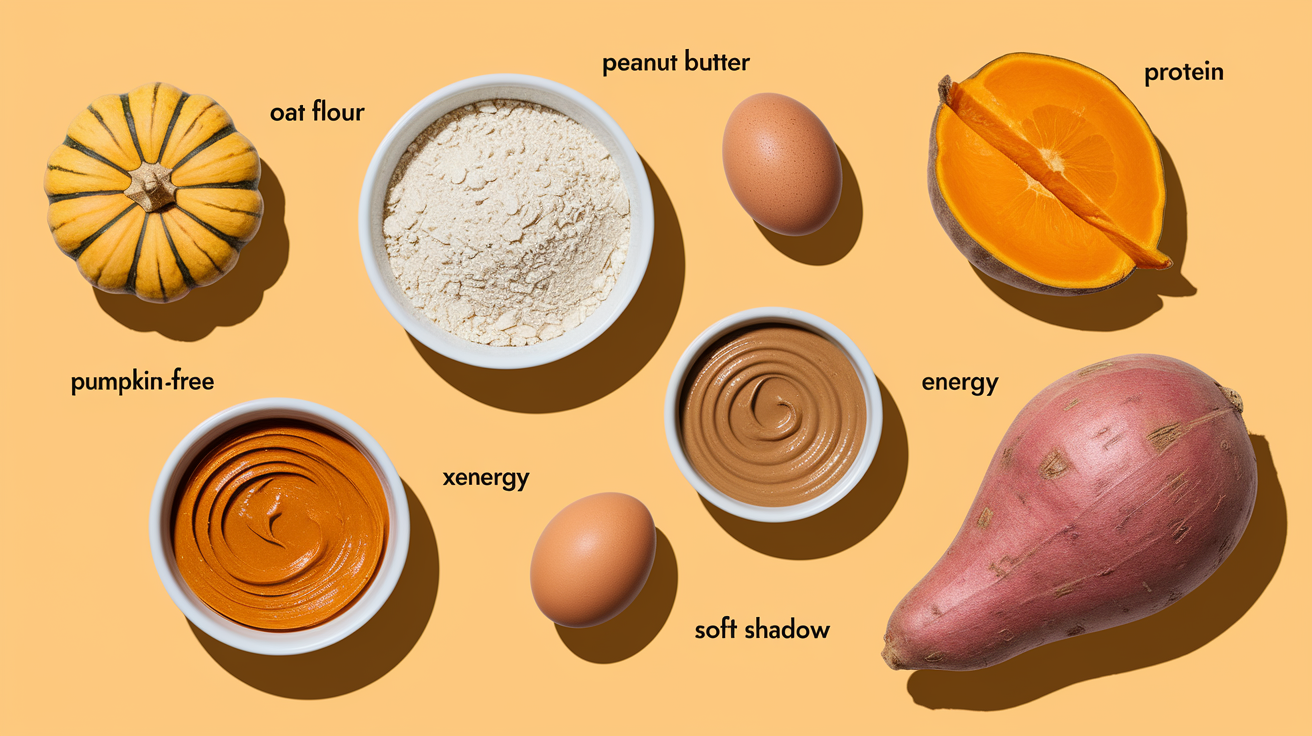
Training treats work best when they’re nutritious enough to support daily repetition without messing up your dog’s balanced diet. Pumpkin puree delivers soluble fiber that supports healthy digestion and can help settle a sensitive stomach, especially helpful during stressful training sessions. Oat flour offers easily digestible carbohydrates and additional fiber, giving your small dog a quick energy boost without the blood sugar spike that refined white flour can cause. Xylitol-free peanut butter adds protein and healthy fats that keep your dog satisfied between meals. Plus, the rich flavor makes even the pickiest eater excited to work for their reward.
These ingredients also keep treats soft and pliable. A texture advantage when you’re reaching into your pouch fifty times during a fifteen-minute training walk. Hard biscuits can crumble into dust or take too long to chew, interrupting the rhythm of sit-stay-reward. Soft treats let your dog swallow quickly and refocus on the next cue, turning training into a smooth back-and-forth instead of a series of snack breaks.
| Ingredient | Key Benefit | Notes for Small Dogs |
|---|---|---|
| Pumpkin puree | High in fiber; supports digestive health | Use plain puree, not pie filling; gentle on sensitive tummies |
| Oat flour | Digestible carbohydrates; adds fiber | Gluten-free option; less likely to trigger grain sensitivities |
| Peanut butter (xylitol-free) | Protein and healthy fats; high palatability | Choose creamy, unsweetened varieties; monitor for peanut allergies |
| Egg | Complete protein; binds dough | Use one egg per batch; swap with applesauce if allergic |
| Sweet potato | Vitamins A and C; natural sweetness | Boil or bake until soft; mash completely to avoid lumps |
Soft Treat Variations for Picky or Sensitive Small Dogs
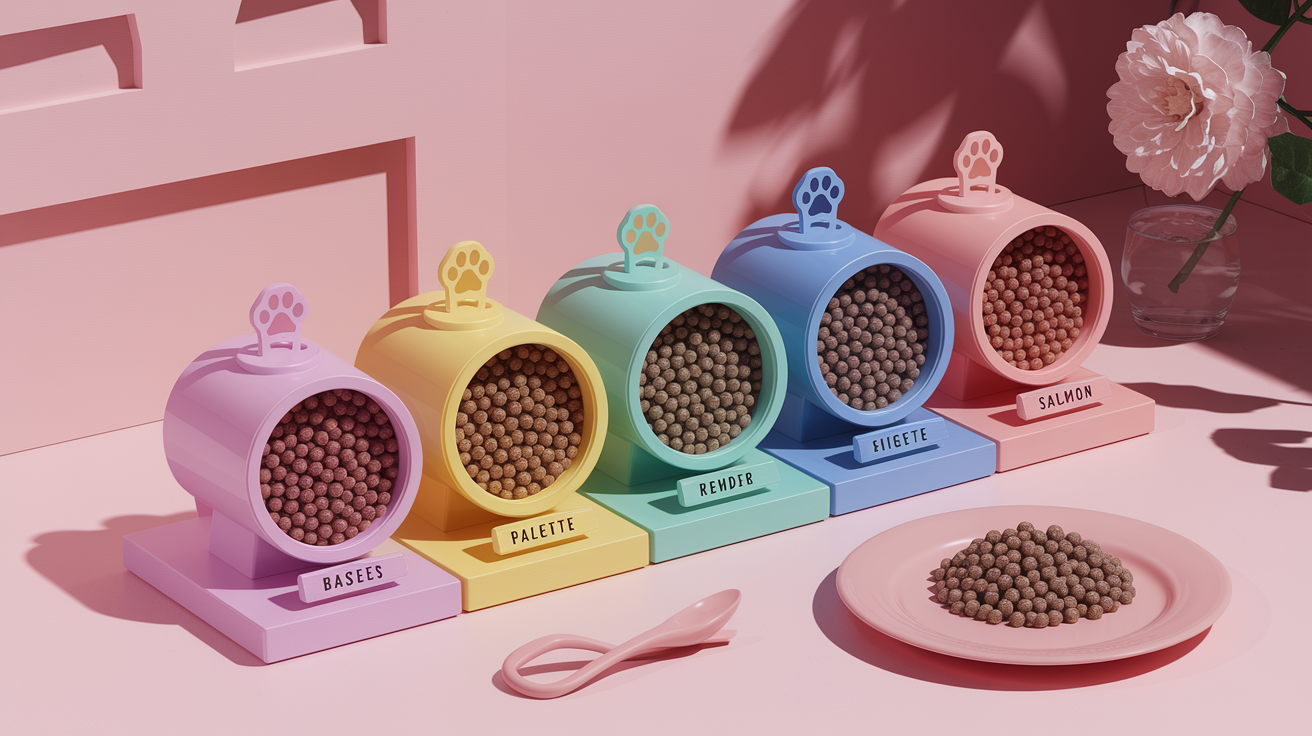
Many small dogs do better with limited-ingredient treats that avoid common triggers like wheat, chicken, or dairy. If your dog has shown signs of itching, upset stomach, or ear irritation after eating certain foods, these variations let you control exactly what goes into each batch. Grain-free bases made from chickpea flour, coconut flour, or mashed sweet potato work well for dogs with grain sensitivities. Single-protein additions like pureed turkey or beef keep the ingredient list short and traceable.
Texture matters too. Some picky eaters prefer a slightly sweeter treat, while others respond better to a savory flavor. Adjusting moisture levels by adding an extra tablespoon of puree or reducing bake time by two minutes can turn a recipe your dog ignores into one they’ll work hard to earn.
Grain-free sweet potato variations:
- Sweet potato + coconut flour – 1 cup mashed sweet potato + 1/4 cup coconut flour + 1 egg; bake at 325°F for 10 minutes.
- Sweet potato + chickpea flour – 3/4 cup mashed sweet potato + 1/2 cup chickpea flour + 2 tbsp unsweetened applesauce; bake at 325°F for 12 minutes.
- Banana + oat flour – 1/2 cup mashed ripe banana + 3/4 cup oat flour + 1 tbsp xylitol-free peanut butter; bake at 300°F for 15 minutes for extra-soft texture.
- Pumpkin + almond flour – 1/2 cup pumpkin puree + 1 cup almond flour + 1 egg; bake at 325°F for 11 minutes.
Limited-ingredient protein variations:
- Turkey + oat – 1/2 cup cooked, pureed turkey + 1 cup oat flour + 1 egg; bake at 325°F for 12 minutes.
- Beef + sweet potato – 1/3 cup cooked, finely ground lean beef + 2/3 cup mashed sweet potato + 1/4 cup oat flour; bake at 325°F for 13 minutes.
- Chicken + pumpkin – 1/3 cup cooked, pureed chicken breast + 1/2 cup pumpkin puree + 1/2 cup oat flour; bake at 325°F for 12 minutes.
- Salmon + chickpea – 1/4 cup cooked, mashed salmon (skin and bones removed) + 1/2 cup chickpea flour + 1 egg; bake at 300°F for 14 minutes.
Storage and Shelf Life of Homemade Soft Training Treats
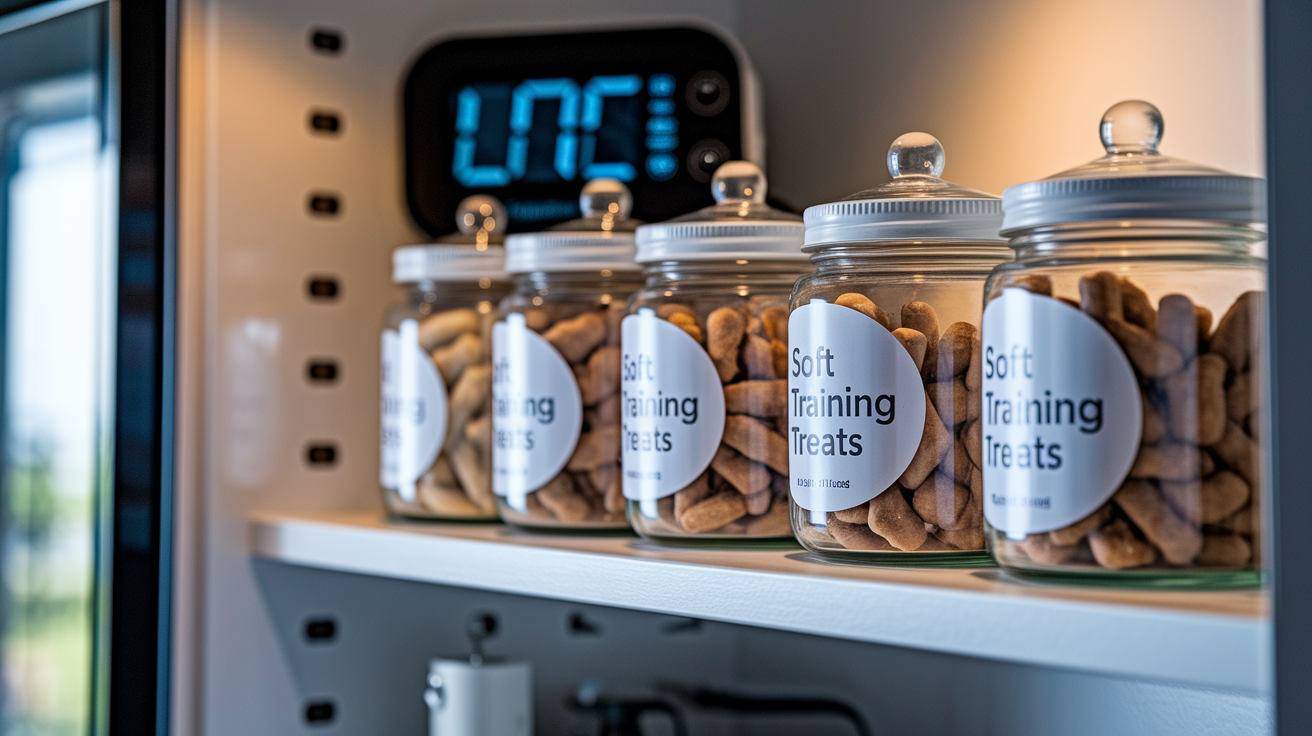
Soft treats spoil faster than crunchy biscuits because higher moisture content invites mold and bacterial growth. Store your cooled treats in an airtight container in the refrigerator, where they’ll stay fresh for five to seven days. If you notice any off smell, discoloration, or slimy texture, discard the batch immediately. Small dogs eat small portions, so a single recipe often lasts a full week of daily training when refrigerated properly.
Freezing extends shelf life to two or three months and lets you bake larger batches without waste. Portion treats into single-use amounts, about what you’d use in one or two training sessions, then seal each portion in a small zip-top bag or reusable silicone pouch. Thaw overnight in the refrigerator or let a portion sit at room temperature for fifteen minutes before heading out for a walk. Frozen treats can feel too firm straight from the freezer, but they’ll soften quickly once thawed and still deliver that chewy texture small dogs prefer.
Storage tips:
- Cool completely before sealing – Warm treats create condensation inside the container, speeding up spoilage.
- Use parchment between layers – Prevents treats from sticking together in the fridge or freezer.
- Label with the bake date – Helps you track freshness; discard refrigerated treats after seven days.
- Freeze in flat layers – Treats thaw faster when spread in a single layer inside the bag.
- Keep a small portion in your treat pouch – Refill daily from the fridge to avoid carrying treats that warm up and spoil during long outings.
Safety Guidelines and Ingredient Precautions

Homemade treats give you full control over ingredients, but that responsibility includes knowing which foods are dangerous for dogs. Even small amounts of certain ingredients can cause serious harm, especially in small breeds where a few grams of the wrong food can mean a toxic dose. Always read labels carefully. When in doubt, leave it out.
Xylitol, an artificial sweetener found in some peanut butters, sugar-free applesauce, and baked goods, is extremely toxic to dogs and can cause life-threatening drops in blood sugar or liver failure within hours. Onion and garlic, even in powdered or dried forms sometimes added to broths or seasoning blends, damage red blood cells and can lead to anemia. Raisins and grapes cause kidney failure in dogs, and the toxic dose varies wildly, so no amount is considered safe. Chocolate contains theobromine, which dogs metabolize slowly. Dark chocolate and baking chocolate are especially dangerous. High-sodium ingredients like salted broth or cured meats can lead to excessive thirst, urination, or even sodium poisoning in small dogs who can’t handle the same salt load as a larger breed.
Portion control matters as much as ingredient safety. Small dogs have lower daily calorie needs. A ten-pound dog might need only 200 to 300 calories per day, and a handful of rich training treats can quickly add up to a quarter of that allowance. If you’re using treats heavily during a training session, reduce the next meal slightly to keep overall intake balanced, or break treats into even smaller pieces so you can reward frequently without overfeeding.
Avoid these ingredients:
- Xylitol – Found in sugar-free peanut butter, gum, and some baked goods; extremely toxic even in tiny amounts.
- Onion and garlic – Includes powder, flakes, and fresh forms; damages red blood cells.
- Grapes and raisins – Cause kidney failure; toxic dose is unpredictable.
- Chocolate – Contains theobromine; dark and baking chocolate are most dangerous.
- High-sodium broths or seasonings – Can cause excessive thirst, urination, or sodium toxicity in small dogs.
- Macadamia nuts – Cause weakness, vomiting, and tremors; toxic mechanism isn’t fully understood.
Customizing Treat Size and Texture for Small Breeds

Small dogs respond best to training rewards that are roughly pea-sized or smaller. A piece you can deliver in under two seconds so the reinforcement stays tightly linked to the behavior. Treats that are too large slow down the training rhythm and add unnecessary calories, while treats that are too hard can become a choking hazard or take too long to chew. Soft textures let your dog swallow quickly and refocus, turning a fifteen-minute session into dozens of successful repetitions instead of a series of snack breaks.
Baking time and moisture content directly control how soft your treats turn out. Reducing bake time by two to three minutes leaves more moisture inside, creating a chewier texture that’s easier to break into tiny pieces without crumbling. Adding an extra tablespoon of pumpkin puree or applesauce to the dough before baking also keeps the final product tender, especially helpful if you’re using drier flours like coconut or chickpea. Rolling dough thinner, closer to 1/8 inch instead of 1/4 inch, creates treats that bake faster and stay pliable, though you’ll need to watch them closely to avoid overbaking.
Texture and size adjustment techniques:
- Lower bake time by 2 to 3 minutes – Pulls treats from the oven while centers are still moist; check at the 10-minute mark for thin batches.
- Add 1 to 2 tablespoons extra puree – Increases moisture before baking; may require a pinch more flour if dough becomes too sticky to handle.
- Roll dough to 1/8 inch – Produces thinner treats that bake quickly and stay soft; easier to snap into tiny training bites.
- Cut into 1/4-inch squares or smaller – Yields pea-sized rewards perfect for rapid reinforcement; use a pizza cutter for speed.
- Test one piece first – Bake a single treat and let it cool completely to check texture; adjust time or moisture for the rest of the batch if needed.
Final Words
In the action, we gave a quick soft training treat recipe with exact measurements and bake time, explained why pumpkin, oats, and xylitol-free peanut butter help, offered grain-free and sensitive-dog swaps, and covered storage, safety, and sizing tips.
Use the recipes for short, frequent rewards during training, keep bites tiny, and store or freeze extras to stay fresh. These homemade soft training treat recipes for small dogs are easy, safe, and perfect for building good habits. Happy training.
FAQ
Q: How do I make quick soft training treats for small dogs?
A: Quick soft training treats for small dogs use 1 cup oat flour, 1/2 cup pumpkin puree, 1 egg, and 1 tbsp xylitol-free peanut butter; bake at 325°F for 12 minutes and cut into 1/4-inch pieces.
Q: What are the nutritional benefits of pumpkin, oats, and peanut butter?
A: The nutritional benefits of pumpkin, oats, and peanut butter are fiber from pumpkin, digestion-friendly carbs from oats, and protein plus healthy fats from xylitol-free peanut butter—keeps treats soft for fast reinforcement.
Q: What can I use if my small dog is picky or has sensitivities?
A: For picky or sensitive small dogs, use grain-free bases like mashed sweet potato, chickpea flour, or banana, adjust moisture for softness, and make limited-ingredient batches to spot-check tolerance.
Q: How should I store homemade soft training treats and how long do they last?
A: Homemade soft training treats should be refrigerated for 5–7 days, or frozen for 2–3 months; higher moisture shortens shelf life, so thaw portioned batches as needed for freshness.
Q: Which ingredients should I avoid and how should I portion treats for small dogs?
A: You should avoid onion, garlic, raisins, xylitol, chocolate, and excess salt; portion treats so they stay under about 10% of daily calories and use pea-sized pieces to prevent overfeeding.
Q: How do I customize treat size and texture for small breeds?
A: To customize size and texture for small breeds, make pea-sized or 1/4-inch pieces, reduce bake time by 2–3 minutes, add extra pumpkin or egg for softness, and test chewability before serving.
Q: Are soft treats good for rapid reinforcement during training?
A: Soft treats are ideal for rapid reinforcement because they’re quick to eat, let you reward frequently, and bite-size pieces prevent overfeeding while keeping training momentum.
Q: How should I use these soft treats during training sessions?
A: Use soft treats during training by keeping pieces tiny, rewarding immediately after the correct behavior, offering frequent short rewards, and ending sessions before your dog loses focus.