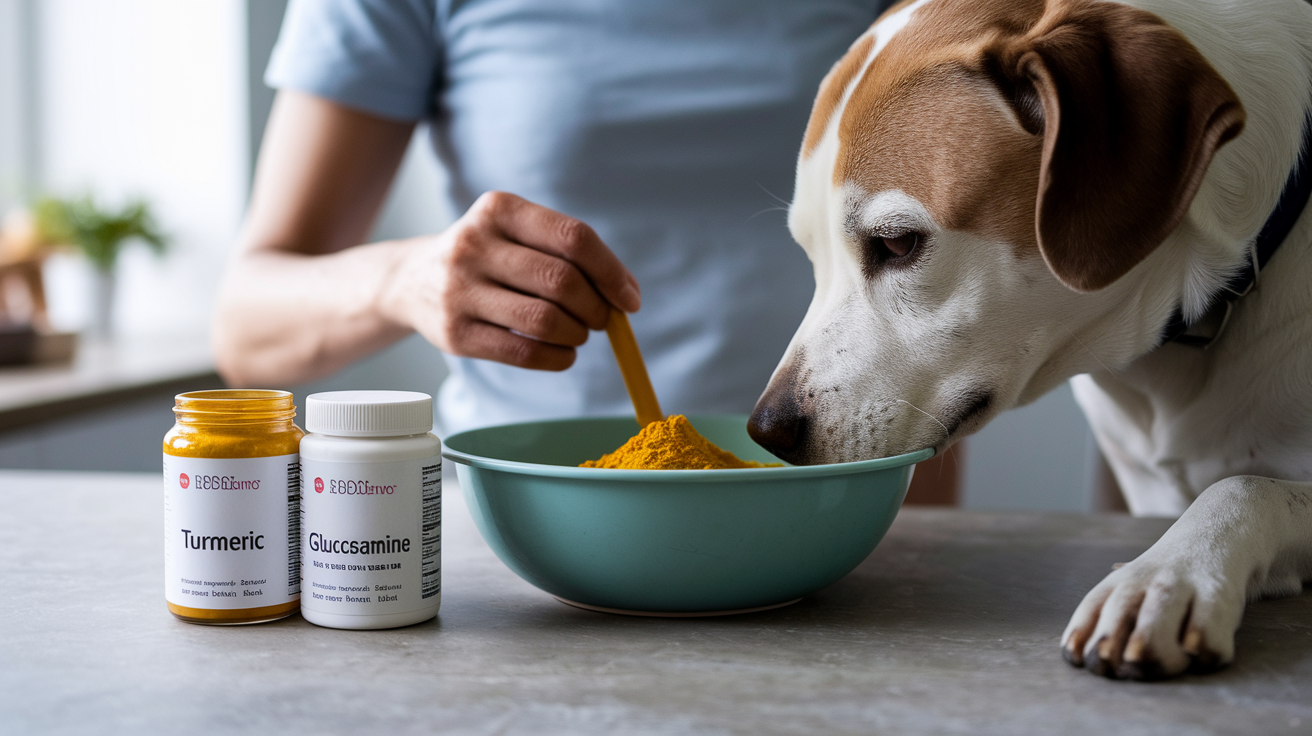
What if you could skip pricey dog chews and bake joint-helping treats at home?
These easy, vet-friendly bites use glucosamine and turmeric to support cartilage and calm joint inflammation.
They’re made with simple pantry items like oat flour, pumpkin, and coconut oil, so you know what’s going into your dog’s tummy.
This post gives a clear, step-by-step recipe, safe serving tips by weight, and the science behind why these ingredients work, so you can treat your dog with purpose and confidence.
DIY Joint-Support Dog Treat Recipe

Ingredients:
- 2 cups oat flour (substitute rice flour for gluten-free)
- 1/2 cup canned pure pumpkin (no spices)
- 2 large eggs
- 1/4 cup water
- 2 tablespoons coconut oil, melted
- 1/2 teaspoon ground turmeric
- 1/8 teaspoon ground black pepper (helps turmeric absorption)
- 500 mg glucosamine powder (or 1 crushed 500 mg tablet for small batches, 1,000 mg for larger dogs)
Instructions:
- Preheat your oven to 325°F and line a baking sheet with parchment paper.
- In a large bowl, whisk together the oat flour, turmeric, black pepper, and glucosamine powder until evenly distributed.
- In a separate bowl, mix the pumpkin, eggs, water, and melted coconut oil until smooth.
- Pour the wet ingredients into the dry mixture and stir until a thick dough forms. Add a tablespoon of water if the dough feels too crumbly.
- Roll the dough out on a lightly floured surface to about 1/4 inch thick.
- Cut into small squares (about 1 inch) or use a cookie cutter for shapes your dog will recognize.
- Place treats on the prepared baking sheet, leaving a small gap between each piece.
- Bake for 18 to 22 minutes, until the edges are firm and lightly golden. Flip halfway through for even crispness.
- Turn off the oven and leave the treats inside with the door cracked open for 10 minutes to dry out further.
- Remove from the oven and cool completely on a wire rack before storing.
This batch makes about 30 small treats. For dogs dealing with mild joint stiffness or as prevention, offer one treat per day for small dogs and two for medium to large dogs. If your dog’s managing chronic joint issues, you can go up to three treats daily for larger breeds, but keep total glucosamine intake within what your vet recommends. Usually that’s 20 to 30 mg per pound of body weight. Start with a half dose for the first few days to watch for any stomach sensitivity.
Benefits of Glucosamine, Turmeric, and Supporting Ingredients
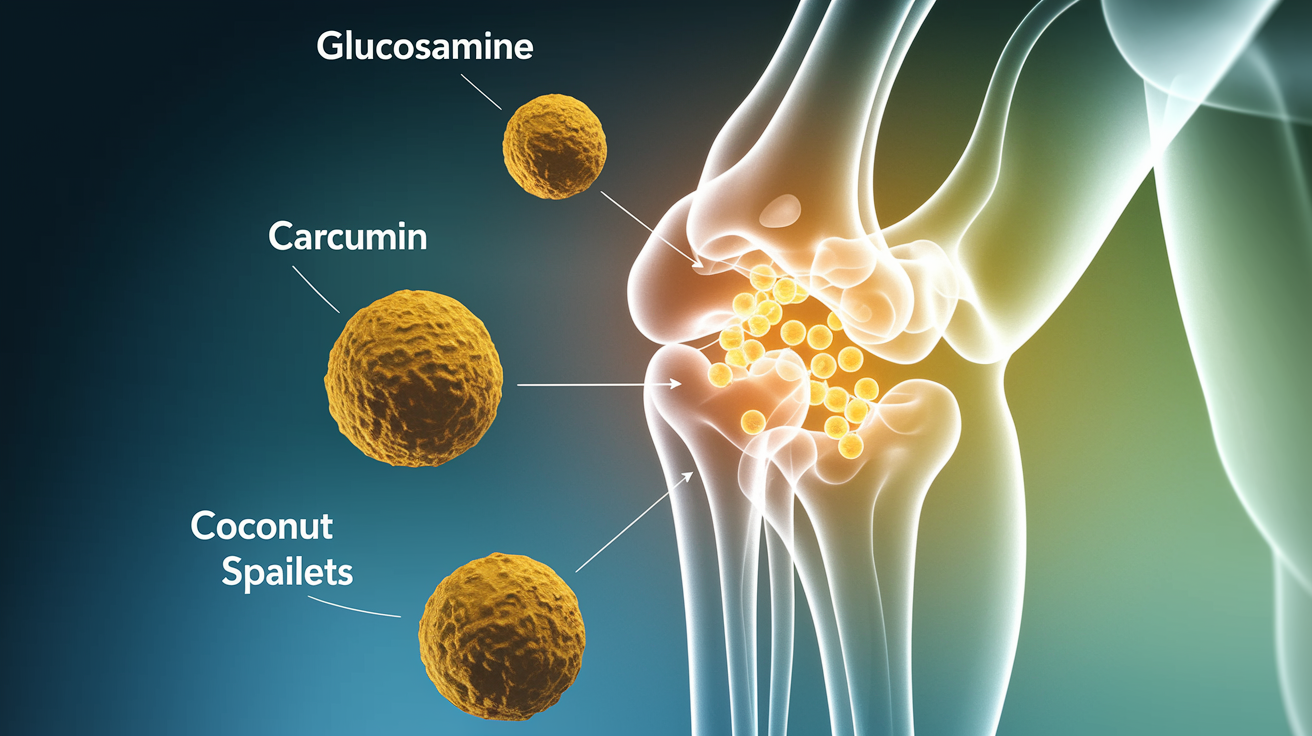
Glucosamine is a building block for cartilage, the cushioning tissue inside joints. Over time, natural wear or age breaks down cartilage faster than the body rebuilds it. Adding glucosamine through treats gives your dog’s system extra material to support repair and keep joint fluid thick, which means smoother movement and less discomfort during walks or play.
Turmeric contains curcumin, a compound with strong anti-inflammatory effects. Chronic low-level inflammation around joints contributes to stiffness and pain, especially in older dogs or breeds prone to hip dysplasia. Black pepper, even in tiny amounts, dramatically increases how much curcumin the body can actually use. Pairing the two makes turmeric work harder. Coconut oil does something similar because curcumin absorbs better when eaten with a fat source.
The treat base ingredients do more than hold everything together. Oat flour provides gentle fiber that supports digestion without upsetting sensitive stomachs. Pumpkin adds beta-carotene and soluble fiber, which can help regulate bowel movements. That’s important for older dogs who may be less active. Eggs deliver protein and healthy fats. Coconut oil contributes medium-chain triglycerides that some research links to reduced inflammation.
Combined benefits include:
- Cushioning and lubrication for aging or overworked joints
- Reduced inflammation that contributes to stiffness
- Antioxidant protection against cellular stress in cartilage
- Digestive support that keeps treat time gentle on the stomach
- Natural, recognizable ingredients you can pronounce and control
Safe Serving Sizes by Dog Weight

| Dog Weight Range | Safe Daily Treat Portion | Notes |
|---|---|---|
| Under 15 lbs (toy breeds) | 1 small treat per day | Provides approximately 60–80 mg glucosamine; monitor for any digestive changes |
| 15–30 lbs (small breeds) | 1–2 treats per day | Total glucosamine 120–160 mg; split morning and evening if giving two |
| 30–60 lbs (medium breeds) | 2–3 treats per day | Approximately 160–240 mg glucosamine; pair with regular vet check-ins |
| Over 60 lbs (large breeds) | 3–4 treats per day | Can provide 240–320 mg glucosamine; consider doubling batch glucosamine for higher per-treat dosing |
The glucosamine and turmeric amounts in this recipe are designed for mild to moderate joint support, not aggressive therapy. If your dog needs stronger intervention (say, recovering from surgery or managing severe arthritis), talk to your vet about doubling the glucosamine per batch or adding a standalone supplement alongside these treats.
Treat size also matters. Cutting larger squares will mean fewer treats to reach the same glucosamine dose, which can help if your dog’s watching calories. Smaller bite-size pieces let you portion more precisely for toy breeds or training rewards without overfeeding.
Safety Considerations and When to Avoid These Treats
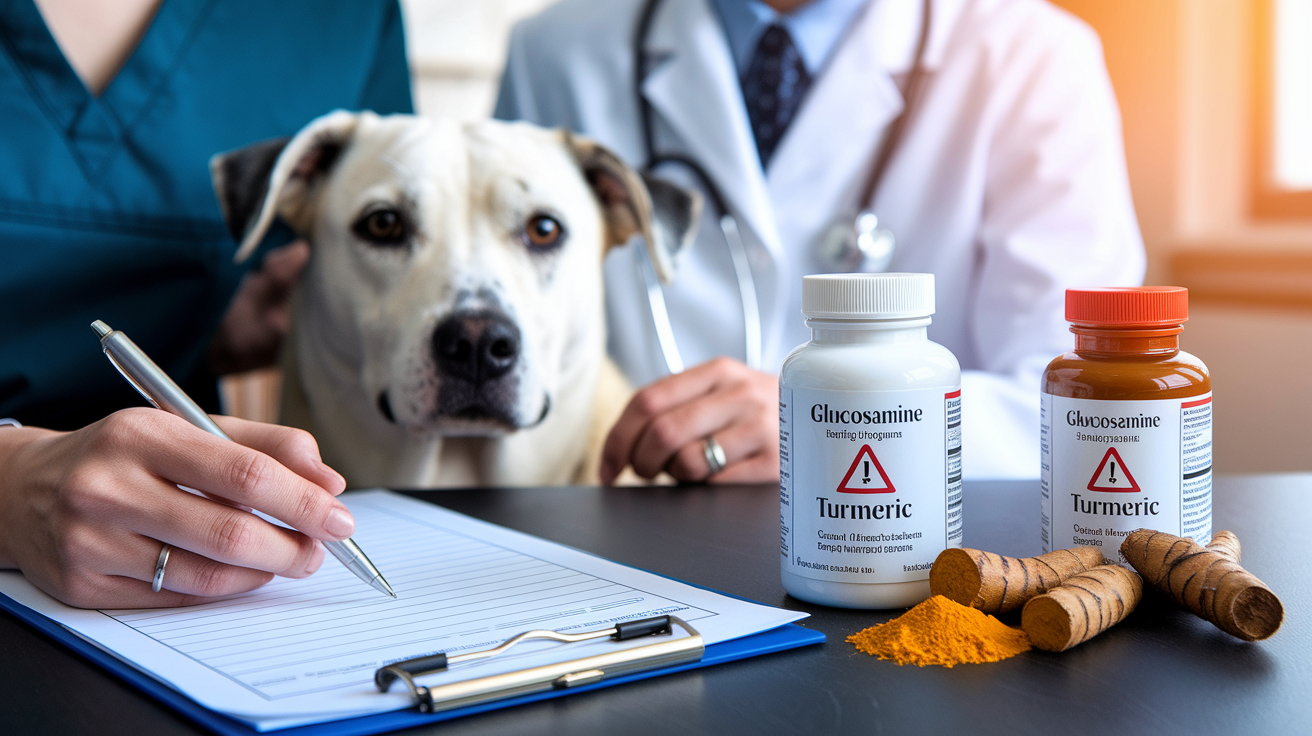
Turmeric is generally safe, but dogs with gallbladder problems or bile-duct obstructions should skip it. Turmeric stimulates bile production, which can worsen those conditions. If your dog has a history of kidney stones, check with your vet before adding turmeric to the daily routine, since high doses over time may contribute to oxalate formation in susceptible animals.
Mild stomach upset, like softer stool, can happen when you first introduce turmeric. Start with half a treat and watch for changes over three to five days.
Glucosamine is well tolerated by most dogs, but a small number experience gas, loose stool, or reduced appetite during the first week. Those symptoms usually fade as the body adjusts. If they don’t, pull back and consult your veterinarian. Your dog may need a different form of glucosamine or a lower dose. Shellfish-derived glucosamine can be a concern for dogs with known shellfish allergies, though reactions are uncommon since the supplement is highly processed.
Medication conflicts are the biggest caution. Dogs on NSAIDs, blood thinners, or diabetes medications shouldn’t get these treats without veterinary approval. Turmeric can amplify blood-thinning effects, and glucosamine may interact with insulin regulation. Pregnant or nursing dogs should also avoid turmeric in supplemental amounts.
If your dog has a sensitive stomach or a history of pancreatitis, the coconut oil and eggs might be too rich. You can replace coconut oil with a smaller amount of olive oil and cut back to one egg, though the treats will be a bit drier.
Storage, Shelf Life, and Freshness Tips

At room temperature in an airtight container, these treats stay fresh for five to seven days. Good for daily rotation if your dog goes through them quickly. Keep the container in a cool, dry spot away from direct sunlight, and check for any off smell or soft texture before serving.
Refrigeration extends shelf life to ten to fourteen days. Store treats in a sealed container or zip-top bag, and let them come to room temperature before serving, or your dog might snub a cold, hard biscuit straight from the fridge.
Freezing is the best option for batch-baking. These treats hold up well in the freezer for two to three months. Spread them on a tray to freeze individually first, then transfer to a freezer-safe bag. That way you can grab one or two at a time without thawing the whole batch.
Freshness tips:
- Place a folded paper towel in the storage container to absorb excess moisture and prevent sogginess.
- Label your freezer bag with the bake date so you rotate stock and use older batches first.
- If treats feel soft after a few days, re-crisp them in a 250°F oven for 5 minutes and cool completely before serving.
- Toss any treat that develops visible mold, an unusual odor, or a slimy surface. When in doubt, throw it out.
Ingredient Substitutions and Variations
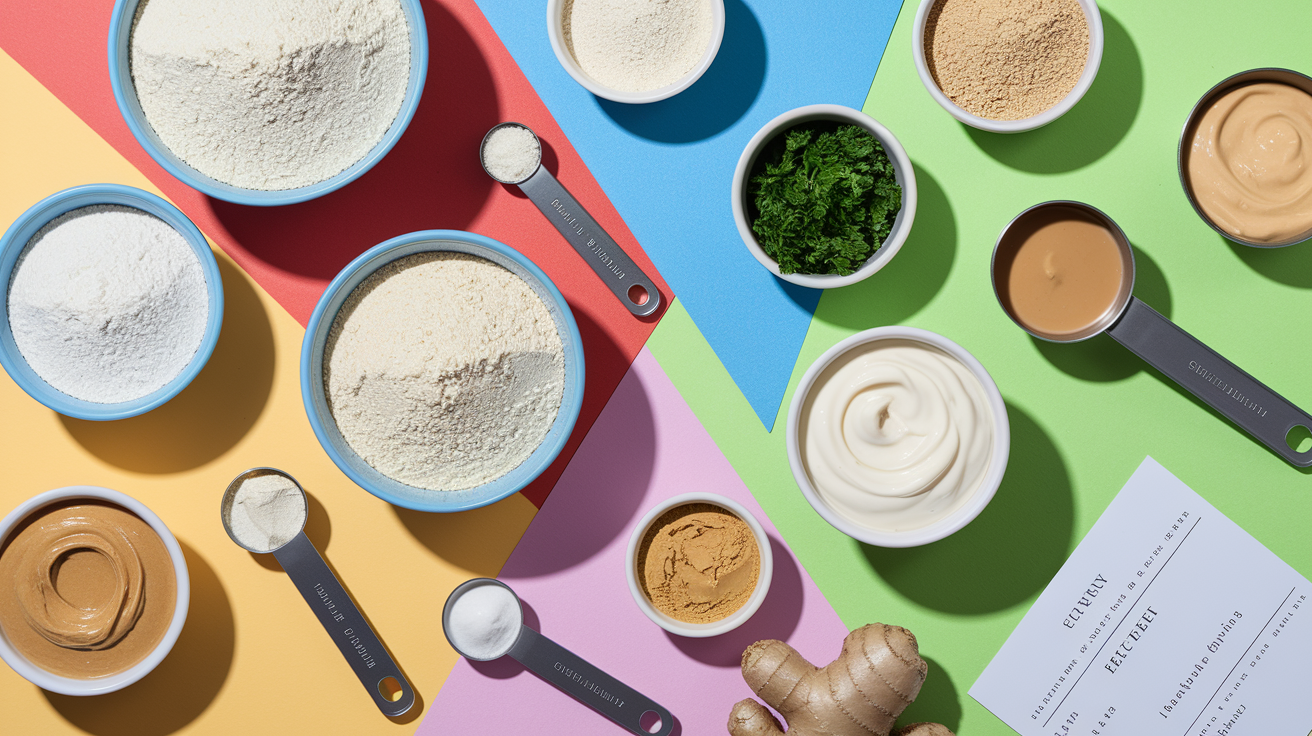
If your dog can’t have oats, swap oat flour one-to-one with rice flour, chickpea flour, or a gluten-free all-purpose blend. Texture will be slightly different, but the treats will still bake up firm. Dogs who don’t love pumpkin often enjoy mashed sweet potato or unsweetened applesauce in the same measurement. Both add moisture and a hint of natural sweetness without spiking sugar.
For dogs managing weight, you can replace half the coconut oil with plain low-fat yogurt, though you may need to add a bit more flour to compensate for extra liquid.
Substitution and variation ideas:
- Flour: Rice flour, chickpea flour, or coconut flour (reduce liquid slightly with coconut flour).
- Flavor boost: Add 1 tablespoon finely chopped parsley or a pinch of cinnamon for variety.
- Fat source: Substitute coconut oil with olive oil, flaxseed oil, or even a teaspoon of salmon oil for extra omega-3s.
- Joint boosters: Stir in 1/4 teaspoon of ground ginger or a tablespoon of bone broth powder for added anti-inflammatory support.
- Protein: Mix in 2 tablespoons of plain Greek yogurt or a tablespoon of unsalted peanut butter (check for xylitol) for picky eaters.
- Texture: Roll dough thicker (1/2 inch) and bake longer (25–28 minutes) for a chewier treat, or roll thinner (1/8 inch) for a crisp cracker-style snack.
Final Words
Grab your mixing bowl — you now have a full DIY joint-support dog treat recipe with clear ingredients, measurements, and bake times ready to try.
We also covered why glucosamine and turmeric help joints, how to size servings by weight, safety notes, storage tips, and simple swaps for picky or sensitive dogs.
When you use this homemade joint support dog treats recipe with glucosamine and turmeric, follow the serving guidance and check with your vet if you’re unsure. Your pup gets tasty, purposeful rewards and more comfy walks ahead.
FAQ
Q: Is turmeric or glucosamine better for dogs?
A: The choice between turmeric and glucosamine for dogs depends on the issue: glucosamine supports cartilage and joint lubrication, while turmeric (curcumin) reduces inflammation; they’re often best used together under vet guidance.
Q: How to make homemade joint supplements for dogs?
A: Making homemade joint supplements for dogs starts with a simple base (oat flour, pumpkin, egg), add glucosamine 300–500 mg per batch, 1/2 tsp turmeric, a healthy fat for absorption, mix, bake, and vet-check dose.
Q: Do vets recommend turmeric for dogs with arthritis?
A: Vets recommending turmeric for dogs with arthritis varies; many suggest it as a complementary anti-inflammatory, recommending proper dosing, use with fat for curcumin absorption, and screening for gallbladder or drug interactions.
Q: Is turmeric good for joint support in dogs?
A: Turmeric is good for joint support in dogs because curcumin reduces inflammation and pain; effectiveness improves when paired with a fat for absorption and used at vet-approved doses.