
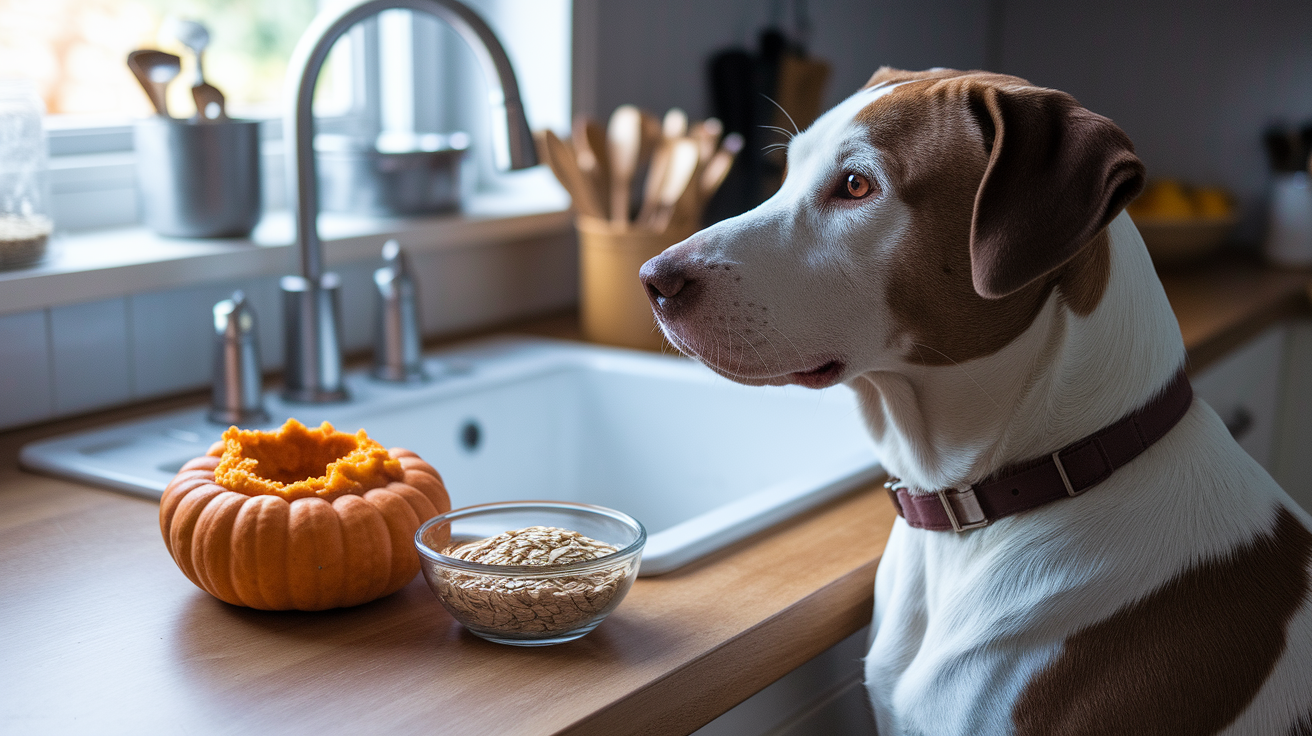
Think store-bought bland diets are the only way to calm a dog’s upset stomach?
You can make simple, vet-friendly homemade digestive treats using pumpkin, white rice, lean chicken, or sweet potato—ingredients that actually soothe, firm up loose stools, and replace lost nutrients.
From frozen pumpkin cubes to baked rice-and-chicken balls, these easy recipes are ready in minutes and fit right into training or recovery.
Read on for step-by-step mixes, portion rules, and clear signs to stop so you can help your dog feel safe and comfortable fast.
Immediate Homemade Digestive Treat Solutions for Dogs with Upset Stomachs
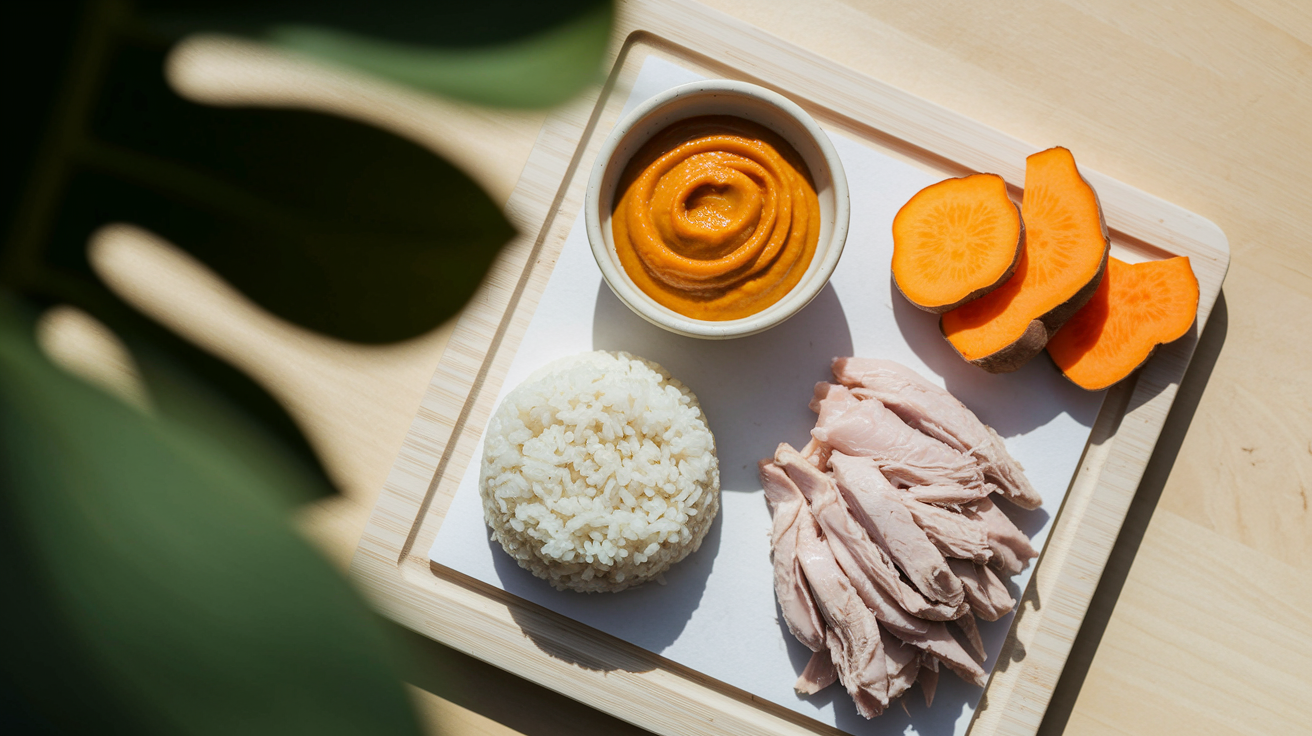
When your dog’s stomach is off, a few simple, whole-food ingredients can settle things down faster than you’d expect. Pumpkin brings soluble fiber that firms up loose stools and soothes irritation. Cooked white rice works as a bland binder that eases nausea. Plain shredded chicken gives easily digestible protein without making things worse. Sweet potato offers vitamins and gentle fiber that won’t stress a touchy system. These four ingredients are the backbone of every emergency digestive treat because they’re proven, vet-recommended, and safe.
You’ll know homemade bland treats are the right move when your dog shows mild stomach trouble. Softer stools than usual, occasional gurgling, reduced appetite, or low-grade gas. If your dog’s still interested in food and drinking water, a small homemade snack can support recovery. These treats work best for minor flare-ups, not acute vomiting or diarrhea that won’t quit.
The safest prep rule is simple: keep it plain. No butter, no salt, no garlic powder, no cheese. Cook everything thoroughly and keep fat to a minimum. Skip dairy entirely, even yogurt, unless your vet has specifically cleared it for your dog.
Five ultra-simple emergency digestive treats you can make right now:
-
Frozen pure pumpkin cubes – Scoop 1 tablespoon pure pumpkin puree into an ice cube tray and freeze for 2 hours. Pop one out and let it thaw slightly before offering.
-
Baked sweet potato strips – Slice 1 large sweet potato into thin rounds, bake at 250°F for 2.5 hours until chewy, and cool before serving.
-
Boiled chicken bites – Boil 1/2 cup plain chicken breast, shred into tiny pieces, and hand out one or two at a time.
-
Banana mash – Mash 1/2 ripe banana with a fork and freeze in small dollops for 2 hours. Serve frozen or slightly thawed.
-
Plain rice balls – Mix 1/2 cup cooked white rice with 1 beaten egg, roll into marble-sized balls, and bake at 350°F for 15 minutes.
Understanding Digestive-Friendly Homemade Ingredients for Dog Stomach Relief
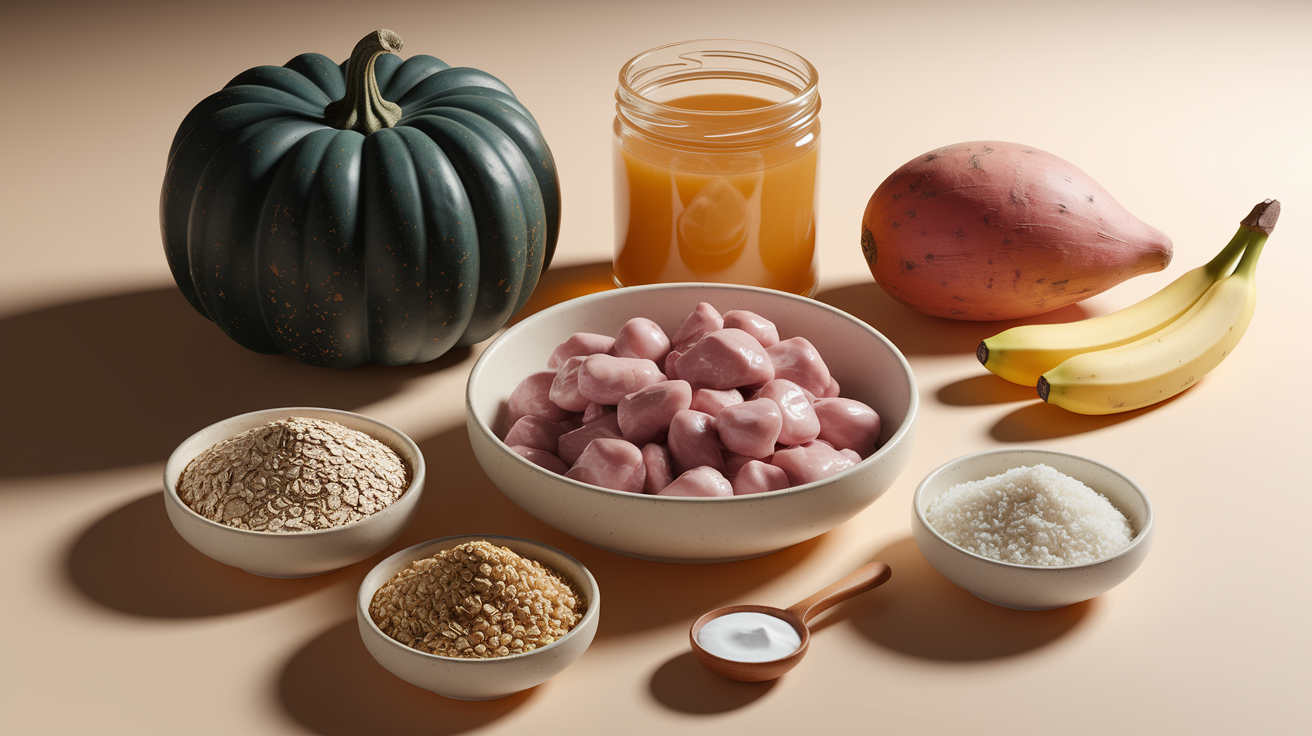
The ingredients that settle upset stomachs share a few traits: they’re bland, low in fat, easy to digest, and rich in soluble fiber or gentle protein. Pumpkin firms loose stools because its fiber absorbs excess water in the gut. Sweet potato delivers beta-carotene and soft fiber that supports gut lining repair. Lean chicken and turkey provide protein your dog’s system can break down without strain. Oats offer soluble fiber that forms a soothing gel in the digestive tract. Cooked white rice acts as a starchy binder that calms nausea and slows diarrhea. Low-sodium bone broth keeps your dog hydrated and adds nutrients without irritating the stomach. Banana contributes potassium, which replaces electrolytes lost during vomiting or loose stools. Coconut oil, in very small amounts, may support digestion and coat health. Grated carrots and apple chunks (seeds and core removed) add fiber and mild sweetness without triggering reactions.
Certain foods make stomach issues worse. Dairy contains lactose that most adult dogs can’t digest well, leading to gas and diarrhea. Fatty meats like bacon or beef brisket overload the pancreas and can spark inflammation. Spicy seasonings, onion, and garlic irritate the gut lining and can be toxic. Artificial preservatives, flavors, and colors introduce chemicals that sensitive stomachs reject. Wheat and corn are common allergens that trigger inflammation in dogs already prone to digestive upset.
Top soothing ingredients and their specific digestive benefits:
- Pumpkin (pure, not pie filling): High in soluble fiber. Firms stool and reduces gut inflammation.
- Sweet potato: Packed with vitamins A and C. Gentle fiber supports intestinal health.
- Lean chicken or turkey: Easily digestible complete protein that won’t stress the pancreas.
- Cooked white rice: Bland starchy base that binds loose stools and settles nausea.
- Oats (rolled or ground): Soluble fiber forms a soothing coating in the digestive tract.
- Low-sodium bone broth: Hydrates and delivers minerals without irritating the stomach.
Step-by-Step Homemade Digestive Treat Recipes for Dogs with Sensitive Stomachs
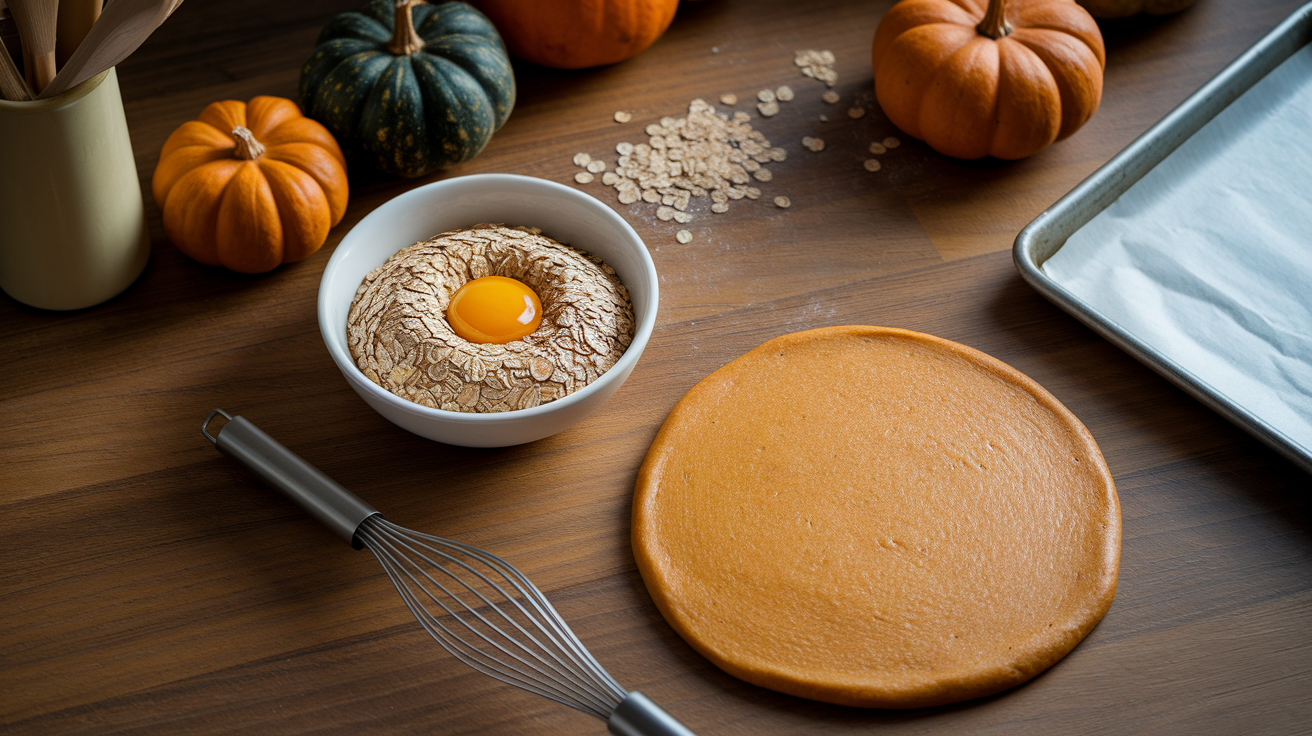
Each recipe uses minimal ingredients, straightforward steps, and exact temperatures so you know exactly what you’re feeding and how long it takes. Every one is built around ingredients that vets recommend during digestive recovery. Cool all baked or frozen treats completely before offering them to your dog.
Pumpkin & Oat Biscuits
These biscuits combine pumpkin’s stool-firming fiber with the gentle, gut-coating properties of oats. The egg binds everything without adding fat or irritation. They’re firm enough to store in a treat pouch but soft enough for a dog who’s feeling queasy.
Ingredients:
- 1/2 cup unsweetened pumpkin puree (pure, not pie filling)
- 1 cup rolled oats
- 1 egg
Steps:
- Preheat your oven to 350°F (175°C) and line a baking sheet with parchment paper.
- In a bowl, mix the pumpkin puree, oats, and egg until you have a thick dough.
- Roll the dough out to about 1/4-inch thickness on a lightly floured surface and cut into small shapes.
- Place the shapes on the baking sheet and bake for 25 to 30 minutes until the edges turn golden brown.
- Let the biscuits cool completely before serving.
Sweet Potato Chews
A single-ingredient treat that’s naturally sweet, vitamin-rich, and low in fat. The long, low-temperature bake dehydrates the sweet potato into a chewy snack that won’t upset a sensitive stomach.
Ingredients:
- 1 large sweet potato
Steps:
- Preheat your oven to 250°F (120°C).
- Wash the sweet potato, slice it into thin rounds (about 1/8-inch thick), and arrange the slices on a parchment-lined baking sheet.
- Bake for 2.5 to 3 hours, flipping the slices halfway through, until they’re dried and chewy.
- Cool completely before offering.
Rice & Chicken Balls
This is the classic bland-diet combo turned into a portable treat. White rice binds loose stools, chicken provides gentle protein, and the egg holds everything together. Great for training during recovery or as a post-upset-stomach reward.
Ingredients:
- 1 cup cooked white rice
- 1/2 cup cooked shredded chicken breast (plain, no seasoning)
- 1 egg
Steps:
- Preheat your oven to 350°F (175°C).
- In a bowl, mix the cooked rice, shredded chicken, and egg until well combined.
- Roll the mixture into small balls, about the size of a marble.
- Place the balls on a parchment-lined baking sheet and bake for 15 to 20 minutes until firm.
- Cool before serving.
Banana & Coconut Oil Frozen Bites
Banana replaces lost potassium and offers natural sweetness. Coconut oil, used sparingly, may support digestion and coat health. Freezing the bites makes them soothing for a dog with mild nausea.
Ingredients:
- 1 ripe banana
- 2 tablespoons melted coconut oil
Steps:
- Mash the banana in a bowl until smooth.
- Stir in the melted coconut oil.
- Spoon the mixture into silicone molds or an ice cube tray.
- Freeze for at least 2 hours.
- Pop out one or two bites and serve frozen or slightly thawed.
Bone Broth & Carrot Gummies
Bone broth keeps your dog hydrated and delivers minerals and amino acids that support gut repair. Gelatin firms the mixture and may help soothe the intestinal lining. Grated carrot adds fiber and a touch of natural sweetness.
Ingredients:
- 1 cup low-sodium bone broth
- 1/2 cup grated carrot
- 1 tablespoon unflavored gelatin powder
Steps:
- Warm the bone broth in a saucepan over low heat.
- Sprinkle the gelatin powder over the broth and stir until fully dissolved.
- Stir in the grated carrot.
- Pour the mixture into silicone molds and refrigerate for 2 to 3 hours until set.
- Pop out the gummies and serve one or two at a time.
Feeding Guidelines for Homemade Digestive Treats During Stomach Upset
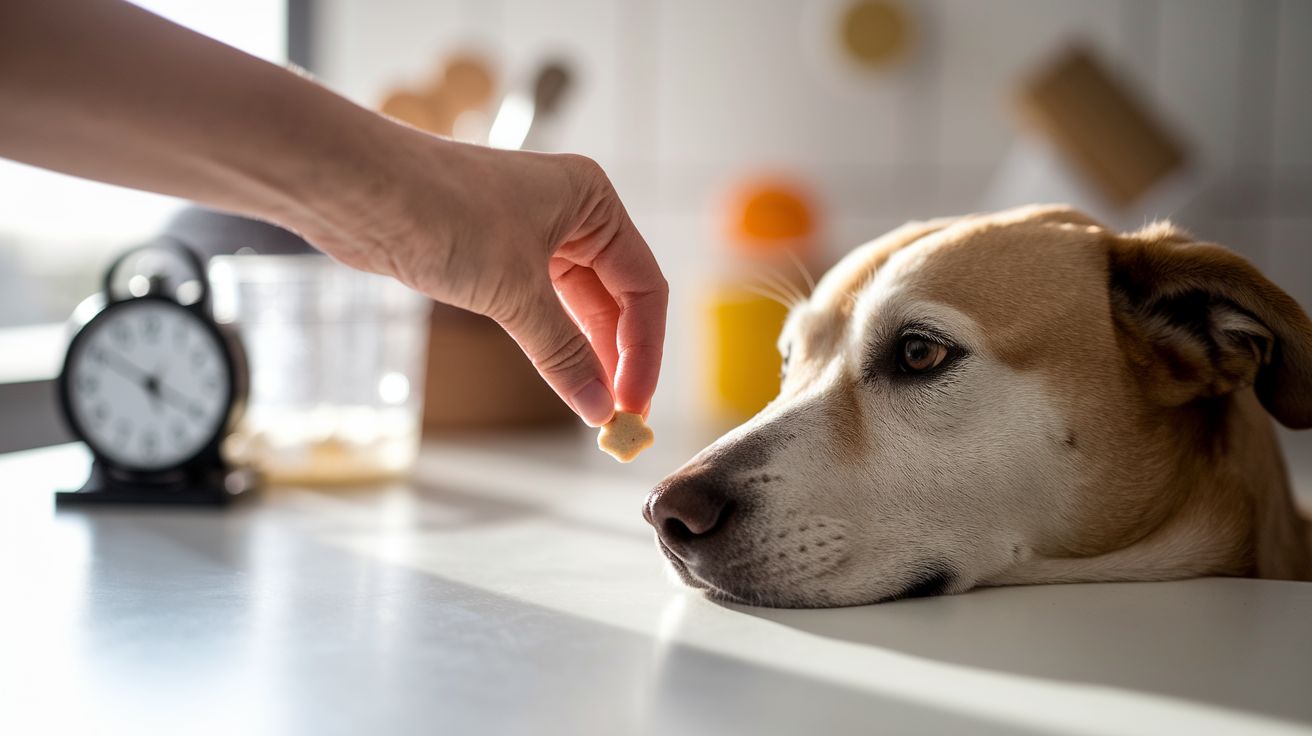
When your dog’s stomach is recovering, every bite counts. Start with a piece no bigger than your thumbnail and watch for the next few hours. If stools stay soft but formed, appetite holds steady, and there’s no vomiting or gas spike, you can offer a second small piece the next day. Treats should make up no more than about 10% of your dog’s daily calories, even during recovery. That keeps you from accidentally overloading a fragile digestive system.
Frequency matters as much as portion size. Offer one or two small treats per day during the first few days of recovery, not a handful at once. Spacing them out gives you clear feedback on how each ingredient is tolerated. If your dog seems better in the morning, try one treat mid-morning and another in the late afternoon. Skip treat time right before or after a meal. A little gap helps digestion stay calm.
Monitor reactions closely. Watch stool consistency, energy level, appetite, and any signs of gas or gurgling. If stools firm up and your dog seems more comfortable, you’re on the right track. If diarrhea returns or vomiting starts after a treat, stop immediately and go back to plain boiled chicken and rice or whatever bland base your vet recommended. Keep fresh water available at all times. Hydration supports every stage of digestive recovery.
| Dog Size | Max Treat Portions per Day | Notes |
|---|---|---|
| Small (under 20 lbs) | 1 to 2 thumbnail-sized pieces | Watch closely. Small dogs dehydrate faster during upset. |
| Medium (20 to 50 lbs) | 2 to 3 small pieces | Space treats several hours apart to monitor tolerance. |
| Large (over 50 lbs) | 3 to 4 small pieces | Larger dogs tolerate slightly more volume, but start small. |
Safety Rules and Ingredients to Avoid When Making Digestive Dog Treats
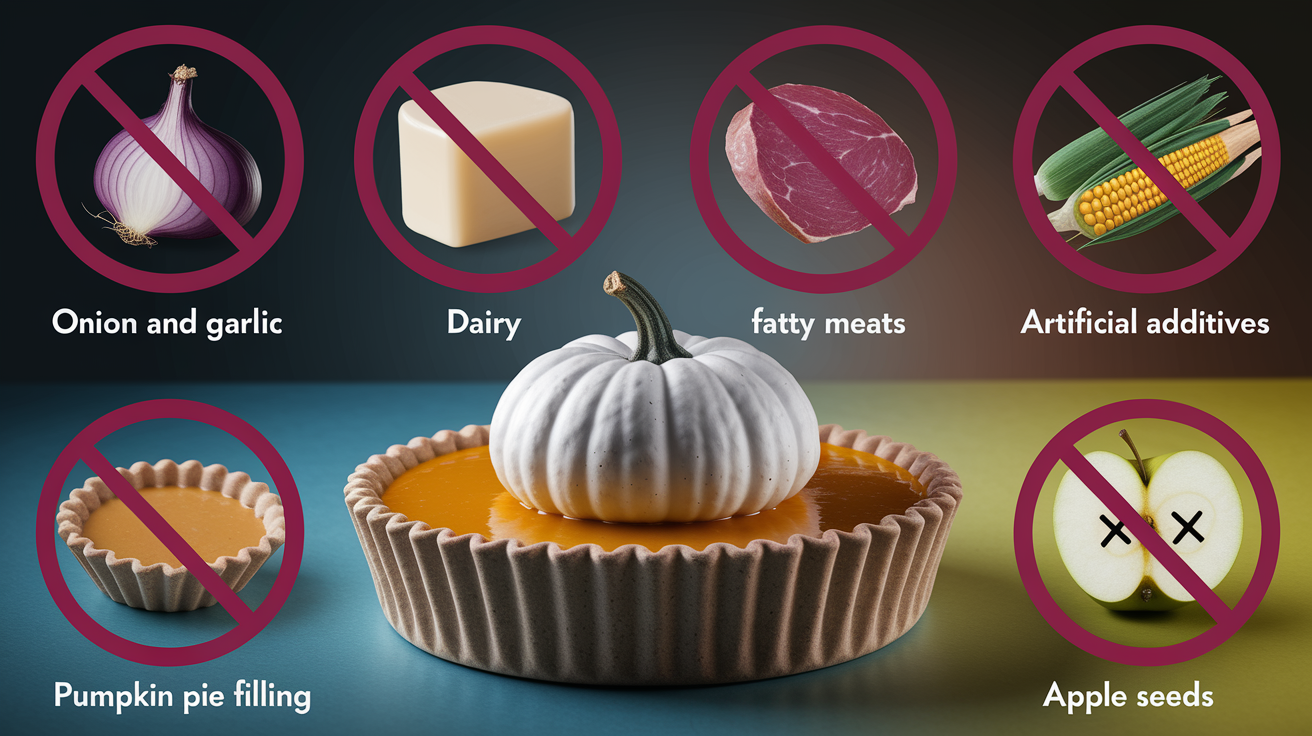
Certain foods can turn a mild upset stomach into a bigger problem. Onion and garlic are toxic to dogs and irritate the gut lining. Dairy products like milk, cheese, and yogurt contain lactose that most adult dogs can’t digest, leading to gas and diarrhea. Fatty meats such as bacon, sausage, or beef brisket stress the pancreas and can trigger pancreatitis. Artificial preservatives, flavors, and colors introduce chemicals that sensitive stomachs often reject. Wheat and corn are common allergens that may worsen inflammation in dogs already prone to digestive issues. Pumpkin pie filling contains sugar and spices that upset stomachs further. Apple seeds and cores can be choking hazards and contain trace toxins. Spicy seasonings like chili powder or cumin irritate the digestive tract.
Raw ingredients carry extra risk during illness because a compromised digestive system is more vulnerable to bacteria like Salmonella or E. coli. Cook all meat, rice, and vegetables thoroughly. Wash produce carefully before using it. Use fresh, high-quality ingredients and skip anything that smells off or looks past its prime.
Eight ingredients and practices to avoid when making digestive treats:
- Onion and garlic (toxic, cause gut irritation and red blood cell damage)
- Dairy products (lactose intolerance leads to gas and loose stools)
- Fatty meats like bacon or ground beef with high fat content (risk of pancreatitis)
- Artificial preservatives, colors, and flavors (chemical triggers for sensitive stomachs)
- Wheat and corn (common allergens that may worsen inflammation)
- Pumpkin pie filling (contains added sugar and spices)
- Apple seeds and cores (choking hazard, trace toxins)
- Raw meat, eggs, or unwashed vegetables (bacterial contamination risk)
Storage, Refrigeration, and Shelf-Life Rules for Homemade Digestive Dog Snacks

Homemade treats don’t contain preservatives, so they spoil faster than store-bought options. Most baked treats last about one week at room temperature when stored in an airtight container in a cool, dry spot. If you need them to last longer, refrigerate or freeze. Refrigeration extends shelf life by several days. Freezing can preserve treats for up to three months. Always let baked treats cool completely before sealing them in a container. Trapped heat creates condensation, which leads to mold.
Frozen treats like the banana and coconut oil bites need at least two hours in the freezer to set properly. Store them in a freezer-safe container or zip-top bag. Gummies made with gelatin must be refrigerated and used within a few days because gelatin breaks down at room temperature. Label every container with the date you made the batch so you know when to toss leftovers.
Five tips for keeping homemade digestive treats safe and fresh:
- Cool all baked treats completely before storing to prevent condensation and mold.
- Use airtight containers to keep moisture and contaminants out.
- Refrigerate gelatin-based treats and use them within 3 to 4 days.
- Freeze treats in small batches so you only thaw what you need.
- Label each container with the recipe name and date made so you know when to discard.
When to Stop Using Homemade Digestive Treats and Call the Vet
Homemade treats help mild stomach upset, but they’re not a substitute for veterinary care when things get serious. Stop offering treats immediately if your dog has repeated vomiting that won’t stop, watery diarrhea that lasts more than a day, or any sign of dehydration like sunken eyes, dry gums, or extreme lethargy. Persistent stomach gurgling, worsening stools, or visible blood in vomit or diarrhea all require a vet visit. If your dog is on a prescription diet for a medical condition like pancreatitis, kidney disease, or inflammatory bowel disease, homemade treats can interfere with treatment. Always get your vet’s approval before adding anything new.
Probiotics and herbs like ginger sound gentle, but they’re still supplements. Your vet needs to confirm the dose and timing, especially if your dog is on medication or recovering from illness. Dehydration is the biggest risk during digestive upset. If your dog refuses water, seems weak, or hasn’t urinated in several hours, call your vet right away.
Six signs that mean stop homemade treats and contact your veterinarian:
- Vomiting more than twice in a few hours or vomiting that continues for more than 24 hours.
- Diarrhea that’s watery, explosive, or contains blood or mucus.
- Signs of dehydration: sunken eyes, dry or sticky gums, skin that doesn’t snap back when gently pinched, lethargy.
- Persistent stomach gurgling or visible bloating that doesn’t improve.
- Refusal to drink water or eat anything, including bland foods.
- Your dog is on a prescription diet or has a diagnosed condition like IBD, pancreatitis, or kidney disease.
Troubleshooting Homemade Digestive Treat Rejection in Sensitive Dogs

Some dogs turn their nose up at treats when their stomach hurts, even if the recipe is gentle. Nausea dulls appetite, and certain textures feel wrong when a dog’s gut is inflamed. If your dog won’t eat a baked biscuit, try a softer option like mashed banana or a rice ball. Warm treats slightly (not hot) to release aroma and make them more appealing. A dog recovering from vomiting may prefer a low-odor option like plain rice over something with a stronger smell like chicken. Freeze treats into small, soothing bites that feel good on a queasy stomach.
Five solutions when your dog rejects homemade digestive treats:
- Soften baked treats by soaking them in low-sodium bone broth for a few minutes.
- Warm refrigerated or frozen treats slightly to release aroma and improve palatability.
- Mash ingredients like banana, pumpkin, or sweet potato into a soft paste instead of forming shapes.
- Offer tiny portions, just a lick or a crumb at first, to build appetite without overwhelming.
- Switch to a different bland protein (turkey instead of chicken, or plain white fish) if your dog seems uninterested.
Final Words
Start by using trusted soothing ingredients like pumpkin, cooked rice, lean chicken, or baked sweet potato and pick a simple recipe that fits your dog’s appetite. Follow prep rules: no seasoning, low fat, and very small portions.
Watch portions, keep your dog hydrated, and store treats safely. Stop and call the vet if vomiting, severe diarrhea, or dehydration show up. Try softer textures or warming a bite if your dog is picky.
These homemade digestive treats for dogs with upset stomachs can calm tummies and make treat time helpful and comforting.
FAQ
Q: What is the 90/10 rule dog?
A: The 90/10 rule for dogs means 90% of daily calories should come from a balanced diet and no more than 10% from treats or toppers, which helps prevent weight gain and nutrient gaps during training.
Q: How to treat a dog’s upset stomach at home naturally?
A: Treat a dog’s upset stomach at home naturally by offering bland, easy-to-digest foods like plain pumpkin, cooked white rice, lean chicken, or low-sodium bone broth in small amounts, and keep them hydrated and resting.
Q: What is the best homemade dog food for dogs with digestive problems?
A: The best homemade dog food for digestive problems is a simple bland mix—about two parts cooked white rice to one part shredded lean chicken, plus a spoon of plain pumpkin; ask your vet for chronic issues.
Q: What settles a dog’s upset stomach fast?
A: Small amounts of plain canned pumpkin, low-sodium bone broth, or a bit of cooked white rice with shredded chicken often settle a dog’s upset stomach quickly; offer tiny portions and watch for worsening signs.