

What if a simple treat could end your dog’s constipation?
Fiber-rich snacks pull water into the stool and help the gut move again, gently not harshly.
Think pumpkin bites, sweet potato chews, and oat-apple biscuits, real foods that actually ease straining.
This post shows the best fiber treats, how much to give by size, and the quick signs that mean it’s working or you should call the vet.
No scary fixes, just simple steps.
Immediate Relief Options Using Fiber-Focused Dog Treats

Fiber-rich treats pull water into the stool, which makes everything softer and easier to pass. At the same time, fiber adds bulk that gets the intestines moving and encourages regular bathroom trips. For a constipated dog, the right treat can gently support things without forcing the system into overdrive.
Pumpkin-based treats deliver soluble fiber that regulates bowel movements. They firm loose stools but also ease constipation by adding moisture. Sweet potato chews combine natural fiber with vitamins A, C, and B6, supporting gut function and immune health. Oat-based biscuits provide slow-fermenting soluble fiber that eases straining, while apple-fiber treats deliver pectin to support mild constipation relief. Carrot snacks add insoluble fiber that bulks stool and promotes movement through the digestive tract.
- Pumpkin bites are soft, single-ingredient snacks or frozen mash balls that hydrate and regulate.
- Sweet potato chews are dehydrated or baked slices rich in fiber and beta-carotene.
- Apple-oat biscuits use grated apple mixed with rolled oats, baked into easy-to-portion treats.
- Carrot snacks are boiled until soft, cooled, and sliced into bite-size coins for gentle fiber.
- Psyllium-added treats are commercial or homemade options with plant-based fiber powder for concentrated support.
- High-fiber commercial chews are single-ingredient or limited-ingredient formats labeled with fiber content.
Start with a single small treat per day. Watch for changes in stool consistency over the next 24 to 48 hours. If stools become too loose or your dog develops gas, pull back the portion size. When labels list fiber percentages, aim for treats that contribute a few grams of fiber per serving without exceeding your dog’s daily target. Keep water accessible at all times since fiber works best when paired with hydration.
Understanding High-Fiber Dog Treat Ingredients for Constipation Support

Soluble fiber dissolves in water and forms a gel-like consistency in the gut, slowing digestion and helping regulate stool firmness. Pumpkin and oats are prime examples. They absorb moisture and support the formation of soft, passable stools. Insoluble fiber, found in carrots and certain whole grains, doesn’t dissolve but adds bulk and speeds movement through the intestines. For constipation, both types play a role: soluble fiber softens, and insoluble fiber stimulates.
Whole-food ingredients like plain pumpkin puree, grated apple, boiled carrots, and dehydrated sweet potato are gentler on sensitive stomachs than synthetic additives or heavily processed fillers. They deliver fiber alongside vitamins, minerals, and natural moisture. This helps dogs with food sensitivities or reactive tummies tolerate the fiber boost without triggering upset.
| Ingredient | Fiber Type | Benefit for Constipation |
|---|---|---|
| Pumpkin puree (plain) | Soluble | Absorbs water to soften stool and regulate bowel movements |
| Sweet potato (cooked) | Both soluble and insoluble | Adds bulk, supports motility, delivers vitamins A, C, B6 |
| Apple (peeled, seedless) | Soluble (pectin) | Helps draw moisture into stool and supports mild constipation relief |
| Carrots (boiled) | Insoluble | Adds bulk and stimulates intestinal movement |
Vet-Safe Fiber Amounts and Treat Portion Guidance
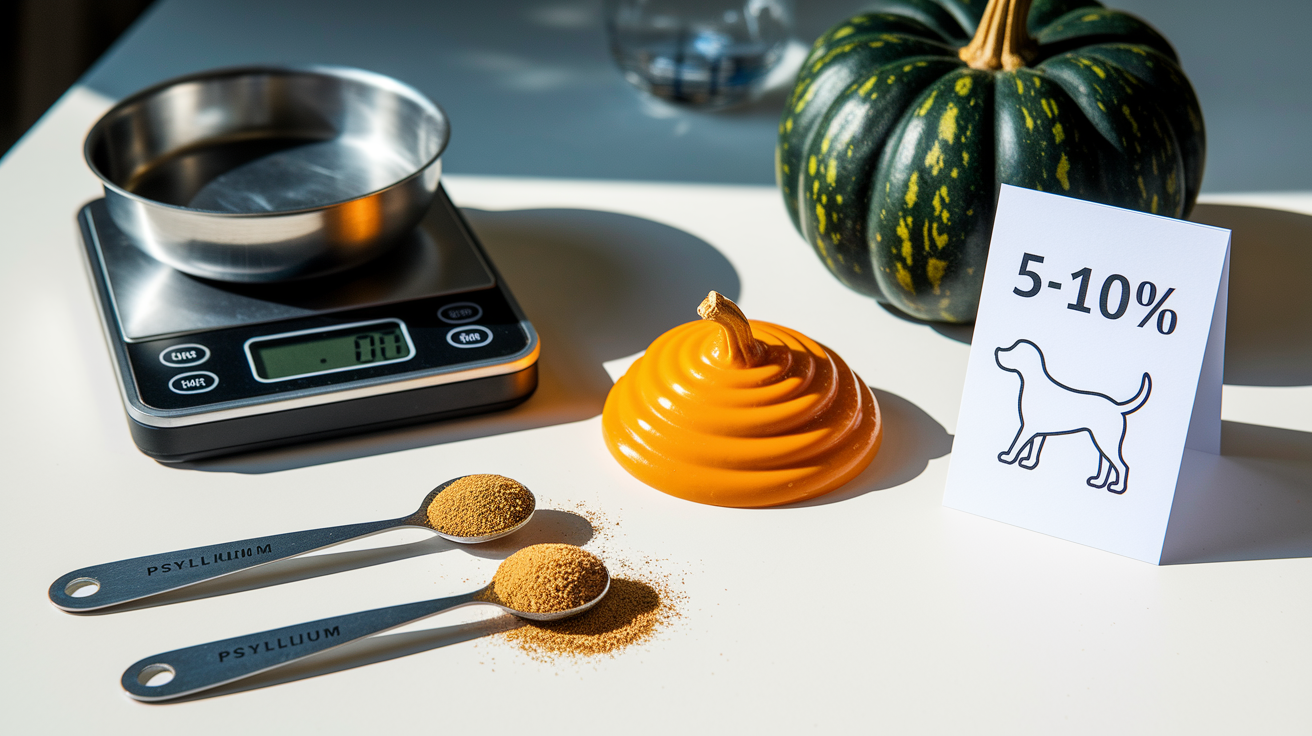
Most veterinary nutrition guidelines recommend 5 to 10 percent of a dog’s diet come from fiber, or roughly 25 to 35 grams of total fiber per day depending on the dog’s size and activity level. Smaller dogs need less. Larger breeds can handle more. And every dog’s tolerance varies based on current diet, gut health, and how quickly fiber is introduced.
When using fiber treats as a supplement, start with one or two small pieces per day for dogs under 25 pounds, two to four pieces for medium dogs (25 to 60 pounds), and up to five or six for large breeds over 60 pounds. Track how many grams of fiber each treat contributes. If a sweet potato chew provides about 2 grams and your 40-pound dog’s daily fiber target is around 30 grams, you can safely add a few treats without overshooting the limit, as long as their regular food already contains moderate fiber.
Watch for signs of too much fiber: excessive gas, bloating, or stools that become loose instead of firm. If your dog starts having more frequent bowel movements or softer stools within a day or two, dial back the treat portion and let their system adjust. Constipation relief should feel gentle, not disruptive.
Comparing Store-Bought Fiber Treats for Constipated Dogs
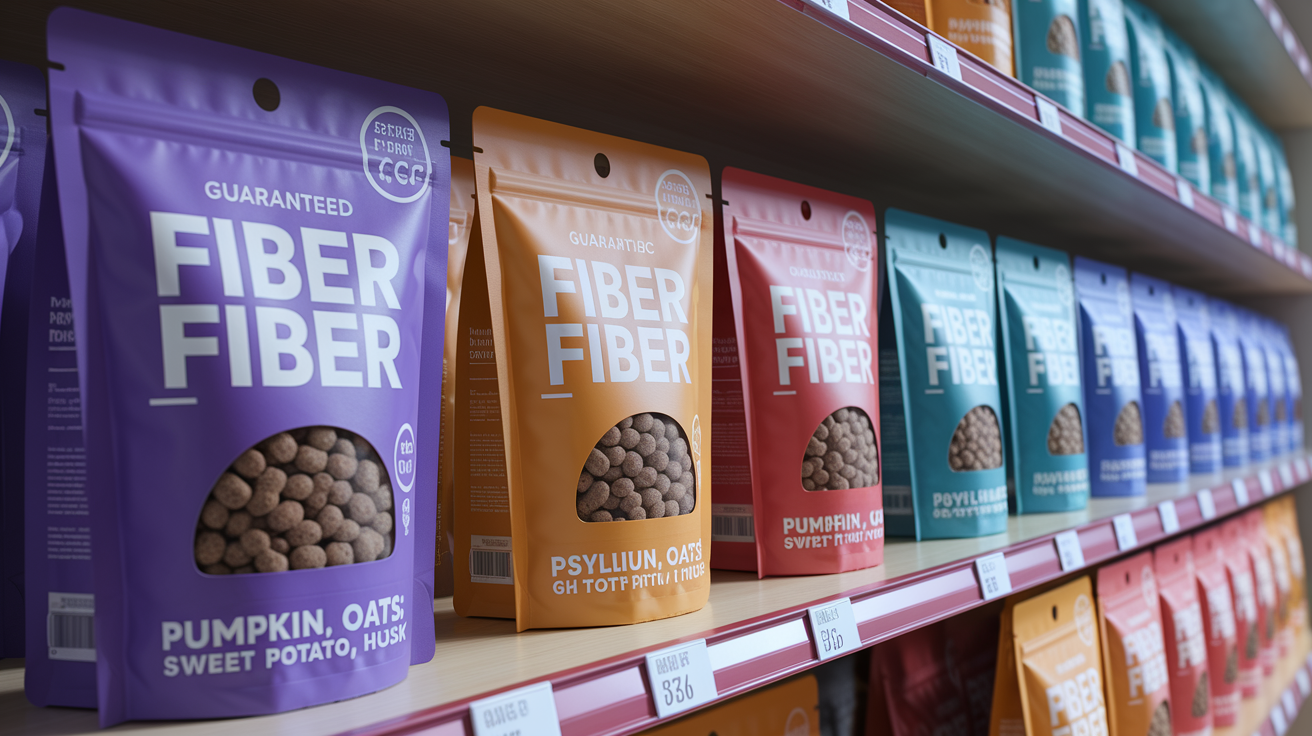
Look for treats that list fiber content on the guaranteed analysis panel. Even a range like “minimum 5% crude fiber” gives you a baseline. Scan the ingredient list for whole-food sources at the top: sweet potato, pumpkin, oats, apples, or psyllium husk. Avoid treats padded with fillers like corn syrup, unnamed meat by-products, or artificial colors that add no digestive value and can irritate sensitive tummies. Limited-ingredient formats work best for dogs prone to food sensitivities or when you’re trying to isolate which fiber source helps most.
Sweet potato–based treats show up frequently in high-fiber commercial options because they’re naturally rich in both soluble and insoluble fiber, easy to dehydrate or bake into chews, and mild enough for most dogs to tolerate. You’ll find single-ingredient dehydrated slices, peanut-butter-coated bones, and chicken-wrapped sticks, each offering fiber alongside a little protein or healthy fat to make the treat more appealing.
- Fiber percentage listed means at least 4 to 6 percent crude fiber per serving.
- Clear ingredient list shows whole foods first, minimal additives, no mystery “natural flavors.”
- Treat hardness suited to your dog’s size and chewing style means soft chews for small mouths, firmer pieces for strong chewers.
- Sensitivity-friendly formulas offer grain-free or single-protein if your dog has known triggers.
- No artificial additives means skip synthetic colors, flavors, and preservatives that can worsen digestive issues.
Homemade Fiber Dog Treat Recipes That Help Constipation

Making fiber treats at home lets you control every ingredient, adjust fiber concentration for your dog’s needs, and skip preservatives or fillers that might upset a sensitive stomach. You can batch-bake or freeze portions, so one recipe session covers a week or more of constipation support.
No-Bake Pumpkin Bites
Mash half a ripe banana with one tablespoon of plain canned pumpkin (no sugar, no spices). Roll the mixture into marble-size balls and freeze them in a single layer on parchment paper. Once solid, transfer the balls to a freezer-safe container. The banana adds natural sweetness and potassium, while the pumpkin delivers soluble fiber that absorbs water and regulates stool consistency. Serve one or two frozen bites per day as a cool, soothing snack that also helps constipation. My dog thinks it’s dessert, but it’s really gut support in disguise.
Apple–Oat Baked Fiber Treats
Peel and core half an apple, then grate it finely. Mix the grated apple with one-quarter cup of rolled oats until you have a sticky dough. Roll the mixture into small balls and place them on a parchment-lined baking sheet. Bake at 325°F for 15 to 20 minutes, until the edges turn golden brown. Let the treats cool completely before serving. The pectin in apples draws moisture into the stool, and oats provide slow-fermenting soluble fiber that supports motility without causing gas. Store the baked bites in an airtight container in the refrigerator for up to two weeks.
Psyllium-Enriched Fiber Cookies
Combine one cup of finely ground rolled oats, half a cup of almond flour, one ripe mashed banana, one-third cup of smooth peanut butter (xylitol-free), and one tablespoon of pure psyllium husk fiber powder. Add one teaspoon of water if the dough feels too dry. Roll the dough to half-inch thickness, cut shapes with a cookie cutter, and bake at 350°F for 15 to 20 minutes until golden. Psyllium is a concentrated plant fiber that absorbs many times its weight in water, so introduce these cookies slowly. Start with half a treat per day and watch stool changes. Store finished cookies in the fridge for several weeks or freeze for several months. Defrost before serving to make them easier to chew.
When Fiber Treats Aren’t Enough: Recognizing Serious Constipation Signs

Normal constipation means your dog strains a bit, produces small or hard stools, or skips a bowel movement for a day or two. Severe constipation involves no stool for three or more days, visible pain or crying when attempting to go, a hunched posture, or a swollen, hard abdomen. If fiber treats and hydration don’t produce a bowel movement within 48 hours, something more serious may be blocking or slowing the system.
- Vomiting, especially if it’s repeated or contains bile.
- Blood in stool or straining that produces only mucus or blood signals possible obstruction or rectal injury.
- Extreme lethargy or refusal to eat indicates pain or systemic distress.
- Distended, painful abdomen may point to blockage or megacolon.
- No improvement after 48 hours of fiber supplementation and increased water means home remedies alone aren’t solving the issue.
Delaying veterinary care when these red flags appear can lead to impacted stool, bowel perforation, or systemic infection. Constipation that goes untreated for too long becomes a medical emergency, not a dietary tweak. Trust your instinct. If your dog seems genuinely uncomfortable or the situation isn’t improving, call your vet.
Transitioning Your Dog to Higher-Fiber Treats Safely

A sudden jump in dietary fiber can overwhelm the gut bacteria that ferment it, leading to gas, cramping, or loose stools instead of the relief you’re aiming for. Gradual increases give your dog’s digestive system time to adjust enzyme production and microbial balance, so the fiber does its job without side effects.
Plan a transition window of five to seven days for most dogs, longer if your dog has a history of food sensitivities or a very sensitive stomach. During that week, you’re slowly replacing a portion of their usual treats with the new fiber-rich option while watching stool consistency, energy level, and appetite.
- Day 1 to 2: Offer one small fiber treat alongside regular treats; monitor for any immediate reaction like gas or soft stool.
- Day 3 to 4: Increase to two fiber treats per day, reducing regular treats by the same calorie amount to keep overall intake steady.
- Day 5 to 6: Move to three or four fiber treats if your dog tolerates the increase; check that stools are firmer and bowel movements are more regular.
- Day 7: Assess progress. If constipation is improving and no digestive upset appears, continue at the current fiber treat level.
- Ongoing: Keep water available at all times and watch for over-fiber signs like excessive gas or loose stools; adjust portions as needed.
Final Words
Reach for a soft pumpkin bite or sweet potato chew when your dog seems backed up. They draw in water, bulk stool, and help move things along quickly.
Use this guide to pick treats – what ingredients do, safe portion sizes, homemade recipes, and when to see the vet. Start slow and watch your dog’s stool and appetite.
When used right, fiber-rich dog treats for constipation can ease mild cases and bring relief and calm to treat time. You’ve got this.
FAQ
Q: What treats are good for dogs with constipation, what dog treats are high in fiber, and what can I give my dog for fiber to poop?
A: The treats that are good for dogs with constipation and that help them poop are fiber-rich options like plain pumpkin puree, cooked or dehydrated sweet potato, apple or carrot snacks, oat-based biscuits, and psyllium-added treats; introduce slowly and watch stool.
Q: How do dogs say “I love you”?
A: Dogs say “I love you” by soft eye contact, leaning into you, gentle licking, wagging tails, following you, bringing toys, and cuddling—small signals that show trust and attachment.