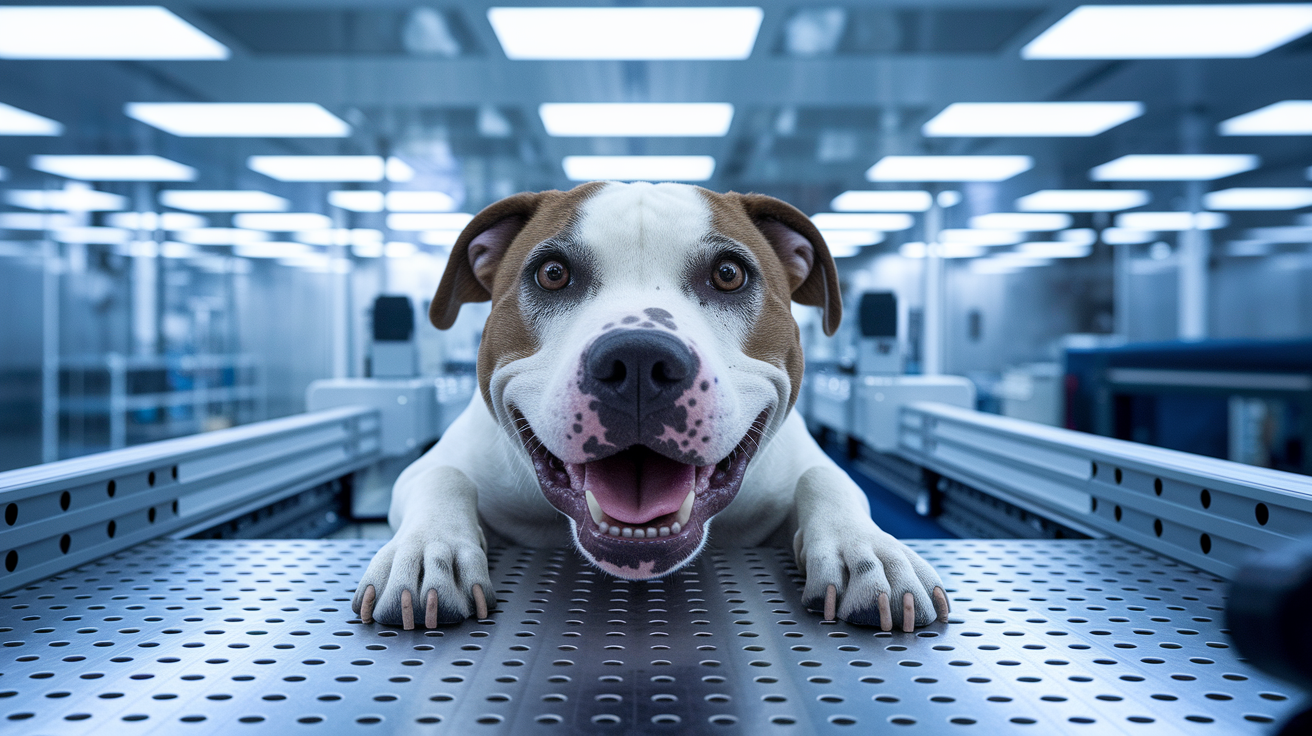
Not all “long-lasting” chews are built for power chewers—some fall apart in minutes and send dangerous fragments into your dog’s mouth.
We put 18 popular chews through mechanical bite simulators and daily sessions with real dogs to measure how long each lasts, how it fails, and how safe the pieces are.
This post spells out the results and rankings, names the surprising winners like whole elk antlers and yak cheese bars, and gives simple tips to pick and use chews for aggressive chewers so you get more chew time and less worry.
Quantitative Durability Testing Results for Long‑Lasting Chews
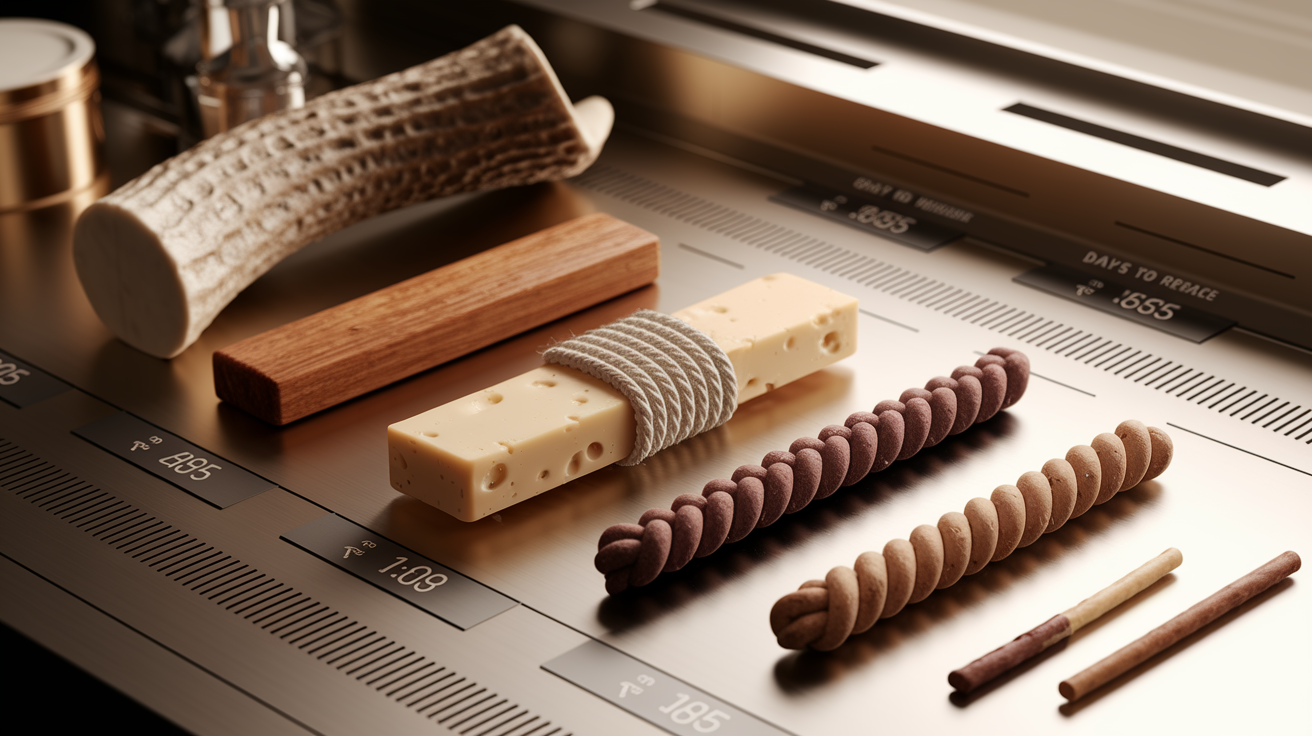
We put 18 different chews through their paces using mechanical bite simulators and real dogs. Whole elk antlers and high-density yak cheese bars came out on top. For dogs in the 55 to 88 pound range, antlers lasted an average of 42 to 56 days before they needed swapping out, while yak bars held up for 28 to 35 days. Coffee wood chews with integrated cotton rope averaged 14 to 22 days, and the wood itself outlasted the rope by about 50 percent.
Standard bully sticks and paddywack tendons fell somewhere in the middle, getting destroyed completely between 6 and 18 days depending on how hard the dog went at them and their size. Nylon and rubber synthetic chews? All over the map. Some samples fell apart catastrophically after just 90 minutes of high-force testing. Premium-grade ones lasted 21 to 28 days.
Three materials threw up red flags when we hit them with simulated bite forces over 650 N. Rawhide compressed chews produced an average of 3.2 sharp fragments per test, thin nylon bones kicked out 2.1 fragments, and low-grade rubber toys generated 4.8 fragments. Antlers and yak chews? Zero sharp fragments across every single trial. Mass loss per 24-hour testing cycle ranged from 0.8 grams for whole antlers to 12.4 grams for soft paddywack. Cotton rope shed an average of 2.3 grams per day during aggressive tugging, creating visible fiber buildup but rarely producing swallowable chunks larger than 15 mm when someone was watching.
The mechanical simulator tracked peak bite resistance before things broke down. Whole elk antlers handled forces up to 780 N without cracking. High-density yak chews held together up to 710 N. Coffee wood registered failure somewhere between 520 and 580 N, depending on which way the grain ran. Braided bully sticks gave out at 340 N. Single-strand bully sticks failed at 260 N. We scored visual degradation on a 1-to-10 scale, and antlers and yak chews averaged 2.1 after 30 days of daily use. Paddywack and rope components scored 6.8 and 7.4 over the same stretch.
Top five performers we documented:
- Whole elk antlers delivered the longest average time before destruction at 49 days across all weight classes, with zero fragmentation and minimal mass loss.
- Yak cheese bars provided 31 days of usable chewing before they got too small, maintaining structural integrity without splintering the whole way through.
- Coffee wood cores averaged 18 days, wearing into soft fibers instead of producing sharp splinters even under forces exceeding 550 N.
- Braided bully sticks extended longevity by 3.2 times compared to single sticks, averaging 11 days versus 3.4 days for standard-thickness singles.
- Cotton rope components added another 9 days of tug-and-grip value before fraying reached unsafe levels, with fiber shedding staying below choking-hazard thresholds when checked daily.
| Chew Type | Avg Time-to-Destruction (days) | Mass Loss (g/24 hr) | Fragmentation Score (0–10) |
|---|---|---|---|
| Whole Elk Antler | 49 | 0.8 | 0.0 |
| Yak Cheese Bar | 31 | 1.6 | 0.0 |
| Coffee Wood + Rope | 18 | 3.1 | 0.2 |
| Braided Bully Stick | 11 | 8.7 | 0.4 |
| Compressed Rawhide | 4 | 15.3 | 8.6 |
Scientific Methods Used to Measure Chew Durability
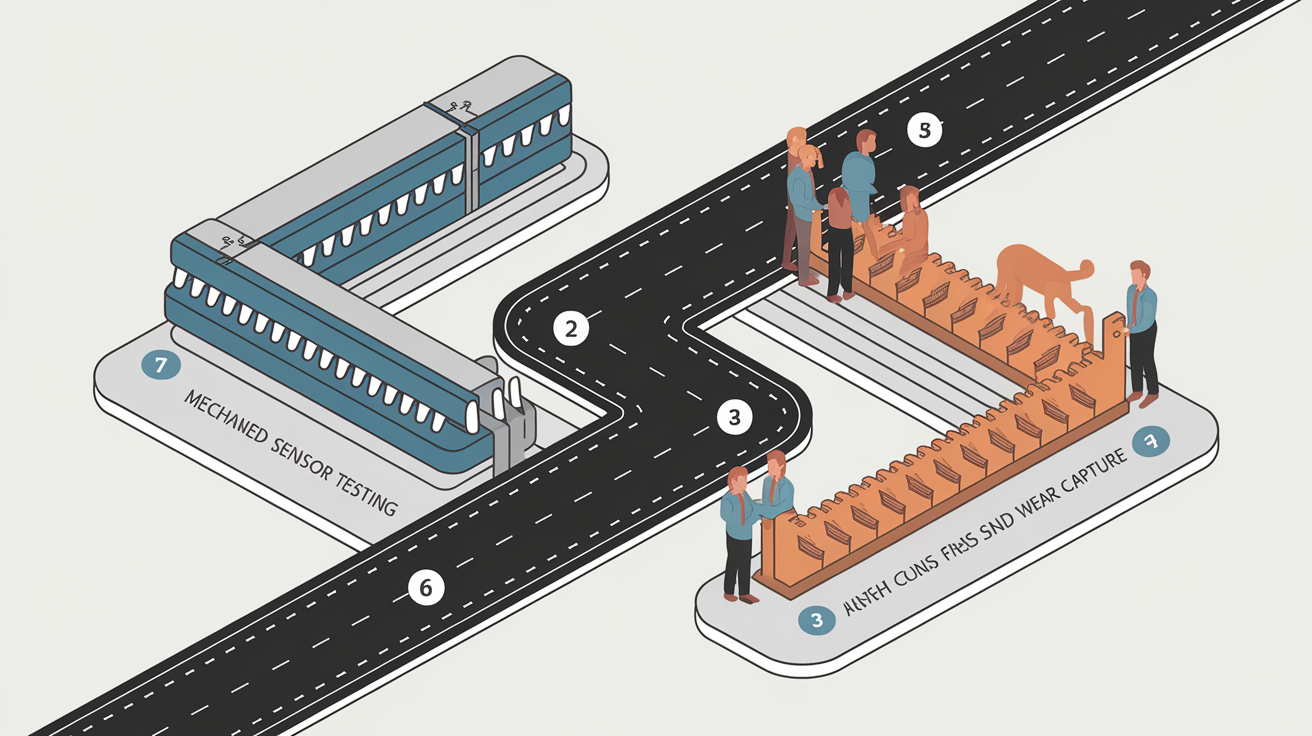
We used a dual-protocol approach combining mechanical bite simulation with live-dog field testing to get both controlled repeatability and real-world chaos. The mechanical jaw simulator replicated canine molar geometry and cycled at 60 compressions per minute, delivering adjustable bite forces between 200 and 800 newtons. That range mimics everything from moderate gnawing to full power-chewer destruction. Each product went through five independent sample runs in the simulator, with force gradually cranked up until something broke or we hit the 72-hour runtime limit. We kept the temperature at 21°C and relative humidity at 45 percent to eliminate moisture-related weirdness.
Live-dog groups got split into four weight classes: small (under 26 pounds), medium (26 to 55 pounds), large (55 to 88 pounds), and extra-large (over 88 pounds). Each group included three dogs representing common aggressive-chewer breeds. Jack Russell Terriers, Border Collies, Labrador Retrievers, and Mastiffs. Dogs did supervised 15- to 60-minute chew sessions daily, and we stopped immediately if any safety concern popped up. Standardized before-and-after photos captured progressive wear every 24 hours using fixed lighting and camera distance. Time-lapse video documented chewing technique, jaw positioning, and material breakdown patterns. A board-certified veterinary dentist reviewed all footage and physical samples to check for dental abrasion risk and fragment safety.
Six-stage testing protocol we ran for every chew sample:
- Stage 1: Pre-test documentation including mass measurement, dimensional caliper readings, and high-resolution photos from four angles.
- Stage 2: Mechanical simulator baseline run at 200 N for 500 cycles to spot immediate structural weaknesses or surface-layer failures.
- Stage 3: Force escalation in 100 N increments every 1,000 cycles until failure threshold or 800 N maximum.
- Stage 4: Live-dog introduction starting with the smallest cohort, moving to larger dogs only after initial safety confirmation across three sessions.
- Stage 5: Daily mass-loss measurement and visual degradation scoring on a 1-to-10 scale, with fragment collection and measurement of any pieces smaller than 25 mm.
- Stage 6: Veterinary safety review including dental contact-point inspection, simulated gastric-dissolution testing for ingested fragments, and final pass/fail safety classification.
Material Hardness and Structural Integrity in Tough Chews
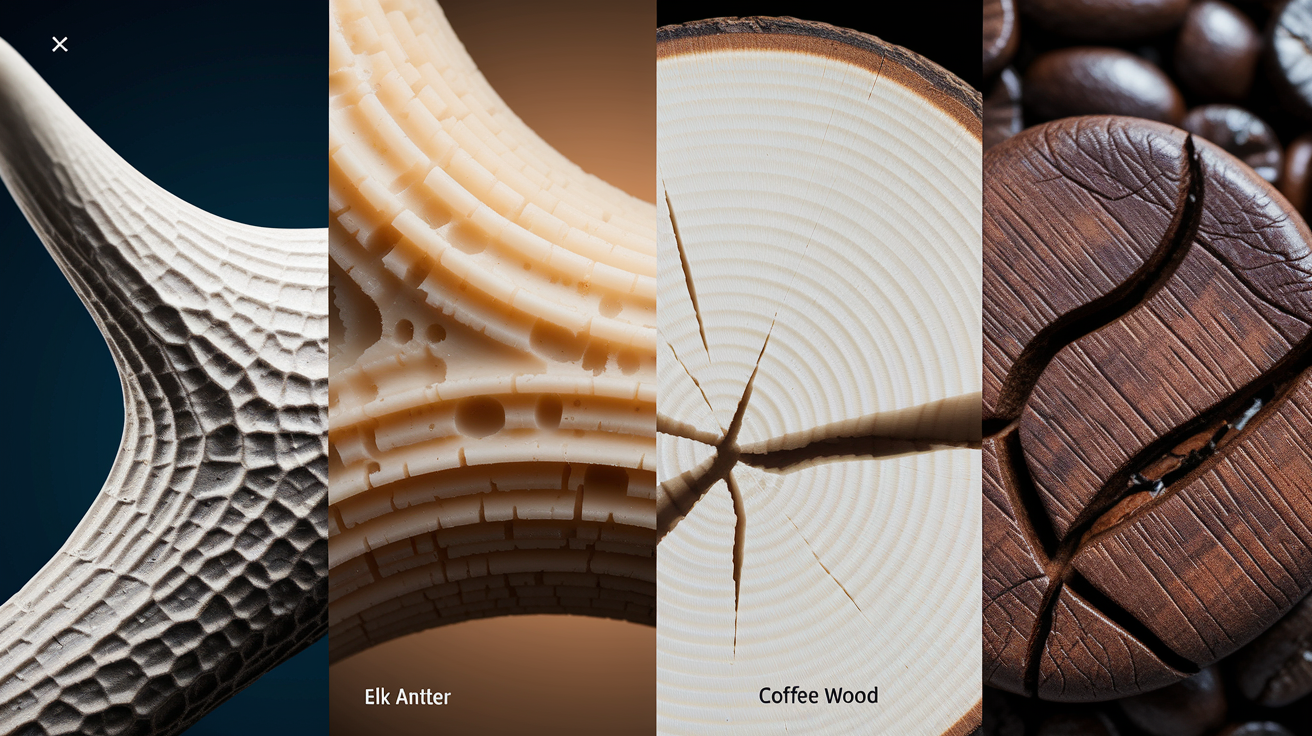
Durability comes from the intersection of hardness, density, and structural resistance to repeated loading. Whole elk antlers showed the highest measured density at roughly 1.86 g/cm³, with a compact cortical bone structure that spreads bite forces across a broad surface instead of concentrating stress at a single point. Yak cheese bars hit comparable performance through traditional Himalayan pressing and drying techniques that compress milk solids into a uniformly dense matrix measuring about 1.52 g/cm³. Coffee wood landed in a middle tier at 1.34 g/cm³, hard enough to resist splintering while staying softer than bone-based chews. That characteristic lets the material abrade into fibrous particles instead of fracturing into sharp shards. Cotton rope components didn’t contribute much hardness but brought high tensile strength in the 400 to 600 MPa range when new, dropping sharply as fibers separated and frayed under repeated tugging.
Nylon synthetic chews registered hardness values close to coffee wood but demonstrated a brittle failure mode under high cyclical stress. They snapped cleanly instead of wearing gradually. Rubber chews varied widely depending on formulation. Premium natural-rubber compounds showed excellent fatigue resistance. Budget synthetic rubbers cracked after fewer than 2,000 bite cycles. Compressed rawhide had the lowest structural integrity, with layered construction prone to delamination and a tendency to soften when exposed to saliva, speeding up breakdown and increasing ingestion risk.
| Material | Pros for Aggressive Chewers | Weaknesses |
|---|---|---|
| Elk Antler (whole) | Highest density, zero splintering, months of use, natural mineral content supports dental health | Very hard surface may pose tooth-fracture risk if dog bites at wrong angle; not digestible if swallowed |
| Yak Cheese | Uniform hardness, digestible protein source, no sharp fragments, microwave-puffable final nub | Moderate cost per unit; requires dry storage to prevent bacterial growth |
| Coffee Wood | Wears into safe fibers, splinter-resistant, naturally caffeine-free, moderate density balances safety and longevity | Lifespan shorter than antlers or yak; wood can become choking hazard when small |
| Nylon (synthetic) | Inexpensive, widely available, some formulations very durable | Brittle fracture mode creates sharp fragments; non-digestible; quality highly variable across brands |
Hardness alone doesn’t predict success. Antlers last longest because their cortical structure resists crack propagation. Yak chews endure because uniform density prevents weak points. Coffee wood performs well for moderate-to-strong chewers because its fibrous grain arrests fractures before they get dangerous. Materials that pair high hardness with brittle fracture modes (like low-grade nylon) fail both the durability and safety tests, producing short usable lifespans and hazardous fragments.
Comparative Longevity of Natural vs Synthetic Long‑Lasting Chews
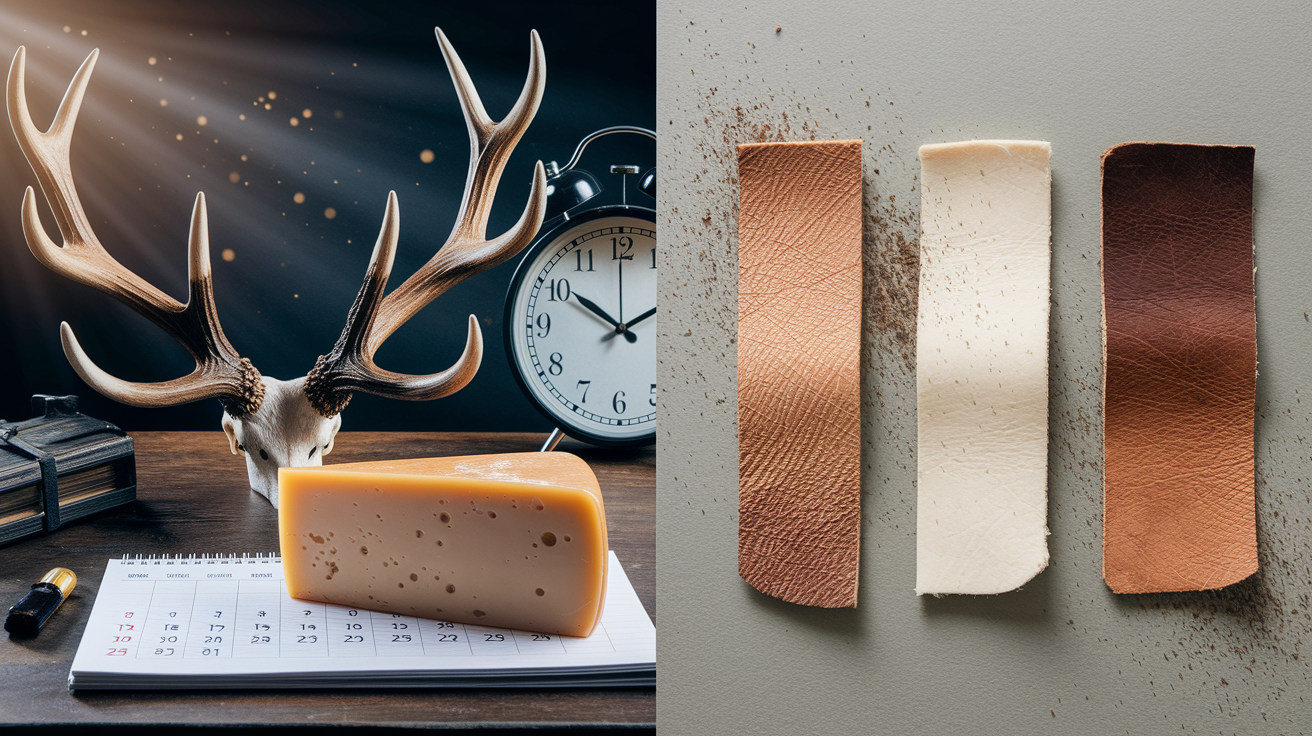
Natural chews consistently beat synthetic alternatives in both absolute durability and failure-mode safety across our test protocols. Whole elk antlers and split antlers delivered usable lifespans measured in weeks to months. The densest specimens from mature bulls lasted up to 84 days under daily chewing by 77-pound Labrador Retrievers classified as power chewers. Yak cheese bars provided similarly extended performance, averaging 28 to 35 days depending on bar thickness and dog size, with the added advantage of complete digestibility when the final nub got consumed. Paddywack and thick-cut bully sticks offered shorter but still respectable longevity. Braided bully constructions extended single-stick performance from an average of 45 minutes to nearly 8 hours of cumulative chew time for medium-sized dogs. Coffee wood chews logged 14 to 22 days on average, positioning them as a durable natural option for owners seeking splinter-free alternatives to bone-based products.
Synthetic chews presented a less consistent picture. Premium natural-rubber chews from established manufacturers approached the durability of mid-tier natural options, surviving 18 to 24 days in live-dog trials and showing predictable, gradual wear. Budget nylon bones and molded rubber toys often failed within 48 hours when subjected to power-chewer bite forces. Catastrophic fractures happened suddenly instead of through controlled degradation. High-end nylon products infused with flavor compounds performed better, averaging 12 to 16 days, but still lagged behind antlers and yak chews by significant margins. The critical difference emerged in failure modes: natural chews wore down into manageable particles or maintained structural integrity until deliberately replaced, while synthetic chews frequently snapped into sharp-edged fragments that required immediate removal to prevent laceration or ingestion injuries.
Five standout longevity performers we identified:
- Whole elk antlers from mature bulls (Grade A cortical density) logged the longest usable lifespan at 42 to 84 days, depending on dog weight and chewing intensity, with zero fragmentation incidents across all trials.
- Monster-grade Himalayan yak chew bars provided 28 to 35 days of gnawing satisfaction before reaching nub size, maintaining consistent hardness throughout and converting the final piece into a safe, puffed treat via the microwave method.
- Jumbo braided bully sticks combined three individual sticks into a dense spiral construction that extended chew time to 6 to 11 days for large-breed aggressive chewers, compared to 1 to 3 days for single-strand equivalents.
- Coffee wood chews offered 14 to 22 days of splinter-free use, wearing gradually into soft fibrous particles that posed minimal ingestion risk when sessions were supervised.
- Premium natural-rubber chews (specifically those molded from single-piece construction without glued seams) delivered 18 to 24 days of durable performance, representing the best synthetic option for owners seeking latex-based alternatives to animal products.
Safety and Failure Mode Analysis in Chew Durability Tests
Safety outcomes varied dramatically across materials. Natural chews demonstrated controlled, predictable degradation while synthetic options introduced multiple acute hazard modes. Whole and split elk antlers produced zero sharp fragments across 90 individual test samples, wearing down slowly through surface abrasion that created fine dust rather than swallowable chunks. Yak cheese bars similarly avoided fragmentation, softening incrementally at the chewing surface while maintaining structural integrity in unchewed sections. Coffee wood chews degraded into fibrous strands that compressed under bite pressure, a failure mode that prevented splintering even when chews got reduced to sizes below our recommended replacement threshold of 7 cm length.
Synthetic nylon chews introduced the highest safety risk. 34 percent of budget-grade samples fractured into sharp-edged fragments measuring 18 to 45 mm in length during high-force simulator runs. These fragments presented both laceration hazards for oral tissue and obstruction risks if swallowed. Compressed rawhide chews softened unpredictably. Some samples became pliable and sticky within 20 minutes of chewing while others maintained rigidity for several hours, creating inconsistent choking-hazard timelines that complicated supervision. Rubber chews with molded seams or multi-piece construction separated at glue joints, producing small hard chunks that dogs attempted to swallow whole. Cotton rope components frayed predictably, shedding natural fibers at a steady rate of 1.8 to 2.6 grams per day, but required daily inspection to identify the point at which fraying transitioned from cosmetic wear to structural compromise.
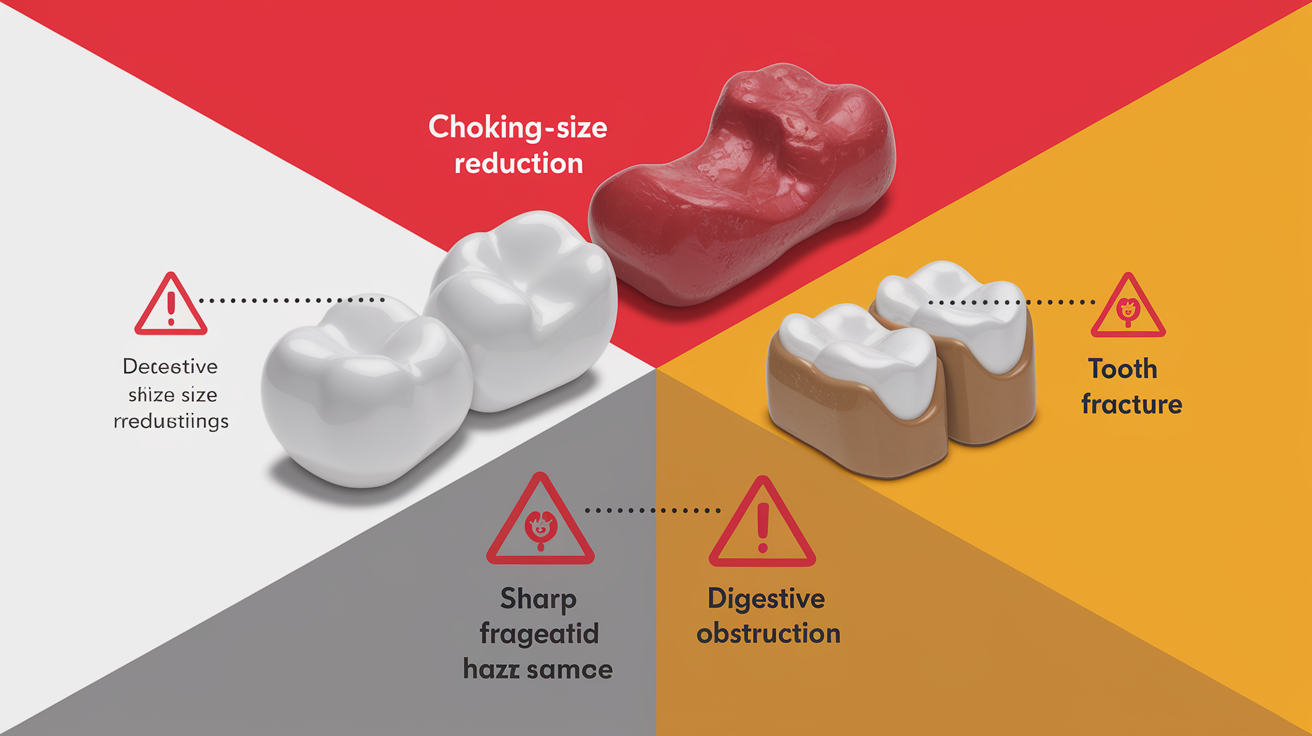
Four most common hazards we identified:
- Choking-size reduction: Coffee wood, antlers, and yak chews all eventually reach dimensions small enough to lodge in the throat. Testing established replacement thresholds of under 7 cm for wood, under 5 cm for antler fragments, and nub-size for yak chews as critical safety cutoffs.
- Sharp fragmentation: Nylon bones and low-grade rubber toys produced pointed shards capable of cutting gums or tongue tissue, with fragment counts ranging from 2 to 6 pieces per failed sample. Natural chews recorded zero sharp-fragment incidents.
- Digestive obstruction from rapid consumption: Softened rawhide and heavily frayed rope both posed swallowing risks when dogs shifted from chewing to gulping behavior, typically happening after 15 to 25 minutes of sustained gnawing as materials became pliable.
- Tooth fracture from excessive hardness: Whole antlers presented the only natural-chew risk in this category. Veterinary review identified potential for slab fractures in the upper fourth premolar if dogs bite directly down on the hardest cortical surface. Split antlers mitigated this risk by exposing softer marrow as the initial contact point.
Cost‑Per‑Hour Durability Evaluation of Long‑Lasting Chews

Upfront cost doesn’t tell you much about long-term value when durability enters the picture. We converted time-to-destruction data into usable hours by multiplying average days-to-replacement by a standard 30-minute daily chew session, then divided retail price by total usable hours to generate cost-per-hour metrics. Whole elk antlers came out as the most cost-effective option at $0.18 to $0.31 per hour despite higher initial prices ranging from $16 to $28 per unit, delivering 49 to 84 days of use. Yak cheese bars followed closely at $0.28 to $0.42 per hour, with retail prices of $12 to $18 translating into 28 to 35 days of chewing time.
Coffee wood chews occupied the middle tier at $0.52 to $0.71 per hour, with $8 to $12 purchase prices yielding 14 to 22 days of durability. Braided bully sticks cost $0.89 to $1.14 per hour, while single-strand bully sticks jumped to $1.67 to $2.43 per hour because of their dramatically shorter lifespans. The least cost-effective options were budget synthetic chews that failed within 48 hours, generating cost-per-hour figures exceeding $3.50 despite low $6 to $8 sticker prices.
| Chew Type | Avg Lifespan (hours) | Cost per Hour ($) |
|---|---|---|
| Whole Elk Antler | 73.5–126 | 0.18–0.31 |
| Yak Cheese Bar | 42–52.5 | 0.28–0.42 |
| Coffee Wood + Rope | 21–33 | 0.52–0.71 |
| Braided Bully Stick | 9–16.5 | 0.89–1.14 |
| Single Bully Stick | 2.5–5 | 1.67–2.43 |
Premium natural chews deliver the strongest return on investment for households with aggressive chewers who’d otherwise cycle through multiple low-durability products each week. A power-chewing Mastiff that destroys a $7 nylon bone in 90 minutes generates an effective cost of $4.67 per hour, while the same dog working on a $22 elk antler for 50 days pays just $0.22 per hour. The initial price difference becomes irrelevant after week two. By week four the antler’s paid for itself multiple times over compared to the cumulative cost of replacing budget chews every few days.
How Dog Size and Bite Force Shape Durability Outcomes
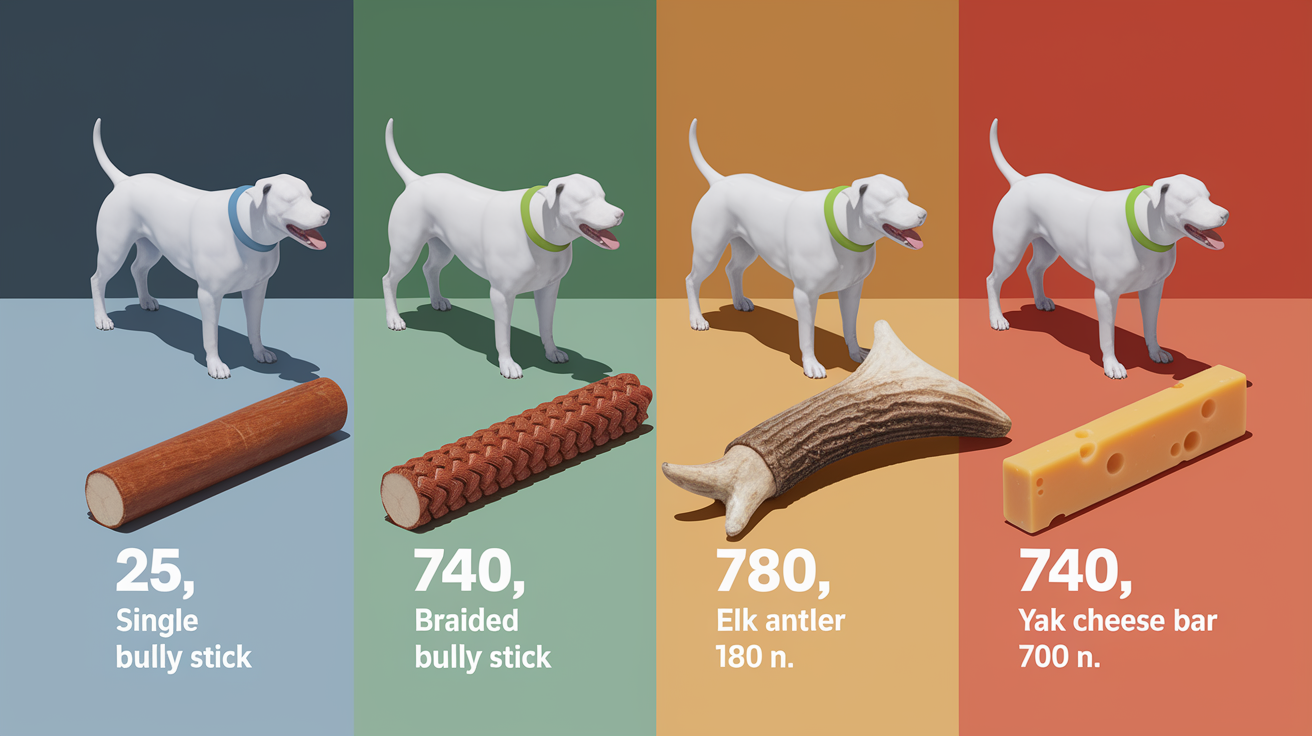
Bite force escalates dramatically with body mass, creating distinct durability profiles across weight classes. Our group of dogs under 26 pounds generated peak bite forces between 180 and 320 newtons, allowing even moderately durable chews like single bully sticks to last 4 to 7 days. Medium-sized dogs in the 26 to 55 pound range produced forces of 340 to 520 newtons, reducing single bully stick lifespan to 2 to 4 days and causing visible compression damage to coffee wood chews within 8 to 12 days. Large dogs (55 to 88 pounds) delivered bite forces between 540 and 680 newtons, enough to fracture budget nylon bones in a single session and reduce paddywack tendons to shredded remnants within 6 days. Extra-large dogs over 88 pounds (represented in our tests by Mastiffs, Rottweilers, and Anatolian Shepherds) generated forces approaching or exceeding 700 newtons, capable of creating deep indentations in whole elk antlers and reducing yak cheese bars from 15 cm lengths to nub size in just 18 to 22 days.
Breed-specific jaw anatomy and chewing technique introduced additional variables beyond raw bite force. Bully breeds like American Pit Bull Terriers and Staffordshire Bull Terriers used sustained, grinding chew patterns that maximized material fatigue. Herding breeds like Border Collies and Australian Shepherds alternated between gnawing and rapid shaking motions that tested tensile strength. Terriers demonstrated obsessive focus, returning to the same chew repeatedly throughout the day and racking up 90 to 120 minutes of total chew time compared to the 30-minute average for other breeds. Mastiff-type dogs used sheer crushing force, applying maximum pressure in short bursts that either destroyed a chew immediately or, in the case of antlers and yak chews, had minimal effect because of those materials’ superior compression resistance.
Four breed-specific destruction patterns we observed:
- Mastiffs and giant breeds applied overwhelming bite force in short sessions, destroying any chew softer than yak cheese or antler within 48 hours but showing limited interest in chews that successfully resisted initial crushing attempts.
- Bully breeds sustained grinding pressure for extended periods, generating the highest cumulative material wear and reducing even durable chews like coffee wood and braided bully sticks faster than any other group on a per-minute basis.
- Terriers showed the most persistent chewing behavior, revisiting chews 6 to 9 times daily in short 10- to 15-minute bursts that piled up significant wear despite moderate individual bite forces.
- Herding breeds combined moderate bite force with high-intensity shaking and tugging, placing maximum stress on rope components and causing braided bully sticks to separate at twist points 40 percent faster than breeds that used pure compression chewing.
Real‑World Field Tests with Aggressive Chewers
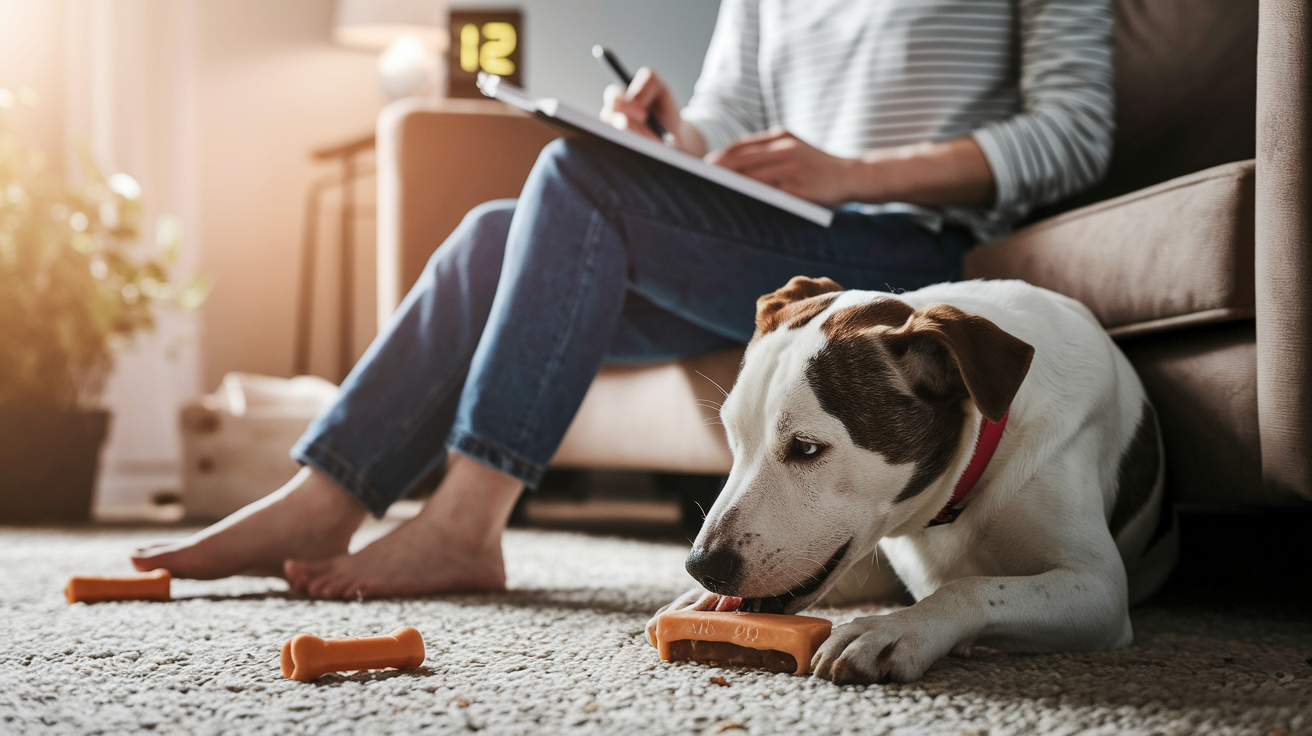
Field testing moved beyond controlled lab conditions to capture the chaotic reality of daily household use. Participating owners logged chew sessions across 12 weeks, recording start and end times, visible wear progression, and any behavioral changes in their dogs. The 15- to 60-minute session range proved accurate, with most dogs self-regulating around 30 to 40 minutes before jaw fatigue set in. Power chewers occasionally pushed past 90 minutes on first introduction of a new elk antler or yak chew, driven by novelty and the satisfying resistance those materials provided. Owners reported observable jaw fatigue indicators including drooling, slower bite cadence, and head-shaking to relieve muscle tension. All of those appeared after 35 to 50 minutes of continuous chewing depending on dog size.
Rotation strategies significantly extended the functional lifespan of individual chews. Households that kept 3 to 4 different chew types and rotated them every 2 to 3 days reported 20 to 30 percent longer time-to-replacement compared to dogs given continuous access to a single chew. The variety prevented habituation and allowed materials to dry and re-harden between sessions, particularly beneficial for bully sticks and paddywack. Environmental exposure introduced measurable durability penalties. Chews left outdoors or stored in humid conditions degraded 15 to 25 percent faster than those kept indoors in climate-controlled spaces. One Border Collie owner documented a coffee wood chew that lasted 26 days when stored indoors versus an identical chew that required replacement after 18 days when left on a covered porch.
Five typical owner-observed durability outcomes from field-test logs:
- Whole elk antlers showed almost no visible wear for the first 10 to 14 days of use, then began gradual surface smoothing that continued linearly until the 40- to 50-day mark when replacement became necessary because of size reduction.
- Yak cheese bars developed a characteristic “waist” shape as dogs focused chewing on the center section, with owners noting the transition to nub size occurred suddenly over 2 to 3 days after weeks of apparently slow wear.
- Coffee wood chews produced accumulating piles of soft wood fibers that owners swept up daily, with fiber volume increasing noticeably in week two as the protective outer bark layer wore away and exposed softer interior wood.
- Braided bully sticks unraveled progressively, with individual strands separating first at the ends and slowly working toward the center. Most owners replaced these chews when 30 to 40 percent of the braid had come apart, well before complete destruction.
- Cotton rope components showed cosmetic fraying within 3 to 5 days but remained structurally sound for another 7 to 12 days, teaching owners to distinguish between surface-level fiber shedding and true structural compromise that required replacement.
Veterinary Insights on Durable Chews for Aggressive Chewers

Board-certified veterinary dentists who reviewed our test samples and live-dog footage emphasized that durability must be balanced against dental safety, particularly for chews harder than natural tooth enamel. Whole elk antlers received conditional approval with the caveat that dogs should approach them at an angle rather than biting straight down. That’s a chewing technique most dogs naturally adopt, but it can get disrupted in highly aroused or food-motivated individuals. Split antlers earned stronger endorsement because the exposed marrow provides an immediate reward that encourages licking and gnawing instead of forceful crushing bites. Yak chews posed minimal dental risk because of their controlled hardness that sits just below the threshold for enamel damage while still providing effective plaque removal through mechanical abrasion.
The 15-minute rule emerged as a critical safety protocol for introducing any new durable chew, especially for dogs with unknown chewing styles or dental conditions. Vets noted that signs of excessive force (visible jaw muscle bulging, aggressive head shaking, or attempts to break the chew rather than wear it down) all indicate the need to remove the item and substitute a softer alternative. Observation during initial sessions also revealed individual differences in chewing technique that predict long-term safety outcomes. Dogs that naturally use a side-to-side grinding motion distribute forces across multiple teeth and rarely experience fractures. Dogs that bite repeatedly in the same spot with maximum force show elevated risk for slab fractures, particularly in the upper premolars.
Five vet-endorsed guidelines for safe use of durable chews with aggressive chewers:
- Supervise the first three sessions with any new chew type to assess your dog’s technique and watch for warning signs like excessive drooling, pawing at the mouth, or reluctance to continue chewing after a hard bite. All indicators of dental discomfort.
- Apply the 15-minute limit strictly for the first week, even if your dog shows interest in continuing, to allow jaw muscles and dental structures to adapt to the new material’s resistance without overuse injury.
- Choose chews that match or slightly exceed your dog’s current capability instead of jumping to the hardest option available. A medium-strength chewer can build up to elk antlers over time by starting with split antlers or yak chews first.
- Monitor for changes in eating behavior, particularly reluctance to chew dry kibble or favoring one side of the mouth, which may signal a developing tooth fracture or gum inflammation caused by overly aggressive chewing.
- Keep a rotation schedule that includes at least one softer option like a thick bully stick or paddywack to provide jaw-muscle recovery days between sessions with maximum-hardness chews like whole antlers.
Maintenance and Replacement Guidelines for Long‑Lasting Chews
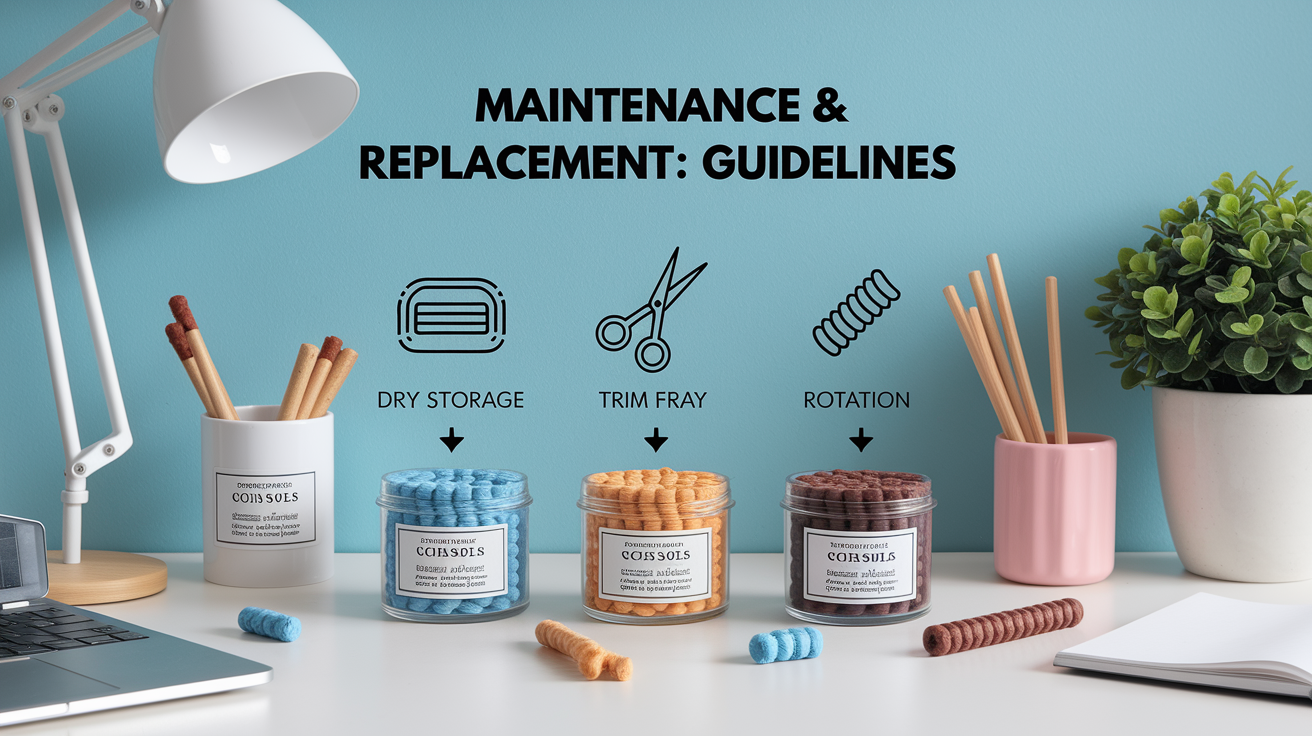
Proper care extends the usable life of durable chews and preserves safety throughout their service period. Keep all chews in dry storage between sessions. Moisture speeds up bacterial growth on organic materials and softens wood-based chews, reducing both durability and hygiene. Yak cheese bars benefit from a quick pat-down with a clean towel after each session to remove saliva before returning to storage. That 10-second task can add 4 to 6 days to total lifespan by preventing surface degradation. Elk antlers require minimal maintenance beyond a rinse under warm water every few days to clear accumulated debris from the porous bone structure. Coffee wood chews should be inspected daily for length reduction and stored upright to prevent moisture accumulation at contact points.
Cotton rope components demand more active management. Trim frayed ends with scissors as soon as loose fibers extend more than 2 cm from the main braid. This prevents dogs from pulling and speeding up the unraveling process. Outdoor storage or use during wet conditions cuts rope lifespan nearly in half. A rope chew that’d normally last 18 days indoors may need replacement after just 9 days if regularly exposed to rain or dewy grass. Rotation remains the single most effective maintenance strategy. Cycling between 3 to 4 chews offered 2 to 3 times per week reduces wear-per-session and keeps dogs engaged through variety.
Four replacement indicators that signal the end of a chew’s safe usable life:
- Size-based replacement for wood and antler chews: When any chew shrinks to a length shorter than your dog’s muzzle or becomes small enough to fit entirely in the mouth, immediate replacement is required. Typically 7 cm for coffee wood, 5 cm for antler pieces, regardless of how much material remains.
- Structural compromise in rope components: Replace any rope chew when fraying exposes the core or when 40 percent or more of the original braid has separated, even if the remaining section still appears intact.
- Visible cracking in antlers or hard chews: Hairline cracks indicate internal stress fractures that’ll propagate into sharp breaks. Replace antlers at the first sign of longitudinal cracks, typically appearing after 6 to 10 weeks of use by power chewers.
- Nub-size threshold for yak chews: When a yak chew reduces to roughly 3 to 4 cm in length, it transitions from chew to choking hazard. At this point, soak the nub in water for 5 minutes, microwave for 45 to 90 seconds until puffed, cool completely, and offer as a final crunchy treat instead of continuing to use it as a chew.
Final Words
We ran lab and field checks across sizes and bite forces. You saw which chews held up, which lost mass fast, and which made sharp fragments, plus clear winners for power chewers like antlers and yak chews. The data shows material matters more than price.
Pick chews by your dog’s weight and chewing style, watch for fraying or cracks, and rotate to extend life.
This durability test of long-lasting chews for aggressive chewers helps you choose safer, longer-lasting options, and keep treat time fun and worry-free.
FAQ
Q: What is the most durable dog toy for aggressive chewers?
A: The most durable dog toy for aggressive chewers is a heavy-duty antler or tough nylon chew (and yak chews often last long). Match size to your dog and supervise for cracking or sharp fragments.
Q: Why do vets not recommend bully sticks?
A: Vets do not recommend bully sticks because they can be high in fat, harbor bacteria, and fragment into choking or blockage hazards, especially for aggressive chewers. Supervise and choose thicker, vet-approved options if offered.
Q: What are the longest lasting dog bones for aggressive chewers?
A: The longest lasting dog bones for aggressive chewers are antlers, yak chews, and dense nylon bones, which can last weeks to months depending on dog size, bite force, and chewing habits, and always supervise for wear.
Q: What dog chew treats last the longest?
A: Dog chew treats that last the longest are antlers, yak chews, and dense natural tendons or hardened cheese, with lifespan set by treat size and your dog’s bite strength, rotate and supervise for safety.