
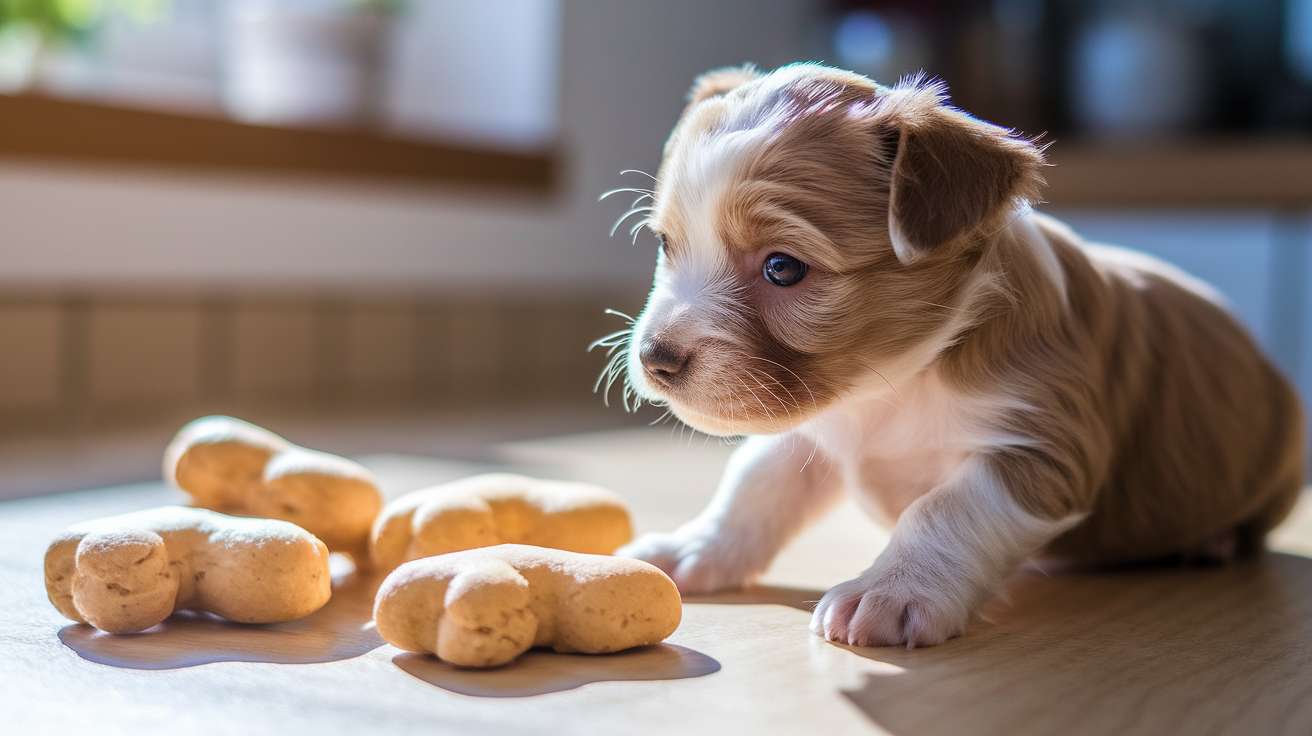
Think your puppy can chew the same treats as an adult dog? Think again.
Tiny jaws, new teeth, and delicate tummies mean training treats must be small, soft, and low in calories.
Pick the wrong size or texture and you risk choking, sore gums, or an upset belly.
This guide shows the best training treats for small puppies under six months, safe, pea-sized, and quick to eat so you can train more without overfeeding.
Top Training Treats Safe for Small Puppies Under 6 Months

Small puppies under six months can’t handle the same treats you’d give an adult dog. Their jaws are tiny, teeth are still coming in, and stomachs are learning how to process food. What works for a full-grown Lab could choke a 12-week-old Yorkie or send a Chihuahua pup’s digestion sideways. You need treats that are soft, no bigger than a pea, and won’t pack in calories your puppy doesn’t have room for.
Digestibility matters just as much as size. Young puppies don’t produce the same stomach acid or enzymes adults do, so complicated ingredients or heavy additives can cause trouble. Single-protein treats with minimal extras are easier on their systems. Soft textures also keep training moving. If your puppy spends half a minute chewing something crunchy, they’ve already forgotten why you gave it to them. Quick consumption keeps the link tight between the behavior and the reward.
You’re going to burn through a lot of treats in one day. If each one carries 15 or 20 calories, you’ll overfeed a puppy who only needs 200 to 350 calories total. Low-calorie options let you repeat cues over and over without risking weight gain or an upset stomach. Picking treats built for young, small dogs protects their health while you’re building the habits that stick.
Recommended Treats:
- Zuke’s Mini Naturals – around 3 calories each, soft texture. Small size, natural ingredients, easy to break in half. Some puppies don’t do well with chicken.
- Wellness Soft Puppy Bites – about 2 calories per treat, semi-moist. Lamb and salmon options, grain-free, very small. A bit pricier per ounce.
- Bil-Jac Little Jacs – roughly 3 calories, soft and crumbly. Dogs love them, easy to break smaller. Contains chicken by-product meal.
- Happy Howie’s Beef Wrangler Roll – 5 calories per quarter-inch slice, rollable and cuttable. You control the size, no artificial preservatives. You’ll need a knife before training.
- Blue Buffalo Blue Bits – 2 calories each, soft. Grain-free, small, savory flavor. Can get sticky in warm pockets.
- Red Barn Rolled Food – 4 calories per thin slice, soft roll. Freeze extras, cut to any size, natural ingredients. Needs refrigeration once opened.
- Plato Small Bites – 3 calories per treat, chewy texture. Limited ingredients, made in USA, single-protein options. Firmer than other soft treats.
- Tricky Trainers Chewy Dog Treats – 2 calories per piece, soft. Tiny size, low-fat, no corn or soy. Limited flavor variety.
What Makes a Treat Safe for Puppies Under 6 Months?
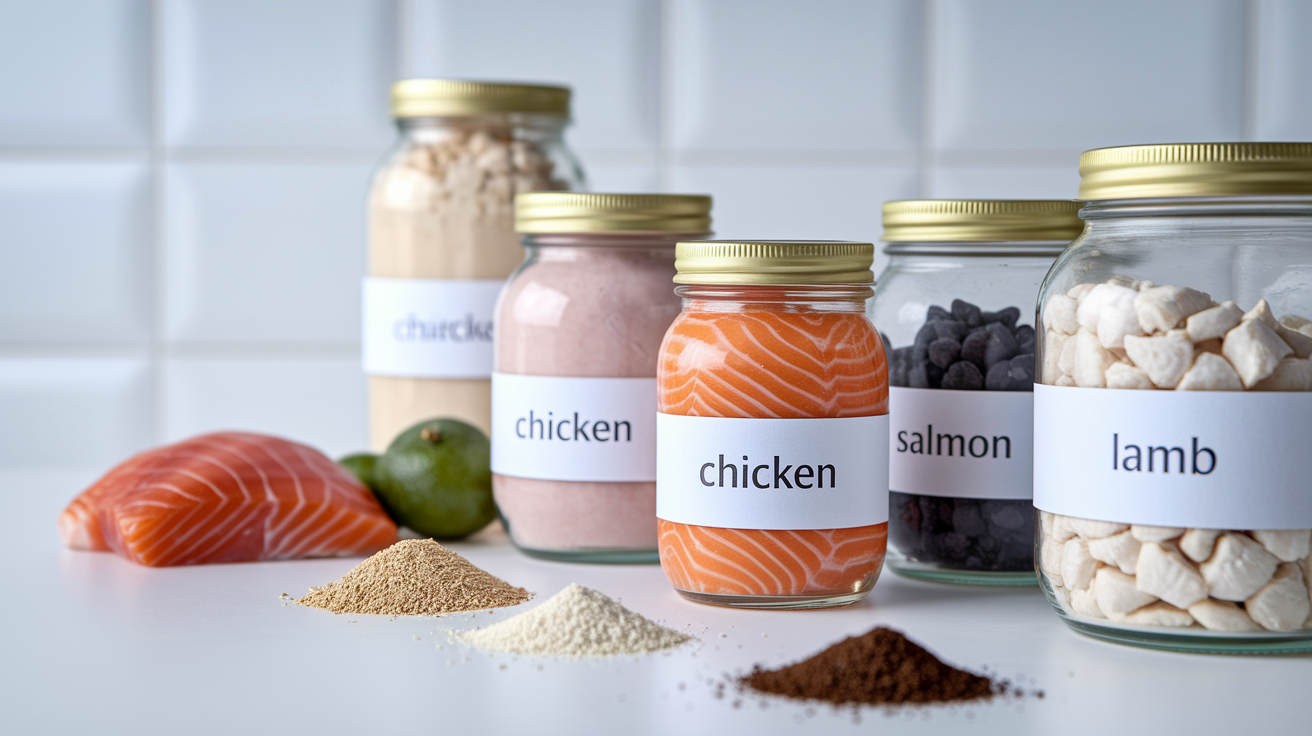
Puppies younger than six months are still building their digestive and immune systems. Their stomachs don’t produce the same enzymes adults do, so rich or unfamiliar ingredients can cause upset. Baby teeth are sharp but fragile, and permanent teeth haven’t fully come in yet. Hard or large treats can crack teeth, get stuck in the throat, or just take too long to chew. Safe treats for this age are soft enough to bite through easily and small enough to swallow in one or two chews.
Ingredient quality hits harder for young puppies. Artificial preservatives like BHA, BHT, and ethoxyquin have been linked to allergic reactions and digestive issues. Added salt can strain developing kidneys. Onion and garlic powders, even in tiny amounts, can damage red blood cells. Artificial dyes don’t do anything nutritionally and may trigger sensitivities. The safest puppy treats list real meat, fish, or poultry first and skip the chemical stuff. Natural preservatives like mixed tocopherols or rosemary extract are gentler.
Softness, size, and moisture content define a safe training treat for tiny puppies. A treat should feel slightly pliable when you squeeze it, not rock-hard. It should measure no larger than the tip of your pinky finger for toy breeds and no bigger than a small pea for slightly larger small breeds. Moisture-rich treats or freeze-dried options that rehydrate in the mouth cut choking risk and make swallowing easier. When a treat dissolves quickly, training stays on pace and your puppy’s attention stays on you.
Nutritional Guidelines for Young Small-Breed Puppies
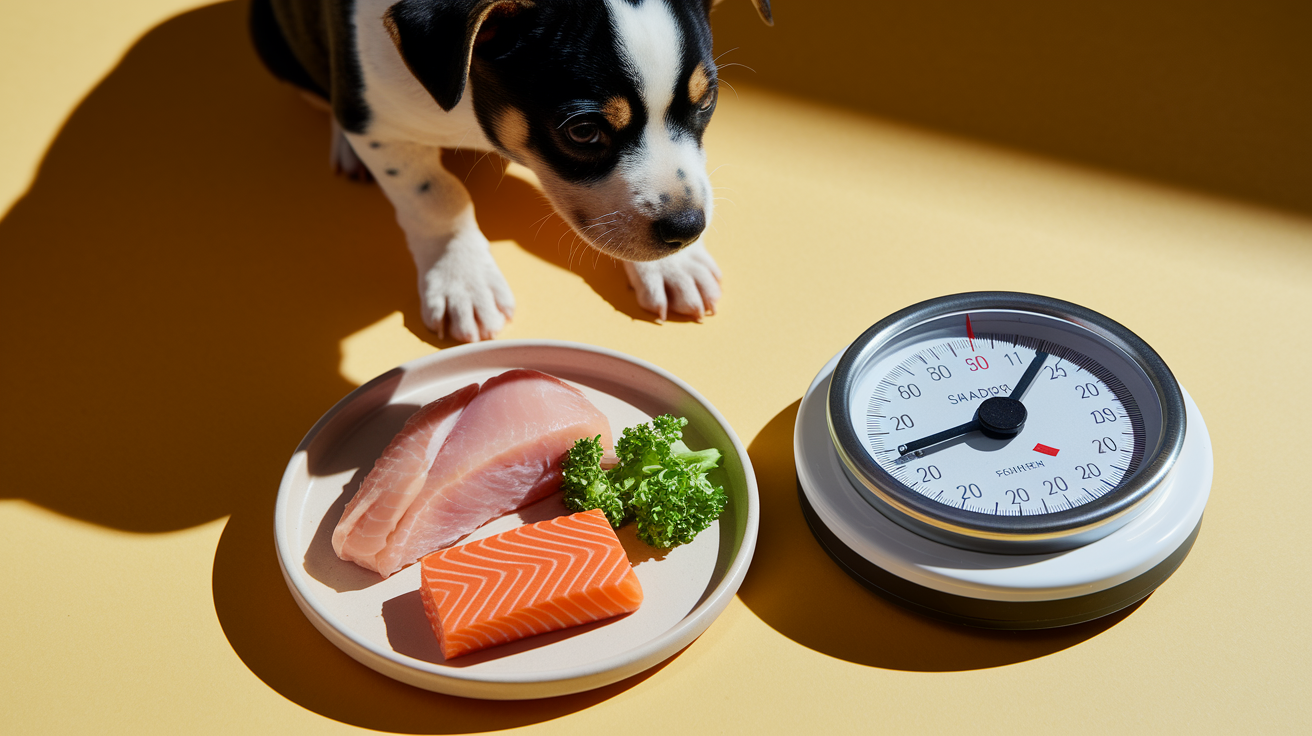
Small puppies burn energy fast but have limited stomach capacity, so every calorie counts. Most puppies in this size range need between 200 and 350 calories per day, depending on their exact weight and activity level. The 10% rule for treats means you’ve only got 20 to 35 calories to work with during an entire day of training. If you use five treats that are 10 calories each, you’ve already blown past that limit before lunch. Choosing low-calorie treats and breaking them into halves or quarters is the only practical way to stay within safe limits while running multiple short training sessions.
Protein quality directly affects how well a puppy digests and uses a treat. Whole meats like chicken, turkey, salmon, or lamb are easier to digest than by-products or meals that include rendered parts. Puppies benefit from amino acids that support muscle growth, brain development, and immune function. Treats made from single-source proteins also make it easier to identify food sensitivities early. If your puppy develops loose stool after starting a new treat, you’ll know which protein to avoid in the future.
You can use treats often during training as long as portion sizes stay small and calorie totals stay low. A five-minute session might include 10 to 15 rewards. If each reward is only two or three calories, the entire session costs fewer than 50 calories. That leaves room for additional sessions later in the day without exceeding the daily treat budget. Frequent, tiny rewards keep motivation high and digestive systems calm.
Ingredients to Look For and Avoid in Early-Age Puppy Treats
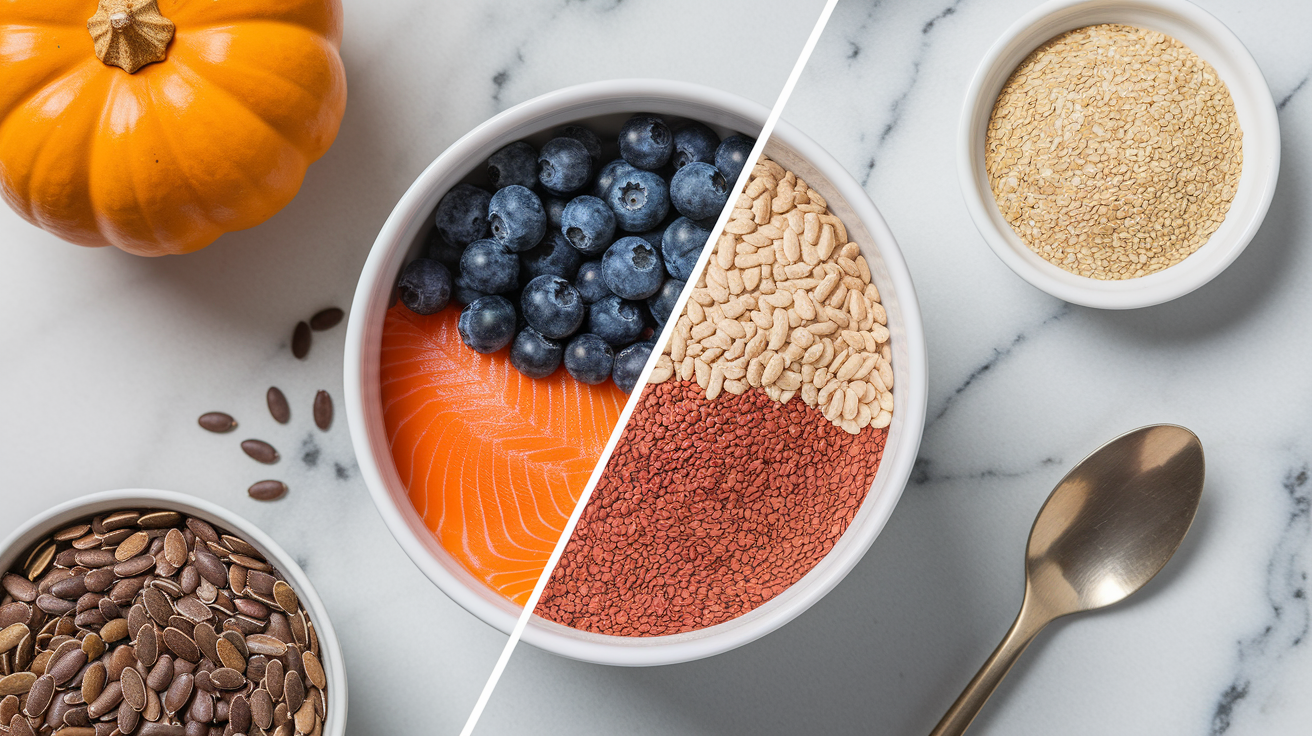
The best puppy treats start with a recognizable protein. Real chicken, turkey, beef, salmon, or duck as the first ingredient signals quality and digestibility. Limited-ingredient formulas work especially well for puppies with unknown sensitivities or breeds prone to allergies. When a treat contains only two or three ingredients, like salmon and sweet potato, it’s easier to trace the source of any digestive reaction. Ingredients like pumpkin, blueberries, and flaxseed add fiber and omega fatty acids without triggering common sensitivities.
Common allergens show up in many mass-market treats. Chicken is the most frequent trigger, followed by beef, dairy, and wheat. Corn and soy are less likely to cause true allergies but can contribute to digestive upset or gassiness in sensitive puppies. If your puppy’s breed has a history of food sensitivities, start with novel proteins like duck, venison, or fish. Rotate proteins only after the puppy tolerates one type for at least a week without stomach trouble.
Digestive-friendly ingredients soothe young stomachs while delivering flavor. Pumpkin provides soluble fiber that firms stool. Sweet potato offers gentle carbohydrates and vitamins. Salmon supplies anti-inflammatory omega-3s. Probiotics or prebiotics in treat formulas can support gut health during the critical early months. These functional ingredients help training treats do more than motivate. They contribute to overall wellness without adding empty calories or harsh fillers.
Ingredients to Avoid:
- Artificial preservatives (BHA, BHT, ethoxyquin) – linked to allergic reactions and potential long-term health risks.
- Onion or garlic powder – can damage red blood cells even in small amounts.
- Artificial colors (Red 40, Yellow 5, Blue 2) – no nutritional benefit, may trigger sensitivities.
- Excessive salt or sugar – strains kidneys and encourages picky eating habits.
- Corn syrup or molasses – adds empty calories and spikes blood sugar.
Treat Size, Texture, and Shape: Choosing Options for Tiny Jaws
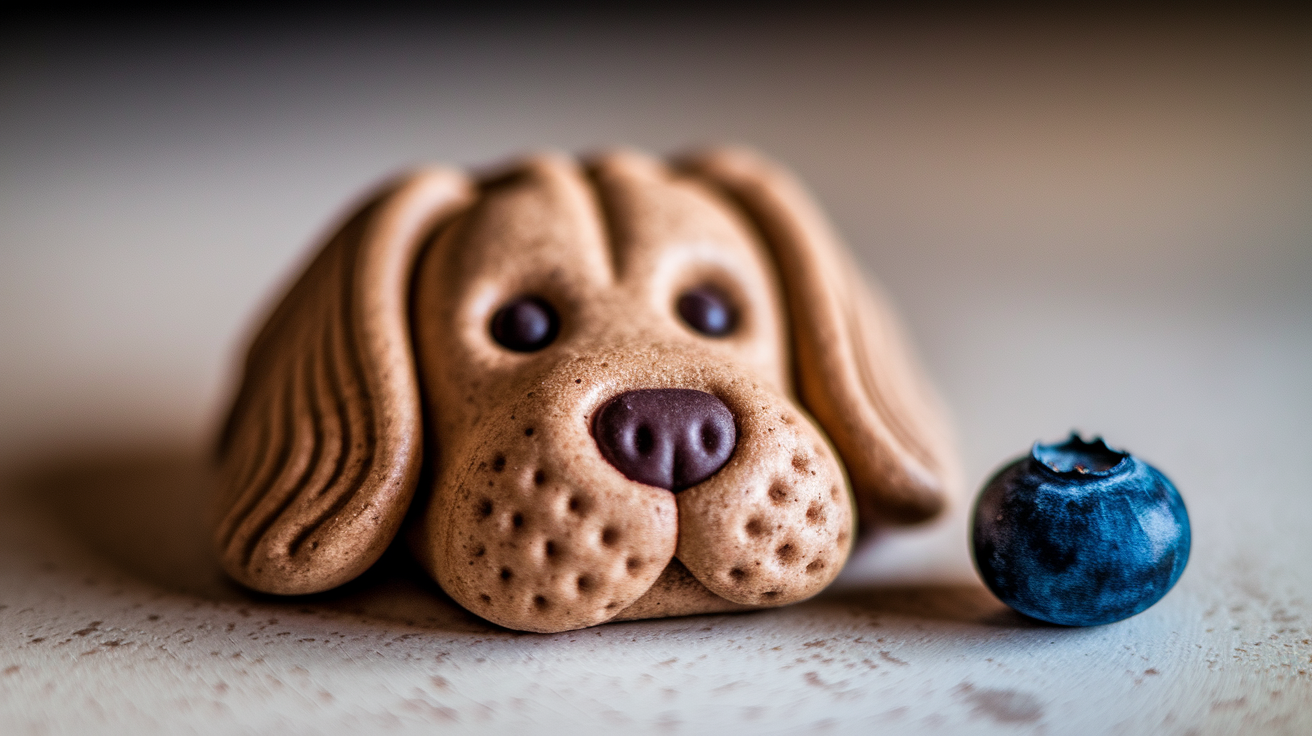
Puppy jaws are still developing bite strength and coordination. Baby teeth are sharp but not designed for grinding hard materials. Permanent teeth start coming in around 12 to 16 weeks, making gums sore and chewing uncomfortable. Large or crunchy treats can crack fragile teeth, get stuck in the back of the throat, or simply frustrate a puppy who’s trying to focus on learning. Safe treats for this age are small enough to fit entirely in the mouth and soft enough to bite through with minimal effort.
Training requires fast consumption. If your puppy stops to chew a treat for 20 seconds, the connection between sitting and the reward weakens. The behavior you’re reinforcing fades from the puppy’s short-term memory. Quick-dissolving treats keep the training loop tight. The puppy sits, gets the treat, swallows in two seconds, and is ready for the next repetition.
The safest textures are soft, semi-moist, or freeze-dried. Soft treats feel slightly squishy and break apart easily when pinched. Semi-moist options have a chewy consistency that’s still easy to bite. Freeze-dried treats crumble into small pieces and rehydrate quickly in the mouth. Shapes matter less than size, but flat or thin shapes are easier for tiny mouths to manage than thick cubes. Avoid anything rock-hard, bone-shaped, or larger than a blueberry for toy breeds and a small grape for slightly bigger small breeds.
Portion Sizes and Treat Frequency During Training
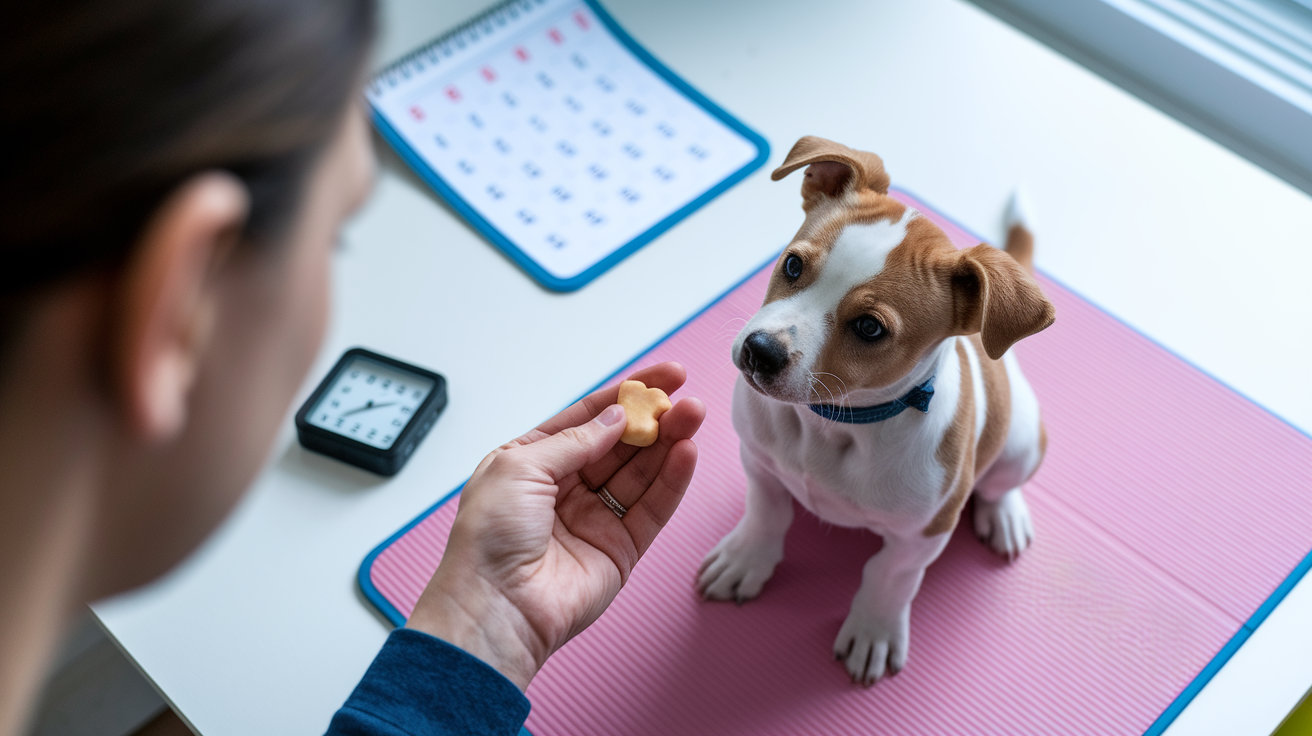
Puppies under six months learn best through many short, frequent training sessions. A typical five-minute session might include 10 to 20 repetitions of a single cue. If you run three or four sessions per day, that’s 40 to 80 treats. Even at two calories per treat, that total can climb to 160 calories, half the daily intake for a small puppy. Breaking treats into halves or quarters turns one treat into two or four rewards. A soft treat the size of a pea can be pinched into three or four tiny pieces. A thin slice of a treat roll can be diced into a dozen micro-bites.
Overfeeding treats shows up fast in young puppies. Loose stool is the most common sign. If stool stays soft for more than a day after a heavy training session, you’ve likely exceeded the puppy’s digestive capacity. Other signs include reduced interest in regular meals, gassiness, or a slightly bloated belly. The fix is simple. Cut treat sizes smaller, reduce the number of rewards per session, or replace some treats with pieces of the puppy’s regular kibble. Kibble carries no extra calories if you subtract the training portion from the next meal. It works especially well for low-distraction practice at home.
Final Words
Soft, tiny, low-calorie treats keep training safe and fun for small pups under 6 months. We covered why size, texture, and gentle ingredients matter.
You learned vet-friendly checks, calories per bite, soft texture, and digestible proteins. Break treats into micro-bites and watch for signs of over-treating.
Use the list and simple rules to pick the best training treats for small dog puppies under 6 months, and pace rewards so bellies stay happy. Small wins every day.
FAQ
Q: What are the best training treats for small puppies?
A: The best training treats for small puppies are soft, tiny, low‑calorie bites (about 1–5 calories) made from single proteins or freeze‑dried meat; they’re easy to chew, digest, and use often.
Q: What is the 3-3-3 rule for dog training?
A: The 3-3-3 rule for dog training describes a new dog’s adjustment: 3 days of confusion, 3 weeks to learn routine, and 3 months to fully settle—so pace training and expectations accordingly.
Q: What treats can I give my 6 month old puppy?
A: The treats you can give a 6 month old puppy are soft, age‑appropriate, low‑calorie, high‑protein options like small training bites, freeze‑dried meat, or cut kibble; avoid big hard chews and rich human foods.
Q: What is the 10 10 10 rule for puppies?
A: The 10 10 10 rule for puppies is a decision guide asking if a behavior will matter in 10 minutes, 10 months, or 10 years—helping you stay calm and focus on long‑term training outcomes.