

Are the treats in your pocket wrecking your walk training?
Tiny dogs need rewards that fit a treat pouch, break into pea-sized bits, and smell strong enough to beat a squirrel.
Freeze-dried and air-dried options hit those marks: lightweight, no-crumble, and easy to portion on the fly.
This post picks the best portable training treats for small dogs on walks and explains when to use each one.
Quick, practical, and pet-first, so you’ll reward more, fuss less, and get better results.
Top Portable Training Treat Picks That Work Best on Small-Dog Walks

The best portable training treats for small dogs do three things well: they’re small enough to fit in a treat pouch without eating up your entire walk budget, they break cleanly without scattering crumbs all over your jacket, and they smell good enough to beat out the squirrel across the street. Freeze-dried and air-dried formats hit all three marks. They weigh almost nothing, stay shelf stable through a full morning of outdoor training, and break into pea-sized reward bits without turning your pocket into a dust cloud.
Walk training means constant reinforcement. You might reward loose leash steps every few seconds during the first block, mark a great sit at the crosswalk, and call your pup back from a really interesting smell. That rhythm demands treats you can grab, break, and deliver in under two seconds. High value proteins like fish, tripe, and organ meats help your dog choose you over distractions. Lower calorie options let you train longer without overshooting your pup’s daily treat allowance.
Portability also means packaging that works in real life: resealable one ounce bags that slip into a pouch, six ounce packs for longer outings, or small tins that don’t pop open mid walk. The treats below combine grab and go packaging with textures and calorie profiles built for small dog walk training.
Vital Essentials Minnows come freeze dried as whole fish, 82 kcal/oz, sold in one ounce resealable bags. Single ingredient, USA sourced, breaks into tiny bits. Perfect for fast outdoor rewards and fits any treat pouch.
Vital Essentials Bites (Duck and Beef) are freeze dried bite sized pieces with duck or beef plus tocopherols (natural vitamin E). Extremely small, lightweight, and easy to portion for high frequency marking.
Raw Paws Green Tripe is freeze dried single ingredient tripe from USA free range cows, 155 kcal/oz. Dogs go bonkers for it. Use sparingly for high distraction moments. Also works as a food topper for picky eaters.
Icelandic+ Herring Fish Treats are air dried wild caught herring from Iceland, 125 kcal/oz, rich in omega 3s for skin and coat. High palatability and strong scent make it ideal for recall training outdoors.
Ageless Paws Bison Liver is freeze dried single ingredient bison liver, 112 kcal/oz. Nutrient dense with iron, copper, and vitamin A. Strong palate reward for stubborn learners.
Nature’s Variety Instinct Raw Boost Toppers are freeze dried raw mixers in beef, chicken, and lamb. Six ounce and fourteen ounce packets. Half cup serving equals 124 calories. Easy to break into training sized pieces.
ZiwiPeak Air Dried Food (as training treats) offers soft, breakable pieces in beef (278 kcal/scoop), chicken (284), lamb (281), mackerel & lamb (256), tripe & lamb (278), venison (264). High value and calorie dense. Best for teacup and toy breeds where a few pieces go a long way.
Key Qualities Small Dog Owners Should Look For in Portable Training Treats
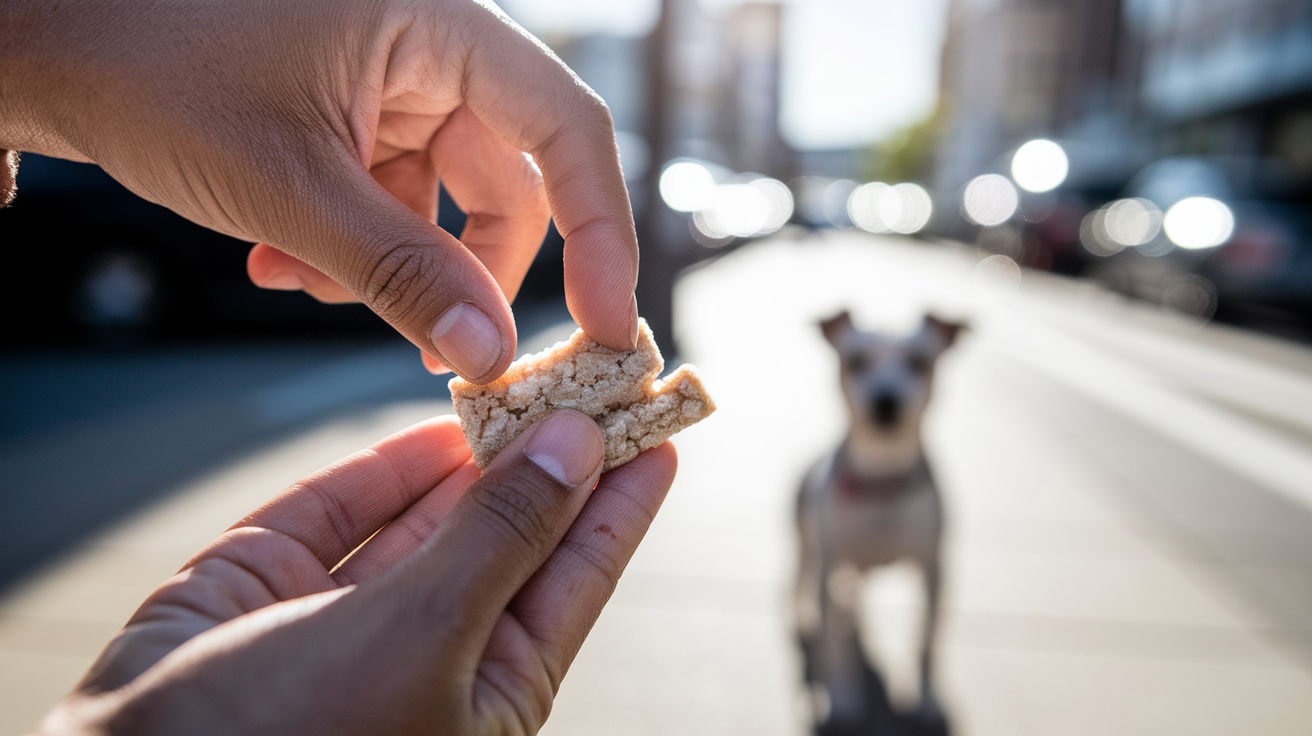
Size and texture determine whether a treat supports walk training or derails it. Small dogs need rewards they can chew and swallow in seconds so the training rhythm stays quick. Pea sized or rice sized pieces let you mark behavior the instant it happens. Freeze dried and air dried treats break cleanly by hand, so you can portion on the fly without a knife or cutting board.
Aroma matters outdoors. A treat that smells mild in your kitchen competes with fire hydrants, other dogs, delivery trucks, and dropped pizza crusts on the sidewalk. High value proteins like fish, tripe, and organ meats carry stronger natural scents that help your dog notice the reward even when distracted. Portability includes packaging: resealable bags keep treats fresh through multiple walks, and lightweight formats mean you can carry enough for a thirty minute session without adding a pound to your pouch.
Non crumbly texture matters because freeze dried and air dried formats stay intact until you break them. Soft or quick chew consistency means rapid eating and immediate re engagement. High value scent (fish, tripe, organ meats) helps compete with outdoor distractions. Limited ingredient or single ingredient lists work better for sensitive stomachs. Lightweight and compact formats fit in treat pouches or pockets. Resealable packaging maintains freshness across multiple outings. Easily breakable into pea sized portions without tools saves time. Calorie conscious options (under 120 kcal/oz) allow high frequency rewarding.
These qualities work together to let you deliver twenty, fifty, or a hundred tiny rewards during a single walk without fumbling, waiting for chewing, or blowing through your pup’s daily calorie budget. Training moves at the speed of real life, and treats that match that pace make consistency possible.
Comparing Different Portable Treat Styles for Walk Based Training
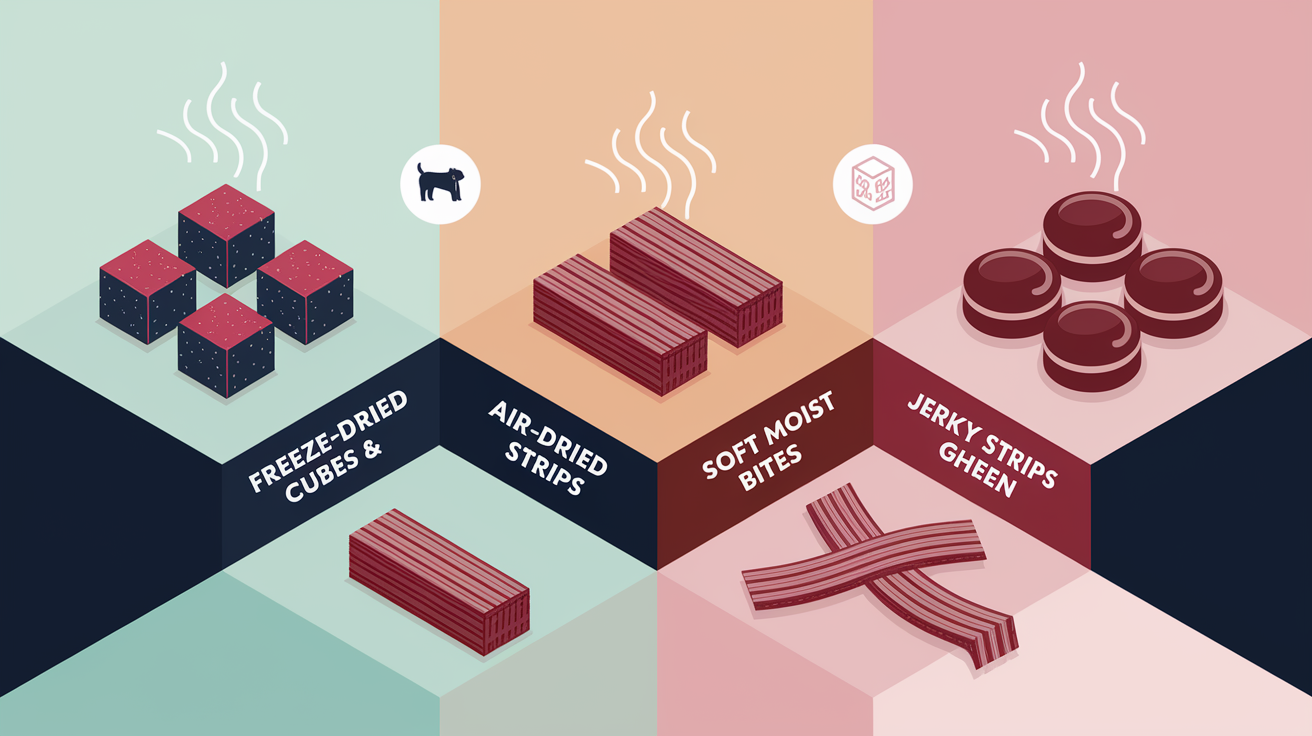
Walk training pulls from four main treat categories, each with tradeoffs in speed, portability, cost, and palatability. Knowing when to reach for freeze dried versus air dried versus soft treats helps you match the reward to the moment.
Freeze Dried Bites
Freeze dried treats remove moisture without heat, leaving nutrients intact and creating an ultra lightweight, shelf stable format. They snap cleanly into tiny pieces and reconstitute slightly with saliva, making them easy to chew and digest. Options like Vital Essentials Minnows (82 kcal/oz) and bison liver (112 kcal/oz) fit into any treat pouch and last through long training sessions without refrigeration. The texture doesn’t crumble into dust, so your pouch and pockets stay clean.
Air Dried Mini Pieces
Air drying removes moisture slowly at low temperatures, producing a firmer, slightly chewy texture with concentrated flavor. Icelandic herring (125 kcal/oz) and similar air dried fish or meat pieces deliver strong aroma and high palatability. The denser texture means they take a few extra seconds to chew compared to freeze dried, but that can be useful when you want your pup to savor a high value reward. Air dried treats also travel well and resist breaking during transport.
Soft/Moist Bite Sized Treats
Soft training treats contain more moisture and often include binders like sweet potato or vegetable glycerin. They’re ready to eat instantly with almost no chewing required, which makes them ideal for rapid fire marking during loose leash work or focus drills. The downside: they can be sticky, may require refrigeration after opening, and sometimes crumble or smear in warm pockets. Best carried in small sealed containers or pouches with removable liners.
Breakable Jerky Style Strips
Jerky treats like beef esophagus start as larger strips you tear into many pea sized pieces. Single ingredient jerkies are cost effective and let you control portion size on the spot. They’re lightweight and shelf stable but do require a quick hand tear before each reward. Useful when you want to stretch a value pack across many walks and don’t mind the extra step.
| Type | Portability | Ideal Use Case |
|---|---|---|
| Freeze Dried Bites | Extremely lightweight, resealable bags, no mess | High frequency outdoor training, long walks, treat pouch carry |
| Air Dried Mini Pieces | Compact, dense, strong aroma, travel stable | High value rewards, recall, distraction work |
| Soft/Moist Bite Sized | May need sealed container, can smear in heat | Rapid marking, puppies, senior dogs, indoor to outdoor transitions |
| Breakable Jerky Strips | Lightweight, requires hand tearing, value packs available | Budget conscious training, custom portioning, extended sessions |
Best Small Dog Walk Treats for Picky Eaters, Puppies, and Seniors

Picky eaters respond to treats with strong natural scent and high palatability. Green tripe and herring consistently rank at the top. Raw Paws freeze dried green tripe (155 kcal/oz) smells intense to humans but irresistible to dogs. Use it sparingly during high distraction moments like approaching another dog or practicing recall near a playground. Icelandic herring delivers omega 3s for skin and coat while offering the strong fish aroma that even stubborn small dogs notice outdoors. Rotating proteins (beef, bison, duck, chicken, lamb, fish, tripe) prevents boredom and keeps training exciting. If your pup loses interest in one flavor, switch to another mid walk to re engage focus.
Puppies need tiny, easily breakable rewards they can chew and swallow quickly without choking risk. Freeze dried options like Vital Essentials bites break into rice grain sized pieces perfect for rapid socialization and early leash work. Soft textures also work well since puppies are still developing jaw strength. Avoid dense, oversized, or overly chewy treats that slow down the training rhythm or pose a safety risk. Keep portions small (pea sized or smaller) and use high value rewards to build positive associations with new sights, sounds, and surfaces during critical early walk experiences.
Senior small dogs benefit from softer textures and joint supporting ingredients. Single ingredient beef esophagus (often labeled as joint health jerky) is easy to chew, nutrient rich, and gentle on aging teeth. Herring and other fish treats rich in omega 3s support skin, coat, and inflammation management. Freeze dried liver and other organ meats deliver concentrated nutrition in small, manageable bites. Portion carefully since older dogs may have lower daily calorie needs, and always supervise chewing to ensure safe swallowing.
For picky eaters: Raw Paws Green Tripe, Icelandic Herring, Ageless Paws Bison Liver, Vital Essentials Duck Bites, ZiwiPeak Tripe & Lamb
Rotate proteins every few walks to maintain novelty. Reserve the smelliest, highest value options for the hardest training challenges. Use freeze dried formats that concentrate flavor without added fillers. Pair treat rewards with enthusiastic praise to build a positive feedback loop.
How to Store and Carry Portable Training Treats During Walks
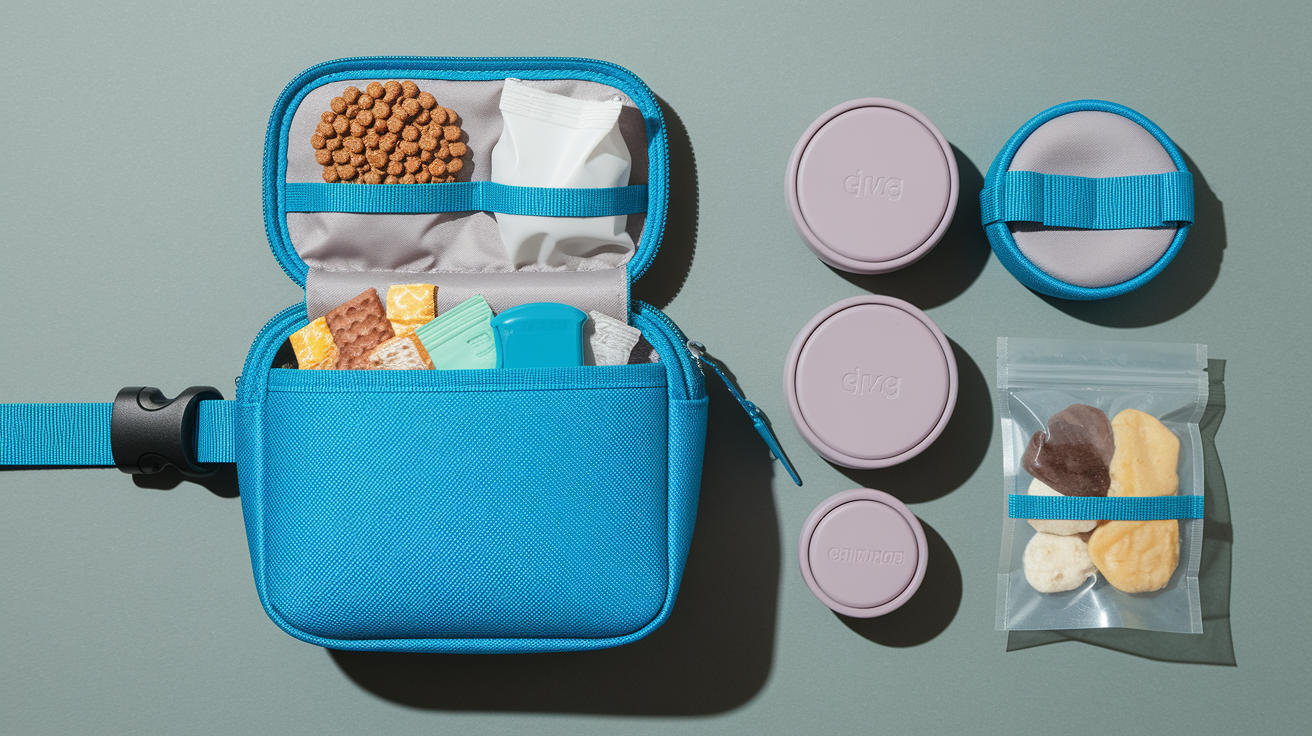
Treat storage starts with moisture control. Freeze dried and air dried treats stay stable at room temperature and don’t require refrigeration, making them ideal for walk carry. Store opened bags in airtight containers or resealable pouches to prevent humidity from softening the texture or reducing shelf life. Small one ounce or six ounce resealable bags slip easily into treat pouches and jackets. If you prep treats in advance, portion them into daily or per walk servings so you’re not hauling a full container on every outing.
Carrying treats efficiently means choosing the right pouch or container. Waist worn treat pouches with magnetic closures let you grab a reward in under a second, critical when marking a perfect heel or a quick recall. Drawstring closures are slower and tend to spill if you leave them open mid walk. Pouches with removable liners work well if you carry moist or sticky treats, since you can prep the liner at home, refrigerate it with soft treats inside, and pop it into the pouch just before leaving. Extra pockets for poop bags, a clicker, keys, or a small toy keep everything you need in one place. For more details on pouch features like magnetic closures, removable liners, and walk length capacity, see Reviewing My 5 Favorite Dog Training Treat Pouches.
Odor control matters if you’re carrying high value fish or tripe. Small airtight tins or odor proof silicone containers prevent smells from migrating into your coat or car. If you use a treat pouch, wash it regularly. Most are machine washable or easy to wipe clean. Freeze dried treats produce less residue than soft or greasy options, so they keep pouches cleaner longer.
Resealable bags (one ounce or six ounce) work great for freeze dried and air dried treats. Waist worn treat pouches with magnetic closures provide instant access. Removable pouch liners allow moist or sticky treat prep and fridge storage. Small airtight tins or silicone containers handle odor prone high value rewards. Machine washable or wipe clean pouches maintain hygiene between walks.
Portioning, Calorie Control, and Treat Timing on Walks
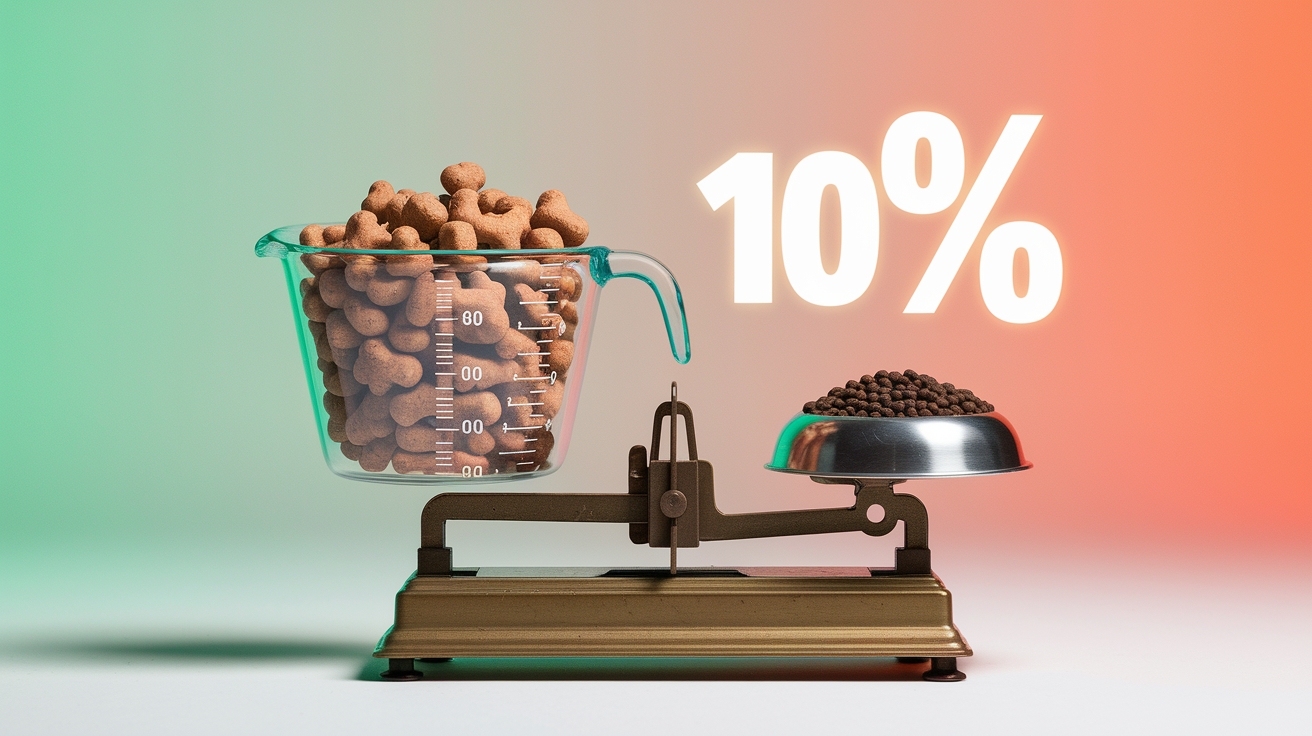
The standard treat rule for small dogs: keep all treats and snacks under ten percent of daily caloric intake. A five pound dog eating roughly 200 calories per day can have up to 20 calories in treats. A ten pound pup at 350 daily calories gets about 35 treat calories. Calorie density varies widely. Vital Essentials Minnows clock in at 82 kcal per ounce, so one ounce broken into fifty pea sized pieces gives you fifty outdoor rewards at about 1.6 calories each. Raw Paws Green Tripe sits at 155 kcal/oz (higher value, higher calorie) so use it sparingly for tough distractions and rely on lower calorie options for routine loose leash reinforcement. Air dried foods like ZiwiPeak range from 256 to 284 kcal per scoop. A small pinch goes a long way for toy and teacup breeds.
Timing and frequency shape behavior more than treat size alone. Mark and reward your pup every few steps during early loose leash training, then gradually increase the distance between rewards as walking improves. Use high value treats (tripe, herring, liver) only when your dog chooses focus over a major distraction, like another dog, a jogger, or an interesting smell. Save lower value freeze dried chicken or beef bites for calm, steady walking and routine check ins. This two tier strategy keeps high value rewards exciting and prevents your pup from tuning out because every reward tastes the same.
Portion control during the walk means breaking larger treats into many tiny pieces. A single strip of beef jerky can become twenty rice sized rewards. One freeze dried minnow might split into five or six bits. Carry a small amount (enough for the planned session) so you’re not tempted to over reward or let your pup fill up on treats instead of meals.
Deliver high value treats (fish, tripe, organ meats) only during high distraction moments to maintain novelty and motivation. Use low value treats for routine behaviors like steady walking, check ins, and calm sits. Break all treats into pea sized or smaller portions to maximize reward frequency without calorie overload. Reward within one to two seconds of the desired behavior to reinforce the exact action. Reduce meal portions slightly on high treat volume training days to stay within daily calorie limits. Avoid free feeding treats. Every piece should mark a specific behavior or response.
Walk Friendly Buying Guide: Choosing the Best Portable Training Treat for Your Small Dog

Start with the ingredient list. Single ingredient treats (freeze dried minnows, air dried herring, plain bison liver) are safest for dogs with sensitivities and easiest to rotate when troubleshooting allergies. Limited ingredient options (three to six components) work well if your pup tolerates common binders like sweet potato or vegetable glycerin. Avoid grain fillers, artificial colors, and synthetic preservatives. Look for natural vitamin E (mixed tocopherols) or no preservatives at all, especially in freeze dried and air dried formats that stay stable without additives.
Packaging affects both portability and cost. One ounce bags let you test new proteins without commitment and fit neatly into small treat pouches. Six ounce and fourteen ounce resealable packs offer better per ounce value for proteins your pup already loves. Subscription boxes that rotate air dried treats can add variety and work around known allergens, but compare per ounce pricing to bulk single ingredient bags if budget matters. Higher cost brands like ZiwiPeak deliver concentrated nutrition in smaller servings, useful for tiny dogs where three or four pieces suffice per walk.
Read the ingredient list first. Choose single ingredient or limited ingredient treats. Skip grains, fillers, and artificial additives.
Check texture and format. Freeze dried and air dried break cleanly. Avoid crumbly powders or overly greasy soft treats that dirty pouches.
Compare calorie density. Lower kcal/oz options (80 to 120 range) let you reward more frequently. Save higher calorie treats (150+ kcal/oz) for high value moments.
Evaluate palatability for your dog’s preferences. Fish and tripe top the list for picky eaters. Rotate proteins to prevent boredom.
Consider sensitivity and life stage. Puppies need tiny breakable pieces. Seniors benefit from softer textures and joint supporting ingredients like collagen or omega 3s.
Assess portioning ease. Treats that break by hand or come pre sized save time and mess during walks.
Weigh cost against usage. Premium air dried brands work for small dogs because fewer pieces are needed. Larger value packs suit higher frequency trainers willing to portion by hand.
Final Words
Grab your treat pouch and get moving. Use tiny, high-smell, low-mess bites—freeze-dried, air-dried, or soft pieces—so rewards happen fast on walks.
Match treats to needs: tiny breakable pieces for puppies, soft bites for seniors, tripe or herring for picky pups. Pack resealable bags or a magnetic-closure pouch, and keep treats under 10% of daily calories.
Pick from the list and you’ll have the best portable training treats for small dogs on walks ready to go. Happy training!
FAQ
Q: What are the best treats for training small dogs?
A: The best treats for training small dogs are tiny, low-calorie, high-value bites like pea-sized freeze-dried or soft moist treats, easy to carry, quick to eat, and safe for many repetitions.
Q: What do professional dog trainers use for treats?
A: Professional dog trainers use small, very tasty, easy-to-chew treats such as tiny freeze-dried meats, soft training bits, or breakable jerky, because they’re high-value, low-mess, and quick to eat.
Q: What flavor is irresistible to dogs?
A: The flavor dogs find most irresistible is strong-smelling animal protein—fish like herring, tripe, or liver—because those scents grab attention and motivate fast, reliable responses during training.
Q: How to keep small dogs safe on walks?
A: To keep small dogs safe on walks, use a properly fitted harness and short leash, carry visible ID, watch for hazards, avoid overheating, and bring water plus bite-sized treats for breaks and focus.