
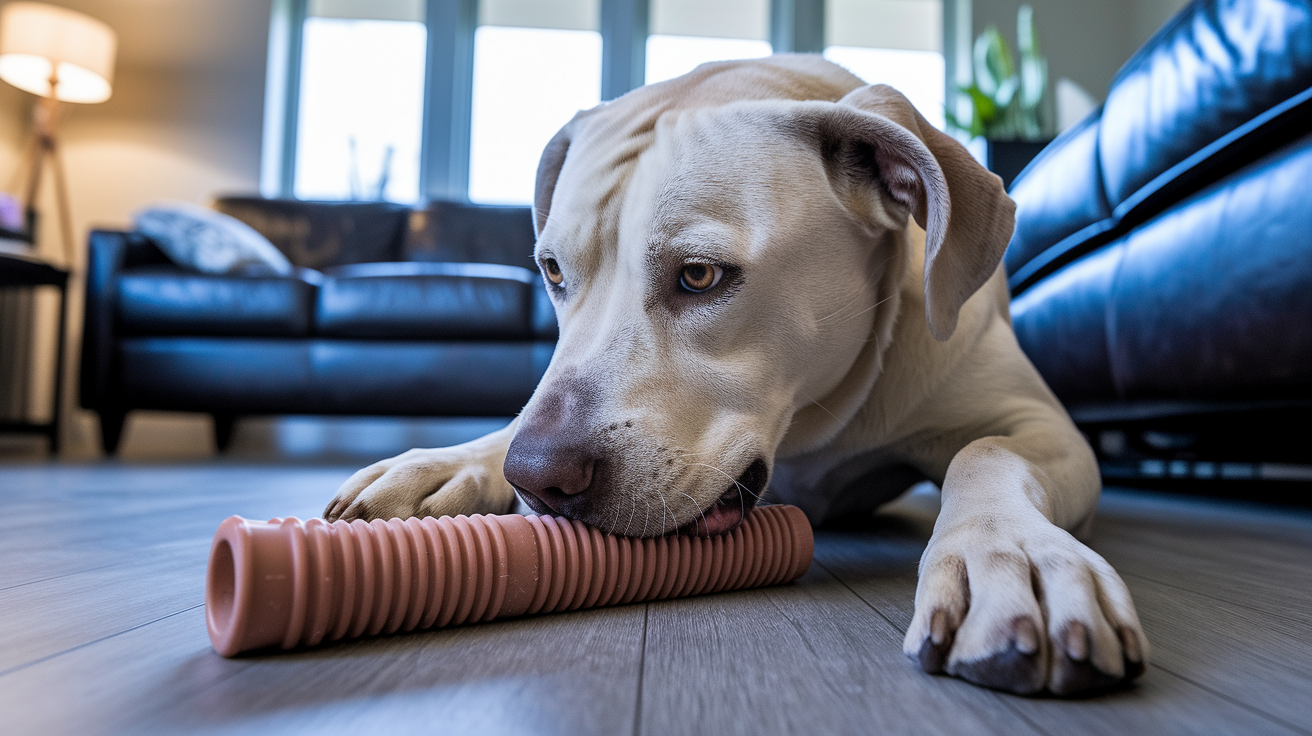
Most so-called “power chewer” dental treats fall apart in a day.
If your dog destroys every chew, you need options that actually last and still clean teeth.
This post rounds up the best long-lasting dental chews that survive aggressive chewers and help fight plaque and tartar.
We compare materials like high-density rubber, nylon, antlers, and yak chews, give sizing tips, and share vet-backed safety rules so you don’t buy the wrong thing.
Top-Rated Long-Lasting Dental Chews That Truly Withstand Aggressive Chewers
You’re looking for a dental chew that can actually survive an aggressive chewer. That means durability in the 7 to 10 range, something that stays intact for weeks or months, and still helps with plaque or tartar. For dogs that destroy everything, you want materials that don’t shred easily, clear signs when it’s time to toss the chew, and a size they can’t just gulp down whole.
Some materials just work better. High-density rubber and engineered blends flex against teeth without breaking into pieces. Nylon and bonded polymers hold up well and often come flavored, but they can develop sharp edges or tiny shards if your dog really goes at it. Natural ultra-hard options like antlers and Himalayan yak chews tend to last the longest, though they come with real tooth-fracture risks. They’re only smart for dogs with healthy, strong teeth. My neighbor’s 70-pound Lab chewed the same rubber ring for eight weeks. A nylon bone? Two days.
Better longevity costs more. You’re looking at roughly $6 to $45. Yak chews and smaller vet-formula edibles sit on the low end, large rubber pieces and premium antlers on the high end. Heavy rubber ($20 to $45) often gives you weeks to months of use. Flavored nylon ($8 to $30) is cheaper up front but you’ll replace it sooner. Here are six product categories that actually perform:
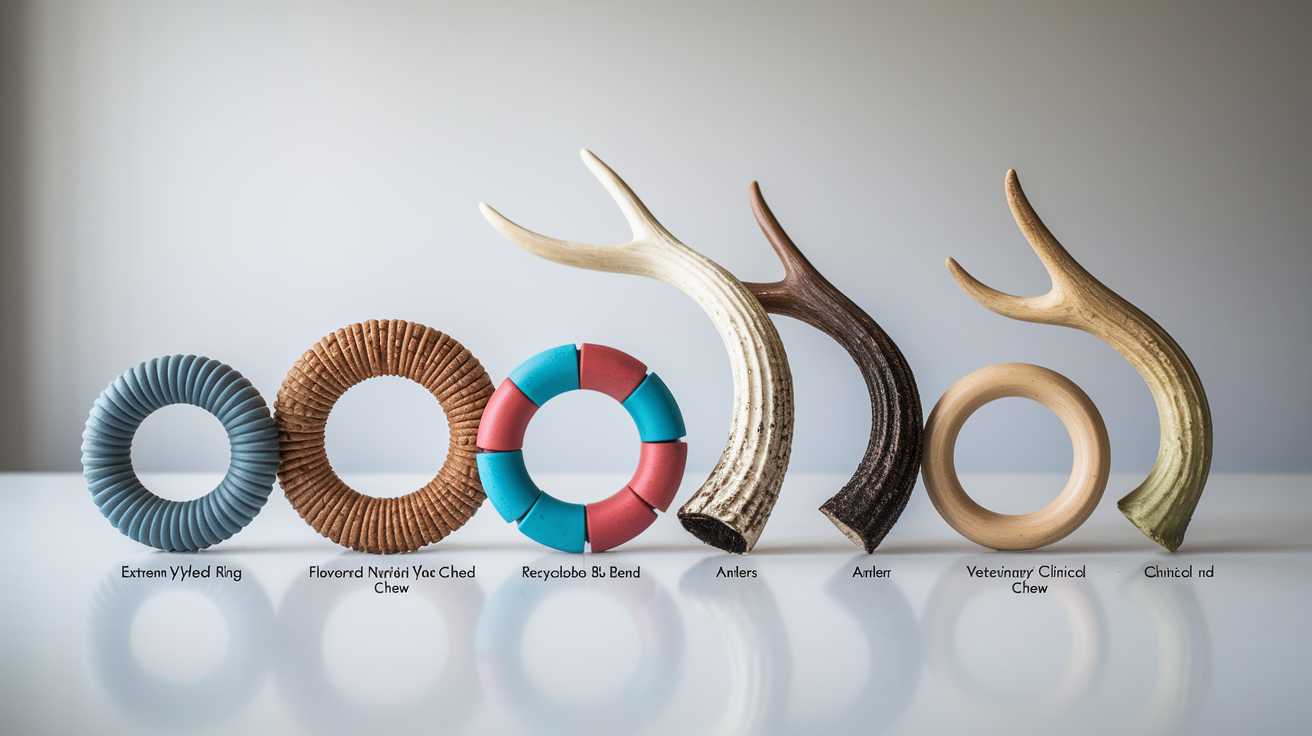
- Extreme vulcanized rubber rings/sticks. Durability: 8 to 10 out of 10. Deep ridges massage gums and scrape plaque.
- Flavored nylon/engineered polymer chews. Durability: 7 to 9 out of 10. Abrasive ridges scrape tartar from molars.
- Recyclable rubber/plastic blends. Durability: 7 to 8 out of 10. Textured surfaces help remove plaque.
- Antlers (deer/elk). Durability: 8 to 9 out of 10. Hard abrasion removes heavy tartar over time.
- Himalayan yak chews (hardened cheese). Durability: 6 to 8 out of 10. Steady chewing polishes teeth.
- Veterinary clinical dental chews. Durability: 2 to 5 out of 10 (not long-lasting). Enzyme or mechanical action reduces plaque/tartar.
How Long-Lasting Dental Chews Work for Aggressive Chewers
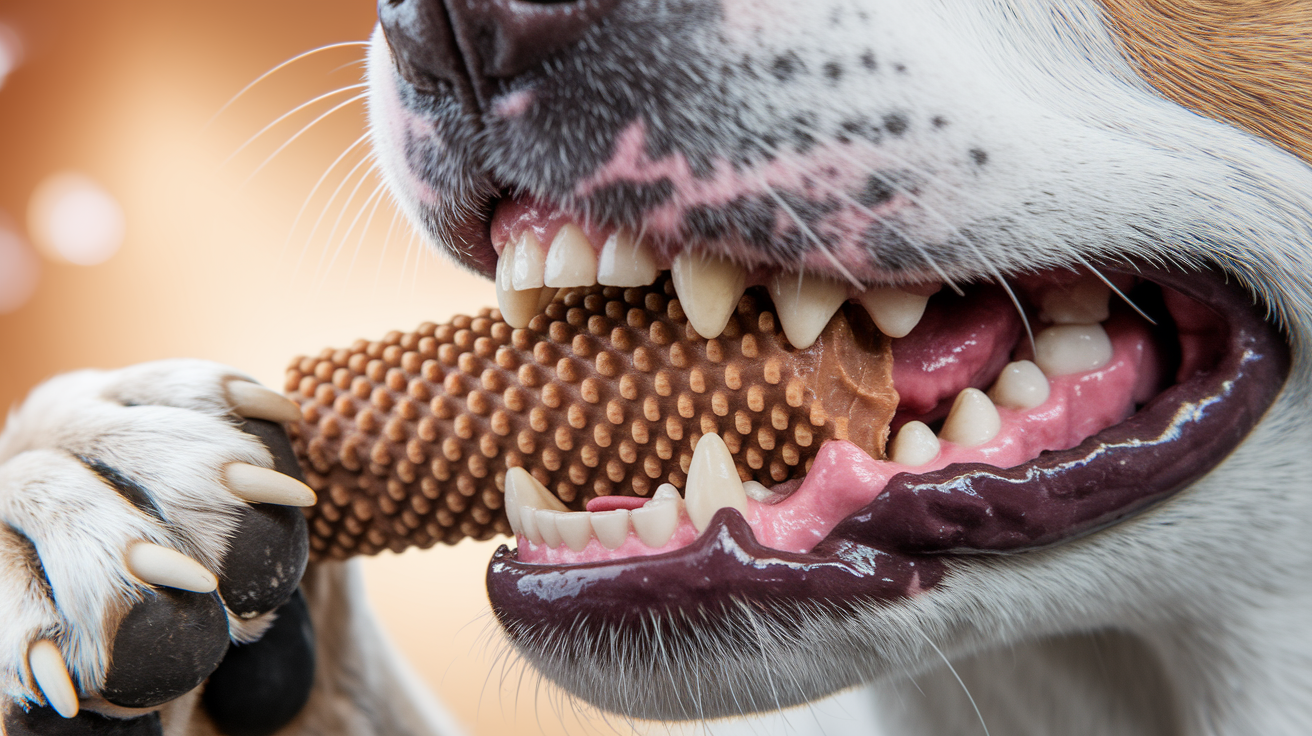
Chews combine physical scrubbing with gum stimulation. Textured surfaces and ridges act like a gentle scrub on tooth surfaces and between molars. High-density rubber flexes just enough to reach crevices and massage gums without stressing enamel too much. Abrasive materials actually scrape away soft plaque before it hardens into tartar.
Edible dental chews use enzymatic action or fiber to reduce plaque chemically or mechanically, but they usually don’t last long for power chewers. No chew replaces brushing or professional cleanings. But the right one can cut down buildup between brushings and make your dog more comfortable with you handling their mouth.
Chews work through four main actions. Mechanical contact where ridges and textures physically remove plaque from tooth surfaces. Gum massage from repeated chewing that increases blood flow and helps gum health. Abrasion, where tougher materials scrape tartar from molars over time. And enzymatic or fiber action in some edible chews that break down plaque or prevent it from sticking.
Material Comparison Guide for Choosing Durable Dental Chews
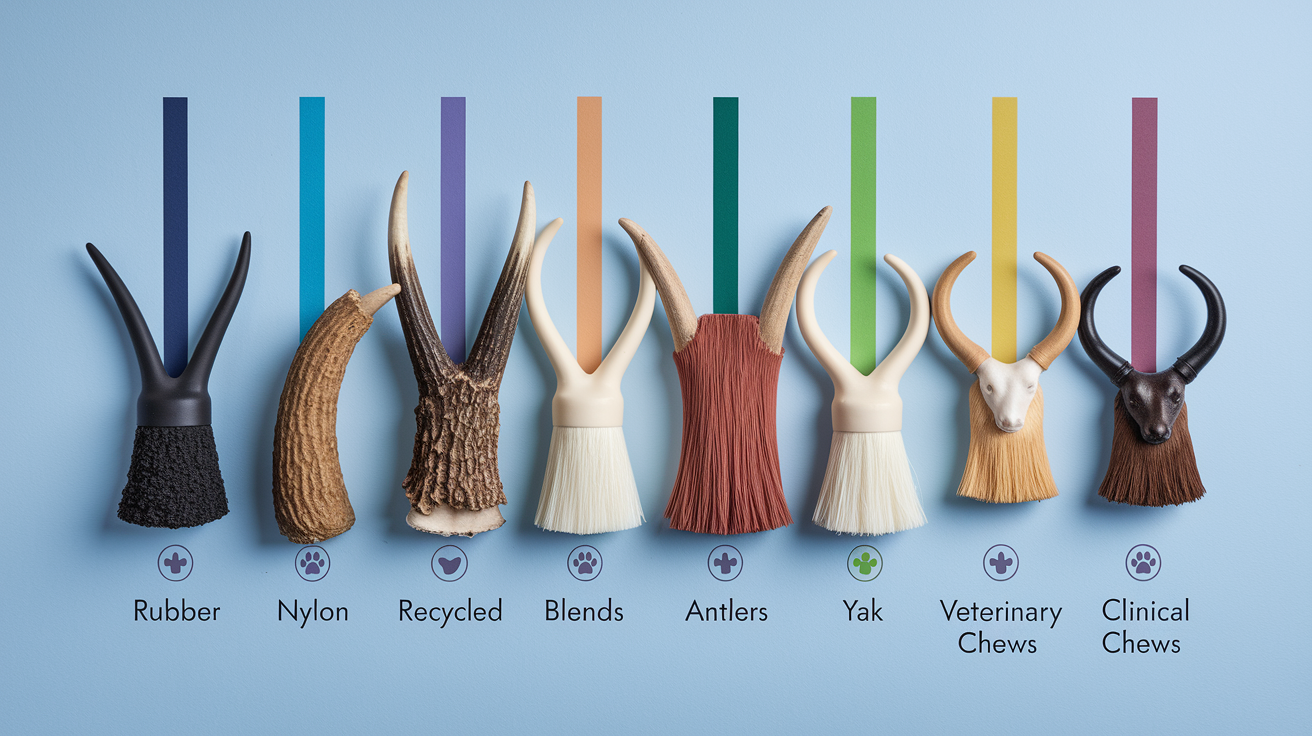
Match material to how your dog chews and their dental health. If you want the longest life and lower fracture risk for an aggressive adult dog, high-density rubber or engineered composites are usually safest. If your dog shreds chews into small pieces, skip thin nylon shapes and go for solid, large pieces you can inspect. Natural hard chews last longest but come with harder trade-offs.
Think about durability, dental action, and risk together. Hardness gives longevity and abrasion, but materials that are too hard increase the chance of tooth fractures. Softer textured rubber offers gum massage and abrasion without the same fracture risk. Flavored options increase engagement but sometimes hide ingredient concerns, so check labels for common allergens.
Rubber & Composite Materials
High-density vulcanized rubber and recycled rubber/plastic blends score around 8 to 10 out of 10 for aggressive chewers. They’re designed with deep ridges that reach molars and flex to clean without being brittle. Many models include wear indicators so you can swap them out before the core gets exposed. Best for heavy daily chewers who need long life and lower fracture risk.
Nylon & Engineered Polymers
Nylon and composite resin chews (often flavored) offer strong abrasion and targeted ridging for molar scraping. Durability sits around 7 to 9 out of 10, but edge thinning and small shards are common failure points for very determined chewers. Replace when edges get sharp or show shredded bits. Best for chewers who respond to flavor and need medium-term abrasion.
Natural Hard Chews (Antlers & Yak Chews)
Antlers and Himalayan yak chews last months for many dogs and score in the 6 to 9 out of 10 range depending on size and dog. They provide strong abrasion and long shelf life, but they’re extremely hard. So they raise tooth-fracture risk and can splinter. Best for robust adult chewers with strong teeth under supervision.
Sizing Long-Lasting Chews for Aggressive Chewers
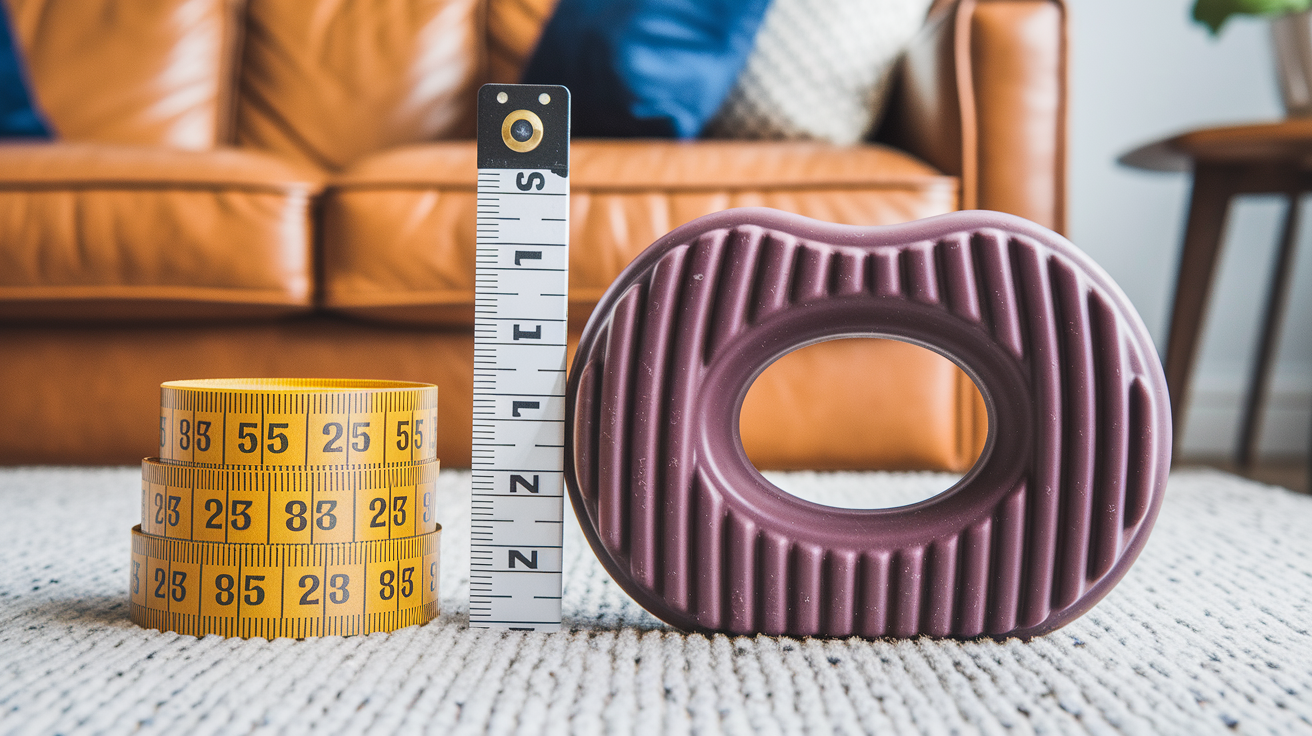
Size matters more than you might think. A good rule: your dog shouldn’t be able to fit the entire chew in their mouth. For aggressive chewers, go toward larger (1.5 to 2 times jaw width) and heavier pieces. For dogs over 50 pounds, choose L or XL. Small breeds and seniors usually need smaller, softer options because their jaws are more fragile and they risk wearing teeth or swallowing chunks.
Match chew length to jaw width and choose shapes that can’t be fully engulfed. Inspect the chew’s intended weight recommendation. Many brands list suitable dog weights. If your dog is a power chewer, pick chews with visible wear indicators or those described as “max-strength” or “engineered for power chewers.”
| Dog Weight Range | Recommended Chew Size | Material Type Best Suited |
|---|---|---|
| Under 25 lb | Small / Medium (3–4″) | Soft rubber, small yak chews |
| 25–50 lb | Medium / Large (4–5″) | High-density rubber, medium nylon |
| 50–90 lb | Large / XL (5–7″) | Vulcanized rubber, large antlers |
| 90+ lb | XL+ (7″+) | Extra-thick rubber rings, XL antlers |
Safety Rules for Long-Lasting Dental Chews for Aggressive Chewers
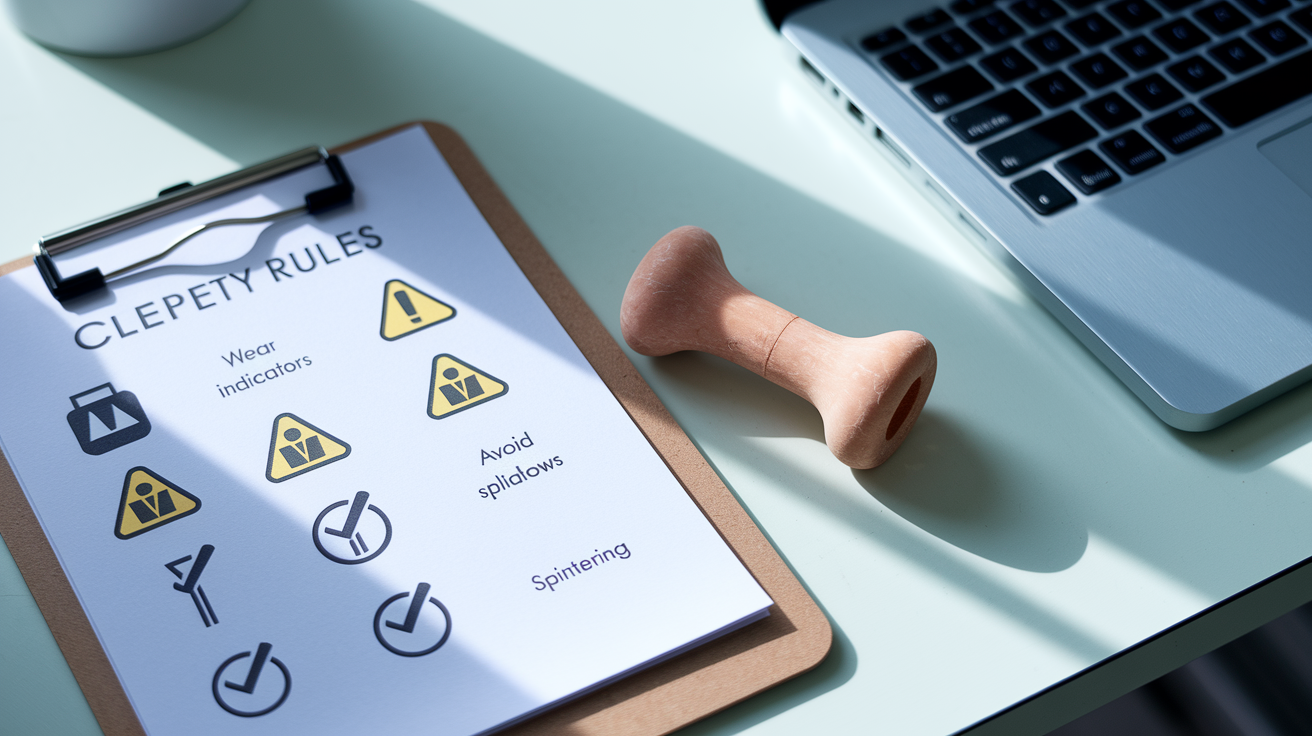
Safety first. Always supervise initial chew sessions for at least 10 to 15 minutes and keep watching until you know how a chew holds up. Replace a chew as soon as sharp edges, thin shards, or exposed cores appear. Avoid cooked bones and low-quality rawhide that tends to splinter and break apart. For dogs with dental disease or brittle teeth, pick softer textured chews recommended by your vet.
Antlers and very hard nylon items increase tooth-fracture risk, especially in older dogs or dogs with existing dental work. If your dog shears off pieces quickly, stop using that material. Watch for digestive upset after new chew types. Some dogs react to natural proteins in yak or antler chews.
Unsafe chew warning signs: Large chunks missing or small sharp fragments present. Exposed internal core or wear indicator reached. Edges have become razor-sharp or pointy. Dog suddenly favors one side of the mouth or refuses to eat. Pieces smaller than 1.5 to 2 inches that are breakable or present.
Veterinarian Insights on the Best Long-Lasting Dental Chews

Veterinarians often favor durable rubber chews for aggressive chewers. The reason is that vulcanized rubber tends to flex and clean without being as brittle as mineral-based items, lowering the risk of tooth fractures while still offering meaningful gum stimulation and plaque abrasion. Many vets recommend models with visible wear indicators so owners know when to stop use.
Vets also appreciate clinical dental chews for plaque control, but they warn these aren’t long-lasting for power chewers. For senior dogs or those with dental disease, vets usually advise softer, texture-focused chews and more frequent professional cleanings rather than ultra-hard items like antlers.
When it comes to raw bones, vets are split. Some will tolerate supervised raw marrow bones for chewing enrichment. Others caution that any real bone can splinter and cause obstructions or fractures. The safest approach vets give: supervise, size correctly, and stop use at the first sign of wear or oral discomfort.
Comparing Longevity & Cost of the Best Long-Lasting Dental Chews
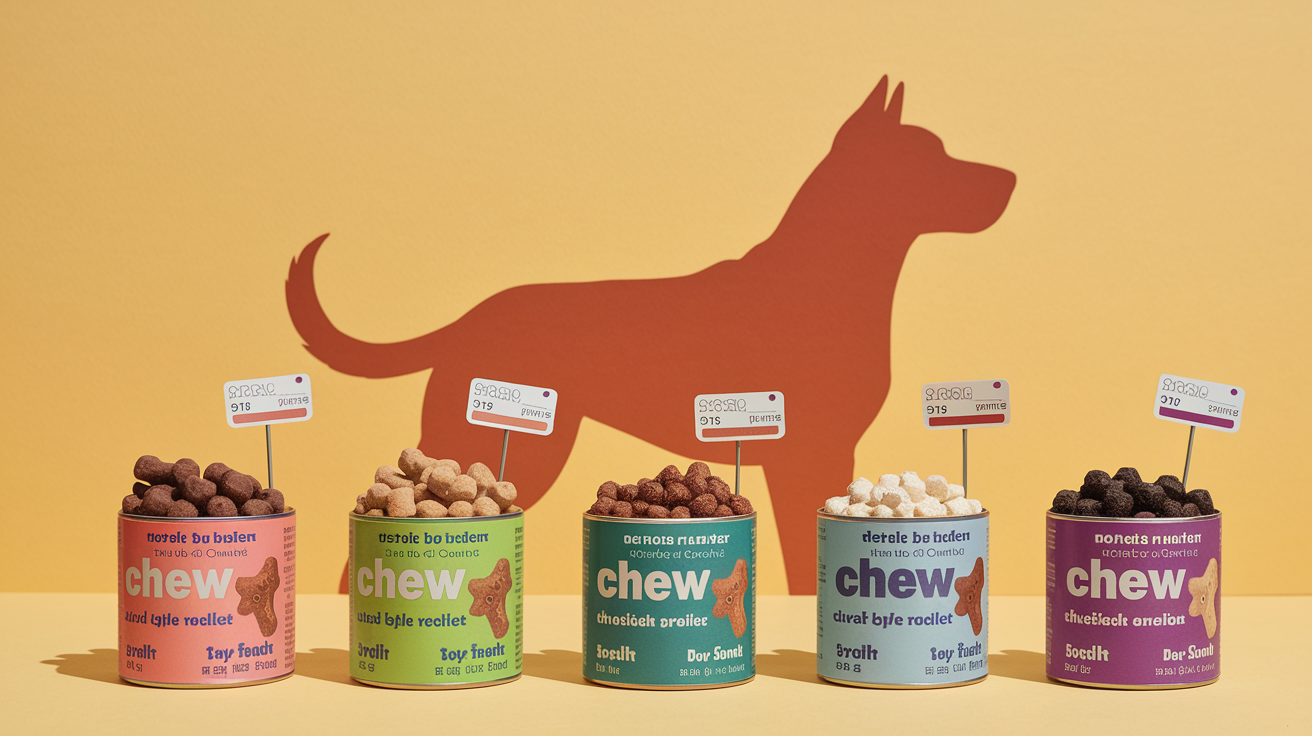
Budget matters, and cost per week is the easiest way to compare. Heavy-duty rubber pieces cost more upfront ($20 to $45) but often last far longer. Weeks to months for 50 to 90 pound aggressive chewers. So cost per month can be lower. Nylon chews run $8 to $30 and last several weeks, though aggressive shredders may need replacements sooner. Antlers and yak chews vary ($6 to $35) and frequently give months of use but carry fracture risks that may lead to vet visits if a problem occurs. Veterinary clinical chews come as packs ($18 to $45) and they’re great for plaque control but short-lived for power chewers.
Below is a simple cost to durability snapshot to help you pick by wallet and bite force.
| Chew Type | Price Range | Durability Rating | Expected Longevity |
|---|---|---|---|
| Heavy-duty vulcanized rubber | $20–$45 | 8–10/10 | Weeks to several months |
| Flavored nylon / polymers | $8–$30 | 7–9/10 | Weeks |
| Recyclable rubber/plastic blends | $15–$35 | 7–8/10 | Weeks to months |
| Antlers (deer/elk) | $8–$35 | 8–9/10 | Months |
| Himalayan yak chews | $6–$30 | 6–8/10 | Weeks to months |
When to Replace Long-Lasting Dental Chews
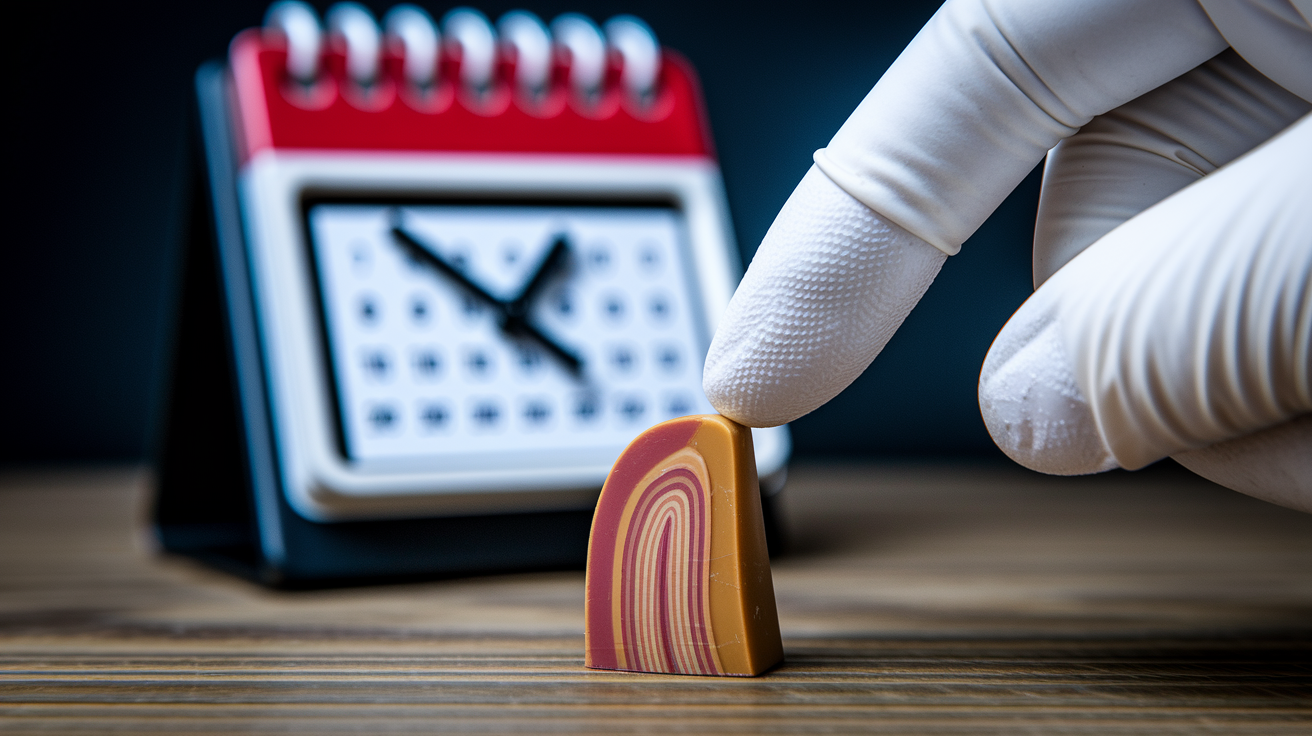
Replace a chew the moment it shows failure signs. For rubber chews, stop when a wear indicator or exposed core appears. For nylon, swap once edges thin or small flakes start appearing. For antlers and yak chews, remove if splintering or sharp shards form, or if the chew is worn down to less than 1.5 to 2 inches. Small pieces are a swallowing hazard.
If your dog suddenly favors one side of their mouth, refuses the chew, or shows drooling, stop the chew and inspect for oral damage. Regularly check chews after every session for aggressive chewers. First few sessions are the most revealing.
Stop at exposed cores or wear indicators. Replace if edges thin or small shards form. Remove antlers or yak chews that splinter or crack. Discard any chew reduced below 1.5 to 2 inches in length.
Alternatives to Long-Lasting Dental Chews for Aggressive Chewers
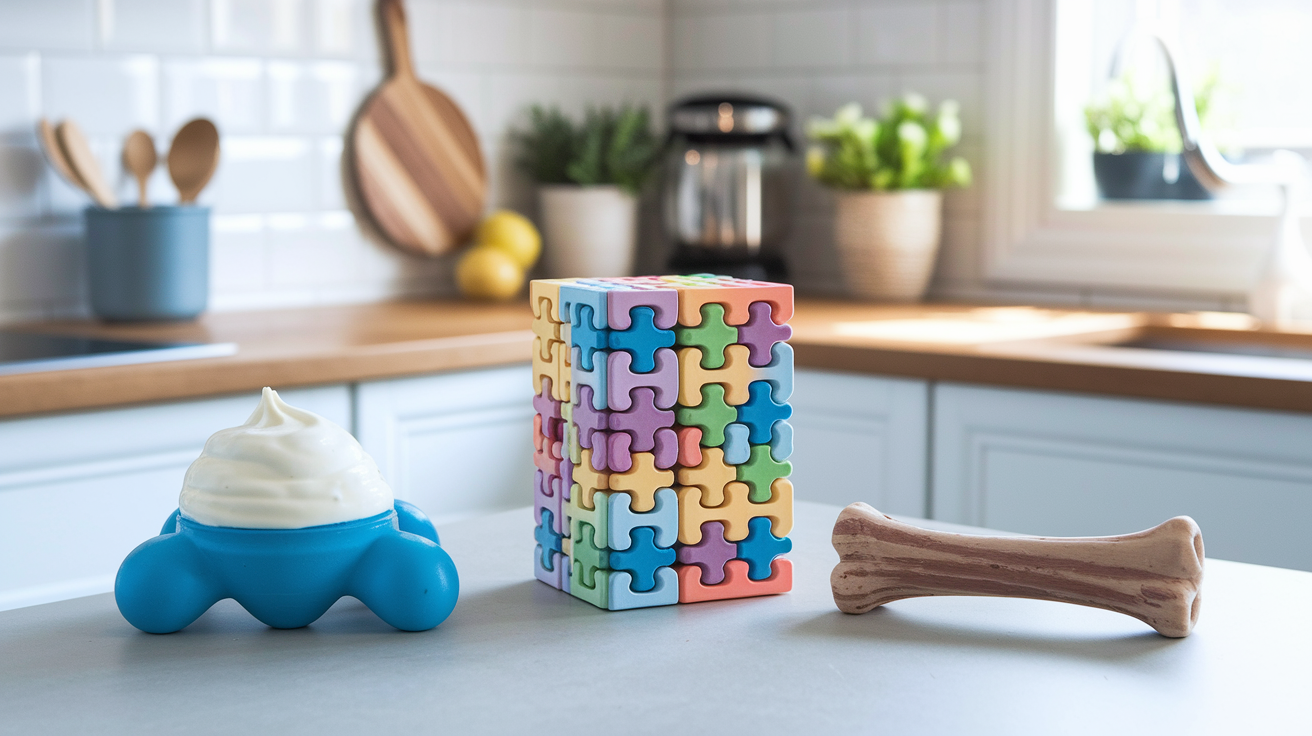
If a chew material isn’t safe for your dog, you’ve got useful alternatives. Frozen KONGs filled with wet food or toothpaste are great for long quiet chewing sessions and they’re temperature-controlled to reduce smelly pockets in your treat pouch. Toy rotation keeps novelty high so your dog doesn’t overwork one single chew into dangerous fragments. Supervised raw bones or large marrow bones can work for some dogs, but they need vet approval and close supervision.
For anxiety-driven chewers, interactive puzzle feeders and longer-lasting rubber toys can redirect the urge to mouth. Freeze-dried long chews (beef or fish sticks) give novel textures but are often consumed faster than durable toys, so they’re less useful for weekend-long occupancy. Combine strategies. Give a long-lasting rubber toy plus a weekly clinical dental chew and brush teeth regularly for best results.
Frozen KONGs filled with yogurt or peanut butter. Toy rotation schedule where you swap weekly to keep interest. Supervised raw bones (only if vet-approved). Freeze-dried chew treats for short enrichment. Interactive puzzle toys that slow consumption.
Quick-Buy Checklist for the Best Long-Lasting Dental Chews
Pick size first, then material and safety features. For aggressive chewers, choose L or XL and prioritize heavy-duty vulcanized rubber or large antlers if your dog’s teeth are strong. Look for wear indicators, clear size guidelines, and chew models rated for power chewers. Expect to spend $20 to $45 for pieces meant to last months, or $8 to $30 for medium-term nylon options. Always supervise the first session, and pair chews with regular brushing.
Pick a size so the dog can’t fit the whole chew in their mouth. Favor vulcanized rubber for durability with lower fracture risk. Choose antlers only for robust adult dogs with strong teeth. Look for visible wear indicators or manufacturer replace rules. Avoid cooked bones and low-quality rawhide. Inspect chews after every session for sharp edges or shards. Rotate chews and include weekly toothbrushing for best oral health.
Final Words
We jumped straight into what makes a chew truly long-lasting: durability ratings, materials like heavy-duty rubber, nylon, antlers, and yak, plus realistic longevity and price ranges.
You got the material comparison, sizing rules, safety signs, vet insights, and cost-versus-durability tips to pick a strong match.
Use the checklist, watch for wear, and swap chews when edges thin. The best long-lasting dental chews for aggressive chewers match your dog’s size and bite, so treat time stays safe and satisfying.
FAQ
Q: What are the long-lasting chews for heavy chewers?
A: The long-lasting chews for heavy chewers include heavy-duty rubber toys, durable nylon or engineered polymers, natural antlers, and Himalayan yak chews; they help clean teeth when combined with brushing and vet cleanings.
Q: What do vets recommend for aggressive chewers?
A: Vets recommend durable rubber or veterinarian-formulated dental chews for aggressive chewers; they favor flexible, non-brittle materials, advise supervision, and warn against very hard chews for senior dogs to reduce fracture risk.
Q: Can dogs with pancreatitis have dental sticks?
A: Dogs with pancreatitis can sometimes have dental sticks, but many sticks are high in fat; check with your vet, choose low-fat, limited-ingredient options, or avoid chews during flare-ups.