
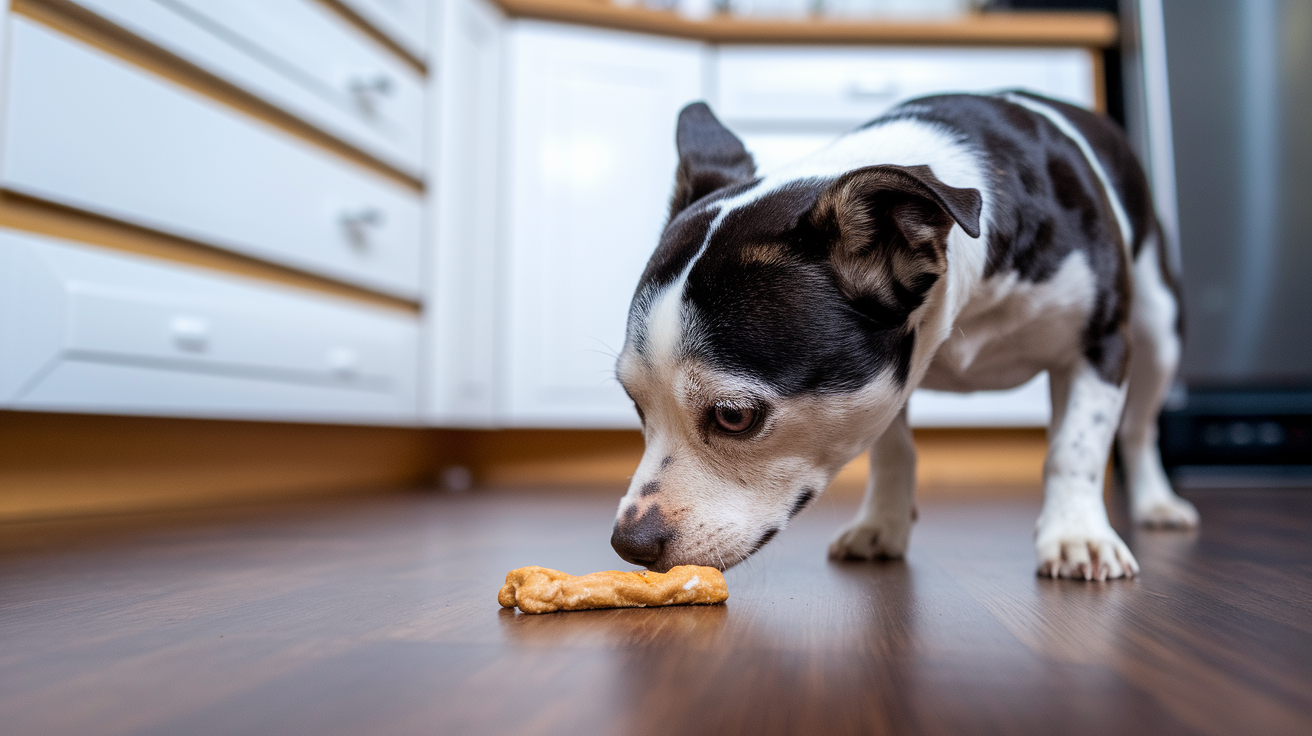
Think your tiny dog is just being “picky”?
Often it’s not fussiness.
It’s about smell, size, and texture.
High-value training treats cut through the chaos with a stronger scent, real meat, and pieces small enough for toy mouths so you can reward dozens of times without filling up a little tummy.
This post shows the best high-value training treats that actually work for picky small dogs, and how to use them for quick wins in training and better focus.
Top High‑Value Training Treats for Picky Small Dogs
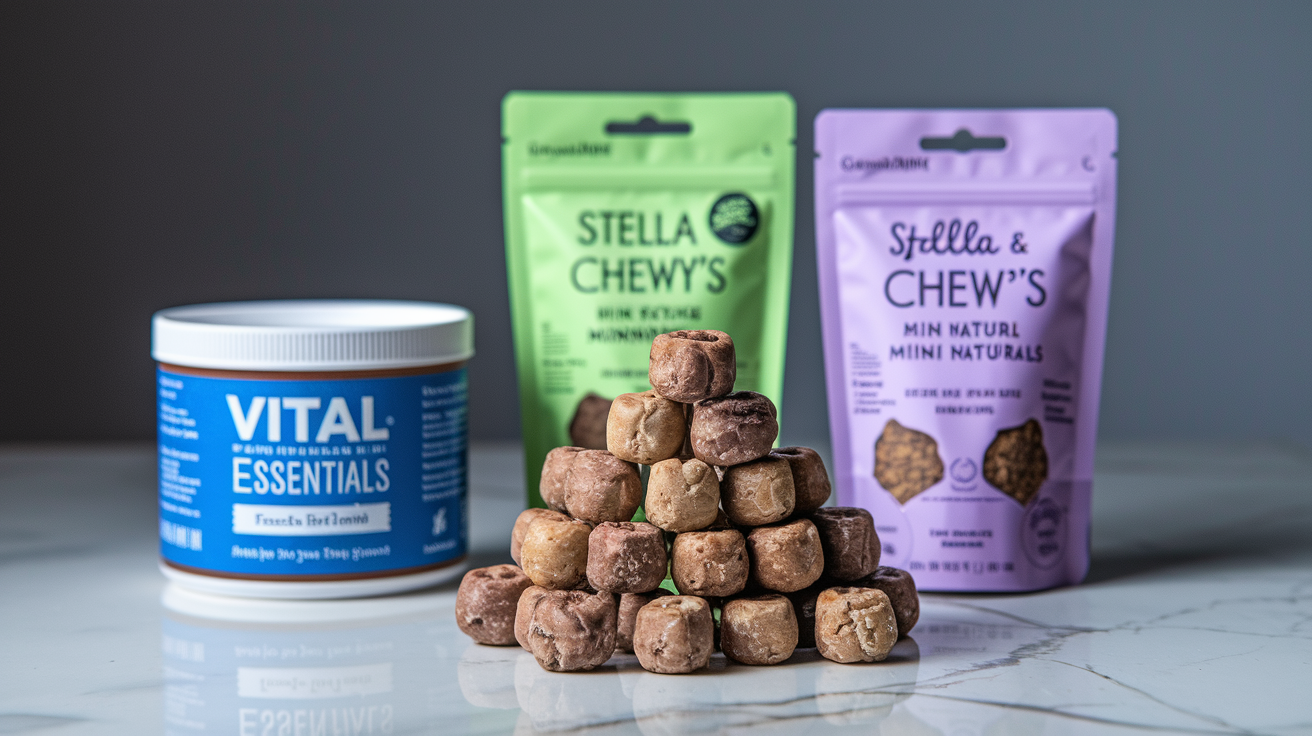
High‑value training treats are exactly what picky small dogs need when you’re trying to teach something tricky or keep their attention in a chaotic setting. These treats beat everyday kibble on smell, flavor, and texture. They’re made with real meat or single proteins, designed to be more interesting than what’s already in the bowl. For a small breed that won’t even look at generic biscuits, the right high‑value option can flip a stubborn “no thanks” into full‑on focus.
The treats that work best for selective small dogs have a few things in common. They smell strong enough to beat squirrels, passing dogs, or doorbell madness. They’re small or break easily into tiny pieces so you can reward fast without filling up a little stomach. And they skip the long ingredient lists. Picky dogs usually go for the clean, concentrated taste of single‑protein or limited‑ingredient options. Soft textures win when you need quick reinforcement, but freeze‑dried crunchy pieces work too if your dog likes a satisfying snap.
Six standout high‑value treats for picky small breeds:
- Vital Essentials Freeze‑Dried Minnows – Tiny whole fish, crazy aromatic, under 2 calories per piece. Good for training and as meal toppers.
- Stella & Chewy’s Beef Heart Treats – Freeze‑dried single‑ingredient organ meat. Strong scent, crunchy texture, around 4 calories per piece.
- Zuke’s Mini Naturals L.I.D. Chicken – Soft, limited‑ingredient recipe at about 3 calories per treat. Easy to pocket and hand out quickly.
- Merrick Power Bites Soft & Chewy Salmon – Grain‑free salmon bites, roughly 2 calories each, sized for small mouths and rapid rewards.
- Pet Botanics Mini Training Rewards – Tiny soft bites under 1.5 calories. Available in liver and bacon flavors most picky dogs can’t refuse.
- Orijen Freeze‑Dried Treats (various proteins) – Single‑protein options like lamb or wild boar. Crunchy, nutrient‑dense, around 3 to 5 calories per piece.
When a small dog’s being choosy, these treats offer the scent punch and flavor intensity that basic biscuits can’t touch. Save them for training sessions, new behaviors, or moments when you really need your dog’s full attention. Using them sparingly keeps them special and keeps motivation high.
Ingredients That Make Treats Appealing to Selective Small Dogs
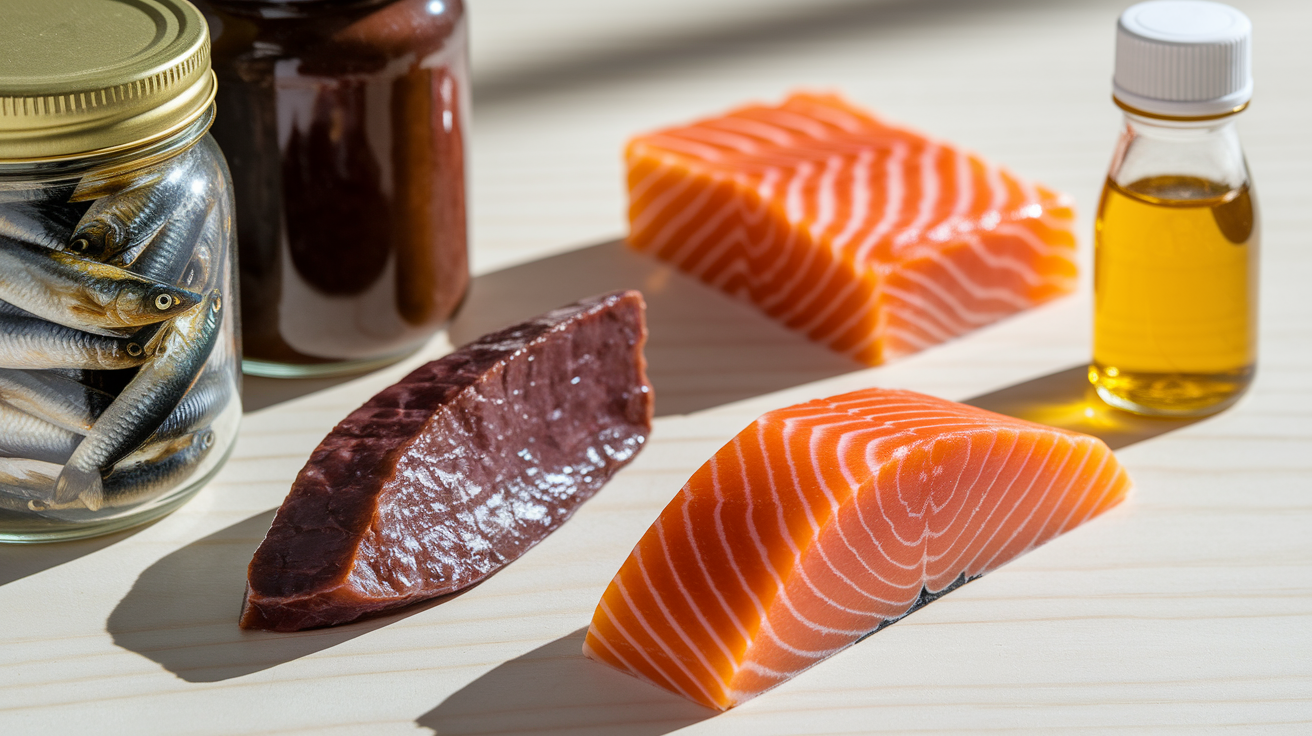
Picky small dogs notice what’s inside a treat. They can tell the difference between a filler‑heavy formula and a treat built on real protein. High‑value treats put meat or fish at the top of the ingredient panel. Freeze‑dried beef, chicken liver, whole salmon, or single cuts like beef heart. That concentrated protein delivers the smell and taste that grabs a selective eater’s interest. Fillers like corn, wheat, and soy don’t add much appeal. Some dogs just turn away from them.
Limited‑ingredient formulas work well for picky small breeds because there’s nothing to water down the main flavor. A treat made from just freeze‑dried minnows or beef liver gives your dog a pure, strong taste. It also makes things easier if your dog has a sensitive stomach or known food triggers. Fewer ingredients mean fewer chances for digestive trouble and clearer signals about what your dog actually likes.
Five ingredients that reliably appeal to selective small dogs:
- Freeze‑dried single‑protein meats (chicken, beef, lamb, rabbit)
- Organ meats (liver, heart, tripe) for intense smell and nutrient density
- Single‑source fish proteins (salmon, cod skin, minnows) with natural omega oils
- Bone broth–infused soft treats that add moisture and savory depth
- Salmon oil or other natural oils that boost scent and support coat health
When you see these ingredients leading the list, you’re looking at a treat built to motivate. Strong‑scent proteins like liver and fish work best when distractions are high or a new skill is tough. Real meat and simple recipes also mean you can feel good about what you’re feeding during all those reps of “sit,” “stay,” and “come.”
Texture, Smell, and Palatability Factors

Texture matters more to small dogs than most people think. A treat that’s too hard can be uncomfortable for a toy‑breed mouth or a senior dog with fewer teeth. A piece that’s too soft might stick to your fingers or turn into mush in a treat pouch. Picky small dogs usually want either a tender, easy‑to‑chew soft bite or a light, crispy freeze‑dried piece that snaps cleanly. Both textures let them eat fast and get back to training without grinding through a dense chew.
Smell is the hook. A high‑value treat needs to announce itself from across the room or the dog park. Freeze‑dried proteins keep their natural scent because the gentle drying process locks in oils and enzymes. Soft‑baked treats infused with liver or fish broth also carry strong scent profiles. When your picky dog lifts their nose and locks onto the treat pouch, that’s palatability at work. The stronger the smell, the easier it is to compete with environmental chaos like other dogs, food on the ground, or interesting scents on a walk.
Palatability combines smell, texture, and taste into one quick judgment your dog makes the second you offer the treat. For a selective eater, palatability has to be obvious. Right away. That’s why single‑ingredient freeze‑dried options and soft training bites with real meat or fish tend to win. They deliver a clear, concentrated flavor without mystery fillers or coatings that might turn a picky dog off.
Calorie Counts and Portion Sizes for Training Small Dogs

Small dogs pack on weight fast, so calorie control during training isn’t optional. A toy breed can easily tip into overweight territory if training treats aren’t portioned carefully. High‑value treats for training should stay under 3 to 5 calories per piece. Many of the best options come in closer to 1 to 2 calories. That range lets you reward dozens of times in a session without worrying about excess calories replacing balanced meals.
Portion sizes follow the same rule. Even if a treat is labeled “training size,” check whether it’s truly small enough for a Chihuahua, Pomeranian, or Yorkie. Pea‑sized pieces or slim freeze‑dried slivers are what you want. If a treat is larger, break it into halves or quarters before the session starts. Keeping portions tiny means you can reinforce behavior quickly and often, which is exactly how training works for small, easily distracted dogs.
| Treat Type | Average Calories per Piece |
|---|---|
| Freeze‑dried minnows or small fish | 1–2 |
| Soft limited‑ingredient chicken or salmon bites | 2–3 |
| Freeze‑dried beef liver or organ meat | 3–5 |
| Grain‑free soft training morsels | 2–4 |
| Mini baked treats with cheese or protein flavor | 4–7 |
Price and Value Comparison of Popular High‑Value Treats
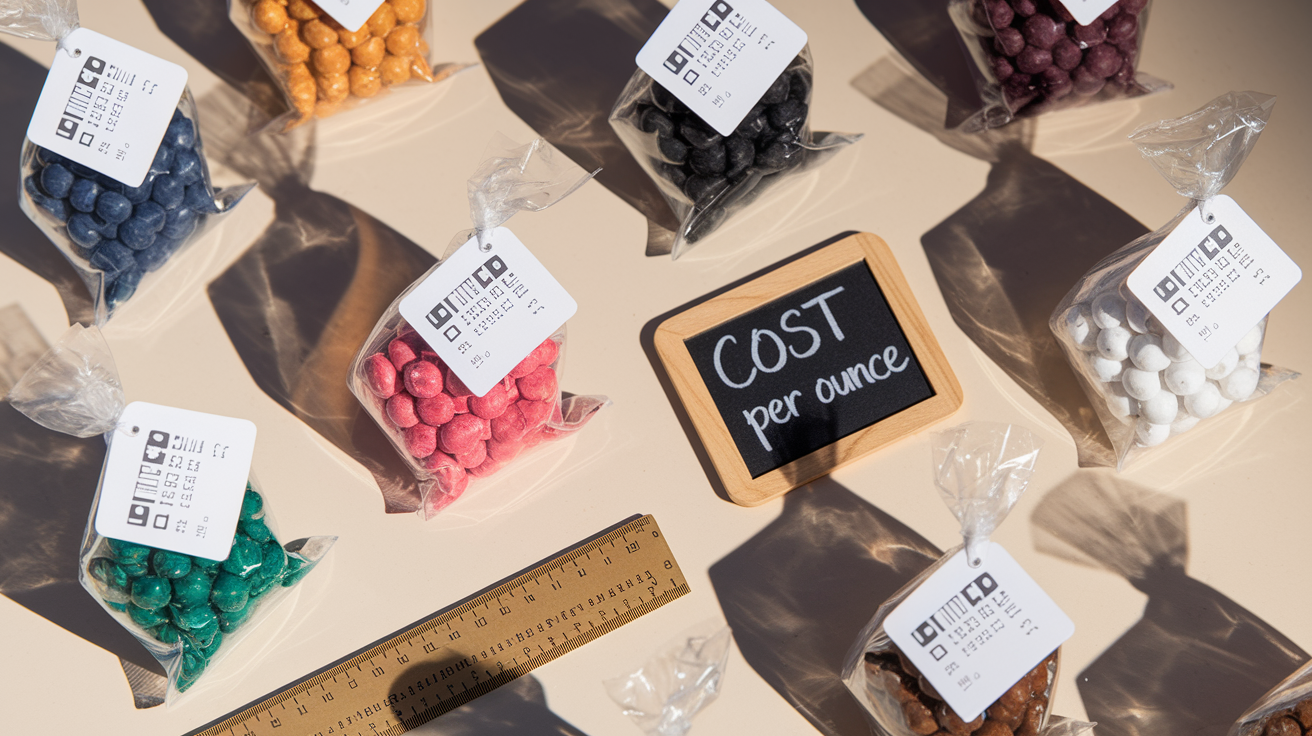
High‑value treats cost more per ounce than standard biscuits. That’s mostly because of what goes into them. Freeze‑dried proteins require careful sourcing and gentle processing to preserve scent and nutrients. Single‑ingredient treats skip fillers, which means you’re paying for pure meat or fish instead of grain bulking up the bag. Soft training treats with human‑grade ingredients also run premium. But when a picky small dog finally engages in training, the extra dollars per bag often feel worth it.
| Treat Name | Type | Price Range | Cost per Ounce |
|---|---|---|---|
| Vital Essentials Freeze‑Dried Minnows | Freeze‑dried fish | $15–$18 | ~$2.50 |
| Zuke’s Mini Naturals L.I.D. Chicken | Soft limited‑ingredient | $7–$10 | ~$1.00 |
| Stella & Chewy’s Beef Heart Treats | Freeze‑dried organ meat | $12–$15 | ~$2.00 |
| Pet Botanics Mini Training Rewards | Soft mini bites | $6–$9 | ~$0.75 |
| Merrick Power Bites Salmon | Soft grain‑free | $7–$11 | ~$1.10 |
| Orijen Freeze‑Dried Treats | Freeze‑dried single protein | $10–$14 | ~$1.80 |
Pros and Cons of High‑Value Treat Types
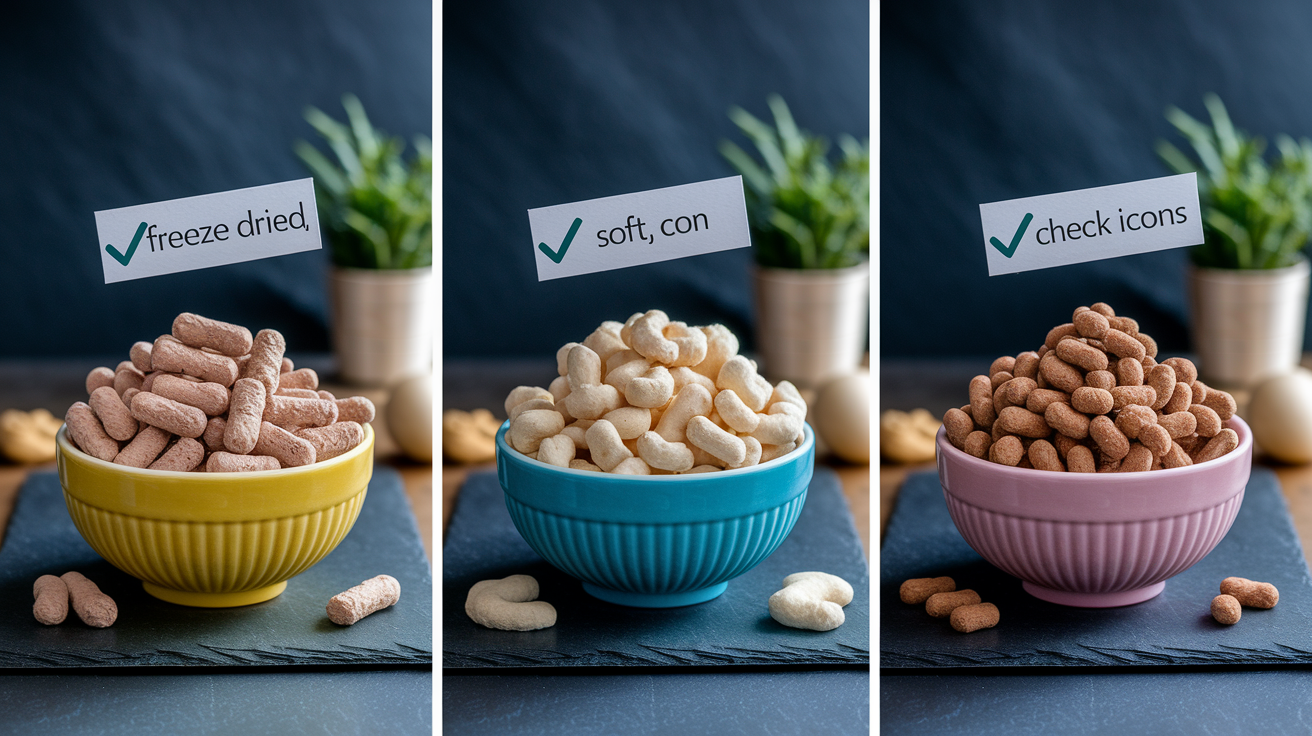
Each style of high‑value treat brings something different to the table. Freeze‑dried treats deliver the most intense smell and flavor, making them incredibly motivating for picky small dogs. They’re lightweight, shelf‑stable, and easy to portion. The downside is price. Freeze‑dried options often cost two to three times more per ounce than soft treats. They can also crumble in your pocket if you’re not careful, leaving a mess of protein dust.
Soft training treats are convenient and tasty. Most small dogs chew them quickly, which keeps training sessions moving. They’re usually mid‑priced and come in resealable pouches that travel well. The main drawback is shelf life once opened. Soft treats can dry out or get sticky if you don’t seal the bag tightly. Some formulas also include more ingredients than freeze‑dried options, which may reduce appeal for the pickiest eaters.
Freeze‑dried treats:
- Super aromatic and highly motivating for selective dogs
- Long shelf life and lightweight for portability
- Higher cost per ounce and can crumble into dust
Soft training treats:
- Easy to chew and quick to eat during rapid reinforcement
- Mid‑range price and widely available in small‑breed sizes
- Can dry out or become sticky. May contain more ingredients than single‑protein options
Crunchy mini bites:
- Low mess in pockets and treat pouches
- Often grain‑free with strong flavors like cheese or bacon
- Less enticing scent than freeze‑dried or soft high‑value treats. Can be harder for tiny or senior mouths
Expert and User Feedback on Treats for Picky Small Dogs

Vets and professional trainers consistently recommend single‑protein, aromatic treats for picky small breeds during training. The advice centers on keeping ingredient lists short and scent levels high. Dogs learn faster when the reward is genuinely interesting, and selective eaters need that extra sensory appeal. Vets also point out that small dogs are prone to weight gain, so portion control and calorie‑conscious treat choices matter as much as taste.
Real feedback from owners of picky small dogs backs this up. Freeze‑dried fish and organ meats come up over and over as game‑changers for dogs that ignore biscuits. Owners report that strong‑smelling proteins work where everything else failed, especially in distracting places like puppy class or busy sidewalks. Tiny bite sizes also get regular mentions. When a treat fits easily into a toy‑breed mouth and disappears in one chew, training flow stays smooth and dogs stay engaged.
User reviews also mention the importance of freshness and packaging. Picky dogs notice when a treat’s been open too long or stored poorly. Resealable bags and small package sizes help keep scent and texture intact. Many owners keep high‑value treats in the freezer or fridge to extend freshness, then portion out a few pieces into a small container for each training session. That extra step keeps the scent strong and the taste appealing, session after session.
How to Choose the Right Training Treat for a Picky Small Dog
Start by matching the treat to your dog’s mouth and chewing ability. Small breeds need pieces they can chew comfortably and swallow quickly. If a treat requires grinding or gnawing, it slows down training and can frustrate a dog with a tiny jaw or missing teeth. Look for labels like “mini,” “training size,” or “bite‑sized,” and check the actual dimensions if you can. When in doubt, go for soft or freeze‑dried options that break easily into smaller portions.
Scent strength is the second filter. If your dog’s genuinely picky, a mild‑smelling biscuit won’t compete with environmental distractions. Go for treats made from strong‑scent proteins like liver, fish, or organ meats. Freeze‑dried formats usually preserve the most scent. If your dog has a sensitive stomach, stick to single‑protein or limited‑ingredient formulas so you can isolate what works and what doesn’t. Novel proteins like rabbit or duck can also be useful if common options like chicken haven’t been motivating enough.
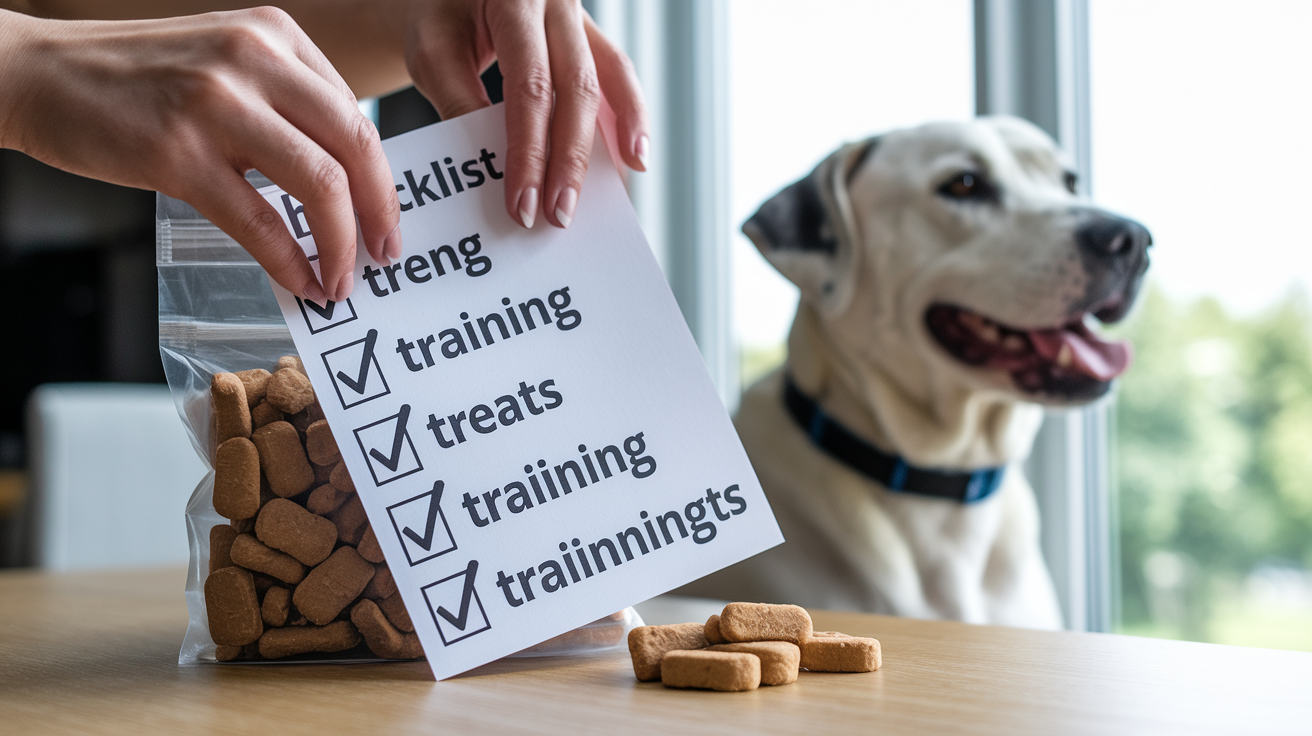
Five‑step checklist for selecting the best high‑value training treat:
- Check calorie count. Aim for 1 to 5 calories per piece to allow frequent rewards without excess calories.
- Evaluate ingredient simplicity. Go for single‑protein or limited‑ingredient treats to get the most scent and fewest digestive triggers.
- Assess size and texture. Choose soft or easily breakable treats sized for small mouths. Skip dense chews during active training.
- Smell the treat yourself. If it has a strong, meaty or fishy scent to you, it’ll be highly motivating to your dog.
- Test and rotate. Offer a new treat indoors first, then outdoors in a distracting setting. Rotate proteins to keep training interesting and prevent flavor fatigue.
Final Words
Go for freeze-dried meats or soft, single-protein bites, because those are the treats picky small dogs actually want. They’re fragrant, low-calorie, and easy to break into tiny training rewards.
We named top picks and why they work. Then we covered ingredients, texture and scent tips, calories and portioning, price trade-offs, pros and cons, expert feedback, and a simple pick-by-step checklist.
Use that checklist to test treats until you find the best high-value training treats for picky small dogs. Happy training—small wins add up fast.
FAQ
Q: What high-value treats are good for picky dogs? What are some high-value dog treats for training?
A: High-value treats good for picky dogs and training are strong-smelling, real-meat options like freeze-dried meats, soft limited-ingredient mini bites, and single-protein chews (e.g., Vital Essentials, Stella & Chewy’s, Zuke’s).
Q: What is the 3 3 3 rule for dog training?
A: The 3 3 3 rule for dog training is rewarding within three seconds of the behavior, keeping sessions about three minutes, and doing roughly three short sessions per day to reinforce learning.
Q: What do professional dog trainers use for treats?
A: Professional dog trainers use tiny, high-value, fast-to-eat treats—freeze-dried meats, soft single-protein minis, or low-calorie training bites—so dogs stay focused and you can reward many reps without overfeeding.