
Think a treat can fix your dog’s diarrhea?
Some pet parents swear by probiotic dog treats, and vets are testing them, but the real answer depends on strain, dose, and your dog.
Probiotic treats deliver live microbes to help rebalance the gut and often help with mild, short-lived tummy upset from stress, diet changes, or antibiotics.
Research shows promise for strains like Enterococcus and Saccharomyces, yet not all treats are the same and results vary.
This post looks at the science, when treats help, and when you need a vet, so you can pick the right option for your pup.
How Probiotic Dog Treats Work for Diarrhea Relief
Probiotics are live microbes that help keep your dog’s gut bacteria balanced. When diarrhea hits, that balance gets thrown off. Could be stress, a sudden food switch, antibiotics, or bad bacteria. Probiotic treats send billions of helpful microbes straight into the digestive tract to normalize stool and ease the upset. Those billions of bacteria do real work: breaking down food, making nutrients, fighting off pathogens. Replenishing them during illness can speed things up.
The research on dog probiotics is growing but still pretty limited compared to what we know about humans. Enterococcus faecium, a strain you’ll see in a lot of vet products, shows promise for shortening diarrhea in clinical observations. Some manufacturers say you’ll see digestive improvement within 4 weeks of daily use, with anxious behaviors dialing down around the 6-week mark. But vet studies can contradict each other, and results vary depending on the strain, dose, and your individual dog. Not all probiotic treats deliver the same punch. Viability, CFU count, and formulation quality are all over the map.
Probiotic treats work best for mild, short-term diarrhea from stress, eating something they shouldn’t have, antibiotics, or minor gut hiccups. They’re a good first move when your dog’s appetite is fine and they’re acting normal otherwise. But they’re not magic. If diarrhea sticks around more than a couple days, you see blood or mucus, or there’s vomiting, lethargy, or dehydration, probiotics alone won’t cut it. You need a vet.
Probiotics help dogs with diarrhea through a few core moves:
- Producing digestive enzymes that break down proteins, fats, and complex carbs, which improves nutrient absorption and stool formation.
- Creating short-chain fatty acids that block harmful bacteria and keep the intestinal environment healthier.
- Modulating the immune system to calm inflammation in the gut lining and cut down irritation.
- Crowding out pathogens by competing for space and nutrients, so harmful bacteria can’t get a foothold.
- Restoring microbial balance after disruptions from antibiotics, stress, boarding, or sudden diet changes.
Long-Term Gut Support and Immune Benefits of Probiotic Dog Treats
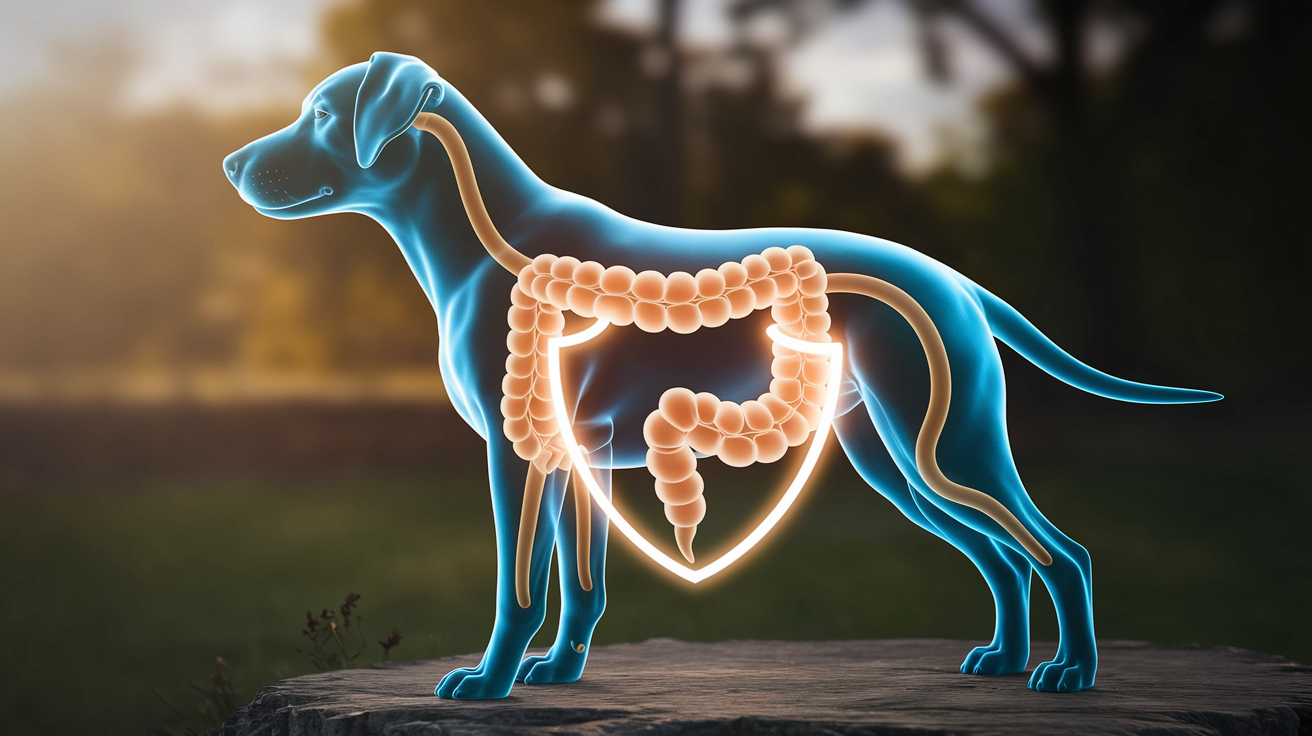
Even when diarrhea isn’t the issue, probiotic treats can play a role in keeping your dog’s digestion on track and supporting immune function. When your dog’s stool is normal, probiotics keep working behind the scenes: making B and K vitamins, strengthening the gut lining, regulating immune responses. Short-chain fatty acids made by beneficial bacteria fuel the cells lining the intestines, keeping that barrier strong and reducing inflammation risk. Dogs on long-term probiotics may have fewer digestive upsets over time, especially if they’re sensitive or prone to stress-related gut problems.
Probiotics also mess with the gut-brain axis, which influences mood and stress response. Some manufacturers report less anxious behavior after 6 weeks of consistent use. The research is still coming together, but the link between gut health and overall well-being is real. For dogs bouncing back from illness, surgery, or long antibiotic courses, probiotics help rebuild a healthy microbial community, supporting nutrient absorption and making them more resilient against future disruptions. They don’t replace a balanced diet or vet care, but they can be part of a proactive wellness routine.
Situations where long-term probiotic use might help most:
- After or during long antibiotic treatment that wipes out natural gut flora
- For dogs dealing with chronic stress from boarding, travel, or household changes
- Following sudden diet changes or introduction of new foods
- In dogs with diagnosed food hypersensitivity or mild allergic reactions
Best Probiotic Strains for Helping Dogs With Diarrhea
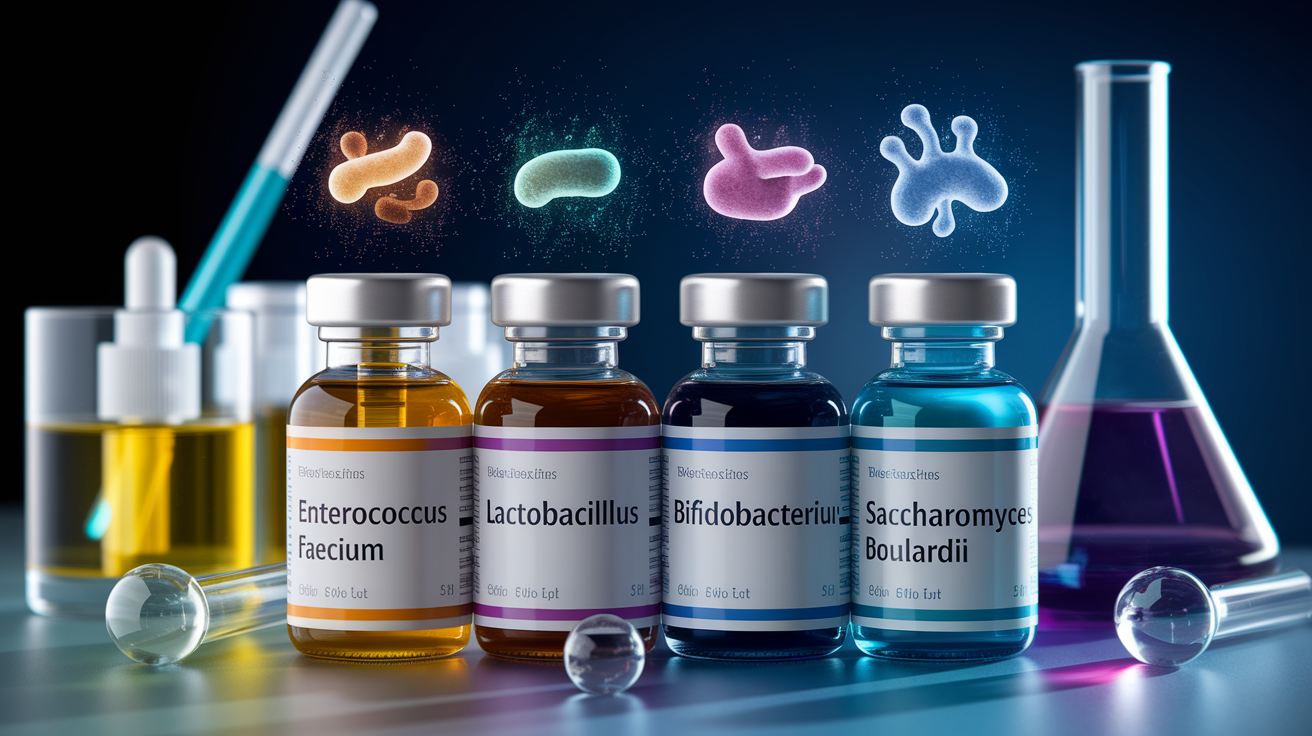
Not all probiotic strains do the same thing. Different species and strains have been studied for specific effects on digestion, immune regulation, and stool quality. Knowing which strains to look for can help you pick a probiotic treat that’s more likely to actually work during a diarrhea episode.
Enterococcus faecium
Enterococcus faecium is one of the most studied probiotic strains in vet medicine. Research shows it may shorten the course of diarrhea in dogs, making it a solid pick for acute digestive upset. This strain shows up in a lot of vet-formulated probiotic supplements and treats because it survives the acidic stomach well and colonizes the intestines effectively. It’s especially useful during recovery from illness or after antibiotic therapy, when the gut microbiome needs help bouncing back.
Lactobacillus Strains
Lactobacillus species, including Lactobacillus acidophilus and Lactobacillus rhamnosus, are recognized for supporting immune function and digestive health. These strains help manage yeast overgrowth, ease diarrhea, and support the gut lining. Lactobacillus probiotics produce lactic acid, which creates an environment that’s less friendly to harmful bacteria. They’re gentle and well-tolerated by most dogs, so they work for both acute diarrhea and ongoing gut maintenance.
Bifidobacterium Strains
Bifidobacterium species, such as Bifidobacterium animalis, are linked to relief from diarrhea and food allergies. These strains are good at modulating the immune system and reducing gut inflammation. Bifidobacterium probiotics often show up in formulas for dogs with sensitive stomachs or chronic digestive issues. They pair well with Lactobacillus strains to give broader gut support.
Saccharomyces boulardii
Saccharomyces boulardii is a beneficial yeast, not a bacteria, and it’s used a lot for dogs with acute diarrhea. Unlike bacterial probiotics, S. boulardii resists antibiotics, so it’s especially helpful during or after antibiotic treatment. It restores balance quickly and has been shown to support normal stool consistency. Some vets recommend it for dogs with persistent or antibiotic-linked diarrhea.
| Probiotic Strain Type | Typical Benefit | Evidence Strength |
|---|---|---|
| Enterococcus faecium | Shortens diarrhea duration, supports post-illness recovery | Moderate (some clinical studies in dogs) |
| Lactobacillus species | Eases diarrhea, supports immune function, manages yeast | Moderate (widely used, limited dog-specific trials) |
| Bifidobacterium species | Reduces inflammation, supports food allergy management | Moderate (emerging evidence, some manufacturer claims) |
| Saccharomyces boulardii | Acute diarrhea support, antibiotic-associated dysbiosis | Moderate (used in veterinary practice, limited canine trials) |
Probiotic Treat Dosing, CFUs, and How Long Improvement Takes

CFU stands for colony-forming units. It’s how we measure how many live, viable microorganisms are in each dose. Probiotic treats can range from a few million CFUs per piece to billions, and the right dose depends on your dog’s weight, the specific product, and how bad the digestive issue is. Most manufacturers give weight-based dosing instructions on the label. Follow them closely. For example, PetHonesty Digestive Probiotics Soft Chews contain 6 billion CFUs per serving from over half a dozen strains, which is a solid mid-range dose for most dogs. Higher CFU counts aren’t always better. The strain type and viability matter just as much as the number.
Timeframe for improvement varies. Manufacturer reports often cite noticeable digestive improvements within 4 weeks of daily use, with some dogs responding faster. In acute diarrhea situations, you might see firmer stools within a few days if the probiotic matches the cause. But if diarrhea lasts beyond a couple days or gets worse, the probiotics alone aren’t doing the job. You need vet care. Starting with a smaller dose and gradually increasing can help prevent temporary digestive upset as your dog’s gut adjusts to the new microbes.
Best practices for dosing probiotic treats:
- Always follow the package instructions and dose based on your dog’s current weight.
- Start with the lower end of the recommended range and increase slowly over a few days.
- Give the probiotic at the same time each day, ideally with or after a meal, to support survival through the stomach.
- Monitor stool consistency daily and note any changes in appetite, energy, or behavior.
Safety, Side Effects, and When Probiotic Treats Should Be Avoided
Probiotic treats are generally safe for most dogs, but some individuals may have temporary digestive upset when first starting. Symptoms can include loose stool, mild gas, or changes in appetite, especially if the dose is too high or the transition is too quick. These side effects usually don’t last long and go away as the gut adjusts. If your dog’s diarrhea gets worse, or if you see blood, mucus, vomiting, dehydration, or lethargy, stop the probiotic and contact your vet right away. Probiotics aren’t a substitute for professional care when symptoms are severe or won’t quit.
Severely immunocompromised dogs shouldn’t get probiotics without vet guidance. In rare cases, introducing live microorganisms can pose a risk to dogs with weakened immune systems, like those undergoing chemotherapy or with certain autoimmune conditions. Puppies and senior dogs can benefit from probiotics, but their systems are more fragile, so it’s smart to consult a vet before starting any new supplement. Also, check the ingredient list carefully. Some probiotic treats have added proteins, sweeteners, or fibers that could trigger allergies or worsen digestive upset in sensitive dogs. Never give a product containing xylitol, which is toxic to dogs.
Choosing Effective Probiotic Dog Treats
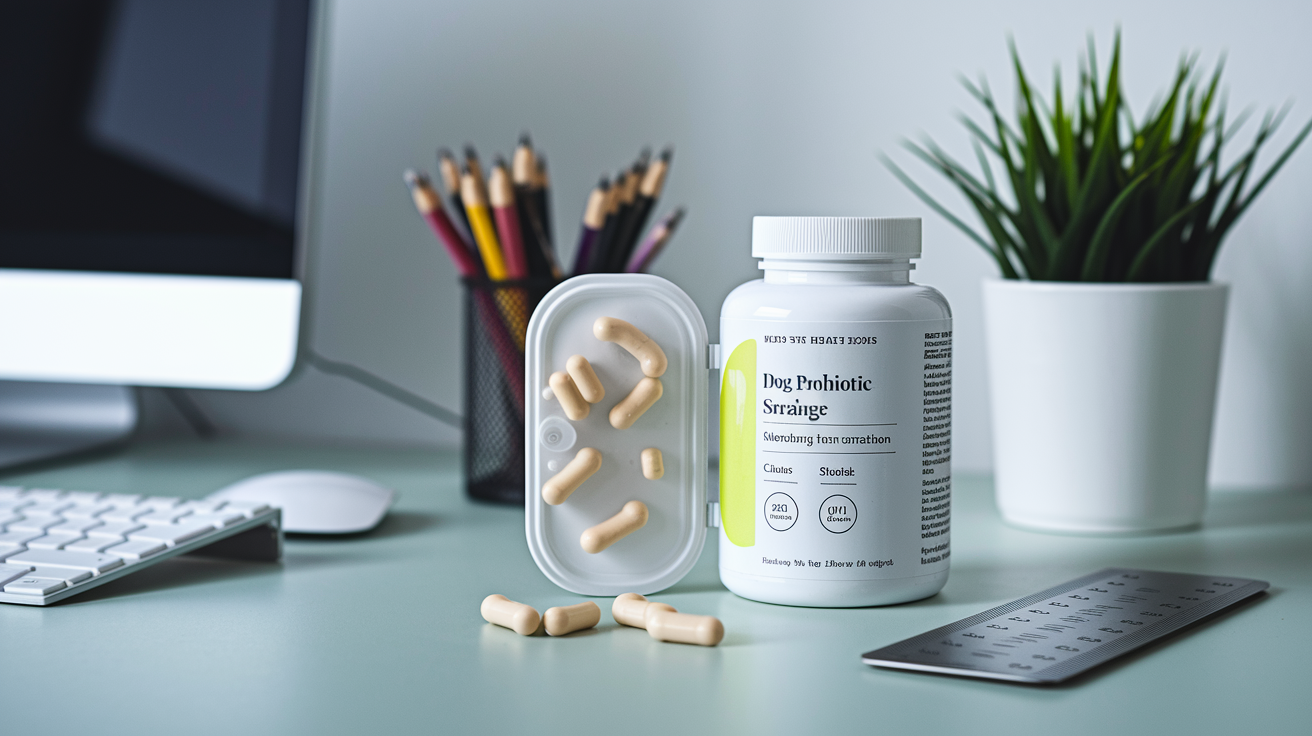
The quality of a probiotic treat depends on more than just the CFU count. Strain specificity, manufacturing process, shelf stability, and expiration date all matter when it comes to whether the product will deliver live, viable microbes by the time it reaches your dog’s gut. Look for treats that list the specific strains included, like Lactobacillus acidophilus or Bifidobacterium animalis, rather than vague terms like “probiotic blend.” Dog-specific formulas are better than human probiotics because they’re tailored to the canine microbiome and dosing needs. Human probiotics aren’t harmful, but they may be less effective.
Storage conditions matter. Some probiotics are shelf-stable, while others need refrigeration to maintain potency. Check the label for storage instructions and always respect the expiration date. Probiotics lose viability over time. Products that include prebiotics, like fructooligosaccharides or chicory root fiber, can boost probiotic survival and effectiveness by providing food for the beneficial bacteria. For example, Get Naked Digestive Health Dental Sticks include prebiotics and a dried Bacillus coagulans fermentation product, combining both support strategies in one treat.
Avoid treats with unnecessary fillers, artificial colors, or high fat, especially if your dog’s recovering from diarrhea. The simpler the ingredient list, the easier it is to spot any potential allergens or irritants. Look for treats made in facilities with quality control standards, and consider brands that provide third-party testing or transparency about CFU viability at the time of expiration, not just at manufacture.
Key label indicators to look for when choosing probiotic treats:
- Specific probiotic strain names listed, not just “contains probiotics”
- Total CFU count per serving or per piece
- Clear expiration or “best by” date, with guaranteed potency through that date
- Storage instructions (refrigerate or keep in a cool, dry place)
- Inclusion of prebiotics or digestive enzymes to support probiotic activity
Probiotic Treats vs. Other Probiotic Formats for Treating Diarrhea
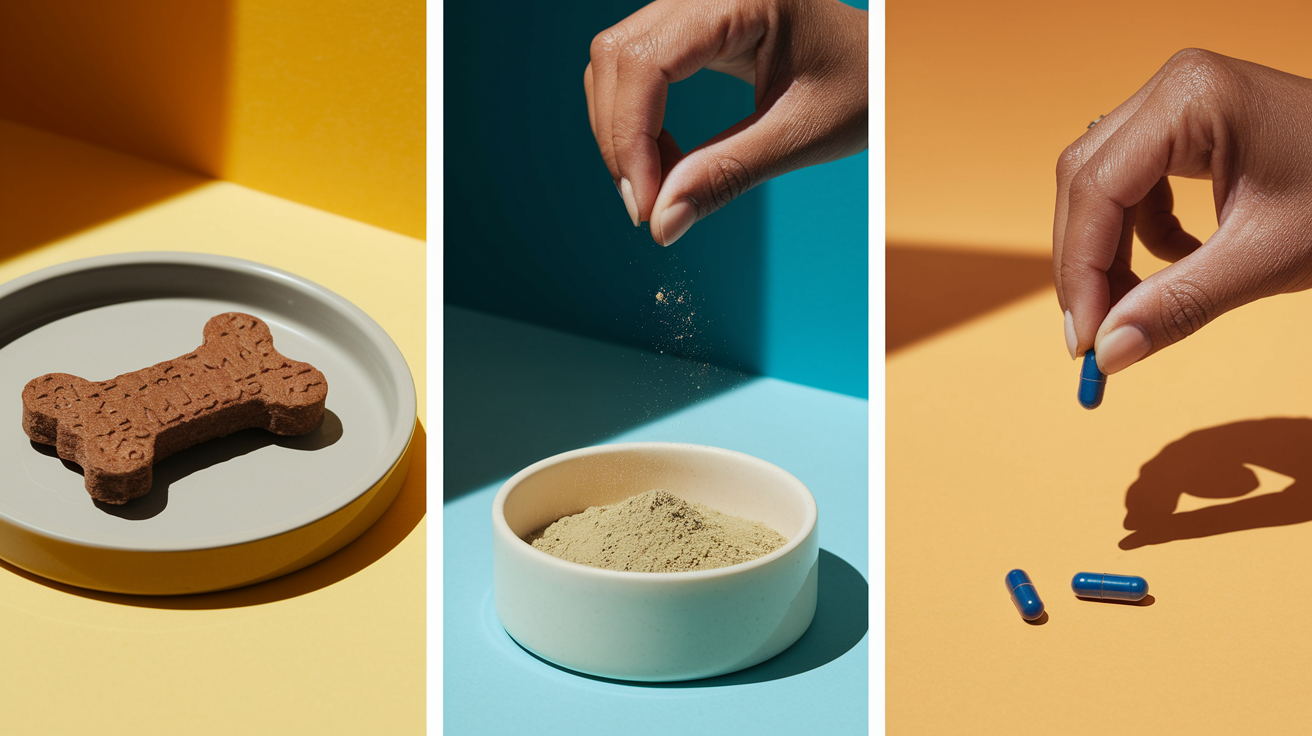
Probiotic treats are convenient and tasty, making them easy to give during training or as a daily routine. But they may deliver lower CFU counts compared to powders or capsules, and the treat format can sometimes include extra ingredients that aren’t great for a dog with an upset stomach. Treats are a good option for mild cases or ongoing maintenance, but if your dog’s dealing with severe or persistent diarrhea, a higher-potency powder or capsule might work better. Powders can be sprinkled on food and dosed precisely by weight, and they often contain higher concentrations of live cultures.
Capsules and tablets allow for targeted delivery and can be hidden in a small amount of food or a pill pocket. Some capsules use enteric coatings to protect the probiotics from stomach acid, improving the chances that live bacteria reach the intestines. Refrigerated probiotics tend to have higher viability, but shelf-stable formulas are easier to travel with and store. Liquid probiotics can be added to water or food, but they may have shorter shelf lives and lower CFU counts per dose. Each format has trade-offs, and the best choice depends on your dog’s tolerance, the severity of symptoms, and your ability to give the product consistently.
Human probiotics aren’t toxic to dogs, and plain, unsweetened yogurt or kefir can provide some beneficial cultures. But introducing new foods during diarrhea can backfire, especially if your dog’s lactose-sensitive or reacts to dairy. Stick with dog-formulated products when possible, and consult your vet if you’re unsure which format to try.
| Format | Pros | Cons |
|---|---|---|
| Probiotic Treats | Easy to give, palatable, good for training and daily use | May have lower CFU counts, often contain extra ingredients |
| Powders | Higher CFU counts, precise dosing, easy to mix with food | Less convenient, some dogs resist texture in food |
| Capsules/Tablets | High potency, enteric coating option, targeted delivery | Can be difficult to administer, may require pill pockets |
Probiotic Treat Use in Puppies and Senior Dogs

Puppies can benefit from probiotics, especially during weaning, after deworming, or following antibiotic treatment. Early exposure to beneficial bacteria helps establish a healthy gut microbiome, which may cut down the incidence of diarrhea, constipation, and digestive infections as they grow. But puppies are more fragile than adult dogs, and their immune systems are still developing. Always use a puppy-formulated probiotic and consult your vet before starting any supplement. Dosing for puppies is typically lower, and some strains may be safer than others for very young dogs.
Senior dogs often experience age-related changes in gut motility, immune function, and nutrient absorption. Probiotics can support digestive comfort and help maintain a balanced microbiome as their systems slow down. Older dogs may also be on medications that affect gut health, and probiotics can be a gentle way to support recovery from antibiotic-associated diarrhea or surgery. Long-term use is generally safe if the product’s well-tolerated, but monitor stool quality and overall health regularly. If a senior dog develops new digestive symptoms while on probiotics, check in with your vet to rule out underlying disease.
Supporting Diarrhea Recovery: Diet, Monitoring, and When Probiotics Aren’t Enough
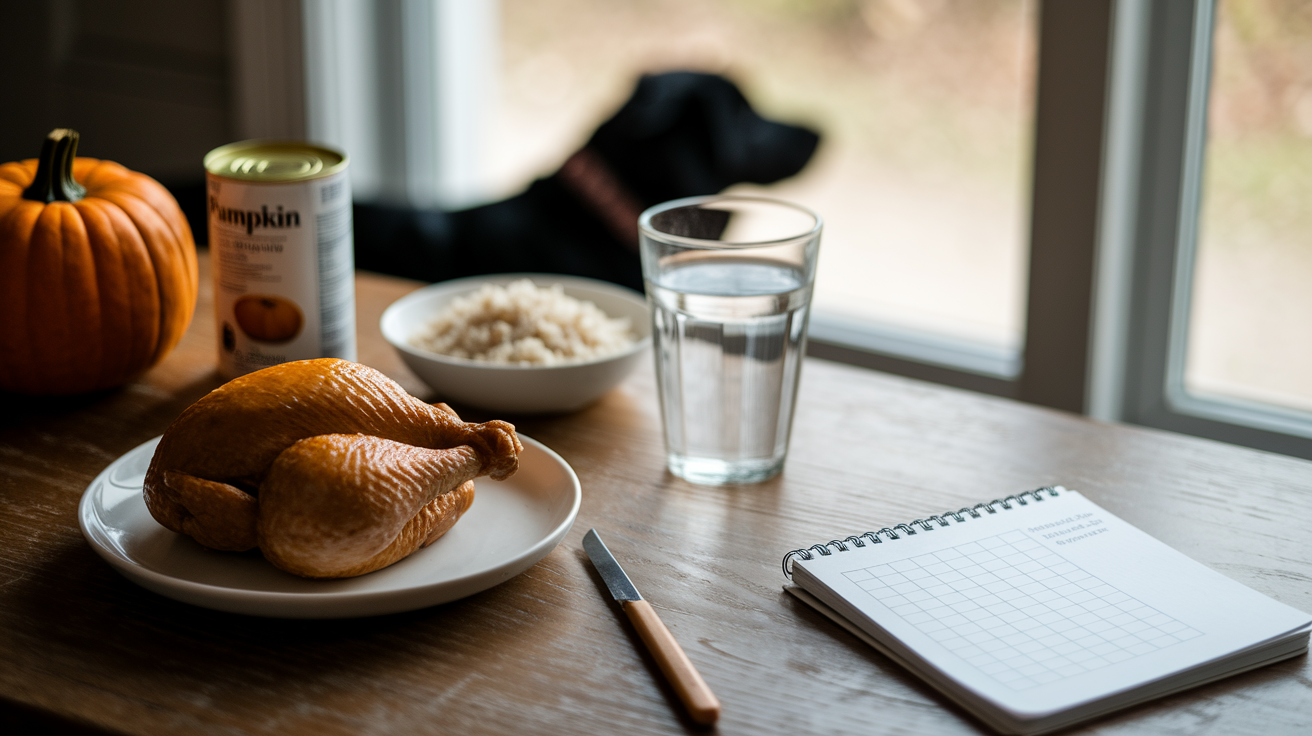
Probiotics work best when combined with other supportive care. A bland diet, like boiled chicken and plain rice or canned pumpkin, gives the digestive system a break while the microbiome rebalances. Hydration is critical during diarrhea, so make sure your dog has access to fresh water at all times. If diarrhea’s severe or your dog’s refusing water, ask your vet about electrolyte therapy or subcutaneous fluids. Probiotics can’t replace fluids or treat dehydration. They’re just one piece of the recovery puzzle.
Tracking stool frequency, consistency, and any changes in color or odor helps you and your vet understand how your dog’s responding. Keep a simple log if symptoms persist longer than a day or two. Note when the diarrhea started, any recent diet changes, stress events, or new treats, and whether your dog’s eating, drinking, and acting normally. This information is valuable if a vet visit becomes necessary. Probiotics are helpful for mild, short-term digestive upset, but they can’t diagnose or treat underlying issues like parasites, inflammatory bowel disease, pancreatitis, or organ dysfunction.
If diarrhea lasts more than a couple days, contains blood or mucus, or comes with vomiting, lethargy, loss of appetite, or signs of dehydration (dry gums, sunken eyes, skin that doesn’t snap back), stop the probiotic and get veterinary care immediately. Probiotics are supportive, not curative. Chronic or severe diarrhea requires professional diagnosis and treatment, and delaying care can put your dog at risk.
Steps to follow when managing diarrhea with probiotics:
- Start with a bland diet and make sure your dog stays hydrated.
- Choose a dog-formulated probiotic treat or supplement with clear strain information and dosing.
- Monitor stool frequency, consistency, and overall behavior daily.
- Give the probiotic consistently at the same time each day, and start with a lower dose if your dog’s sensitive.
- Contact your vet if symptoms worsen, persist beyond a couple days, or if blood, mucus, vomiting, or lethargy appear.
Final Words
When diarrhea hits, probiotic treats can step in to help restore good microbes, calm inflammation, and nudge stool back toward normal.
We ran through how they work, what the evidence says, best strains, CFU and dosing tips, safety checks, and when to call the vet. Treats are convenient, but strain choice and potency matter.
As for the question, are probiotic dog treats effective for diarrhea — they can be, especially for mild, short-term cases when used with bland food and proper monitoring. With the right product and a little patience, you’ll likely see progress.
FAQ
Q: Should I give my dog probiotics if he has diarrhea?
A: Giving probiotics to a dog with diarrhea can help normalize stools, and many vets recommend them for mild, short-term cases; pick vet-approved strains, monitor hydration, and call your vet if symptoms worsen.
Q: What do vets recommend for dogs with diarrhea?
A: Vets recommend probiotics for mild cases, bland diets, hydration, and monitoring; they advise immediate vet care for blood, vomiting, severe lethargy, or diarrhea lasting more than a couple of days.
Q: How fast do probiotics work for diarrhea in dogs?
A: Probiotics for dog diarrhea often start helping within a few days, but noticeable improvement can take 1 to 4 weeks depending on strain, dose, and the underlying cause.
Q: What supplements will firm up dog poop?
A: Supplements that may firm up dog poop include specific probiotics, soluble fiber like canned pumpkin, kaolin/clay remedies, and electrolyte support; check with your vet to match the supplement to the cause.