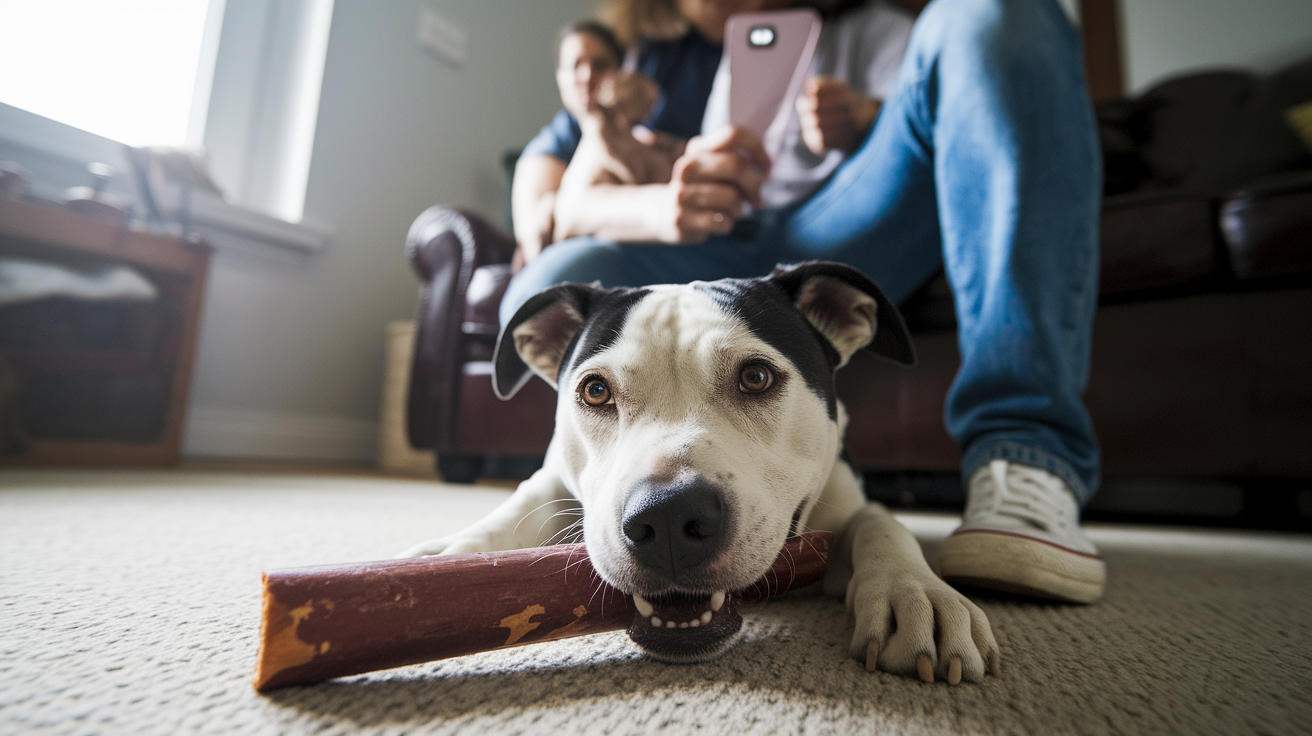
Think bully sticks are a choking hazard for aggressive chewers and heavy dogs?
Not necessarily.
Bully sticks are single-ingredient, fully digestible chews that beat rawhide for many power chewers, but safety hinges on the right choices and steady supervision.
For big, aggressive chewers, pick thick or braided sticks, match length and diameter to your dog, and never leave one unattended — pull it when it’s down to about 2 or 3 inches.
Done right, bully sticks can be a safe, satisfying chew that keeps jaws busy and tails calm.
Safety Overview of Bully Sticks for Aggressive Chewers
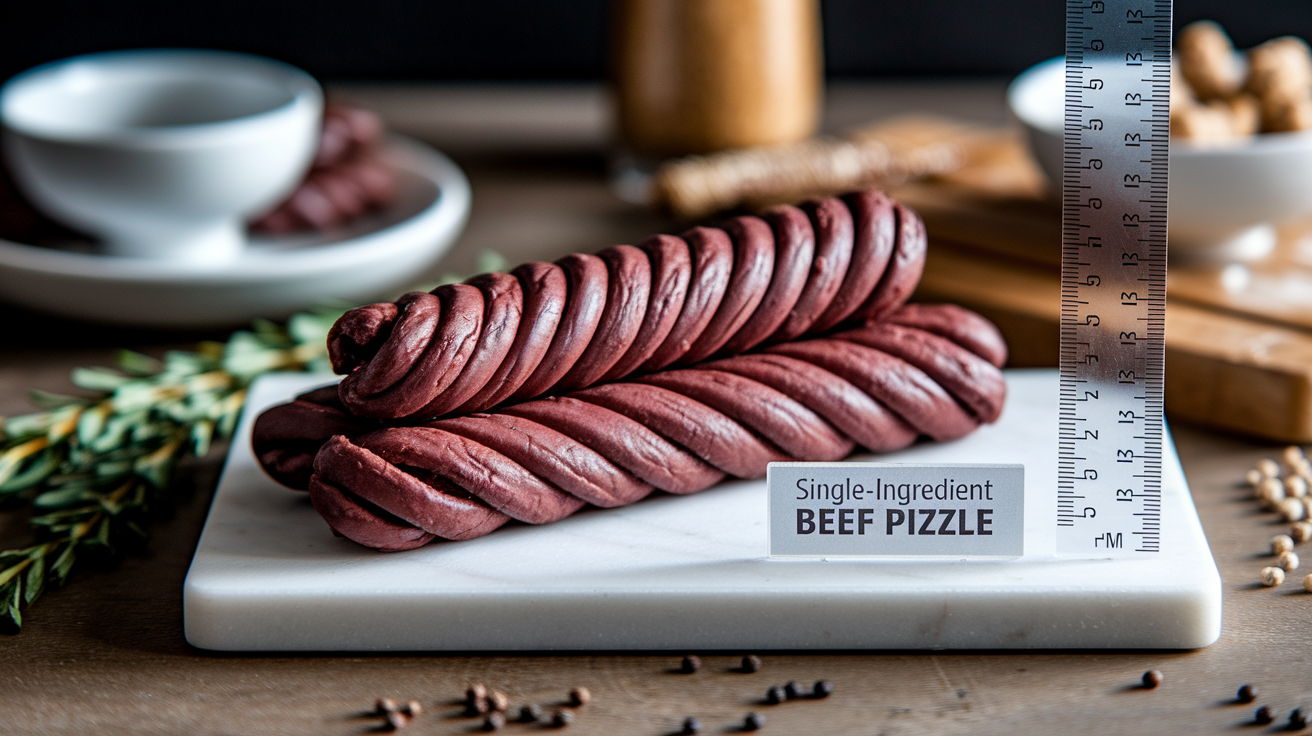
Bully sticks can work for aggressive chewers, but you’ve got to follow specific rules around sizing, supervision, and quality. These single-ingredient chews are made from 100% beef pizzle. They’re fully digestible and break down in the stomach, which beats rawhide by a mile since rawhide can cause dangerous blockages. That digestibility alone makes them better than most synthetic or processed chews. But here’s the thing: safety isn’t guaranteed. Aggressive chewers tear through standard chews fast, create swallowable chunks, and can gulp down the last few inches before you even notice. So yes, bully sticks work for power chewers. But only if you choose thick or braided options (at least 12 mm diameter), supervise every session, and yank the stick when it shrinks to 2 or 3 inches.
For aggressive chewers, standard thin sticks vanish in under 15 minutes and create immediate choking risks. You need products built for heavy use. Braided bully sticks increase durability by 30 to 40% and can stretch chew time from 15 minutes to 90 or even 120 minutes. Stick to grass-fed, single-ingredient options processed with extended low-temperature drying (20+ hours) to avoid brittle texture and splintering. Skip anything with fillers, preservatives, or mystery ingredients. And never walk away during a chew session. Aggressive chewers can break off large pieces and swallow them whole, especially when they hit the final stub. Active supervision means staying in the same room, checking progress every few minutes, and being ready to step in.
Bully sticks aren’t right for every dog. Avoid them if your dog has a history of choking, severe food allergies to beef, or a tendency to guard high-value items in multi-dog homes. Also skip them for dogs who’ve had gastrointestinal surgeries or blockages in the past. When conditions are wrong, even a digestible chew can cause harm.
Main safety risks to manage:
- Choking on small end pieces, especially the last 1 to 3 inches when dogs try to swallow the stub whole
- Digestive blockage from gulping large broken chunks before they soften in the stomach
- Bacterial contamination. Low-quality or improperly stored sticks can carry Salmonella or E. coli
- Calorie overload. Bully sticks contain roughly 15 calories per inch and can contribute to weight gain
- Tooth fractures. Rare, but possible if a dog bites down at an extreme angle on a dense, frozen, or overly hard stick
How Aggressive Chewing Impacts Bully Stick Safety

Aggressive chewers apply more jaw force and chew faster than moderate chewers, which changes everything about how a bully stick behaves. A stick that lasts 45 minutes for a light chewer might disappear in 10 to 15 minutes under an aggressive dog’s jaws. That speed creates two problems: the dog produces larger chunks in less time, and you have less margin to intervene before the stick becomes dangerously small. Power chewers also tend to crack through the outer layer quickly and strip away material in big bites instead of slow gnawing. You end up with a pile of fragments and a choking-sized nub faster than you expect.
Consumption speed directly affects digestion. When a dog swallows large pieces quickly, the stomach has to work harder to break them down. Most quality bully sticks will soften and digest, but if your dog gulps a 4-inch chunk, that piece can sit in the stomach longer and cause temporary discomfort, vomiting, or even a partial obstruction if it doesn’t break apart. Aggressive chewers are also more likely to ignore discomfort and keep chewing, so they won’t always signal when something feels wrong.
The other issue is behavioral. Aggressive chewers often enter a focused, high-drive state during chew sessions. They don’t want to let go. They’ll resist when you try to remove a small piece. That stubbornness increases the chance they’ll swallow the end rather than give it up. For these dogs, you need a bully stick holder to secure the final inches, or you need to trade the stick for a high-value treat before it gets too small. Supervision isn’t optional. It’s the only way to catch the moment when the chew shifts from safe to risky.
Choosing the Right Bully Stick for Heavy Chewers
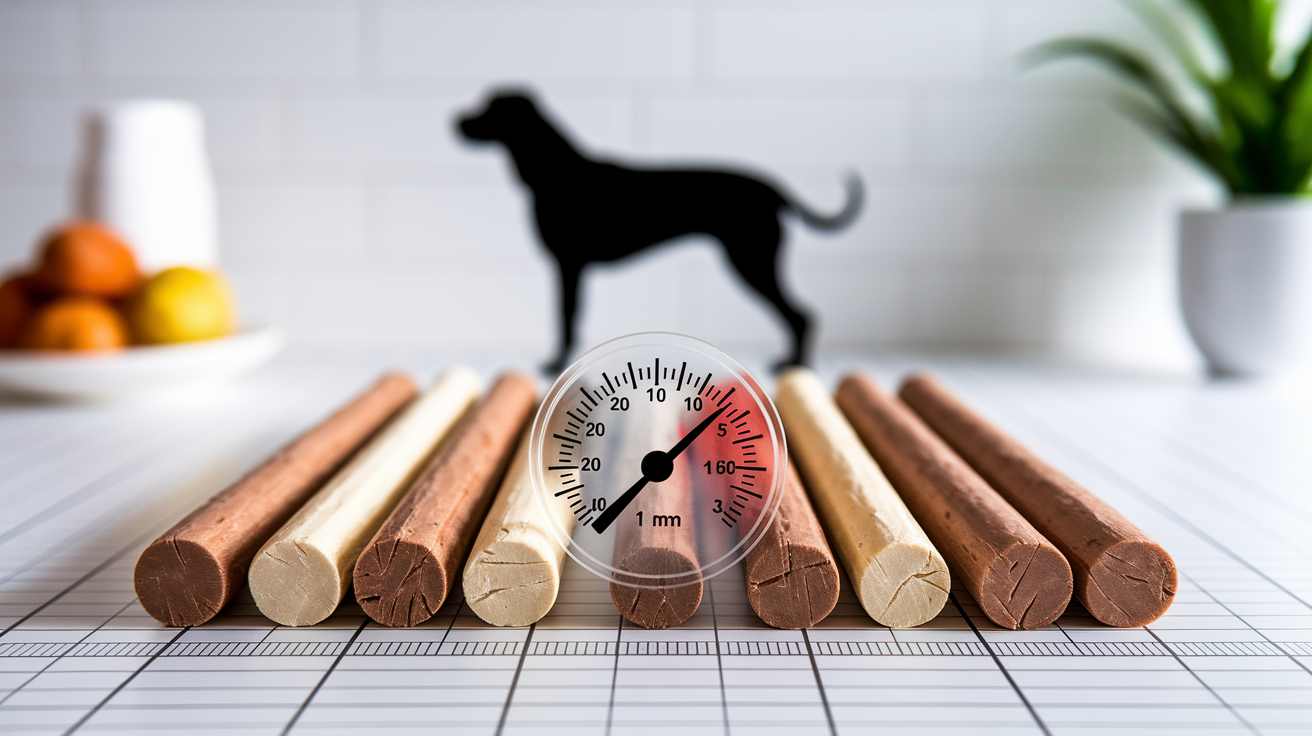
Not all bully sticks are built for aggressive chewers. Thin, spiral, or standard-width sticks work fine for small dogs or light chewers, but they’re safety hazards for power chewers.
What to look for when shopping for a heavy chewer:
- Thickness of 12 mm or greater. The diameter determines how long the stick lasts and how much surface area a dog has to work through before reaching a swallowable size
- Length matched to dog size. Under 25 lbs needs 6+ inches, 25 to 50 lbs needs 9+ inches, 50 to 80 lbs needs 11+ inches, over 80 lbs needs 12+ inches (and a practical rule: the stick should extend at least 4 inches past your dog’s muzzle)
- Braided or extra-thick construction. Braiding adds structural integrity and slows destruction. Shaped options like rings or pretzels also increase chew time
- Single-ingredient, grass-fed beef. No fillers, by-products, preservatives, or artificial flavoring. Cleaner sourcing reduces contamination risk
- Transparent processing details. Look for extended low-temperature drying (20+ hours) to densify the tissue without making it brittle. Avoid products that don’t disclose drying method
- Odor-free or low-odor processing. Typically oven-dried or baked. This doesn’t affect safety but makes indoor use more pleasant and signals a controlled manufacturing process
Size and durability work together to reduce risk. A 12-inch braided bully stick forces your dog to chew longer before the stick becomes small enough to swallow. That extra time gives you more opportunities to monitor, and the denser construction means fewer large chunks break off early in the session. Thickness also matters for jaw comfort. Aggressive chewers can strain their jaws on very hard chews like antlers, but a thick bully stick offers resistance without the tooth-cracking hardness. You want something that challenges the dog but gives slightly under pressure. When in doubt, start with a braided option and watch how fast your dog works through it. If it’s gone in under 20 minutes, move up to an even thicker format or consider a bully stick holder to extend the safe chewing zone.
Supervision and Safe Chewing Practices

Active supervision is the single most important safety step for aggressive chewers. Active means you’re in the same room, checking progress every few minutes, and ready to intervene the moment the stick gets small. It doesn’t mean hovering, but it does mean you can’t hand over a bully stick and walk away for half an hour. Aggressive chewers produce risky situations faster than moderate chewers, and the difference between a safe session and a choking incident can be just a few minutes of inattention.
Set session limits based on your dog’s chewing intensity. For aggressive chewers, 20 to 30 minutes is a reasonable window. Extreme power chewers may need sessions capped at 15 to 20 minutes with constant observation. Start a timer when you give the stick, and plan to remove it before your dog finishes. You’re not trying to let the dog consume the entire stick in one go. You’re using the chew as a tool for mental stimulation, jaw exercise, and calm focus, then taking it away while it’s still safe. Store the remaining piece in an airtight container or the refrigerator between sessions if you want to extend its use, but inspect it for any signs of splintering or brittleness before offering it again.
Steps to follow every time you give a bully stick:
- Measure the stick before handing it over. Confirm it meets the minimum length and thickness for your dog’s size and chewing style.
- Stay nearby and watch the first 5 minutes closely. This is when you’ll see how fast your dog chews and whether the stick is appropriately durable.
- Check progress every 5 to 10 minutes. Look for large broken pieces on the floor, changes in chewing speed, or signs the stick is getting too small.
- Remove the stick when it reaches 2 to 3 inches or roughly thumb-sized. Trade it for a treat or toy if your dog resists giving it up. Never wrestle it away or create a guarding situation.
- Provide fresh water after the session. Chewing is work, and hydration helps digestion if your dog swallowed any small pieces.
Digestibility and Health Considerations
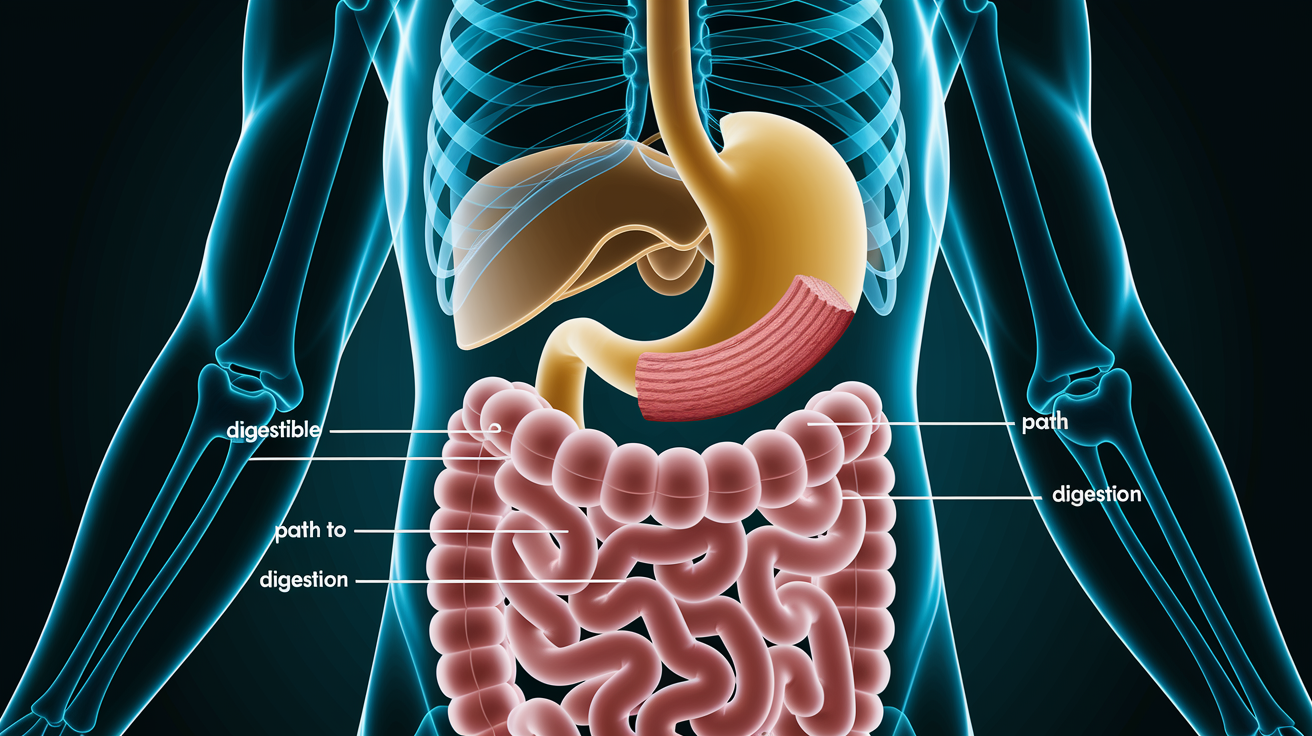
Bully sticks are fully digestible, meaning they break down in the stomach and pass through the intestines without the blockage risk that rawhide or some synthetic chews carry. The pizzle tissue softens in stomach acid, and most dogs process it without trouble. That digestibility is the main reason bully sticks are recommended over rawhide for aggressive chewers. Rawhide can swell, form a mass, and obstruct the intestines. A bully stick, even when swallowed in larger pieces, will generally break apart. But digestibility doesn’t mean risk-free. Large chunks still take time to break down, and during that window, a dog can experience nausea, vomiting, or temporary discomfort.
Calorie load is the other health factor. Bully sticks are protein-dense and calorie-rich, approximately 15 calories per inch. A 12-inch stick delivers roughly 180 calories, which can be a significant portion of a dog’s daily intake, especially for smaller or less active dogs. The general rule is that treats should make up no more than 10% of total daily calories. If you’re giving a bully stick several times a week, account for those calories and adjust meal portions slightly to avoid weight gain. For aggressive chewers who finish sticks quickly, it’s easy to overfeed without realizing it. Track your dog’s body condition and weigh them regularly if bully sticks are part of the routine.
Some dogs have sensitivities or allergies to beef. Signs include itching, chronic ear infections, digestive upset (diarrhea, gas, soft stools), or skin irritation. If your dog hasn’t had beef-based products before, start with a small piece and monitor for 24 to 48 hours. Bison bully sticks are a good alternative for dogs with known beef sensitivities. They’re a novel protein and often better tolerated. Also watch for signs of digestive distress after a chew session: excessive drooling, lip licking, reluctance to eat the next meal, bloating, or restlessness. Most of these resolve on their own, but if symptoms persist beyond a few hours or worsen, contact your vet.
Potential Risks and Warning Signs
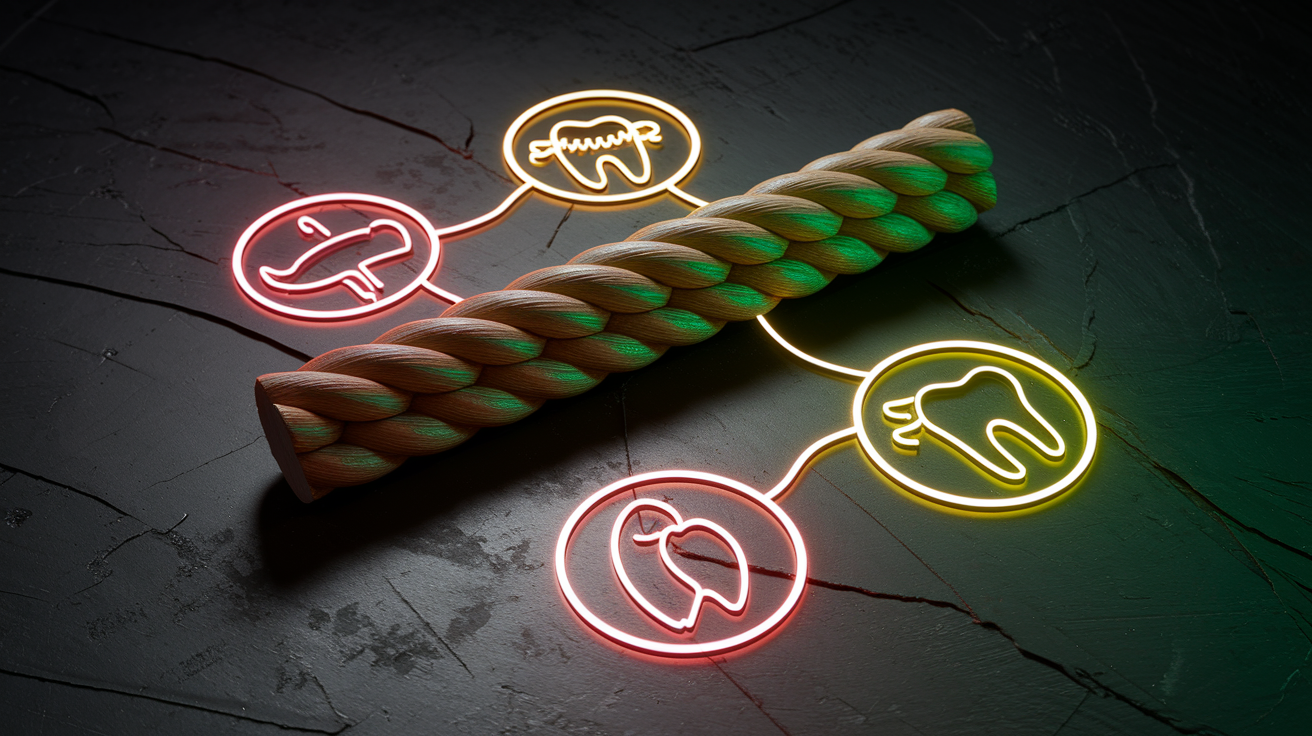
The primary risks for aggressive chewers are choking and gastrointestinal obstruction. Choking happens when a dog tries to swallow a piece that’s too large for the airway. It’s more common with the last 1 to 3 inches of a bully stick, when the piece is just small enough to fit in the mouth but too large to pass safely. Obstruction occurs when a large chunk makes it into the stomach or intestines and can’t move through. Even though bully sticks are digestible, a big piece can temporarily block the digestive tract before it softens. Both scenarios are emergencies.
Tooth fractures are less common but possible, especially if a dog bites down at a hard angle or if the stick has been frozen (never freeze bully sticks). Aggressive chewers sometimes apply enough force to crack a tooth on any hard chew. Bacterial contamination is another risk if you buy low-quality products or store sticks improperly. Salmonella and E. coli can survive on poorly processed chews and can make both dogs and humans sick.
Signs that require immediate veterinary attention:
- Choking, gagging, or repeated coughing. The dog is trying to clear an airway obstruction
- Difficulty breathing or blue-tinged gums. Airway is partially or fully blocked
- Excessive drooling or pawing at the mouth. Something is stuck in the throat or between teeth
- Vomiting, especially repeated or projectile. Possible obstruction or severe digestive upset
- Bloated, hard, or painful abdomen. Sign of blockage or internal issue
- Blood in vomit or stool. Indicates internal injury or severe irritation
- Lethargy, loss of appetite, or refusal to drink water for more than 12 hours. General distress that may signal obstruction or infection
If your dog is conscious and choking, try to open the mouth and sweep visible objects out with your finger. If the dog is unconscious or you can’t remove the object, perform a modified Heimlich appropriate for your dog’s size and get to an emergency vet immediately. For suspected obstruction, don’t wait to see if it resolves. Blockages can worsen quickly, and early intervention is critical.
Safe Alternatives for Aggressive Chewers
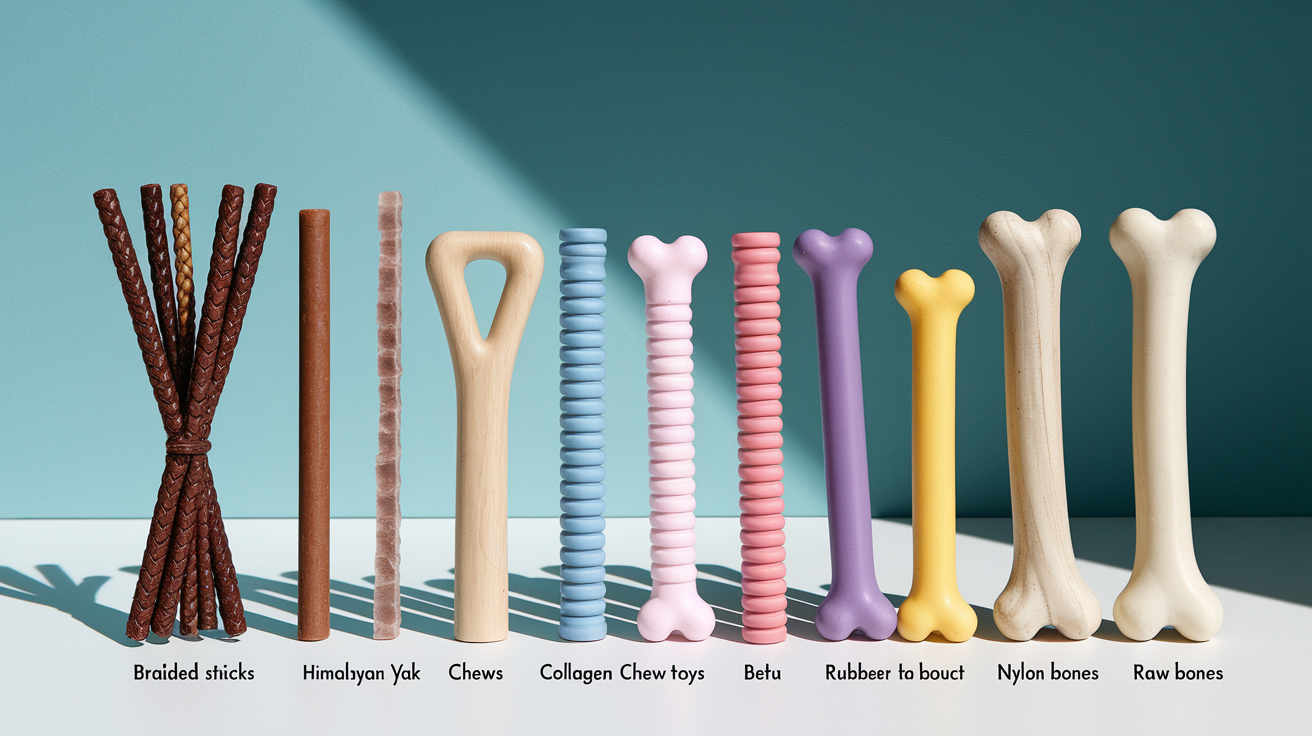
If bully sticks don’t work for your dog (too fast, too risky, or your dog has a beef sensitivity), there are other durable, safer options. The goal is to find a chew that matches your dog’s strength and style without introducing new hazards like splintering, toxicity, or choking.
Options to consider for heavy chewers:
- Braided or extra-thick bully sticks. If standard bully sticks fail, try the most durable versions (monster braided, 5+ oz Bubba-style sticks) before switching categories entirely
- Yak chews (Himalayan chews). Made from hardened yak milk. They’re extremely durable, digestible, and lower in calories than bully sticks, though they can be very hard and may pose tooth-fracture risk for some dogs
- Collagen sticks or rolls. Made from beef collagen. They’re digestible, often braided for durability, and slightly softer than bully sticks
- Durable rubber chew toys. Hollow toys designed for extreme chewers (like black-rubber tier toys) can be stuffed with treats or frozen. They’re reusable and eliminate swallowing risk
- Nylon or nylon-blend bones. Marketed for aggressive chewers. Look for products specifically labeled as digestible or that wear down slowly rather than splintering (avoid any that chip off large pieces)
- Raw bones. Knuckle bones or marrow bones. They’re long-lasting and satisfying, but carry risks of tooth fractures, splintering, and bacterial contamination, and should always be given raw, never cooked
Match the chew to your dog’s behavior. If your dog destroys everything in minutes, a durable rubber toy might be the safest long-term solution. If your dog chews calmly but just needs something tougher than a standard bully stick, a yak chew or collagen stick could be the right fit. Rotate chew types to keep your dog interested and to spread risk across different formats. And always supervise new chews the first few times to see how your dog handles them.
Final Words
When your dog grabs a bully stick, safety comes first. We covered the main points: choose thicker, longer sticks for strong chewers, watch for choking or blockages, and always supervise chew time. We also touched on calories, digestion, and when to skip bully sticks for dogs that break them into big pieces.
So, are bully sticks safe for aggressive chewers? They can be—if you pick the right size, limit chew time, and switch to tougher options when needed. Happy, safe treat time ahead.
FAQ
Q: Are bully sticks good for heavy chewers?
A: Bully sticks can be good for heavy chewers when you pick thick or braided versions, size them correctly, supervise chew sessions, and remove small ends before your dog can swallow them to reduce risk.
Q: Why don’t vets recommend bully sticks?
A: Vets often don’t recommend bully sticks because they can cause choking, intestinal blockage, bacterial contamination, tooth fractures, and extra calories—risks rise if a dog shreds or swallows large pieces quickly.
Q: What do vets recommend for aggressive chewers?
A: Vets usually recommend durable, vet-safe chews like heavy-duty rubber, nylon toys, braided or jumbo chews, or supervised raw options—matched to your dog’s size and chewing style to cut swallowing and dental risks.
Q: Can dogs’ stomachs break down bully sticks?
A: Dogs’ stomachs can usually break down bully sticks because they’re digestible, but swallowing large chunks can cause blockage or upset, and some dogs may have reactions to beef protein.