

Soft or crunchy, what’s best for training tiny dogs?
If you’re teaching sit, recall, or focus, soft treats usually win.
They vanish fast, smell strong, and fit little mouths so you can stack reps without losing momentum.
Crunchy ones have their place for a longer chew or light dental help, but they slow the flow.
Bottom line: for quick, repeatable training with small breeds, pick soft.
Save crunchy for jackpots and between-session snacks.
Determining the Best Treat Texture for Training Small Dogs
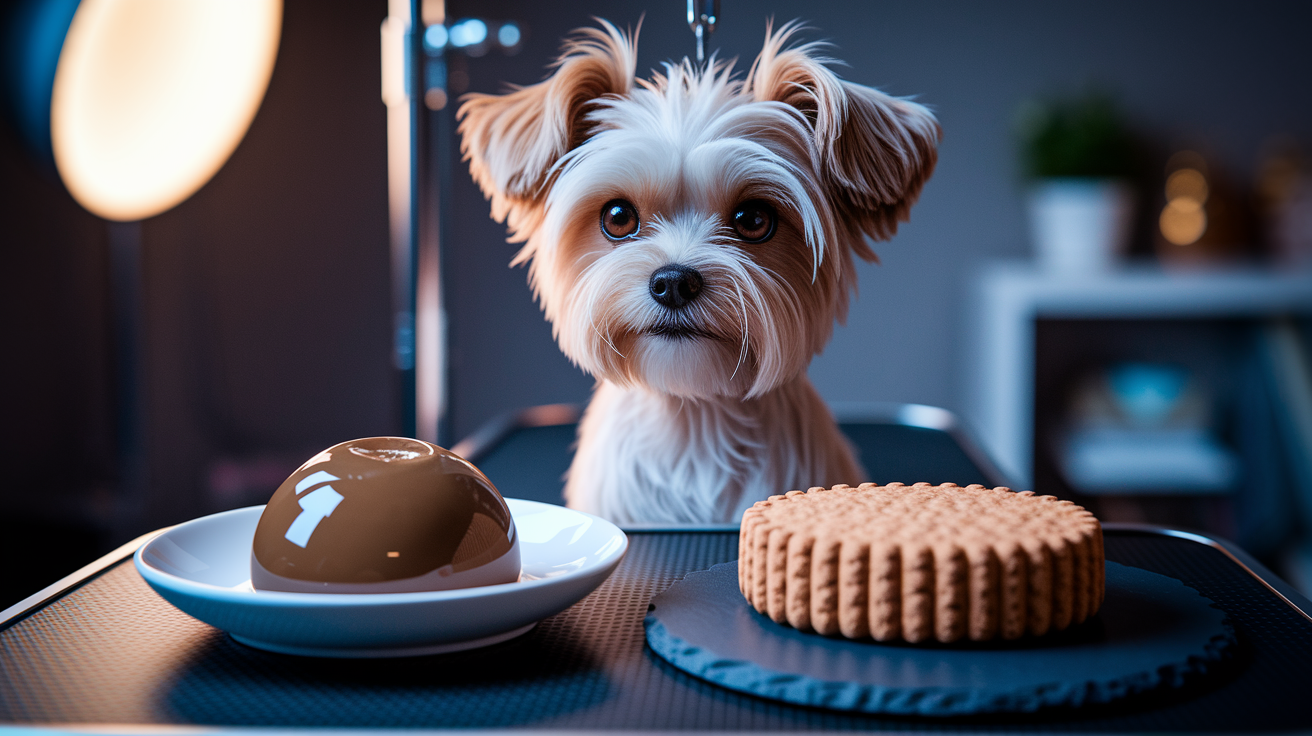
For most small dog training sessions, soft treats just work better. They’re faster to chew and swallow, which means training doesn’t stall out between reps. When you’re teaching sit, down, or watch me, every second actually matters. A crunchy biscuit might take twenty seconds to crunch through. A soft bite disappears in two. That gap adds up when you’re running through ten reps of something new.
Small dogs have smaller mouths. Soft textures match their anatomy without forcing a Chihuahua or Yorkie to gnaw through something unnecessarily hard. Soft treats also smell stronger, which translates to higher reward value and faster attention from a distracted pup. The scent pulls focus back to you, especially outdoors or anywhere noisy.
Crunchy treats aren’t useless, though. They work fine for low-frequency rewards or end-of-session jackpots. If training pace matters most, soft wins. If you want something that doubles as a light dental chew between sessions, crunchy has a role. But when it comes to focused, rapid reinforcement, the texture your dog can eat quickly is going to deliver better results.
Advantages and Limitations of Soft Training Treats
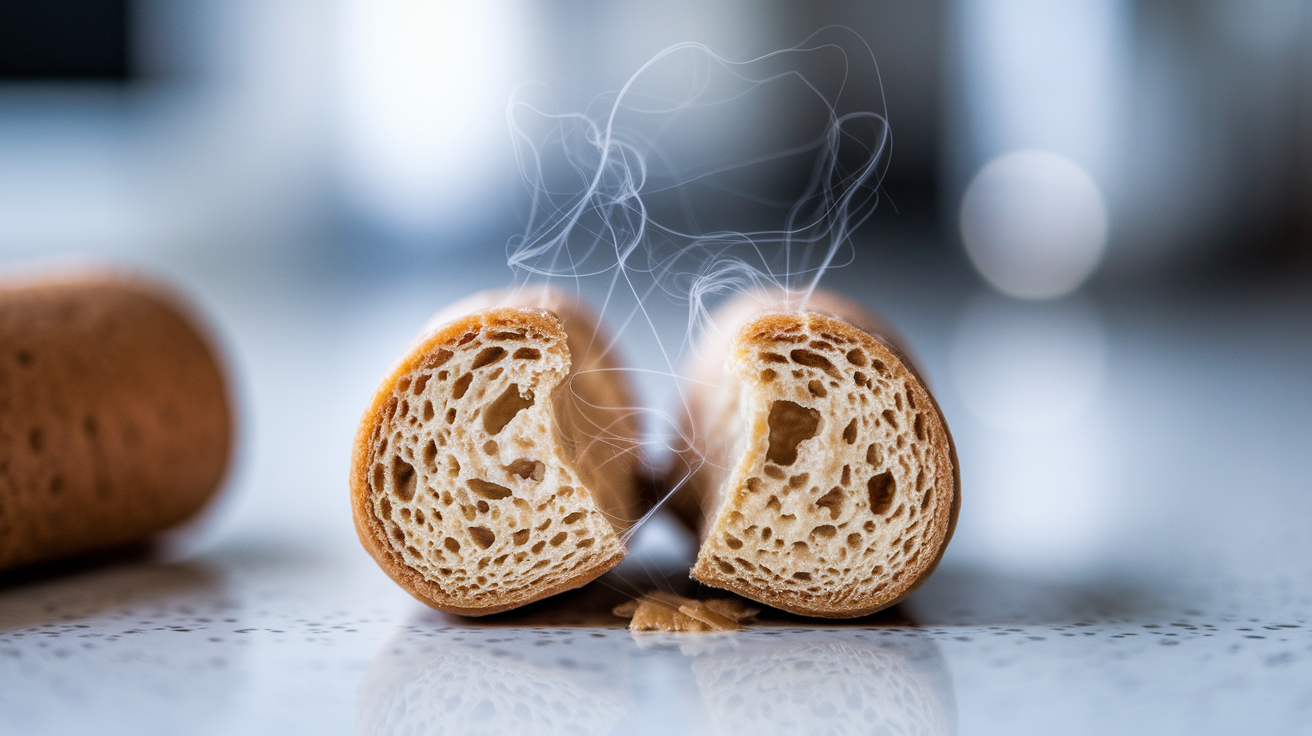
Soft treats bring a lot to the table for small dog training. They’re highly palatable, which makes them ideal for teaching new behaviors or working through distractions. The moisture and strong aroma grab a dog’s attention faster than a dry biscuit. You can break soft treats into truly tiny pieces, perfect for rewarding often without overfeeding. A single jerky strip can become ten micro-rewards, keeping calorie counts low across a twenty-minute session.
But soft treats come with trade-offs. They don’t store as long as crunchy options. Once a pouch is opened, they can dry out or spoil if not sealed properly. Some are sticky enough to leave residue on your fingers or in your treat pouch. And because they’re often calorie-dense due to higher fat or moisture content, portion control becomes essential. A few too many and you’ve blown through your dog’s daily treat budget before lunch.
Advantages:
- Fast to chew and swallow, keeping training sessions smooth
- Highly aromatic and palatable, which boosts motivation
- Easy to break into very small pieces for precise portioning
Limitations:
- Shorter shelf life and may need airtight storage to stay fresh
- Can be messy or sticky, especially in warm weather
- Often calorie-dense, requiring careful portioning during repetition-heavy sessions
Advantages and Limitations of Crunchy Training Treats
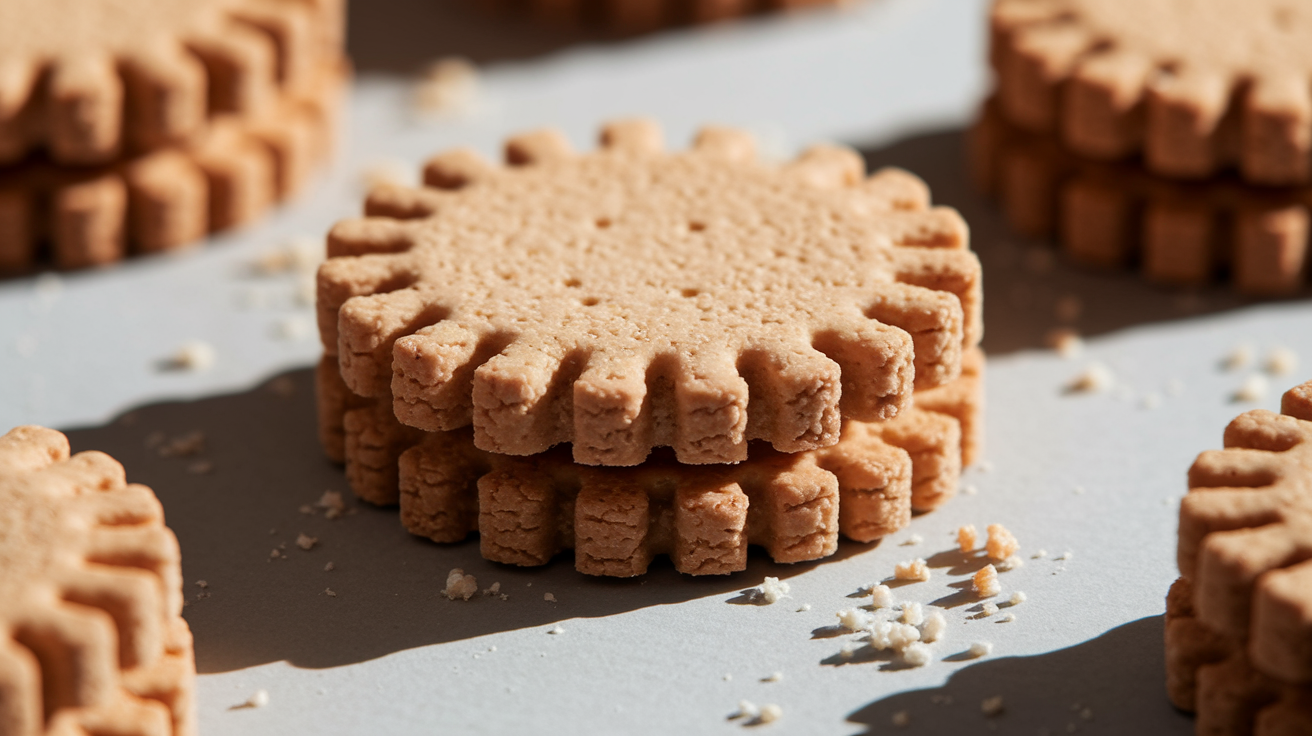
Crunchy treats offer a satisfying snap that many dogs enjoy. The texture provides light mechanical chewing that can help scrape away plaque and tartar as the dog bites down. For dogs who like to work through a reward, the extra chew time can feel more satisfying than a quick swallow. Crunchy treats also tend to be drier and more shelf-stable, making them easy to toss in a training bag for outdoor sessions or travel without worrying about spoilage.
The downside is speed. A crunchy biscuit takes longer to eat, which can interrupt training flow. If you’re trying to mark and reward a split-second behavior, waiting for your dog to finish crunching pulls focus away from the next rep. Crunchy treats can also be too hard or too large for very small breeds. A treat that’s fine for a Beagle might be awkward or even a choking risk for a three-pound Pomeranian.
Advantages:
- Provide mild plaque and tartar reduction through mechanical chewing
- Longer shelf life and more portable, ideal for on-the-go training
- Satisfying texture that can serve as a higher-value, slower-consumption reward
Limitations:
- Slower to eat, which can disrupt rapid reinforcement and training rhythm
- May be too hard or too large for tiny mouths, increasing choking risk
- Generally lower aroma and palatability compared to soft, moist options
Training Effectiveness: Which Texture Improves Learning?

Training works best when the reward follows the behavior within a second or two. The faster your dog can consume the treat, the faster you can cue the next rep. Soft treats excel here because they require almost no chewing. Your dog eats, refocuses, and you’re ready to go again. Over a ten-minute session, that speed difference means more practice reps and faster learning.
Aroma plays a big role in motivation. Soft treats usually smell stronger because of their moisture content and ingredient profile. That scent keeps a distracted dog’s attention on you, especially in busy environments like a dog park or a training class. When a treat smells better, it feels more valuable to your dog, which increases effort and engagement.
Crunchy treats can work for less frequent reinforcement. Rewarding a successful recall at the end of a walk, for example. Or marking a longer duration behavior like a stay. But if you’re shaping a new skill or working through many quick reps, the extra chew time creates tiny gaps that slow momentum. For most small dog training scenarios, soft treats keep the session tight, focused, and effective.
Dental Health Considerations for Small Dogs
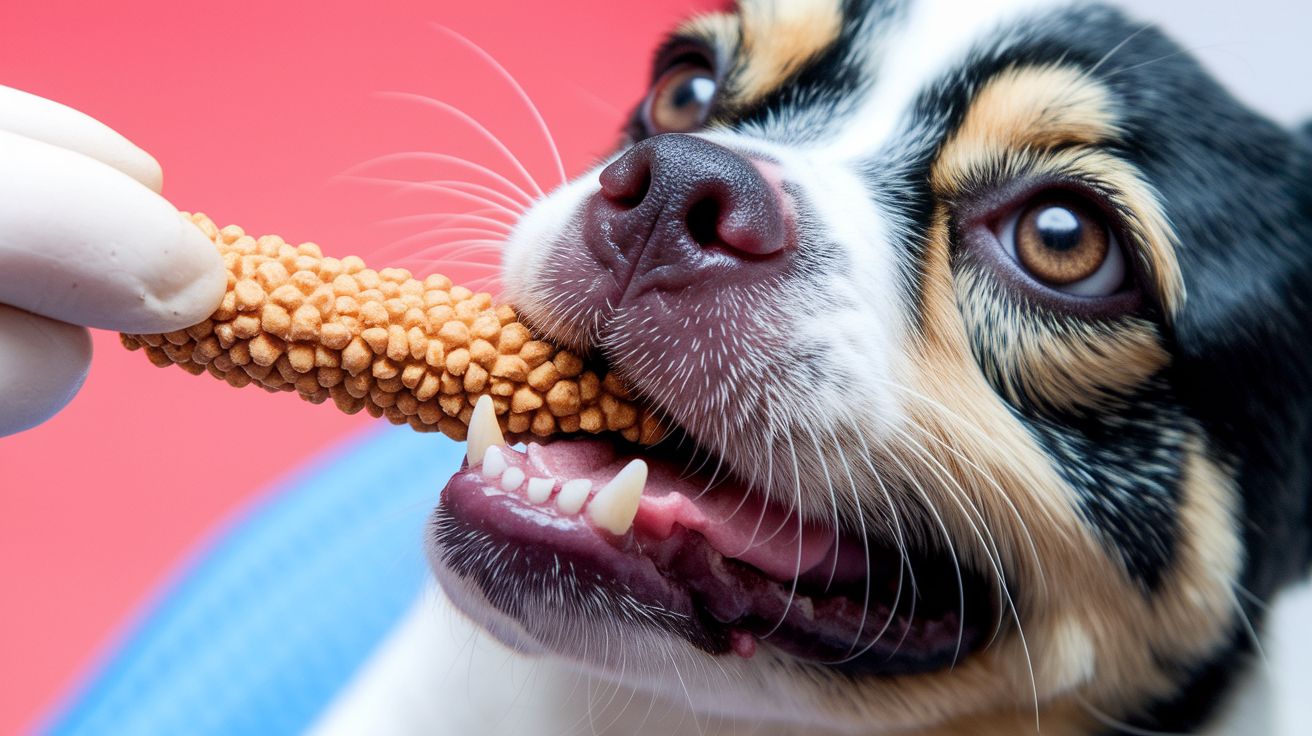
Crunchy treats can contribute to better dental health by providing light abrasion as your dog chews. The scraping action helps reduce plaque buildup and can delay tartar formation, especially when used regularly as part of a dental care routine. For dogs with healthy teeth and gums, a small crunchy treat after training or between meals can support oral hygiene without adding much complexity to your routine.
Small breeds are prone to dental issues, though. Many develop periodontal disease, lose teeth earlier, or experience jaw sensitivity as they age. If your dog already has dental pain, missing teeth, or ongoing gum problems, crunchy treats may do more harm than good. Hard textures can cause discomfort or even fracture weakened teeth. In those cases, soft treats are the safer, more comfortable option.
If your dog’s mouth is healthy, mixing in appropriately sized crunchy options can help. But don’t rely on texture alone for dental care. Regular vet checkups and brushing are still the most effective tools. Treats are a supplement, not a substitute.
Digestive Sensitivities and Ingredient Considerations
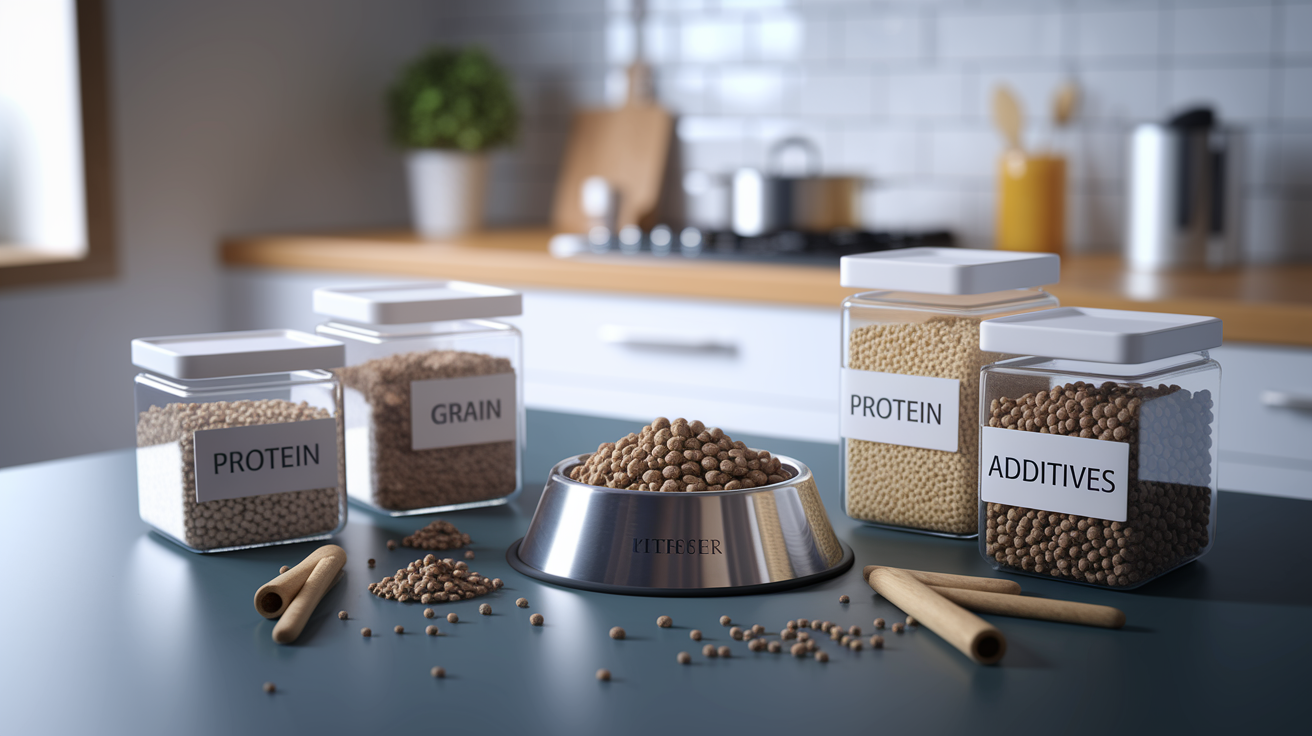
Texture alone doesn’t determine how well a treat digests. What’s inside matters more. Soft treats often contain moisture agents, preservatives, or higher fat content to maintain their chewy texture. Some dogs handle those ingredients fine. Others develop loose stools or stomach upset. If your dog has a sensitive stomach, check ingredient lists carefully and watch for reactions after introducing a new soft treat.
Crunchy treats can be grain-heavy, which is fine for many dogs but problematic for those with grain sensitivities or allergies. Biscuits made primarily from wheat, corn, or rice fillers may trigger digestive issues or skin reactions in dogs prone to those sensitivities. Grain-free crunchy options exist, but they’re not automatically better. They just shift the base to legumes, potatoes, or other starches.
For small dogs with known sensitivities, limited-ingredient treats in either texture tend to work best. Look for options with real protein as the first ingredient and minimal filler. Freeze-dried single-ingredient treats, whether soft or firm, often settle well because they skip the binders and additives that can upset delicate stomachs. Texture is secondary to ingredient quality when digestion is a concern.
Portion Control, Treat Size, and Calorie Density
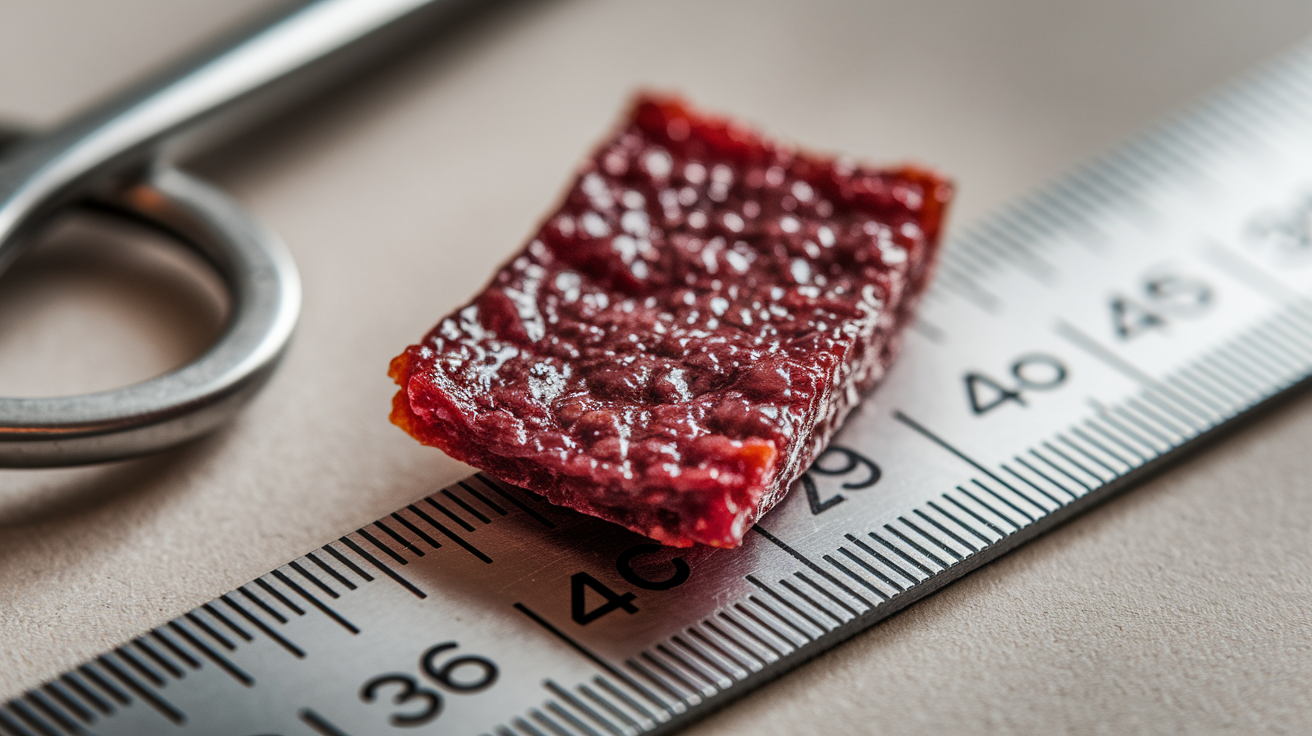
Training sessions demand many reps, which means many treats. To avoid overfeeding, each reward should be tiny. Ideally consumable in one or two bites. Soft treats are easier to break into very small pieces, giving you better control over portion size. A single jerky strip can become eight or ten micro-rewards, keeping your dog motivated without blowing through their daily calorie allowance.
Crunchy treats are harder to portion on the fly. Breaking a biscuit usually creates irregular chunks. And some are baked so firmly that breaking them mid-session isn’t practical. You end up giving larger pieces than you intended, which adds calories quickly. For high-repetition training, that’s a problem.
- Choose treats that are low-calorie and easy to break or cut into pea-sized pieces
- Stick to the 10% rule. Treats should never exceed 10% of your dog’s daily calorie intake
- Soft treats give more flexibility for creating tiny rewards during long sessions
- Pre-portion treats before training to avoid overfeeding in the moment
Storage, Freshness, and Shelf Life Differences
Soft treats have higher moisture content, which shortens their shelf life once opened. They can dry out, harden, or spoil if left unsealed. Most soft treat pouches come resealable, but if you transfer them to a training bag or pocket, they’ll start losing freshness within a day or two. If you train outdoors in warm weather, soft treats can also get sticky or start to smell.
Crunchy treats are baked dry and stay stable much longer. You can leave them in a car console, a jacket pocket, or a training pouch for weeks without worry. They won’t mold, they won’t attract moisture, and they don’t need refrigeration. For handlers who train in different locations or want grab-and-go convenience, crunchy treats are easier to manage.
Age-Based Recommendations for Puppies, Adults, and Seniors
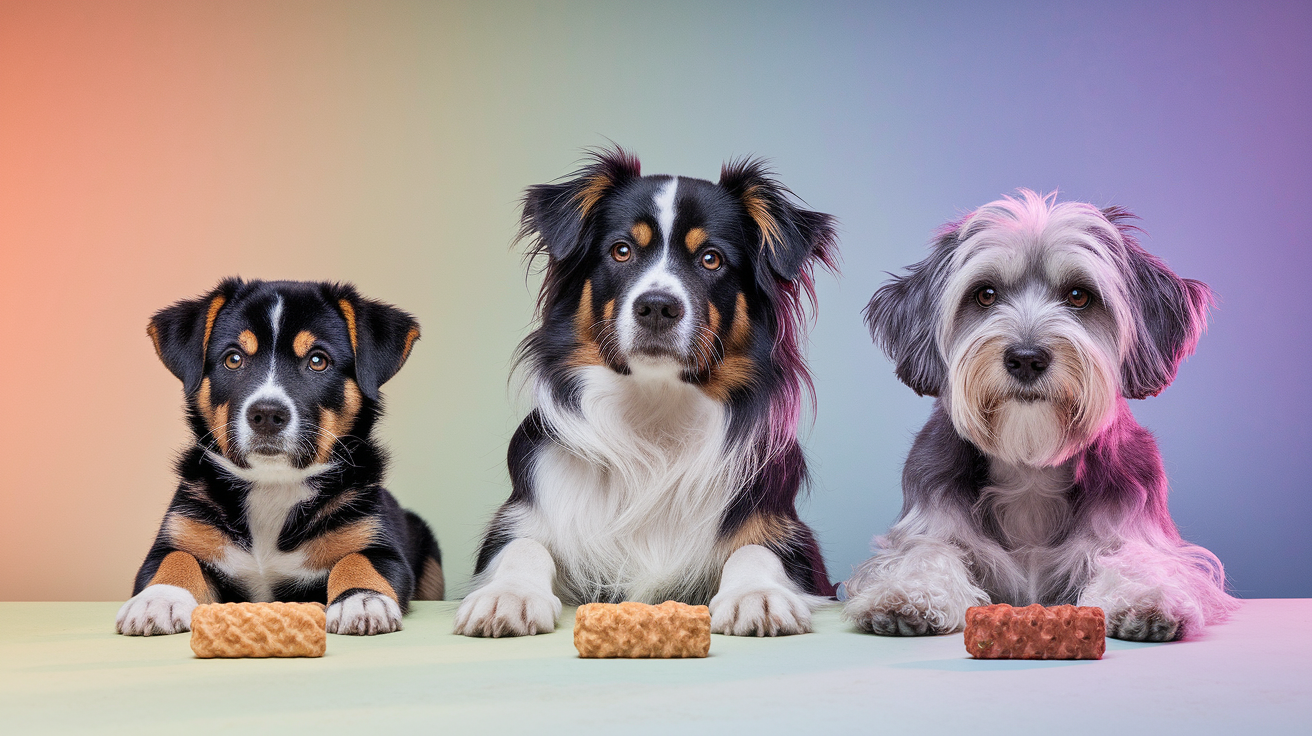
Puppies are still growing baby teeth and learning how to chew. Soft treats are gentler on developing mouths and easier for a puppy to eat quickly without distraction. Early training relies on frequent rewards, so texture that doesn’t slow things down makes sessions smoother. As your puppy matures and adult teeth come in, you can introduce appropriately sized crunchy options if dental health and training goals allow.
Healthy adult dogs with strong teeth can handle either texture. The choice comes down to training style, storage preference, and whether you want the mild dental benefit of crunchy treats. Many handlers keep both on hand and switch depending on the session type. Fast obedience work gets soft treats. Casual rewards or chew time get crunchy.
Senior dogs often deal with tooth loss, gum sensitivity, or reduced jaw strength. Soft treats are kinder to aging mouths and easier to chew without discomfort. If your older dog has had dental extractions or shows signs of pain when eating, stick with soft options. Crunchy treats can still work for seniors with healthy teeth, but watch closely to ensure they’re chewing safely and not struggling with hardness or size.
Best Situational Uses: When Soft or Crunchy Treats Are the Better Choice
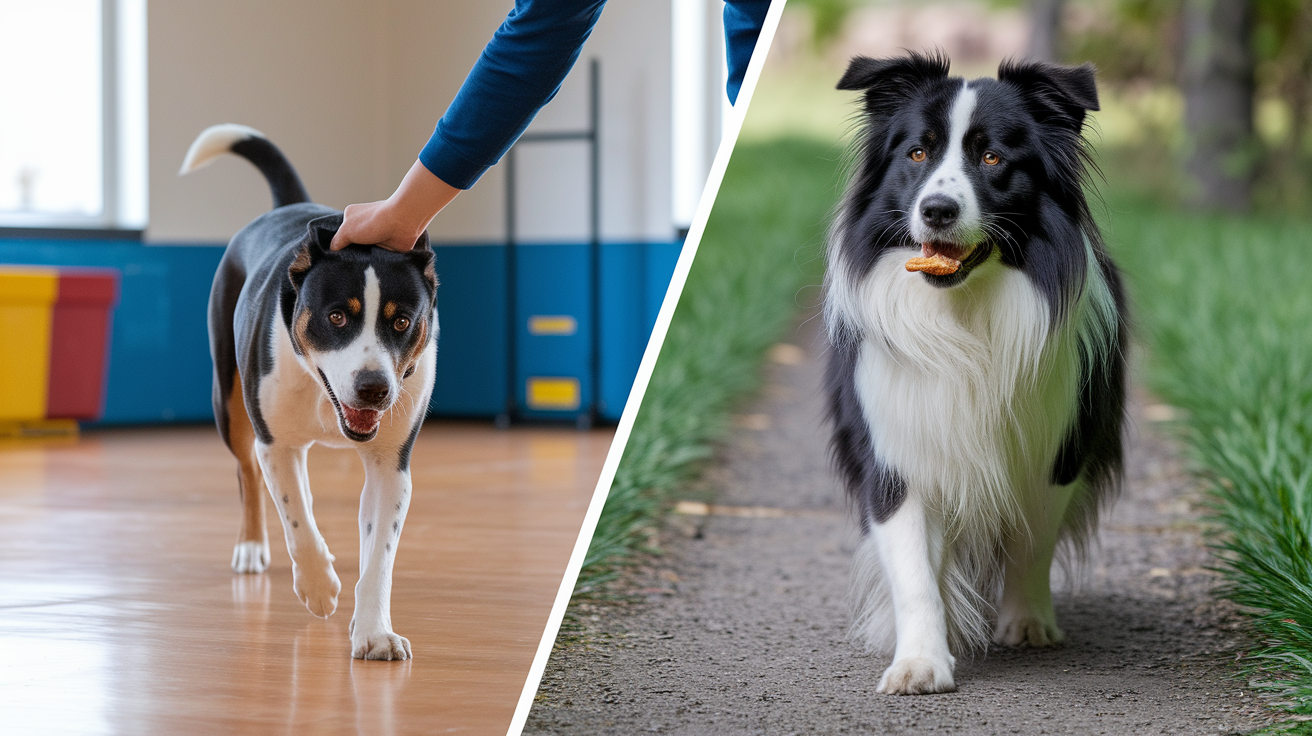
Different training scenarios call for different textures. Knowing when to use soft versus crunchy treats helps you match the reward to the moment.
| Scenario | Best Texture | Reason |
|---|---|---|
| High-repetition obedience training (sit, down, stay) | Soft | Quick consumption keeps training pace fast and focus sharp |
| Outdoor or travel training sessions | Crunchy | Longer shelf life and portability without spoilage risk |
| Puppy basics or senior refreshers | Soft | Gentle on developing or aging teeth, easy to chew |
| Dental support between training sessions | Crunchy | Mild plaque reduction through mechanical chewing |
| High-value rewards for recall or difficult behaviors | Soft | Stronger aroma and palatability increase motivation |
| Low-frequency end-of-session jackpots | Crunchy | Satisfying chew time serves as a bigger, longer-lasting reward |
Expert Opinions and Common Trainer Recommendations
Professional trainers overwhelmingly favor soft treats for active training sessions. The reasoning is simple. Speed and scent. A dog that eats quickly can repeat behaviors more often, which accelerates learning. Trainers working with puppies, reactive dogs, or competition obedience almost always carry soft, high-value treats because the aroma keeps attention locked in and the texture doesn’t interrupt flow.
Crunchy treats show up more as end-of-session rewards or calm-time snacks. Some trainers use a small crunchy treat to signal “we’re done” after a successful practice block. It’s a different texture, a longer chew, and a clear transition out of work mode. That distinction helps dogs understand when training is active and when it’s time to relax. For most small dogs, the expert consensus is soft for sessions, crunchy for maintenance or enrichment.
Popular Examples of Soft and Crunchy Treat Options for Small Dogs
Soft treats typically fall into a few common categories. Jerky-style strips made from chicken, beef, or fish are popular because they’re aromatic and easy to tear into tiny pieces. Semi-moist training bites come pre-portioned into small cubes or rounds, ready to use straight from the bag. Chewy morsels often include added flavors like peanut butter or sweet potato, making them highly palatable for picky eaters.
Crunchy treats lean toward baked biscuits, which come in various shapes and sizes suitable for small mouths. Mini cookies or wafer-style treats offer a lighter crunch without excessive hardness. Grain-free crunchy options use alternative bases like chickpeas or lentils, providing texture while avoiding common fillers. Both categories have freeze-dried options that sit somewhere in the middle. Firm enough to provide chew satisfaction, light enough to break easily.
Common soft treat types:
- Jerky strips (chicken, beef, fish) that tear into small pieces
- Semi-moist training bites in pre-portioned cubes or rounds
- Chewy morsels with added flavors like peanut butter or vegetables
Common crunchy treat types:
- Baked mini biscuits sized for small breeds
- Wafer-style treats with lighter, less dense crunch
- Freeze-dried single-ingredient pieces that offer firmness with easy breakability
Final Scenario‑Based Recommendations for Owners
The best treat texture depends on what you’re doing and what your dog needs. If you’re running through clicker training, shaping a new trick, or working in a distracting environment, soft treats will keep sessions tight and effective. If your dog has healthy teeth and you want to support dental health between training blocks, add appropriately sized crunchy options to the rotation.
Age and dental condition matter more than preference. Puppies, seniors, and dogs with missing teeth or gum sensitivity should get soft treats as the primary option. Healthy adult dogs can use either texture, but training efficiency still tips the scale toward soft for most handlers.
- Use soft treats for high-repetition training, puppies, seniors, and dogs with dental issues
- Use crunchy treats for dental support, travel convenience, or low-frequency rewards
- Mix both textures to avoid treat fatigue and cover multiple goals
- Always portion treats to stay under 10% of daily calories, regardless of texture
Final Words
During a fast-paced training session, soft treats usually win for most small dogs. They’re quick to chew and swallow, so you can reward more often and keep momentum without breaks.
Crunchy treats still have a place, good for end-of-session rewards, mild dental benefit, or when you want a slower chew. But small mouths and training pace often favor soft bites.
If you’re asking soft vs crunchy training treats for small dogs: which is better, soft treats are the better choice for most training moments. Pick tiny, low-calorie pieces and enjoy the wins together.
FAQ
Q: What are the best training treats for small puppies?
A: The best training treats for small puppies are tiny, soft, aromatic, low-calorie bites that break easily for quick rewards. They let you repeat exercises fast without slowing training or overfeeding.
Q: Are crunchy or soft treats better for dogs?
A: Soft treats are better for most training sessions because dogs chew and swallow them quickly, keeping pace and focus; crunchy treats work well as occasional, longer-lasting rewards or mild dental chews.
Q: What is the 3-3-3 rule for dog training?
A: The 3-3-3 rule for dog training is a timeline: expect initial settling by 3 days, clearer behavior and rule learning by 3 weeks, and deeper trust with lasting training gains by 3 months.
Q: What is the healthiest treat for small dogs?
A: The healthiest treat for small dogs is a low-calorie, single-protein, limited-ingredient soft bite sized for tiny mouths, made with real meat and minimal fillers to support digestion and healthy weight.