

What if your puppy’s favorite treat is why their tummy’s upset?
Puppies have small, still-developing guts and a single rich bite can mean loose stools, gas, or vomiting.
This guide shows how to pick gentle treats with low fat and few clear ingredients, plus soothing fibers like pumpkin.
You’ll also get safe testing steps and easy swaps that calm digestion without cutting out treat time.
Think training, teething, and everyday rewards; still possible, just gentler.
Choosing Gentle Treats That Won’t Upset a Puppy’s Sensitive Stomach

Puppies can’t handle what adult dogs can. Their digestive systems are still figuring things out, with lower enzyme production and gut flora that’s basically learning on the job. Dairy is a no-go for most puppies since they’re lactose intolerant. Wheat, artificial junk, high fat content, and sudden food switches all cause trouble. One rich treat can mean loose stools, vomiting, or gas within a few hours.
The gentlest treats keep it simple. You want low fat (somewhere around 10 to 15% per serving), ingredient lists you can actually understand, and textures that don’t make a young stomach work overtime. Soft options like Puppy Dental Sticks and Healthy Bites work for puppies starting at 3 months, with bases like pumpkin and banana that add fiber without the irritation. Look for hypoallergenic or limited-ingredient labels, nothing with wheat, gluten, or mystery meat meals.
Start with one tiny piece and then wait. Give it 24 to 48 hours. Watch for changes in their poop, any vomiting (usually shows up 2 to 6 hours later), reluctance to eat their next meal, or lots of lip licking. If that first piece goes fine, try a second one a day or two later. Loose stools the next morning or any vomiting? Stop immediately and let their stomach rest a few days before testing something different. Slow introductions help you figure out exactly what works, especially during those first months when everything’s still settling.
Ingredient Checklist for Sensitive-Stomach Puppy Treats
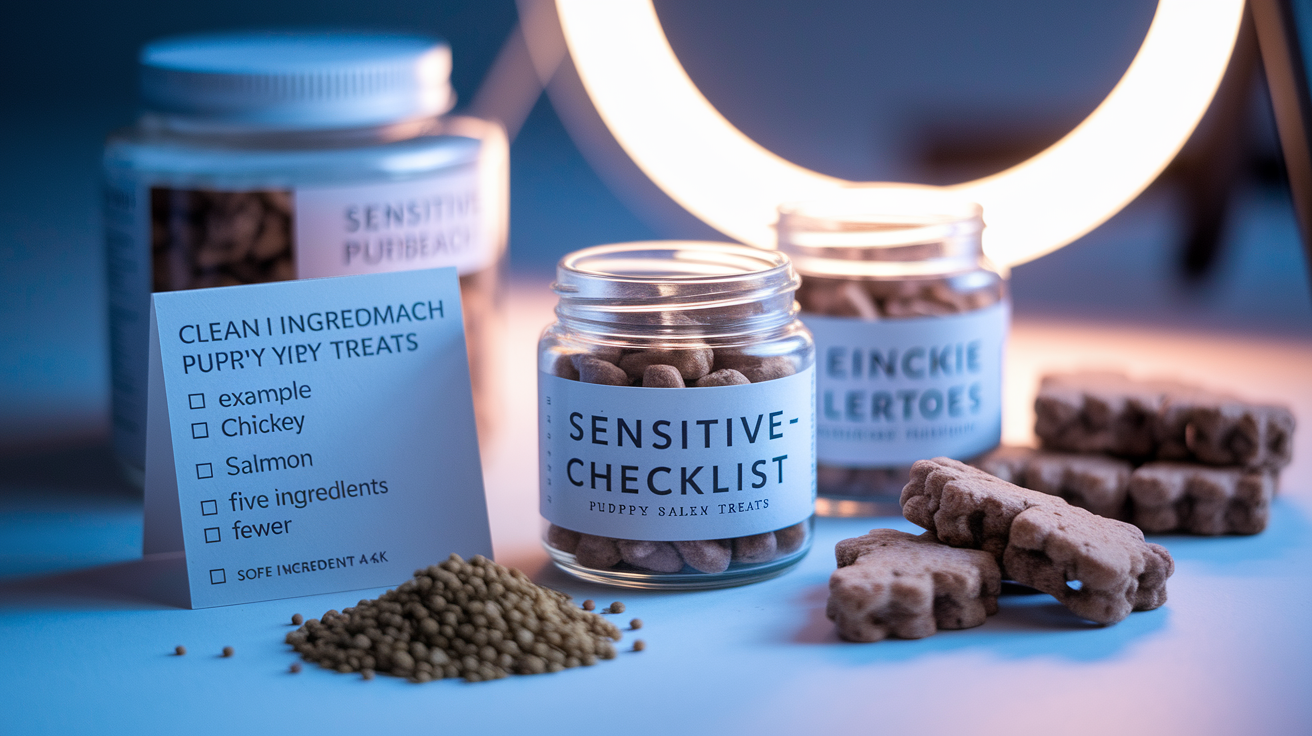
Chicken, turkey, salmon, and certain novel options like duck, lamb, or venison are usually safe bets. Novel proteins help if your puppy’s already had a bad reaction to chicken or beef because their system hasn’t seen them before. Single-protein treats make troubleshooting easier. If the label says “salmon” and nothing else, you know exactly what you’re testing.
Fiber-rich stuff like pumpkin, banana, carrot, and sweet potato supports digestion without causing upset. These show up in puppy formulas a lot because they’re gentle and naturally sweet. Avoid dairy, wheat, corn, soy, artificial preservatives (BHA, BHT, ethoxyquin), artificial colors (Red 40, Yellow 6), or vague terms like “meat meal” or “natural flavors” without a named source. High fat ingredients above 15% per serving are common GI irritants for young dogs. Even “grain-free” can be misleading if they swap wheat for legumes or potatoes that still cause problems.
When you’re reading labels, look for these:
- Single named protein like chicken breast, beef liver, or salmon instead of blends or vague “poultry”
- Five ingredients or fewer for limited-ingredient formulas
- Fiber sources like pumpkin, sweet potato, banana, or oat fiber listed early
- Natural preservatives like tocopherols (vitamin E) or rosemary extract instead of synthetic chemicals
- Hydrolyzed proteins if your vet recommended hypoallergenic options (proteins broken into smaller, easier pieces)
- No artificial colors or flavors. If you see Red 40 or “artificial chicken flavor,” skip it
- Clear calorie count per piece so you can portion accurately during training
Brand Examples of Treats That Support Sensitive Puppy Digestion
Several brands have built solid reputations for digestibility and transparent ingredients. These examples cover different textures, protein sources, and price points so you can match what your puppy needs to your training routine.
Soopa Puppy Treats
Soopa Puppy Dental Sticks and Healthy Bites are both formulated for puppies 3 months and older. The Dental Sticks are soft, chewy, naturally high in fiber, and low in fat, with a pumpkin and banana base. They’re free from wheat, gluten, and meat, which makes them work well for pups with multiple sensitivities. The Healthy Bites are bite-sized, hypoallergenic, vegan, and low-calorie. Perfect for frequent training sessions without overloading a young stomach. Both products emphasize oral health alongside digestion, and their simple ingredient panels make it easy to see what’s inside.
Freeze-Dried Limited-Ingredient Brands
PureBites Freeze-Dried Raw Dog Treats offer single-ingredient options like American-sourced chicken breast, beef liver, or salmon, with pieces averaging just 3 calories each. That low calorie count and single-protein format make them great for training puppies with sensitive systems. Stewart Beef Liver Freeze-Dried treats follow a similar path: 100% pure beef liver, about 6 calories per piece, and they work well as high-value rewards when you need your puppy’s full attention. Both brands keep it clean. One ingredient, freeze-dried to preserve nutrients, and easy to break into smaller bits if needed. For more detailed comparisons of sensitive-stomach treat options across brands, see Best dog treats for sensitive stomachs.
Probiotic and Functional Treat Options
Get Naked Digestive Health Grain-Free Dental Sticks include fructooligosaccharides (a prebiotic) and dried Bacillus coagulans (a probiotic) to support gut flora, especially helpful after antibiotics or during a flare-up. Each stick is about 25 calories and adds organic flaxseed and chia for omega-3s and fiber. CANIDAE Pure Grain-Free Biscuits use a single animal protein per flavor (salmon or duck), paired with pea flour, sweet potato, pumpkin, ginger, and turmeric, around 20 calories per biscuit. For puppies who tolerate plant-based options, Wholesome Pride Sweet Potato Chews are single-ingredient dried sweet potatoes, roughly 39 calories per chew, and useful during elimination diets when you’re avoiding all animal proteins temporarily.
| Brand | Primary Ingredient | Why It’s Gentle |
|---|---|---|
| Soopa Puppy Dental Sticks | Pumpkin, Banana | Soft, low-fat, hypoallergenic, no wheat/gluten/meat |
| PureBites Freeze-Dried | Chicken Breast (or Salmon) | Single ingredient, 3 kcal/piece, easy to digest |
| Stewart Beef Liver | 100% Beef Liver | Single ingredient, 6 kcal/piece, high-value reward |
| Get Naked Digestive Health | Chicken, Probiotics, Flaxseed | Prebiotic + probiotic support, grain-free, 25 kcal/piece |
| Wholesome Pride Sweet Potato | Dried Sweet Potato | Plant-based, single ingredient, useful for elimination diets |
Homemade Digestive-Friendly Puppy Treat Ideas
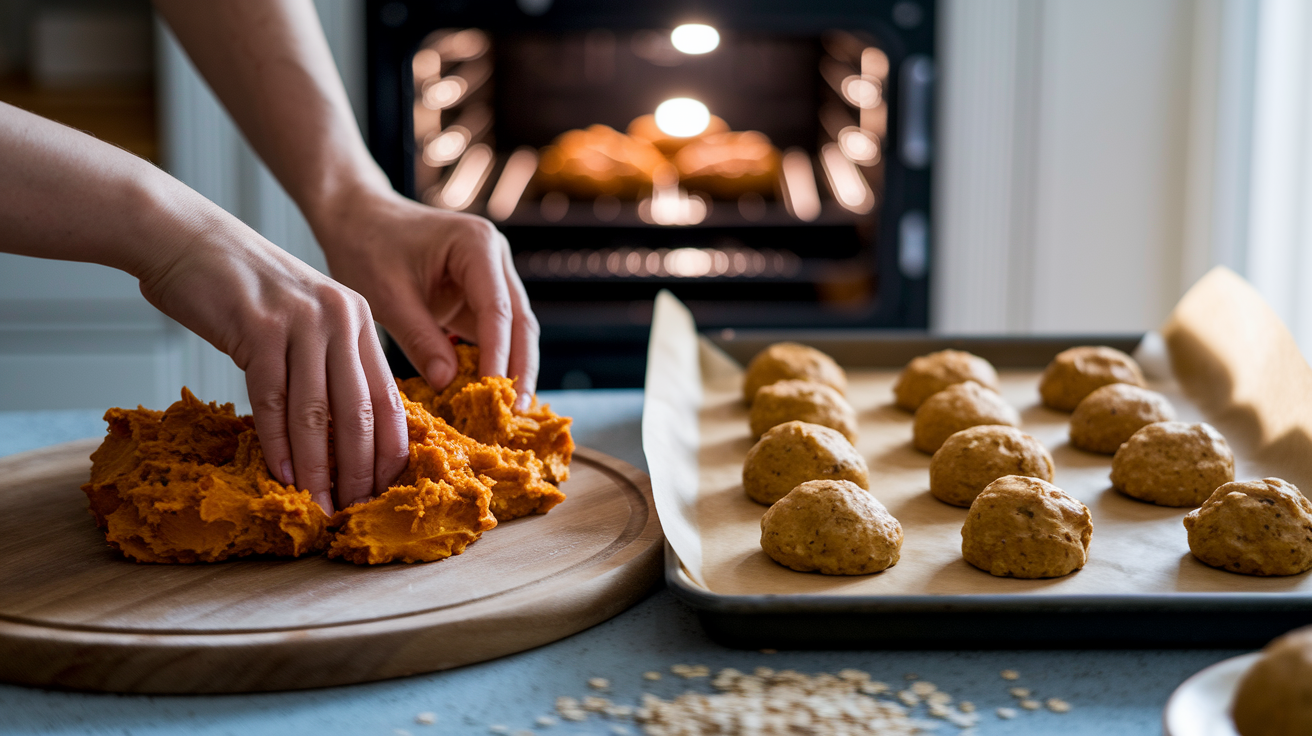
Homemade treats give you total control over every ingredient. That’s huge when you’re working through an elimination diet or avoiding specific allergens. Gentle bases include pumpkin puree (not pumpkin pie filling, just plain puree), mashed banana, cooked and mashed sweet potato, plain oats, and low-sodium bone broth. You can bake these into small bites for shelf-stable training rewards or freeze them into cooling treats for teething relief. If you’re using any dairy, choose lactose-free or very low-lactose options like plain Greek yogurt in tiny amounts, since most puppies can’t digest regular milk.
Introduce each new homemade recipe the same way you would a commercial treat. One small piece, then monitor stools and behavior for 48 hours before offering more. Homemade treats often have shorter shelf lives than store-bought options, so make small batches and store them in the fridge (up to one week) or freezer (up to three months).
Here’s a basic approach to making gentle baked treats:
- Mix your base: Combine 1 cup pumpkin puree, 1 mashed ripe banana, and 2 cups oat flour (or rolled oats ground in a blender) in a bowl until you have a thick, scoopable dough.
- Portion onto a baking sheet: Use a teaspoon or small cookie scoop to drop small mounds onto parchment paper, leaving space between each piece.
- Bake low and slow: Bake at 300°F for 25 to 30 minutes until the edges are firm and the centers are set but not browned.
- Cool completely: Let treats cool on a wire rack for at least 20 minutes so they firm up and any remaining moisture evaporates.
- Serve and store: Offer one piece as a test, then refrigerate the rest in an airtight container for up to one week or freeze in a sealed bag for longer storage.
Treats and Ingredients Puppies with Sensitive Digestion Should Avoid

Dairy is one of the biggest culprits because most adult dogs and many puppies are lactose intolerant. Even a small amount of cheese, milk, or yogurt can trigger gas, cramping, and loose stools. Wheat is another frequent irritant, along with corn and soy, which show up in many commercial treats as fillers. Meat by-products and vague “meat meal” listings are red flags because you don’t know what’s actually in there, and mystery proteins make it impossible to track sensitivities.
Artificial colors (like Red 40 or Yellow 6), artificial flavorings, and chemical preservatives (BHA, BHT, ethoxyquin) serve no nutritional purpose and can aggravate delicate digestive systems. High-fat treats, anything above about 15% fat per serving, are especially hard on young stomachs and commonly cause GI irritation. For example, a rich bully stick or fatty table scrap can lead to vomiting within 2 to 6 hours or loose stools the next morning. Rawhide is another common problem. It can be tough to digest and may cause blockages. Gentler alternatives include dehydrated fish skins (like cod skins) or yak chews, which are lower-risk and easier on the gut.
Watch for early warning signs that a treat isn’t working. Vomiting shortly after eating, diarrhea or very soft stools the next day, excessive gas, reluctance to eat the next meal, or persistent lip-licking. If any of these symptoms show up twice in one week, stop all treats immediately and let your puppy’s stomach rest for a few days before trying a different, simpler option.
Feeding Amounts and Portion Control for Sensitive-Stomach Puppies

Treats should never exceed 10% of your puppy’s daily caloric intake, and for sensitive stomachs it’s often safer to stay closer to 5% until you know what they can handle. Puppies grow fast and their calorie needs change weekly, so portion control is about more than just avoiding upset. It’s also about supporting healthy development without overfeeding.
Low-calorie treats are your best tool for frequent training. PureBites chicken breast pieces are about 3 calories each, which means you can reward a dozen times during a 10-minute session without worrying about calorie overload. Stewart beef liver treats are around 6 calories per piece, still very manageable for regular use. Mid-range options like Get Naked probiotic dental sticks (about 25 calories each) work well as occasional high-value rewards or post-walk enrichment. High-calorie chews like dehydrated cod skins at 24 to 40 calories per piece or freeze-dried chicken hearts at 119 calories per ounce should be reserved for special moments or cut into smaller portions, especially for toy and small breeds whose daily budgets are tight.
| Treat Type | Approx Calories per Piece | Recommended Frequency |
|---|---|---|
| PureBites Freeze-Dried Chicken | 3 kcal | Use freely during training (10–15 pieces/session) |
| Stewart Beef Liver | 6 kcal | Several times daily for high-value rewards |
| Get Naked Digestive Dental Stick | 25 kcal | Once daily or every other day |
| Dehydrated Cod Skins (small) | 24–40 kcal | 2–3 times per week, supervised chew sessions |
Grain-Free, Hypoallergenic and Limited-Ingredient Options for Puppies
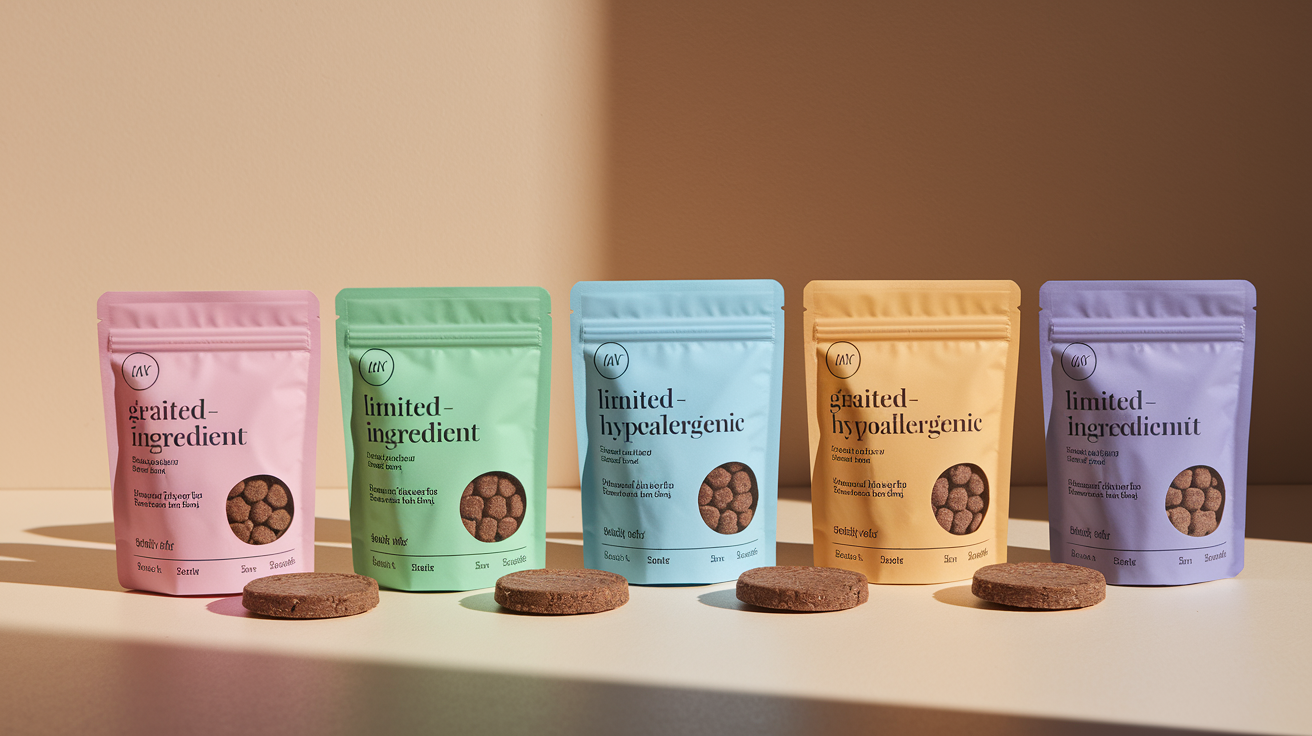
Grain-free and hypoallergenic treats help eliminate common allergens, but it’s important to understand what each label actually means and when to choose one over the other.
Limited-Ingredient and Grain-Free Basics
Limited-ingredient treats are defined by short ingredient lists, typically five ingredients or fewer, and a single named protein. They’re great for mild sensitivities or when you’re starting an elimination diet to figure out what’s causing trouble. Grain-free options remove wheat, corn, rice, and other grains, which can be helpful if your puppy reacts to those specific ingredients. The trade-off is that many grain-free treats substitute legumes (peas, lentils) or potatoes, and some puppies are just as sensitive to those as they are to grains. Limited-ingredient treats tend to be more affordable than full hypoallergenic formulas and easier to find at most pet stores.
Hypoallergenic and Novel-Protein Picks
Hypoallergenic treats go a step further by using hydrolyzed proteins, proteins that have been broken down into such small molecules that the immune system usually won’t recognize them as allergens. These are the most digestible option for puppies with multiple diagnosed allergies, but they’re also premium-priced. Novel proteins like venison, lamb, duck, or rabbit are useful when your puppy has already shown reactions to common proteins like chicken or beef. Because the immune system hasn’t been exposed to these proteins before, the risk of an allergic reaction is lower. Soft textures in any of these categories also support teething puppies, making chewing easier and less stressful on developing teeth and gums. If your puppy has one mild sensitivity, start with a limited-ingredient or grain-free treat. If they have multiple confirmed allergies or chronic digestive trouble, talk to your vet about hydrolyzed hypoallergenic options.
When to Contact a Veterinarian About Treat-Related Digestive Troubles
If your puppy’s diarrhea or vomiting persists beyond a single episode, or if symptoms appear twice in one week even after you’ve switched treats, it’s time to call your vet. Occasional soft stool after trying something new isn’t unusual, but repeated trouble signals that something more than a simple sensitivity might be going on. Puppies on antibiotics or recovering from illness are especially vulnerable to digestive upset, and your vet may recommend probiotic-fortified treats or a temporary break from all treats until their gut flora stabilizes.
Veterinarians can guide you through an elimination diet, where you remove all treats and extras for a week or two, then reintroduce one ingredient at a time to identify the trigger. They may also suggest novel-protein trials using proteins your puppy has never eaten, or prescribe hydrolyzed treats designed to minimize immune reactions. Keep in mind that delayed reactions can show up within 48 to 72 hours of a new treat, so don’t assume everything’s fine just because your puppy seems okay the first day. If you’re seeing persistent symptoms, weight loss, lethargy, or blood in the stool, skip the trial-and-error phase and get professional help right away.
Comparing Treat Types for Digestive Tolerance
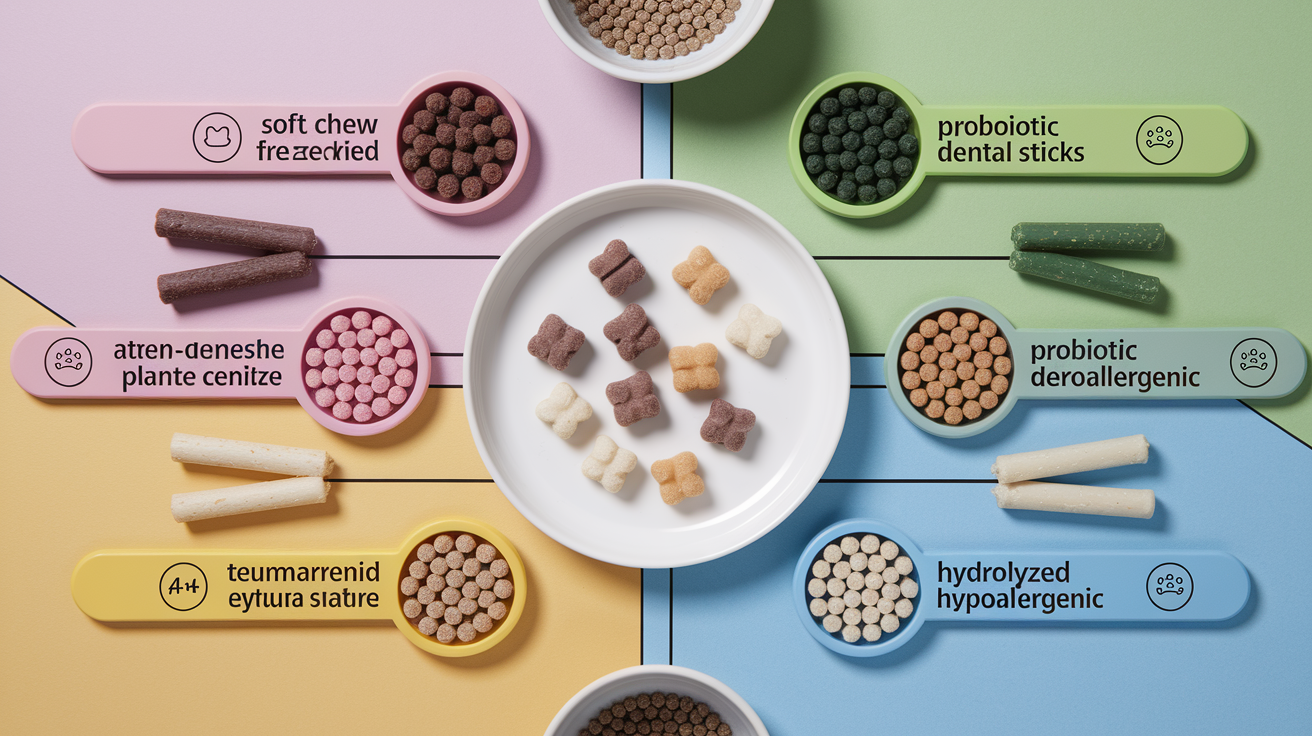
Texture, ingredient complexity, and added supplements all influence how well a treat sits in a sensitive puppy’s stomach. Soft chews are gentle on teething gums and easier to digest than hard biscuits, making them a smart choice for puppies under six months. Freeze-dried meats like chicken breast or beef liver are clean single-ingredient options that preserve nutrients without added fillers or preservatives. Plant-based snacks like dried sweet potato, banana chips, or apple slices provide natural fiber and are useful when you’re testing whether animal proteins are the problem. Probiotic-enhanced treats, like dental sticks with added Bacillus coagulans, actively support gut health by restoring beneficial bacteria, especially helpful after antibiotics or during a flare-up. For a broader look at digestion-support treat categories and how they compare, check out Healthy puppy treats for sensitive stomachs.
| Treat Type | Texture | Digestive Benefit | Best For |
|---|---|---|---|
| Soft chews (pumpkin/banana base) | Soft, chewy | Easy to digest, gentle on teething gums | Puppies 3–6 months, sensitive stomachs |
| Freeze-dried single-protein | Dry, crumbly | Clean ingredient, no additives or fillers | Training, elimination diets |
| Plant-based (sweet potato, banana) | Chewy or crisp | High fiber, no animal protein exposure | Suspected animal-protein sensitivities |
| Probiotic dental sticks | Firm, chewy | Supports gut flora, aids digestion | Post-antibiotic recovery, chronic GI issues |
| Hydrolyzed hypoallergenic | Varies (often crunchy) | Proteins broken down, minimal allergen risk | Multiple confirmed allergies |
| Dehydrated fish skins | Chewy, long-lasting | Single ingredient, high protein, low fat | Supervised enrichment, novel protein trial |
Final Words
By the time your pup perks up at the treat pouch, you’ll know what to reach for: soft, low-fat, short-ingredient rewards and a slow, watchful introduction. This post covered why young digestive systems are sensitive, which treat traits help, and how to test new snacks safely.
We touched on simple homemade options, gentle brand picks, portion limits, and when to contact the vet.
With this checklist, you can feel confident choosing treats for puppies with sensitive stomachs and make treat time a calm, happy routine.
FAQ
Q: What treats are good for sensitive-stomach puppies and what treats can you give a dog with a sensitive stomach?
A: Good treats for sensitive-stomach puppies and dogs are low-fat, limited-ingredient, single-protein options like plain poultry, pumpkin, or freeze-dried meat; introduce one small piece and watch stool and vomiting for 24–48 hours.
Q: What are the best chews for puppies with sensitive stomachs?
A: The best chews for puppies with sensitive stomachs are soft, low-fat dental sticks, single-ingredient freeze-dried meats, or gentle yak/fish alternatives; avoid high-fat, highly processed chews and monitor digestion after first use.