
Want your hound to bolt back to you even when a squirrel’s five feet away?
Forget plain biscuits. Stubborn hounds need high-value treats like freeze-dried liver, torn chicken, cheese cubes, or hot dog micro-cubes.
They smell stronger, are soft enough to swallow in under two seconds, and are small enough to give dozens of reps without packing on calories.
Use these aromatic, fast-to-swallow, pea-sized rewards during recall training and you’ll fix the timing and motivation problems that make hounds ignore you.
Essential High-Value Treat Choices That Motivate Stubborn Hounds in Recall Training
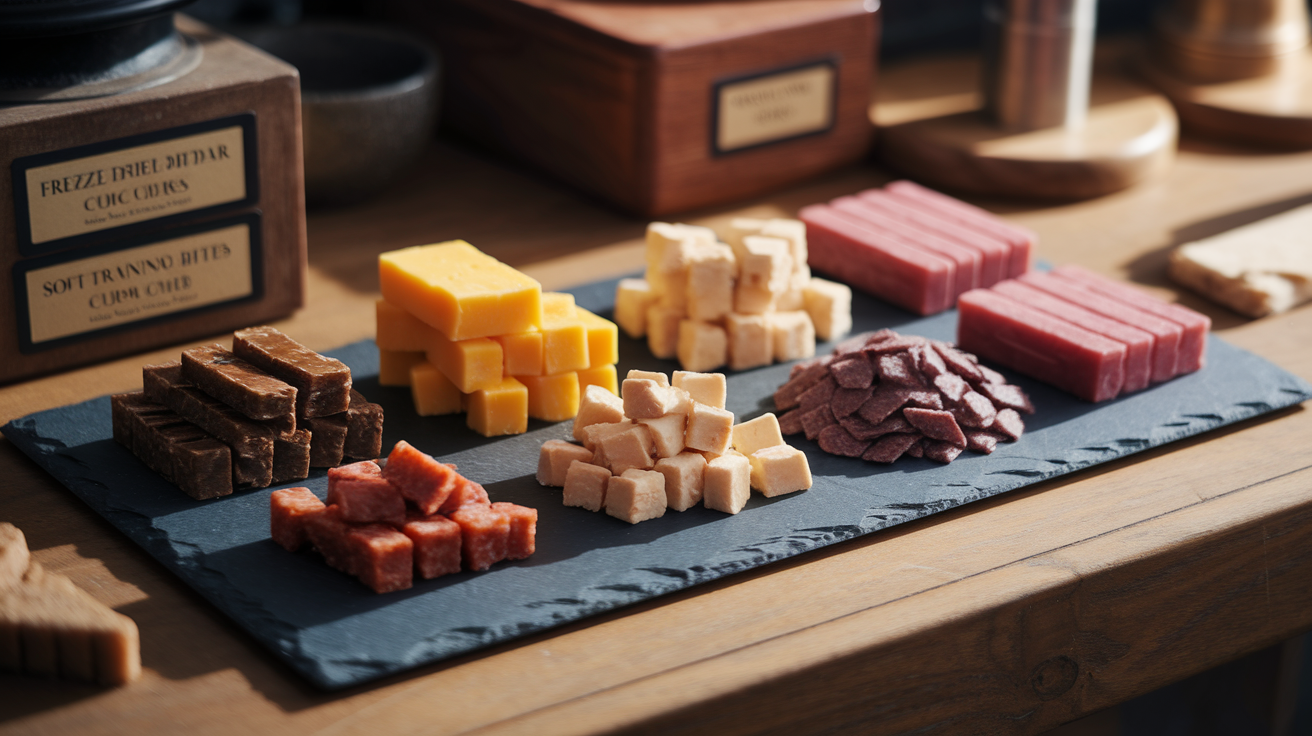
Freeze-dried liver, cubed cheddar, torn chicken bits, soft mini training bites, hot dog cubes, and sardine flakes. These work when nothing else does.
They smell strong enough to cut through whatever your hound’s tracking. They’re soft enough to swallow in under two seconds. And they’re small enough that you can hand out dozens without turning your dog into a blimp.
When your hound’s nose is locked on a scent trail or fixated on another dog, regular biscuits don’t stand a chance. You need something that triggers a faster, stronger response than whatever distraction they’re chasing.
Aroma matters most. Hounds process the world through scent, so a treat that smells stronger will always win against something mild. Soft texture comes next. Training moves fast, and if your dog has to chew, you’re losing momentum. The association between recall and reward gets weaker when there’s a three second delay while they chomp through something crunchy. You want them to swallow, refocus, and be ready for the next rep in under two seconds.
Size controls how many reps you can actually do. Pea-sized pieces, around two to five calories each, let you deliver thirty to fifty rewards without blowing your dog’s calorie budget for the day. That volume is what builds the habit. A couple big treats won’t cut it.
Quick list:
- Freeze-dried liver
- Cubed cheddar or string cheese
- Cooked chicken pieces
- Soft meat training bites
- Sardine flakes
- Hot dog micro-cubes
What Makes High-Value Treats Work for Hounds With Strong Scent Drive
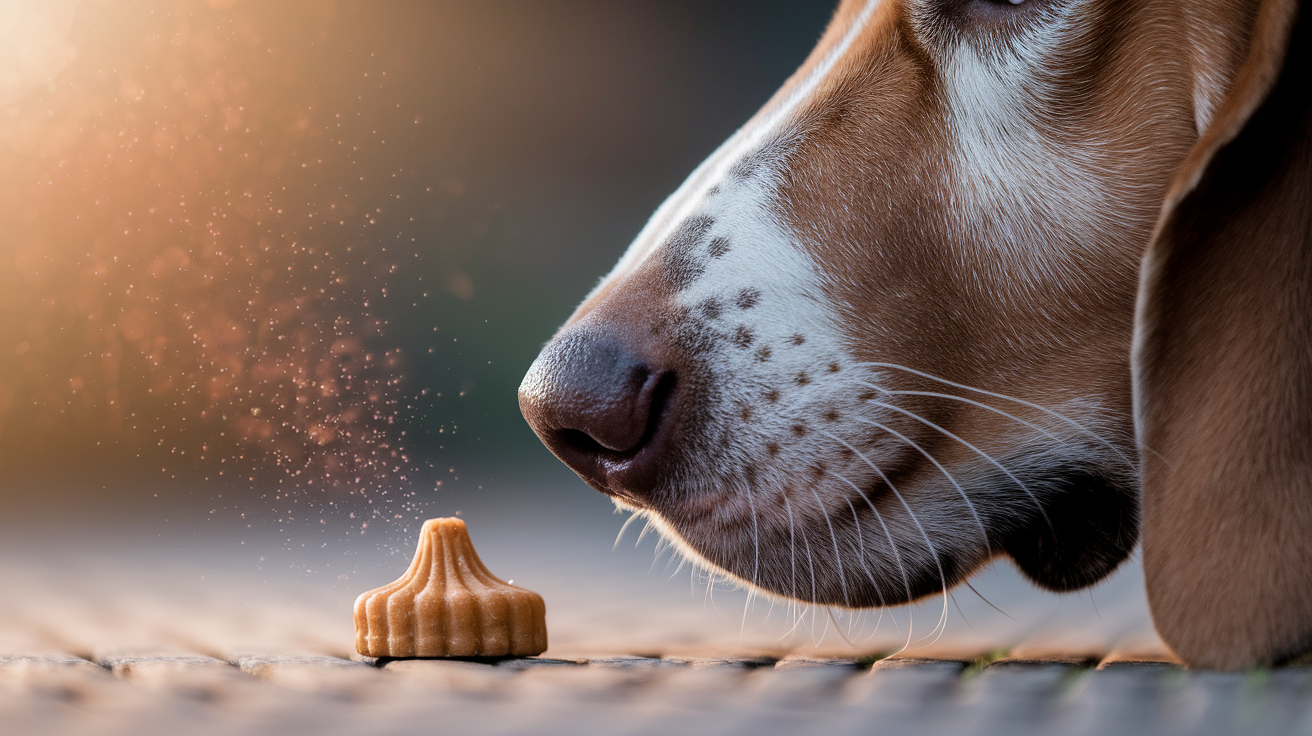
Hounds process everything through their nose first. When a treat releases strong aroma, it competes directly with the smells already pulling their attention. Grass, soil, squirrel trails, other dogs. A high-value treat needs enough smell to interrupt that focus and redirect it back to you.
Freeze-dried organ meats and fish-based rewards release oils and proteins that trigger a fast response, even from a distance.
Texture determines how quickly reinforcement actually happens. Soft treats crumble or dissolve on contact. Your dog swallows and refocuses in about a second. Crunchy treats need chewing, which adds three to five seconds and breaks the clean connection between recall and reward. That delay costs you precision, especially when you’re working somewhere with high distraction where every second counts.
Pea-sized portions keep things efficient. A piece around two to five calories lets you deliver rapid-fire reinforcement without overfeeding. You can break one freeze-dried liver square into ten to twenty micro-pieces. Turn a single treat into multiple reps. That repetition volume is what builds reliable recall. If each reward’s too large, you’ll run out of calorie budget before you’ve practiced enough to create the habit.
Keep pieces tiny. Keep sessions short. Keep the smell strong.
Recommended High-Value Treat Categories for Reliable Hound Recall
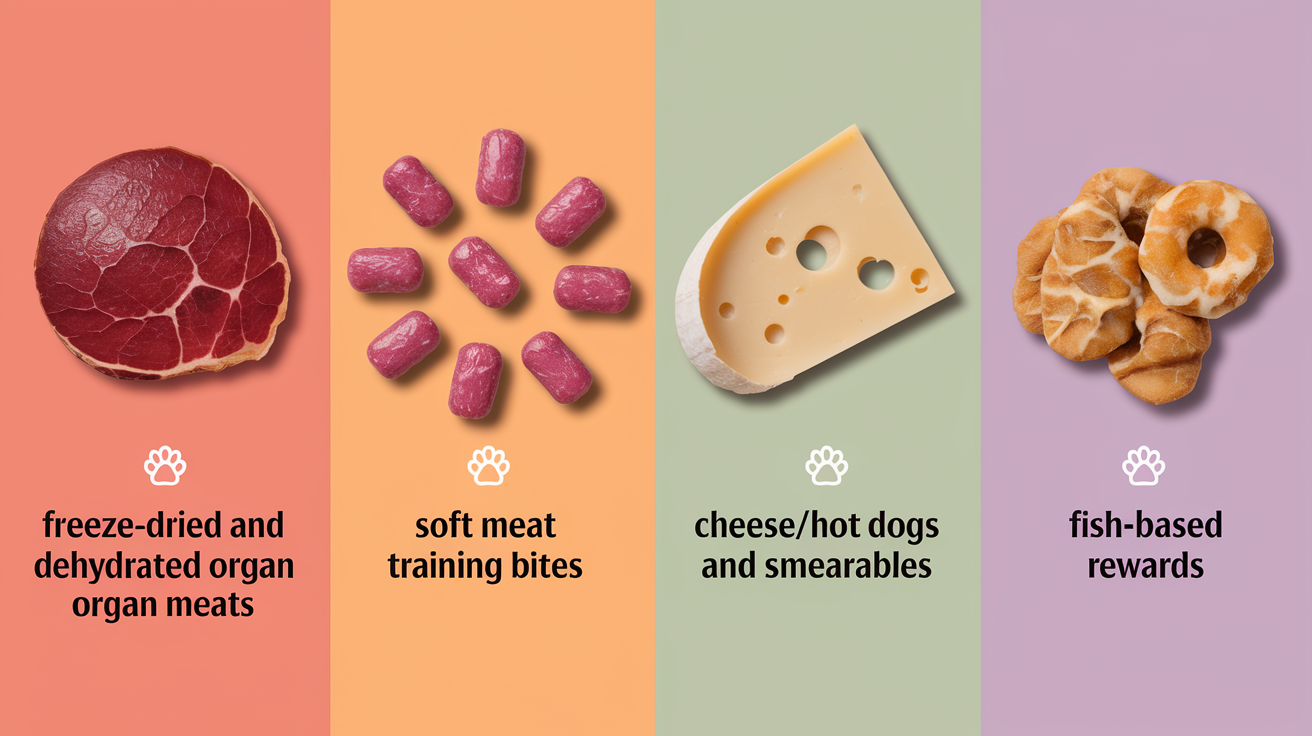
Different treats offer different advantages depending on context, distraction level, and what your dog actually likes. Most stubborn hounds respond well to rotating between a few categories. Keeping two or three options in your treat pouch prevents flavor boredom while maintaining motivation across sessions.
Freeze-Dried and Dehydrated Organ Meats
Freeze-dried liver, beef heart, and lung are the most aromatic options you can get. The freeze-drying process locks in fat and protein without destroying scent compounds, so even a tiny piece releases powerful smell. These work exceptionally well in parks, near other dogs, or anywhere environmental distractions run high.
They crumble easily into micro-pieces. Because they’re single-ingredient, they’re safe for dogs with food sensitivities. One small bag, around two to three ounces, can give you hundreds of pea-sized rewards.
Downside is price. Freeze-dried organ meats usually cost eight to twenty dollars per small pack. But the aroma advantage makes them worth saving for the hardest recalls.
Soft Meat Training Bites
Commercially available soft mini training treats are designed for high-volume reinforcement. Each piece is pre-portioned to around two to four calories. Soft texture means your dog swallows immediately.
These are less aromatic than freeze-dried liver, so they work best indoors or in low-distraction environments like your backyard. They’re convenient though. No prep, no refrigeration before opening, easy to carry in a pouch. A six to seven ounce bag usually costs six to twelve dollars and contains enough pieces for multiple training weeks.
If you’re working on early-stage recall or puppy basics, soft bites offer a decent balance of palatability and practicality.
Cheese, Hot Dogs, and Smearables
Cheese cubes, hot dog pieces, and cream cheese smears are highly palatable. They work especially well for dogs who ignore commercial treats.
Cheddar or string cheese cut into quarter-inch cubes delivers around five to ten calories per piece, so portion control matters. One hot dog can be sliced into thirty to forty pea-sized cubes, making it a budget-friendly high-value option. Smearables like cream cheese or peanut butter, dabbed on a fingertip, work for jackpot moments or emergency rewards.
Main caution is fat content. Too much cheese or processed meat can trigger digestive upset or contribute to weight gain. Use these strategically and adjust meal portions on training days.
Fish-Based Rewards (Sardines, Salmon Jerky)
Sardines packed in water and dehydrated salmon jerky offer intense aroma and high palatability. Sardines work best as occasional jackpot rewards. Deliver one to two teaspoons after a breakthrough recall or a particularly difficult distraction. The smell is strong enough that most hounds will sprint back for it.
Salmon jerky can be cut into small strips and used similarly to liver, though it’s slightly chewier. Works better as a medium-value treat rather than something for rapid-repetition reward delivery. Fish-based treats are also useful for dogs with poultry or beef sensitivities.
Store opened packages in the refrigerator to preserve freshness.
Rotating between these categories keeps training interesting and prevents your dog from getting bored with a single flavor. Reserve the highest-value treats (freeze-dried liver and sardines) for the hardest recalls. Use softer, less aromatic options for easier practice sessions at home.
Treat Size, Calorie Management, and Portion Control When Training Hounds

Effective recall training requires dozens of rewards per session. Each treat must be small enough to avoid overfeeding. Pea-sized pieces, around two to five calories each, allow you to deliver thirty to fifty reps in a ten-minute session without exceeding your dog’s daily calorie budget.
Most training treat packages list calories per piece or per ounce. Use that information to pre-portion your pouch before you head out. If one freeze-dried liver square is ten calories, break it into four or five micro-pieces so each reward is closer to two calories.
Standard guideline: keep training treats at or below ten percent of your dog’s total daily caloric intake. A fifty-pound hound typically needs around eight hundred to one thousand calories per day, so training treats should stay under eighty to one hundred calories total. That might sound restrictive. But when each treat is two to five calories, you’re looking at sixteen to forty individual rewards. Plenty for multiple short sessions.
On heavy training days, reduce your dog’s main meal by the equivalent calorie amount to avoid weight gain.
| Treat Type | Avg kcal per Micro-Piece | Best Use |
|---|---|---|
| Freeze-dried liver | 2–5 kcal | High-distraction recall in parks |
| Soft mini training bites | 2–4 kcal | Indoor practice, puppy basics |
| Cheese cubes | 5–10 kcal | Stubborn moments, jackpot rewards |
| Hot dog micro-cubes | 3–6 kcal | Budget-friendly high-value option |
Track your treat usage over a week and adjust meal portions accordingly. If you notice weight gain, reduce the size of each treat or cut back on reps per session. If your dog seems full or uninterested partway through a session, you’re likely overfeeding.
Smaller, more frequent sessions with fewer treats per round often work better than one long session with a full pouch.
Reward Timing, Marker Words, and Delivery Technique in Recall Training
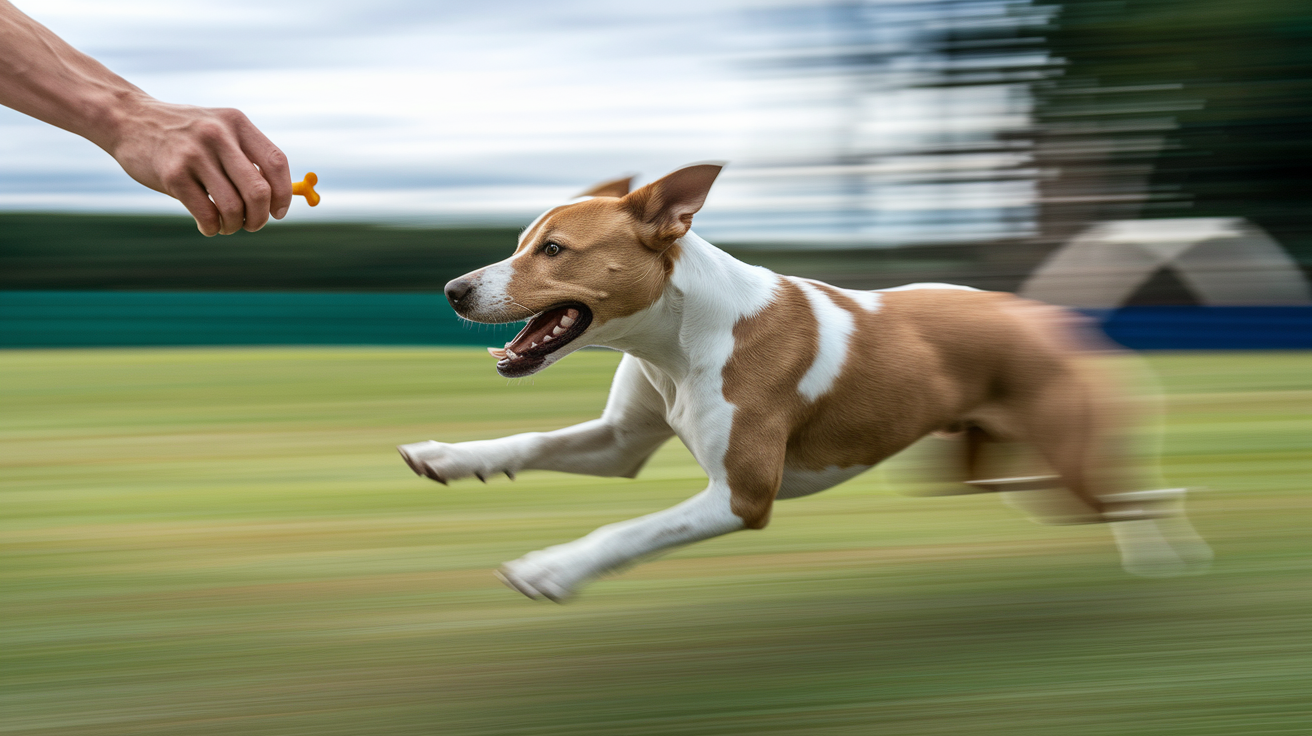
The moment your dog arrives at your side is the moment the treat must appear. Delayed rewards, even by two or three seconds, weaken the connection between recall and reinforcement. Your dog needs to understand that coming back is what earned the treat. Not sitting. Not looking at you afterward. The act of returning.
Keep treats in an easy-access pouch or your hand so you’re not fumbling with zippers when your dog reaches you.
Marker words or clicker sounds help bridge the gap between behavior and treat. The second your dog turns toward you or starts moving in your direction, say “yes” or click, then deliver the treat as soon as they arrive. That marker tells your dog exactly which action earned the reward, even if there’s a slight delay in getting the food into their mouth.
Pairing the marker with immediate delivery builds clarity and speed. If you wait until your dog sits or makes eye contact, you’re rewarding those behaviors instead of the recall itself.
Rotating treat types within a session prevents boredom and keeps motivation high. Start with a medium-value treat, switch to freeze-dried liver after a particularly good recall, then rotate back. That unpredictability (sometimes called a variable reinforcement schedule) increases engagement because your dog never knows if the next recall will bring a standard reward or a jackpot.
Quick process:
- Mark the recall with “yes” or a clicker the instant your dog turns toward you.
- Deliver the treat within one second of arrival. No delays.
- Keep treats pre-portioned in an accessible pouch or pocket.
- Rotate treat types to prevent predictability and maintain interest.
- Use jackpot rewards (three to five treats at once) after a breakthrough or difficult recall.
Using Long Lines and Environmental Staging to Maximise Treat Effectiveness

High-value treats work best when paired with controlled distance and gradually increasing distractions. Start recall practice indoors at three to five feet with minimal distractions. At that distance, even a medium-value treat will work because there’s nothing competing for your dog’s attention.
Once your dog responds reliably (eighty percent success or higher), move to ten to twenty feet in your backyard. Add mild distractions like a toy on the ground or a family member walking nearby.
Next stage is thirty to fifty feet using a fifteen to thirty-foot long line. The long line keeps your dog safe while giving them enough freedom to experience real-world distractions. Other dogs, people, interesting smells. At this distance, you’ll need to escalate treat value. Reserve freeze-dried liver, cheese, or sardines for these longer recalls. The increased challenge requires a proportionally higher reward.
Practice in multiple environments to generalize the behavior. A dog who recalls perfectly in your living room may ignore you entirely at the park if they’ve never practiced there. Move through quiet parks, then busier parks, then near playgrounds or trails.
Each new environment resets the difficulty level. Expect to step back in distance or distraction and rebuild reliability with high-value treats before advancing again.
Process:
- Start indoors at 3–5 feet with low-value treats and no distractions.
- Progress to 10–20 feet in your yard. Introduce mild distractions like toys or people.
- Use a 15–30 foot long line for 30–50+ foot recalls in controlled outdoor spaces.
- Escalate treat value as distance and distraction increase. Reserve liver and fish for hardest recalls.
- Aim for ≥80% success at each stage before advancing to the next level.
Homemade High-Value Treat Recipes Tailored for Recall Training
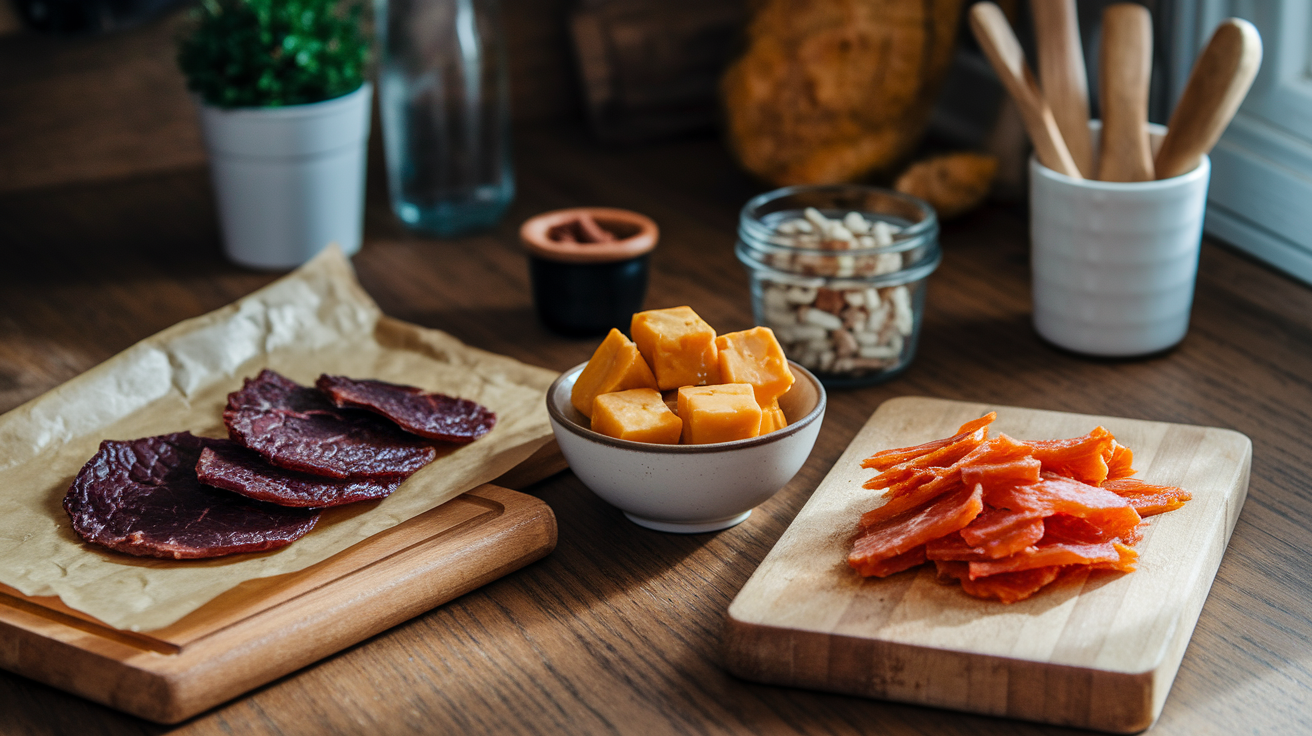
Making treats at home lets you control ingredients, portion size, and aroma while saving money compared to premium freeze-dried products. The following recipes use simple ingredients and basic kitchen equipment. Each yields enough treats for multiple training weeks when portioned into pea-sized pieces.
Oven-Dried Liver Chips
Use one pound of beef or chicken liver. Rinse and pat dry, then slice into thin strips (about one-eighth inch thick), or blend the liver into a smooth puree and spread it in a thin layer on a parchment-lined baking tray.
Bake at 200°F (95°C) for two to four hours. Check every thirty minutes. The liver’s ready when it’s brittle and breaks easily. Let cool completely, then break into pea-sized chips.
This recipe yields around three to four cups of chips. Store in an airtight container in the refrigerator for up to two weeks or freeze in portion bags for longer storage.
Cheesy Mini Training Bites
Combine one-half cup grated cheddar cheese, one egg, and one-half cup oat flour in a bowl. Mix until a dough forms. Roll the dough thin (about one-quarter inch) on a floured surface. Use a small cookie cutter or knife to cut into pea-sized squares.
Place on a parchment-lined baking sheet and bake at 350°F (175°C) for ten to twelve minutes, until firm and lightly golden. Cool completely before storing.
This recipe yields around two dozen small bites. Refrigerate in a sealed container for up to one week.
Salmon Jerky Micro-Pieces
Start with one pound of fresh salmon fillet. Remove skin and bones, then slice the fillet into thin strips (about one-quarter inch thick). Arrange strips on a parchment-lined baking tray, leaving space between pieces.
Bake at 175°F (80°C) for two to three hours. Flip halfway through, until the salmon is fully dehydrated and slightly crispy. Let cool, then cut into small pieces.
This recipe yields around two to three cups of jerky. Store in the refrigerator for up to ten days or freeze in portions.
Homemade treats lose potency faster than commercial products because they lack preservatives. Keep batches small and rotate through your freezer stock to maintain freshness. If a treat starts to smell off or develops mold, discard it immediately.
Safety Considerations, Ingredient Selection, and Allergy-Friendly Alternatives

Avoid any treats containing xylitol. It’s a sugar substitute that’s toxic to dogs even in tiny amounts. Check ingredient labels on commercial products and never use sugar-free peanut butter or baked goods.
Excessive salt, found in some processed meats and cheeses, can cause dehydration or sodium toxicity, especially in small dogs or those with heart conditions. If you’re using hot dogs or lunch meat, rinse them under water to remove some surface salt before cutting.
Organ meats like liver are nutrient-dense but high in fat, which can trigger pancreatitis in susceptible dogs. If your hound has a history of digestive upset or pancreatitis, stick to lean proteins like chicken breast or white fish.
For dogs on hydrolyzed or prescription elimination diets, use only vet-approved treats or reserve a small portion of their regular food as training rewards.
Refrigerate opened packages of natural treats, especially dehydrated meats, fish, and homemade batches. Treats without artificial preservatives spoil faster at room temperature. A sealed container in the fridge keeps treats fresh for one to two weeks. Freeze extra portions in small bags so you always have high-value rewards on hand.
Quick safety points:
- Xylitol is toxic. Avoid sugar-free products entirely.
- High-fat treats may trigger pancreatitis in sensitive dogs. Choose lean proteins.
- Excessive salt from processed meats can cause dehydration. Rinse before use.
- Dogs with food allergies should stick to single-ingredient treats or vet-approved options.
Troubleshooting Stubborn Hound Recall Using High-Value Treat Strategies

When your hound ignores you outdoors, the environment is usually more rewarding than the treat you’re offering. Upgrade your reward. Swap soft bites for freeze-dried liver or sardines.
If that still doesn’t work, move farther away from the distraction until your dog can focus, then rebuild from that distance. Over-threshold dogs won’t respond to food, no matter how high-value, because stress or overstimulation shuts down their appetite. Creating distance reduces the intensity and reopens the window for reinforcement.
Jackpot rewards (three to five treats delivered rapidly one after another) signal a major win. Use jackpots after the first successful long-distance recall, after a recall near another dog, or after any breakthrough moment. That burst of treats creates a memorable positive experience and accelerates habit formation.
If your dog starts refusing treats mid-session, they’re either full or the session has gone too long. Keep sessions to five to ten minutes and stop before your dog loses interest.
| Problem | Likely Cause | Recommended High-Value Solution |
|---|---|---|
| Dog ignores recall outdoors | Environment more rewarding than treat | Upgrade to freeze-dried liver or fish; increase distance from distraction |
| Dog spits out treats or refuses food | Full, flavor boredom, or over-threshold stress | Shorten session; rotate treat types; move to calmer environment |
| Slow response or scanning before coming | Reward not valuable enough for context | Reserve highest-value treats (liver, cheese) for hardest recalls only |
| Inconsistent recall at longer distances | Advanced too quickly; not enough repetitions at prior stage | Step back in distance; aim for ≥80% success before progressing |
Track your success rate over multiple sessions. If you’re below eighty percent at a given distance or distraction level, stay at that stage and increase treat value or session frequency.
Reliable recall builds through volume and consistency, not through one or two perfect days. Rotate between two or three high-value treat types so your dog never knows exactly what’s coming. That unpredictability keeps motivation high and makes every recall feel worth the effort.
Final Words
When your dog actually comes, reward fast with smelly, soft, tiny bites, like freeze-dried liver, cheese, or cooked chicken, so the moment sticks. Use pea-sized pieces, keep treats ready, and move from short to long distances with a long line to build reliable recall.
Rotate rewards, watch calories, and skip risky ingredients. If your hound ignores treats, try a jackpot or change the environment.
Stick with this plan and you’ll see steady wins using high value treats for stubborn hounds during recall training. Small wins, big trust.
FAQ
Q: What is a high value dog treat for training? What treats are best for recall?
A: A high-value training treat and the best recall treats are tiny, soft, very smelly bites like cooked chicken, cheese cubes, freeze-dried liver, hot dog micro-cubes, or sardine pieces you can deliver instantly.
Q: How to teach stubborn dog recall?
A: Teaching a stubborn dog recall uses immediate high-value treats, a clear marker word, short staged distances with a long line, frequent micro-rewards, and occasional jackpots to rebuild motivation and reliability.
Q: What is the 7 7 7 rule for dogs?
A: The 7 7 7 rule for dogs is a simple training guideline: repeat a cue in brief, consistent bursts—about 7 repetitions, 7-second waits between tries, across 7 short sessions—to build steady behavior.